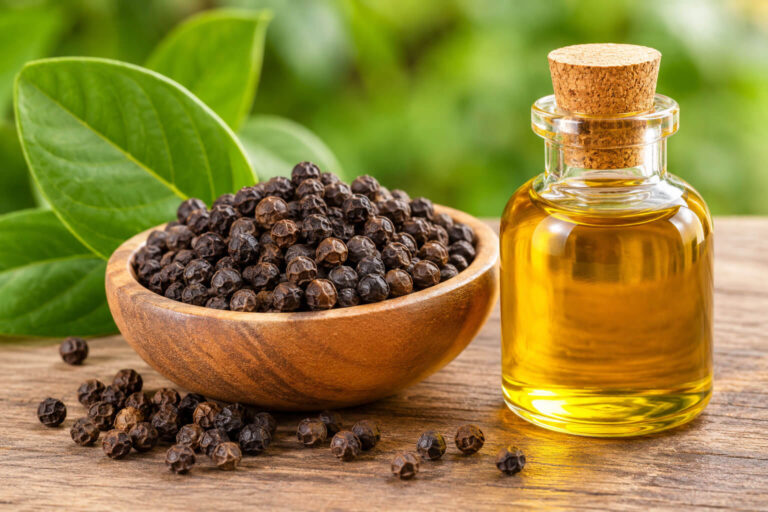

Growing up in Russia, I sometimes felt that my family had discovered a universal solution to every health problem. Feeling a cold coming on? Vodka with pepper. Having trouble with your digestion? Vodka with pepper. It was almost as if the spice rack had replaced the medicine cabinet. What seemed perfectly normal at home sounds rather strange when I explain it to people from other countries.
Of course, not every Russian family follows this tradition. Still, the unusual reputation of pepper as a household remedy is worth exploring. Why would anyone associate a spice that makes your mouth burn with getting better?
When Pepper Leaves the Kitchen
Black pepper is such an ordinary ingredient that we rarely stop to think about it. In Russian kitchens, it adds flavour to soups, dumplings, meat dishes and marinades.
However, in some households, pepper has another identity. Its pungent taste has traditionally been associated with warmth and the idea of stimulating the body. Rather than being used simply to season a meal, it becomes part of an improvised remedy.
For my family, the interesting thing was how versatile this supposedly medicinal ingredient seemed to be. Two completely different complaints could receive exactly the same response. Apparently, pepper was expected to know what was wrong and deal with it accordingly.
Vodka with Pepper or Pertsovka?
The Russian word for pepper is perets, which also gives its name to pertsovka, a flavoured alcoholic drink. Pepper infusions are familiar in Russia and other Eastern European countries, and some versions combine hot peppers with honey.
There is, however, a difference between a prepared infusion and the simple household mixture I remember. Pertsovka is a beverage, whereas vodka with pepper was sometimes presented as a remedy in its own right. The intention, rather than the ingredients alone, made the difference.
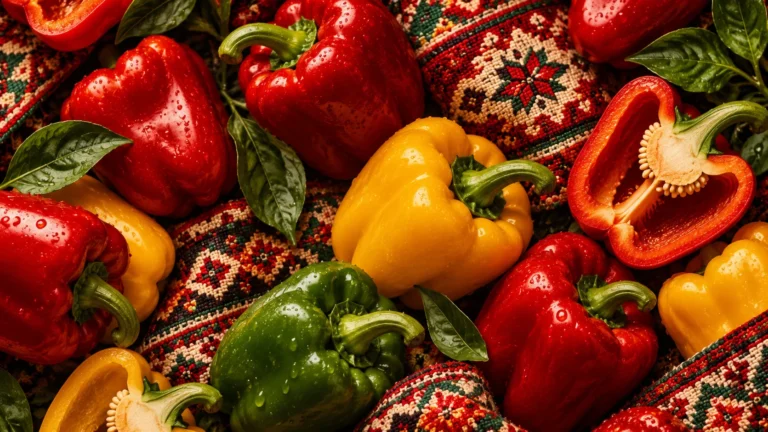
Different forms of pepper can appear in these traditions:
- Ground black pepper, familiar from everyday cooking.
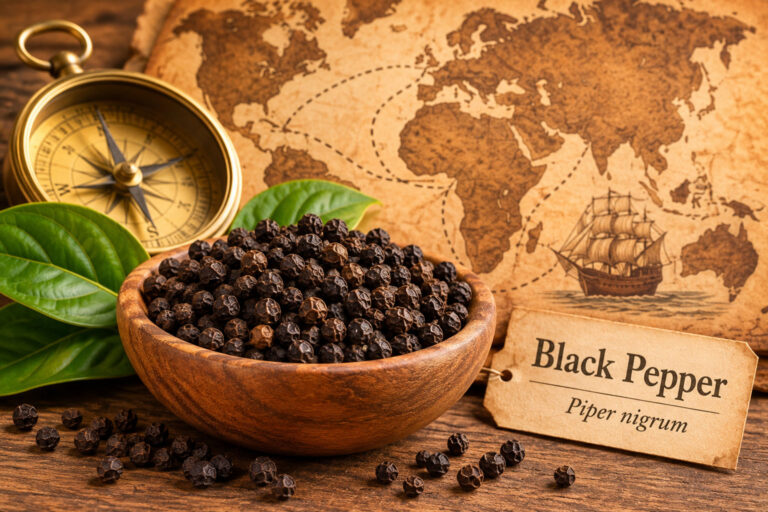
- Whole black peppercorns, which release their flavour more gradually.
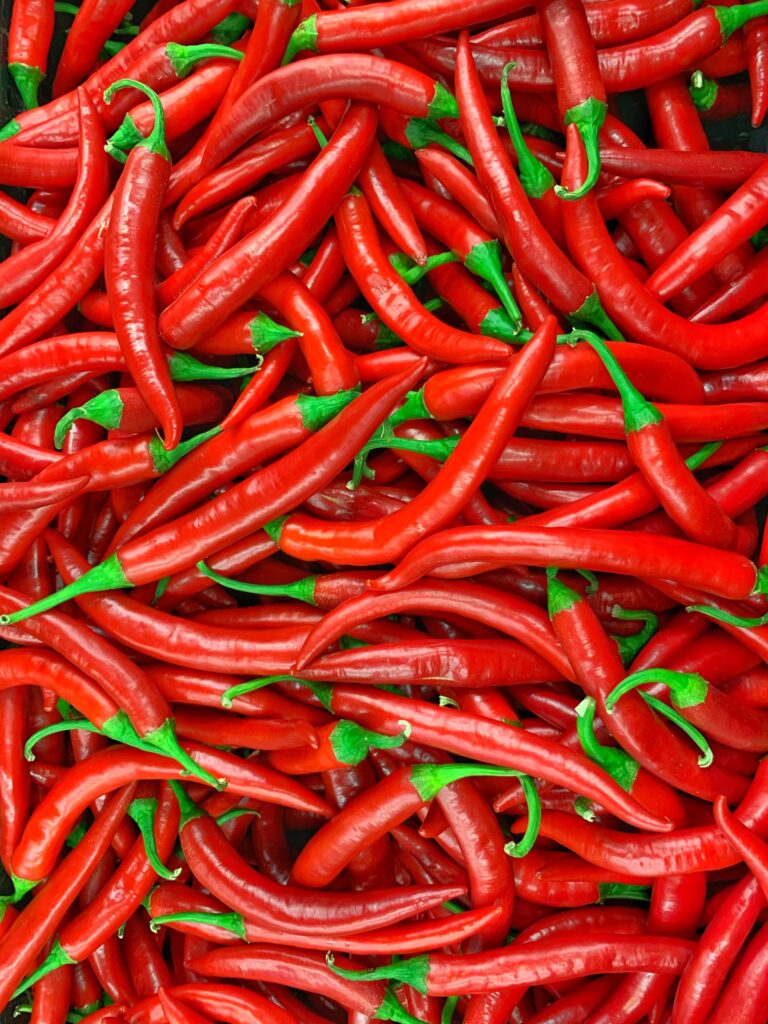
- Hot red chilli peppers, which produce a much stronger burning sensation.
Interestingly, black pepper and chilli peppers are not closely related plants. They simply share a common name and a reputation for pungency.
Why Does Pepper Feel So Warm?
There is a scientific explanation for the distinctive sensation produced by pepper. Black pepper contains piperine, a natural compound responsible for much of its pungency. Chilli peppers contain capsaicin, a different compound that also produces a burning sensation.
Both substances can activate sensory receptors involved in detecting heat and irritation. This explains why pepper can make your mouth feel hot even when the food itself is not particularly warm.
Alcohol can add another sensation of warmth by increasing blood flow near the surface of the skin. That feeling is misleading, however, because it does not mean that the body is protected against the cold.
These noticeable physical sensations may help explain the appeal of the traditional remedy. A substance that produces an immediate reaction can seem more powerful than something that produces no obvious sensation at all.
Can Pepper Really Help with Digestion?
The digestive system is another reason pepper has attracted attention beyond the kitchen. Scientists have investigated piperine and its possible effects on biological processes, including the absorption of certain substances.
However, research into an isolated compound is not the same as evidence that a household mixture can treat an upset stomach. Alcohol can irritate the stomach lining, and pungent ingredients may aggravate symptoms in some people.
The idea that vodka with pepper can solve any digestive problem is therefore unreliable.
What About the Common Cold?
A cold is caused by viruses, not simply by exposure to low temperatures. There is no reliable clinical evidence that drinking vodka with pepper prevents a cold or makes it disappear.
Modern medical guidance recommends getting enough rest and drinking fluids. Alcohol is not a recommended treatment. Anyone experiencing persistent or severe symptoms should seek appropriate medical advice.
This does not make the tradition less interesting. It simply means that we should distinguish between the cultural history of pepper and its proven medical uses.
A Family Tradition Worth Remembering
What I find most amusing is the contrast between the modest size of a peppercorn and the enormous expectations placed upon it. In my family, pepper was apparently capable of dealing with everything from a troublesome stomach to the first signs of winter illness.
Looking back, I see this tradition as an example of how everyday ingredients acquire meanings that go far beyond their original purpose. A familiar spice becomes associated with family habits, personal memories and beliefs passed between generations.