Growing up in Russia, I never questioned why we called sweet peppers Bulgarian. It was simply the name of a familiar vegetable that appeared in salads, homemade preserves and family dinners. However, when you start learning other languages, you quickly discover that this name is not as international as you might expect.
The story of the Bulgarian pepper is particularly curious because the vegetable did not originally come from Bulgaria. Its journey involves American agriculture, European trade, Soviet history and the surprising relationship between food and language.
From the Americas to European Kitchens
The geographical origins of sweet peppers are far removed from Russia and Bulgaria. Plants belonging to the genus Capsicum originated in the Americas, where Indigenous communities cultivated them long before Europeans arrived.
Following European expeditions to the Americas, peppers were introduced to other continents. Their cultivation gradually spread throughout Europe, where growers adapted them to local climates and culinary preferences.
Over time, different varieties appeared. Some retained their intense heat, while others developed a mild flavour and thicker flesh, making them suitable for eating fresh or cooking as vegetables.
Sweet peppers eventually became particularly important in the agricultural and culinary traditions of southeastern Europe, including Bulgaria.
How the Bulgarian Pepper Got Its Russian Name
There are two popular explanations for the unusual Russian name.
The first connects it to Bulgarian gardeners and merchants who cultivated and traded sweet peppers in territories that included present-day Ukraine, Moldova and southern Russia. Their agricultural expertise helped introduce different varieties of vegetables to these regions.
According to this explanation, Russian speakers began associating sweet peppers with the people who supplied them.
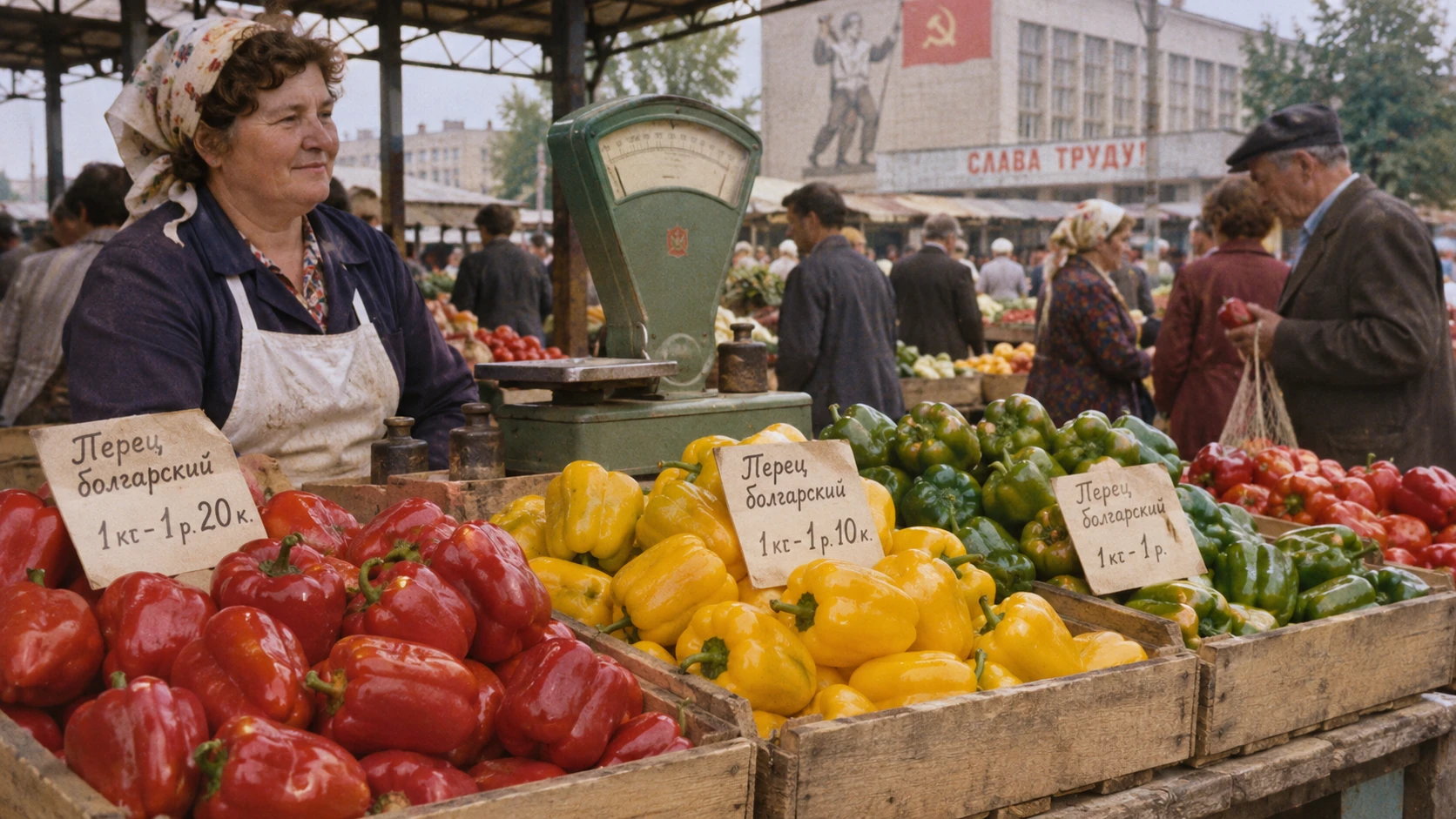
The second explanation focuses on the Soviet period. During the twentieth century, Bulgaria maintained close economic relations with the Soviet Union and supplied various agricultural products, including vegetables.
One widely repeated account suggests that imports of sweet peppers from Bulgaria during the 1950s helped popularise the expression.
Although the precise origin of the name remains uncertain, both explanations highlight the importance of Bulgarian agriculture and international trade.
What Do Other Countries Call It?
One of the most entertaining aspects of the Bulgarian pepper is how differently people refer to it around the world.
Here are some examples:
- Russia: bolgarskiy perets, literally Bulgarian pepper.
- United Kingdom: sweet pepper.
- United States: bell pepper.
- France: poivron.
- Germany: Paprika.
- Bulgaria: chushka, a general word for pepper.
These different names demonstrate how languages classify the same ingredient according to different characteristics.
English speakers often refer to its shape or taste, whereas Russian speakers use a geographical association.
Interestingly, Bulgarian consumers do not generally need to identify an ordinary sweet pepper as Bulgarian. For them, the vegetable is simply a familiar ingredient in their own cuisine.
Is It Related to Black Pepper?
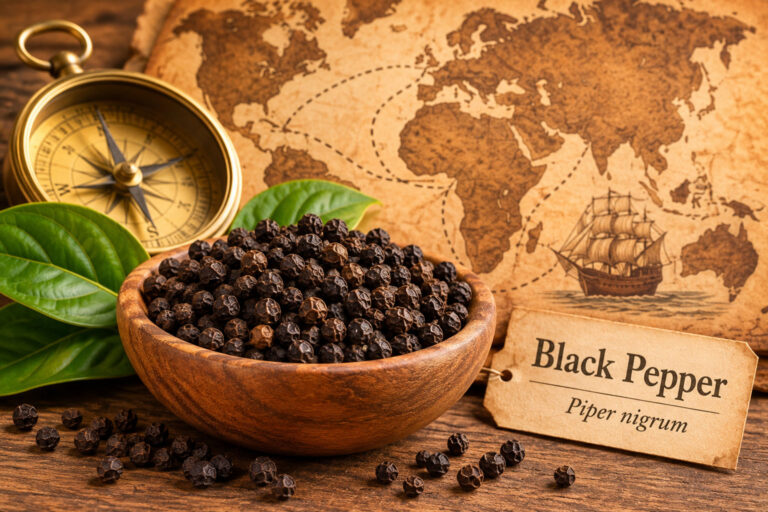
Despite sharing a name, sweet peppers and black peppercorns come from different plants.
Black pepper is produced from the fruits of Piper nigrum, a tropical climbing plant. Sweet peppers belong to Capsicum annuum, a species within the nightshade family.
Their culinary uses are also different. Black pepper is generally dried and ground to produce a seasoning, while sweet peppers are commonly eaten as vegetables.
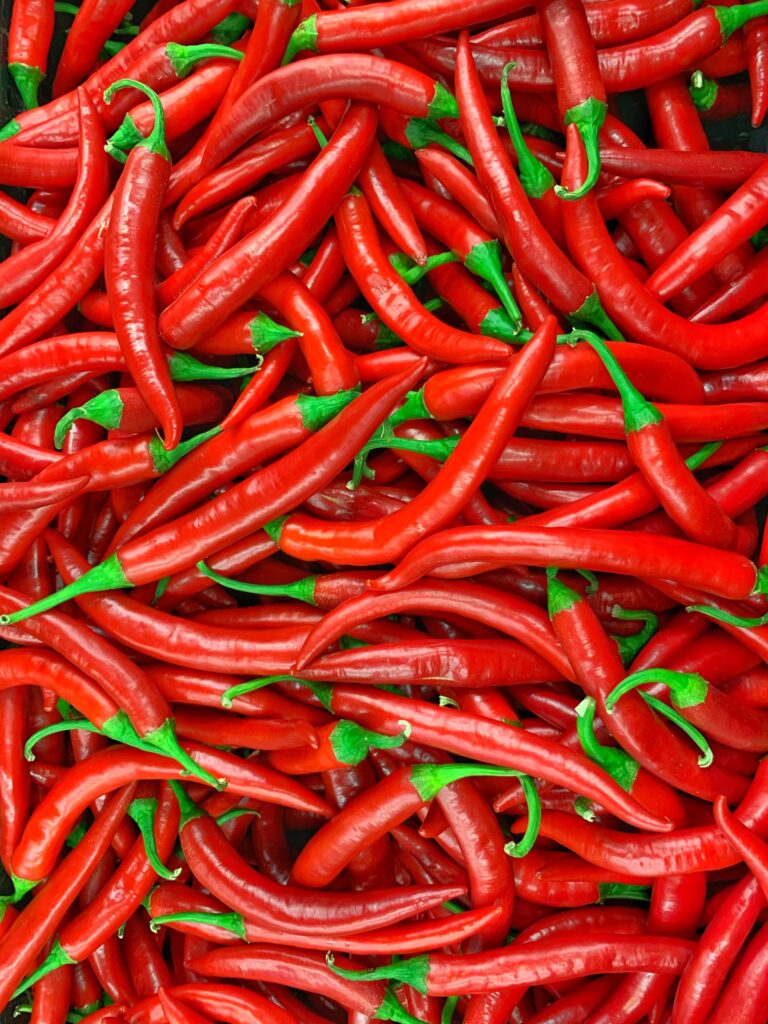
However, sweet peppers can also become spices. When suitable varieties are dried and ground, they produce paprika, a familiar ingredient in numerous European cuisines.
This connection between fresh vegetables and dried seasonings adds another interesting dimension to the history of pepper.
The Bulgarian Pepper in Russian Kitchens
Today, sweet peppers are widely used in Russian home cooking.
One particularly popular dish consists of peppers stuffed with minced meat and rice, cooked in a tomato-based sauce and frequently served with sour cream.
Another familiar preparation is lecho, a vegetable dish of Hungarian origin that became popular across Eastern Europe. Russian families often prepare their own versions using sweet peppers, tomatoes and sometimes onions or carrots.
Sweet peppers are also preserved for winter. Home canning has long been a familiar practice among families who grow vegetables in their gardens or buy seasonal produce in large quantities.
Although these dishes are not exclusively Russian, their popularity illustrates how culinary traditions travel across national borders.
A Small Challenge for Translators
The name Bulgarian pepper also presents an interesting translation problem.
Imagine translating a Russian recipe into English. A literal translation might suggest that the reader needs to purchase a particular Bulgarian variety of pepper.
In reality, the recipe probably requires an ordinary sweet pepper available in any supermarket.
A translator must therefore consider not only the original words but also their meaning within a particular cultural context. Choosing bell pepper or sweet pepper will usually make the instructions clearer for English-speaking readers.
This simple example demonstrates why food terminology can be surprisingly difficult to translate.
More Than Just a Vegetable
The Bulgarian pepper has travelled across continents, entered different culinary traditions and acquired an unexpected identity in Russian vocabulary.
Its name reminds us that the origins of ingredients and the origins of their names are not necessarily the same.
The next time you buy a sweet pepper, remember that an ordinary vegetable can carry centuries of agricultural history, international exchange and cultural associations.
Sometimes, even the smallest details in our kitchens can reveal fascinating stories about the world.