Pepper in Folk Medicine: Traditional Remedies and Healing Practices
Pepper has long been valued not only as a culinary spice but also as a medicinal ingredient in traditional healing practices around the world. For centuries, communities have incorporated black pepper into remedies intended to relieve digestive discomfort, ease respiratory symptoms and promote general well-being. Its distinctive pungency, warming properties and availability made it a popular ingredient in household preparations. The use of pepper in folk medicine reflects the close relationship between food, health and traditional knowledge, particularly before modern pharmaceutical treatments became widely available.
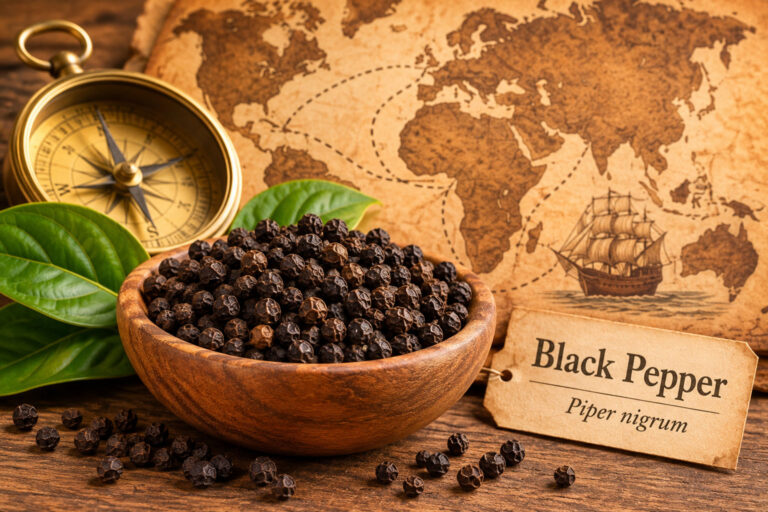
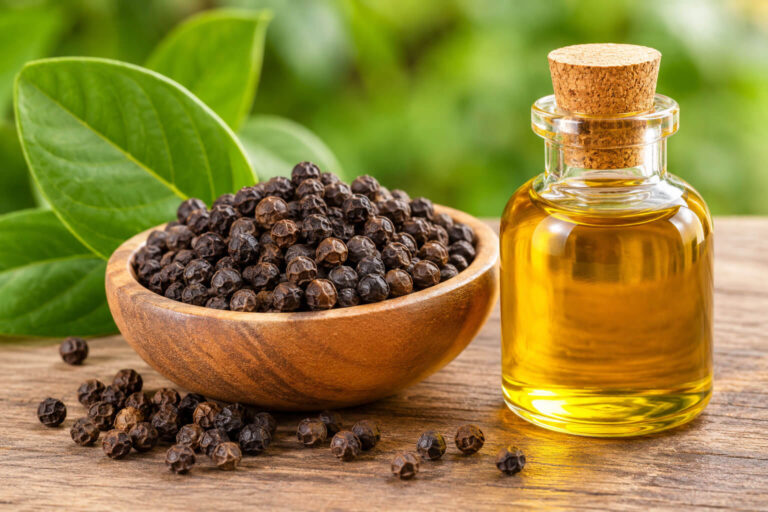
Derived from the dried berries of Piper nigrum, black pepper contains several compounds, including piperine, which contributes to its characteristic taste and has attracted scientific interest. Although many traditional uses are documented historically, not all have been confirmed by modern clinical research. Understanding pepper's role in folk medicine therefore requires distinguishing between historical practices, cultural beliefs and scientifically established effects.
Pepper as a Digestive Remedy
One of the most widespread applications of pepper in folk medicine has been its use to support digestion. In Ayurvedic medicine, a traditional healing system originating in India, black pepper has been used to stimulate appetite, encourage digestive processes and alleviate complaints such as bloating, flatulence and indigestion. It has also traditionally been employed as a remedy for intestinal parasites.
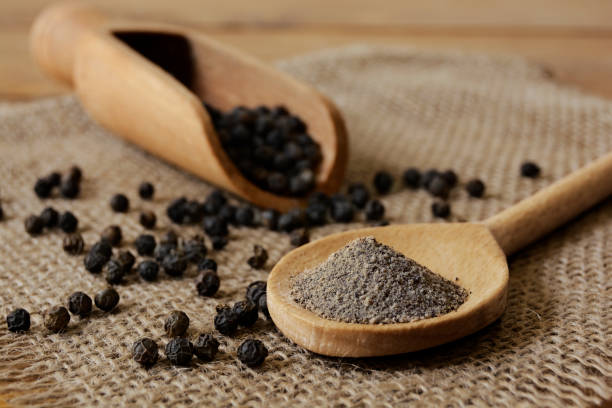
Pepper was commonly administered in powdered form, either on its own or combined with other medicinal ingredients. Its pungent taste and warming sensation were believed to stimulate the body and encourage the digestive system to function more effectively. Such beliefs were closely linked to traditional concepts of balance, digestion and the body's response to food.
Modern research has investigated piperine, the principal pungent alkaloid found in black pepper, for its potential effects on digestion, metabolism and the absorption of other substances. However, these findings do not necessarily validate traditional remedies, and evidence from laboratory studies should not be interpreted as proof of therapeutic benefits in humans.
Traditional Remedies for Coughs, Colds and Sore Throats
Black pepper has also been used extensively in traditional remedies for respiratory complaints. Across South Asian medicinal traditions, it has been associated with the relief of coughs, colds, congestion, sore throats and breathing difficulties. Its warming and stimulating properties made it a common ingredient in preparations intended to soothe respiratory discomfort.
In household remedies, ground pepper was sometimes combined with honey, ginger or other herbs to create mixtures for coughs and throat irritation. These combinations reflect the traditional belief that pungent ingredients could help clear congestion and encourage the expulsion of mucus. Pepper was also incorporated into herbal formulations rather than used as a standalone remedy, highlighting the importance of combinations of ingredients in traditional medicine.
Although some compounds in black pepper have demonstrated biological activity in experimental research, there is insufficient clinical evidence to establish black pepper as an effective treatment for respiratory infections or other respiratory conditions.
Anti-Inflammatory Properties and External Applications
Pepper in Traditional Herbal Formulations
Rather than being used exclusively on its own, pepper has often been incorporated into complex herbal formulations. One notable example is Trikatu, a traditional Ayurvedic preparation consisting of black pepper, long pepper (Piper longum) and ginger (Zingiber officinale). The combination has traditionally been used to support digestion and address various ailments, while pepper has also been valued for its potential to influence the absorption of other substances.
Piperine has attracted particular scientific interest because it can influence the bioavailability of certain compounds, including some medicines. This property, however, also raises safety concerns, as pepper extracts or concentrated piperine supplements may interact with medications and alter their absorption or metabolism. Such preparations should therefore not be regarded as harmless simply because they originate from a natural ingredient.
The Legacy of Pepper
The use of black pepper in folk medicine illustrates how culinary ingredients have historically served multiple purposes in everyday life. From digestive remedies and cough mixtures to topical preparations for aches and pains, pepper has been incorporated into a wide variety of traditional healing practices, particularly in South Asia.
Today, scientific research continues to investigate the properties of black pepper and its active compounds. While some findings offer insight into the traditional uses of this spice, many remedies remain insufficiently studied. Pepper's long-standing place in traditional medicine is nevertheless an important part of its cultural and botanical history, demonstrating how generations of traditional knowledge have shaped the way people understand and use plants.