Category: Food History & Culture

  • Ñora Pepper: The Sweet Mediterranean Jewel of Spanish Cuisine

    Ñora Pepper Spice

    A Small Pepper With a Big Culinary Legacy

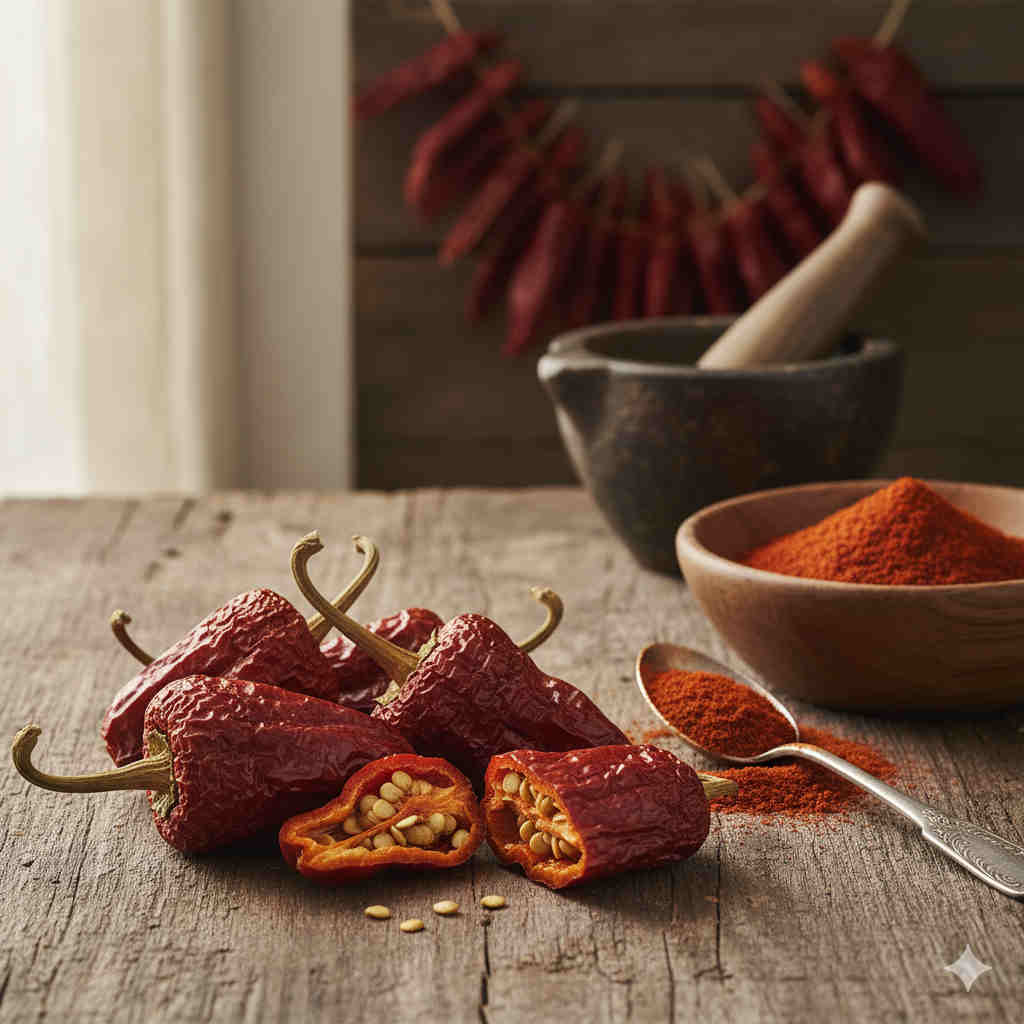
    In the world of Spanish spices, some ingredients are quiet heroes—less globally famous than saffron or smoked paprika, yet essential to regional culinary identity. The ñora pepper is one such gem. Small, round, and deep red, ñoras are sun-dried peppers traditionally grown in the Mediterranean regions of Murcia, Alicante, and parts of Valencia. Despite their modest appearance, they carry a rich, fruity sweetness and an aroma that instantly evokes the warmth of Spain’s southeastern coast.

    In Spanish cooking, particularly in Levantine cuisine, ñora peppers are the foundation of many iconic dishes—rice preparations, stews, and especially sauces such as the famous romesco. They are beloved not for spiciness (since ñoras contain almost no heat), but for their sweetness, depth, and umami quality. This article explores the unique taste of ñora peppers, their culinary uses, their rich cultural history, and why they remain a key staple in Mediterranean kitchens.


    Flavor Profile: Sweet, Fruity, Aromatic, and Completely Mild

    The flavor of ñora peppers is distinct and unmistakable. Unlike fiery Spanish peppers such as pimentón picante, the ñora is all charm and sweetness.

    Key Characteristics of Ñora Peppers

    • Naturally sweet, with a fruity intensity reminiscent of sun-dried tomatoes
    • Completely mild, containing virtually no capsaicin
    • Soft, smoky undertones, not from smoking but from sun-drying
    • Umami-rich, adding depth without overpowering other ingredients
    • Aroma of dried fruit, with a slightly caramelized fragrance

    Because of their complexity and lack of heat, ñoras are favored by cooks who want gentle sweetness and richness without spiciness. This makes them incredibly versatile in stews and sauces, acting as a harmonious flavor base that ties ingredients together.


    How to Use Ñora Peppers: A Mediterranean Essential
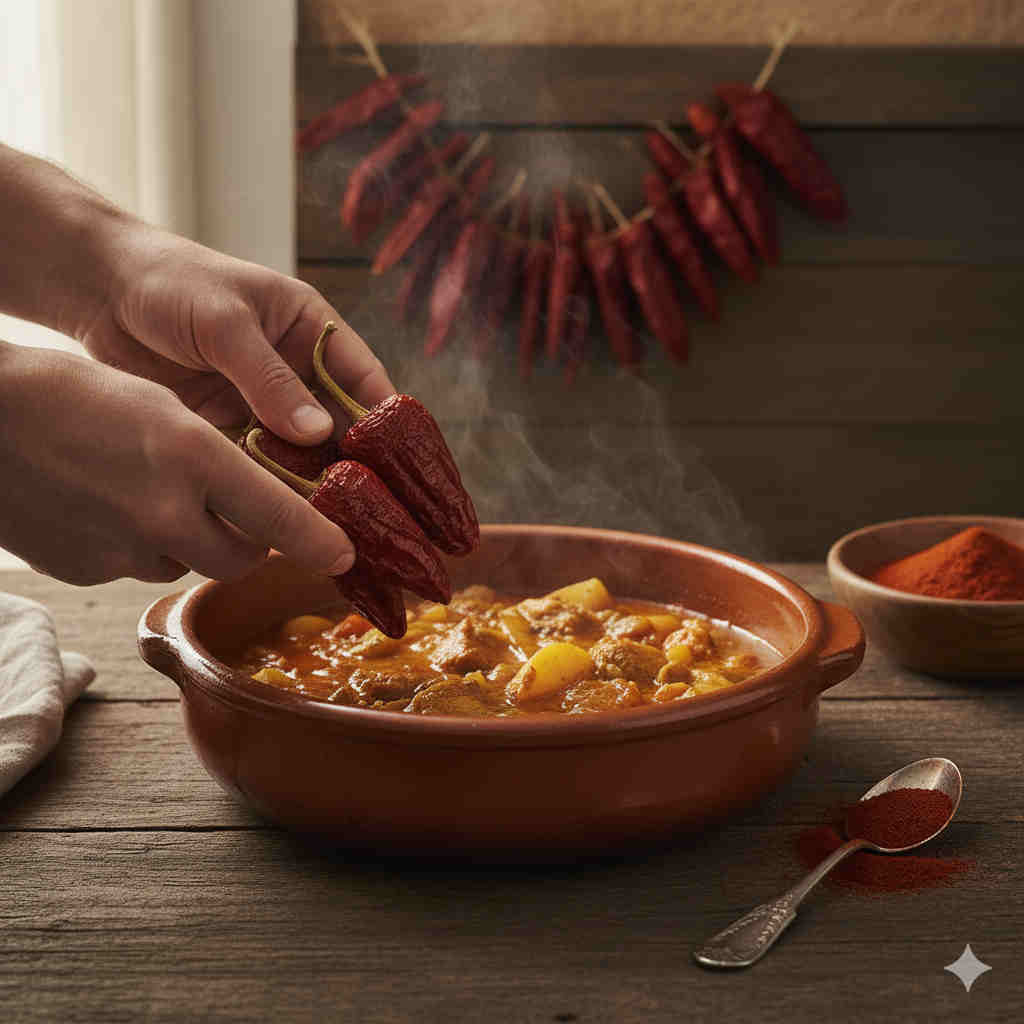
    Ñora Pepper Recipes

    Unlike powdered spices, ñora peppers are usually sold whole and dried. Because their skin is tough, they are rarely used directly in dishes without preparation. Instead, they are rehydrated and the pulp is extracted.

    1. Rehydrating Ñora Peppers: Step-by-Step

    To prepare ñoras properly:

    1. Remove the stem and shake out the seeds.
    2. Soak the peppers in warm water for 15–20 minutes.
    3. Once soft, split them open.
    4. Scrape out the soft, aromatic flesh with a spoon.

    This pulp—deep red and highly fragrant—is the true treasure of the ñora.

    2. Ñoras in Rice Dishes (Arroces)

    In southeastern Spain, ñora pepper pulp is a foundational element in many rice dishes, particularly:

    • Arroz a banda
    • Arroz con costra
    • Fideuà
    • Traditional Alicante-style paellas

    The pepper contributes sweetness, color, and a savory backbone that enhances seafood, meats, and vegetables.

    3. Romesco Sauce: A Spanish Icon Powered by Ñoras

    Perhaps the most famous use of ñoras is in romesco sauce, a Catalan classic. Traditionally eaten with:

    • Grilled calçots (sweet onions)
    • Roasted vegetables
    • Fish and seafood
    • Grilled meats

    Romesco blends ñora pulp with almonds, garlic, olive oil, tomatoes, and vinegar. The result is a thick, smoky-sweet sauce that is one of the most beloved condiments in Spanish cuisine. Without ñora peppers, authentic romesco loses its characteristic depth and Mediterranean sweetness.

    4. Stews, Soups, and Fish Preparations

    Ñoras are widely used in slow-cooked dishes, such as:

    • Fish stews
    • Vegetable guisos
    • Meat-based casseroles
    • Brothy seafood soups

    They add richness, roundness, and subtle fruitiness that elevates even simple recipes.

    5. Homemade Sofritos and Seasoning Bases

    Ñora pulp is often added to Spanish sofrito—Spain’s version of a flavor base similar to French mirepoix or Italian soffritto. A classic sofrito of onions, garlic, tomatoes, and ñora pulp forms the backbone of countless Mediterranean dishes.


    The History and Cultural Significance of Ñora Peppers
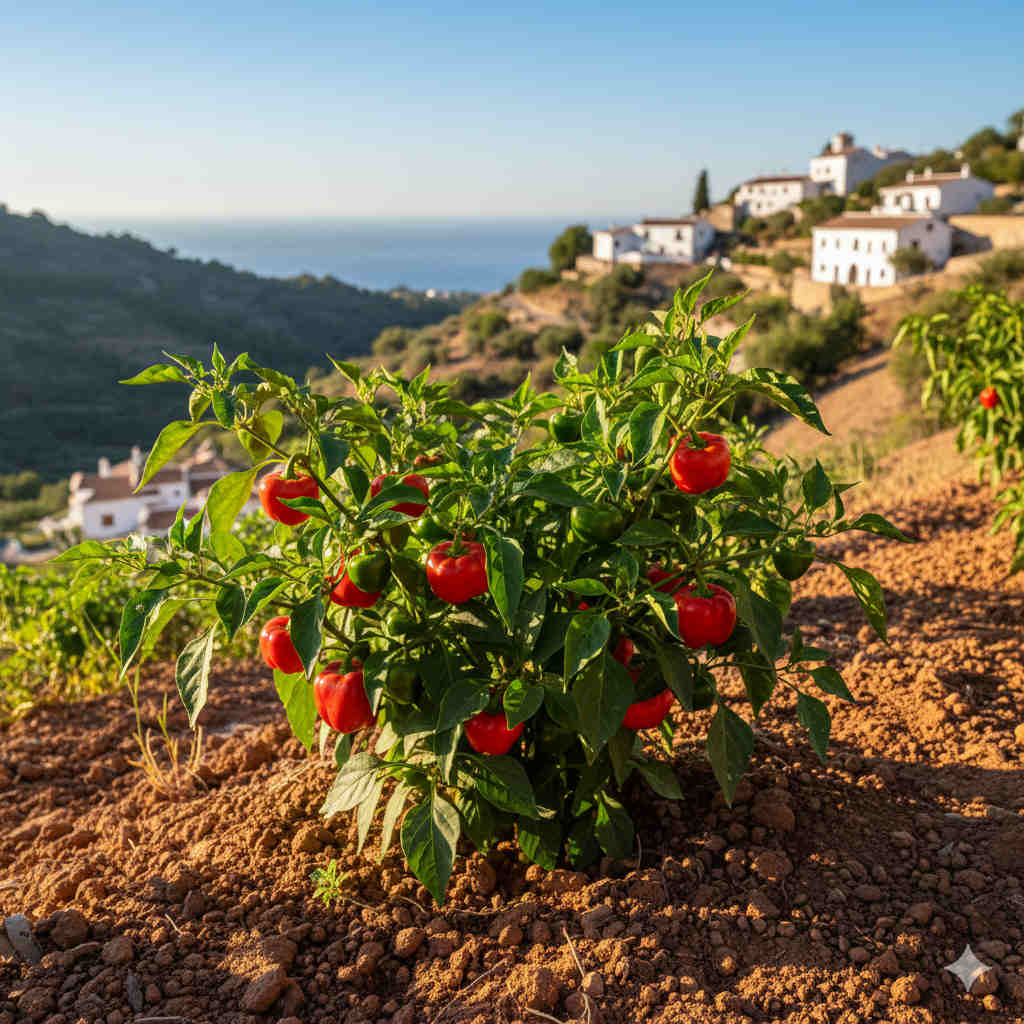
    Ñora Pepper Plant

    The ñora pepper has deep roots in Spanish agriculture and cuisine. Originally introduced from the Americas in the 16th century—like most peppers—it adapted exceptionally well to the warm, sunny climate of southeastern Spain.

    1. The Origin of the Name “Ñora”

    The name ñora is believed to come from the small Murcian coastal village of La Ñora, where the pepper was widely cultivated and used in traditional cooking. Over time, the pepper took on the name of the region that made it famous.

    2. A Tradition of Sun-Drying

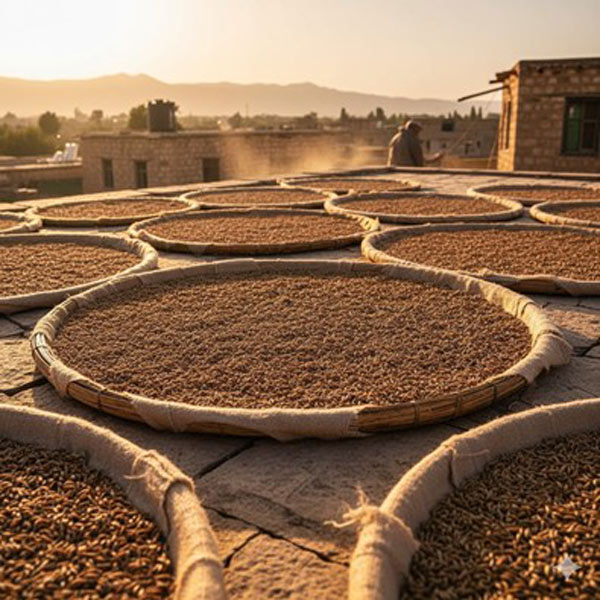
    Unlike smoked paprika, which is dried over wood fires, ñoras are dried naturally under the Mediterranean sun. This slow dehydration method concentrates their sugars and enhances their fruity aroma. Sun-drying has been a traditional preservation method in the region for centuries.

    3. A Cultural Symbol of Murcia and Valencia

    Today, the ñora pepper is not just an ingredient—it is a point of cultural pride. Many regional dishes simply cannot be recreated without it. In Murcia, for example, ñoras are used to make pimentón murciano, a paprika that is sweeter and more tomato-like than smoked paprika.

    The pepper also plays a role in local festivals, markets, and artisanal traditions, where dried ñoras are often sold in decorative strings.


    Why Ñora Peppers Matter in Modern Cooking

    In contemporary cuisine, chefs increasingly value ingredients with distinct terroir and cultural identity. Ñora peppers offer:

    • Authenticity in Mediterranean and Spanish dishes
    • Natural sweetness without sugar
    • Rich umami, ideal for vegetarian and vegan cooking
    • Visual appeal, thanks to their deep red color
    • Versatility, blending beautifully with seafood, meats, vegetables, and grains

    As global interest in Spanish cuisine grows, ñoras are becoming more widely available in gourmet stores and online spice shops.


    Conclusion: A Sweet, Fruity Treasure Worth Knowing

    The ñora pepper may be small, but its impact on Spanish cuisine is enormous. From the bold romesco sauces of Catalonia to the fragrant rice dishes of Alicante and Murcia, ñoras bring sweetness, depth, and Mediterranean identity to every recipe they touch. Their mild, fruity flavor makes them accessible to all palates, while their rich history adds cultural significance to every bite.

    For cooks looking to explore the authentic tastes of Spain—or for anyone searching for a versatile, naturally sweet pepper to elevate their dishes—the ñora is a spice cabinet essential.

    Other Spanish Typical Spices:


    – Smoked Paprika

    Saffron

    Spanish Oregano

    Spanish Cumin

  • Saffron: The Golden Essence of Spanish Cuisine

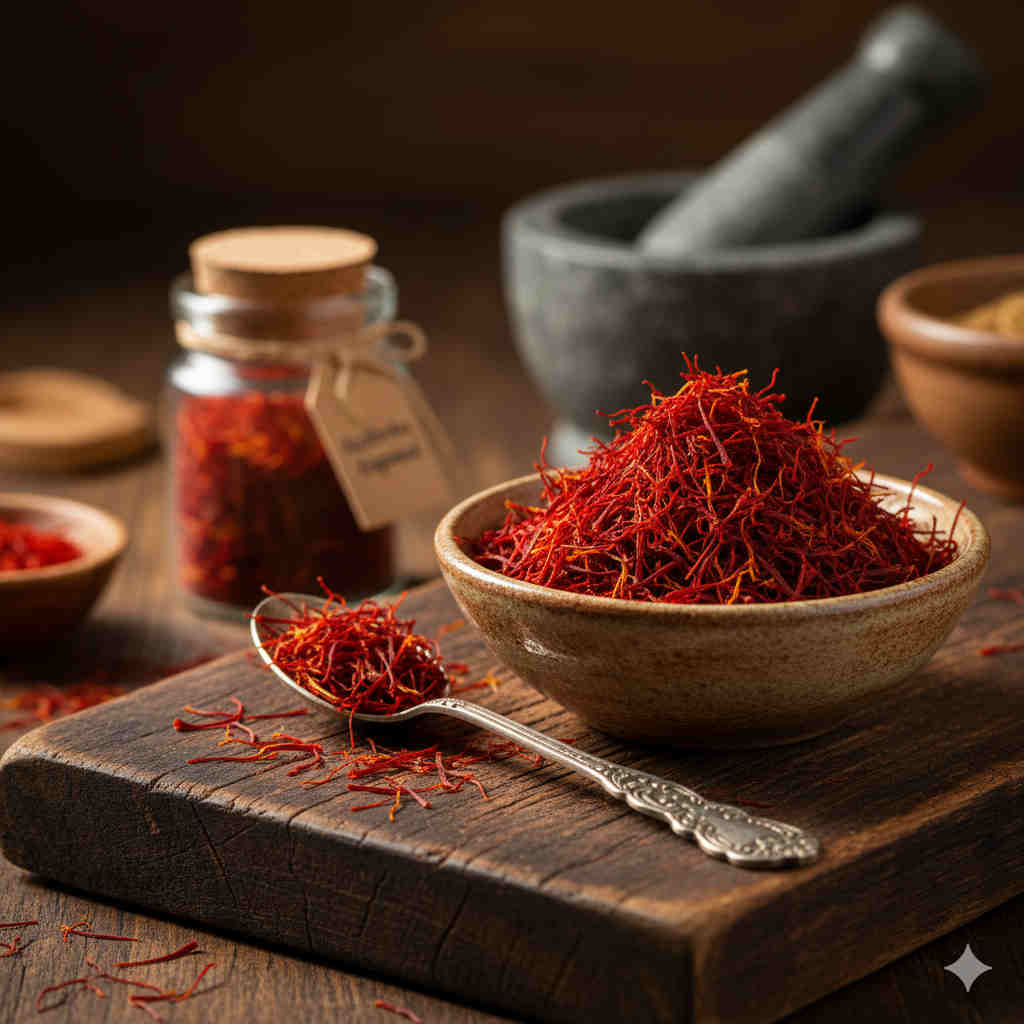
    Saffron Spice

    A Spice Worth Its Weight in Gold

    There are few spices in the world that evoke as much curiosity, mystique, and admiration as saffron, known in Spanish as azafrán. Often called “red gold,” it is more than just the world’s most expensive spice—it is a cultural emblem, a symbol of craftsmanship, and an integral part of Spain’s culinary heritage. The delicate crimson threads, harvested by hand from the Crocus sativus flower, have been used for centuries to bring aroma, color, and depth to countless dishes. In Spain, it is inseparable from some of the country’s most iconic recipes, including the famed paella, arroz con pollo, and rich fish stews.

    But beyond its culinary appeal, it carries with it a rich history shaped by ancient civilizations, trade routes, and agricultural traditions that still exist today.


    Understanding the Flavor Profile of Saffron

    To appreciate it’s culinary power, one must understand its unique taste. Unlike many spices that deliver bold or aggressive flavors, it’s prized for its subtlety. A small quantity—sometimes only a few threads—is enough to transform an entire dish.

    Saffron’s Aroma and Taste

    High-quality Spanish saffron, particularly from La Mancha, is known for:

    • Aromatic floral notes, reminiscent of honey and wild herbs
    • Warm, earthy undertones, similar to hay
    • A hint of bitterness, adding balance and complexity
    • A golden color, which infuses liquids with a deep yellow-orange hue

    The spice doesn’t overwhelm; instead, it enhances. Its fragrance blooms when steeped in warm liquid, releasing compounds that carry both flavor and color throughout the dish. This makes this spice a favorite in recipes where subtle aromatic depth is desired.


    How to Use Saffron in Cooking: Techniques and Applications

    Saffron Recipes

    Because of its cost and intensity, it must be used thoughtfully. When used properly, its effect is unforgettable.

    1. The Infusion Method: Unlocking Maximum Flavor

    Steps to use saffron correctly:

    1. Lightly crush a pinch of threads (between 8 and 12 threads is typical for a family-sized dish).
    2. Add them to a small bowl of hot water, broth, or milk.
    3. Let them steep for at least 10 minutes.
    4. Pour the entire infusion—including the threads—into your dish.

    This method ensures the spice releases its aroma and color evenly.

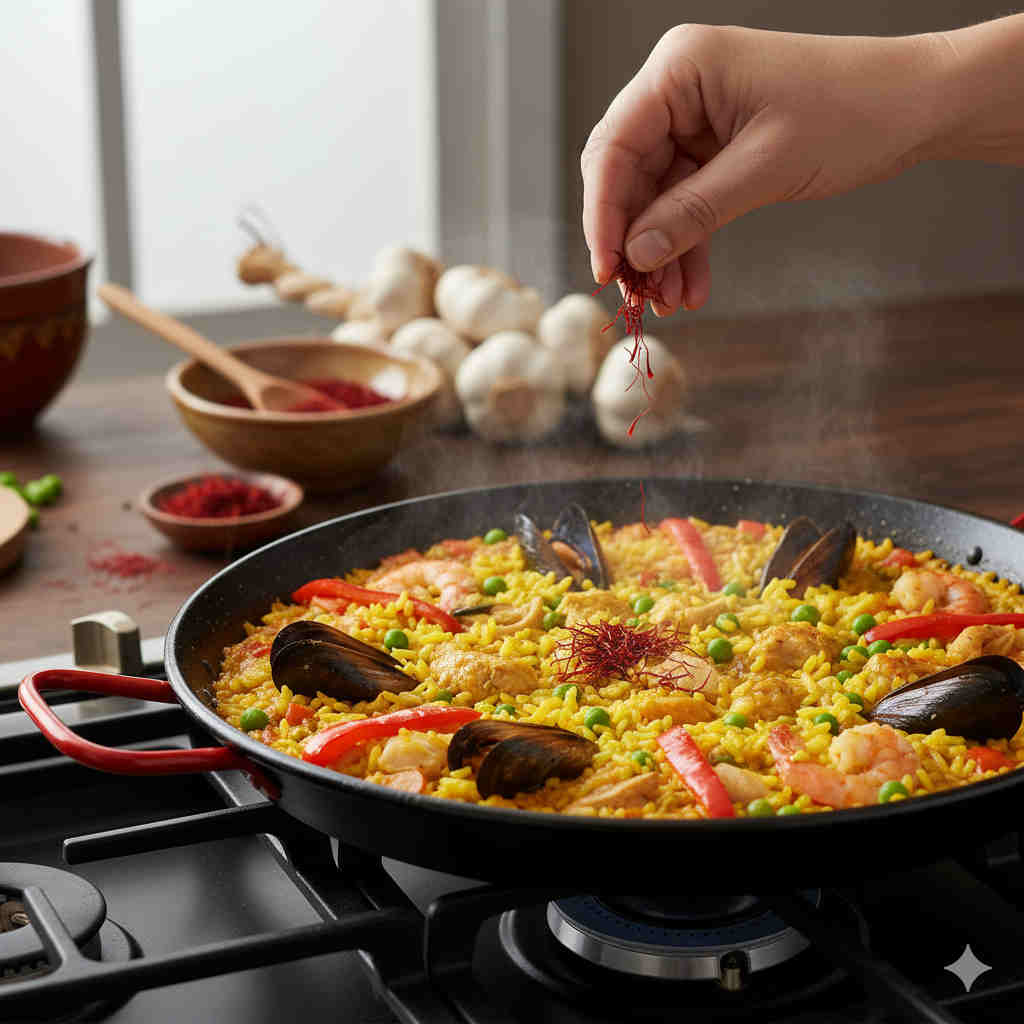
    2. Paella: Most Famous Stage

    No ingredient is more synonymous with paella than saffron. It gives:

    • Signature golden color
    • Delicate floral aroma
    • Balanced earthiness

    Whether the dish includes seafood, chicken, vegetables, or rabbit, itties the flavors together into the unmistakable taste of authentic Spanish paella.

    3. Rice and Grain Dishes Beyond Paella

    It enhances a wide variety of Spanish rice dishes:

    • Arroz caldoso (brothy rice)
    • Arroz al horno (oven-baked rice)
    • Arroz con pollo
    • Arroz negro (in some regional variations)

    The spice adds elegance even to simple white rice, instantly elevating it into something festive.

    4. Fish and Seafood Preparations

    Because its aroma pairs beautifully with seafood, it appears in:

    • Fish stews
    • Seafood soups
    • Mediterranean broths
    • Infused butter for grilled fish

    In these dishes, saffron brings complexity without overpowering delicate proteins.

    5. Sauces, Aiolis, and Modern Uses

    Contemporary Spanish cuisine embraces it in:

    • Cream sauces
    • Aioli
    • Flavored oils
    • Infused desserts such as custards, cakes, or milk puddings

    Its versatility shows why chefs worldwide consider it indispensable.


    The History of Saffron: A Journey Through Civilizations

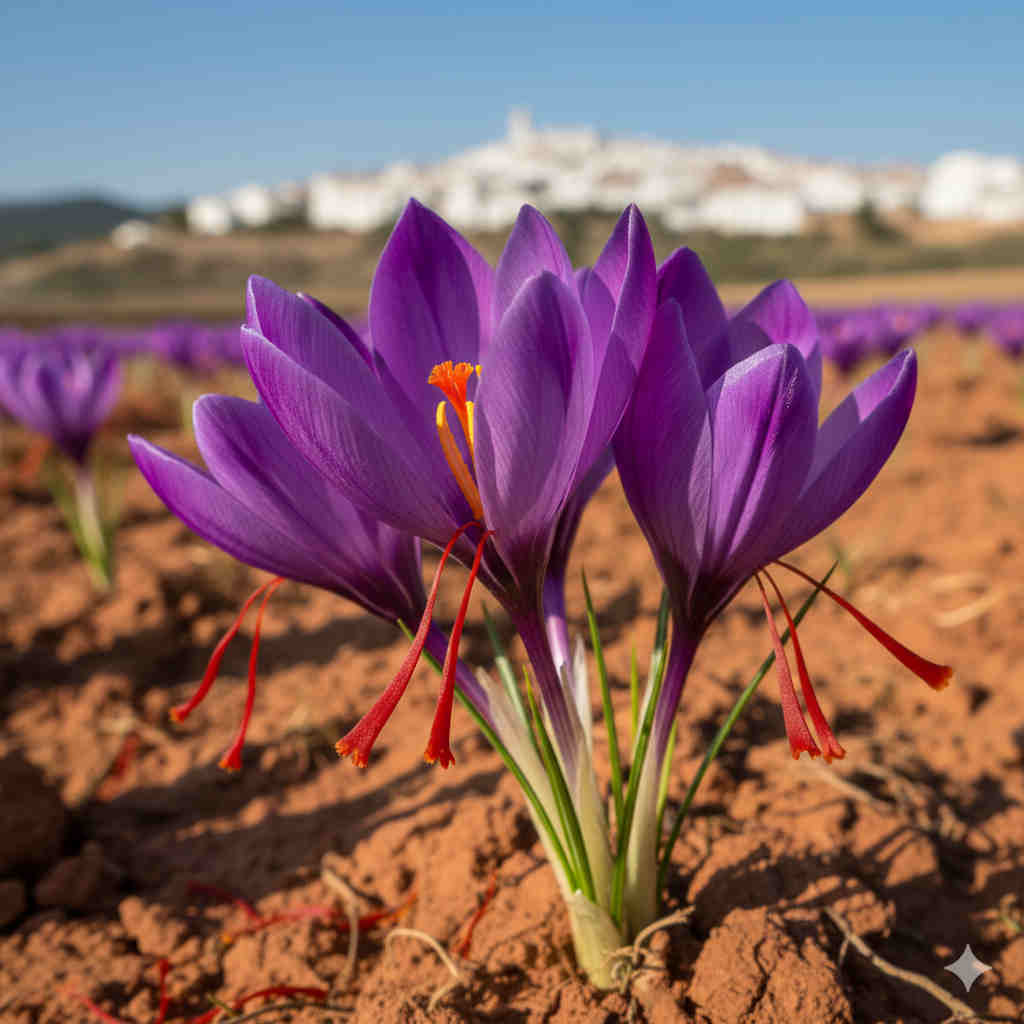
    Saffron Flower

    Saffron’s story spans thousands of years, crossing empires and continents.
    It originated in the eastern Mediterranean and quickly gained reputation as a luxury commodity for:

    • medicine
    • cooking
    • textile dye
    • ritual and religious ceremonies

    1. The Arrival of Saffron in Spain

    Saffron entered Spanish culture primarily during the Moorish occupation, starting in the 8th century. The Moors brought advanced agricultural techniques and a deep appreciation for spices, transforming saffron cultivation into a thriving Iberian tradition.

    2. La Mancha: Spain’s Saffron Heartland

    The La Mancha region has the ideal climate:

    • dry summers
    • cold winters
    • rich, well-drained soils

    Harvesting is still done entirely by hand. Each flower blooms for only a few hours, and workers must carefully pluck the three delicate stigmas before the petals wilt. It takes between 150,000 and 200,000 flowers to produce 1 kilogram of saffron.

    This meticulous process explains why it has historically been worth more than gold by weight.

    3. A Legacy of Excellence

    Spanish saffron remains highly sought after for its:

    • Color strength
    • Aroma intensity
    • Purity standards
    • Protected D.O. certification

    La Mancha saffron is regarded by many chefs as the world’s finest, maintaining centuries-old harvesting and drying techniques.


    Why Saffron Is So Valuable

    People often wonder why saffron is the most expensive spice. The reasons are clear:

    • Labor-intensive harvesting (always by hand)
    • Extremely low yield per flower
    • Short harvest season
    • Manual separation, drying, and selection
    • High demand and limited supply

    Its value is a reflection of rarity and craftsmanship, not artificial inflation.


    Conclusion: A Spice of Tradition, Luxury, and Timeless Flavor

    Saffron is far more than an ingredient—it’s a cultural symbol, a culinary tool, and a historical artifact all at once. Its floral aroma, golden color, and subtle complexity have shaped Spanish cuisine for more than a millennium. Whether you stir it into paella, infuse it into a broth, or add it to modern interpretations of classic dishes, saffron brings a sense of occasion and authenticity that no other spice can match.

    From the sun-drenched fields of La Mancha to kitchens around the world, saffron remains a spice of prestige and passion—Spain’s true golden essence.

    Other Spanish Typical Spices:


    – Smoked Paprika

    Ñora Pepper

    Spanish Oregano

    Spanish Cumin

  • The origins of curry: a journey through time, trade, and indian tradition

    https://en.wikipedia.org/wiki/Curry

    indian

    Few flavors in global cuisine are as instantly recognizable as curry. Aromatic, warm, and endlessly adaptable, curry is not a single spice but a rich, evolving blend with roots that reach deep into Indian and South Asian history. While today “curry powder” is found in home pantries and supermarket shelves around the world, its origins lie in ancient culinary traditions, dynamic trade networks, and centuries of cultural exchange. Understanding how curry came to be requires looking not only at its ingredients, but also at the civilizations that shaped (and were shaped by) this iconic blend.

    Ancient beginnings: the first spice blends

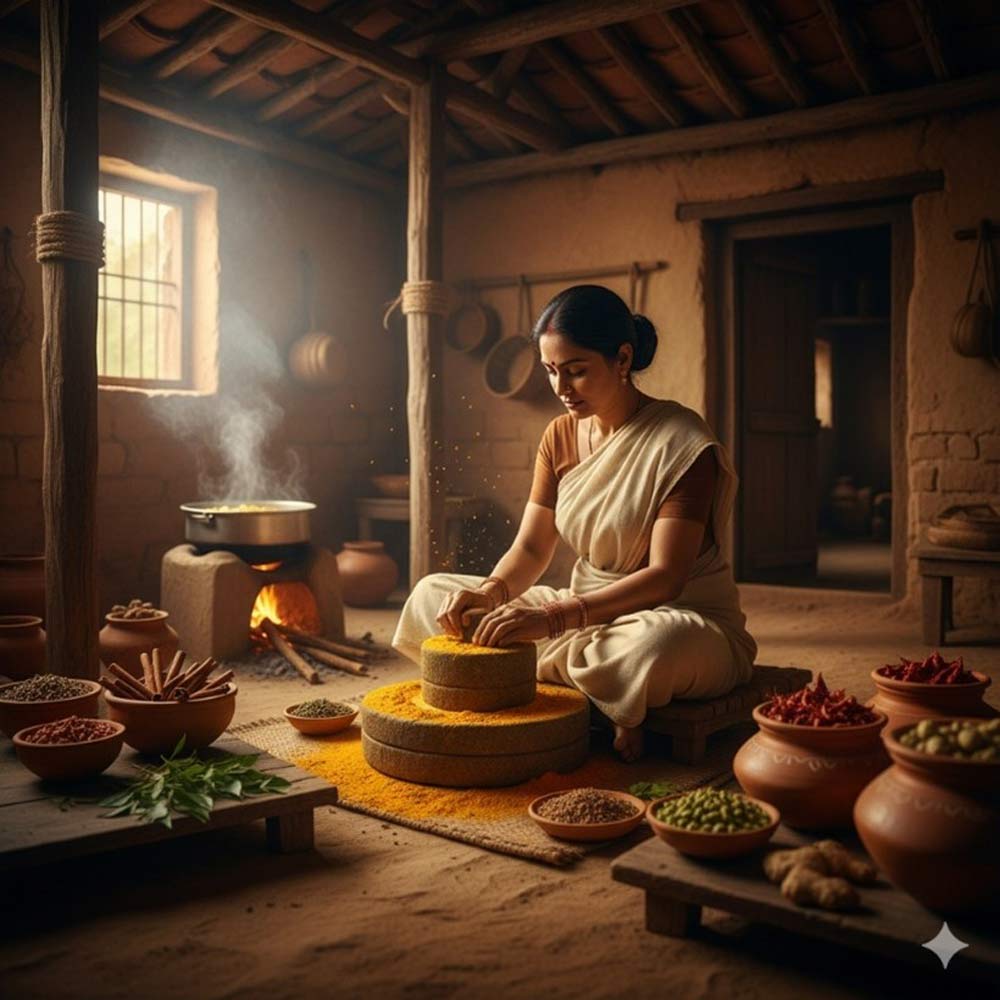
    The origins of curry date back thousands of years. Archaeological evidence from the Indus Valley Civilization (around 2500–1500 BCE) reveals that early South Asian cooks used combinations of spices such as turmeric, ginger, and garlic in their daily meals. Grinding stones discovered at sites like Harappa contain residues of these ingredients, suggesting that the ancestors of what we now call curry were already part of local culinary practices.

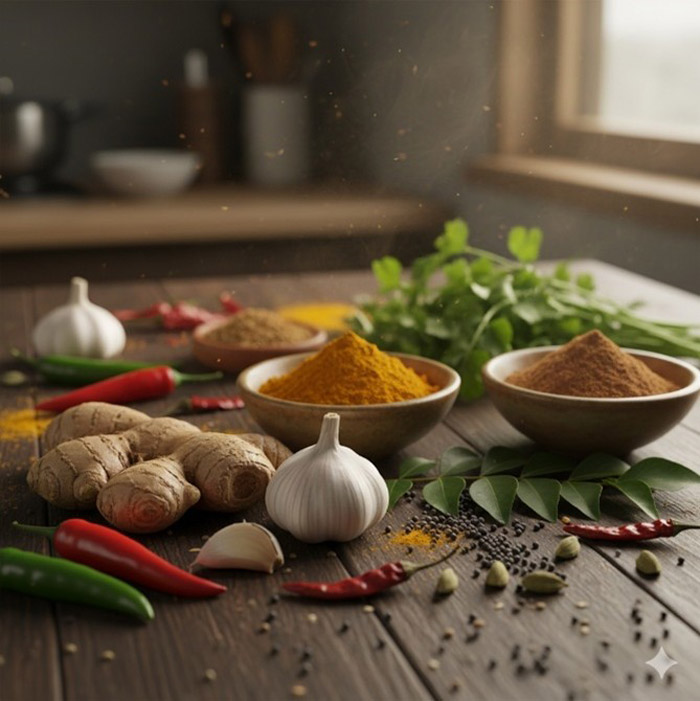
    These early blends were not standardized “recipes” but rather flexible mixtures built around fresh and dried spices. Turmeric provided earthy flavor and vibrant yellow color; cumin offered warmth; coriander added citrusy brightness. Over time, these combinations evolved regionally as cooks adapted them to climate, geography, and cultural preferences.

    Curry as a cultural practice

    In South Asia, curry is more than a spice mixture: it is a culinary philosophy. Traditional Indian cooking does not rely on pre-mixed curry powder; instead, families assemble masalas (spice blends) from scratch, adjusting flavor, heat, and aroma to the dish at hand. These masalas differ from region to region and even from household to household.

    For example:

    • North Indian garam masala emphasizes warm spices like cinnamon, black cardamom, and cloves.
    • South Indian sambar powder relies heavily on lentils, fenugreek, chili, and curry leaves.
    • Bengali panch phoron uses whole seeds: fenugreek, fennel, cumin, black mustard, and nigella, fried in oil to release their fragrance.

    These variations reflect the complexity of India’s cultural and ecological landscape. As dynasties rose and fell, as traders arrived and departed, new ingredients flowed into the culinary repertoire, enriching the blends we now identify as curry.

    The influence of trade: a blend on the move

    By the 1st century CE, the Indian subcontinent had become a critical hub in global trade. Merchants from Arabia, Persia, Southeast Asia, and the Roman Empire traveled through the Indian Ocean in search of spices: pepper, cinnamon, cardamom, turmeric, and more. Many of these voyages passed through coastal regions where spice blends were a staple of everyday cooking.

    As traders encountered South Asian masalas, they brought back their aromatic principles to their own cuisines. The idea of flavoring stews with warm, fragrant spices spread through the Middle East and eventually into North Africa and Europe. However, the specific form known today as “curry powder” did not yet exist: it would emerge much later, shaped by colonial contact and Western reinterpretation.

    Colonial reinvention: the birth of curry powder

    The modern concept of curry powder is largely a British invention. When the British East India Company established political and commercial control in India in the 18th and 19th centuries, British officers, administrators, and merchants grew fond of Indian cuisine. Wanting to recreate these dishes back home, they searched for a convenient way to approximate the complex masalas used in Indian households.

    Indian cooks prepared spice mixtures fresh, grinding ingredients daily based on experience rather than fixed quantities. This approach conflicted with the British desire for standardized, shelf-stable blends. In response, British traders began creating and exporting pre-mixed curry powders—typically containing turmeric, coriander, cumin, fenugreek, ginger, and chili.

    These early curry powders were not authentic representations of any single Indian masala. Instead, they were designed to capture the “essence” of Indian flavor as understood by European palates. Nevertheless, they became immensely popular, spreading rapidly throughout the British Empire and influencing cuisines in the Caribbean, East Africa, Southeast Asia, and even Japan.

    Curry across cultures: adaptation and evolution

    As curry powder traveled the world, it became a canvas for regional creativity.

    • In Japan, curry arrived in the late 19th century via the British Royal Navy. Japanese curry evolved into a mild, sweet, and thick stew often served with rice or breaded pork cutlets.
    • In the Caribbean, enslaved and indentured Indian laborers introduced their spice traditions. Over generations, curry fused with local ingredients, producing dishes like Jamaican curry goat and Trinidadian curry chicken.
    • In East Africa, Indian merchants brought curry spices to coastal cities such as Mombasa and Zanzibar, giving rise to Swahili curries infused with coconut milk and local herbs.

    This global diffusion demonstrates the extraordinary adaptability of curry as a culinary idea. Rather than remaining tied to a single tradition, curry adjusts to local tastes while preserving echoes of its South Asian origins.

    A living tradition

    Today, curry remains both a deeply traditional and constantly evolving element of global cuisine. While the Western concept of curry powder persists, many chefs and home cooks are returning to authentic masala preparation: dry-roasting spices, grinding fresh blends, and appreciating the artistry involved.

    Meanwhile, curry continues to inspire new interpretations: vegan curries, fusion curries, spice-infused cocktails, and even desserts. Yet at its core, curry remains rooted in ancient practices of spice blending, storytelling, and community.

    Conclusion: more than a spice blend

    The origins of curry reveal a history shaped by geography, trade, empire, and migration. What began as a regional spice tradition evolved into a global culinary phenomenon. Whether prepared as a simple home-cooked dal or a complex restaurant dish, curry embodies centuries of innovation and adaptation. It is a reminder that flavor is never static: it travels, transforms, and connects people across continents and generations.

    https://frogsaga.com/wp-admin/post.php?post=343&action=edit

  • Mustard: the greek spice that shaped global flavor

    https://en.wikipedia.org/wiki/Mustard_(condiment)

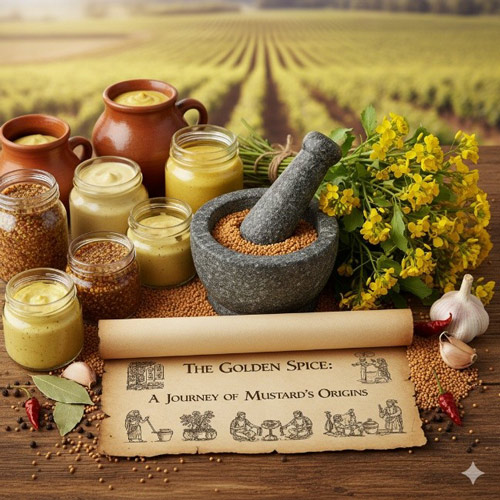
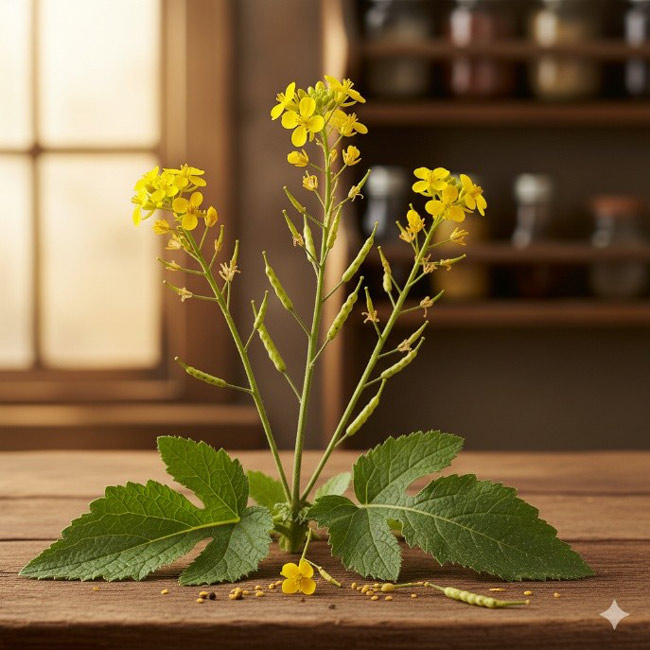
    Mustard is one of those rare greek spices that manages to be both ordinary and extraordinary at the same time. It sits quietly in kitchen cupboards, ready to enliven a sauce or brighten a sandwich, but behind its familiar tang lies a story stretching back millennia. From the banks of the Indus River to the kitchens of medieval Europe and the bustling markets of India, mustard has traveled across continents, adapted to countless cultures, and evolved into an indispensable culinary tool. Its journey (rooted in history, chemistry, and cooking) reveals how a tiny seed became a global sensation.

    Origins lost in greek antiquity

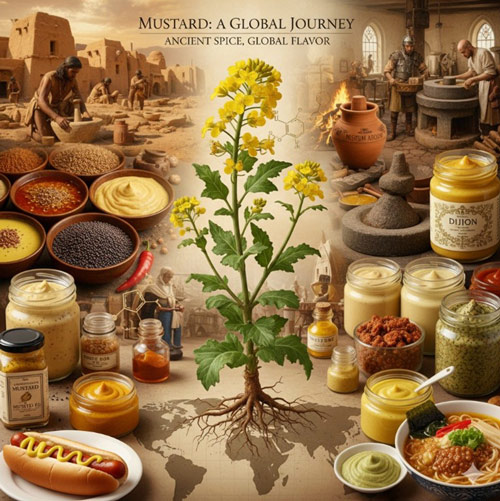
    The origins of mustard reach deep into ancient history. Archaeological findings show that mustard seeds were cultivated and consumed in the Indus Valley Civilization as early as 3000 BCE. Farmers in this region grew various Brassica plants, crushing the seeds to release their distinctive heat. This pungency comes not from the seeds themselves, which taste mild when whole, but from a chemical reaction triggered when they are ground and mixed with liquid.

    Origins lost in greek antiquity

    In the Fertile Crescent, mustard quickly became a versatile ingredient. The ancient Sumerians are believed to have prepared early mustard pastes by mixing crushed seeds with unfermented grape juice. Meanwhile, ancient Egyptians incorporated mustard into cooking and medicinal practices. Seeds found in pharaohs’ tombs show that Egyptians considered mustard important enough to accompany rulers into the afterlife: a testament to its cultural and practical significance.

    The greeks and romans refine the spice

    The Greeks documented mustard extensively for its therapeutic uses. Dioscorides, a prominent Greek physician, recommended mustard poultices for respiratory problems and muscle soreness. He praised its warming qualities, which were ideal for balancing the body’s humors according to ancient medical theory.

    But it was the Romans who pushed mustard toward the form we recognize today. They created mustum ardens (“burning must”) by combining crushed mustard seeds with grape must. This produced a paste remarkably similar to contemporary table mustard. Roman culinary texts show that the condiment was served alongside meats, vegetables, and fish. As Roman influence spread through Europe, so did mustard cultivation. Soldiers, merchants, and farmers carried seeds with them, unintentionally planting the foundations of future mustard-making traditions.

    From monastic kitchens to the rise of dijon

    During the Middle Ages, mustard became one of Europe’s most widely used spices. Unlike exotic imports such as pepper or cinnamon, mustard grew easily in temperate climates, making it affordable and accessible. Monasteries played a crucial role in refining mustard-making techniques. Monks experimented with grinding methods, fermenting processes, and liquids used for mixing.

    One of the most significant innovations occurred in Burgundy, France. By the 13th century, the city of Dijon had become a hub of mustard craftsmanship. Local producers began substituting verjuice (juice from unripe grapes) for vinegar. This substitution produced a smoother, more delicate mustard, laying the groundwork for what would become Dijon mustard. In 1634, the city officially regulated mustard quality, solidifying its reputation as Europe’s mustard capital. Today, Dijon remains synonymous with refined mustard production and culinary elegance.

    greek

    Mustard crosses continents

    With European expansion, mustard seeds traveled across the Atlantic. Settlers introduced them to North America, where they adapted to local climates and agricultural systems. By the 19th century, mustard was grown widely across the United States and Canada. Its popularity eventually gave rise to the iconic American yellow mustard, made mild with white mustard seeds and colored with turmeric.

    At the same time, mustard took deep root in South Asia. Brown and black mustard varieties became essential to Indian cooking, especially in Bengali and Punjabi cuisines. Seeds were toasted in hot oil until they popped, releasing nutty, aromatic flavors that formed the foundation of countless dishes. Mustard oil, pressed from the seeds, became equally important. Its sharp aroma and distinctive heat remain characteristic of regional culinary traditions.

    In East Asia, mustard took yet another path. The Chinese and Japanese cultivated mustard greens, using them in stir-fries, pickles, and fermented dishes. Mustard powders also formed the basis of wasabi-like condiments, delivering swift, nasal heat distinct from chili-based spiciness.

    The science behind the heat

    Mustard’s pungency comes from a fascinating chemical process. The seeds contain natural compounds called glucosinolates, which remain inactive until the seed is crushed. When ground, enzymes react with the glucosinolates to produce isothiocyanates: the molecules responsible for mustard’s distinctive burn.

    Different species produce different intensities:

    • White mustard (Sinapis alba) yields a mild flavor and forms the base of American yellow mustard.
    • Brown mustard (Brassica juncea) creates a stronger, more complex heat and is used in Dijon and many Asian dishes.
    • Black mustard (Brassica nigra) produces the most intense heat but is less commonly cultivated today due to harvesting challenges.

    Acidity influences flavor as well. Water-based preparations preserve mustard’s sharper bite, while vinegar-based mixtures mellow the heat over time. This explains why English mustard can taste far hotter than the same seeds prepared in a French Dijon style.

    A global kitchen essential

    Today, mustard continues to be a culinary chameleon. Whole seeds add crunch and warmth to curries, pickles, and spice blends. Ground mustard powders provide heat in dry rubs, sauces, and marinades. Smooth mustards (in varieties such as Dijon, whole-grain, honey mustard, and spicy brown) enhance sandwiches, meats, vegetables, and dressings. Modern chefs even experiment with mustard in desserts and cocktails, taking advantage of its balance of acidity and heat.

    Whether used for its bold flavor, its emulsifying properties in sauces like vinaigrettes, or its role in preserving foods, mustard remains one of the most versatile spices in the world. Its long journey (from ancient fields to global kitchens) reflects how deeply a simple ingredient can influence culture and cuisine.

    Mustard may be small, but its legacy is undeniably mighty. And with thousands of years of history behind it, this humble seed shows no sign of losing its fiery charm.

    https://frogsaga.com/wp-admin/post.php?post=440&action=edit

  • The Magical Allure of Curry: A Global Wellness Tradition Rooted in Holistic Nutrition

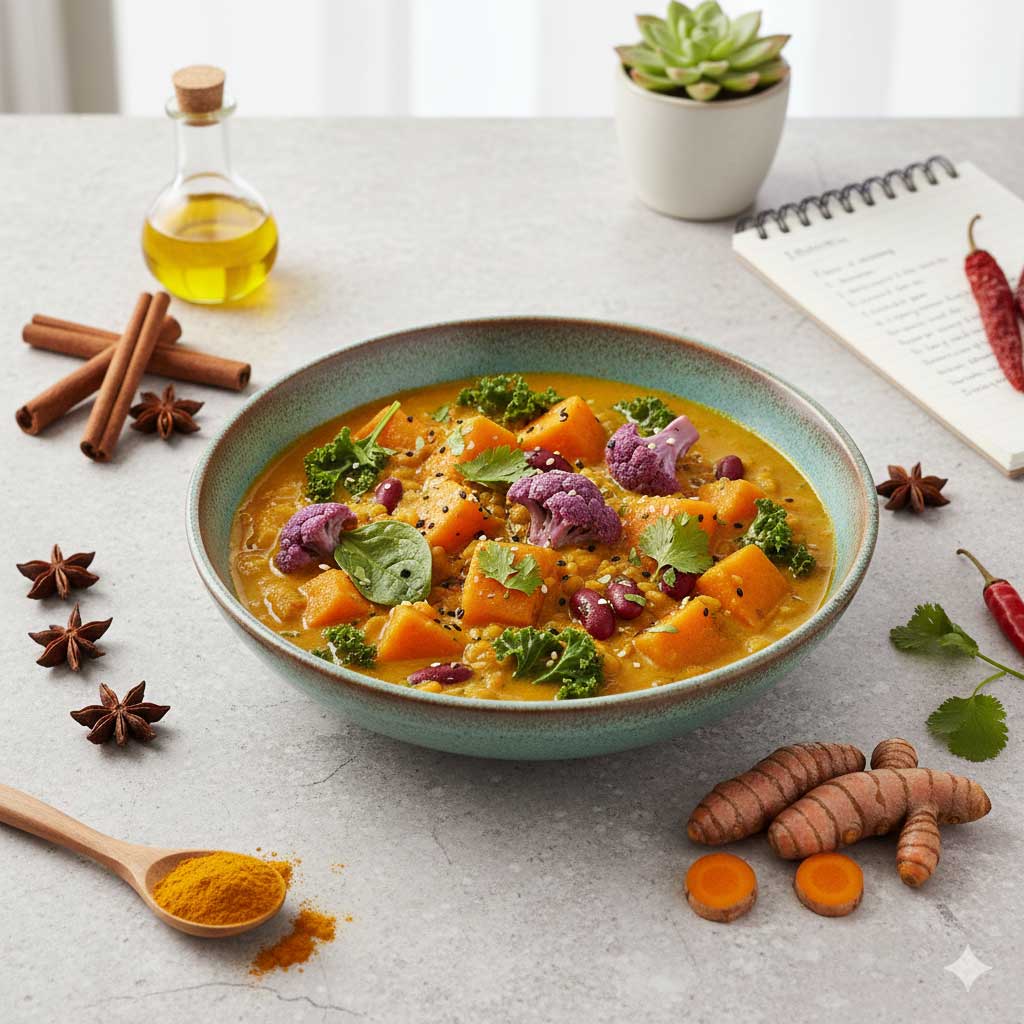
    Spiced curry soup featuring aromatic herbs and Holistic Curry Nutrition

    Few foods capture the meeting point between nourishment and sensory pleasure as beautifully as curry. More than a dish, curry represents a culinary philosophy built on the healing power of spices, aromatic vegetables, and whole-food ingredients—an approach perfectly reflected in Holistic Curry Nutrition. Across continents, cultures, and centuries, curry has evolved into an adaptable, comforting, and nutrient-rich staple—one that mirrors humanity’s ongoing relationship with food as medicine and the principles of Holistic Curry Nutrition.

    From the ancient masalas of India to the fragrant coconut-based pastes of Southeast Asia, and from Caribbean stews to Japanese comfort bowls, curry offers a window into diverse wellness traditions shaped by Holistic Curry Nutrition. Yet despite these variations, all curries share a common theme: they rely on the therapeutic properties of herbs and spices to create meals that support digestion, immunity, metabolic health, and emotional well-being—core pillars of Holistic Curry Nutrition.


    India: the birthplace of healing spice blends

    The roots of curry trace back thousands of years to the Indian subcontinent—specifically to the masala, a blend of herbs and spices used not only for flavor but also for holistic health. In Ayurveda, India’s traditional system of medicine, spices are essential tools for balancing digestion (agni), supporting detoxification, and harmonizing the doshas (individual mind-body constitutions).

    The power of the Indian masala

    A masala is far more than seasoning; it is a functional blend. Common Ayurvedic spices include:

    • Turmeric, rich in curcumin, supports joint health and reduces inflammation.
    • Cumin aids digestion and nutrient absorption.
    • Coriander cools the system and helps regulate blood sugar.
    • Ginger boosts circulation and strengthens digestion.
    • Fenugreek supports metabolic health and has antioxidant properties.
    Cooked curry dish showcasing rich spices and Holistic Curry Nutrition.

    Different regions created distinct curries with varying energetic and nutritional profiles:

    • Cooling, creamy korma, rich in nuts or yogurt, soothes the digestive tract.
    • Spicy, vinegar-bright vindaloo stimulates circulation and digestion.
    • Aromatic rogan josh, featuring Kashmiri chili and fennel, offers warmth without overwhelming heat.

    Indian cooking techniques also contribute to wellness. Tadka, the practice of tempering spices in oil or ghee, increases their bioavailability by releasing fat-soluble compounds and enhancing their therapeutic properties.

    In many Indian households, curry is not just comfort food; it is a daily wellness ritual.

    Southeast Asia: fresh aromatics and functional flavor balancing

    As curry traveled east, it adapted to new climates and new flora. In Thailand, Vietnam, and Indonesia, fresh aromatics replaced many of the dried spices common in Indian cooking. The result was a set of curry traditions built on vibrancy, balance, and metabolic harmony.

    Thai curry paste: a functional superfood base

    Thai curry pastes—red, green, yellow, and Massaman—are traditionally hand-pounded in a mortar and pestle, activating the oils in herbs and roots such as:

    • Lemongrass, a digestive aid
    • Galangal, known for antimicrobial and anti-inflammatory benefits
    • Kaffir lime, which supports detoxification
    • Fresh chilies, promoting circulation and endorphin release
    • Garlic and shallots, powerful immune-supporting ingredients

    Each curry type offers a unique nutritional profile:

    • Green curry: Fresh green chilies and herbs provide antioxidant density.
    • Red curry: Dried chilies add depth and a warming energetics ideal for metabolism.
    • Massaman curry: A fusion curry incorporating cinnamon, cardamom, and cloves—spices with strong anti-inflammatory and blood-sugar-balancing properties.

    Thai curry also emphasizes an intentional balance of the five tastes—sweet, sour, salty, bitter, and spicy—a key principle in many holistic nutrition systems for promoting satiety and digestive well-being.

    Global adaptations: comfort, nourishment, and cultural healing

    As people migrated—by choice or hardship—they carried their food traditions with them. Curry adapted to new lands not only in flavor but also in nutritional meaning.

    Purple cabbage curry soup highlighting Holistic Curry Nutrition benefits.

    The British influence: curry simplified (and transformed)

    During centuries of colonial exchange, curry powder emerged as a convenient adaptation of Indian masala. While less complex, this blend helped introduce Western cultures to spices such as turmeric and coriander—long before they became staples of modern wellness trends.

    Dishes like mulligatawny soup or chicken tikka masala brought warming spices into cold climates, providing comfort and immune-supporting benefits during winter months.

    Japanese Curry: a nourishing, gentle staple

    Japanese curry (kare), introduced via the British in the late 1800s, has since become a national comfort food. Its mild, thick, roux-based sauce is rich and satisfying, often paired with vegetables and lean proteins.

    While less spice-forward, kare offers warmth, grounding, and emotional comfort—an important aspect of holistic nutrition, which views food as nourishment for both body and mind.

    Caribbean and South African curries: spice meets soil

    Indian indentured laborers brought curry traditions to Trinidad, Jamaica, and South Africa, where the dish evolved using local crops and seasonings:

    • Caribbean curries often feature Scotch Bonnet peppers, allspice, and vibrant herbs—creating spicy, mineral-rich stews.
    • Durban curry in South Africa is intensely seasoned and famously served in “bunny chow,” a hollowed bread loaf—a unique fusion of cultures and nutrient-dense spices.

    These adaptations reveal curry’s remarkable ability to integrate into local food systems while retaining its wellness core.

    The science of spices: nutrition meets chemistry

    The health benefits of curry are backed by modern nutritional science. Spices are dense in phytonutrients, antioxidants, and bioactive compounds that support long-term health.

    • Curcumin (turmeric) is one of the most studied natural anti-inflammatory compounds.
    • Capsaicin (chilies) may boost metabolism and pain modulation.
    • Cinnamaldehyde (cinnamon) helps regulate blood sugar.
    • Eugenol (cloves) supports oral and digestive health.

    These ingredients work synergistically—meaning their benefits amplify when combined, a principle long recognized in Ayurvedic cooking.

    Curry as holistic nourishment

    Beyond its chemical and culinary complexity, curry embodies a wellness philosophy rooted in Holistic Curry Nutrition:

    • It uses whole, minimally processed ingredients.
    • It is adaptable for plant-based, gluten-free, anti-inflammatory, or high-protein diets.
    • It promotes mindful cooking, often involving slow preparation and aromatic engagement.
    • It fosters emotional comfort, cultural celebration, and communal eating.

    Curry is not something you master once—it is a lifelong exploration of flavor, culture, and nourishment grounded in the principles of Holistic Curry Nutrition. Whether simmering a golden dal in an Indian kitchen or blending a vibrant green curry paste at home, you join a global tradition that celebrates the healing power of spices, the joy of deeply nourishing food, and the timeless wisdom of Holistic Curry Nutrition.

  • The Spices of Life: Flavour, Health, and the Power in Your Pantry

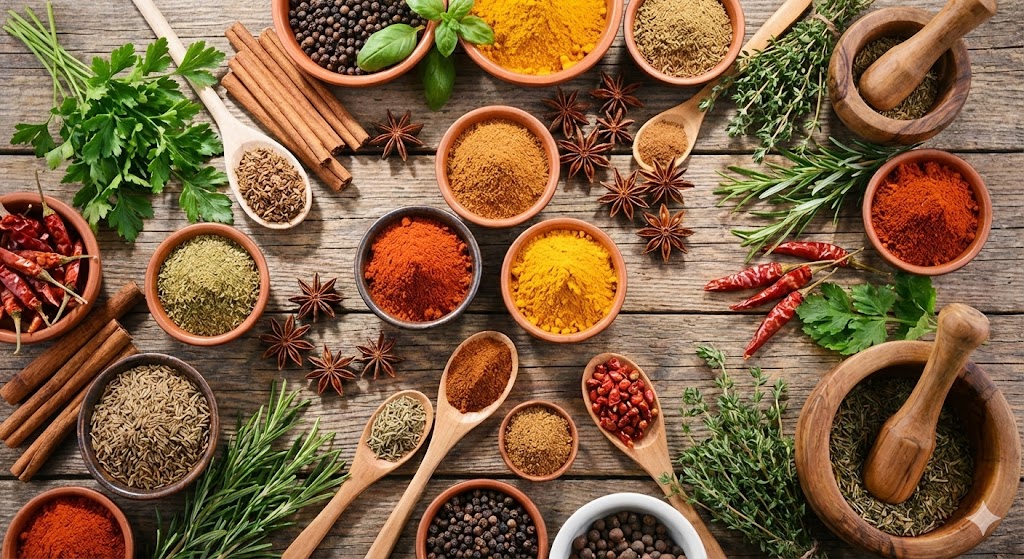
    For millennia, humans have been drawn to spices and herbs, initially for preservation and later for their enchanting flavours. What our ancestors instinctively knew, modern science is now confirming: these potent plant compounds are far more than mere flavour enhancers. They are concentrated sources of health, offering a wide array of benefits that can contribute to overall well-being and disease prevention.

    Beyond their culinary magic, the “spices of life” hold a remarkable power that deserves a place of honour in every pantry. Let’s explore some of these vibrant treasures and how they can elevate not just your dishes, but your health.

    Turmeric: The Golden Healer

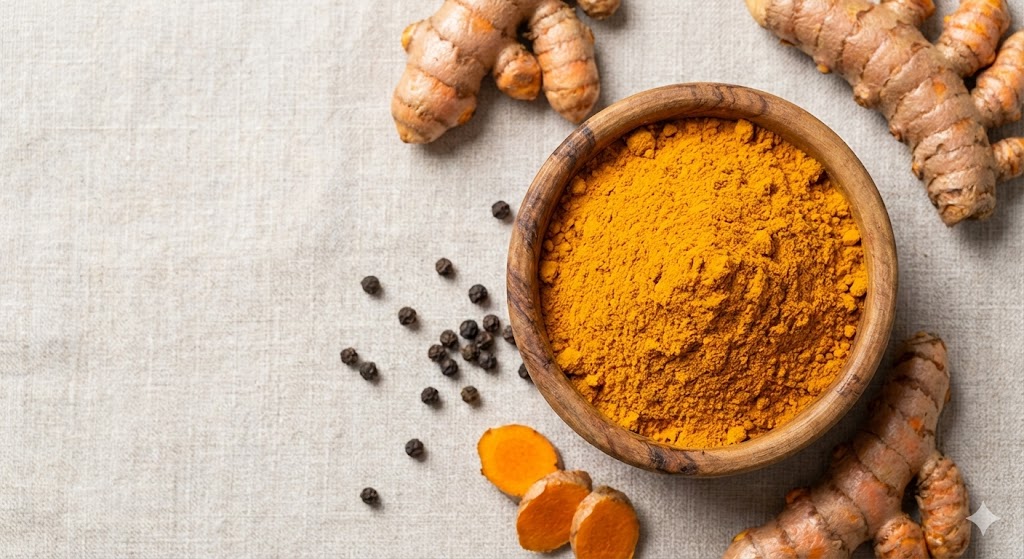
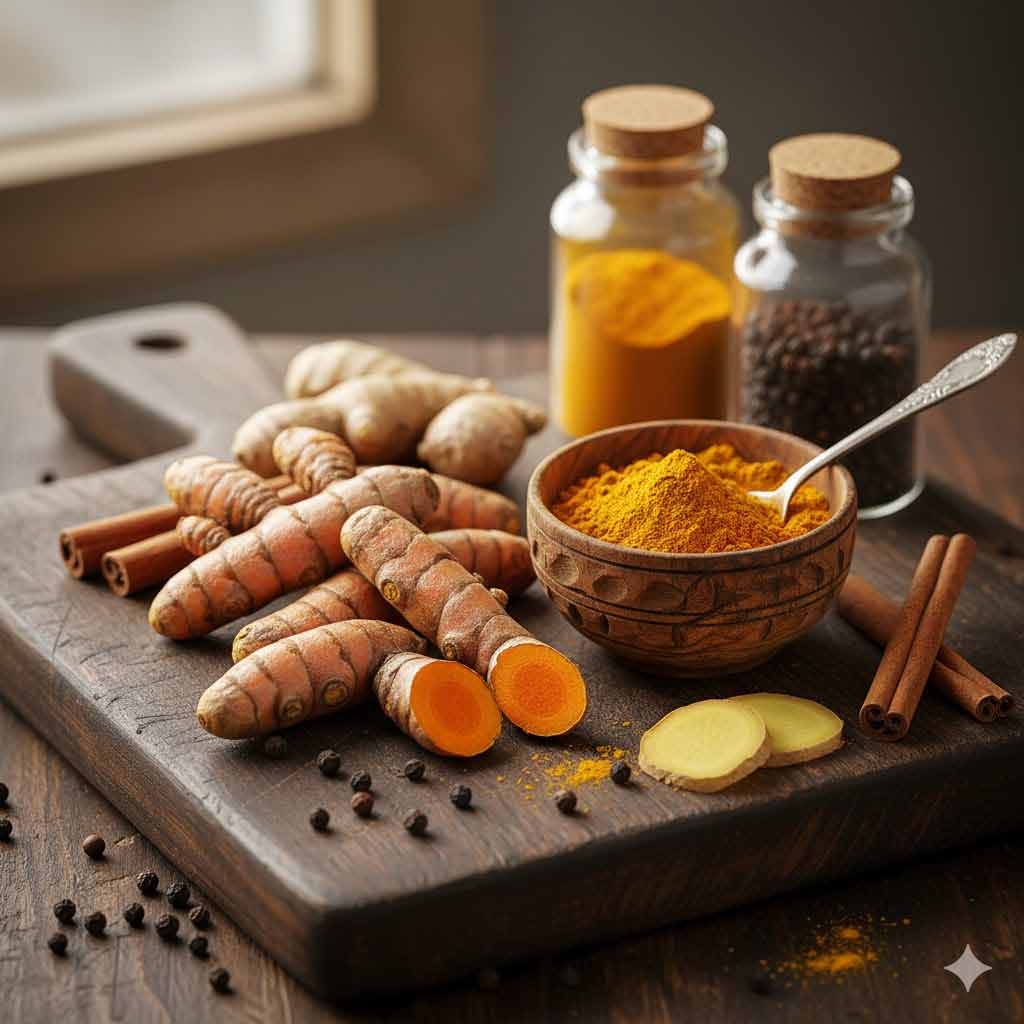
    Perhaps no spice has garnered as much scientific attention in recent years as turmeric. Hailing from the ginger family, this golden-yellow powder is a staple in Indian and Middle Eastern cuisine. Its active compound, curcumin, is a powerful antioxidant and anti-inflammatory agent.

    Chronic inflammation is a silent culprit behind many modern diseases, including heart disease, cancer, metabolic syndrome, and Alzheimer’s. Curcumin’s ability to combat inflammation at a molecular level makes it a star player in a health-conscious diet. Studies suggest it may also improve brain function, lower the risk of heart disease, and potentially even aid in cancer prevention and treatment by influencing cell growth and survival.

    How to use it: Turmeric has a warm, earthy, slightly bitter flavour. It’s fantastic in curries, stews, soups, scrambled eggs, or even a soothing “golden milk” latte. For better absorption, always combine turmeric with black pepper, as the piperine in pepper significantly enhances curcumin’s bioavailability.

    flavour

    Ginger: The Digestive Soother

    Ginger, with its distinctive pungent and spicy flavour, has been revered for its medicinal properties in traditional medicine for centuries. This knobby root is a powerhouse of anti-inflammatory and antioxidant compounds, most notably gingerol.

    Ginger is perhaps best known for its effectiveness against nausea and digestive upset. Whether it’s morning sickness, motion sickness, or general indigestion, ginger can provide significant relief. It’s also a potent anti-inflammatory, making it beneficial for easing muscle pain and soreness, and even reducing symptoms of osteoarthritis. Some research also points to its potential in lowering blood sugar and improving heart disease risk factors.

    How to use it: Fresh ginger can be grated into stir-fries, marinades, dressings, or brewed into a comforting tea. Ground ginger works well in baking, spice rubs, and savoury dishes.

    Cinnamon: The Sweet & Mighty Bark

    More than just a warming spice for desserts, cinnamon is a true health hero. Derived from the inner bark of trees, its distinct aroma and flavour come from the compound cinnamaldehyde.

    Cinnamon is renowned for its powerful antioxidant properties, outranking many superfoods. However, its most impressive health benefit is its impact on blood sugar levels. It can significantly improve insulin sensitivity, making it a valuable spice for those managing type 2 diabetes or looking to stabilise blood sugar. Studies have also shown cinnamon to have anti-inflammatory and even anti-fungal properties.

    How to use it: Sprinkle ground cinnamon on porridge, yoghurt, fruit, or coffee. Use cinnamon sticks to infuse flavour into hot beverages, stews, or rice.

    Garlic & Onion: The Aromatic Protectors

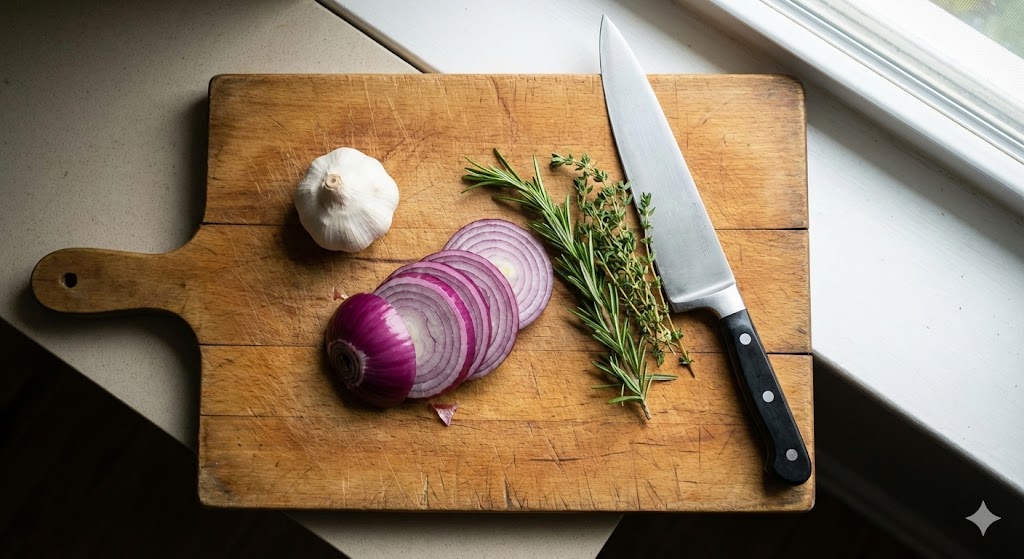
    Often considered vegetables rather than spices, garlic and onions are foundational aromatics in countless cuisines and deserve mention for their profound health benefits. Their characteristic pungent compounds, particularly allicin in garlic, are responsible for much of their medicinal power and flavour.

    Both garlic and onions are packed with antioxidants and sulphur-containing compounds that have potent anti-inflammatory and immune-boosting effects. They have been linked to a reduced risk of various cancers (especially colorectal and stomach), improved heart health by lowering blood pressure and cholesterol, and enhanced detoxification processes in the body.

    How to use them: Virtually any savoury dish benefits from the addition of sautéed garlic and onion. They form the aromatic base for soups, sauces, stir-fries, and roasts.

    Cayenne Pepper: The Fiery Metabolizer

    For those who love a little heat, cayenne pepper (and other chili peppers) offers more than just a bare flavour. The compound responsible for its spiciness is capsaicin.

    Capsaicin is a metabolism booster, helping to slightly increase calorie burning. It’s also known for its pain-relieving properties, often used topically in creams for muscle soreness. Studies suggest capsaicin can improve digestive health and may even have anti-cancer effects by promoting the death of cancer cells.

    How to use it: Add a pinch to soups, stews, sauces, eggs, or even hot chocolate for a warming, invigorating kick. Start small and adjust to your spice tolerance.

    The Broad Spectrum of Benefits

    This is just a glimpse into the vast world of beneficial spices and herbs. Many others, like rosemary (rich in rosmarinic acid, great for memory), oregano (a powerful antimicrobial), cloves (high in antioxidants), and saffron (linked to mood improvement), offer their unique health advantages and flavour.

    Incorporating a diverse range of spices and herbs into your daily cooking is an easy and delicious way to boost your intake of antioxidants, reduce inflammation, support various bodily functions, and potentially lower your risk of chronic diseases. They add complexity and depth to your meals without adding extra calories, salt, or unhealthy fats.

    Cultivating Your Health, One Spice at a Time

    Think of your spice rack not just as a culinary tool, but as a mini apothecary. By understanding the unique gifts each spice and herb brings to the table, you empower yourself to cook not just for flavour, but for profound well-being. Experiment, explore, and let these potent plant allies transform your health, one delicious, nutrient-packed meal at a time. If you want more, click here to discover how to master spices and herbs !

  • Turmeric’s health benefits: The Golden Spice with Ancient Roots and Modern Appeal

    Turmeric health benefits

    Turmeric, often hailed as the “golden spice,” is far more than just a culinary ingredient that lends a vibrant yellow hue to curries. For millennia, this potent rhizome has been a cornerstone of traditional medicine, particularly in Ayurveda and Traditional Chinese Medicine, revered for its extensive medicinal properties. In recent decades, scientific research has begun to unravel the secrets behind turmeric’s therapeutic power, bringing it into the spotlight of modern health and wellness. From its humble origins in Southeast Asia to its global recognition as a superfood, turmeric’s journey is a testament to its enduring significance.

    A Rich History and Cultural Significance

    The history of turmeric is as rich and complex as its flavor profile. Native to Southeast Asia, particularly India, turmeric (Curcuma longa) has been cultivated for over 4,000 years. Its earliest recorded use dates back to the Vedic culture in India, where it was not only a spice but also a sacred component in religious rituals. In ancient India, turmeric was used as a dye for clothes, a cosmetic for skin, and a medicinal remedy for a wide array of ailments. Its deep yellow color symbolized the sun and prosperity, making it an indispensable part of ceremonies, weddings, and festivals.

    Beyond India, turmeric spread throughout Asia, reaching China by the 7th century, East Africa by the 9th century, and eventually making its way to Europe through Arab traders. Each culture adopted turmeric for its unique properties, whether for culinary enhancement, dyeing textiles, or for its purported healing powers. Today, turmeric remains a vital spice in many traditional cuisines worldwide, from Indian and Thai curries to Moroccan tagines and Persian stews.

    The Science Behind the Golden Glow: Curcumin

    The primary active compound responsible for most of turmeric’s therapeutic and health benefits is curcumin. Curcuminoids, a group of compounds of which curcumin is the most prominent, give turmeric its distinctive color and powerful biological activity. However, curcumin constitutes only about 2-6% of turmeric by weight, and its bioavailability (the rate and extent to which it is absorbed into the bloodstream) is relatively low. This is why many turmeric supplements combine curcumin with piperine, a compound found in black pepper, which has been shown to enhance curcumin absorption by up to 2,000%.

    The bulk of scientific research on turmeric focuses on curcumin, revealing its multifaceted mechanisms of action. Curcumin is a potent antioxidant, capable of neutralizing free radicals and boosting the body’s own antioxidant enzymes. This antioxidant activity is crucial in combating oxidative stress, a key factor in aging and many chronic diseases. Furthermore, curcumin is a powerful anti-inflammatory agent. Chronic inflammation is a known contributor to numerous health conditions, including heart disease, cancer, metabolic syndrome, Alzheimer’s, and various degenerative conditions. Curcumin works by inhibiting several molecules known to play major roles in inflammation pathways in the body.

    A Spectrum of Health Benefits

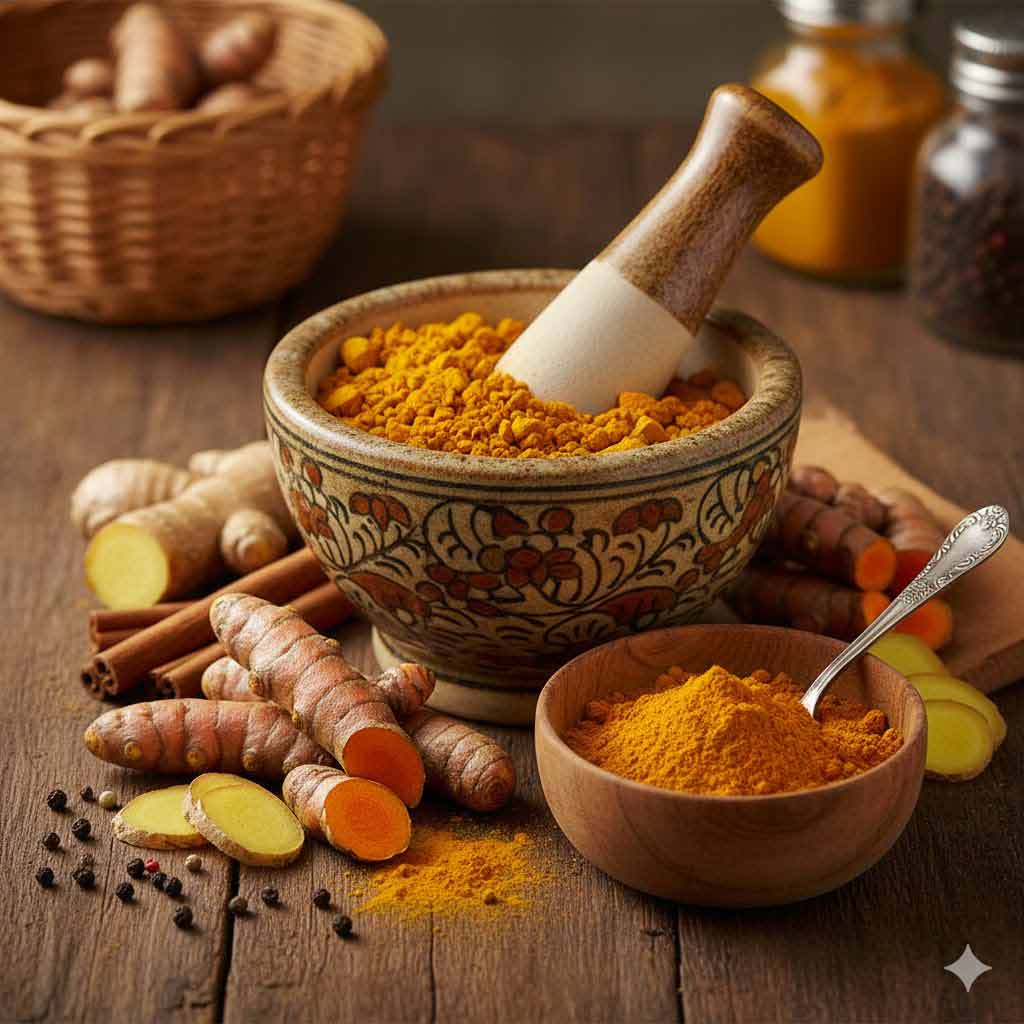
    turmeric spices
    1. of its most celebrated attributes. This makes it a promising natural remedy for conditions like arthritis, where chronic joint inflammation causes pain and stiffness, providing a significant health benefit in pain management. Studies have shown that curcumin can be as effective as some anti-inflammatory drugs, but without the side effects.
    2. Potent Antioxidant: By fighting oxidative damage and boosting the body’s antioxidant defenses, turmeric helps protect cells from damage. This protective effect may contribute to its anti-aging properties and its role in preventing various chronic diseases, further expanding its profile of health benefits.
    3. Brain Health and Cognitive Function: Emerging research suggests that curcumin may improve brain function and lower the risk of brain diseases. It has been shown to increase levels of Brain-Derived Neurotrophic Factor (BDNF), a type of growth hormone that functions in the brain. A decrease in BDNF levels is linked to depression and Alzheimer’s disease. Curcumin may also cross the blood-brain barrier and help clear amyloid plaques, a hallmark of Alzheimer’s, making brain support one of its vital health benefits.
    4. Heart Disease Prevention: Heart disease is the leading cause of death worldwide. Curcumin may contribute to cardiovascular health by improving the function of the endothelium (the lining of blood vessels), which plays a key role in blood pressure regulation and blood clotting. It also reduces inflammation and oxidation, both of which are crucial in the development of heart disease. This essential health benefit supports long-term heart wellness.
    5. Cancer Prevention and Treatment Support: While more research is needed, studies indicate that curcumin has promising effects on cancer at the molecular level. It has been shown to influence cancer growth, development, and spread by reducing angiogenesis (growth of new blood vessels in tumors), metastasis (spread of cancer), and contributing to the death of cancerous cells. Its role here highlights a critical area of its potential health benefits. It may also enhance the effectiveness of chemotherapy and reduce its side effects.
    6. Digestive Health: Turmeric has traditionally been used to aid digestion. It can stimulate the gallbladder to produce bile, which is essential for fat digestion. Its anti-inflammatory properties may also help soothe the gut lining and alleviate symptoms of conditions like irritable bowel syndrome (IBS). Improving gut function is a major health benefit derived from regular turmeric consumption.
    7. Skin Health: The anti-inflammatory and antioxidant properties of turmeric make it beneficial for skin health. It can help reduce acne, eczema, and psoriasis, and is often used in natural face masks to promote a healthy glow. This cosmetic health benefit makes it a popular ingredient in natural remedies.

    How to Incorporate Turmeric into Your Diet to Gain These Health Benefits

    There are numerous ways to enjoy the many health benefits of turmeric.

    • Culinary Use: Add fresh or powdered turmeric to curries, soups, stews, roasted vegetables, and rice dishes. It pairs well with ginger, garlic, and other spices.
    • Golden Milk (Turmeric Latte): A popular Ayurvedic drink, made by heating milk (dairy or plant-based) with turmeric, ginger, black pepper, and a touch of honey or maple syrup.

    https://www.hopkinsmedicine.org/health/wellness-and-prevention/turmeric-benefits

    https://frogsaga.com/wp-admin/post.php?post=514&action=edit&lang=en

  • Kampot Pepper’s Journey: From Near-Extinction to Culinary Crown: The Jewel of Cambodia

    Kampot pepper Cambodia


    Long before it graced the tables of gourmet chefs around the world, Kampot pepper was a humble yet integral part of Cambodian life — an aromatic thread woven through generations, nearly torn from the tapestry by political upheaval, but ultimately restored to its rightful place in the world of spices.

    A Pepper Rooted in Time

    The story of Kampot pepper begins long ago, with roots that run as deep as the liana vines on which it grows. As early as the 13th century, Chinese diplomat Zhou Daguan, visiting the Angkorian Khmer Empire, made note of pepper cultivation in the region. (Wikipédia) Yet it was only toward the end of the 19th century—amid global shifts in spice trade—that pepper farming around Kampot truly expanded. (Farmlink)

    In fact, much of this growth can be traced to the aftermath of the Aceh War (1873–1908). When the Sultan of Aceh, in present-day Indonesia, burned his own pepper plantations rather than see them fall into Dutch colonial hands, skilled growers migrated — and planted their pepper in Cambodian soil. (Wikipédia) Under French colonial rule, Kampot pepper flourished. The region’s exports soared; by the early 20th century Cambodia was producing thousands of tonnes each year. (Kadodé)

    It’s said that in the 1920s nearly all the pepper consumed in France came from Kampot, a testament to both the scale and prestige of this spice. (cambodiaip.gov.kh)

    A Highland Jewel Nearly Lost

    Yet this prosperity did not endure. The mid-20th century brought turbulence to Cambodia, culminating in the brutal Khmer Rouge regime (1975–1979). Under Pol Pot, the entire social and economic order was violently upended. Pepper growers—often viewed as bourgeois landowners—saw their plantations destroyed or abandoned. (www.kampot.co.uk)

    During these years, rice became the regime’s sole priority: other crops, including pepper, were forsaken. By the end of the conflict, only a handful of pepper poles survived out of the once-million-strong vines in Kampot. (Wikipédia) The cultural memory of pepper was nearly wiped out.

    But as Cambodia gradually stabilized in the late 1990s, a remarkable revival began. Farmers — some descendants of the original pepper-growing families — returned to their ancestral lands. They cleared overgrown vines, tended to the few surviving ones, and restarted cultivation using traditional know-how passed down through generations. (cambodiaip.gov.kh)


    Rebirth and Recognition: The Geographical Indication

    The comeback of Kampot pepper was not just an act of restoration—it became a declaration. In 2006, producers, farmers’ cooperatives, and development partners banded together to form the Kampot Pepper Promotion Association (KPPA). (WIPO) Over the following years, they drafted a rigorous book of specifications to define what authentic Kampot pepper is: how it must be grown, harvested, dried, and graded.

    This effort paid off. On 2 April 2010, Kampot pepper became the first Cambodian product to earn a Protected Geographical Indication (PGI) from the Ministry of Commerce. The PGI guards not only the name, but also guarantees quality, origin, and traditional methods. (FAOHome)

    Later, thanks to growing international demand, it also gained recognition in Europe — adding another layer of protection and prestige. (Wikipédia)


    Terroir, Technique & Taste

    What makes Kampot pepper so special? Part of it lies in the terroir. The coastal hills of Kampot and Kep provinces offer a unique soil: rich in minerals and quartz, a composition that nourishes the roots of the pepper vines and magnifies the aromatic qualities of the berries. (ellyspirits.com) The climate — humid, monsoon influenced — further enhances its character. (terreexotique.com)

    Four principal varieties grow there: green, black, red, and white. (kampot.city)

    • Green peppercorns are picked young, fresh and tender, with a bright, vegetal flavor.
    • Black peppercorns are harvested slightly later, fermented under the sun, and develop complex notes: hints of mint, eucalyptus, even chocolate. (Le Cafetier)
    • Red pepper comes from fully ripe berries, allowed to mature on the vine—its taste is fruity, warm, with notes of dates, honey, or rosehip. (Stony Groves)
    • White pepper is made by soaking red berries, removing their outer skin; the result is a creamy, delicate spice, with citrus or tea-like nuances. (ellyspirits.com)

    Every step — from hand-harvesting to sun-drying and hand-sorting — is done manually and with great care, according to the PGI specifications. (La Plantation)


    Consequences of the Khmer Rouge Era: More Than Just a Vanished Crop

    The nearly catastrophic impact of the Khmer Rouge on Kampot pepper was more than agricultural. It was cultural, economic, and deeply personal. Families broken apart, ancestral knowledge at risk of being lost forever, and a legacy of flavor that seemed destined to vanish.

    But the revival of pepper has had spiritual resonance too. For many farmers, replanting vines meant restoring a piece of their heritage. For the nation, it became a symbol of resilience: the most intimate and fragrant way to heal wounds from a devastating past. (www.kampot.co.uk)

    Global Reverence — and Local Impact

    Thanks to its PGI status and growing global fame, Kampot pepper has regained not only its place on spice racks, but a role in strengthening rural livelihoods. Through the KPPA, farmers are able to certify their pepper, demand fair prices, and protect against fraud or mislabeling. (FAOHome)

    There’s also been a spiritual dimension to this comeback: spice aficionados often refer to Kampot pepper as the “champagne of pepper.” (Stony Groves) Its revival is a story not just of commerce, but of cultural survival and renewal — a living heirloom from Cambodia’s past, now celebrated on tables across the world.

    Looking Ahead: Challenges and Promise

    Despite its revival, Kampot pepper remains fragile. Production is still relatively small-scale, and climate change looms as a threat. (Wikipédia) There is also pressure to maintain traditional farming methods even as demand grows — a delicate balance between scaling up and preserving heritage.

    The KPPA continues to enforce strict standards, ensuring that every pepper labeled “Kampot PGI” is traceable, authentic, and grown according to age-old practices. (La Plantation)


    A Spice Bound to Memory and Soil

    Kampot pepper’s story is one of resilience, rising again after near-annihilation under one of the world’s most brutal regimes; of heritage, cultivated today just as it was centuries ago by hands that carry living memory; and of excellence, now safeguarded by a Protected Geographical Indication that binds the spice inseparably to its native soil.And when you taste it — whether in a stir-fried crab, a steak crust, or simply freshly ground at your table — you’re not just experiencing a spice. You’re tasting a story.

    In the world of culinary history, few spices carry such emotional weight. Kampot pepper is not just pepper: it’s memory, revival, and hope — carried on a vine, dried in the sun, cracked under your teeth. Its journey from the brink of extinction to global recognition is testament to what tradition, dignity, and craftsmanship can reclaim.

    Discpouver a delicious traditional recipe using Kampot pepper in this article !

  • Spanish Cumin: The Earthy, Ancient Spice at the Heart of Iberian Cooking

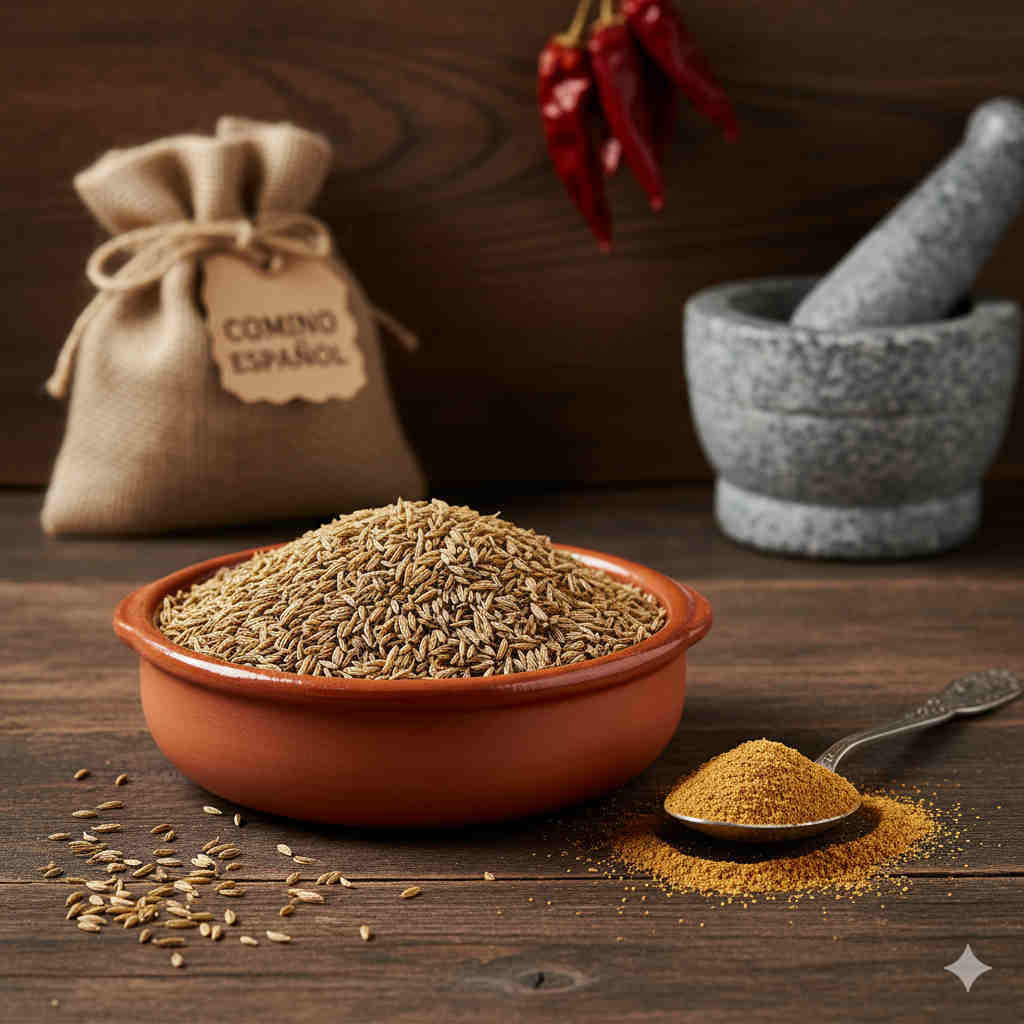
    Spanish Cumin Spice

    A Spice That Bridged Continents and Cultures

    Among all the spices that shape Spanish cuisine, few have a story as ancient and far-reaching as Spanish cumin. Known locally as comino, cumin is one of Spain’s most essential and distinctive flavors—especially in the southern region of Andalusia, where Moorish influence left an enduring culinary legacy. While many associate cumin with Middle Eastern, Indian, or North African cooking, it is deeply rooted in Spanish tradition as well, playing a fundamental role in stews, sausages, marinades, and rustic comfort foods.

    Spanish cumin stands out for its warm, earthy aroma, smoky undertones, and slightly bitter yet citrus-like finish. More intense than many commercially available varieties, it has a depth that speaks to centuries of tradition, cultural exchange, and regional craftsmanship. This article explores the flavor profile, culinary uses, and rich historical significance of Spanish cumin—and why it remains a cornerstone of Iberian cuisine today.


    Flavor Profile: Warm, Earthy, and Intensely Aromatic

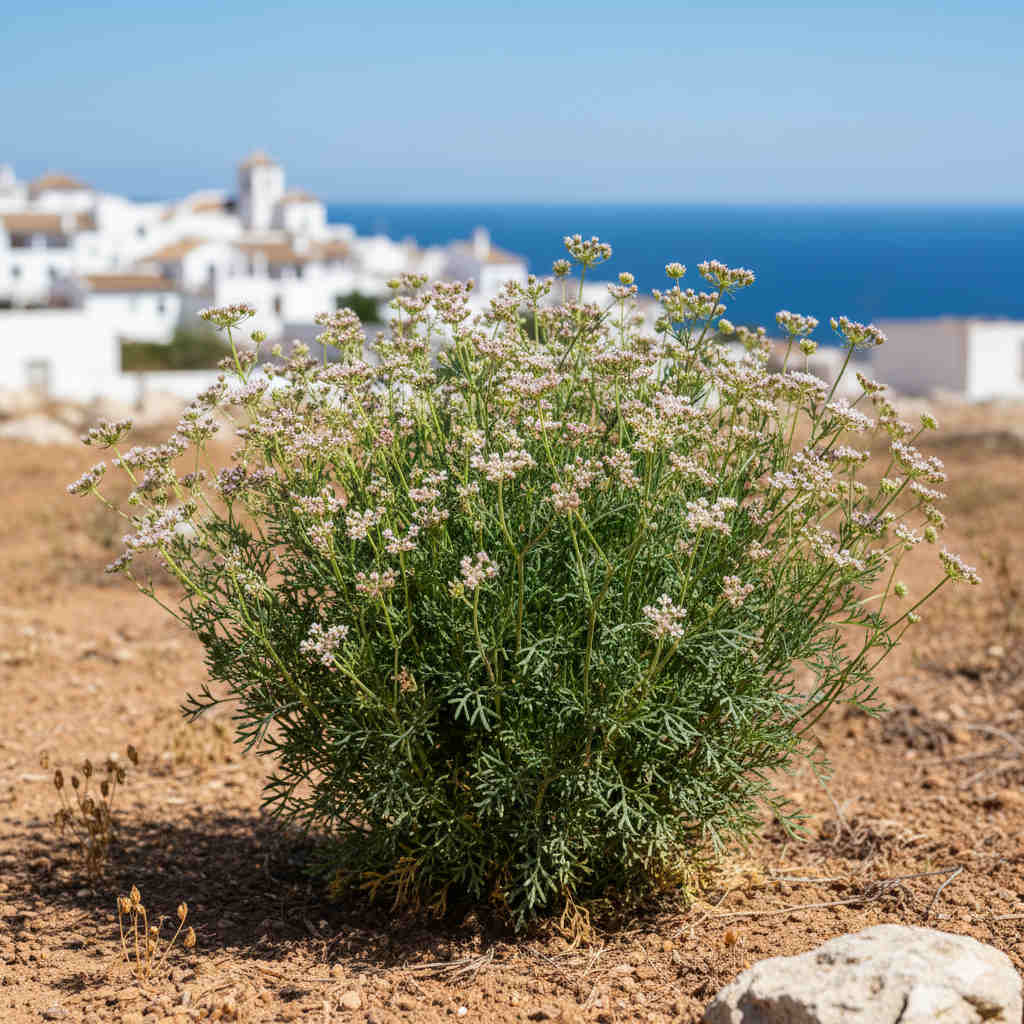
    Spanish Cumin Plant

    Spanish cumin is known for its bold and unmistakable smell—the kind of fragrance that instantly evokes home-cooked stews and rustic kitchens.

    Key Flavor Notes of Spanish Cumin

    • Earthy and warm, with deep aromatic richness
    • Nutty and slightly smoky, especially when toasted
    • Subtle citrus brightness
    • A touch of bitterness, which adds complexity
    • Lingering, savory finish

    Spanish cumin contains high levels of cuminaldehyde, the compound responsible for cumin’s signature aroma. But due to Spain’s climate and soil, local cumin often tastes slightly sharper, richer, and more intense than typical varieties.

    Whole vs. Ground Cumin

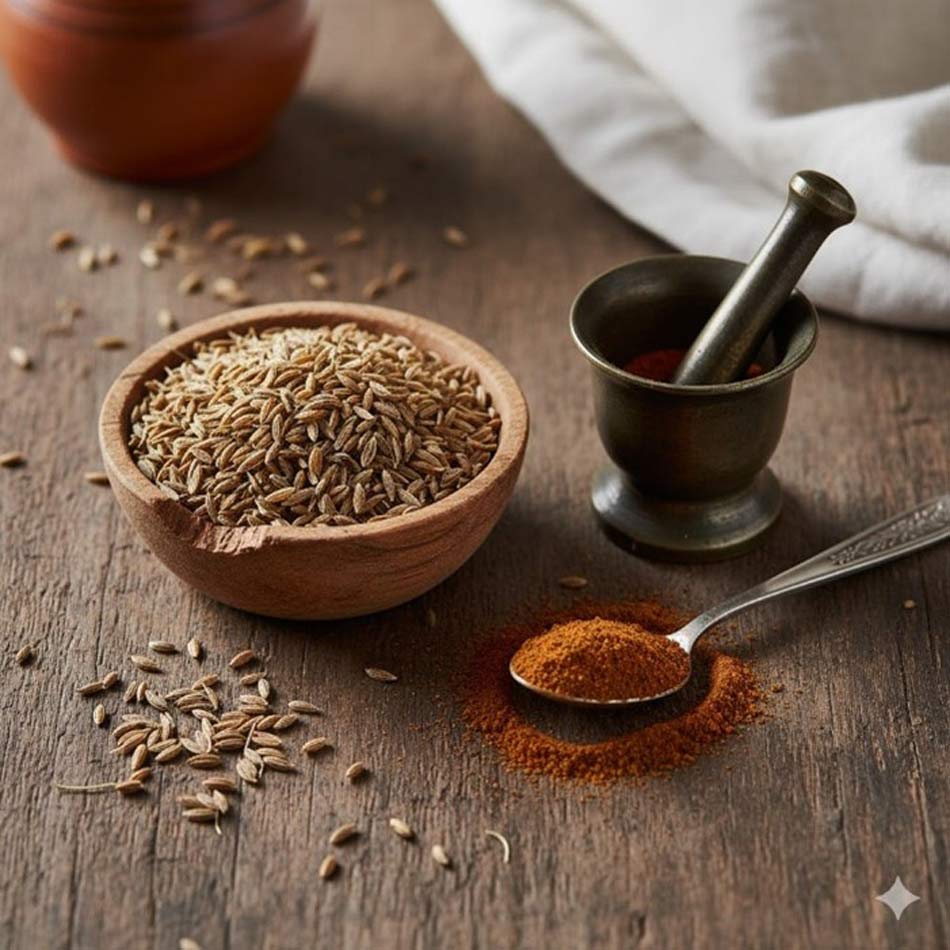
    Spanish kitchens traditionally use both:

    • Whole seeds, often toasted for stews and sauces
    • Ground cumin, essential for seasoning meat, sausages, and beans

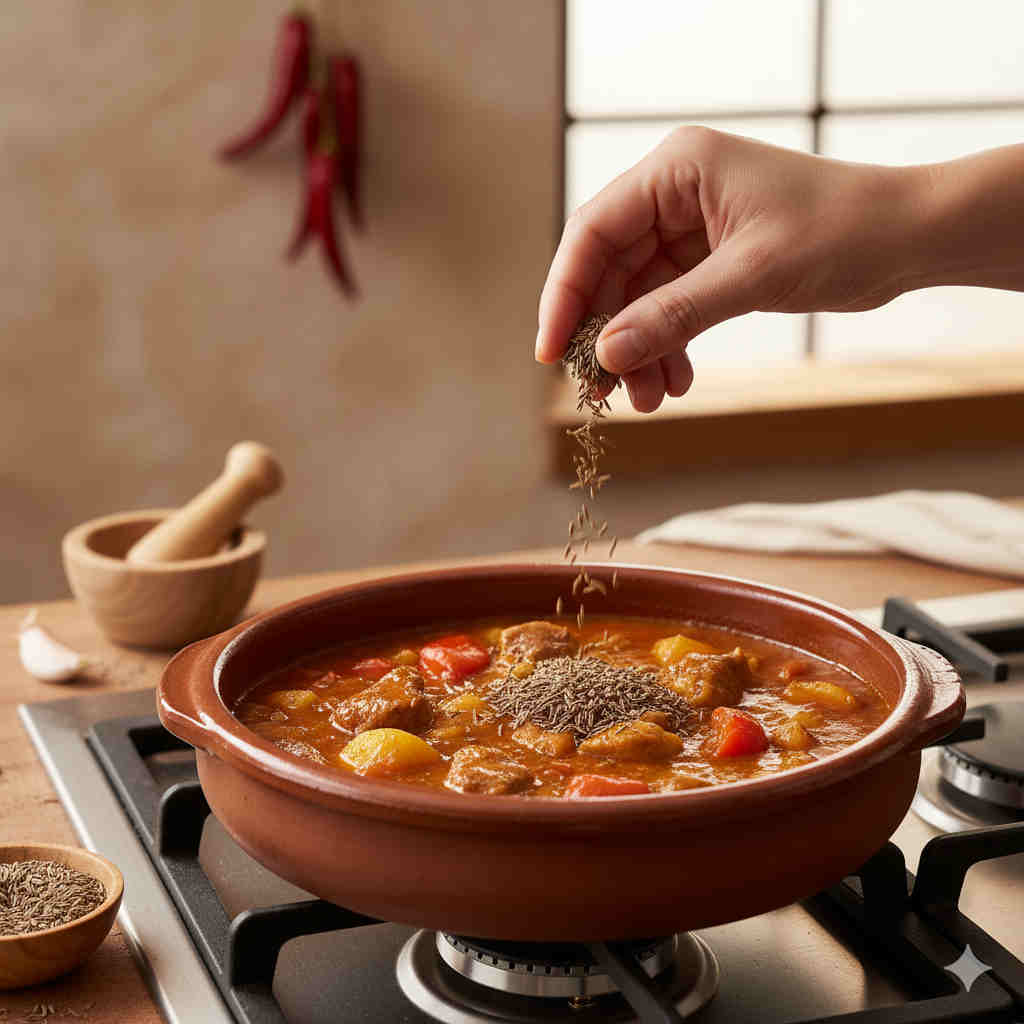
    Toasting cumin seeds in a dry pan before use dramatically enhances their nutty and smoky qualities—one of the secrets behind the flavor of many Spanish dishes.


    How Cumin Is Used in Spanish Cooking

    Spanish Cumin Recipes

    Cumin is a foundational spice in multiple regions of Spain, but especially in Andalusia, Extremadura, and the Canary Islands. Its influence is most visible in rustic, slow-cooked recipes.

    1. Stews and Legume Dishes

    Cumin is essential in classic Spanish guisos (stews), beloved for their comforting depth. It is often found in:

    • lentil stew (lentejas guisadas)
    • chickpea stew (potaje de garbanzos)
    • white bean dishes
    • tomato-based stews

    Just a small amount enhances the earthiness of legumes and balances the sweetness of vegetables.

    2. Sausages and Meat Seasonings

    Cumin is a defining flavor in many Spanish sausages, especially:

    • morcilla (blood sausage)
    • chorizo (particularly some Andalusian styles)
    • longaniza

    It also appears in marinades for:

    • pork
    • chicken
    • lamb
    • beef

    A typical Spanish marinade with cumin includes:

    • garlic
    • sweet smoked paprika
    • black pepper
    • olive oil
    • vinegar or wine
    • oregano

    Cumin provides the earthy backbone that gives Spanish meats their rustic identity.

    3. Andalusian and Moorish-Influenced Cuisine

    Cumin is central to many dishes that reflect Spain’s historical connection with North Africa. Some examples include:

    • Andalusian albóndigas (meatballs in cumin-tomato sauce)
    • Pinchitos morunos (Moorish-style skewers)
    • Andalusian-style roasted vegetables
    • Soups with saffron and cumin

    In these recipes, cumin blends seamlessly with paprika, garlic, saffron, and coriander—a flavor palette deeply inspired by centuries of cultural exchange.

    4. Canary Islands Mojo Sauces

    The Canary Islands feature two iconic sauces:

    • mojo rojo (red garlic-paprika sauce)
    • mojo verde (green cilantro-parsley sauce)

    Both rely heavily on cumin for flavor balance. In mojo rojo, cumin adds depth and earthiness; in mojo verde, it provides grounding contrast to fresh herbs and lime.

    5. Bread, Savory Pastries, and Pickling

    Although lesser known, cumin also appears in:

    • traditional breads
    • savory pastries
    • brines and pickles
    • artisanal cheeses

    Its pungency works beautifully in fermentation and slow baking.


    The History of Cumin in Spain: A Journey Across Civilizations

    Cumin’s story in Spain spans over 3,000 years, intertwined with the migrations, conquests, and trade networks that shaped the Iberian Peninsula.

    1. Arrival Through Ancient Trade Routes

    Long before the Moors, cumin was used in Phoenician and Roman cooking. The Romans introduced it widely across their empire, and cumin quickly became a valued spice in Iberian households.

    2. The Moorish Golden Age

    The most significant influence came with the Moors, who ruled large parts of Spain from the 8th to the 15th century. They brought refined spice techniques, agricultural knowledge, and culinary traditions that transformed Spanish cooking.

    During this period:

    • cumin became a household staple
    • it was used in stews, breads, and spice blends
    • it gained prominence in Andalusia’s evolving food culture

    Many traditional Andalusian dishes today still contain the same cumin-based seasoning combinations developed centuries ago.

    3. Medieval Spanish Medicine and Tradition

    In medieval Spain, cumin wasn’t just food—it was medicine. Herbalists used it for:

    • digestion
    • sore throats
    • congestion
    • disinfecting wounds

    Even today, cumin tea and infusions remain popular folk remedies in rural communities.

    4. Cumin in Modern Spain

    While many global cuisines adopted cumin, Spain maintained a uniquely rustic interpretation. Spanish cumin remains a symbol of tradition—especially in home kitchens where recipes are passed down through generations.


    Why Spanish Cumin Is Uniquely Valuable Today

    Modern chefs and home cooks prize Spanish cumin for several reasons:

    1. Powerful, Distinct Flavor

    Spanish cumin is typically more intense and aromatic than generic cumin varieties, making it a preferred choice for authentic recipes.

    2. Versatility Across Culinary Styles

    It works well in:

    • rustic stews
    • barbecue rubs
    • vegetarian dishes
    • sauces and dips
    • global fusion recipes

    Its complexity allows it to shine whether used sparingly or boldly.

    3. Health Benefits

    Cumin is rich in:

    • antioxidants
    • iron
    • antimicrobial compounds
    • digestion-supporting oils

    These qualities align perfectly with modern wellness-focused cooking.

    4. A Link to Cultural Heritage

    Using Spanish cumin brings historical authenticity to dishes with Moorish, Andalusian, or Canary Island roots. For food lovers seeking culinary identity, cumin is a gateway to Spain’s multi-layered past.


    Conclusion: Spanish Cumin, the Soul of Iberian Comfort Food

    Spanish cumin is more than a spice—it is a storyteller. Its bold, earthy aroma evokes ancient trade routes, Moorish palaces, Roman kitchens, and generations of Spanish home cooking. Its flavor is warm, rustic, and unmistakably Iberian, shaping everything from lentil stews to sausages and signature sauces like mojo.

    For cooks seeking an authentic taste of Spain, or simply wanting a spice with depth and character, Spanish cumin is an essential ingredient. It captures the heart of Spanish comfort food: humble, aromatic, and rooted in centuries of tradition.

    Other Spanish Typical Spices:


    – Smoked Paprika

    Saffron

    Ñora Pepper

    Spanish Oregano

  • Cumin: the millennia-long and ancient journey of a timeless spice

    https://simple.wikipedia.org/wiki/Cumin

    cumin

    Among the spices that have shaped human history, cumin stands out as one of the most ancient and culturally significant. Small in size yet powerful in aroma, it has seasoned the dishes of emperors, preserved the dead, traveled across continents, and inspired beliefs and rituals. Its warm, earthy fragrance has accompanied humanity for over four thousand years.
    To explore the origins of this spice is to retrace the evolution of civilizations, from the earliest agricultural societies of the Near East to the vibrant culinary traditions of India, North Africa, and beyond.

    Origins: born in the fertile crescent

    Cuminum cyminum, the plant from which cumin seeds are harvested, traces its roots back to the Fertile Crescent, the cradle of agriculture and early human settlement. Archaeological findings indicate that cumin was cultivated as early as 4000–3500 BCE, particularly in regions corresponding to modern-day Syria, Turkey, and Iran. This makes cumin one of the oldest known aromatic plants domesticated by humans.

    Thriving in hot, dry climates and capable of growing in poor soils, it became a reliable and valued crop in early farming societies. Its distinctive warm, slightly bitter aroma quickly made it useful not only in cooking but also in medicine and spiritual practices.

    Cumin in ancient civilizations

    Egypt: a spice for the living and the dead

    In ancient Egypt, cumin enjoyed remarkable prestige. Seeds have been found in the tombs of pharaohs, attesting to its value and symbolic importance. The spice also played a practical role in mummification, thanks to its preservative and antiseptic properties.

    In daily life, Egyptians used cumin to season vegetables, fish, and bread. It was also incorporated into herbal remedies, especially for digestive issues.

    Mesopotamia: a versatile ingredient

    In Mesopotamia, this spice appears in some of the world’s earliest written recipes. Clay tablets from Sumer and Babylon list it among the ingredients used to flavor broths, stews, and complex dishes. Beyond cooking, it was used in medicinal ointments, perfumes, and rituals, reflecting its strong cultural and symbolic significance.

    Greece and Rome: between medicine and gastronomy

    The Greeks embraced cumin both as a seasoning and as a medicinal plant. Hippocrates, often called the father of medicine, mentioned it in his treatments for respiratory congestion and digestive discomfort.

    The Romans, enthusiastic adopters of bold flavors, soon incorporated it into their cuisine. Bowls of cumin were placed directly on dining tables, much like salt or pepper today. It helped flavor meats, sauces, and baked dishes.

    A traveling spice: spread through trade routes

    As empires expanded and global trade networks developed, cumin travelled far beyond its birthplace. Caravans moving across the Middle East, merchants navigating the Mediterranean, and Arab traders connecting Africa, Europe, and Asia all contributed to the spice’s diffusion.

    This spice also journeyed along the legendary Silk Road, reaching Central Asia and the Indian subcontinent. By the Middle Ages, it had become one of Europe’s most commonly traded spices, valued for both flavor and medicinal virtues.

    Cumin’s deep roots in india and the middle east

    India: a cornerstone of culinary identity

    In India, this spice (known as jeera) quickly became an essential component of daily cooking. Today, it is one of the foundational spices in masalas, curries, lentil dishes, and tadka, the infused oil used to season countless preparations.

    Often dry-roasted to intensify its aroma, cumin is used whole, ground, or tempered in hot oil.
    In Ayurvedic medicine, it is praised for aiding digestion, purifying the body, and balancing internal energies. India is now both the world’s leading producer and consumer of cumin.

    Middle east and north africa: a signature aroma

    In the Middle East, this spice plays a central role in iconic spice blends such as baharat, za’atar, and hawaij. Its warmth and earthy depth enhance grilled meats, hearty stews, legumes, and flatbreads.

    Across North Africa, particularly in Morocco and Tunisia, this spice is indispensable in tagines, couscous, and harissa. Its aroma has become inseparable from the region’s culinary identity.

    Symbolism, beliefs, and folk traditions

    Throughout history, this spice has been more than just a kitchen staple. It has inspired myths, rituals, and symbolic uses across cultures.

    • In ancient Greece, cumin was believed to protect against the evil eye.
    • In medieval Europe, it symbolized loyalty and fidelity; some people carried cumin seeds to ensure a lover’s devotion.
    • It was also sprinkled around homes and stables to ward off thieves or wandering spirits.

    These traditions show how deeply cumin became woven into daily and spiritual life.

    ancient

    Cumin today: a global essential

    Today, this spice is a global spice found in kitchens from Mexico to Morocco, from India to the Middle East. It flavors tacos, curries, soups, marinades, spice blends, and even certain breads and pastries.

    Modern scientific research has validated several of its traditional uses. Cumin contains compounds with antioxidant, anti-inflammatory, and digestive benefits, and is used in natural remedies and herbal infusions.

    Major producers today include India, Syria, Turkey, Iran, and Egypt, continuing a cultivation tradition that dates back thousands of years.

    Conclusion: an ancient spice with a living legacy

    The story of cumin mirrors the story of human civilization itself. Born in the sun-scorched lands of the Near East, cherished by Egyptians, Greeks, and Romans, embedded in the culinary foundations of India and the Middle East, and celebrated worldwide today—cumin is a testament to cultural exchange and human ingenuity.

    Its aroma carries history.
    Its flavor spans continents.
    And its legacy continues to thrive across tables and traditions around the world.

    https://frogsaga.com/wp-admin/post.php?post=757&action=edit