Category: Épices

  • Spanish Oregano: The Wild Aromatic Treasure of the Iberian Peninsula

    Oregano Spice

    A Bold Herb Rooted in Spanish Landscape

    When people think of oregano, they often imagine the mild herb used in Italian pizza sauces or Mediterranean salads. But Spanish oregano—a distinct variety often derived from Origanum vulgare or Origanum virens—is something entirely different. Bolder, sharper, more aromatic, and deeply infused with the rugged identity of Spain’s wild terrain, Spanish oregano is a herb with an unmistakable personality.

    It grows naturally across the hillsides of central and southern Spain, thriving in dry, rocky soils under intense sunlight. This harsh environment shapes its essential oils, giving the herb a potent fragrance and flavor that stand out dramatically from its Greek and Italian cousins. In Spanish cuisine, it’s essential in stews, marinades, grilled meats, vegetable dishes, and even pickling recipes. It is one of those ingredients that might seem simple—yet once you experience its intensity, you realize why it holds a special place in Iberian kitchens.


    Flavor Profile: Strong, Wild, and Unapologetically Aromatic

    It is known for its bold flavor. It contains a higher concentration of thymol and carvacrol—two powerful aromatic compounds—giving it a sharper and more resinous bite than typical oregano varieties.

    Key Characteristics of Spanish Oregano

    • Strongly aromatic, with pungent herbal notes
    • Slightly spicy, almost peppery
    • Hints of citrus and wildflowers
    • Warm and earthy finish, with a touch of bitterness
    • More intense flavor than Greek, Turkish, or Italian varieties.

    Its potency means that cooks typically use smaller quantities, especially when substituting it in recipes that call for milder taste. Just a pinch can transform a dish, adding depth and Spanish rustic charm.


    How to Use Spanish Oregano in Cooking

    It is a kitchen workhorse—simple to use yet capable of enhancing dishes with remarkable complexity. Its boldness pairs beautifully with meat, garlic, tomato, olive oil, and robust spices such as cumin or paprika.

    1. Marinades and Grilled Meats

    One of the most traditional uses of Spanish oregano is in marinades for:

    • grilled chicken
    • pork chops
    • lamb skewers
    • rabbit dishes
    • beef steaks

    A classic Spanish marinade often includes:

    • garlic
    • olive oil
    • vinegar or lemon juice
    • smoked paprika
    • salt
    • a generous pinch of oregano

    The herb’s pungent aroma penetrates the meat during marination, creating a fragrant, savory crust when grilled.

    2. Stews and Hearty Soups

    Spanish stews, known as guisos or cocidos, often rely on oregano to bring depth and warmth. You’ll find it in:

    • cocido madrileño (Madrid-style stew)
    • lentil stews
    • chickpea and chorizo soups
    • tomato-based bean dishes

    Its peppery, herbal aroma enhances slow-cooked flavors, making the broth richer and more aromatic.

    3. Vegetable Dishes and Roasts

    It shines in vegetable preparations such as:

    • roasted peppers
    • eggplant
    • zucchini
    • potatoes
    • sautéed greens

    A drizzle of olive oil and a sprinkle of oregano can transform any vegetable into a deeply flavorful side dish.

    4. Tomato-Based Sauces and Sofritos

    In Spanish sofrito—an aromatic base made from tomato, garlic, and onion—oregano plays a subtle but essential role. Unlike Italian variety, which tends to blend smoothly into sauces, Spanish variety creates a slightly sharper edge, adding rustic complexity.

    5. Pickling and Seasoned Oils

    Spanish variety is often used in:

    • homemade vinegars
    • infused olive oils
    • pickled vegetables
    • preserved cheeses
    • seasoning blends for olives

    The herb’s high essential-oil content makes it perfect for preserving and flavor infusing.


    A Herb With Ancient Roots: Spain’s Timeless Oregano Tradition

    The history of oregano in Spain stretches back thousands of years. The herb was widely used by the Greeks and Romans, who valued it not only for cooking but also for its medicinal and spiritual properties. They believed it symbolized joy and protection, often planting it near homes to promote prosperity.

    Oregano Plant

    1. Arrival and Adaptation in Iberia

    It arrived in the Iberian Peninsula through ancient trade routes. Spain’s rugged terrain, especially in regions like Extremadura, Castilla-La Mancha, and Andalucía, offered ideal growing conditions. Over centuries, wild oregano evolved into distinct regional varieties, many of which are still harvested by hand today.

    2. A Staple in Rural Spanish Culture

    For generations, it has been a pantry essential in rural Spanish households. Villagers collected wild herbs during the summer and dried them for year-round use. The herb was prized for:

    • its strong flavor
    • its preservative properties
    • its versatility in cooking
    • its use in traditional remedies

    Even today, small producers and family farms continue this tradition, hand-drying oregano in bunches under the summer sun.

    3. Oregano in Spanish Folk Medicine

    Historically, oregano was used for:

    • digestive issues
    • colds and respiratory ailments
    • disinfecting wounds
    • general wellness teas

    Though modern medicine no longer relies on herbs in the same way, oregano tea and infusions remain popular in many Spanish households.


    Why Spanish Oregano Stands Out in Modern Cooking

    Recipes with Oregano

    In contemporary cuisine, authenticity and bold flavors are prized. Chefs often seek ingredients with strong identity and terroir—qualities that Spanish oregano offers in abundance.

    Benefits of Using Spanish Oregano

    • Intense flavor: A small pinch is enough for an entire dish.
    • Versatility: Suitable for meat, vegetables, stews, and sauces.
    • Natural preservative: High essential-oil content inhibits spoilage.
    • Health benefits: Rich in antioxidants, antimicrobial compounds, and vitamins.
    • Cultural authenticity: Essential for Spanish and Mediterranean dishes.

    Because of its strength, Spanish oregano can also act as a substitute for thyme or marjoram in some recipes.


    Conclusion: A Powerful Herb With Unmistakable Spanish Character

    Spanish oregano may share a name with its milder Mediterranean relatives, but its personality is unmistakably bold and wild—just like the landscapes from which it comes. Its peppery, aromatic flavor infuses dishes with rustic Iberian soul, making it indispensable in marinades, grilled meats, stews, and hearty vegetable recipes.

    Whether you are exploring Spanish cuisine or simply looking for a more intense herb to elevate your everyday cooking, Spanish oregano is a powerful and aromatic treasure well worth adding to your pantry.

    Other Spanish Typical Spices:


    – Smoked Paprika

    Saffron

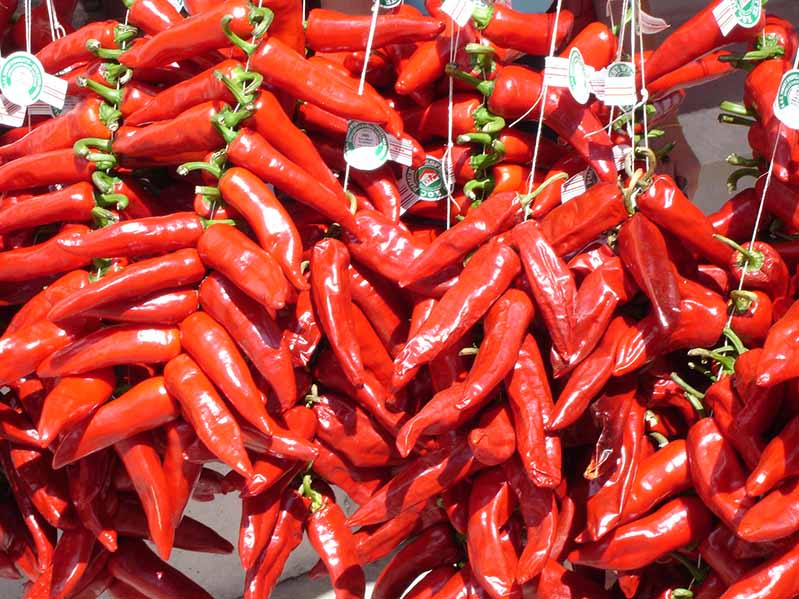
    Ñora Pepper

    Spanish Cumin

  • The Magic of the 5‑Pepper Blend: A Flavorful Journey Through History, Culture & Cooking

    5-pepper blend

    5-pepper blend isn’t just a decorative addition to your pepper grinder — it’s a vibrant mix brimming with history, aroma, and culinary complexity. But what makes this colorful seasoning more than just pepper? By exploring its unique peppercorn varieties, its storied origin, and its versatile uses in the kitchen, you’ll discover why this medley deserves a place in your spice rack. Join me on a journey through trade routes, sensory layers, and modern gastronomy, and learn how to use and appreciate the multicolored symphony in your own cooking.

    What is the 5‑pepper blend?

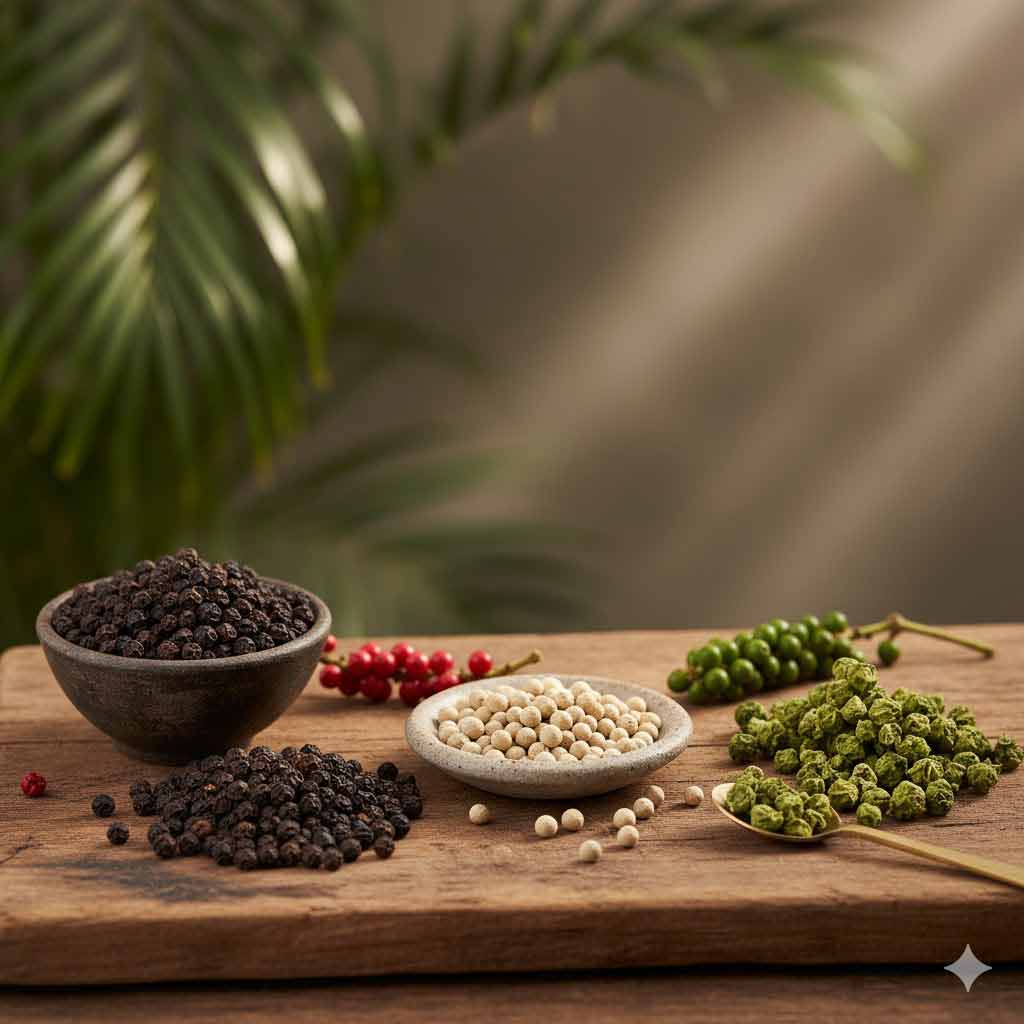
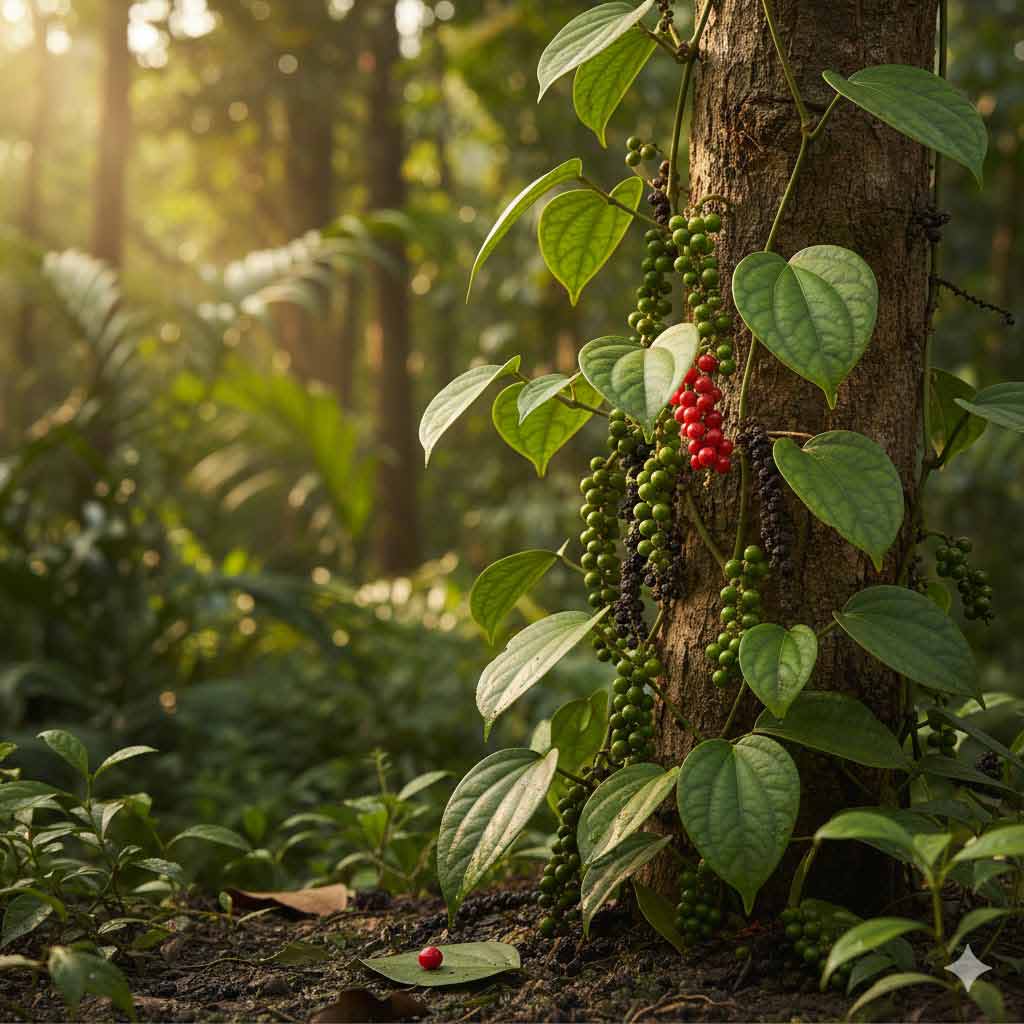
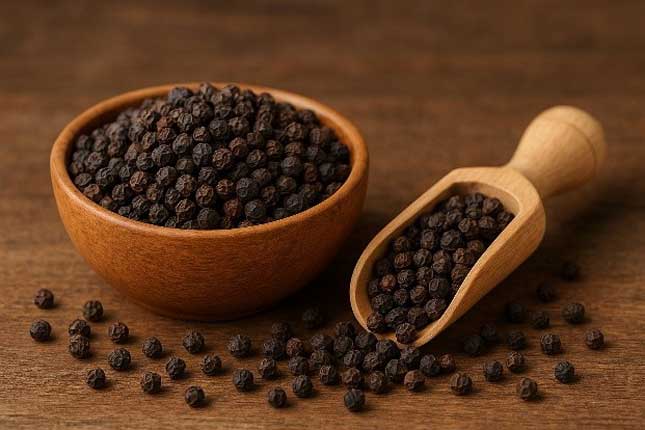
    At its core, the 5‑pepper blend (also called “five-­peppercorn mix” or “cinq baies” in French) typically combines five distinct “pepper” elements that come from different plants or are processed differently. The most common composition includes black, white, green, and pink peppercorns — all from the same species Piper nigrum — plus allspice (also known as Jamaica pepper).

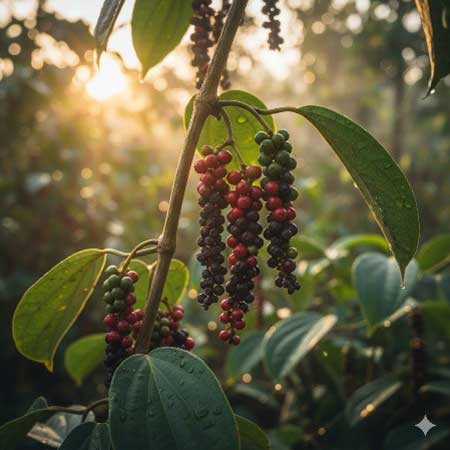
    The black, green, and white peppercorns originate from the same fruit but undergo distinct processing: black pepper is the sun-dried unripe fruit, white pepper comes from fully ripened berries whose outer skin has been removed, and green peppercorns are harvested early to capture a fresher, milder flavor. Pink peppercorns, however, are not true peppercorns at all; they are the dried berries of the Schinus tree and bring a subtly fruity, floral character. Finally, allspice adds a sweet, slightly warming undertone with hints of cinnamon, clove, and nutmeg. 

    The flavor profile of the 5‑pepper blend

    The 5‑pepper blend sings in multiple registers. Black pepper provides the familiar, robust heat — round, earthy, and warming. White pepper, in contrast, delivers a slightly sharper, more concentrated piquancy with an almost fermented or musky tone. 

    Then there’s the bright, herbaceous note of green peppercorns, which feel fresher and more vegetal, sometimes even citrusy. Pink peppercorns bring a delicate, floral sweetness — light and slightly fruity, standing apart from the Piper nigrum family. Rounding it out, allspice provides a gentle warmth, like a whisper of cinnamon, clove, and nutmeg, giving the whole blend a cozy, aromatic base.

    This layering of spicy, sweet, floral, and warming notes makes the 5‑pepper blend both complex and balanced — a seasoning that evolves on your palate with every grind.

    Culinary uses

    The versatility of this pepper mix is one of its biggest strengths. Here’s how different kitchens around the world put it to work:

    • Meats and roasts: Use a coarse grind of the 5‑pepper mix as part of a rub for beef, lamb, or game. The boldness of black and white pepper is tempered by the floral and fruity tones, while allspice brings a hint of warmth — ideal for seared steaks or slow-roasted joints.
    • Seafood and poultry: The lighter and brighter notes of green and pink peppercorns make this blend a beautiful finishing spice for fish or chicken. Try gently cracking the pepper and sprinkling it on grilled salmon — you’ll taste the freshness and the aromatic depth.
    • Sauces and dressings: When freshly ground, the pepper blend elevates sauces, especially creamy or velvety ones. Allspice adds a subtle sweetness, while the peppercorns layer spiciness in a refined way.
    • Salads and vegetables: Use as a finishing flourish. Just grind a little over roasted veggies or toss into a salad to add a punch of color and a sophisticated peppery note.
    shrimps with 5-pepper blend

    Cooks often recommend using a transparent pepper mill so you can admire the visual charm of the different peppercorns. And because the flavor of peppercorns is at its peak when freshly ground, it’s best to grind just before serving for maximum aromatic impact. 

    Choosing and storing your 5‑pepper blend

    If you’re shopping for a 5‑pepper blend, look for high-quality, whole peppercorn mixes that contain the five classic components: black, white, green, pink, and allspice. Blends from reputable spice merchants often use premium, ethically sourced peppercorns. 

    Here are a few notable products you might consider:

    • Old India Five Mixed Peppercorns — a classic gourmet blend.
    • Fauchon Mélange 5 Baies — elegant and refined, from a French luxury brand.
    • Fenbrook Five Peppercorn Mix 250 g — generous quantity, great for frequent use.
    5-pepper

    To preserve freshness, store your peppercorn blend in an airtight, opaque container in a cool, dark place. Avoid direct sunlight and moisture — whole peppercorns keep their aromatic compounds best this way. 

    Why the 5‑Pepper Blend Matters: More Than Just a Seasoning

    This blend isn’t just pretty — it’s a symbol of culinary evolution. It reflects centuries of spice trade, the botanical diversity of pepper, and the artistry of layering flavors. When you grind this mix over a dish, you’re not just seasoning your food; you’re connecting with a tradition that spans continents.

    From a health perspective, each type of peppercorn brings its own benefits. Black pepper contains piperine, which can improve nutrient absorption. Allspice, meanwhile, has been used historically for digestive relief. 

    Conclusion

    The 5‑pepper blend is a multi-dimensional treasure: visually stunning, richly aromatic, and deeply rooted in history. Whether you’re finishing a delicate fish, building a robust meat rub, or elevating a salad, this peppercorn medley brings layers of flavor that few single spices can match.

    Don’t stop here — try grinding your own mix, experiment with proportions, and let your culinary imagination run wild. If you give it a spin, I’d love to hear: how do you use your pepper blend? Share your favorite dishes or moments of discovery!

  • Saffron spice: History, Legends, and Recipes

    Saffron spice is wrapped in luxury, legend, and centuries of tradition. Often called “red gold,” it remains the most expensive spice in the world—worth more per gram than precious metals. Its distinctive aroma, intense color, and deep cultural roots make saffron not only a culinary treasure but a symbol of passion, sacrifice, and craftsmanship.

    This guide explores the history of saffron, its cultural anecdotes, and how to use it in delicious recipes at home.

    What Makes Saffron Spice So Special?

    Saffron comes from the stigmas of the Crocus sativus flower. Each delicate purple blossom contains only three bright red threads, which are hand-harvested and dried. It takes more than 75,000 flowers to produce a single pound of saffron—one reason the spice is so precious.

    Saffron flower

    Its flavor is hard to describe: earthy, floral, honeyed, and slightly metallic. Its aroma is unmistakable. And its vibrant golden hue transforms any dish it touches.

    A Brief History of Saffron spice

    Origins in Ancient Persia

    Saffron is believed to have originated in ancient Persia (modern Iran), where it was cultivated as early as 3,500 years ago. Persian royals used saffron in perfumes, ointments, and rich rice dishes. Warriors bathed in saffron-infused water to heal battle wounds and invigorate the spirit.

    Saffron in Greek Mythology

    One of saffron’s most famous legends comes from ancient Greece. According to myth, a mortal named Crocus fell deeply in love with the nymph Smilax. When the gods forbade their union, Crocus was transformed into the saffron crocus flower—his vibrant orange-red stigmas symbolizing eternal longing.

    Egyptian, Roman, and Indian Traditions

    • Egyptians used saffron spice as perfume and medicine. Cleopatra reportedly bathed in saffron milk to enhance her skin and allure.
    • Romans scattered saffron spice on theater floors and linens for its luxurious scent.
    • In India, saffron is deeply woven into Ayurvedic traditions and cuisine, from celebratory sweets to healing tonics.

    The Silk Road and European Expansion

    Saffron’s journey across continents was fueled by trade along the Silk Road. By the Middle Ages, it enriched European cooking, medicine, and religious rituals. During the Black Death, saffron prices soared as it was believed to possess healing properties.

    The city of Kashmir later emerged as one of the world’s most famous saffron-producing regions, known for its deep color and bold aroma—often considered the pinnacle of saffron quality.


    Types of Saffron: Understanding the Differences

    Not all saffron is the same. Factors like region, harvesting techniques, and drying methods influence its quality.

    1. Kashmiri Saffron

    • Deep red color
    • Highly aromatic
    • Strong flavor and powerful color-releasing compounds
    • Premium and often the most expensive

    2. Iranian Saffron

    Iran produces over 80% of the world’s saffron. It is prized for its:

    • Balanced flavor
    • Rich color
    • Excellent value

    3. Spanish Saffron

    Known for:

    • Mild, sweet aroma
    • Slightly less intense coloring
    • Ideal for classic Spanish rice dishes like paella

    4. “Fake” Saffron

    Imitations exist—usually strands of dyed corn silk, safflower, or turmeric.
    True saffron threads are:

    • Deep red with slightly lighter tips
    • Dry yet flexible
    • Not uniformly colored

    Cultural Anecdotes and Symbolism

    A Symbol of Celebration

    In many cultures—especially Persian, Indian, and Mediterranean—saffron spice is associated with:

    • Weddings
    • Religious ceremonies
    • Holiday feasts
    • Offerings and blessings

    Its golden hue symbolizes sunlight, prosperity, and joy.

    Saffron as Medicine

    Ancient medical systems praised saffron for uplifting the mood and supporting vitality. While modern science still explores these claims, saffron remains culturally linked to warmth, energy, and well-being.

    The Monks’ Golden Robes

    Buddhist monks are often pictured wearing deep yellow or orange robes. While not always dyed with saffron today, historically many garments were colored using saffron or saffron-like pigments, associating the spice with purity and enlightenment.

    Precious saffron spice

    How to Cook With Saffron

    A little goes a long way. To unlock saffron’s full potential, follow these tips:

    Blooming Saffron (Essential Technique)

    Before adding saffron to a recipe, soak the threads in warm water, milk, or broth for at least 15–20 minutes.
    This releases its color, aroma, and flavor.

    Authentic Uses Across Cultures

    • Persian cuisine: Saffron rice (tahdig), stews, and desserts
    • Spanish cuisine: Paella, seafood broths
    • Indian cuisine: Saffron biryani, kheer, lassi, festival sweets
    • Italian cuisine: Risotto alla Milanese

    Easy Saffron Recipes

    1. Saffron Rice (Persian-Style)

    Saffron rice

    A fragrant side dish that pairs beautifully with roasted meats or vegetables.

    Ingredients:

    • 1 cup basmati rice
    • 1 ½ cups water
    • Pinch of saffron (5–7 threads)
    • 1 tbsp butter or oil
    • Salt to taste

    Instructions:

    1. Soak saffron in 2 tbsp warm water.
    2. Rinse rice until the water runs clear.
    3. Bring water, butter, and salt to a boil.
    4. Add rice, reduce heat, cover, and simmer.
    5. Stir in the bloomed saffron at the end.

    2. Saffron Milk (Kesar Doodh)

    A comforting drink enjoyed throughout India.

    Ingredients:

    • 1 cup warm milk
    • 4–5 saffron threads
    • ½ tsp sugar or honey
    • Optional: cardamom, pistachios

    Instructions:
    Mix all ingredients and let steep 10 minutes before drinking.


    3. Saffron and Citrus Fish

    A bright, aromatic dish perfect for weeknights.

    Ingredients:

    • White fish fillets
    • Saffron soaked in warm broth
    • Lemon zest
    • Garlic
    • Olive oil

    Instructions:
    Brush fish with saffron mixture, season, and bake or pan-sear.


    4. Saffron Risotto

    Creamy, luxurious, and deeply comforting.

    Key Steps:

    1. Toast rice in butter.
    2. Add wine.
    3. Add broth gradually.
    4. Stir in bloomed saffron during the last 10 minutes.

    Try also this great recipe of Saffron and Butternut Squash Risotto with Crispy Sage.


    Why Saffron Endures

    Saffron isn’t just a spice—it’s craftsmanship, history, and culture distilled into tiny crimson threads. From ancient legends to modern kitchens, it continues to symbolize luxury, celebration, and the beauty of patience.

    Whether steeped in warm milk, folded into rice, or infused into a golden broth, saffron transforms dishes into something unforgettable.

  • The Culinary Magic of Smoked and Roasted Spices

    Smoking and roasting spices

    In the vast and intricate world of cooking, few techniques transform ingredients with as much depth and character as smoking and roasting spices. These processes, ancient yet ever-evolving, unlock layers of aroma, flavor, and complexity that elevate dishes from ordinary to extraordinary. Whether used in traditional cuisines or modern gastronomy, smoked and roasted spices captivate the senses, offering warmth, intensity, and a subtle narrative of the fire and earth from which they emerge.

    The Science Behind the Flavor

    The magic of smoked and roasted spices lies in chemistry. Dry heat induces Maillard reactions, caramelizing natural sugars and developing nuanced flavors, while slow smoking infuses compounds from burning wood, herbs, or charcoal. Roasting transforms raw, sometimes harsh-tasting spices into rich, aromatic gems.

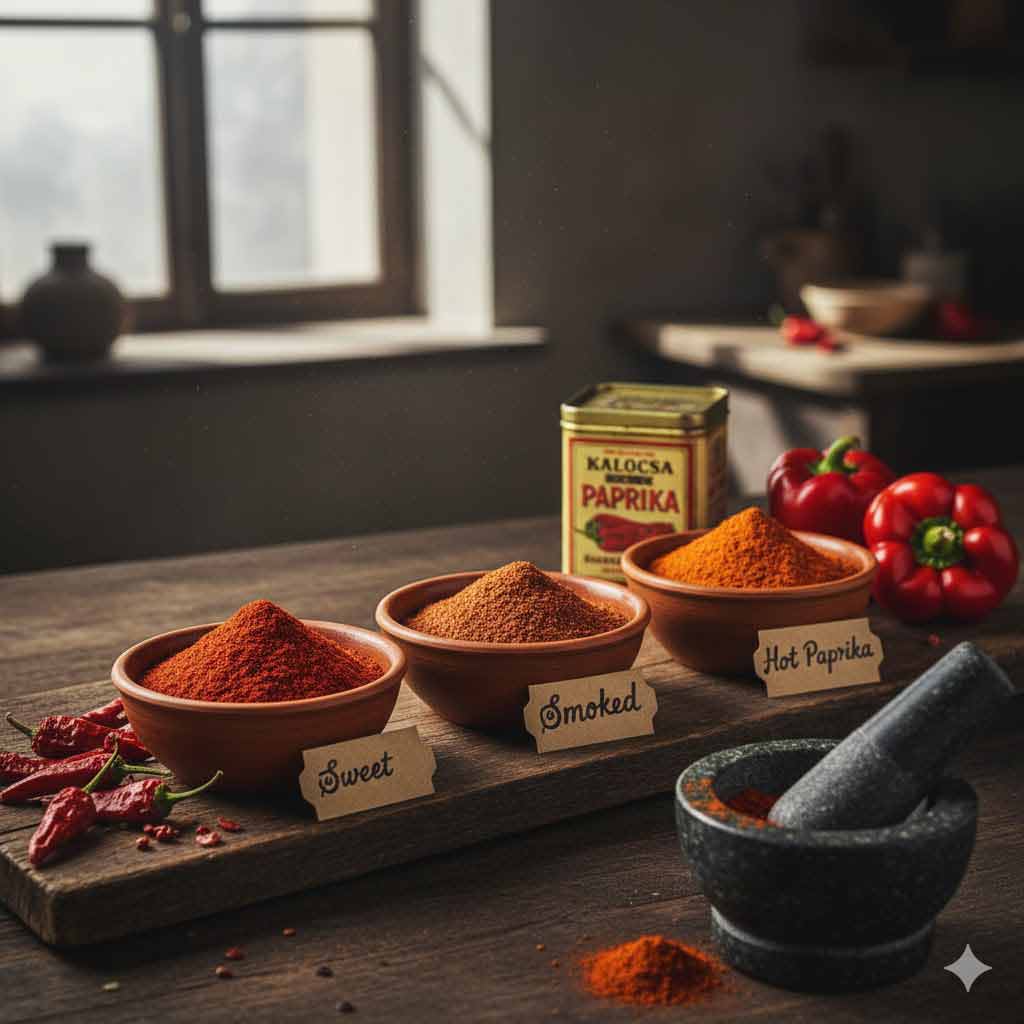
    For example, raw cumin seeds possess a sharp, earthy taste. When dry-roasted in a pan, their oils are released, producing a warm, nutty, and aromatic essence that deepens dishes like curries, stews, and sauces. Similarly, paprika or chili powders benefit from light toasting, softening bitterness and enhancing sweetness while amplifying their inherent smokiness. Smoking spices—either directly over wood smoke or via smoked paprika, chipotle, or lapsang souchong tea leaves—introduces a subtle smokiness that adds dimensionality without overpowering the dish.

    This transformation is not merely culinary but also sensory, engaging smell, taste, and even memory. The scent of roasted spices evokes warmth and comfort, bridging the gap between ancient traditions and contemporary kitchens.

    Historical and Cultural Context

    smoking and roasting spices

    Roasting and smoking spices is an age-old practice found across global cuisines. In Indian cooking, whole spices like cumin, coriander, and fennel are roasted to form the basis of masalas. This practice dates back centuries, combining culinary artistry with principles of Ayurveda: roasting enhances digestibility and releases essential oils beneficial for health.

    In Moroccan and North African cuisine, spices such as cumin, paprika, and dried peppers are often roasted or lightly smoked to develop the deep, earthy flavors characteristic of tagines, couscous dishes, and braised meats. In Europe, smoked paprika from Spain, such as Pimentón de la Vera, showcases how local traditions and terroir influence flavor development. Similarly, the use of smoked salt in Scandinavian cuisine highlights how simple techniques enhance subtle natural flavors.

    Across cultures, these techniques serve multiple purposes: flavor development, preservation, and sometimes even ritual. The process of smocking and roasting is often slow and intentional, reflecting a philosophy of care, patience, and respect for ingredients.

    Popular Smoked and Roasted Spices

    A wide variety of spices benefit from smoking and roasting spices, each gaining unique characteristics:

    • Cumin: Dry-roasting transforms its raw, bitter notes into nutty, aromatic warmth, forming the backbone of countless spice blends.
    • Paprika & Chili: Roasting or smoking intensifies sweetness and imparts a subtle, lingering heat. Chipotle peppers, smoked over wood, are a prime example of flavor complexity achieved through fire.
    • Coriander: Toasting enhances its citrusy undertones while adding earthy depth, perfect for both savory and sweet applications.
    • Black Pepper: Light roasting elevates aroma and brings a toasty richness to sauces, meats, and vegetables.
    • Fenugreek & Mustard Seeds: Roasting softens their bitterness while introducing nutty, slightly caramelized notes ideal for curries and pickles.

    Some spices, like cinnamon, cloves, and nutmeg, are occasionally smoked lightly to produce a subtle, almost mystical warmth that enhances desserts, beverages, and even fine dining sauces.

    Culinary Applications

    The application of smoking and roasting spices is as versatile as the spices themselves. Their deep, layered flavors can transform dishes in numerous ways:

    • Curries and Stews: Toasted spices form the base of complex sauces, releasing oils that bind ingredients together.
    • Roasted and Grilled Meats: Smoked spice rubs create a crust that imparts both flavor and aroma, elevating barbecues and tandoori preparations.
    • Vegetables and Legumes: Roasting spices and tossing them with roasted vegetables or lentils introduces subtle smokiness and depth.
    • Breads and Pastries: Even sweet applications, such as spiced cookies, cakes, or flatbreads, benefit from roasted aromatic spices that enhance both flavor and aroma.
    • Beverages: Chai tea, spiced ciders, and mulled wines gain richness from lightly roasted spices like cardamom, cinnamon, and cloves.

    The difference between raw and roasted or smoked spices is striking: the aroma is intensified, the flavor more rounded, and the mouthfeel more complex, demonstrating why these techniques are revered in kitchens worldwide.

    Techniques and Tips for Home Cooks

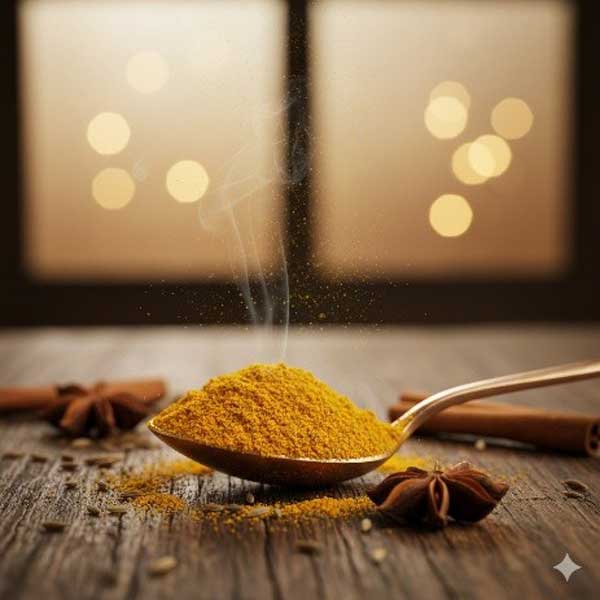
    powder spices

    Mastering smoking and roasting spices at home requires attention to detail and timing. Dry-roasting is usually done over low to medium heat in a heavy pan. Spices should be stirred frequently to avoid burning, as charred notes can quickly overwhelm delicate flavors. A few seconds of roasting can dramatically change aroma and flavor, so sensory cues—smell, color, and texture—are essential guides.

    Smoking and roasting spices can be achieved in several ways: using smoked varieties like chipotle or smoked paprika, briefly exposing spices to wood smoke, or infusing oils with smoked spices. Control is key—too much smoke can dominate, while a gentle infusion adds depth and intrigue.

    Once roasted or smoked, spices can be ground immediately to preserve freshness or stored in airtight containers away from light and moisture. Combining roasted spices with fresh herbs, citrus, or other aromatics creates multi-dimensional layers in dishes.

    Experimentation is encouraged. Even subtle adjustments, such as toasting cumin for 20 seconds longer or using a different type of wood smoke, can produce unique flavor profiles, allowing cooks to adapt traditional techniques to modern palettes.

    Modern Culinary Interpretations

    Today, smoking and roasting spices are celebrated in both traditional and avant-garde kitchens. Chefs use these techniques to craft bold flavor experiences, from smoky chocolate desserts to spice-crusted seafood, infused oils, and roasted vegetable medleys. The resurgence of open-fire cooking and artisanal spice blending has brought these age-old techniques into contemporary gastronomy, highlighting their versatility and sensory appeal.

    The magic lies in their adaptability. Smoking and roasting spices can enhance rustic comfort foods, elevate fine dining plates, or inspire fusion cuisines, all while honoring centuries of culinary tradition.

    Smoking and roasting spices are more than flavoring agents—they are a bridge between history, science, and art. They reflect centuries of culinary innovation, cultural exchange, and a deep understanding of how heat and fire transform ingredients. Whether in a humble kitchen or a modern gourmet restaurant, their magic lies in their ability to enhance aroma, deepen flavor, and create unforgettable sensory experiences.

    From the warm, nutty richness of toasted cumin to the subtle smokiness of paprika or chipotle, these techniques elevate dishes by engaging not only taste but smell and memory. Cooking with smoked and roasted spices is a celebration of flavor, patience, and craftsmanship, offering an accessible way to explore the profound artistry behind everyday ingredients.

    In every carefully roasted seed or smoked powder, there is history, culture, and culinary brilliance waiting to be unlocked. Mastering their use is not just a technique—it is an invitation to explore the full spectrum of taste, aroma, and the transformative power of fire in the kitchen

  • Curry: A Global Journey of Flavor, Culture, and Comfort

    Few foods are as universally loved—and as widely interpreted—as curry. Found in homes and restaurants from India to Japan, Thailand to Jamaica, and Britain to South Africa, curry is not a single dish but a world of flavors, histories, and traditions. Its story spans continents, colonial encounters, spice routes, migrations, and creative reinvention. For anyone curious about the history of curry, this global journey reveals how deeply interconnected food and culture can be. And whether simmered slowly on a family stove or ordered from a bustling street market, curry remains one of the world’s most comforting and expressive culinary creations.

    A Brief History of Curry

    The history of curry begins with the ancient Tamil word kari, meaning “spiced sauce,” but the culinary concept we now associate with curry is thousands of years old..

    In the Indus Valley civilization—one of the world’s earliest urban cultures—archaeologists have uncovered evidence of turmeric, ginger, and garlic in ancient cooking pots, suggesting that proto-curry mixtures may date back more than 4,000 years. Indian cuisine continued to evolve under diverse regional kingdoms, each developing its own masalas (spice blends) tailored to climate, agriculture, and culture.

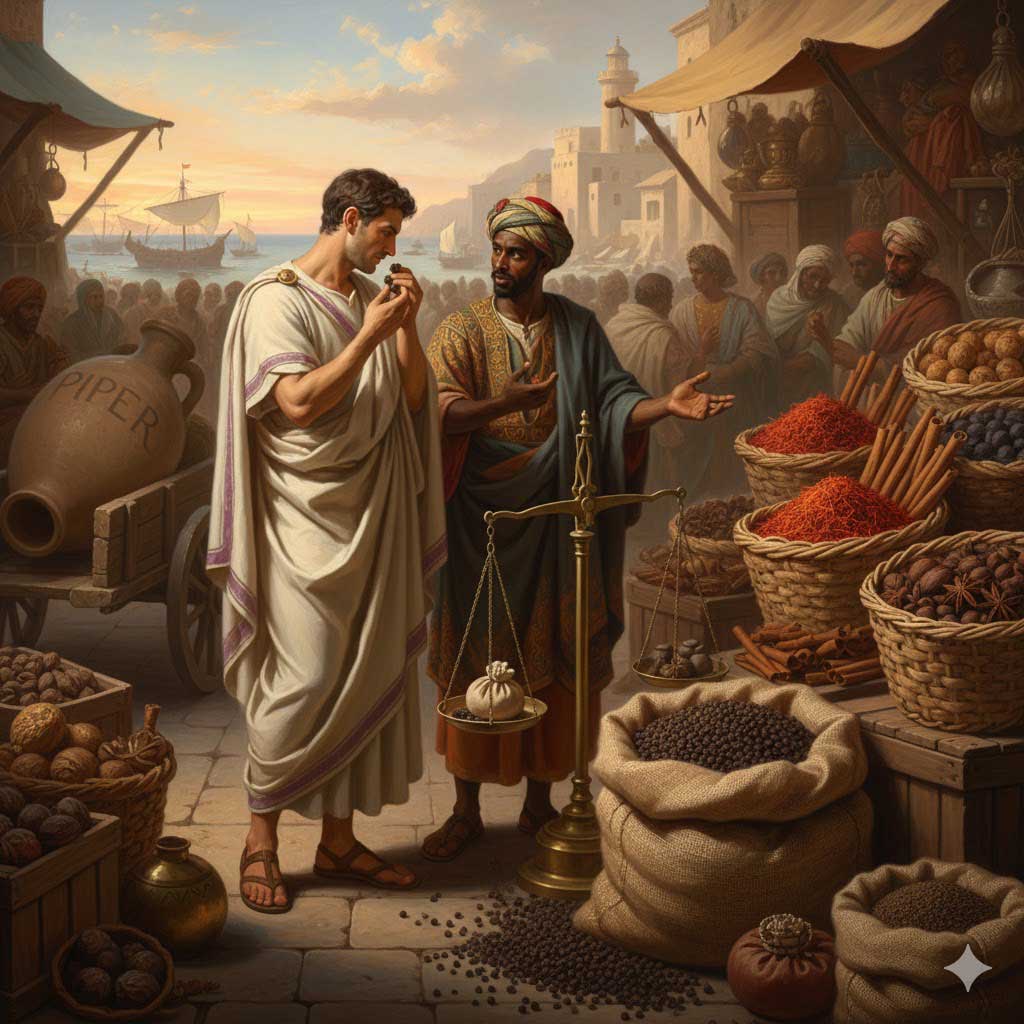
    The global rise of curry began with the spice trade. Arab merchants carried Indian spices westward, and by the Middle Ages, pepper, cinnamon, and cardamom were prized luxuries in Europe. Later, during the period of British colonial rule, curry became a bridge between cultures. British officers who developed a taste for Indian cuisine tried to recreate it back home, leading to the first English “curry powder,” an approximation of Indian masalas designed for Victorian kitchens.

    History of curry

    As global migration increased, the concept of curry traveled with people:

    • Indian laborers brought curry traditions to the Caribbean, giving birth to Jamaican curry goat and Trinidadian doubles.
    • Japanese naval officers encountered British-style curry and transformed it into the mild, comforting kare raisu beloved across Japan today.
    • Thai cooks incorporated local herbs like lemongrass, galangal, and kaffir lime into vibrant coconut-based curries.

    Today, curry is less a recipe than a culinary conversation—one that adapts, evolves, and absorbs local identity wherever it travels.

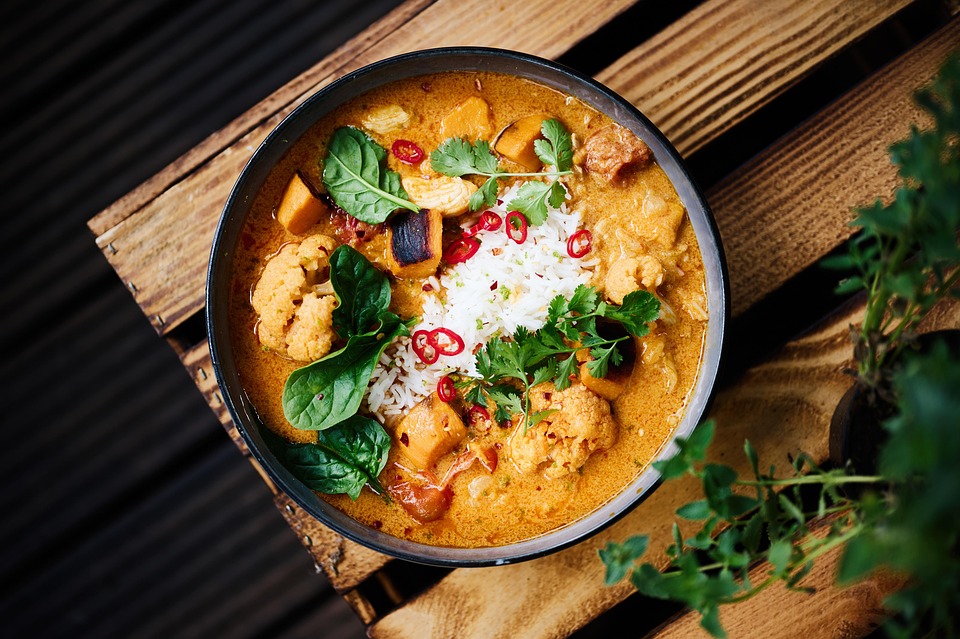
    curry in kitchen

    Anecdotes & Cultural Flavor

    Few foods inspire as many personal stories as curry. In many cultures, curry isn’t just a dish; it’s an expression of identity and memory.

    The Family Masala

    In many Indian households, spice blends are guarded like family heirlooms. A grandmother’s masala recipe might be written down (rarely) or passed on by smell and intuition. Some families roast their spices before grinding; others sun-dry them on terraces, infusing them with the warmth of the afternoon. The taste of curry, in these homes, is the taste of lineage.

    An old joke in North India goes: “If you want to marry into a family, learn their garam masala first.” Whether true or not, it reflects how deeply curry is tied to domestic tradition.

    Curry and Colonial Curiosity

    A British anecdote tells of an 18th-century dinner guest who asked for “that excellent spicy Indian ragout” again. Unable to recall the dish’s Tamil name, the host simply called it “curry.” The term stuck, much to the amusement—and occasional annoyance—of Indians who know that every regional dish has its own name, from vindaloo to korma, saag, chettinad, or kari kuzhambu.

    The Comfort of Kare

    In Japan, curry is as beloved as ramen or sushi. Ask a Japanese college student what they ate during exam season, and many will recall giant pots of homemade curry simmering for days, growing richer with every serving. It is affectionately called “the national comfort food.”

    Three Delicious Curry Recipes to Try at Home

    Here are three diverse recipes that showcase curry’s global personality.

    1. Classic Indian Chicken Curry (North Indian Style)

    Ingredients:

    • 1.5 lbs chicken pieces
    • 2 onions, finely chopped
    • 3 tomatoes, blended or chopped
    • 4 cloves garlic, minced
    • 1-inch ginger, minced
    • 2–3 tbsp oil
    • 1 bay leaf
    • 1 tsp cumin seeds
    • 1 tsp turmeric
    • 2 tsp coriander powder
    • 1 tsp garam masala
    • 1 tsp red chili powder
    • Salt to taste
    • Fresh cilantro for garnish

    Instructions:

    1. Heat oil and add cumin seeds and bay leaf until fragrant.
    2. Add onions and cook until golden brown.
    3. Stir in garlic and ginger; sauté for one minute.
    4. Add tomatoes and spices; cook until oil separates from the masala.
    5. Add chicken pieces and coat well with the mixture.
    6. Add 1 cup water and simmer for 25–30 minutes.
    7. Garnish with cilantro and serve with rice or flatbread.

    This curry is deeply aromatic, richly spiced, and endlessly adaptable—just like the regions that inspired it.


    2. Thai Green Curry

    Ingredients:

    • 2 tbsp green curry paste
    • 1 can (13.5 oz) coconut milk
    • 1 lb chicken or tofu
    • 1 cup Thai eggplant or zucchini
    • 1 red bell pepper
    • 1 tbsp fish sauce (or soy for vegan)
    • 1 tbsp brown sugar
    • Handful of Thai basil
    • Kaffir lime leaves (optional)

    Instructions:

    1. Heat a spoonful of coconut milk until it bubbles and releases aroma.
    2. Stir in the green curry paste and cook for 1–2 minutes.
    3. Add the remaining coconut milk, chicken/tofu, and vegetables.
    4. Add fish sauce, sugar, and lime leaves.
    5. Simmer on low for 15 minutes, until fragrant and silky.
    6. Finish with Thai basil.

    Thai curry is all about balance: creamy, spicy, fragrant, and fresh.


    3. Japanese Curry Rice (Kare Raisu)

    Ingredients:

    • 1 lb beef, chicken, or vegetables
    • 2 onions
    • 2 carrots
    • 2 potatoes
    • 1 apple, grated
    • 3 cups water
    • 1 block Japanese curry roux
    • Cooked rice

    Instructions:

    1. Sauté onions until caramelized.
    2. Add meat and vegetables; lightly brown.
    3. Pour in water and simmer until everything softens.
    4. Add grated apple for sweetness.
    5. Stir in curry roux until thick and glossy.
    6. Serve over steaming rice.

    This curry is mild, comforting, and subtly sweet—perfect for cozy evenings.

    Check also this great recipe of delicious Autumn Chickpea Curry!

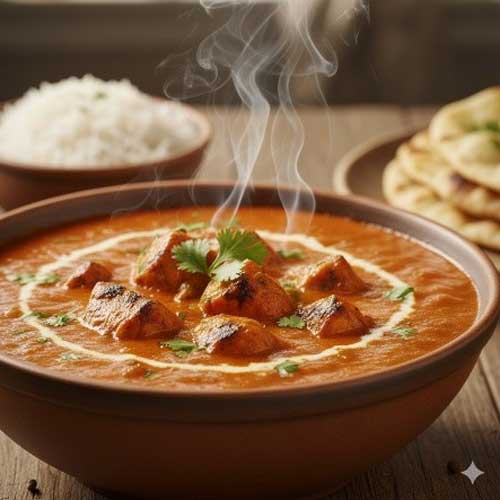
    Curry recipes

    Curry’s Ever-Expanding Story

    The history of curry shows that it is far more than a recipe—it is a symbol of cultural exchange, adaptation, and memory. It’s eaten during celebrations, shared among friends, reinvented by chefs, and passed down through generations. Its ability to absorb local ingredients, preferences, and stories makes it one of the world’s most adaptable foods.

    Whether fiery and complex, creamy and mild, or bright with fresh herbs, curry continues to evolve. Every pot tells a story—and adds a new chapter to the history of curry.


  • Worth Your Salt: The Rock That Changed the World

    It is the only rock we eat. It is in your blood, your sweat, and quite literally in your tears. It has toppled empires, sparked revolutions, and is likely sitting on your kitchen table right now in a cardboard cylinder or a fancy wooden grinder. We are talking, of course, about salt.

    For something so ubiquitous—often carelessly tossed over a shoulder to ward off bad luck or sprinkled onto soggy fries—salt holds a secret power. It is not merely a condiment; it is a biological necessity and a historical juggernaut. If you strip away the spices, the herbs, and the sauces from the culinary world, salt is the one element you cannot lose. It is the difference between a meal that sings and a meal that sleeps. But how did this humble mineral manage to take over the world?

    The Salary of Soldiers

    To understand the gravity of salt, we have to rewind a few thousand years. Before the age of refrigeration, salt was the only way to keep food from rotting. If you had salt, you could preserve meat and fish for the long winter or for long voyages. If you didn’t, you starved. This made salt incredibly valuable—sometimes literally worth its weight in gold.

    The impact on our language is undeniable. The word “salary” comes from the Latin salarium, which was a specific allowance given to Roman soldiers to purchase salt. It was an essential part of their livelihood. If a soldier was lazy or incompetent, he was deemed “not worth his salt”—a phrase we still use today, likely without realizing we are referencing the payroll of a legionnaire from 50 B.C.

    Trade routes were forged not just for silk or spices, but specifically for rocks with sodium chloride. The Via Salaria in Italy was the “Salt Road” used to move the mineral from the coast to Rome. Cities like Salzburg (“Salt Fortress”) in Austria were built entirely on the wealth extracted from nearby salt mines. It wasn’t just a seasoning; it was the currency of survival.

    The Crystal Spectrum

    Fast forward to the modern kitchen, and we are spoiled for choice. A century ago, you likely had one option: a white, iodized powder that flowed freely in humid weather thanks to anti-caking agents. Today, the salt aisle is a spectrum of textures and colors, and knowing the difference can change your cooking game entirely.

    First, there is the workhorse: Table Salt. It’s dense, uniformly shaped, and very salty by volume. It dissolves slowly and is best used for pasta water or baking, where it disappears into the batter. However, because of its density, it is easy to over-salt a dish if you aren’t careful.

    Then, we have the chef’s darling: Kosher Salt. The name comes from the process of “koshering” meat (drawing out the blood), not necessarily because the salt itself is holy. Its grains are flaky, coarse and can be seen as big rocks. Why do chefs love it? Control. You can pick up a pinch of kosher salt with your fingers and feel exactly how much you are adding. It doesn’t bounce off the food; it clings.

    Finally, there are the Finishing Salts, like Fleur de Sel or Maldon. These are the diamonds of the salt world. Harvested by hand from the surface of evaporating seawater, these little rocks retain moisture and minerals from the ocean. You never cook with these—that would be a waste of money. Instead, you sprinkle them on top of a steak or a chocolate chip cookie right before serving. The crunch creates a textural explosion, sending little zaps of salinity that contrast beautifully with the food.

    A rustic wooden surface is covered with various types of salt, peppercorns, and spices. A large wooden bowl holds chunky pink Himalayan salt rocks. Smaller bowls and piles contain pink salt rocks, white sea salt, grey salt, and fine white table salt. A black slate tile displays black peppercorns, orange paprika, and a sprig of rosemary. Dried red chilies and loose spices are scattered around the arrangement.

    The Science of Savor

    So, what is actually happening when we salt our food? It’s not just about making things taste “salty.” This rock is a flavor potentiator.

    At a chemical level, salt suppresses bitterness. This is why some people put a pinch of salt in cheap coffee or on grapefruit. When you suppress the bitter notes, the sweet and sour notes are allowed to shine through more clearly. This is also why salt is mandatory in baking. A brownie without salt tastes flat and overly sugary; add salt, and the chocolate flavor suddenly becomes deep and complex.

    Salt also plays a crucial role in texture. If you are grilling a steak, salt rocks does two things. First, it draws moisture to the surface through osmosis. This moisture dissolves the salt, creating a brine that is eventually reabsorbed into the meat, seasoning it from the inside out (a process that takes about 40 minutes). Second, that surface moisture helps create a better sear when the meat hits the hot pan.

    However, timing is everything. Salt your scrambled eggs too early, and they might turn watery and gray. Salt your mushrooms at the start of sautéing, and they will steam in their own juices rather than brown. Cooking is essentially a chemistry experiment, and salt is your primary reagent.

    Respect the Rock

    It is easy to view salt as the villain of the modern diet, associated with high blood pressure and processed foods. While it is true that we consume far too much hidden sodium in pre-packaged meals, the salty rock used correctly in home cooking is rarely the enemy. It is a nutrient we die without—sodium is required for nerve impulses and muscle contractions.

    So, the next time you reach for the shaker, take a moment to appreciate what you are holding. It’s a geologic rocky relic, a preserver of history, and the single most important tool in your culinary arsenal. Don’t just sprinkle it blindly. Taste, adjust, and let the rock do its work.

    My other articles are listed here.

  • The Alchemist’s Pantry: A Complete Guide to Mastering Spices and Herbs

    Cooking is often described as an art, but at its core, it is chemistry. While proteins and vegetables provide the structure of a meal, it is the invisible world of spices and herbs that provides the soul. For many home cooks, the spice cabinet is a place of mystery—or worse, a graveyard of expired jars purchased for a single recipe three years ago.

    Understanding how to select, store, and utilize these ingredients is the single fastest way to elevate your cooking from “edible” to “exceptional.” This guide will demystify the aromatic world of seasoning and help you build a pantry that works for you, not against you.

    Herbs vs. Spices: What is the Difference?

    Before diving into usage, it is helpful to understand the botanical distinction, as it dictates how we cook with them.

    Herbs generally refer to the leafy, green parts of a plant. They can be used fresh or dried. Think of basil, parsley, oregano, cilantro, and mint. Because their flavor compounds are delicate and volatile, fresh herbs are usually added at the very end of the cooking process to preserve their brightness. Dried herbs, having a more concentrated flavor and sturdier structure, can be added earlier.

    Spices, on the other hand, come from every other part of the plant: the bark (cinnamon), the root (ginger, turmeric), the flower buds (cloves), the seeds (cumin, coriander), or the fruit (black pepper, paprika). Spices are almost always used in their dried form. They are robust and require heat and fat to release their full potential.

    Interestingly, some plants provide both. The Coriandrum sativum plant gives us fresh cilantro leaves (herb) and coriander seeds (spice), which have completely distinct flavor profiles.

    Whole vs. Ground: The Flavor Clock

    One of the most common questions in the culinary world is: “Should I buy whole spices or ground?”

    The answer lies in surface area and oxidation. Inside a whole spice—like a cumin seed or a peppercorn—essential oils are protected within the cell walls of the plant matter. As long as that seed remains intact, the flavor is locked in a vault.

    The moment you grind a spice, you break those cell walls. The essential oils are exposed to oxygen, and the “flavor clock” begins to tick. Ground spices lose their potency much faster than whole spices. A jar of ground nutmeg might lose its punch in six months, while a whole nutmeg nut can retain its flavor for years.

    The Verdict: For the most commonly used spices (like cumin, black pepper, and coriander), buy them whole and invest in a cheap coffee grinder or a mortar and pestle. The difference in aroma is staggering. For spices you use less frequently or that are difficult to grind (like turmeric or cinnamon bark), buying pre-ground is a perfectly acceptable convenience.

    The Golden Rules of Storage

    If your spice rack is located right above your stove or on a sunny windowsill, you might be accidentally ruining your collection. Spices have three mortal enemies:

    1. Heat: It dries out the oils and degrades flavor.
    2. Light: UV rays bleach the color and break down chemical compounds.
    3. Moisture: It causes clumping and can lead to mold.

    The romantic image of open jars on a shelf in a sun-drenched kitchen is a culinary trap. The best place for your spices is in a drawer or a cupboard, away from the oven and direct sunlight.

    Ideally, transfer your spices into airtight glass jars. Glass is non-porous and won’t absorb residual odors like plastic does. Label them clearly with the name and, crucially, the date of purchase. As a general rule, perform a “sniff test” once a year. If you open a jar of paprika and it smells like dust rather than sweet peppers, it is time to replace it.

    Unlocking Flavor: Blooming and Toasting

    Have you ever followed a recipe exactly, but the result tasted flat compared to the restaurant version? The missing step is often “blooming.”

    Many flavor compounds in spices are lipophilic, meaning they dissolve in fat, not water. If you throw raw spices directly into a simmering watery sauce, you are missing out on depth.

    To bloom your spices, heat a little oil or ghee in a pan. Add your whole or ground spices and let them sizzle for 30 to 60 seconds. This process, combined with the heat, wakes up the essential oils and infuses the fat, which then carries the flavor throughout the entire dish.

    Alternatively, you can dry toast whole spices. Place whole seeds (like cumin or mustard) in a dry skillet over medium heat. Shake the pan constantly until they become fragrant and slightly darker. This introduces a nutty, toasted complexity that raw spices simply do not possess.

    5 Essentials to Start Your Collection

    You do not need 50 jars to cook well. You only need a few high-quality staples. If you are building a kit from scratch, start here:

    1. Black Peppercorns: Buy a mill. Freshly cracked pepper is spicy, floral, and piney. Pre-ground pepper is merely grey dust.
    2. Cumin (Whole): The backbone of Mexican, Indian, and Middle Eastern cuisines. Earthy and warm.
    3. Smoked Paprika: A “secret weapon” for vegetarians. It adds a bacon-like smokiness to stews and roasted vegetables without the meat.
    4. Ground Turmeric: Known for its anti-inflammatory properties and its brilliant yellow color. It adds a subtle, woody earthiness.
    5. Cinnamon (True or Cassia): Not just for desserts. A pinch in a savory tomato sauce or a beef stew adds an undetectable warmth that makes people wonder, “What is that delicious secret ingredient?”

    Conclusion

    Spices are an invitation to travel from your kitchen. They are relatively inexpensive, last a long time if stored correctly, and offer the highest return on investment for flavor.

    Don’t be afraid to experiment. Try adding a cracked cardamom pod to your morning coffee, or a pinch of chili flakes to your chocolate dessert. Open those jars, smell them, and let your nose guide your cooking. The world of flavor is vast, and you have only just begun to explore it.

  • Licorice: The Sweet (and Sometimes Controversial) Star of Candy Culture

    Licorice

    Licorice, the distinctive black confection loved passionately by some and avoided equally strongly by others, holds a unique place in the history of sweets. Its bold flavor, chewy texture, and unmistakable aroma have shaped candy traditions across Europe, the Middle East, and beyond. While the plant Glycyrrhiza glabra has been used for thousands of years in herbal medicine, it is in candy-making that licorice has achieved true cult status. From salty Nordic varieties to classic black twists and soft allsorts, it has remained a fascinating, polarizing, and culturally meaningful treat.

    This article explores why this spice became such a powerful force in the candy world, how it is made, and why its flavor inspires devotion like few others.

    What Exactly Is Licorice? The Root Behind the Candy

    Real licorice candy originates from the root of the so named plant, a legume native to the Mediterranean region and parts of Asia. The root contains a natural sweet compound called glycyrrhizin, which is up to 50 times sweeter than sugar. When extracted and concentrated, it forms a thick, dark syrup known as “licorice extract.” This extract is what gives the candy its deep, earthy sweetness and characteristic aroma.

    However, not all modern candies using this flavor contain true extract. In many countries—especially the United States—“black licorice” flavor is often created using anise or fennel oil, which mimics it’s taste. Still, in many European regions (especially the Netherlands, Italy, Germany, and Scandinavia), genuine extract remains a prized and essential ingredient.

    The Birth of Licorice Candy: From Ancient Remedy to Sweet Delight

    It’s root was first used medicinally by ancient Egyptians, Greeks, and Chinese practitioners. It soothed sore throats, eased coughs, and flavored herbal concoctions. But the idea of transforming this medicinal extract into something sweet and enjoyable emerged much later.

    The turning point came in 17th-century Europe, particularly in England. Apothecaries who used the plant extract in lozenges began adding sugar and flour to make the mixture more palatable. Over time, this evolved into Pontefract cakes, small, stamped, chewy licorice coins that became enormously popular.

    By the 19th and early 20th centuries, it was firmly established as a confectionery ingredient. Candy makers around Europe experimented with shapes, textures, and flavor pairings, giving rise to many of the sweets known today.

    How Licorice Candy Is Made

    Licorice

    Although recipes vary across countries and brands, traditional licorice candy generally involves a combination of:

    • Extract (from the real root)
    • Sugar or molasses
    • Starch or flour for structure
    • Gelatin or gum arabic for softness and chew
    • Flavorings such as anise oil, mint, or fruit essences
    • Coloring (carbon black or natural alternatives)

    The mixture is heated, aerated, and poured into molds or extruded into long ropes and cut into pieces. Depending on the formulation, the result can be:

    • Chewy
    • Firm
    • Soft and creamy
    • Hard and brittle

    This versatility allows the plant to appear in many forms—from shoelaces and twists to pastilles, candies, and layered sweets.

    Licorice Around the World: A Candy with Cultural Identity

    This candy is far from uniform. In fact, it varies dramatically from region to region, often reflecting local tastes and culinary traditions.

    1. Northern Europe: The Kingdom of Salty Licorice

    If black licorice is already polarizing, the salty one (“salmiakki”) takes that to a whole different level. Popular in Finland, Sweden, Denmark, and the Netherlands, the salty version contains ammonium chloride, giving it a sharp, mineral, salty edge.

    Fans describe it as addictive.
    Others describe it as a dare.

    Either way, it is a cultural symbol in Nordic countries, appearing in candies, ice creams, liqueurs, and even potato chips.

    2. The Netherlands: The World’s Licorice Powerhouse

    The Dutch consume more of it per capita than any nation on earth. Their shelves are stocked with endless varieties:

    • Soft
    • Hard
    • Sweet
    • Salty
    • Honey-scented
    • Coin-shaped
    • Cats, cars, and geometric forms

    Each variation expresses a different tradition, texture preference, or familial nostalgia.

    3. Italy: Strong, Pure, Herbal

    Italian licorice often contains very high concentrations of real extract. The Calabrian version, in particular, is known for its intense, almost medicinal purity. Hard pastilles and tiny lozenges dominate, sometimes with zero added sugar.

    4. United States: Red “Licorice”—A Candy in Name Only

    In the U.S., “red licorice” has become more popular than the black one, even though it contains no actual extract at all. Cherry, strawberry, and raspberry twists dominate the market. True black licorice candies are less common, though still appreciated by a loyal group of enthusiasts.

    Why People Love (or Hate) Licorice Candy

    Licorice

    The flavor of the real product is bold and complex. It is sweet, earthy, herbal, slightly bitter, and lingering. This combination creates strong emotional reactions—both positive and negative.

    Reasons people love this candy flavor:

    • Its flavor is deep and nostalgic
    • It’s associated with childhood memories in many cultures
    • It has a uniquely satisfying chew
    • It pairs well with salt, mint, honey, citrus, and even chocolate
    • It feels “grown-up” compared to sugary candies

    Reasons others dislike it:

    • The flavor can be too herbal or medicinal
    • Salty licorice can be overwhelming
    • Some people associate the taste with cough drops
    • Its bitterness can surprise those accustomed to sweeter candies

    This polarization is part of it’s charm. It is not a neutral sweet. It demands a strong opinion.

    Licorice’s Role in Modern Candy Culture

    Despite countless new confectionery trends, the plant remains surprisingly resilient. Craft candy makers continue to revive traditional methods, using real root instead of artificial flavorings. Artisanal licorice brands in Australia, Scandinavia, and Europe have elevated it to gourmet status, experimenting with:

    • Dark chocolate coatings
    • Chili-infused licorice
    • Salted caramel blends
    • Unique textures and slow-cooked methods

    This spice, once considered old-fashioned, is experiencing a renaissance. Young consumers are rediscovering its bold flavor, and chefs are incorporating it into desserts and cocktails.

    Conclusion: A Candy with Character

    Licorice is more than a confection—it is a cultural symbol, a historical artifact, and a flavor that continues to inspire strong loyalties. Whether soft or chewy, sweet or salty, traditional or modern, it maintains a personality unlike any other candy. It is bold, expressive, and unapologetically itself.

    In a world of predictable, sugary treats, licorice stands apart—dark, mysterious, and enduring.

  • The Art of Chinese Five Spices: A Harmony of Flavors Rooted in Tradition

    Chinese Five Spices

    Few culinary traditions can boast the delicate balance of flavors and centuries of history that Chinese cuisine embodies. Among its many treasures, Chinese five spices stands out as a remarkable testament to the art of harmonizing taste. More than a mere seasoning, Chinese five spices represents an intricate philosophy of balance, bridging flavors, health, and cultural identity in every pinch. Its allure lies not just in its taste but in its story—a story that reflects the richness of Chinese culinary heritage.

    Origins and Philosophy

    Chinese five spices powder, or wǔ xiāng fěn (五香粉), translates directly to “five fragrance powder.” Its creation is deeply rooted in the principle of balancing the five fundamental flavors in Chinese cooking: sweet, sour, bitter, salty, and umami (often interpreted as pungent in traditional Chinese medicine). This balance is not arbitrary; it mirrors the Daoist concept of harmony and the yin-yang philosophy, where contrasting elements coexist to achieve equilibrium.

    Historically, the use of Chinese five spices powder dates back over a thousand years to the Tang Dynasty, though it likely became more widespread during the Ming Dynasty. In its earliest forms, the blend was used not only to enhance flavor but also to preserve food and support health. Traditional Chinese medicine emphasizes that each spice carries specific properties: cinnamon warms the body, cloves stimulate circulation, fennel aids digestion, star anise soothes the stomach, and Sichuan peppercorn balances the senses with a subtle numbing effect. In this way, five-spice powder is both culinary and medicinal—a reflection of the holistic approach of Chinese cuisine.

    The Core Ingredients

    star anise

    While variations exist, the canonical five ingredients of Chinese five spices powder are usually star anise, cloves, Chinese cinnamon (or cassia), Sichuan peppercorns, and fennel seeds. Each contributes its unique note to the blend:

    • Star Anise: With its distinct licorice-like aroma, star anise adds a sweet and aromatic depth. It is also revered in Chinese medicine for improving digestion and relieving cold symptoms.
    • Cloves: Warm and slightly bitter, cloves provide a penetrating aroma that balances sweetness and pungency. They are thought to strengthen the kidneys and aid respiratory health.
    • Chinese Cinnamon (Cassia): Unlike Western cinnamon, cassia offers a sharper, spicier warmth. It enhances the body’s energy, or qi, according to traditional beliefs.
    • Sichuan Peppercorns: Known for their unique tingling and numbing sensation, Sichuan peppercorns contribute an electric, citrusy bite that enlivens the palate and harmonizes the other spices.
    • Fennel Seeds: Sweet and anise-like, fennel softens the intensity of the other spices and promotes digestion, completing the circle of balance.

    Some modern recipes also include ginger, nutmeg, or cardamom, reflecting regional variations and personal taste preferences. However, the five core spices remain central, forming a foundation upon which cooks can build.

    Culinary Applications

    The beauty of five-spice powder lies in its versatility. It is an essential component in classic Chinese dishes like char siu (barbecue pork), roasted duck, braised meats, and even tofu. Its influence extends beyond meat dishes; five-spice can elevate stir-fried vegetables, soups, and stews, or even sweet applications such as cookies and cakes in contemporary adaptations.

    Marination is a common method of using five-spice powder, allowing the flavors to infuse into the protein while softening stronger odors, such as those from pork or duck. When roasting or braising, the spices caramelize slightly, releasing a complex bouquet that enhances the natural flavors of the dish. Even in sauces and dips, a pinch of five-spice can introduce subtle warmth and aromatic sophistication.

    In Western cuisine, chefs have increasingly adopted five-spice powder to create fusion dishes, from spiced chocolate desserts to roasted vegetables and even cocktails. Its adaptability underscores its universal appeal: a spice blend that transcends borders while remaining deeply rooted in Chinese tradition.

    Cultural Significance

    Five-spice powder is more than a culinary tool; it is a symbol of Chinese cultural identity. In traditional households, the spice was often made fresh and shared among family members, reinforcing communal bonds. Each family might have its own preferred ratio of spices, handed down through generations, making it a deeply personal and cherished aspect of culinary heritage.

    The blend also appears in cultural rituals. For example, during Chinese New Year, five-spice powder is sometimes used in festive dishes to invite prosperity and harmony for the coming year. Its role in ceremonial cuisine reflects the belief that food nourishes not only the body but also the spirit.

    Tips for Home Cooks

    To appreciate five-spice powder fully, freshness is key. Ground spices lose potency over time, so it is often preferable to buy whole spices and grind them at home just before use. Toasting the spices lightly in a dry pan can release essential oils and amplify their aromas.

    Balancing flavors is another art. Since five-spice powder is potent, it should be used sparingly at first. A small amount can transform a dish, but too much can overwhelm. Experimentation and personal preference are crucial—much like in traditional Chinese cooking, where intuition and experience guide seasoning decisions.

    Pairing five-spice powder with complementary ingredients such as soy sauce, ginger, garlic, and rice wine can further enhance its complexity. Its versatility allows both subtle infusions in delicate dishes and bold statements in robust preparations.

    Modern Interpretations

    Today, five-spice powder has found a global audience. Gourmet chefs and home cooks alike experiment with new applications, blending it into sauces, marinades, and even beverages. Its adaptability speaks to its timeless quality: a centuries-old seasoning that continues to inspire innovation while honoring its roots.

    In contemporary gastronomy, Chinese five spices powder exemplifies the balance between tradition and creativity. It reminds us that the heart of Chinese cooking lies not in rigid recipes but in the harmony of flavors, the celebration of aroma, and the thoughtful consideration of how ingredients interact.

    Chinese five-spice powder is a culinary marvel, a blend that embodies the principles of harmony, balance, and cultural continuity. Its enduring popularity is a testament to its versatility, depth, and philosophical significance. From ancient kitchens to modern fusion restaurants, Chinese five spices powder continues to captivate the senses, offering both a taste of history and a canvas for innovation.

    In every pinch lies a story: of ancient traditions, of holistic wisdom, and of a culture that views food not merely as sustenance but as a harmonious expression of life itself. Understanding five-spice powder is thus not just about flavor—it is about appreciating the intricate tapestry of Chinese culinary art, where every aroma, taste, and texture resonates with history and meaning.

    Chinese five spices powder, in its subtle complexity, reminds us that the art of cooking is ultimately the art of balance, and in that balance, we find not only taste but tradition, health, and harmony.

  • Cumin: the millennia-long and ancient journey of a timeless spice

    https://simple.wikipedia.org/wiki/Cumin

    cumin

    Among the spices that have shaped human history, cumin stands out as one of the most ancient and culturally significant. Small in size yet powerful in aroma, it has seasoned the dishes of emperors, preserved the dead, traveled across continents, and inspired beliefs and rituals. Its warm, earthy fragrance has accompanied humanity for over four thousand years.
    To explore the origins of this spice is to retrace the evolution of civilizations, from the earliest agricultural societies of the Near East to the vibrant culinary traditions of India, North Africa, and beyond.

    Origins: born in the fertile crescent

    Cuminum cyminum, the plant from which cumin seeds are harvested, traces its roots back to the Fertile Crescent, the cradle of agriculture and early human settlement. Archaeological findings indicate that cumin was cultivated as early as 4000–3500 BCE, particularly in regions corresponding to modern-day Syria, Turkey, and Iran. This makes cumin one of the oldest known aromatic plants domesticated by humans.

    Thriving in hot, dry climates and capable of growing in poor soils, it became a reliable and valued crop in early farming societies. Its distinctive warm, slightly bitter aroma quickly made it useful not only in cooking but also in medicine and spiritual practices.

    Cumin in ancient civilizations

    Egypt: a spice for the living and the dead

    In ancient Egypt, cumin enjoyed remarkable prestige. Seeds have been found in the tombs of pharaohs, attesting to its value and symbolic importance. The spice also played a practical role in mummification, thanks to its preservative and antiseptic properties.

    In daily life, Egyptians used cumin to season vegetables, fish, and bread. It was also incorporated into herbal remedies, especially for digestive issues.

    Mesopotamia: a versatile ingredient

    In Mesopotamia, this spice appears in some of the world’s earliest written recipes. Clay tablets from Sumer and Babylon list it among the ingredients used to flavor broths, stews, and complex dishes. Beyond cooking, it was used in medicinal ointments, perfumes, and rituals, reflecting its strong cultural and symbolic significance.

    Greece and Rome: between medicine and gastronomy

    The Greeks embraced cumin both as a seasoning and as a medicinal plant. Hippocrates, often called the father of medicine, mentioned it in his treatments for respiratory congestion and digestive discomfort.

    The Romans, enthusiastic adopters of bold flavors, soon incorporated it into their cuisine. Bowls of cumin were placed directly on dining tables, much like salt or pepper today. It helped flavor meats, sauces, and baked dishes.

    A traveling spice: spread through trade routes

    As empires expanded and global trade networks developed, cumin travelled far beyond its birthplace. Caravans moving across the Middle East, merchants navigating the Mediterranean, and Arab traders connecting Africa, Europe, and Asia all contributed to the spice’s diffusion.

    This spice also journeyed along the legendary Silk Road, reaching Central Asia and the Indian subcontinent. By the Middle Ages, it had become one of Europe’s most commonly traded spices, valued for both flavor and medicinal virtues.

    Cumin’s deep roots in india and the middle east

    India: a cornerstone of culinary identity

    In India, this spice (known as jeera) quickly became an essential component of daily cooking. Today, it is one of the foundational spices in masalas, curries, lentil dishes, and tadka, the infused oil used to season countless preparations.

    Often dry-roasted to intensify its aroma, cumin is used whole, ground, or tempered in hot oil.
    In Ayurvedic medicine, it is praised for aiding digestion, purifying the body, and balancing internal energies. India is now both the world’s leading producer and consumer of cumin.

    Middle east and north africa: a signature aroma

    In the Middle East, this spice plays a central role in iconic spice blends such as baharat, za’atar, and hawaij. Its warmth and earthy depth enhance grilled meats, hearty stews, legumes, and flatbreads.

    Across North Africa, particularly in Morocco and Tunisia, this spice is indispensable in tagines, couscous, and harissa. Its aroma has become inseparable from the region’s culinary identity.

    Symbolism, beliefs, and folk traditions

    Throughout history, this spice has been more than just a kitchen staple. It has inspired myths, rituals, and symbolic uses across cultures.

    • In ancient Greece, cumin was believed to protect against the evil eye.
    • In medieval Europe, it symbolized loyalty and fidelity; some people carried cumin seeds to ensure a lover’s devotion.
    • It was also sprinkled around homes and stables to ward off thieves or wandering spirits.

    These traditions show how deeply cumin became woven into daily and spiritual life.

    ancient

    Cumin today: a global essential

    Today, this spice is a global spice found in kitchens from Mexico to Morocco, from India to the Middle East. It flavors tacos, curries, soups, marinades, spice blends, and even certain breads and pastries.

    Modern scientific research has validated several of its traditional uses. Cumin contains compounds with antioxidant, anti-inflammatory, and digestive benefits, and is used in natural remedies and herbal infusions.

    Major producers today include India, Syria, Turkey, Iran, and Egypt, continuing a cultivation tradition that dates back thousands of years.

    Conclusion: an ancient spice with a living legacy

    The story of cumin mirrors the story of human civilization itself. Born in the sun-scorched lands of the Near East, cherished by Egyptians, Greeks, and Romans, embedded in the culinary foundations of India and the Middle East, and celebrated worldwide today—cumin is a testament to cultural exchange and human ingenuity.

    Its aroma carries history.
    Its flavor spans continents.
    And its legacy continues to thrive across tables and traditions around the world.

    https://frogsaga.com/wp-admin/post.php?post=757&action=edit