Category: Épices

  • Maniguette Spice: The Spicy Jewel of West Africa

    In the rich tapestry of global spices, few are as intriguing and historically significant as maniguette, also known as Graines de Melegueta or Guinea pepper. Often overshadowed by its more famous cousins—black pepper and chili—maniguette spice offers a unique sensory experience, combining peppery heat, earthy undertones, and a subtle hint of citrus. Its story spans continents and centuries, intertwining culinary traditions, medicine, and trade in ways that make it a spice worth rediscovering.
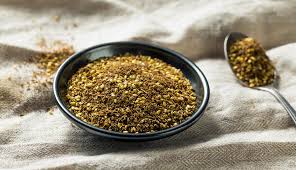
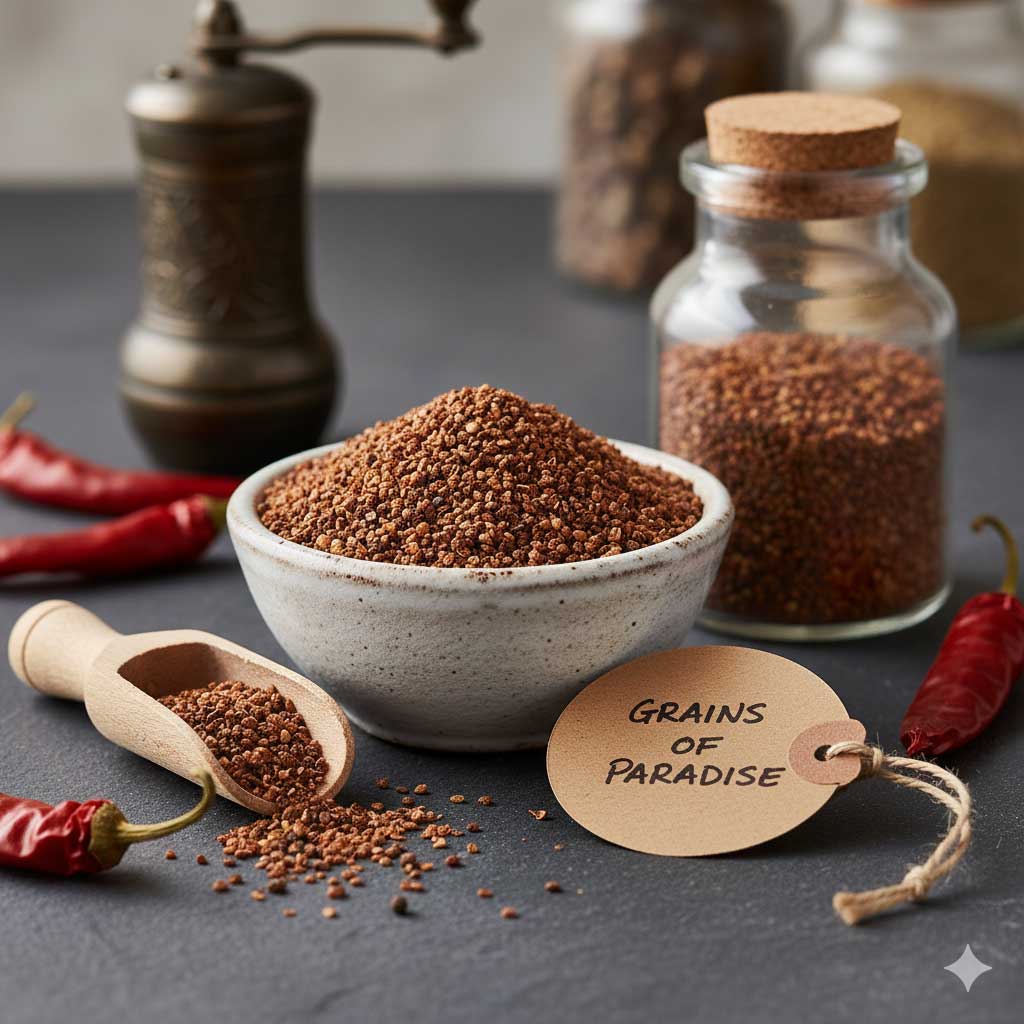
    Close-up of Maniguette spice, highlighting their texture and reddish-brown color.

    Origins and History

    Maniguette spice originates from the tropical rainforests of West Africa, particularly the coastal regions of Ghana, Ivory Coast, and Nigeria. Its botanical name is Aframomum melegueta, a member of the Zingiberaceae family, which includes ginger. Its seeds are harvested from small, reddish-brown pods, often slightly wrinkled, and are prized for their aromatic intensity.

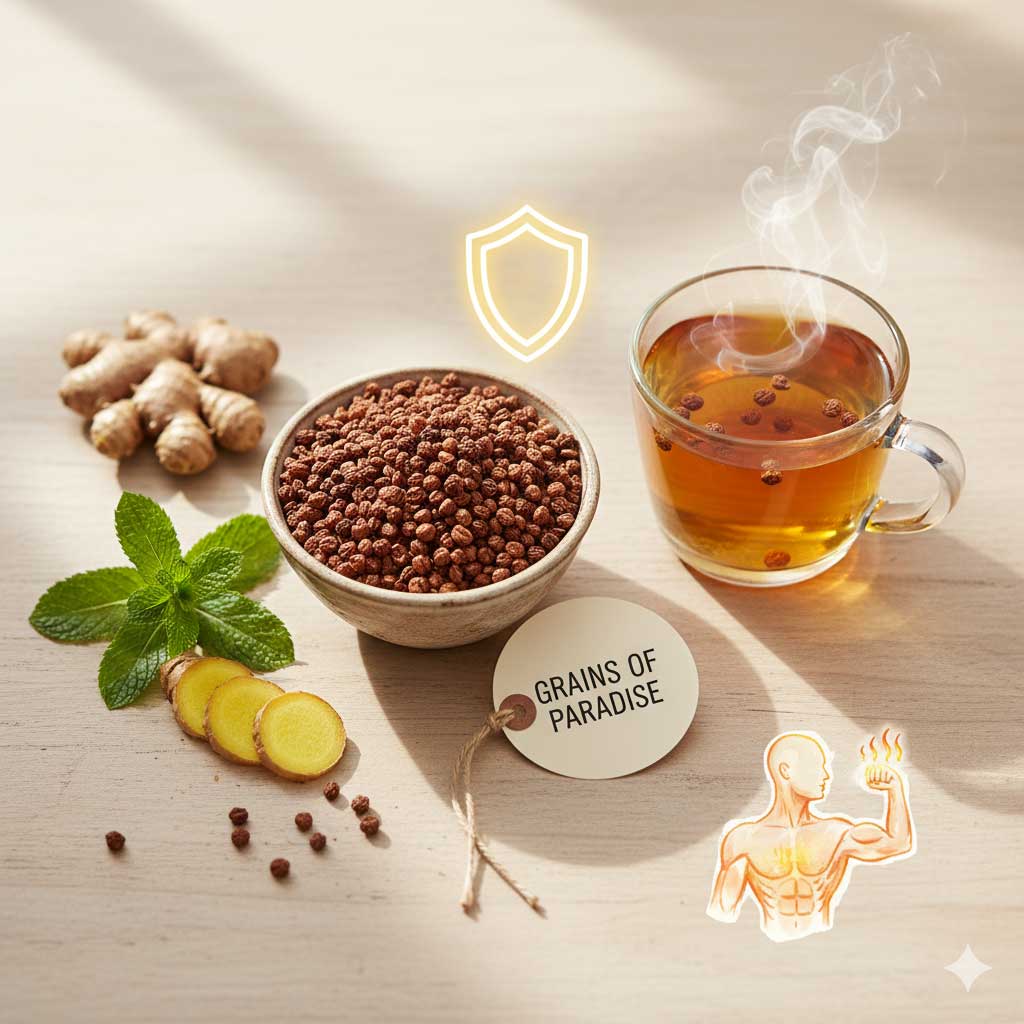
    The spice has a rich historical legacy. By the Middle Ages, it had become a highly sought-after commodity in Europe, often referred to as the “grains of paradise.” Traders from North Africa and Europe transported it along trans-Saharan and Atlantic routes, where it was valued not only for culinary purposes but also for its supposed medicinal properties. In medieval Europe, it was used to flavor meats, sauces, and beverages, and it even found a place in ale and beer production, long before hops became standard.
    Traditional West African dish seasoned with Maniguette spice.

    During the Age of Exploration, maniguette spice played a role similar to that of black pepper, driving trade and influencing colonial ventures along the West African coast. Its popularity waned somewhat with the rise of New World spices such as chili peppers and vanilla, but it never disappeared entirely, remaining a staple in West African kitchens.

    Flavor Profile

    Maniguette is often described as a pepper alternative, but its profile is more complex than standard black pepper. The seeds provide a warm, pungent heat with earthy and slightly bitter undertones. What sets maniguette apart is its aromatic character—a mix of citrus, cardamom, and a touch of ginger.

    When freshly ground, the spice releases an intoxicating aroma that hints at its versatile culinary potential. Its heat is immediate but not overpowering, making it suitable for both subtle seasoning and bold flavoring. It pairs exceptionally well with meats, particularly beef, lamb, and game, as well as with vegetables, stews, and rich sauces. Its citrus notes also allow it to complement sweet dishes, such as fruit compotes or spiced chocolate.

    Culinary Uses

    In West Africa, maniguette spice is far more than a spice; it is an essential component of traditional cuisine. In Ghana, for instance, it is often ground and added to soups and stews, lending warmth and complexity. In Nigeria, it is used in peppery sauces and marinades, sometimes alongside chili to create a layered heat.

    One of its remarkable qualities is its ability to balance both sweet and savory flavors. Chefs and home cooks alike have experimented with maniguette in spice rubs for roasted meats, infused oils, and even baked goods. Its inclusion in chocolate-based desserts, in particular, highlights its slightly bitter and citrusy edge, providing depth without overwhelming sweetness.

    Fresh Maniguette spice displayed in a rustic wooden bowl.

    Maniguette spice can be used whole or ground, though freshly ground seeds release the fullest flavor. Because of its potency, a little goes a long way. Many culinary enthusiasts recommend toasting the seeds lightly before grinding to intensify the aroma and bring out hidden notes of cardamom and ginger.

    Medicinal and Cultural Significance

    Beyond the kitchen, maniguette has a long history of use in traditional medicine. In West African herbal practices, it is believed to aid digestion, stimulate appetite, and promote circulation. Some cultures also attribute aphrodisiac qualities to the spice, while others use it in rituals and ceremonies as a symbol of prosperity and protection.

    Scientific studies have confirmed that maniguette spice contains bioactive compounds such as gingerols and paradols, which contribute to its antioxidant and anti-inflammatory properties. While it should not replace modern medicine, its traditional use reflects an understanding of the connection between flavor and well-being, a principle that resonates in culinary traditions worldwide.

    Modern Culinary Revival

    In recent years, maniguette has experienced a resurgence among chefs and spice enthusiasts seeking alternatives to common peppers. Its nuanced heat and aromatic complexity make it ideal for experimental cuisine, where it can stand alone as a feature spice or blend harmoniously with other aromatics.

    In high-end restaurants, maniguette is being rediscovered in spice blends, marinades, and even cocktails. Mixologists have explored its potential in infused spirits and bitters, leveraging its peppery warmth and citrus notes to create innovative drinks. Similarly, artisanal chocolatiers and bakers have experimented with it to add subtle heat and depth to desserts, echoing its historical use in European kitchens centuries ago.

    How to Store and Use Maniguette spice

    Proper storage is key to maintaining the spice’s potency. Whole seeds should be kept in airtight containers, away from direct sunlight and moisture, to preserve their essential oils. Ground maniguette, like any spice, loses its intensity faster and should ideally be used within a few months of grinding.

    For home cooks, a simple method to enjoy its full flavor is to toast the seeds lightly in a dry pan until aromatic, then grind them using a mortar and pestle. Start with a small amount—perhaps half a teaspoon for a stew or marinade—and adjust according to taste. Its versatility allows it to enhance both bold and delicate dishes, making it an invaluable addition to any spice collection.

    Conclusion

    Maniguette spice, or Graines de Melegueta, deserves recognition not just as a historical curiosity but as a living, flavorful ingredient. Its journey from West African rainforests to European markets and modern kitchens tells a story of trade, culture, and culinary ingenuity. Its unique flavor profile—peppery, citrusy, and aromatic—offers endless possibilities for creative cooking, while its traditional medicinal uses remind us of the spice’s deeper significance.

    Rediscovering maniguette is more than exploring a new flavor; it is reconnecting with a centuries-old tradition, celebrating the artistry of spices, and embracing a culinary heritage that is both rich and enduring. For chefs, food enthusiasts, and anyone curious about global flavors, maniguette is a spice that promises to surprise, delight, and inspire.
  • Ashitaba Plant: The Golden Leaf with a Modern Culinary Twist

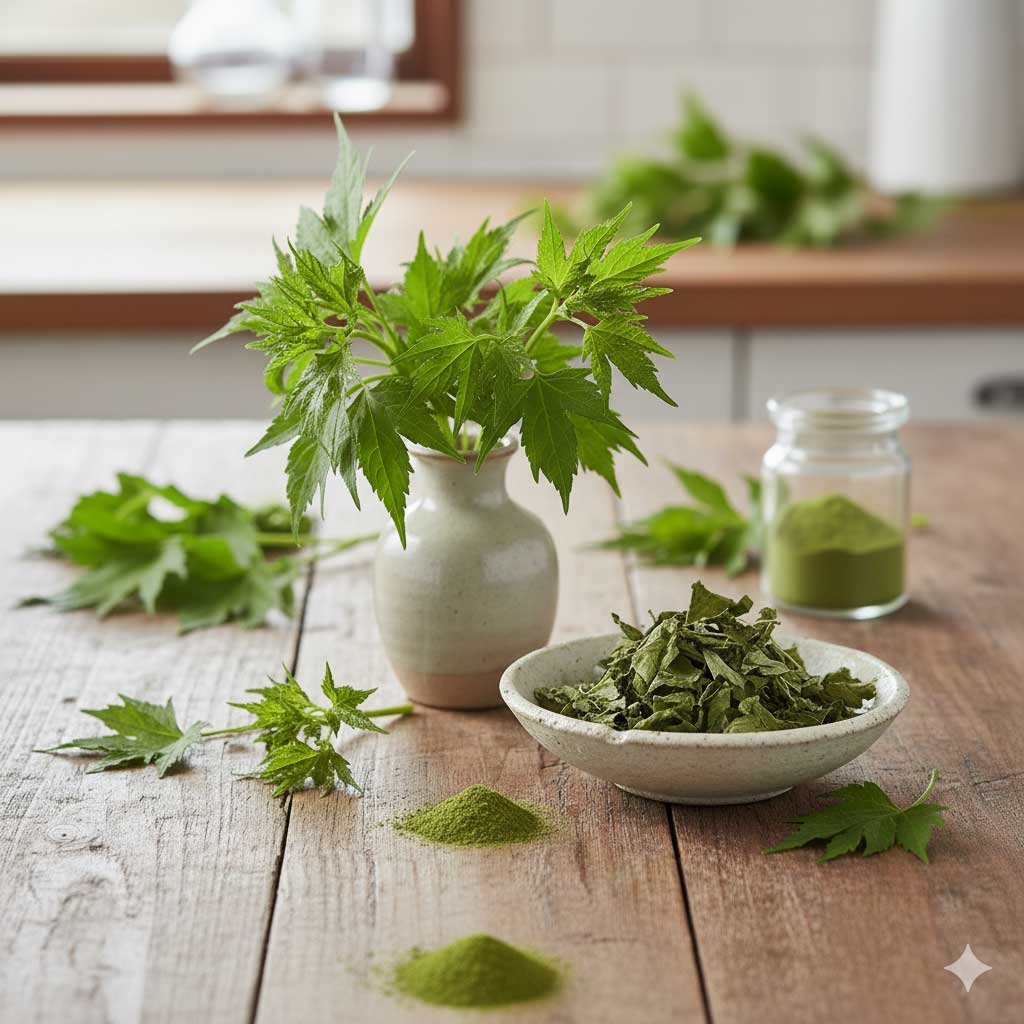
    ashitaba plant

    In the vast world of superfoods, certain ingredients quietly gain recognition for their extraordinary health benefits and culinary versatility. One such gem is Ashitaba plant which is native to Japan, whose dried leaves have captivated both wellness enthusiasts and culinary adventurers alike. Known scientifically as Angelica keiskei, Ashitaba, meaning “tomorrow’s leaf” in Japanese, offers a fascinating story and a unique place in modern cuisine.

    Origins and Cultural Significance

    Ashitaba Plant has been cultivated for centuries on the Japanese island of Hachijō-jima. The name “tomorrow’s leaf” derives from its remarkable regenerative ability: a single leaf can regrow overnight. This symbolic resilience has long been associated with vitality, longevity, and holistic health in Japanese culture. Traditionally, locals used fresh Ashitaba leaves in soups and teas, believing the plant could prevent disease and support overall well-being.

    While fresh leaves are highly perishable, drying them preserves their nutrients and extends their shelf life. Dried Ashitaba Plant leaves have now become the most accessible form of the plant for global consumers, offering an easy way to incorporate this healthful leaf into daily diets without worrying about spoilage.

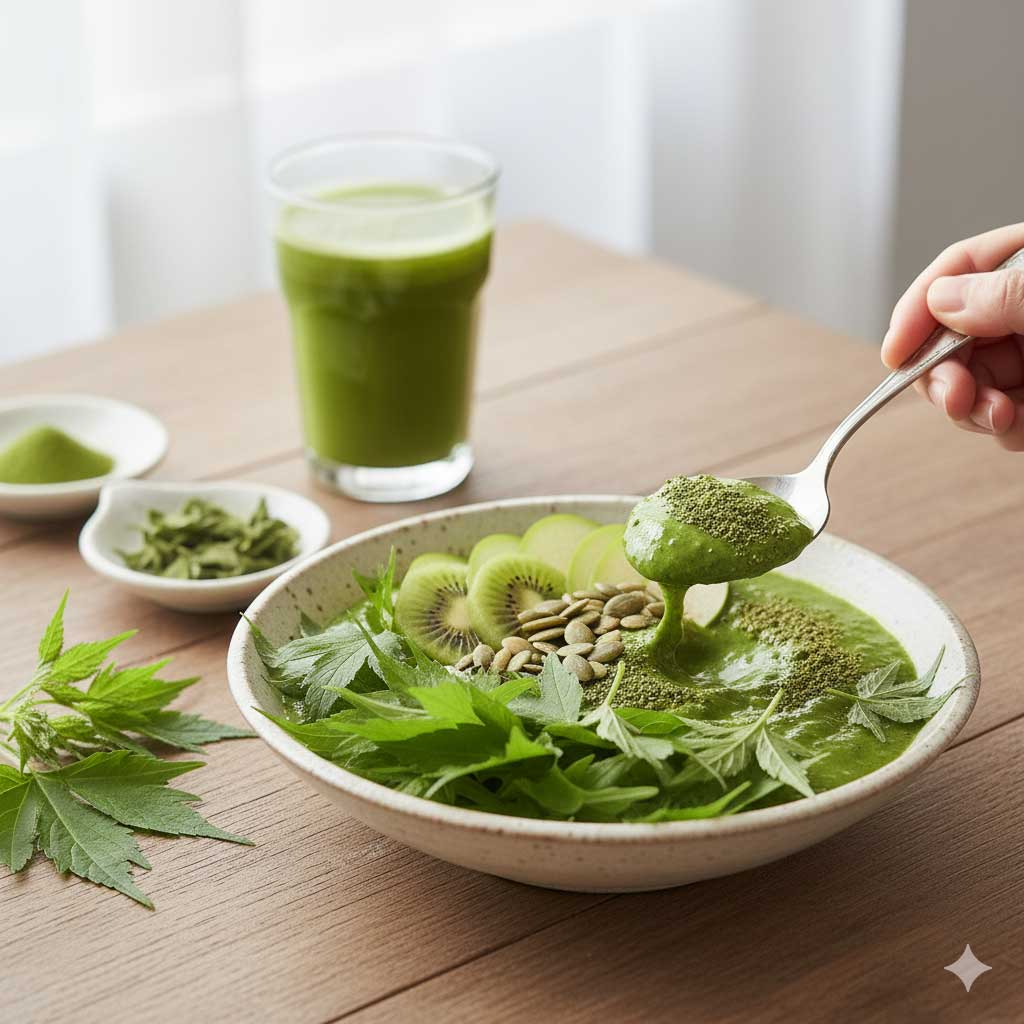
    ashitaba plant

    Nutritional Profile

    The dried leaves of Ashitaba are nutritional powerhouses. Rich in chalcones, a class of flavonoids unique to the plant, Ashitaba plant is believed to have antioxidant, anti-inflammatory, and anti-aging properties. These compounds may help combat oxidative stress, support cardiovascular health, and enhance overall immunity.

    Ashitaba is also a notable source of vitamins and minerals, including vitamin B12, potassium, calcium, and iron, making it particularly appealing to vegetarians and vegans. The fiber content aids digestion, while natural phytonutrients support detoxification. In short, incorporating Ashitaba into your diet is less about a fleeting trend and more about a time-tested approach to maintaining health and vitality.

    ashitaba plant

    Culinary Applications

    Although traditionally consumed as a tea, the culinary possibilities of dried Ashitaba are expanding beyond simple infusions. Its earthy, slightly bitter flavor can complement a wide variety of dishes, offering a subtle herbal note without overpowering other ingredients.

    1. Ashitaba Plant Tea: The most straightforward use is brewing dried leaves as a tea. Simply steep a teaspoon of leaves in hot water for 5–10 minutes. The resulting golden-green infusion has a gentle, bittersweet taste and a natural, earthy aroma. For a modern twist, Ashitaba tea can be chilled and combined with citrus or ginger to create a refreshing wellness beverage.
    2. Smoothies and Juices: Ground dried Ashitaba Plant leaves can be added to smoothies or juices. Their flavor blends surprisingly well with tropical fruits like pineapple, mango, or banana, adding a subtle herbal dimension while boosting nutritional content.
    3. Cooking and Seasoning: Dried Ashitaba leaves can be crushed and used as a seasoning for soups, stews, and stir-fries. Some chefs experiment by incorporating the powder into bread, pasta, or even crackers, giving everyday foods a healthful edge.
    4. Herbal Supplements and Powders: Beyond culinary applications, dried Ashitaba is often sold as a powder or encapsulated supplement. While not a replacement for a balanced diet, these forms allow consumers to easily integrate the plant into their daily wellness routine.

    Health and Wellness Perspectives

    The popularity of Ashitaba Plant is not purely anecdotal. Several studies have highlighted its potential health benefits, particularly related to its antioxidant and anti-inflammatory properties. Chalcones in Ashitaba may help neutralize free radicals and protect cells from damage, while certain bioactive compounds are being investigated for their role in metabolic health and longevity.

    It is worth noting that while Ashitaba offers numerous potential benefits, it should be considered a complement to, rather than a substitute for, a balanced diet and healthy lifestyle. Moderation is key, as overconsumption may cause mild digestive discomfort due to its fiber content.

    Sustainable and Ethical Considerations

    With the rising demand for superfoods, sourcing becomes crucial. Traditional cultivation on Hachijō-jima has historically been small-scale and sustainable. Modern commercial production, however, requires careful attention to ensure that environmental impact and community practices remain responsible. Consumers should look for suppliers who prioritize organic farming and maintain fair trade practices, ensuring that the legacy of Ashitaba remains both healthful and ethical.

    Incorporating Ashitaba Plant into Daily Life

    For those intrigued by this golden leaf, integrating dried Ashitaba Plant leaves into everyday meals is simpler than it seems. Start small: a cup of tea in the morning, a pinch in your smoothie, or a light sprinkle over a stir-fry can introduce its unique flavors and nutritional benefits. Over time, experimenting with Ashitaba powder in baked goods or homemade seasonings can elevate both taste and healthfulness, turning a humble leaf into a culinary highlight.

    In conclusion, Ashitaba exemplifies how traditional ingredients can find renewed purpose in modern culinary and wellness practices. Its storied history, impressive nutrient profile, and versatile culinary applications make it an exciting addition to any kitchen. Whether you are a health-conscious eater, a curious foodie, or someone seeking a natural boost, dried Ashitaba leaves offer a flavorful, healthful, and culturally rich experience.

    By embracing this golden leaf, we not only enjoy its earthy taste and myriad benefits but also honor centuries of Japanese tradition, bringing a touch of longevity and vitality to the modern table.

  • 7 Spice Blends Around the World: A Culinary Map of Global Flavor

    Every culture has its own signature spice blends—carefully crafted combinations that embody regional history, geography, and identity. Spice blends are more than recipes; they are cultural expressions that tell stories of migration, trade, adaptation, and creativity. Exploring these blends is a journey through global flavor, one that connects cooks to centuries of tradition and the evolution of culinary landscapes. A single blend can reveal what ingredients were available, what foods were valued, and how communities shaped their cuisine over generations.

    Garam Masala (India)

    Garam masala is one of India’s most iconic spice blends. Typically made with cumin, coriander, cardamom, cinnamon, cloves, and black pepper, it delivers warmth rather than heat. Each region—and sometimes each family—has its own version. Some add nutmeg for sweetness, others include bay leaves or fennel for complexity.

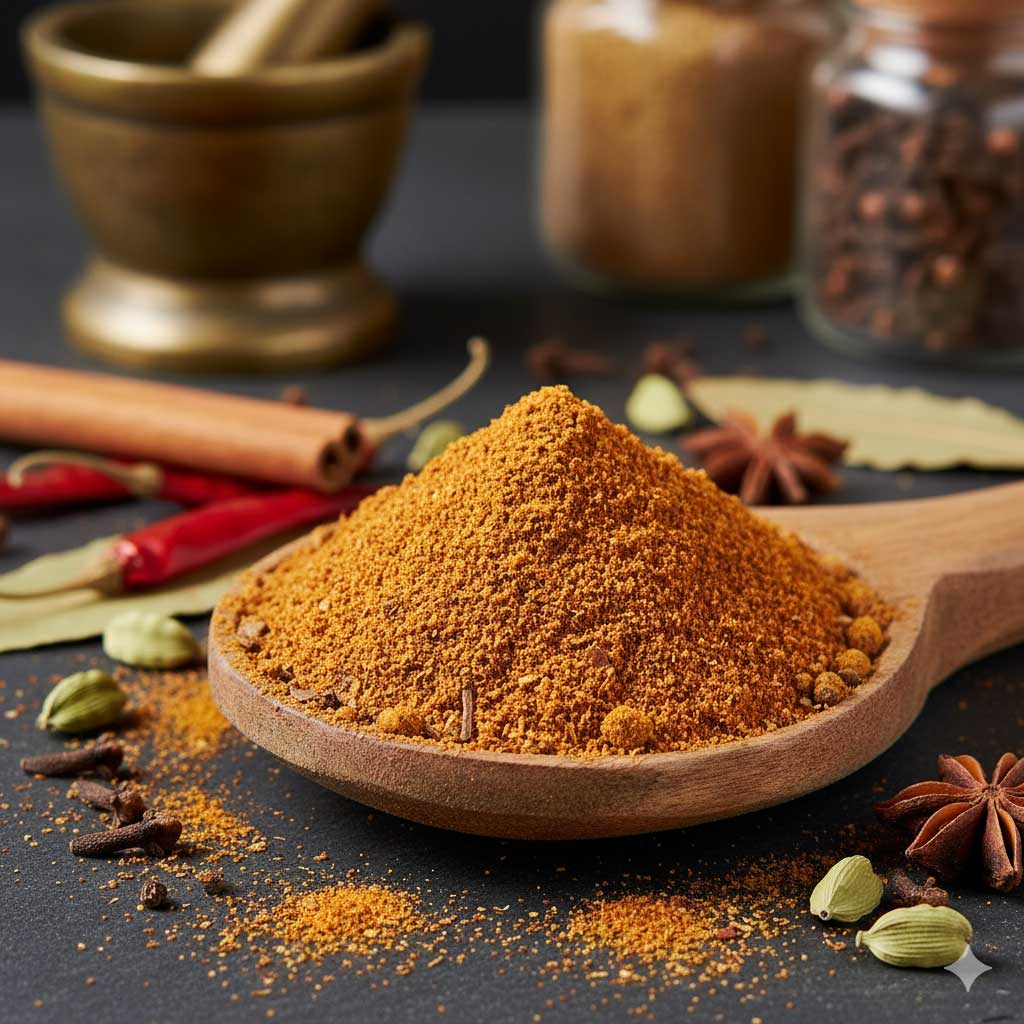
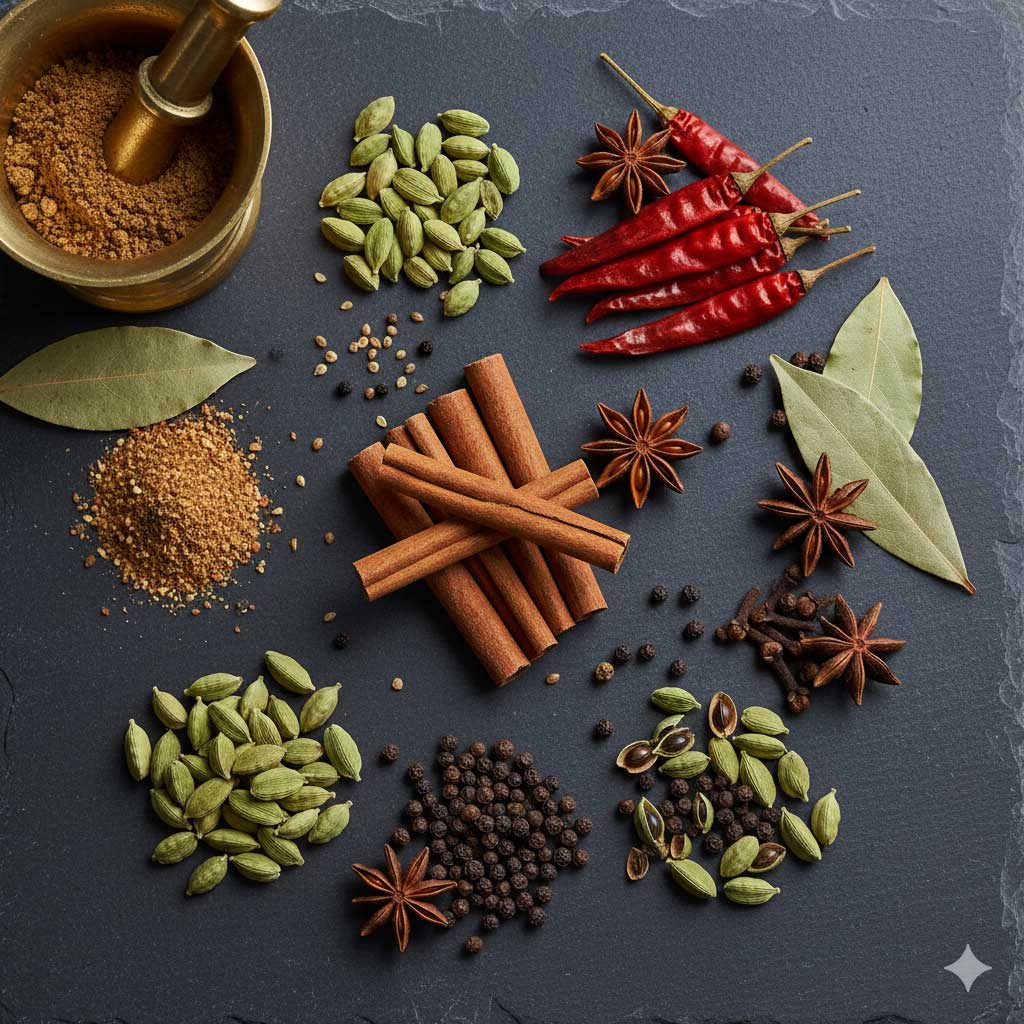
    Garam masala: fragrant Indian spice blends with cumin, coriander, cardamom, cinnamon, cloves, and black pepper.

    Used at the end of cooking, garam masala enhances curries, lentils, and vegetables with aromatic depth. It’s often sprinkled just before serving to preserve its delicate fragrance. The blend reflects India’s diverse climates and culinary traditions, from the richer, heavier garam masalas of the north to the lighter, more citrusy blends of the south. In many homes, preparing a personal garam masala recipe is an act of heritage, passed down like a family heirloom.

    Ras el Hanout (Morocco and North Africa)

    Ras el hanout translates to “top of the shop,” meaning it represents the best spice blends a seller has to offer. It often includes up to 20 or more spices: cinnamon, cumin, coriander, ginger, turmeric, cardamom, nutmeg, mace, and more. Its layered warmth defines Moroccan tagines, couscous, and roasted meats.

    Each blend is unique, reflecting the creativity of the spice merchant. Some versions include rare ingredients like grains of paradise or dried rosebuds, adding floral or peppery notes. Ras el hanout embodies the richness of North African trade history—where caravans once brought spices across the Sahara—and has become a symbol of Moroccan hospitality and craftsmanship.

    Chinese Five Spice (China)

    Chinese five spice blends sweet, sour, bitter, salty, and umami flavors in a single mix. Typically made from star anise, cloves, Sichuan peppercorn, fennel seeds, and cinnamon, it offers a balance of fragrance and intensity.

    It’s used in marinades, braised dishes, and roasted meats, especially duck and pork. This blend captures the philosophy of harmony and balance that guides much of Chinese cuisine. The tingling sensation of Sichuan peppercorn adds a distinctive dimension, creating a flavor that is at once bold and refined. Five spice is also increasingly used in modern fusion cuisine—from cocktails to desserts—showing its versatility beyond traditional dishes.

    Herbes de Provence (France)

    Though not technically spices, Herbes de Provence is a famous aromatic herb blend that includes thyme, rosemary, savory, oregano, and sometimes lavender. Inspired by the sunny climate of southern France, it’s used in grilled meats, ratatouille, and vegetable dishes.

    Its floral and earthy profile evokes the landscapes and traditions of Provence: lavender fields, stone villages, and outdoor markets. Though now widely sold around the world, traditional spice blends varied by season and availability. Today, Herbes de Provence has become a symbol of rustic, Mediterranean cooking and simple, ingredient-driven cuisine.

    Baharat (Middle East)

    Baharat, meaning “spices,” is a versatile Middle Eastern blend made with black pepper, coriander, cinnamon, cloves, cardamom, and nutmeg. Some versions include paprika or dried rose petals. Used in soups, rice, and meat dishes, baharat adds warmth and aromatic complexity.

    Its variations reflect the diverse culinary traditions of the Levant, Turkey, and the Arabian Peninsula. Turkish baharat leans smoky and sweet, while Gulf versions may include more floral notes. Baharat is the backbone of many everyday dishes, adding fragrance without overwhelming the natural flavors of ingredients.

    Cajun Seasoning (United States)

    Cajun seasoning from Louisiana blends paprika, cayenne, garlic powder, onion powder, oregano, and black pepper. Influenced by French, African, and Caribbean cuisines, it provides bold flavor and heat. It’s essential for blackened fish, jambalaya, and grilled meats.

    This blend represents the melting pot of cultures that shaped American Southern cuisine. Its assertive, lively character reflects the region’s vibrant culinary identity—one defined by adaptability, improvisation, and a deep connection to community. Cajun seasoning is now used far beyond Louisiana, becoming a staple for grilling and comfort food around the world.

    Za’atar (Middle East)

    Za’atar is an ancient blend combining dried thyme, sesame seeds, sumac, and salt. Its tangy, nutty profile makes it ideal for sprinkling on flatbreads, dips, vegetables, and roasted meats. Sumac adds brightness, balancing the earthy herbs.

    Za’atar is both a seasoning and a cultural staple, shared across Lebanon, Syria, Jordan, and Israel. It’s commonly eaten for breakfast—mixed with olive oil and spread on warm bread. Beyond its taste, za’atar holds symbolic meaning: it represents home, hospitality, and the continuity of culinary tradition across generations.

    The Power of Blending

    Spice blends showcase the artistry of cooking. They simplify complex flavor-building while preserving tradition. Whether used in elaborate feasts or simple home meals, spice blends carry stories of heritage and identity.

    Exploring global spice blends encourages curiosity, connection, and appreciation for the diversity of food cultures. In every pinch of seasoning, there is history, terroir, and the creativity of countless generations. To taste a spice blend is to taste a place—its climate, its trade routes, its people, and its spirit.

  • The Global Journey of Spices: From Ancient Trade Routes to Modern Kitchens

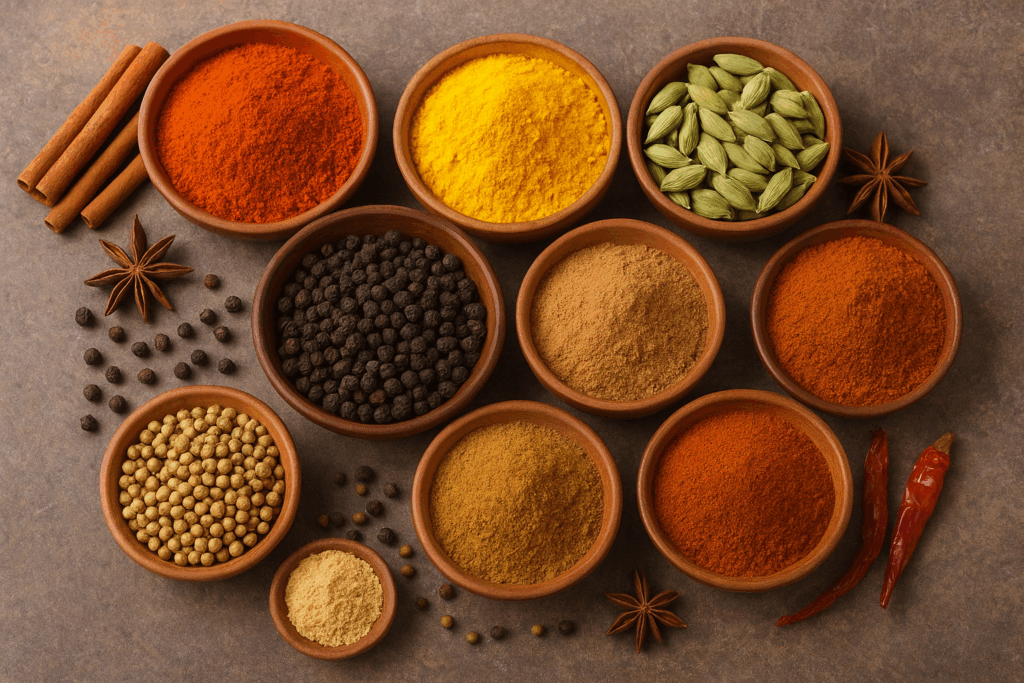
    Journey of spices: colorful spices from around the world displayed in bowls, highlighting global trade and culinary history.

    For thousands of years, spices have shaped civilizations, connected continents, fueled exploration, and transformed the way humans cook, heal, and trade. What we now take for granted in small glass jars once held the power to redirect economies, spark wars, and inspire some of the most ambitious voyages in human history. The journey of spices—from sacred rituals to global commerce to everyday kitchens—reveals an extraordinary story about humanity’s desire for flavor, discovery, and connection.

    The Journey of Spices: From Sacred Rituals to Global Commerce

    The journey of spices begins long before written records. Archaeologists have discovered traces of spices in prehistoric cooking pots, suggesting that early humans were already experimenting with seeds, roots, and bark to enhance their food. However, the first documented uses appear in ancient Egypt, around 3000 BCE. Egyptians treasured spices like cumin, coriander, cinnamon, and anise not only for culinary purposes but also for medicine, perfumes, and embalming rituals.

    Meanwhile, in ancient India, pepper, turmeric, and cardamom were being cultivated in organized agricultural systems. These spices would become central to Ayurvedic medicine, cuisine, and ceremonial life. In China, ginger and cassia were prized for their warming properties, and by 2000 BCE, they appeared in medical texts that described their uses for digestion, vitality, and longevity. This marks the early stages of the journey of spices across continents and cultures.

    The Emergence of the Spice Routes

    As civilizations grew more interconnected, the first major trade networks formed, linking Asia, Africa, and Europe. These routes became known collectively as the Spice Routes—a vast system of land and maritime paths stretching from Indonesia to the Mediterranean. Arab traders were among the earliest to dominate spice distribution, guarding their sources and enhancing the value of spices through carefully crafted myths.

    By the first century CE, the Roman appetite for pepper was insatiable. Peppercorns became a luxury commodity so prized that they were sometimes used as rent payment or dowry. When Rome fell, Europe lost direct access to many eastern goods, and spices became even more precious, stored under lock and key by the elite.

    Spices as Symbols of Wealth, Power, and Preservation

    During the Middle Ages, spices became status symbols in Europe. A lavish banquet might use saffron, nutmeg, cloves, ginger, and pepper to demonstrate a host’s wealth. Because refrigeration did not exist, spices also played a practical role: masking the taste of stale or preserved meats and helping to prevent spoilage.

    Cities like Venice and Genoa grew rich as intermediaries between the Middle East and Europe. Their merchant fleets controlled the spice trade for centuries, keeping prices high and limiting access.

    Journey of spices: A colorful assortment of spices in bowls, highlighting their variety, textures, and vibrant colors.

    The Age of Exploration: When Spices Redrew the World Map

    By the 15th century, European powers were desperate to bypass middlemen and reach spice-producing lands directly. This desire ignited the Age of Exploration. Portuguese explorer Vasco da Gama reached India in 1498, opening a direct maritime route that broke Arab and Venetian dominance. Soon after, the Dutch and British fought for control of the Indonesian “Spice Islands,” where nutmeg, mace, and cloves grew exclusively.

    The Dutch East India Company (VOC) and British East India Company—often considered early models of multinational corporations—were born from the spice trade. Their fierce competition shaped global politics, colonization, and modern economics. Entire islands were conquered, populations displaced, and landscapes transformed in pursuit of these highly valuable crops. This phase represents a dramatic chapter in the journey of spices, where flavor literally changed the course of history.

    Spices in the Modern World: From Luxury to Global Staple

    Today, spices are accessible worldwide at a fraction of their historical price. Modern supply chains, agricultural science, and globalization have democratized access to spices, making it possible for people everywhere to enjoy flavors that were once reserved for the elite.

    India remains the world’s leading producer and exporter of spices such as turmeric, chili, pepper, and cardamom. Vietnam has become a major pepper producer, while Indonesia, Sri Lanka, and Ethiopia maintain strong spice industries. The global spice market now supports millions of farmers and workers.

    Modern sustainability efforts are shaping the next phase of the journey of spices, ensuring these ingredients can continue to thrive for generations.

    A Tiny Ingredient With a Monumental Legacy

    The story of spices is ultimately a story of humanity itself: our desire for exploration, connection, healing, and pleasure. Spices traveled across deserts, mountains, and oceans; shaped empires; inspired explorers; and bridged cultures. Today, we sprinkle them casually onto meals—but behind every pinch lies a history of adventure, ambition, and global transformation.
    Even now, spices continue to evolve alongside changing culinary traditions. They push chefs and home cooks to experiment, innovate, and rediscover forgotten flavors. And as global cuisines keep blending, spices will remain at the heart of how we express creativity through food.

    Their journey of spices is far from over, and each spice we use carries a story that connects our kitchens to centuries of human history and cultural exchange.

    Journey of spices: A colorful assortment of spices in bowls, highlighting their variety, textures, and vibrant colors.

  • Black Gold: How a Wrinkled Berry Built Empires and Redrew the Map

    Look at your dining table. Somewhere between the salt shaker and the napkin holder, there is likely a small vessel containing black gold. It is so ubiquitous, so ordinary, that we sprinkle it onto our eggs without a second thought.

    But if you were to travel back in time just 500 years, that shaker would be worth a king’s ransom. It would be locked in a chest, guarded by armed men, and used to pay taxes, dowries, and rent.

    This is the story of Piper nigrum—the Black Pepper—the spice that launched a thousand ships, discovered continents, and fundamentally changed the shape of our world, as if it was real black gold.

    The Cradle of the King

    The story begins in the humid, monsoon-drenched hills of the Malabar Coast in Kerala, India. Here, amidst the lush greenery, vines climb high up the tropical trees, bearing clusters of small, green berries.

    For millennia, this was the only place on Earth where the “Black gold” grew. The locals harvested the green berries and dried them under the scorching sun until the skin shriveled and turned black, locking in a pungent, fiery heat that was unlike anything the rest of the world had ever tasted.

    While chili peppers (which give us spicy heat today) are native to the Americas and were unknown to the ancient world, black pepper was the original source of “heat” for European and Asian cuisines.

    The Ransom of Rome

    Long before the Middle Ages, the Romans were obsessed with pepper. It wasn’t just a seasoning; it was a status symbol. In the Roman cookbook Apicius, nearly every recipe calls for pepper. It was so valuable that it was often kept in special silver pots (piperatorium).

    The value of this spice is best illustrated by a grim event in 410 AD. When Alaric the Visigoth besieged Rome, he didn’t just ask for gold or silver to spare the city. He demanded a ransom that included 3,000 pounds of black pepper, making black pepper as important as gold.

    Think about that: a barbarian warlord, standing at the gates of the greatest empire in history, demanding dried berries as a tribute equal to gold, hence the name “black gold”. Rome paid the price, but the city fell shortly after. The empire collapsed, but the addiction to pepper remained.

    The Arab Monopoly and the Dragon Myths

    During the Middle Ages, the route from India to Europe was long, dangerous, and strictly controlled. Arab traders dominated the Indian Ocean, and the Venetians controlled the entry into Europe. Together, they held a stranglehold on the spice trade.

    To keep the prices astronomically high and discourage competitors from trying to find the source, traders spun wild legends. They told gullible Europeans that pepper grew in groves guarded by venomous flying serpents (dragons). They claimed that to harvest the pepper, the farmers had to burn the trees to scare the snakes away, which was why the peppercorns were black and shriveled.

    It was a brilliant marketing lie. It added an aura of danger and mystique to the spice, justifying prices that made pepper literally worth its weight in gold. “As dear as pepper” became a common expression to describe something prohibitively expensive.

    The Race That Changed the World

    By the 15th century, Europe was tired of paying the Venetian markup. The desire to bypass the middlemen and find a direct sea route to the “Spice Islands” sparked the Age of Discovery.

    It is no exaggeration to say that the map of the modern world was drawn by the search for pepper (or black gold).

    • Christopher Columbus sailed west in 1492 not to find America, but to find a shortcut to the pepper gardens of India. When he landed in the Caribbean, he found “aji” (chili) and called it “pepper” (red pepper) in a desperate attempt to convince his investors he had succeeded.
    • Vasco da Gama successfully rounded the Cape of Good Hope in Africa and landed in Calicut, India, in 1498. When asked by the locals what he sought, his answer was simple: “Christians and spices.”

    Da Gama returned to Portugal with a cargo of pepper worth 60 times the cost of his entire expedition. The price of pepper in Lisbon plummeted, breaking the Venetian monopoly and shifting the center of global power from the Mediterranean to the Atlantic. The global trade network had officially begun.

    From Luxury to Commodity

    Today, Vietnam has overtaken India as the world’s largest producer of black pepper (or black gold), followed by Brazil and Indonesia. Mechanized farming and global shipping have turned what was once a luxury item for emperors into a commodity found in every fast-food packet.

    We grind it over salads and toss it into soups without realizing the history we are holding in our hands. We use it for its sharp bite, its ability to make strawberries taste sweeter or beef taste deeper.

    But the next time you twist that grinder, take a moment to appreciate the journey. Those little black wrinkles are the reason ships sailed into the unknown, why continents were discovered, and why the world is connected the way it is today. You aren’t just seasoning your food; you are sprinkling a little bit of history onto your plate. If you want more, click here to discover how to master spices and herbs !

  • Braised Beef with Red Wine, Cloves, and Root Vegetables

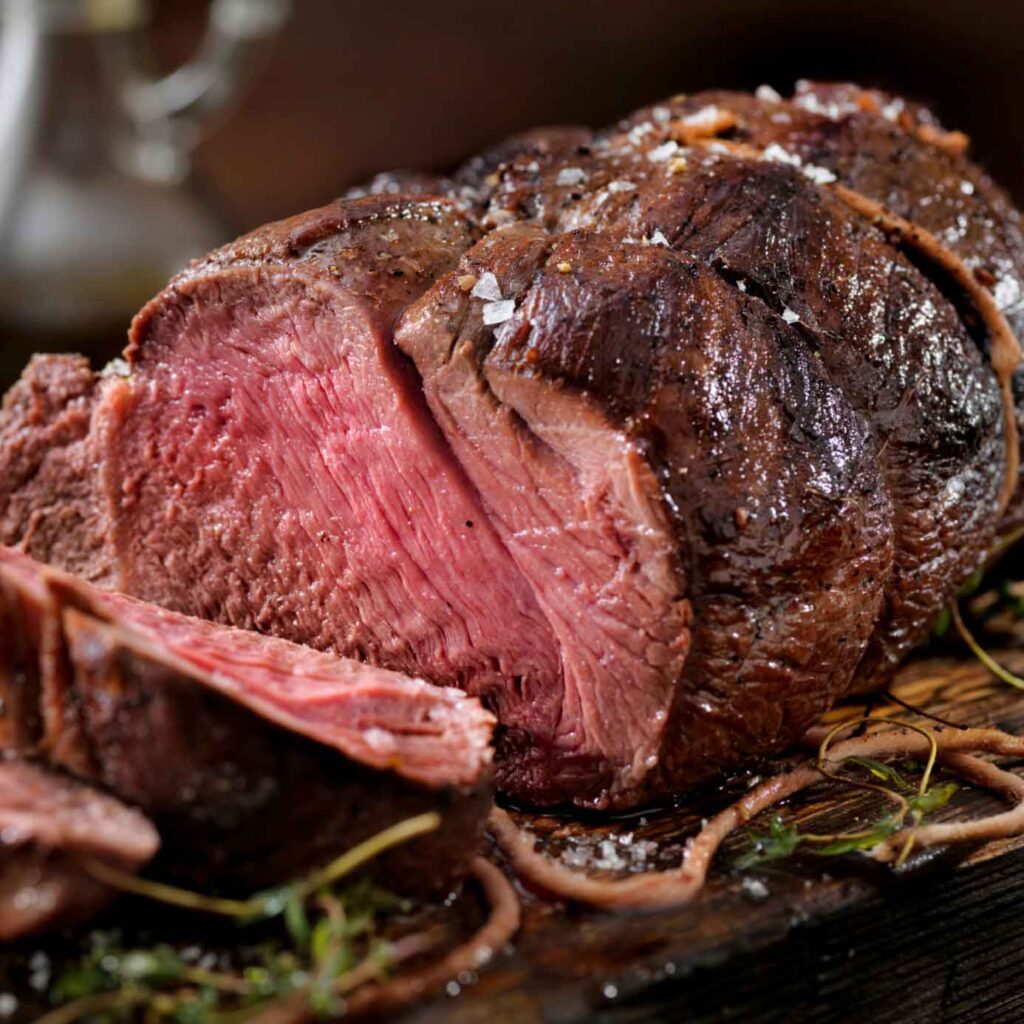
    Plate of cooked beef, sliced and garnished, ready to serve.

    Clove is the scent of depth and memory. It recalls winter markets, old kitchens, and simmering stews that warm both air and conversation. Unlike most spices, it carries a shadow — intense, resinous, slightly bitter — yet, when used with restraint, it adds astonishing complexity. In this recipe, cloves enrich a red‑wine braised beef, slowly cooked with onions, carrots, and parsnips until the meat falls apart and the sauce darkens into velvet.

    Ingredients (serves 6)

    • 1.5 kg (about 3 lb) beef chuck or brisket, cut into large cubes
    • Salt and black pepper
    • 3 tablespoons olive oil
    • 2 onions, peeled and thickly sliced
    • 3 carrots, cut into chunks
    • 2 parsnips, cut into chunks
    • 3 garlic cloves, smashed
    • 3 or 4 whole cloves (no more)
    • 2 bay leaves
    • 1 teaspoon dried thyme or a sprig of fresh
    • 2 tablespoons tomato paste
    • 500 ml (2 cups) good red wine
    • 300 ml (1¼ cup) beef or vegetable stock
    • 1 tablespoon flour (optional, for thickening)
    • Fresh parsley to finish

    Preparing the Base

    Pat the beef dry with paper towels and season generously with salt and pepper. In a heavy pot or Dutch oven, heat olive oil over medium‑high heat. Brown the beef in batches so the pieces sear properly instead of steaming. Every browned surface adds flavor. Remove the meat and set it aside.

    In the same pot, add onions, carrots, and parsnips. Sauté for five minutes until they pick up a little color. The onion should soften and release its sweetness. Then add garlic, tomato paste, and the flour if using. Stir for one minute to coat everything. This base — vegetables, oil, and tomato paste — is what anchors the sauce later.

    The Depth of Clove

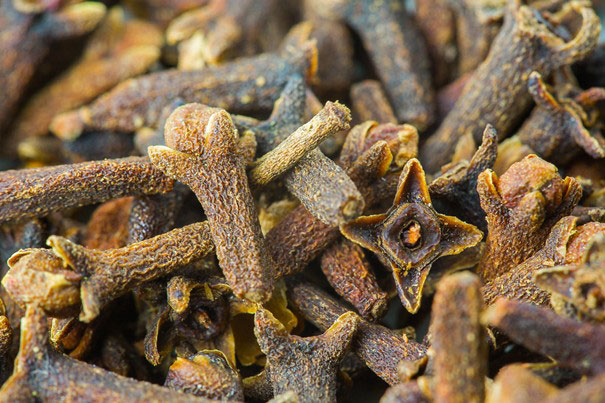
    Whole dried cloves with dark brown stems and bud-shaped tops, used as aromatic spice.

    Now add the whole cloves, bay leaves, and thyme. Give them a quick stir in the heat of the pot. Their scent rises immediately — sharp, bright, and woody. This is the moment to breathe it in. Clove can easily dominate a dish, so three or four whole pieces are more than enough for an entire pot. As they simmer, they will infuse the liquid deeply without overwhelming the palate.

    Pour in the red wine. As it bubbles, scrape the browned bits from the bottom with a wooden spoon — those dark fragments are pure flavor. Let the wine reduce by about half, which takes five to seven minutes. Then return the beef to the pot and pour in the stock until the meat is just covered.

    Bring to a gentle simmer, reduce the heat to low, cover, and let it cook slowly for two and a half to three hours. The goal is a quiet burble — just visible movement at the surface of the liquid. From time to time, stir gently and check the level, adding a splash of water if it thickens too much.

    The Transformation

    Time does the rest. Over the hours, fibers loosen, marrow melts, and the sauce develops body. The cloves quietly yield their oil into the broth, forming an undercurrent of spice that deepens but never burns. The entire kitchen fills with a perfume that seems to slow everything down.

    An hour before the end, taste the sauce. If the clove flavor feels too assertive, remove a piece or two carefully with a spoon. If it’s perfectly balanced — a subtle background hum — leave them. Near the end, check seasoning and add a touch more salt or a splash of wine for brightness.

    Serving

    When the beef yields to the touch of a spoon, it’s done. The sauce will be thick, glossy, and slightly sweet from the vegetables. Remove the bay leaves and cloves (if you can find them). Skim any excess fat from the surface or leave it for richness.

    Serve the stew ladled into deep bowls or over mashed potatoes, buttery polenta, or fresh egg noodles. The best garnish is a scattering of parsley and perhaps a squeeze of lemon to cut through the depth. The result is a balance between darkness and light — the savory meat, the sweetness of roots, the whisper of spice that lingers on the tongue.

    Texture and Flavor

    Clove defines this dish not by dominance but by restraint. Without it, the stew would be pleasant but plain; with too much, it would taste medicinal. With just enough, it feels alive — like warmth traveling through the chest. The spice reshapes the edges of the meat and wine, rounding bitterness into complexity. Each forkful carries layers: the silkiness of slow‑cooked meat, the earthy sweetness of carrot, the fragrance of thyme drifting behind the clove’s fleeting spark.

    Variations

    This braise adapts easily. You can replace beef with lamb for richer sweetness, or pork shoulder for softer texture. Red wine can yield to dark beer or cider for a lighter, autumn‑apple twist. Add mushrooms during the last hour for darker umami depth or a handful of prunes for gentle sweetness.

    If you want a slightly thicker sauce, uncover the pot for the last 20 minutes so it can reduce naturally. The liquid should cling to a spoon, glossy but not heavy. Leftovers, rested overnight, taste even better — the flavors blend and mellow, the clove’s voice becoming rounder, almost hidden but essential.

    The Spirit of the Dish

    Glass of red wine with deep ruby color, served in a clear wine glass.

    This recipe isn’t fast food; it’s slow comfort. It suits a Sunday afternoon when the light fades early and there’s time to let something deepen on the stove. Clove gives the meal a sense of ceremony without formality — a reminder of how a small spice can change everything.

    There’s pleasure too in the fragrance that stays long after dinner, gentle and familiar. The aroma of cloves doesn’t vanish quickly; it anchors itself in the air, in the memory of warmth. Long after the last plates are dried, that scent lingers like gratitude.

    Braised beef with wine and cloves is not just food. It’s a quiet ritual of patience — a dish that asks you to slow down, wait, and let complexity build unnoticed. When the first bite melts on the tongue, it carries all those hours of stillness within it. Clove’s magic is exactly that: silent transformation.

  • Saffron and Butternut Squash Risotto with Crispy Sage

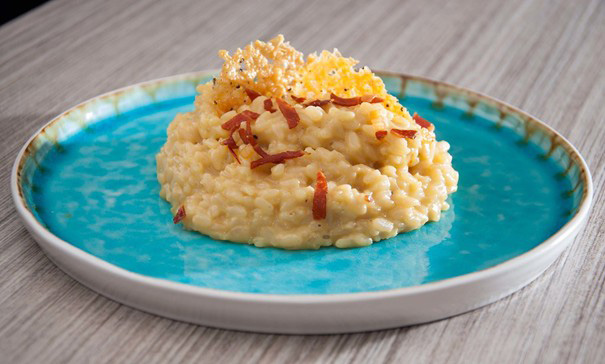
    Creamy risotto served in a plate, garnished with herbs and grated cheese.

    Saffron is unlike any other spice. It brings color before taste, fragrance before flavor. One sees its golden hue bloom in the pan, and only then does its delicate aroma begin to rise, mild yet unmistakable — earthy, floral, a hint of honey and hay. Cooking with saffron is always ceremonial; its presence elevates even humble ingredients. This risotto embraces that grace, pairing the golden threads with butternut squash and Parmesan for a dish that glows like late‑autumn sunlight.

    The Inspiration

    Risotto makes an ideal canvas for saffron because it asks for patience. The slow stirring, the gradual addition of broth, the quiet bubbling — all of it mirrors saffron’s slow release of flavor. This recipe turns those gestures into something deeply soothing. Imagine a kitchen evening lit by the soft sound of wooden spoon against pan, the sweet scent of squash roasting in the oven, and the gentle transformation of rice into silk.

    Ingredients (serves 4)

    • 1 small butternut squash (about 800 g / 1¾ lb)
    • 250 g (1 cup) Arborio or Carnaroli rice
    • 1 small onion or shallot, finely chopped
    • 3 tablespoons olive oil (plus more for roasting)
    • 60 ml (¼ cup) dry white wine
    • 1 liter (4 cups) vegetable stock, kept hot
    • A small pinch (about ¼ teaspoon) saffron threads
    • 40 g (2 tablespoons) butter
    • 60 g (½ cup) grated Parmesan cheese
    • 6 to 8 fresh sage leaves
    • Salt and black pepper

    Preparing the Squash

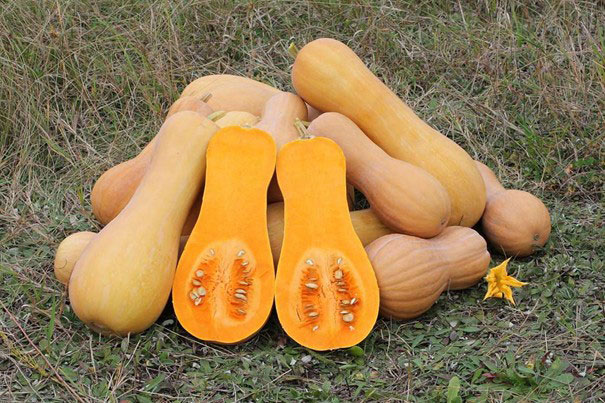
    “Whole butternut squash with smooth beige skin.

    Peel and cube the butternut squash into 2‑centimeter pieces. Drizzle with olive oil, season with salt and pepper, and roast at 200°C (400°F) for 25–30 minutes, or until golden and tender. Halfway through, give the tray a shake so everything cooks evenly. The squash becomes sweet and caramelized — the perfect counterpart to saffron’s subtle bitterness.

    Reserve a few cubes for garnish and lightly mash the rest with a fork until soft but not puréed. This mixture will later be folded into the risotto for color and depth.

    Infusing the Saffron

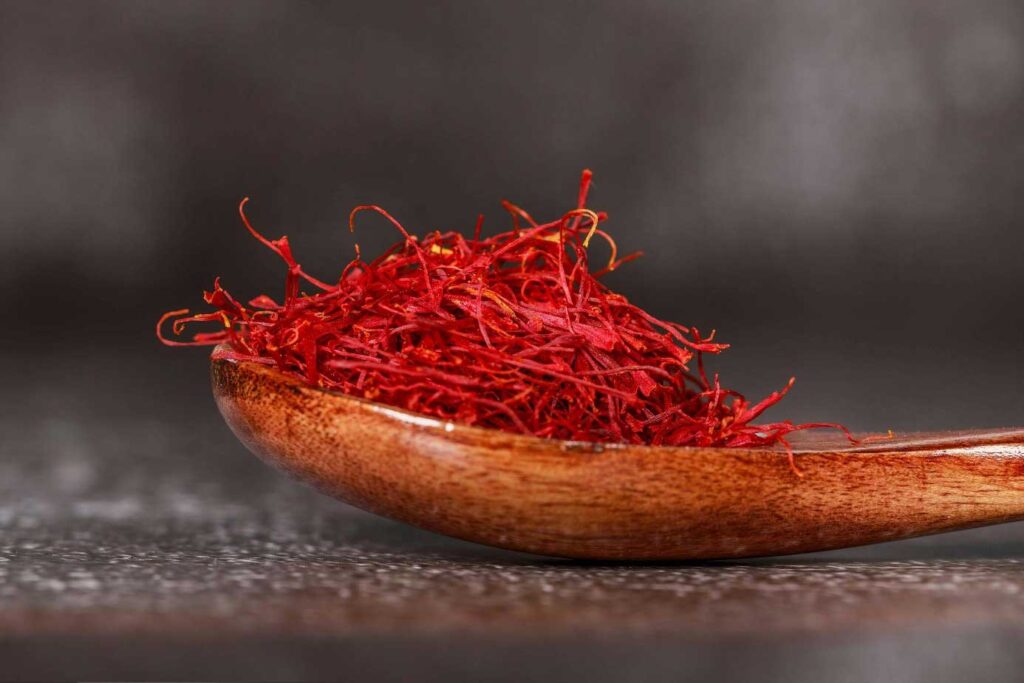
    Thin red saffron threads displayed in a small spoon, used as a fragrant spice.

    Meanwhile, pour a few tablespoons of hot stock into a small bowl and add the saffron threads. Let them steep for at least ten minutes. You’ll see the color unfold slowly, like watercolor spreading across paper. This step may seem small, but it’s vital — saffron must bloom in warmth before joining the dish.

    Building the Risotto Base

    In a large sauté pan or wide saucepan, heat two tablespoons of olive oil. Add the chopped onion and cook gently over medium heat for about five minutes, until translucent and sweet. Stir in the rice and toss it for one to two minutes until each grain gleams and turns slightly opaque at the edges.

    Pour in the wine and let it sizzle. Stir until it has evaporated. Now the rice is ready to begin its slow transformation. Add one ladleful of the hot stock, stirring constantly until most of the liquid is absorbed, then add another. Continue this rhythm for about fifteen minutes, keeping the liquid level just below the surface. The motion releases the rice’s starch, creating that creamy consistency without any added cream.

    Introducing the Saffron

    Once the rice begins to soften, pour in the saffron‑infused stock, including every last strand. The color will immediately deepen to a glowing gold. The perfume rises: gentle, dry, faintly metallic with sweetness behind it. Continue adding stock until the rice reaches the stage known in Italy as al onda — when it moves like a wave, thick yet fluid. This takes about 18 to 20 minutes total.

    Stir in the mashed squash and half the butter. Taste and adjust seasoning — saffron’s delicacy deserves a restrained hand with salt. Let everything rest for a minute off the heat to settle.

    The Finishing Touches

    While the risotto rests, heat a small pan with a film of olive oil and quickly fry the sage leaves for 10 seconds on each side until crisp. Place them on paper towel to drain. They will shatter delicately when touched, adding an herbaceous crunch to the creamy rice.

    Now stir the grated Parmesan and the remaining butter into the risotto. This is the moment of transformation — the rice turns glossy, the texture both rich and silken. Spoon it into warmed bowls, top with the reserved squash cubes and the fried sage. A drizzle of olive oil, or a few drops of lemon juice for brightness, finishes it beautifully.

    The Experience

    Each bite feels layered: the sweetness of squash, the faint tang of wine, the smooth saltiness of Parmesan, and the mysterious perfume of saffron weaving through it all. The sage interrupts the softness with crisp, aromatic contrast. The dish doesn’t shout. It hums in harmony, gentle but unforgettable.

    There’s comfort in how risotto demands attention. You can’t rush it; you must stay with it, listen to it. The gradual ladling, the subtle shift from broth to creaminess — all of it calms the mind as much as it nourishes the body. Saffron, expensive and rare, teaches a similar lesson: that luxury lies in slowness and intention. A few threads are enough, provided you give them time.

    Variations and Pairings

    For a heartier dinner, top the risotto with seared scallops or roasted mushrooms. Both love saffron’s warmth. For a vegetarian table, pair it with a sharp salad of arugula and walnuts to slice through the richness. You can swap the squash for sweet potato, or add peas for color contrast in spring.

    Leftovers make a fine arancini — small breadcrumb‑coated risotto balls fried until crisp, perfect for lunch the next day. Even cold, the flavors deepen overnight, the saffron more pronounced, almost honey‑like.

    The Essence of Saffron Cooking with saffron is like working with patience itself. It reminds the cook that small things — a pinch of threads, a few minutes of stirring — can yield something luminous. This risotto doesn’t just feed; it glows. The bowl arrives at the table golden as evening light, smelling faintly of harvest and quiet luxury.

  • Autumn Chickpea Curry

    As the days grow shorter and mist begins to settle on the windows, the body naturally craves warmth and comfort. Autumn is the perfect season for slow-cooked dishes, generous in flavor and texture. This chickpea curry is a perfect example — nourishing, easy to prepare, filled with orange and golden tones, and capable of waking the house with the scent of spices and tender vegetables. It celebrates the produce of fall — pumpkin, carrots, sweet onions — and the convivial spirit of vegetarian cooking.

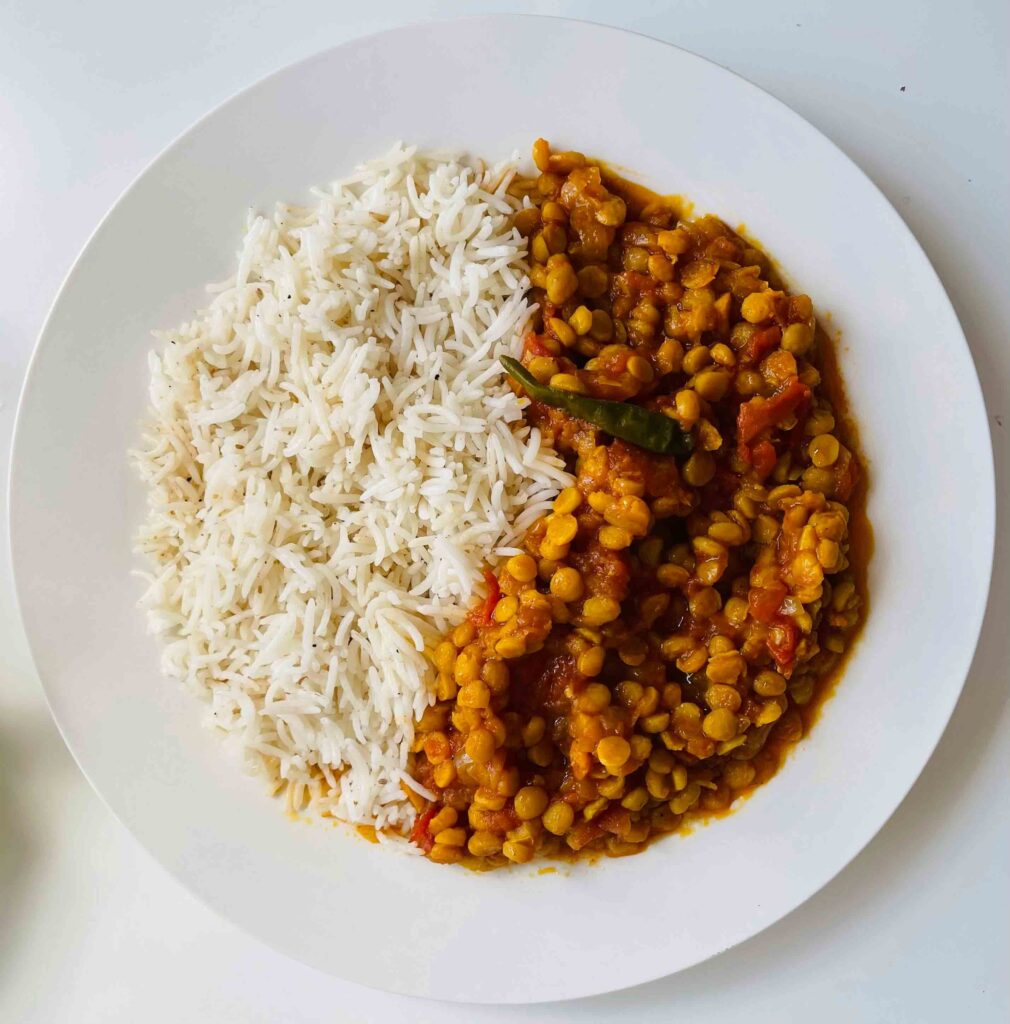
    Bowl of creamy chickpea curry with pumpkin, carrots, and fresh cilantro, served with basmati rice.

    Ingredients

    For four to six portions:

    • 400 g cooked chickpeas (canned or homemade)
    • 400 ml coconut milk
    • 2 tablespoons olive or coconut oil
    • 1 medium yellow onion
    • 2 garlic cloves
    • A small piece of fresh ginger (about 2 cm)
    • 2 carrots
    • 250 g pumpkin or butternut squash
    • 1 ripe tomato or 2 tablespoons tomato paste
    • 1 tablespoon curry paste (red or yellow, to taste)
    • 1 teaspoon ground turmeric
    • 1 teaspoon ground cumin
    • 1 teaspoon ground coriander
    • ½ teaspoon cinnamon
    • A pinch of chili or hot paprika (optional)
    • Juice of half a lime
    • A small bunch of fresh coriander (cilantro)
    • Salt and pepper
    • Basmati rice or quinoa for serving

    Preparing the Chickpeas and Vegetables

    If using dried chickpeas, soak them overnight in plenty of cold water, then boil them for about an hour in unsalted water until tender. Otherwise, a good can of chickpeas, rinsed and drained, will do perfectly.

    Peel and chop the vegetables: slice the onion finely, cut the carrots into half-rounds, and dice the pumpkin into roughly two-centimeter cubes. The secret to a good curry lies in even cutting — uniform pieces cook evenly. Grate the ginger and mince or crush the garlic.

    The Aromatic Base

    In a large pot or deep pan, heat the oil over medium heat. Add the onion and let it gently cook for five minutes until it turns golden and slightly sweet. Then add the garlic and ginger. Stir for about thirty seconds — this is when the kitchen begins to fill with fragrance.

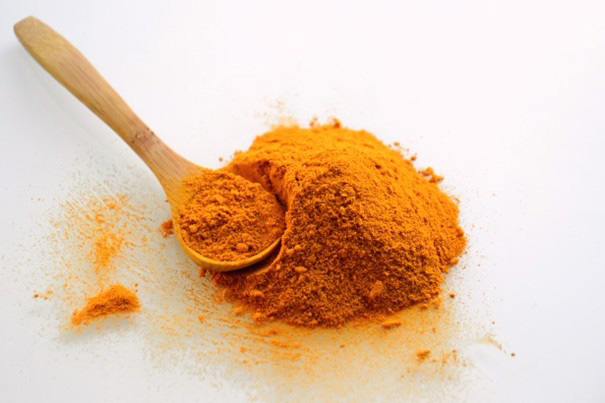
    Bright yellow curry powder in a small bowl, ready to use as a spice.

    Next, add the dry spices — turmeric, cumin, coriander, cinnamon, and a pinch of chili if you prefer more heat. Allow them to toast briefly to release their natural oils and deepen their aroma. Add the curry paste and stir well to coat the onions.

    The Vegetables and the Sauce

    Add the carrots and pumpkin pieces. Stir them into the spice mixture for two or three minutes. This slight pre-cooking builds flavor and gives the vegetables a nice color. Pour in the chopped tomato or diluted tomato paste and stir until you have a thick, richly colored base.

    Next, pour in the coconut milk and stir until smooth. Season lightly with salt. Bring to a gentle boil, then reduce the heat, cover, and simmer for about twenty minutes on low. The vegetables will soften, and the sauce will thicken naturally. The coconut milk lends a velvety creaminess that contrasts with the chickpeas’ firmer texture.

    Adding the Chickpeas

    When the vegetables are almost tender, add the drained chickpeas. Stir gently so that they absorb the sauce. Simmer uncovered for about ten more minutes. This allows the flavors to blend and reach the perfect consistency — neither too runny nor too thick.

    Taste and adjust seasoning — a little salt, freshly ground pepper, and perhaps a squeeze of lime for brightness. If the curry seems too strong, add a touch more coconut milk to mellow it.

    Finishing and Serving

    Before serving, scatter the curry with chopped fresh coriander. This simple touch transforms the dish: the fresh herbs bring a burst of green and a hint of citrus that balances the spices. For texture, sprinkle a few toasted pumpkin seeds or add a spoonful of plain yogurt for creaminess.

    Serve the curry hot with fragrant basmati rice or nutty quinoa. Flatbreads like naan or chapati make excellent companions. For an extra autumn note, pair it with a lightly spiced apple chutney or a crunchy red cabbage salad.

    Variations and Tips

    This curry adapts easily to the seasons. Replace pumpkin with sweet potatoes, fresh spinach, or zucchini depending on what’s available. For added protein, toss in cubes of grilled tofu. If you prefer a smoother texture, blend a portion of the curry before mixing in the chickpeas.

    You can experiment endlessly with spices. A touch of cardamom gives a wintry note, while a hint of orange zest brightens the dish. Some cooks swap coconut milk for Greek yogurt, which makes a lighter version — just remember to stir it in off the heat to prevent curdling.

    The curry keeps well for two or three days in the refrigerator and even improves with time. Reheated gently, it deepens in flavor. It also freezes beautifully, making it ideal for meal prep.

    The Spirit of the Dish

    Autumn chickpea curry is more than a recipe — it’s an invitation to slow down, cook gently, observe, and savor. In its simplicity, it embodies the generosity of plant-based cooking: colorful, nourishing, comforting. Each spoonful warms body and soul alike, tasting of light, spice, and quiet abundance.

    Autumn forest with trees displaying orange, red, and yellow foliage along a forest path.
  • The soul of Indian cuisine: a deep dive into the very good of garam masala

    indian

    Unlocking the flavor: what is garam masala?

    If Indian food has a soul, it is undoubtedly found within the aromatic, complex blend of spices known as garam masala. More than just a spice mix, it is a culinary tradition, a hallmark of home cooking, and the essential finishing touch for countless classic dishes. For anyone looking to master the art of Indian cooking, understanding this mixture is non-negotiable.

    The term garam masala literally translates to “hot spice mix”, but this “heat” does not refer to chili-induced pungency but to the warming effect the spices have on the body, according to Ayurvedic principles. This staple blend from the Indian subcontinent combines an array of ground, toasted spices, each contributing a unique depth to the final flavor profile.

    This comprehensive guide will explore the origins, ingredients, health benefits, and versatile uses of this powerhouse Indian spice blend, ensuring you have all the knowledge needed to incorporate authentic flavors into your kitchen.

    🔑 Key ingredients: the building blocks of flavor

    What exactly goes into this magical powder? Unlike simpler spice mixes, there is no single, canonical recipe for garam masala. The composition changes dramatically based on region, family tradition, and the specific dish it is intended for. A kashmiri garam masala will differ significantly from a Punjabi or South Indian version.

    However, most traditional recipes share a foundational base of core ingredients. The most common garam masala ingredients include:

    • Cumin seeds (jeera): provides an earthy, nutty base.
    • Coriander seeds (dhania): offers citrusy, slightly sweet notes.
    • Cardamom (elaichi): both green and black cardamom are used. Green is highly aromatic and floral; black imparts a deep, smoky undertone.
    • Clove (laung): delivers a strong, pungent, and sweet aroma.
    • Cinnamon (dalchini) or cassia bark: ddds warmth and sweetness.
    • Black peppercorns (kali mirch): supplies a subtle, sharp bite and heat.
    • Bay leaves (tej patta): adds an herbal, slightly savory note.

    The regional touch: expanding the spice palette

    To create unique regional variations, cooks may add less common spices such as:

    • Mace (javitri) and nutmeg (jaiphal): Used for a deep, nutty warmth, often favoured in richer North Indian curries.
    • Star anise (chakri phool): popular in some southern and western Indian blends for its strong licorice flavour.
    • Fennel seeds (saunf): adds a mild, refreshing sweetness.
    • Dried red chilies: sometimes included, particularly in South Indian blends, to introduce a moderate level of heat.

    🔪 Roasting and grinding: the secret to aromatic garam masala

    The immense, intoxicating aroma that distinguishes great garam masala powder comes from a crucial preparation step: dry roasting.

    The roasting process

    Before the spices are ground, the whole seeds and pods are gently dry-roasted in a pan over low heat until they become fragrant—a process known as bhuna or bhunao. This technique serves several vital purposes:

    1. Releases essential oils: heat coaxes the volatile oils out of the spices, intensifying their flavour and aroma dramatically.
    2. Reduces moisture: it ensures the spices are bone-dry, making them easier to grind into a fine powder and extending their shelf life.
    3. Adds depth: the subtle caramelization slightly deepens the flavour profile, eliminating any raw or harsh notes.

    Once cooled, the toasted spices are ground into a fine powder. For the freshest and most potent flavour, it is highly recommended to prepare a small batch of fresh garam masala weekly or monthly. Stored in an airtight container away from light and heat, it will retain its potency for months, but the first few weeks are when its aroma is truly unparalleled.

    🧑‍🍳 How to Use garam masala: application in cooking

    One of the most common questions from beginner cooks is, “When do I add garam masala?”

    This spice blend is unique because it is rarely used as a foundational flavouring at the start of cooking, like turmeric or chili powder. Instead, it is almost always added near the end of the cooking process—or even sprinkled on the finished dish—to preserve its delicate, highly volatile aromas.

    Versatile uses: the flavor finisher

    • The finishing touch: this is its most traditional use. A teaspoon or two sprinkled over a curry, stew, or lentil dish (like dal) just before serving adds a final burst of complexity and fragrance. It literally “finishes” the dish.
    • Marinades: it works wonderfully in marinades for meats, poultry, or paneer, lending a deep, aromatic base to recipes like chicken tikka masalaor tandoori chicken.
    • Vegetable stir-fries: a pinch of garam masala can transform simple sautéed vegetables into a flavourful Indian side dish.
    • Savory baked goods: it can be added to the dough for samosas or kachoori to impart a savory warmth.

    Learn how to cook garam masala chicken here!

    ⚕️ Health benefits: beyond the flavor

    While primarily used for flavour, the individual spices in garam masala have been revered in traditional medicine systems like ayurveda for centuries due to their purported health benefits.

    • Digestive aid: many spices, particularly cumin, coriander, and black pepper, are known to stimulate digestive enzymes and reduce bloating, making it an excellent post-meal component.
    • Metabolism booster: black pepper and cinnamon are known for their thermogenic properties, which may help support metabolic functions.
    • Antioxidants: spices like cloves, cardamom, and cinnamon are rich in antioxidants, which help the body fight against oxidative stress.

    🛒 Buying vs. homemade: the quality factor

    While commercial brands of garam masala are widely available in supermarkets, they often pale in comparison to a homemade recipe. Store-bought versions can sometimes be made with lower-quality, pre-ground spices that have lost their essential oils and potency.

    • Best practice: investing in whole spices and an affordable spice grinder allows you to control the quality, the roast level, and the specific ratios, guaranteeing the most vibrant and authentic taste for your curries and Indian recipes.

    In conclusion, garam masala is not just one flavor; it is a spectrum of warmth, sweetness, and earthiness. Mastering this blend is the key to unlocking the true, authentic, and incredibly satisfying world of Indian cuisine. So, skip the pre-ground jars and experience the true depth of flavor that only a freshly roasted and ground spice blend can provide.

    Discover other Indian spices here!

  • Saffron: the golden spice with a rich history, unique flavor, and timeless value

    golden spice

    Saffron is one of the most precious and captivating spices in the world, often referred to as “red gold” or the ‘golden spice” for its deep color, intense aroma, and exceptionally high value. While many spices have shaped global cuisine, few hold the same mystique or cultural significance as saffron. Today, saffron is prized not only for its culinary uses but also for its historical importance, medicinal properties, and distinctive role in traditions across continents. This article explores what saffron is, why it is so valuable, how it is used in cooking, and what makes it such a remarkable ingredient. It also incorporates essential notions such as saffron spice, premium saffron, saffron recipes, and how to use saffron.

    What exactly is saffron?

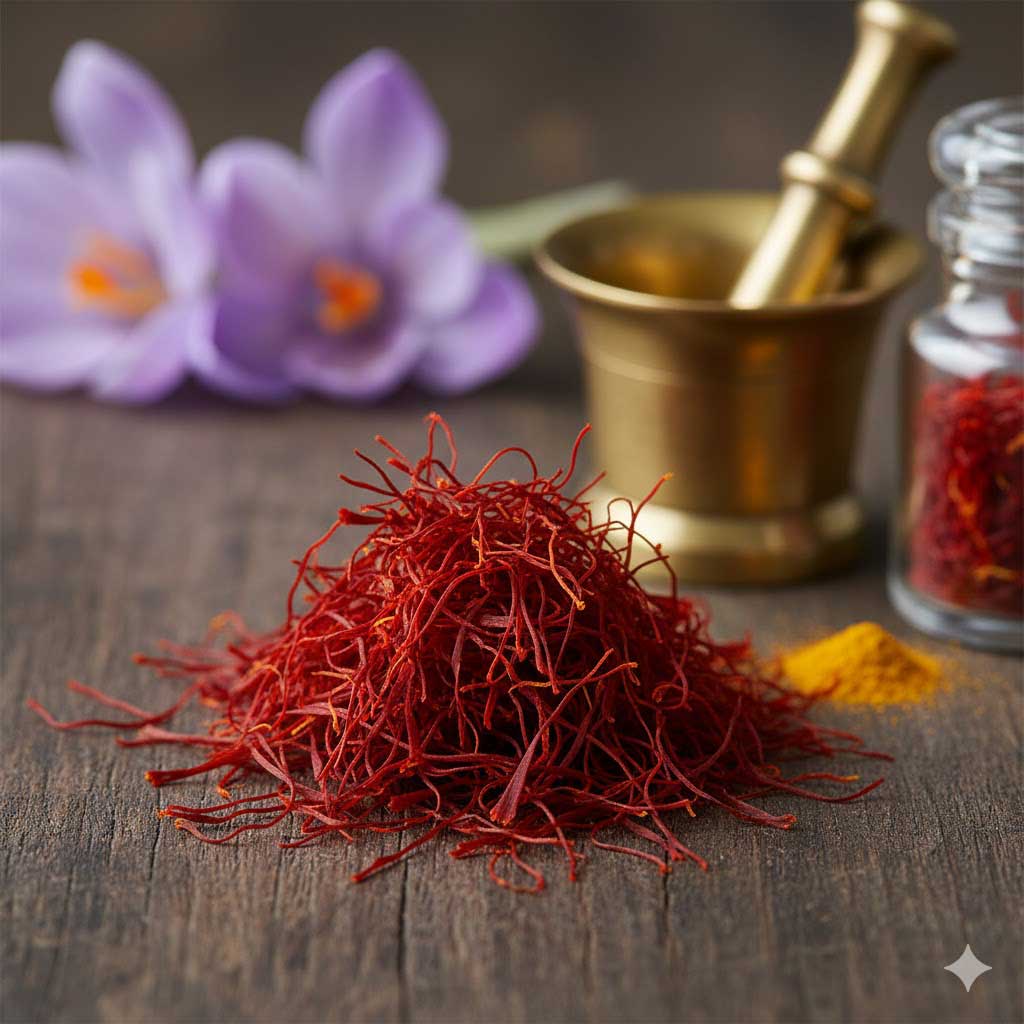
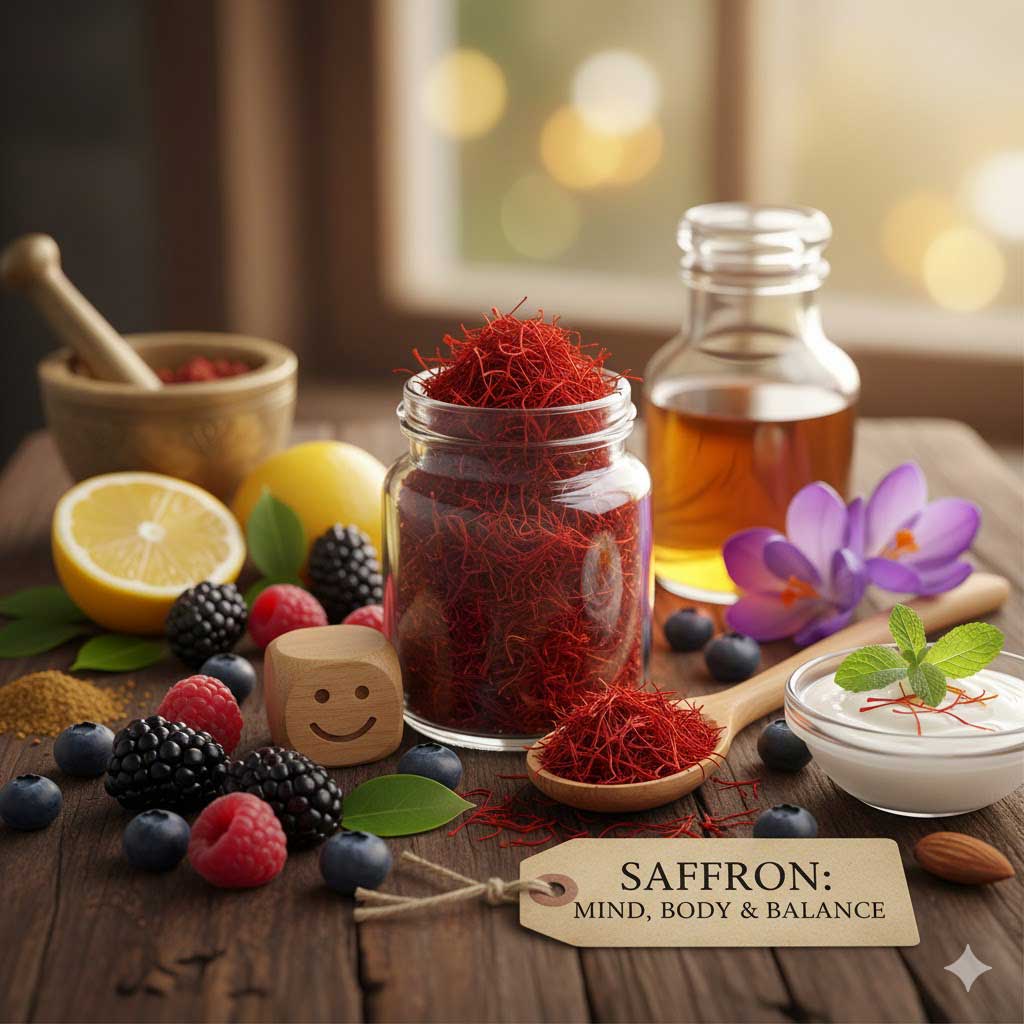
    Saffron comes from the dried stigmas of the crocus sativus flower, a delicate purple blossom that blooms only a few days each year. Each flower produces just three tiny red stigmas, which must be harvested by hand. This labor-intensive process is one of the key reasons saffron remains the world’s most expensive spice. Thousands of flowers are required to produce just a single ounce of high-quality saffron.

    The spice is known for its unique floral aroma, bitter-sweet flavor, and vibrant golden color, which it imparts to dishes when steeped or infused. Unlike many other spices, saffron is both a flavoring and a natural colorant, playing a central role in some of the world’s most iconic dishes.

    The ancient history of saffron

    Saffron has an extraordinarily long history, with evidence of its use dating back more than 3000 years. Ancient civilizations such as the persians, greeks, and egyptians valued saffron not only as a culinary ingredient but also as a dye, perfume, and medicinal remedy. Legends say that Cleopatra used saffron in her beauty rituals, believing it enhanced her complexion. In ancient greece, saffron was associated with art, healing, and luxury.

    Trade routes helped spread saffron from the middle east to europe and asia, where it became an integral part of regional cuisines and traditional medicine. In medieval europe, saffron was prized enough to inspire trade disputes and even fraudulent substitutes. Its presence in historical texts, myths, and rituals shows that saffron has long been considered a symbol of wealth, purity, and vitality.

    Why saffron is so valuable

    The high price of saffron is due to several factors. First, harvesting must be done entirely by hand, often at dawn, to preserve the delicate stigmas. Second, a vast number of flowers are needed to produce relatively little saffron. Third, cultivation requires specific climate conditions found only in certain regions such as iran, spain, india (especially kashmir), and greece.

    Authentic saffron must be carefully dried and stored to maintain its quality. Because it is so valuable, saffron is sometimes adulterated with cheaper materials such as colored threads or turmeric. This makes it important for buyers to look for premium saffron, pure saffron, or grade a saffron from reputable sources.

    The cultural importance of saffron

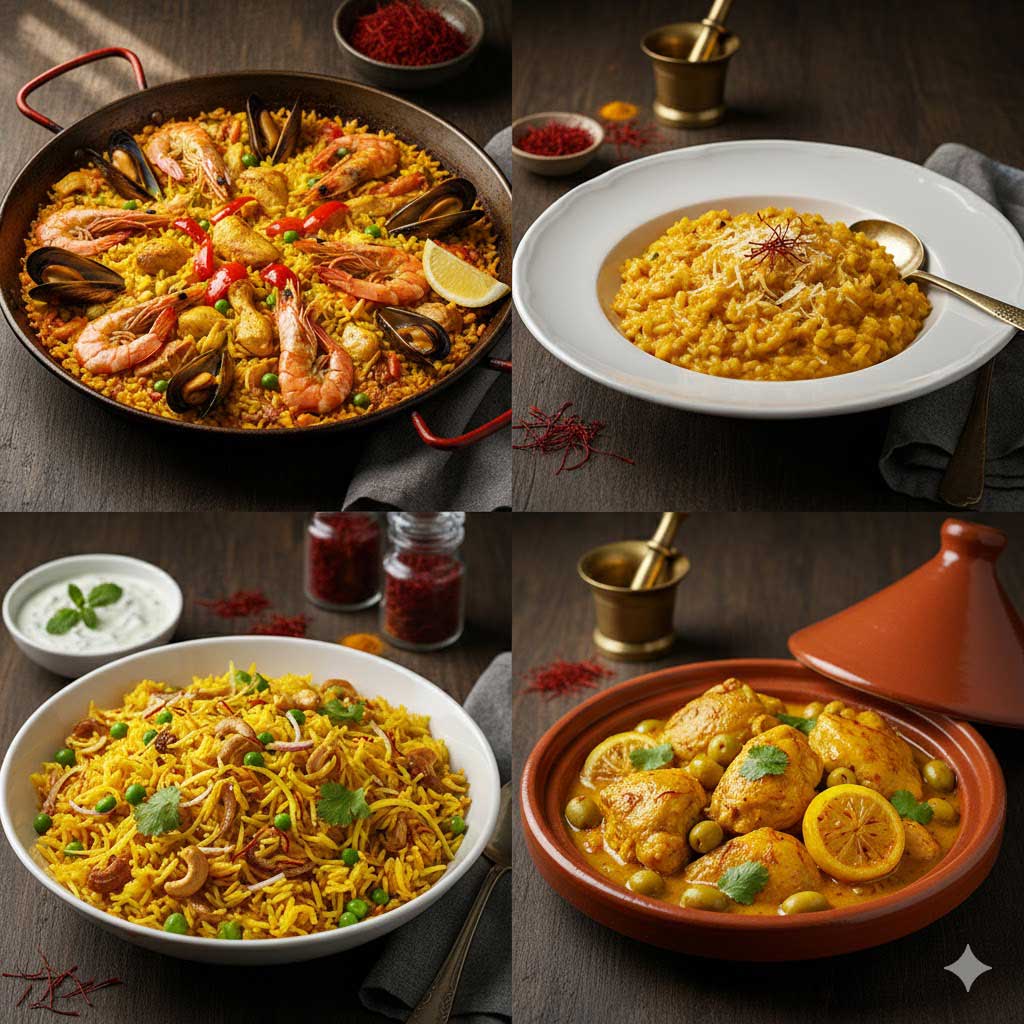
    Saffron plays a central role in many culinary and cultural traditions. In persian cuisine, saffron is used to flavor rice, desserts, and stews, creating dishes with rich aroma and golden color. In spain, saffron is essential to authentic paella, giving the rice its signature hue and depth. In india, saffron appears in biryanis, sweets, and festive dishes that mark special occasions.

    Beyond food, saffron has symbolic meanings. In some cultures, it represents purity, hospitality, or celebration. Saffron threads are also used in religious rituals, traditional medicines, and dyeing fabrics. Throughout history, saffron has been more than a spice; it has been part of identity, heritage, and ceremony.

    How saffron is used in cooking

    Using saffron correctly is essential to unlocking its full flavor and aroma. Because it is so potent, only a small amount is needed to enhance a dish. The most common technique is to soak saffron threads in warm water, broth, or milk for at least ten minutes, allowing the color and flavor to bloom. This infusion is then added to the recipe.

    Saffron pairs beautifully with rice, seafood, chicken, lamb, and desserts. Some iconic saffron dishes include:

    • paella: spanish rice cooked with saffron, seafood, and vegetables
    • risotto alla milanese: italian saffron risotto with butter and cheese
    • persian saffron rice (tahdig): crispy golden rice infused with saffron and yogurt
    • biryani: indian spiced rice layered with saffron for aroma and color
    • saffron desserts: such as kulfi, custards, cakes, or sweet breads
    saffron recipe

    Because saffron is such a strong seasoning, it is important not to use too much. Excess saffron can overpower a dish, making it bitter rather than aromatic.

    Discover saffron recipes here!

    Health benefits of saffron

    In addition to its culinary importance, saffron has long been valued for its medicinal properties. Studies suggest that saffron may support mood balance, improve digestion, and act as an antioxidant. Traditional medicine systems such as ayurveda and persian medicine have used saffron for centuries to promote vitality, reduce stress, and enhance overall well-being.

    Compounds like crocin and safranal are responsible for saffron’s therapeutic potential. While saffron should not be seen as a miracle cure, it remains one of the most researched spices for its natural health benefits.

    Modern uses and global popularity

    Today, saffron is more available than ever, and global interest continues to grow. Home cooks search for how to use saffron, best saffron for cooking, and saffron health benefits. Chefs use saffron in creative new ways, blending traditional flavors with modern cuisine. Cosmetic brands incorporate saffron into beauty products, echoing ancient practices.

    Despite its cost, saffron remains one of the world’s most treasured spices. Its allure lies in its rarity, beauty, and timeless flavor.

    Conclusion

    Saffron is far more than a spice; it is a symbol of history, tradition, and craftsmanship. From ancient civilizations to modern kitchens, saffron has preserved its status as a luxurious and deeply meaningful ingredient. Whether used in a fragrant rice dish, a delicate dessert, or a soothing infusion, saffron continues to captivate cooks and cultures around the world. Its golden color, rich aroma, and fascinating heritage make saffron one of the most extraordinary ingredients ever cultivated.

    Click here to learn about oregano!