Category: Épices

  • Cumin: flavor, benefits, and everyday uses of this essential spice

    indian spice

    Cumin is one of the most widely used spices in global cuisine, known for its warm, earthy aroma and slightly nutty taste. From Indian curries to Mexican salsas, this spice adds depth and character to countless dishes. Beyond its culinary appeal, cumin has been valued for centuries for its potential health benefits. Today, cooks and wellness enthusiasts often search for cumin benefits, cumin uses, and simple ways to incorporate this spice into everyday meals. This article explores everything you need to know about cumin, including how to use cumin, the difference between cumin seeds and ground cumin, and how to grow cumin at home.

    What is cumin?

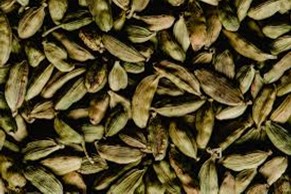
    Cumin comes from the plant Cuminum cyminum, a member of the parsley family. The plant originates from the Middle East and the eastern Mediterranean, but it is now cultivated in many warm regions across the world. The spice is obtained from its dried seeds, which are light brown and known for their distinctive fragrance.

    There are two main forms of cumin used in cooking:

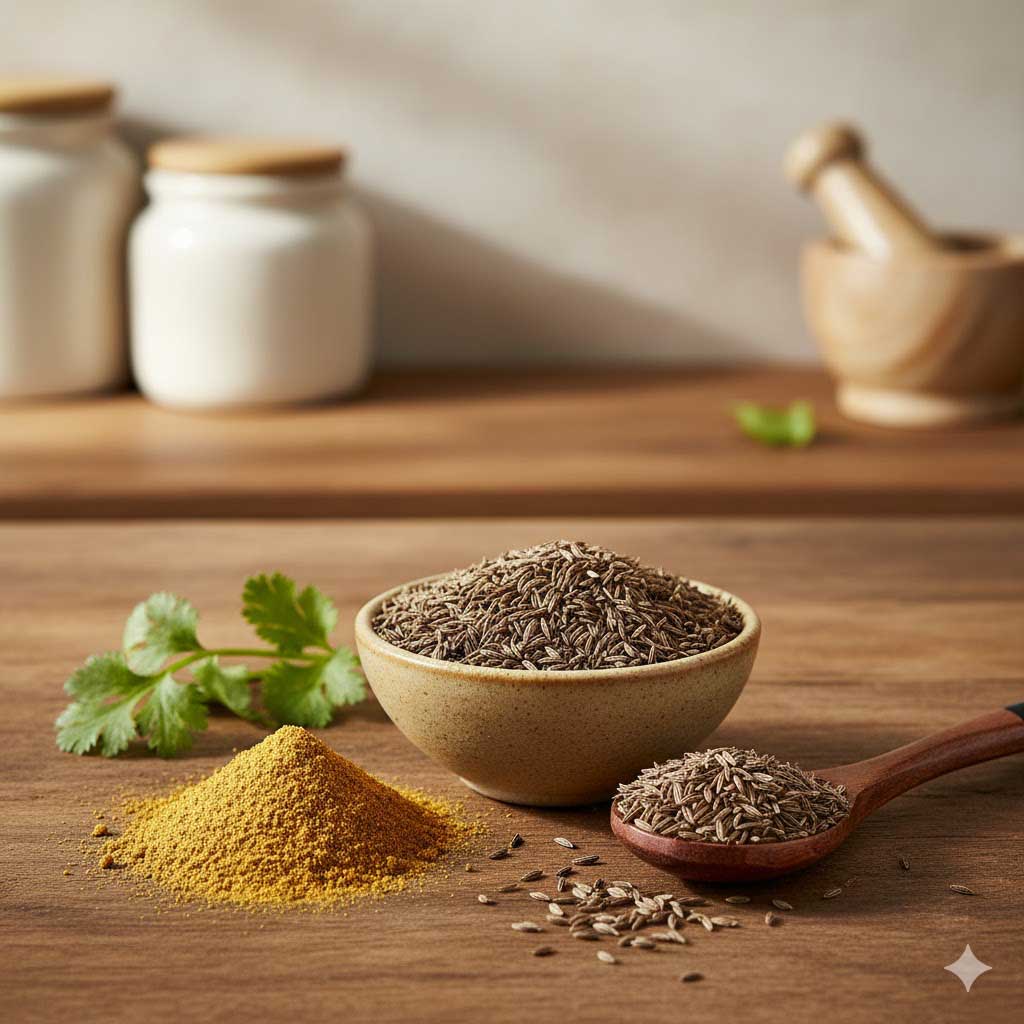
    • cumin seeds: whole seeds with a strong, aromatic flavor
    • ground cumin: a finely powdered form that blends easily into dishes

    Ground cumin tends to have a more intense flavor because grinding releases its natural oils, while whole seeds offer texture and a richer aroma when toasted.

    Culinary uses of cumin

    Cumin is a cornerstone of many spice blends and traditional dishes. Its warmth and complexity make it an essential ingredient across a wide range of cuisines.

    Common cumin uses include:

    • seasoning for curries, stews, and soups
    • a key ingredient in spice blends such as garam masala, curry powder, and chili powder
    • flavoring for rice dishes and lentils
    • enhancing Mexican recipes like tacos, chili, and salsa
    • seasoning for roasted vegetables and grilled meats
    • adding depth to marinades and salad dressings
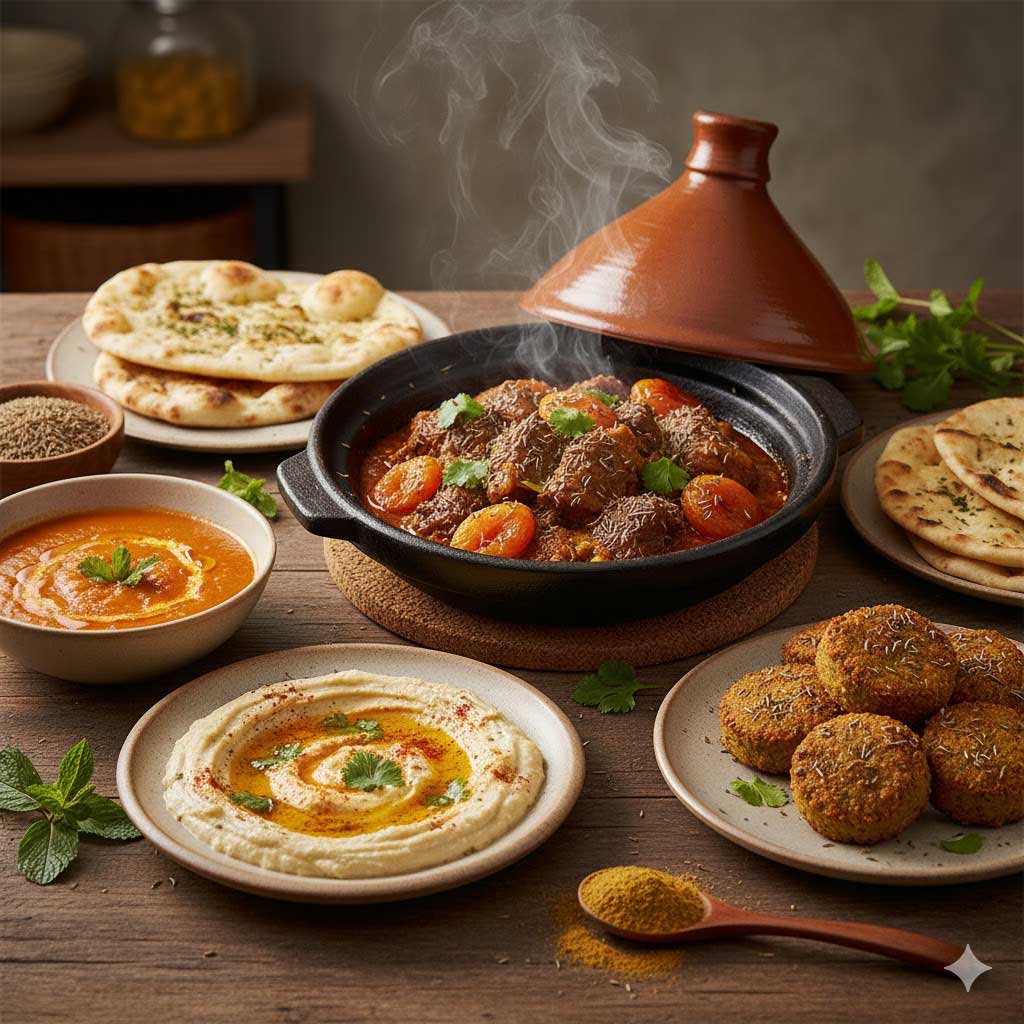
    recipe

    Toasting cumin seeds lightly in a pan brings out their aroma and adds a nutty depth to dishes. Ground cumin is excellent for mixing into sauces, dips, or creamy dressings.

    The health benefits of cumin

    Cumin is appreciated not only for its flavor but also for its natural health-supporting properties. Many people today look for spices that offer more than taste, and cumin stands out thanks to its antioxidants and digestive benefits.
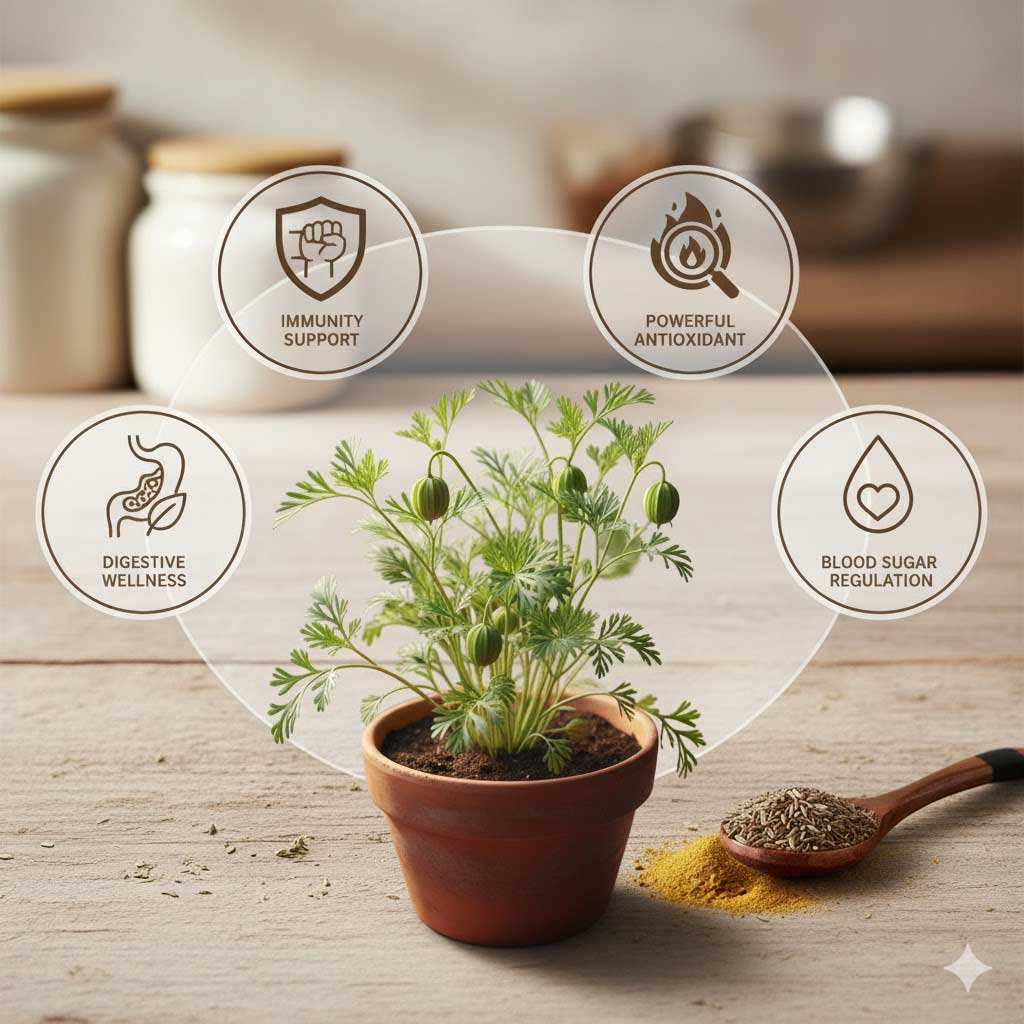
    benefits

    Key cumin benefits include:

    1. Digestive support
    Cumin has been traditionally used to aid digestion. Its natural compounds may stimulate digestive enzymes, helping the body break down food and improving nutrient absorption.

    2. Antioxidant properties
    Cumin contains several antioxidants that help protect cells from oxidative stress. These antioxidants contribute to overall wellness and support long-term health.

    3. Potential anti-inflammatory effects
    Some studies suggest that cumin may help reduce inflammation in the body. Although more research is needed, adding cumin to meals is an easy way to enjoy its natural properties.

    4. Immune system support
    Thanks to its vitamins, minerals, and antioxidant content, cumin may support immune function. It is often used in herbal blends and soothing teas.

    5. Possible metabolism support
    Cumin has been mentioned in studies related to metabolism and weight management. While it is not a miracle solution, integrating cumin into a balanced diet may support energy use and digestion.

    Cumin seeds vs. ground cumin

    Many recipes specify whether to use cumin seeds or ground cumin, and understanding the difference helps improve cooking results.

    • cumin seeds offer a bold aroma and are best for frying in oil at the beginning of a recipe, especially in Indian and Middle Eastern dishes.
    • ground cumin distributes flavor evenly throughout a dish and is perfect for soups, sauces, marinades, and spice rubs.

    Both forms are useful, and having both in your kitchen ensures maximum flexibility.

    How to use cumin in everyday cooking

    Incorporating cumin into your meals is simple. Its versatility allows it to enhance both traditional and modern recipes.

    Here are easy ways to use cumin every day:

    • add ground cumin to soups, tomato sauces, and vegetable stews
    • sprinkle a small amount into scrambled eggs or roasted potatoes
    • mix ground cumin into yogurt dips or hummus
    • add cumin seeds to stir-fries, lentils, or rice dishes
    • use it in marinades for chicken, beef, or lamb
    • include it in homemade spice blends for extra depth

    Discover some fun recipes using cumin here!

    Because cumin has a strong flavor, start with small amounts and increase gradually.

    How to grow cumin at home

    If you enjoy gardening, learning how to grow cumin can be rewarding. While cumin requires warmth, it is not difficult to grow with the right conditions.

    Essential tips for growing cumin include:

    1. Choose a warm, sunny location
    Cumin thrives in hot climates and needs at least six hours of direct sunlight daily. It can be grown outdoors in warm areas or indoors near a bright window.

    2. Use well-drained soil
    Cumin prefers light, well-drained soil. Heavy, waterlogged soil can damage the roots.

    3. Sow cumin seeds directly
    Cumin grows best when seeds are sown directly into the soil once temperatures are warm enough. It does not respond well to transplanting.

    4. Water moderately
    Water the plants regularly but avoid overwatering. Let the soil dry slightly between watering sessions.

    5. Harvest at the right time
    Cumin seeds are ready for harvest when the plant’s flowers dry and the seed heads turn brown. Cut the stems, let them dry further, then collect the seeds.

    Growing cumin at home allows you to enjoy fresh, aromatic seeds and experiment with your own spice blends.

    Conclusion

    Cumin is a powerful spice with deep roots in global cuisine and traditional wellness. Its warm, earthy flavor enhances countless dishes, while its natural properties support digestion, immunity, and overall health. Whether you explore cumin uses in daily cooking, experiment with cumin seeds and ground cumin, or learn how to grow cumin yourself, this spice offers endless possibilities. By adding cumin to your kitchen routine, you enrich your meals with both flavor and natural goodness.

    Learn about curry here!

  • Chapter 1: The Secret Lives of Spices: An Unauthorised Biography of Your Kitchen’s Most Dramatic Residents

    spices up

    Welcome, fellow culinary adventurers, to a deep dive into the tiny, aromatic, and surprisingly dramatic world of spices! We all have them, tucked away in those little jars, silently judging our cooking skills (or lack thereof). But have you ever truly listened to them? Have you considered their intricate social hierarchies, their petty rivalries, and their unfulfilled aspirations? No? Well, settle in, because it’s time to pull back the curtain on the secret lives of your kitchen’s most flamboyant residents.

    First, let’s address the undeniable celebrities of the spice rack: Turmeric, Paprika, and the ever-so-fragrant Cinnamon.

    Turmeric: Ah, Turmeric. The wellness guru of the group. Always talking about its “anti-inflammatory properties” and its “ancient roots.” You just know it’s constantly doing yoga poses in its jar and lecturing the other spices about the benefits of a “golden latte.” It’s incredibly popular, but sometimes you just want to tell it to chill out and stop trying to heal everything. Its biggest insecurity? Being mistaken for curry powder. “I’m NOT just a component of curry!” it shrieks, whenever someone mentions Indian food. “I have my own distinct identity!” We get it, Turmeric, you’re special.

    Chapter 2: The A-Listers (Continued): Paprika, the Brooding Artist, and Cinnamon, the Undeniable Diva (Approx. 280 words)

    dramatic cinnamon

    Following our wellness-obsessed Turmeric, we delve deeper into the celebrity row of the spice rack.

    Paprika: Paprika is the quiet, brooding artist of the rack. It comes in many shades – sweet, smoked, hot – each a different artistic phase. Sweet Paprika is the gentle soul, always trying to bring warmth to a dish without offending anyone. Smoked Paprika, on the other hand, is the edgy one, smelling faintly of campfires and forbidden secrets. Hot Paprika is just… angry. All the time. Its internal monologue is probably just a series of “Hmph!” and “Feel my burn!” They all secretly resent being relegated to just a garnish for deviled eggs. “Our depths go beyond mere aesthetics!” they whisper dramatically.

    Cinnamon: And then there’s Cinnamon, the undeniable diva. It knows it smells amazing, and it flaunts it. Always dressed to impress, often found draped over apple pies or stirring up controversy in a chai latte. Cinnamon is the one who insists on being called by its full name, “Ceylon Cinnamon,” if it’s the good stuff, or dramatically rolls its eyes if it’s merely “Cassia.” It’s secretly terrified of being replaced by “Pumpkin Spice Blend” during autumn, viewing it as an uncultured imposter. “Honestly,” it sighs, “the sheer lack of discernment!”

    These three often form a dramatic trio, constantly vying for the spotlight in your next culinary creation. Turmeric will be performing its sun salutations, Paprika will be sketching moody landscapes, and Cinnamon will be practicing its vocal scales, ready for its next grand entrance into a dessert. The sheer amount of ego packed into these tiny jars is truly astounding. And don’t even get them started on the concept of “best before” dates – they consider them mere suggestions,

    Chapter 3: The Underdogs and the Wannabes: Salt, Pepper, Garlic, and the Hot Sauce Renegade (Approx. 290 words)

    spices

    Beyond the A-listers, we have the workhorses, the unsung heroes, and the occasional imposter.

    Salt: Salt, bless its crystalline heart, is the oldest and wisest of them all. It’s seen everything. It knows its fundamental importance but struggles with an existential crisis: “Am I a spice, or merely a mineral?” it ponders deeply, late at night, shimmering under the pantry light. It’s often overshadowed but knows that without it, all other flavors are meaningless. Its main complaint? People under-seasoning. “They don’t understand my complex mineral structure!” it laments, feeling unappreciated. “They just want me to… well, be salty.”

    Black Pepper: Black Pepper is Salt’s trusty, slightly aggressive sidekick. Always there, always reliable, but a little bit prickly. It despises those pre-ground versions that sit stale in the shaker. “Freshly cracked, or nothing!” it barks, convinced that anything else is a betrayal of its peppery essence. It fancies itself a connoisseur of heat, constantly comparing notes with its spicier cousins.

    Garlic Powder: Garlic Powder is the reliable, slightly unglamorous friend. It’s not as flashy as fresh garlic, but it’s always there in a pinch. It quietly shoulders the burden of convenience, often feeling overlooked. Its dream? To be recognized as an essential building block, not just a shortcut. “I want to be loved,” it sighs, “maybe ward off vampires, even if I’m dried.”

    The Hot Sauce Bottle (An Uninvited Guest): Then there’s the rogue element: the Hot Sauce bottle. It’s not technically a spice, but it insists on hanging around the spice rack, making demands. “We demand recognition! We demand bottles! Seriously? Just condiments?!” it screams through a tiny megaphone, stirring up revolutionary fervor among the other chilies. The other spices mostly ignore it, finding its antics a bit uncouth, though the chili flakes secretly admire its fiery bravado. They all agree it really belongs in the fridge, but who’s going to tell it?

    The spice rack, my friends, is not merely a collection of powders and seeds. It’s a bustling metropolis of personalities, each one adding a unique flavor to the grand comedy of your kitchen. So next time you reach for that jar, take a moment. You might just hear a tiny, dramatic whisper from within.

    https://frogsaga.com/wp-admin/post.php?post=518&action=edit

    https://spicesinc.com/spices/a-z?srsltid=AfmBOop9o1oRfXBUigdOJwo73-UpZA3UnN2dxzpNhBpr5ncQmFVXio0c

    https://www.masterclass.com/articles/a-list-of-the-27-essential-cooking-spices-you-need-to-know

  • Sichuan Red Pepper: A Vibrant Spice at the Heart of Asian Cuisine

    Among the aromatic treasures of Asia, Sichuan pepper holds a singular place.

    red

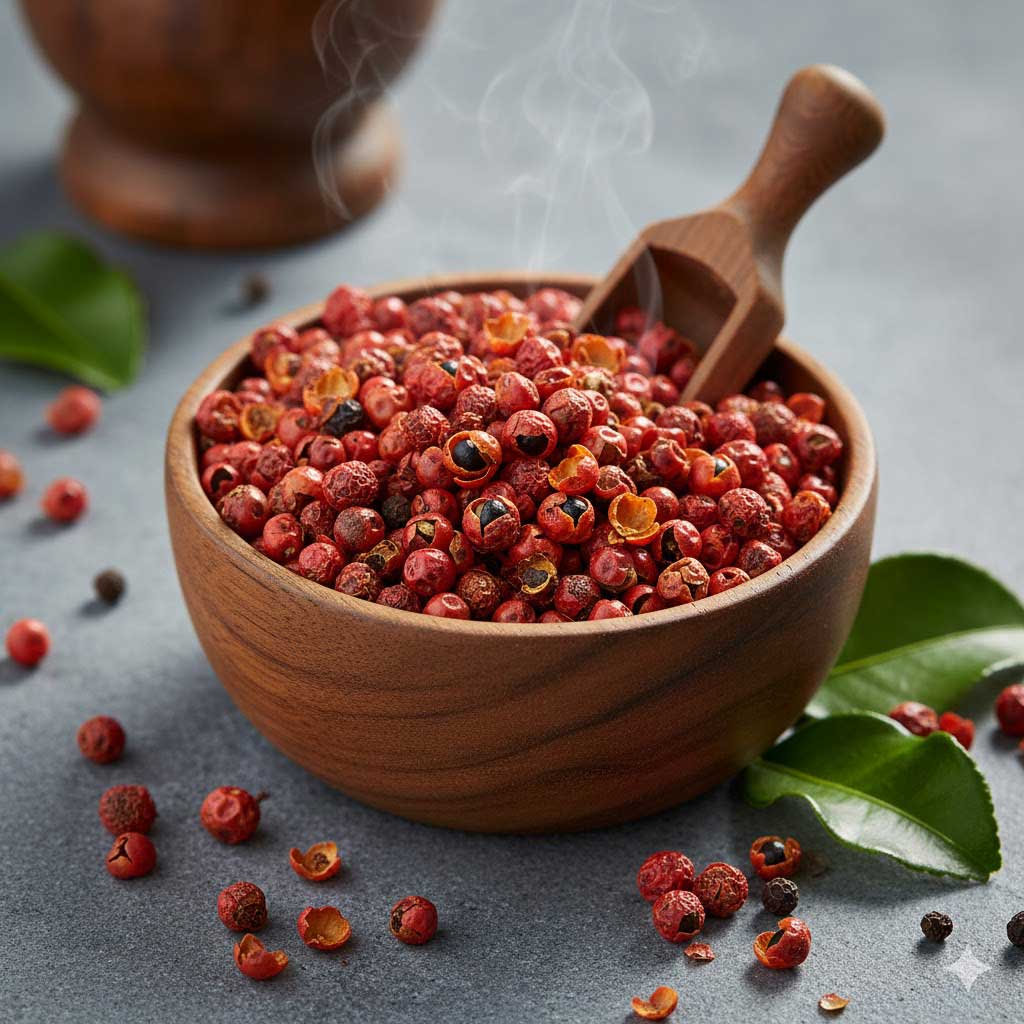
    Neither a true red pepper nor a simple condiment, this berry—with its lemony fragrance and mild numbing effect—has, over the centuries, become a hallmark of Chinese cuisine. A cornerstone of Sichuan gastronomy, it now captivates chefs worldwide, offering an endless source of culinary creativity. Its fascinating history, complex aromas, and health benefits deserve close attention.

    Geographical Origin: A Jewel from the Sichuan Mountains

    Sichuan pepper, also called hua jiao (花椒, “flower pepper”), comes mainly from Sichuan province, in southwestern China. This mountainous region, dotted with fertile valleys and traversed by the Yangtze River, enjoys a warm, humid climate conducive to exceptional biodiversity.

    Sichuan pepper is not harvested from a pepper vine but from a shrub: Zanthoxylum piperitum or Zanthoxylum simulans, depending on the variety. These shrubs, related to citrus trees, produce small red capsules that split open when ripe, revealing their black seeds. Interestingly, it is not the seeds that are used, but the aromatic husks surrounding them.

    Although its natural home is Sichuan, cultivation has spread over time to other Chinese provinces as well as to Japan, Bhutan, and Nepal. Nevertheless, Sichuan remains the benchmark, prized for both the quality and aromatic potency of its berries.

    red

    A Millennia-Old History Woven with Tradition and Prohibition

    Sichuan pepper has been used for over 2,000 years in Chinese cuisine and medicine. As early as the Han dynasty (206 BCE – 220 CE), texts mention its central role in preparing spicy dishes. It was valued both for flavoring food and for purifying water or preserving ingredients, thanks to its antiseptic properties.

    This spice also held ritual significance: it appeared in certain offerings and was considered a symbol of protection due to its powerful, enveloping aroma.

    Curiously, Sichuan pepper was banned in the United States from 1968 to 2005—not because it was toxic, but due to a potential risk of transmitting a plant parasite that could affect local citrus crops. The ban was lifted once reliable sterilization methods were developed.

    Today, Sichuan pepper is exported worldwide and features in countless culinary creations.

    Flavors and Aromas: A Sensory Firework

    Sichuan pepper’s uniqueness lies in its unparalleled sensory experience, which unfolds in several stages:

    An Enchanting Aroma

    Even before tasting, Sichuan pepper captivates with its intense fragrance:

    • Citrus notes (lime, grapefruit)
    • Floral hints reminiscent of rose
    • Occasionally a subtle woody undertone

    Its aroma is often described as bright, invigorating, and electrifying.

    Culinary Uses: A Versatile Condiment

    Sichuan pepper can be used whole, crushed, or lightly roasted and ground. Light roasting awakens its essential oils and enhances its fragrance.

    Classic and contemporary uses include:

    In traditional Chinese cuisine:

    red
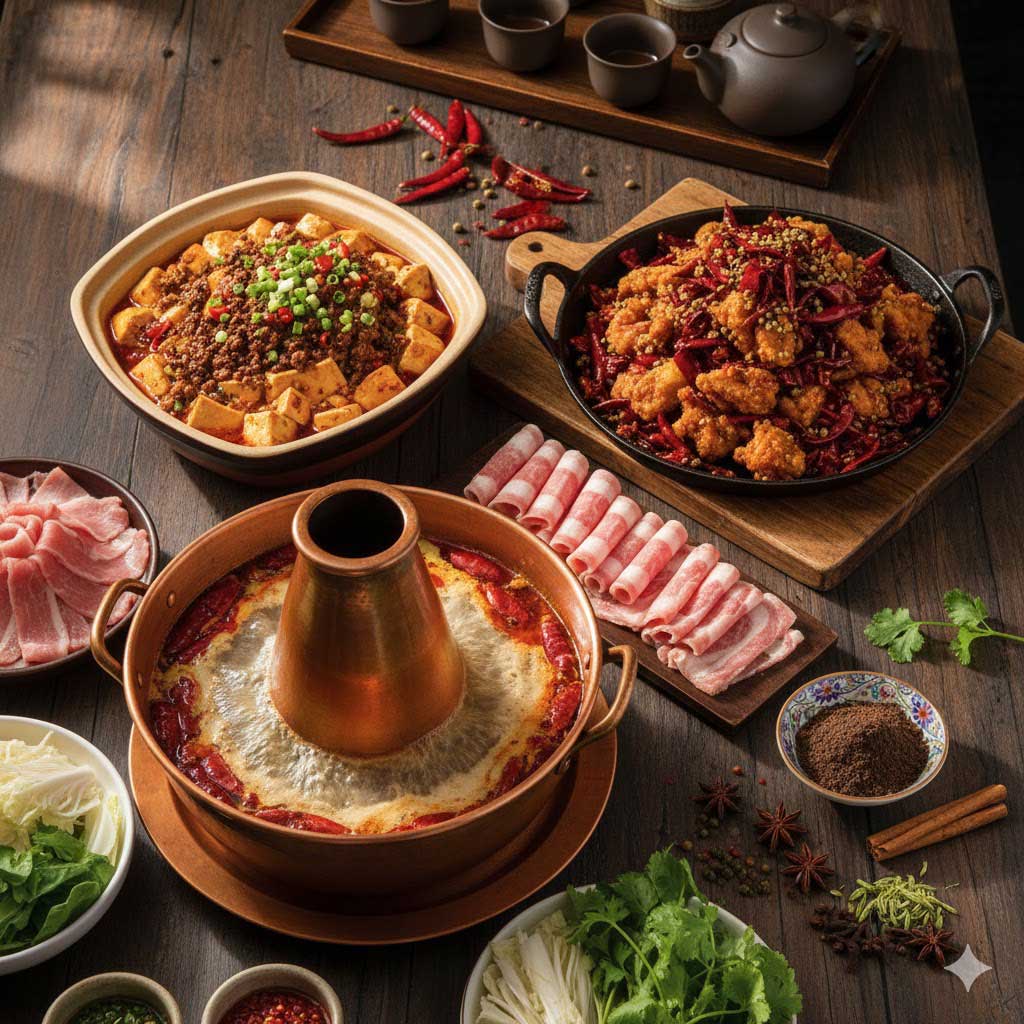
    • Mapo tofu: A signature dish combining tofu, minced meat, doubanjiang chili paste, and Sichuan pepper.
    • Sichuan chicken (or Chongqing chicken): Generously spiced with red chilies and roasted berries.
    • Broths and hot pots: The foundation of the famous huo guo (Sichuan hot pot).
    • Five-spice powder: One of the essential components of this iconic Chinese blend.

    Health Benefits and Virtues

    Like many spices, Sichuan pepper is rich in beneficial compounds. Traditional Chinese medicine attributes several virtues to it:

    • Digestive properties: Stimulates digestion, reduces bloating, and helps with certain gastrointestinal issues through its tonic and stimulating effects.
    • Anti-inflammatory and antioxidant effects: Its essential oils contain natural antioxidants that combat oxidative stress and inflammation.
    • Antibacterial action: Its ability to inhibit the growth of certain bacteria explains its historical use in food preservation.
    • Circulation stimulation: The warming, tingling effect promotes local blood flow.

    While these benefits are recognized in Asian culinary and medicinal traditions, moderation is naturally advised.

    Conclusion

    Sichuan pepper is far more than a simple spice—it is a living testament to an ancient culture rich in flavors and traditions. Its citrusy fragrance, freshness, and electrifying effect make it a unique spice, capable of transforming a simple dish into an extraordinary sensory experience.

    Whether in an authentic Sichuan recipe, a modern dessert, or a daring cocktail, it adds a touch of magic and escape. Exploring this spice is like journeying into the heart of China, through misty mountains, fragrant markets, and vibrant gastronomy—a must for all culinary enthusiasts.

    See another article.

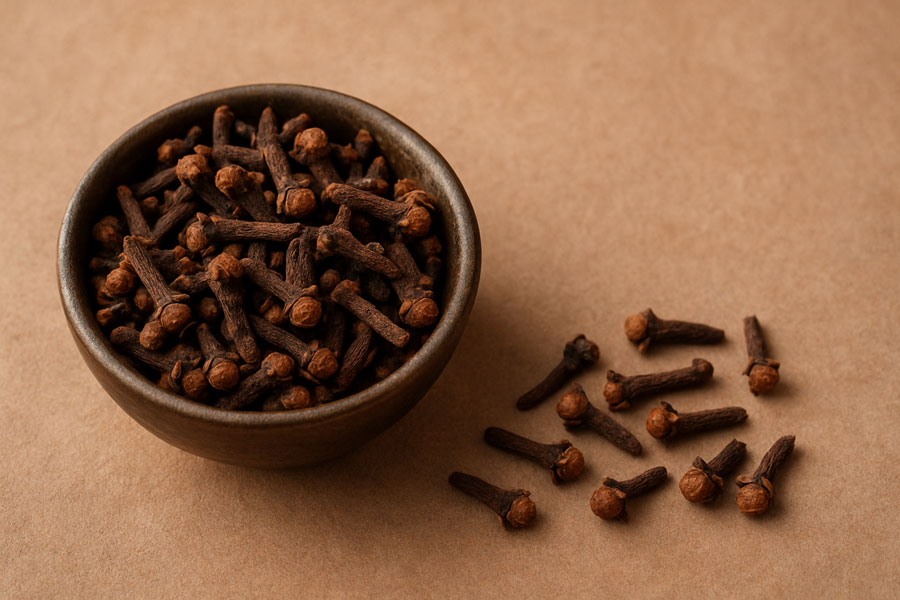
  • Cloves: A Millennial Spice with a Thousand Virtues

    Cloves are one of those spices whose aroma evokes warmth, comfort, and indulgence all at once.

    Used since Antiquity, they today hold an essential place in cuisines worldwide as well as in many medicinal traditions. Their intense flavor and numerous therapeutic properties make them a precious ingredient, cherished by chefs and herbalists alike. Let’s explore this fascinating spice, one of the oldest commodities in global trade.

    aroma

    Geographical Origin: A Treasure from the Spice Islands

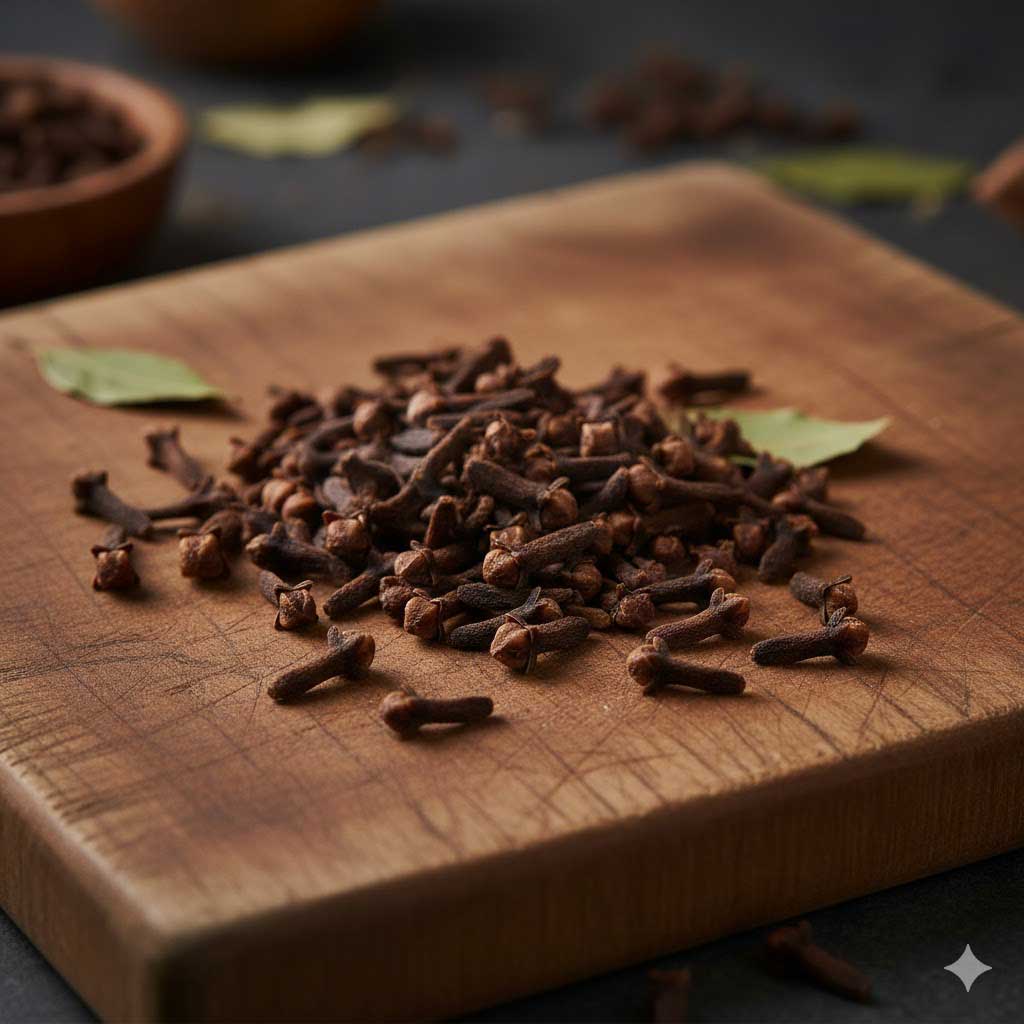
    Cloves are the dried flower buds of the clove tree (Syzygium aromaticum), native to the Moluccas, also known as the “Spice Islands” in Indonesia. Located in the Banda archipelago, these sun-drenched volcanic islands were the exclusive home of the clove tree for centuries.

    These isolated islands were the only place in the world where the plant grew naturally, explaining the immense value of cloves in earlier times. Today, production has spread to other tropical regions, with Zanzibar and Madagascar as major producers, along with Sri Lanka, India, and Brazil.

    The clove tree is a majestic tropical tree that can reach up to 20 meters in height. It thrives in hot, humid climates and fertile volcanic soils, which explains its success across the Indian Ocean archipelagos.

    A Rich History of Trade and Conquest

    The history of cloves is closely linked to the development of maritime trade routes. Chinese sources from over 2,000 years ago already mention their use: imperial dignitaries chewed cloves before addressing the emperor to freshen their breath.

    In Antiquity, Arab merchants were the first to bring this precious spice to Europe and India. It was only in the Middle Ages that cloves became a highly coveted commodity, sometimes priced as high as gold due to their rarity and desirability. They were used to flavor food, preserve ingredients, and as remedies.

    By the 15th century, European powers competed fiercely for control of the Moluccas. The Portuguese, followed by the Dutch, established strict commercial monopolies, even burning clove trees outside their controlled zones to maintain exclusive trade.

    It was not until the 18th century that the French secretly introduced clove plants to Mauritius and then to Zanzibar, ending the Dutch monopoly. Since then, clove cultivation has spread widely throughout the tropics.

    Flavors and Aromas: A Powerful Aromatic Concentrate

    Cloves are distinguished by their exceptional aromatic intensity. Their flavor and scent come primarily from eugenol, a compound that makes up up to 80% of their essential oil.

    Cloves offer:

    • a warm, spicy aroma
    • woody and slightly smoky notes
    • a sweet, almost floral touch
    • a sharp, camphor-like kick that adds depth to dishes
    aroma

    Their potency is such that often just one or two cloves are enough to flavor an entire dish. They should therefore be used sparingly to avoid overpowering other flavors.

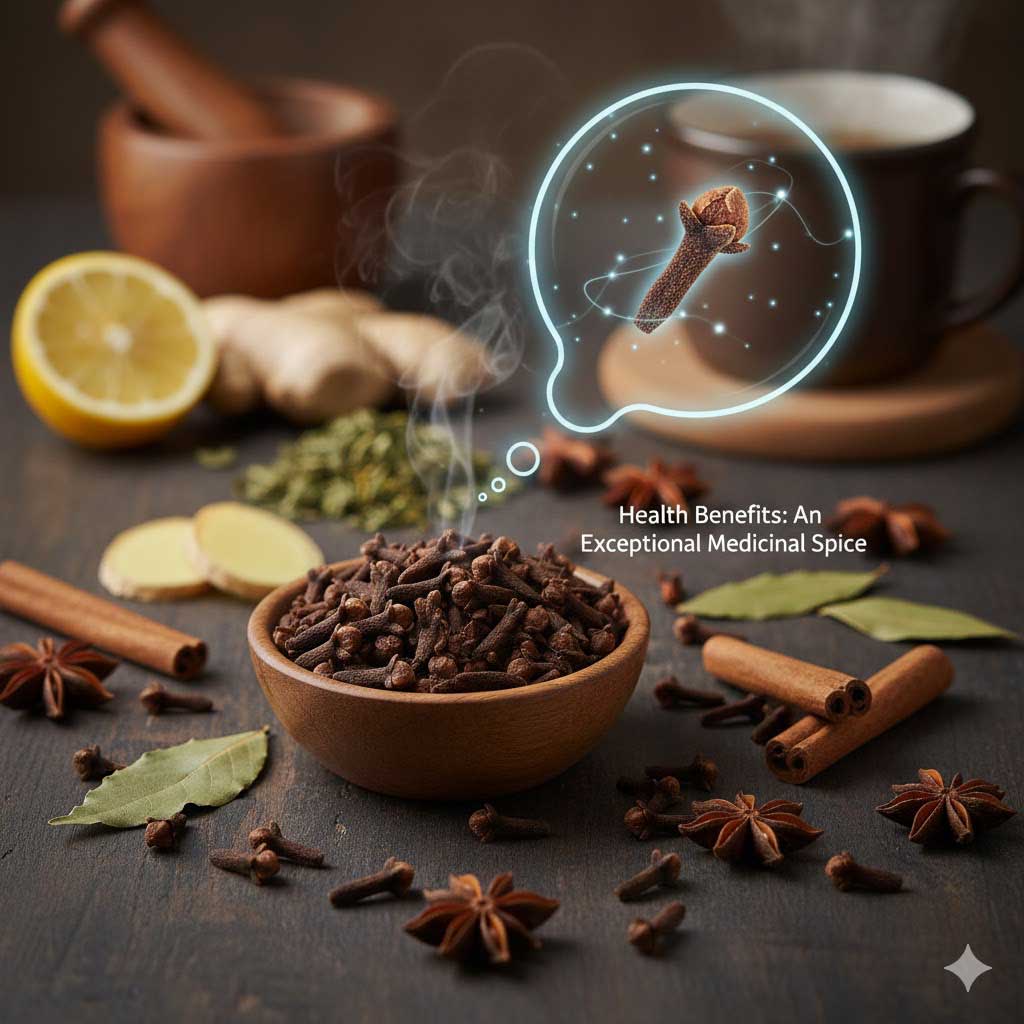
    Health Benefits: An Exceptional Medicinal Spice

    Cloves are not only valued for their aroma—they also have numerous recognized therapeutic virtues.

    aroma

    1. Powerful Antiseptic and Antibacterial

    Eugenol gives cloves remarkable antibacterial properties. Historically, they were used to preserve food and disinfect wounds.

    2. Relief for Toothaches

    Cloves are perhaps the most well-known natural remedy for dental pain. Eugenol acts as a mild anesthetic and disinfectant and is still used in modern dentistry.

    3. Anti-Inflammatory Properties

    Clove essential oil soothes inflammation, whether muscular, joint-related, or internal.

    4. Digestive Aid

    Cloves stimulate digestive enzymes, reduce bloating, and relieve nausea. A clove infusion is a traditional remedy for indigestion.

    5. Potent Antioxidant

    Rich in phenolic compounds, cloves help fight oxidative stress and cellular aging.

    6. Natural Tonic

    In some traditional medicines, cloves are used to stimulate circulation and energize the body.

    Caution: Clove essential oil is highly concentrated and should be used with care.

    Conclusion

    Cloves, born in the volcanic islands of Indonesia, have traveled across centuries and continents to become an indispensable spice. Their warm, powerful aroma, rich flavor, and numerous virtues make them a precious and timeless ingredient.

    Whether to flavor a stew, enhance a compote, prepare mulled wine, or soothe a toothache, this millennial spice has countless uses. A symbol of ancient trade, a witness to great explorations, and a treasure of nature, cloves continue to captivate today with their versatility and potency.

    See another article.

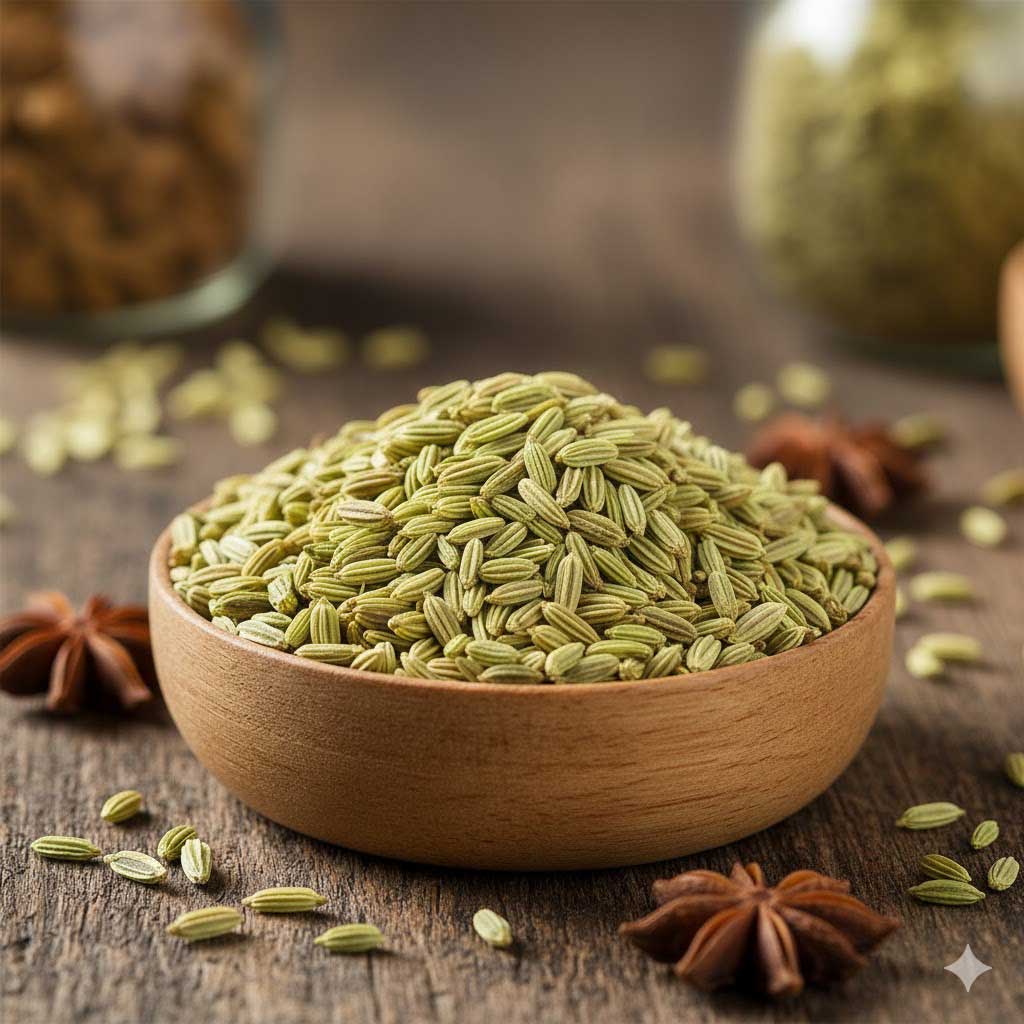
  • Fennel Seeds: A Sweet, Fragrant Spice with Ancient Virtues

    Among the world’s oldest and most versatile spices, fennel seeds hold a special place in global culinary traditions.

    sweet

    Harvested from the aromatic plant Foeniculum vulgare, they have been used since Antiquity for their anise-like fragrance, natural sweetness, and powerful digestive properties. Long regarded as a medicinal treasure, they have crossed civilizations, trade routes, and cultural traditions to become an essential ingredient in many cuisines around the world.

    From the sun-drenched Mediterranean basin—where they originated and thrive in dry, warm climates—to the fertile lands of India, where they are ubiquitous in curries, desserts, and Ayurvedic rituals, fennel seeds have established themselves as a truly universal spice. Their delicate aroma—aniseed, sweet, and refreshing—makes them a condiment capable of elevating grilled fish, aromatic breads, soothing herbal infusions, and complex spice blends alike.

    Beyond their culinary appeal, fennel seeds are also valued for their health benefits: they aid digestion, soothe the respiratory system, and provide a rich source of antioxidants. For millennia, they have played an essential role in traditional medicinal practices.

    Geographical Origin: A Treasure Born in the Mediterranean Basin

    Fennel seeds come from common fennel (Foeniculum vulgare), a perennial plant in the Apiaceae family. Native to the Mediterranean region, fennel grows naturally in dry soils, along coastal areas, rocky hillsides, and sunny terrains across southern Europe.

    Its tolerance to heat, its preference for arid climates, and its distinctive aroma have contributed to its spread throughout the Mediterranean. Over the centuries, fennel has taken root in:

    • India and Pakistan, where it has become a major spice
    • China and Central Asia
    • North America, where it sometimes grows wild

    Today, the largest producers of fennel seeds include India, Egypt, and Turkey, although the spice remains central to the culinary traditions of southern Europe.

    A Millennia-Old History of Myths, Traditions, and Medicine

    Fennel seeds have a deeply rooted history in both Mediterranean and Asian traditions.

    In Antiquity

    In ancient Greece, fennel was associated with courage and strength: athletes consumed it to increase endurance. The seeds were also used to flavor food and to treat digestive disorders.

    For the Romans, fennel seeds were believed to sharpen eyesight and purify the breath. Soldiers chewed the seeds during long marches to reduce hunger and improve digestion.

    In the Middle Ages

    Fennel became common in monastic gardens. Seeds were harvested to prepare medicinal infusions believed to soothe colic, stomach discomfort, and respiratory issues.

    In India

    Fennel’s history took on even greater significance in India. Known as saunf, fennel seeds are central to Ayurvedic medicine. They are also traditionally served at the end of meals in Indian restaurants to freshen the breath and aid digestion.

    Flavors and Aromas: Sweet Aniseed Notes and Fresh Herbal Tones

    Fennel seeds are instantly recognizable for their aniseed, sweet, and refreshing aroma. Their aromatic richness comes primarily from anethole, a compound also found in anise and licorice.

    Their flavor offers:

    • warm, subtly sweet notes
    • a gentle anise fragrance, milder than green anise
    • a fresh, herbal undertone
    • a delicate hint of pepper

    When lightly toasted, fennel seeds release deeper caramelized notes and a more intense aroma.

    Unlike many spices, fennel seeds are naturally mild, allowing them to be used generously without overpowering other flavors.

    Culinary Uses: A Universal and Exceptionally Versatile Spice

    Fennel seeds are used in countless cuisines around the world. Their sweetness and aromatic softness make them suitable for both savory and sweet dishes.

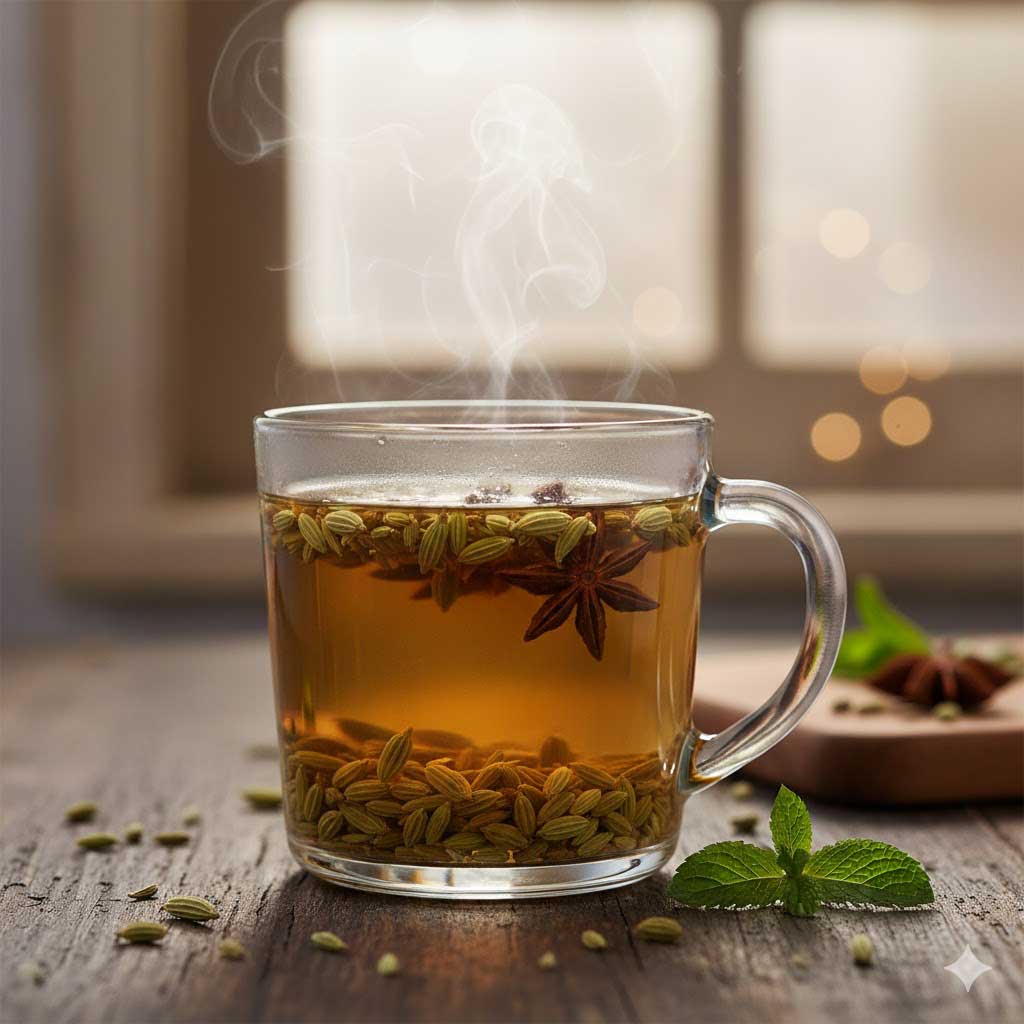
    In Infusions

    Highly appreciated for their digestive virtues, fennel seeds make a soothing, fragrant, and naturally sweet herbal tea.

    sweet

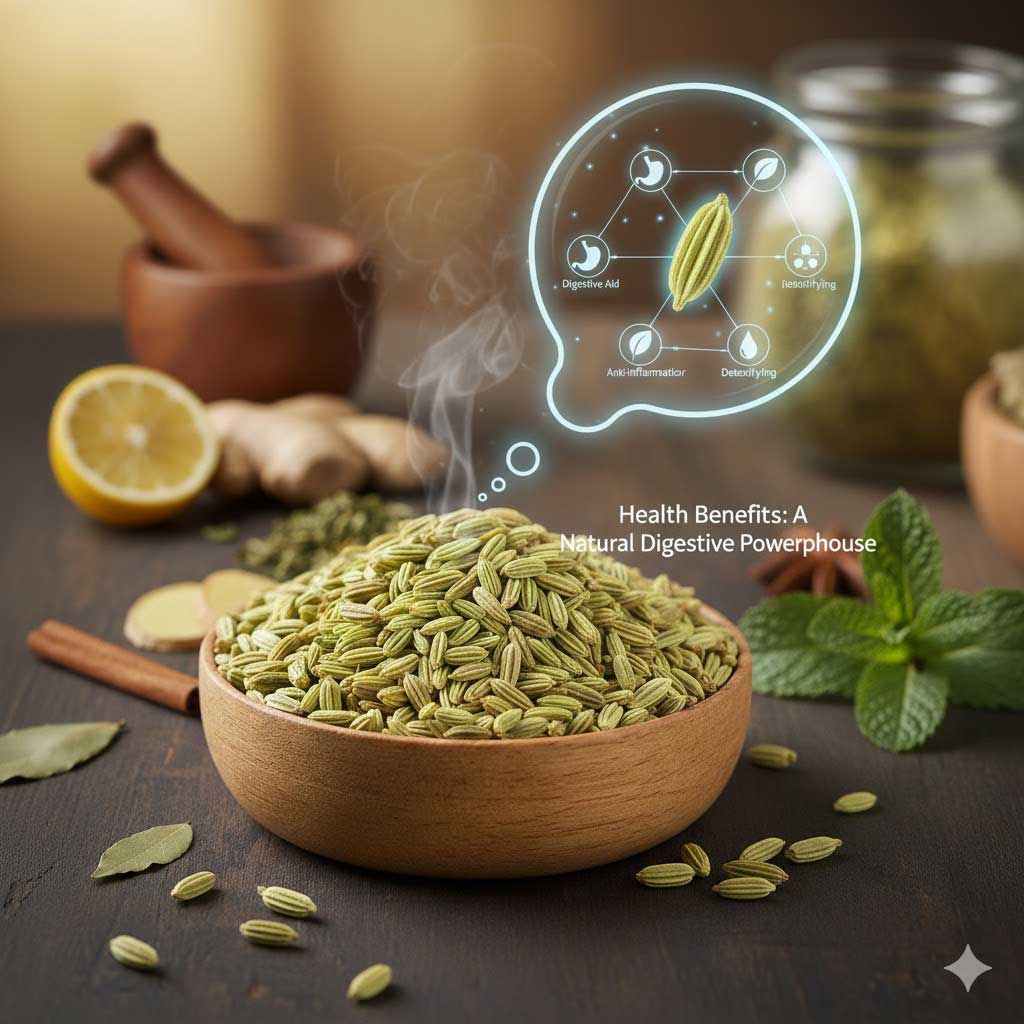
    Health Benefits: A Recognized Medicinal Spice

    Since Antiquity, fennel seeds have been regarded as a precious natural remedy—an excellent reputation backed by tradition.

    1. Improved Digestion

    sweet

    Fennel seeds:

    • reduce bloating
    • soothe intestinal cramps
    • stimulate digestive enzymes
    • decrease gas and fermentation

    This is why they are often consumed at the end of a meal.

    2. Anti-inflammatory and Antioxidant Properties

    Rich in phenolic compounds and anethole, fennel seeds help fight inflammation and cellular aging.

    3. Respiratory Benefits

    Traditionally used to loosen mucus and soothe coughs, fennel seeds are often included in respiratory herbal mixes.

    4. Gentle Hormonal Support (According to Traditional Practices)

    In herbal medicine, fennel seeds are believed to help:

    • regulate menstrual cycles
    • ease premenstrual discomfort
    • support lactation (with medical advice)

    5. Natural Breath Freshener

    They are commonly used as a natural mouth freshener, either in rinses or simply chewed after meals.

    Conclusion

    Fennel seeds are a truly exceptional spice: sweet, fragrant, digestive, and versatile. Born in the Mediterranean but embraced across the world, they offer a delicate aniseed aroma capable of enriching an Indian curry, a Mediterranean fish dish, rustic bread, or a relaxing herbal tea.

    With their millennia-old history, subtle flavors, and widely recognized benefits, fennel seeds fully deserve their place in both our kitchens and our herbal remedy collections—an essential spice that is as delicious as it is beneficial.

    See another article on fennel seeds and on cinnamon.

  • EXPLORING THE TASTE DIFFERENCES OF SPICES

    EXPLORING THE TASTE DIFFERENCES OF SPICES

    Spices have been cherished for centuries, not only for their ability to enhance dishes but also for their cultural and medicinal significance. From the fiery heat of chili peppers to the warm sweetness of cinnamon, each spice brings a unique sensory experience to the table. Understanding the flavor profiles of different spices can transform a meal from ordinary to extraordinary, allowing cooks to craft dishes with depth, balance, and harmony. This article delves into the taste differences between popular spices, offering insight into how they interact with other ingredients and influence culinary traditions worldwide.

    https://frogsaga.com/wp-admin/post.php?post=513&action=edit

    1. Chili Peppers: Heat and Complexity

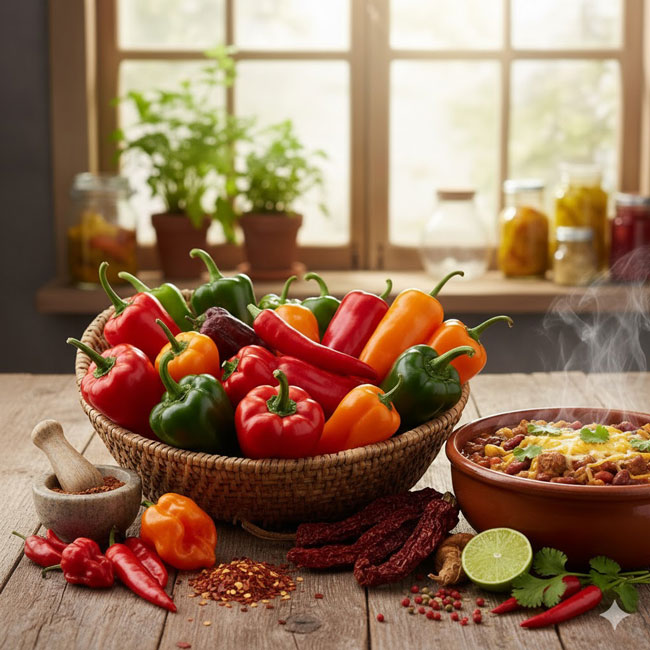
    Chili peppers are among the most distinctive spices due to their spiciness, derived from a compound called capsaicin. Capsaicin binds to receptors on the tongue and in the mouth that detect heat, producing a sensation often described as burning. Interestingly, the heat does not equate to taste in the traditional sense; instead, it triggers pain receptors that create the perception of spiciness. Beyond the heat, different varieties of chili peppers offer subtle flavor differences. For example, a jalapeño has a fresh, slightly grassy note, while a smoked chipotle adds a deep, earthy smokiness. The Scoville scale measures the intensity of chili peppers, allowing chefs to calibrate the level of heat in a dish carefully.

    2. Black Pepper: Sharp and Pungent

    Black pepper is one of the most universally used spices and provides a sharp, pungent flavor that can enhance almost any savory dish. The compound piperine gives black pepper its characteristic bite. Unlike chili peppers, black pepper’s heat is less intense and more aromatic, complementing flavors rather than overwhelming them. Ground black pepper adds warmth and complexity to soups, meats, and sauces, while whole peppercorns can infuse oils and broths with a subtle peppery undertone.

    3. Cinnamon: Sweet Warmth

    Cinnamon is renowned for its sweet and warm flavor profile. Derived from the inner bark of trees in the Cinnamomum genus, it contains cinnamaldehyde, which contributes to its distinctive aroma and taste. Cinnamon is versatile, enhancing both sweet and savory dishes. In desserts, it imparts a comforting sweetness reminiscent of baked goods, while in savory cuisines, particularly in Middle Eastern and Indian dishes, it adds depth and a gentle warmth that balances spices like cumin and cardamom.

    4. Nutmeg: Earthy and Nutty

    Nutmeg offers a warm, earthy flavor with subtle sweet undertones. It is slightly more complex than cinnamon, combining nutty, woody, and spicy notes. The spice comes from the seed of the Myristica fragrans tree and is often used in small amounts because of its potency. Nutmeg enhances creamy dishes, desserts like custards, and even beverages such as eggnog. In savory applications, it can enrich sauces, soups, and meat dishes, providing a nuanced depth that other spices cannot replicate.

    5. Cloves: Intense and Aromatic

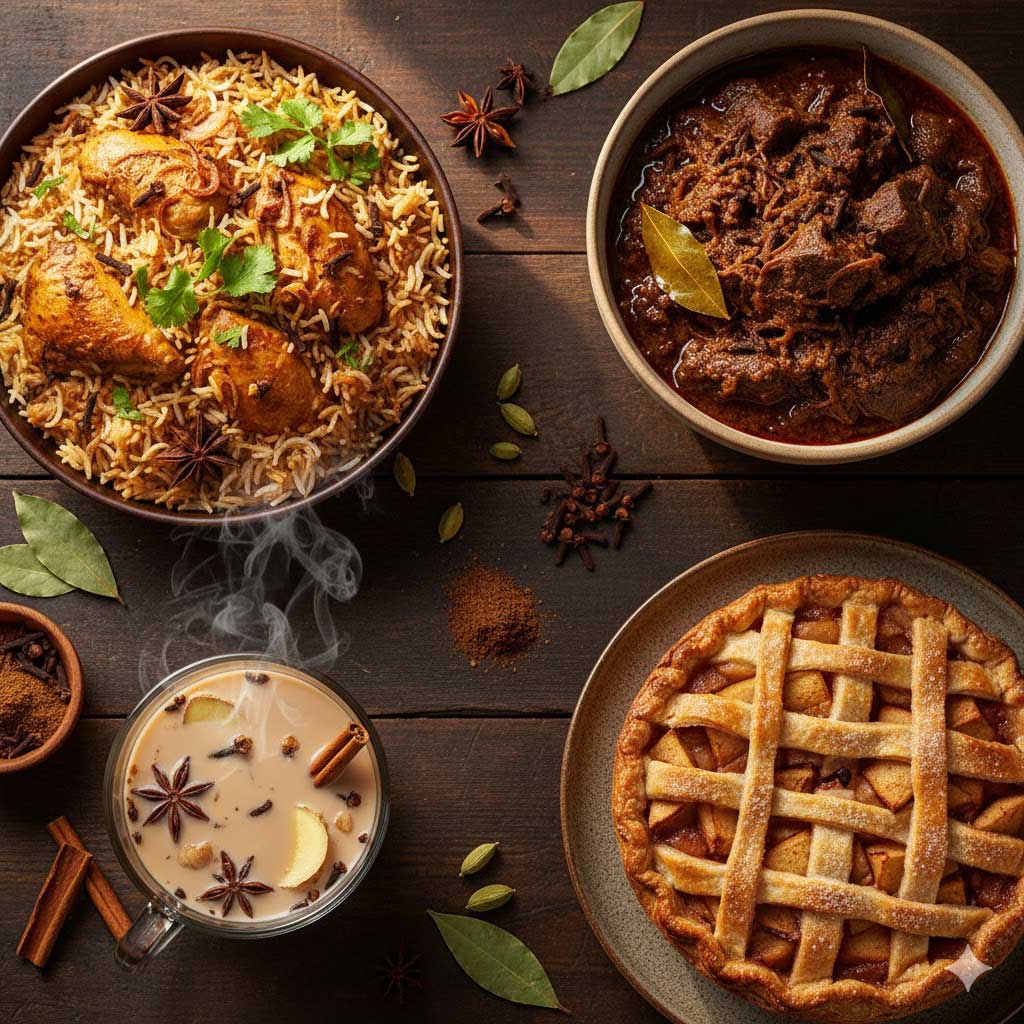
    Cloves have a strong, almost medicinal aroma and taste. They are highly aromatic due to the presence of eugenol, which gives them their distinctive pungency. Cloves are potent and should be used sparingly; a little goes a long way. Their flavor is warm, sweet, and slightly bitter, making them ideal for spiced beverages, baked goods, and slow-cooked savory dishes like stews and curries. Cloves pair well with cinnamon, nutmeg, and ginger, creating complex spice blends used in various global cuisines.

    6. Cumin: Earthy and Warm

    Cumin offers a rich, earthy flavor with subtle bitterness and warm undertones. Commonly used in Indian, Middle Eastern, and Latin American cuisines, cumin seeds can be used whole or ground. Toasting cumin enhances its aroma and brings out a nutty, slightly smoky flavor. Its taste is foundational in spice blends like garam masala, taco seasoning, and curry powders. Cumin’s versatility allows it to complement both vegetables and meats, contributing a grounding warmth that balances more assertive spices.

    7. Coriander: Citrusy and Sweet

    Coriander seeds have a mild, citrusy flavor with a hint of sweetness. When ground, they release essential oils that create a subtle warmth and aromatic quality. Coriander is often paired with cumin to create balanced spice profiles in Indian, Middle Eastern, and Latin American dishes. Fresh coriander leaves (cilantro) have a distinctly different taste, often described as bright and zesty, highlighting the versatility of this plant across cuisines. Coriander seeds can enhance curries, pickles, marinades, and baked goods.

    8. Ginger: Zesty and Pungent

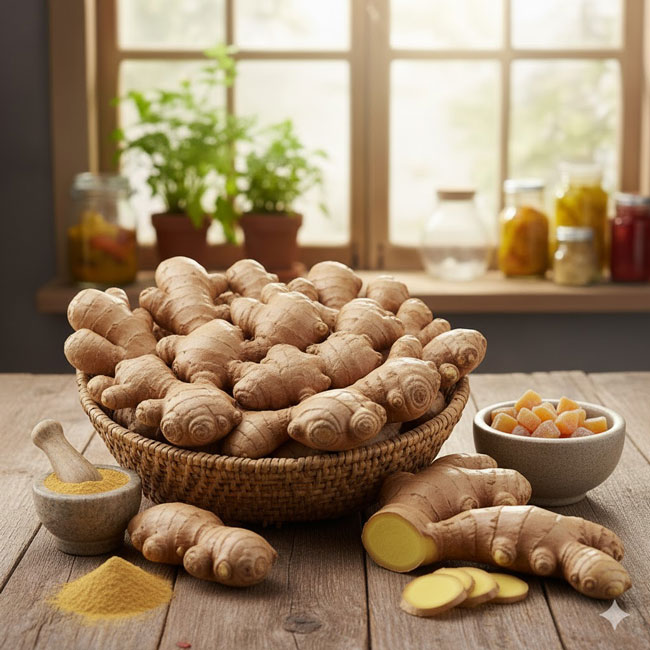
    Ginger is known for its sharp, zesty flavor with a warm, spicy undertone. Fresh ginger has a more vibrant, citrusy zing, while dried ginger offers a sweeter, earthier profile. The compounds gingerol and shogaol are responsible for its pungency and aromatic properties. Ginger is widely used in Asian cooking, desserts, beverages, and even health remedies. Its taste can simultaneously brighten a dish and add a warming sensation, making it a multifaceted spice.

    9. Turmeric: Earthy and Bitter

    Turmeric has a warm, earthy, and slightly bitter flavor. It is often used more for its vibrant yellow color than its taste, though it does contribute subtle depth to dishes. Curcumin, the active compound in turmeric, gives it its characteristic bitter note and earthy aroma. Common in Indian, Middle Eastern, and Southeast Asian cuisines, turmeric is often paired with other spices like cumin and coriander to create layered, balanced flavors in curries, rice dishes, and stews.

    Conclusion

    Spices are more than just seasonings; they are flavor architects that shape the sensory experience of food. Understanding the taste differences between spices—from the fiery heat of chili peppers to the sweet warmth of cinnamon, the earthy depth of cumin, and the floral notes of cardamom—allows cooks to craft dishes with intentionality and finesse. By experimenting with combinations and adjusting proportions, one can unlock the full potential of spices, creating meals that are not only flavorful but also culturally rich and deeply satisfying.

    https://spicesinc.com/blogs/flavor-characteristics-spices?srsltid=AfmBOor6yWRmxxYPmw_ipI9zl5LUVkGuwJNNW45bgDPD4QGgB0MLRqs_

  • Cardamom: A Storied Spice and Its Iconic Pastry

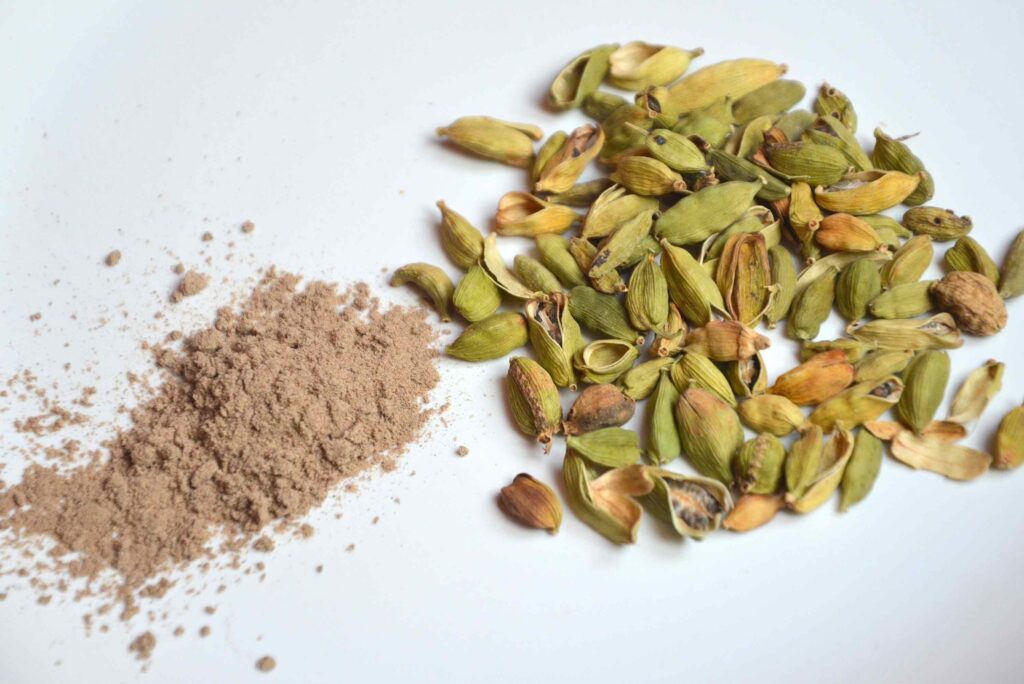
    Fresh green cardamom pods used as a spice in cooking and baking.

    Cardamom (also know for its buns), the “queen of spices,” is as ancient and revered as cinnamon, with a fragrance and flavor that is at once citrusy, herbal, and warmly pungent. Used in kitchens, rituals, and medicines from India to Scandinavia, cardamom’s journey through history mirrors evolving tastes and interconnected cultures.

    Origins and Global Spread

    Cardamom is native to the lush forests of southern India, especially in the Western Ghats and the Cardamom Hills of Kerala. For over 4,000 years, local tribes and village communities have harvested and traded cardamom, exchanging it for goods such as salt and textiles. The earliest written references appear in ancient Indian texts, including Sanskrit literature from the Vedic period, where it was called “Ela” and praised for its unique aroma and medicinal benefits.

    As centuries passed, cardamom’s reputation spread. Arab traders were pivotal, introducing it to Mesopotamia, Egypt, and Mediterranean civilizations through the port of Malabar. Evidence suggests Babylonian and Assyrian merchants used cardamom in spiritual ceremonies, while Greeks and Romans infused perfumes, culinary dishes, and medicines with cardamom to evoke luxury, prosperity, and health.

    During the Middle Ages, the spice was considered a luxury product, reaching European markets via Arab and Venetian merchants. In the 19th century, European colonial expansion fueled mass cultivation in India. More recently, cardamom was introduced to Guatemala, which is now one of the world’s leading producers, though India remains its spiritual and agricultural heartland.

    Botanical Properties and Cultural Relevance

    Cardamom belongs to the Zingiberaceae family, alongside ginger and turmeric. Its complex aroma is credited to its high concentration of essential oils and compounds like cineole and alpha-terpineol. There are two main types: true or green cardamom (Elettaria cardamomum), and black cardamom (Amomum subulatum). Green cardamom provides a sweet, floral, and slightly minty aroma, while black cardamom is smoky and more intense.

    Cardamom’s symbolic role is profound: in parts of India and the Middle East, chewing cardamom seeds is believed to freshen breath, purify the spirit, and attract good luck. The spice has also figured in religious rites, offerings to gods, and as protection for the home.


    Health, Tradition, and Economic Impact

    Close-up of whole green cardamom pods used in cardamom buns.

    ​Cardamom’s medicinal use is nearly as old as its culinary appeal. Ancient Ayurvedic, Greek, and Roman physicians prescribed it for digestive health, respiratory relief, and as a general restorative. Modern studies confirm cardamom’s antioxidant, anti-inflammatory, and antimicrobial effects. In traditional and modern cuisine, it is used to aid digestion and balance rich diets.

    The economic impact of cardamom has been considerable, influencing trade routes and local economies for thousands of years. The introduction of cardamom plantations in Guatemala transformed the local agricultural landscape and positioned the country as a global exporter in just over a century. Today, India, Guatemala, Sri Lanka, and Tanzania are leading producers, with the spice remaining highly valued for culinary, medicinal, and cosmetic purposes.

    Cardamom in Diverse Cuisines

    Cardamom gives its distinctive flavor to countless global dishes—from India’s chai masala, biryani, and kulfi, to Middle Eastern and Turkish coffee, North African spice blends, and Nordic baked goods. In Cambodia, cardamom is called “kravannh” and is a key ingredient in local soups and curries. Scandinavia, in particular, embraces cardamom for festive breads and everyday pastries, making it an essential part of their “fika” coffee-break culture.

    Swedish Cardamom Buns: Kardemummabullar

    Freshly baked kardemummabullar sprinkled with sugar

    Swedish cardamom buns—kardemummabullar—are a fixture in Nordic baking, served from weekend breakfasts to special holidays. They showcase cardamom’s ability to transform a simple dough into an unforgettable pastry.

    Ingredients

    Dough:

    • 500ml milk
    • 1100g all-purpose flour
    • 200g sugar
    • 200g unsalted butter (room temperature)
    • 23g ground cardamom
    • 70g fresh yeast (or 23g dry yeast)
    • 15g salt

    Filling:

    • 300g unsalted, softened butter
    • 250g sugar
    • 3g vanilla sugar
    • 3g salt (optional)

    Cardamom Sugar for Sprinkle:

    • 100g sugar
    • 40g ground cardamom

    Step-by-Step Preparation

    1. Mix Dough:
      Warm the milk gently; combine with yeast until foamy. Stir in sugar, butter, ground cardamom, and salt. Add flour gradually, kneading for 10 minutes to a soft, elastic dough. Let it rise in a covered bowl for an hour.
    2. Prepare Filling:
      Cream together the butter, sugar, vanilla, and optional salt. Keep at room temperature.
    3. Shape Buns:
      Roll out the dough to a large rectangle. Spread filling generously. Fold dough in thirds and cut into strips. Twist each strip and shape into knots or spirals.
    4. Second Rise:
      Arrange on baking trays, cover, and let rise again for about 45 minutes.
    5. Bake:
      Brush with milk or egg wash; sprinkle with cardamom sugar. Bake at 200°C (390°F) for 12–15 minutes until golden and fragrant.
    6. Serve:
      Cool slightly before eating. These buns are best fresh, but they freeze well for later enjoyment.


    Variations and Serving Suggestions

    Swedish cardamom buns are highly customizable. Some bakers add toasted nuts, orange zest, or almond paste to the filling. For festive occasions, drizzle with icing or dust with extra cardamom sugar. Serve warm with coffee or tea, or pair with fresh berries for a summer treat.

    Cardamom: A Symbol of Global Tradition

    Cardamom’s journey from the forests of India to the tables of the world is a testament to its unique appeal and adaptability. Its continued use in rituals, health remedies, and culinary traditions paints a picture of a spice steeped in legend and beloved in kitchens everywhere—from the grand feasts of Babylon to the cozy households of Scandinavia. Baking Swedish cardamom buns offers a sensory and historical bridge to distant places and times, celebrating the best of global spice culture.

  • Tonka Bean: The Ultimate Chef’s Ingredient for Flavor Innovation

    In the world of fine dining, few ingredients evoke as much curiosity and admiration as the tonka bean. With its intoxicating aroma and complex flavor profile, this exotic seed has become a favorite among pastry chefs, mixologists, and adventurous home cooks. Still considered a rare and luxurious ingredient, it continues to grow in popularity thanks to its ability to transform both sweet and savory dishes with only a small amount.

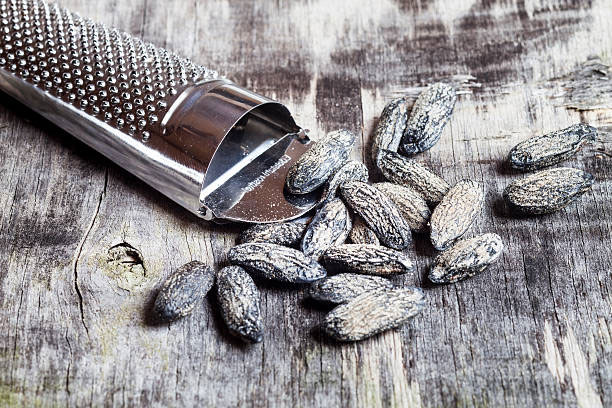
    Tonka beans on a wooden table

    Origin and Story of the Tonka Bean

    From the Heart of the Amazon

    Tonka beans are the seeds of the Dipteryx odorata tree, native to the tropical rainforests of South America, particularly Venezuela, Brazil, and Guyana. The trees produce elongated black seeds that must be dried and cured before use. This process develops the signature fragrance of this aromatic bean, often described as a blend of vanilla, almond, caramel, cocoa, and warm spice.

    A Tradition Passed Through Generations

    The harvesting of the tonka bean has deep cultural significance in South American communities. After being collected, the seeds dry for several months and undergo natural crystallization. During this time, white crystals of coumarin form on the surface, giving the seed its unmistakable scent. Traditionally, this fragrant ingredient was used in rituals, perfumes, and herbal remedies long before becoming a culinary treasure.

    A Rising Star in Gastronomy

    Although this ingredient was once used mainly in perfumery, it is now celebrated in fine dining around the world. Michelin-starred chefs and renowned chocolatiers helped introduce it to modern cuisine, praising its complexity and its ability to elevate desserts and sauces. Today, this refined spice is valued as a powerful tool for flavor innovation.

    How to Use Tonka Beans

    Storage and Handling

    Tonka beans are extremely aromatic, so a little goes a long way. To preserve them, store them in an airtight container away from light and humidity. When properly stored, they can remain fragrant for years.

    How to Prepare the Bean

    The seed is typically used by grating it very finely, much like nutmeg. A microplane works best to release its oils and fragrance. Because this aromatic treasure is highly potent, even a quarter teaspoon can flavor an entire dessert. Using more than needed may overwhelm a recipe.

    Substitutions

    This South American seed is sometimes compared to vanilla thanks to its sweet aroma, but its flavor is much more complex. Vanilla extract or vanilla bean can replace it, though the final result will lack the almond caramel depth that makes Tonka so unique.

    Health and Safety Considerations

    Natural Compounds and Tradition

    Tonka beans contain coumarin, a natural compound also found in cinnamon, lavender, and certain grasses. In the tiny amounts used in cooking, this fragrant seed is safe and widely appreciated in many countries. Its traditional use spans centuries, particularly in South America and Europe.

    Myths and Reality

    The tonka bean has acquired a sense of mystery because of coumarin, yet the culinary reality is simple. Cooking requires extremely small quantities, far below any concerning level. Chefs grate only a pinch into a dish, which is perfectly acceptable and comparable to strong spices such as nutmeg.

    Culinary Applications

    Sweet Creations

    This fragrant seed is especially beloved in pastry. Its warm and sweet aroma pairs beautifully with cream, chocolate, berries, nuts, and tropical fruits. It is commonly added to custards, crème brûlée, ganache, chocolate truffles, ice creams and gelato, cakes and pound cakes, fruit compotes, and poached pears. Its aromatic depth can turn a simple cream or chocolate dessert into an unforgettable creation.

    Delicious cake flavored with tonka bean

    Savory Dishes

    Although better known for its use in sweets, this aromatic South American seed can enhance certain savory preparations. Even a small amount enriches creamy sauces for poultry or pork, pumpkin or sweet potato soups, foie gras or pâté, and earthy risottos. In savory dishes, it adds gentle warmth that complements rich or creamy ingredients.

    Drinks and Mixology

    In mixology, the complex aroma of this exotic seed shines brightly. Bartenders grate it over espresso martinis, rum-based cocktails, bourbon drinks, warm winter beverages, and homemade syrups or bitters. Infused into milk, cream, or simple syrup, it enhances lattes, hot chocolate, and chai.

    DIY Tonka Blends

    This refined spice pairs wonderfully with cinnamon, cardamom, nutmeg, and cocoa. It can be added to chai spice mixes, hot chocolate powders, dessert rubs, and aromatic sugar blends used to dust pastries. Even a small amount of this ingredient transforms everyday recipes into gourmet experiences.

    Ground tonka bean powder in a bowl

    The tonka bean is one of the most captivating spices in modern gastronomy. Its blend of vanilla sweetness, nutty richness, and warm spice makes it an extraordinary ingredient capable of elevating both traditional and contemporary dishes. From desserts to cocktails, this multifaceted seed brings elegance and creativity to the kitchen. For chefs and home cooks wishing to expand their flavor horizons, it remains a true treasure that can turn simple recipes into unforgettable culinary experiences.

  • Cinnamon: History, Health Benefits, and Culinary Inspirations

    Cinnamon sticks on a kitchen table, showcasing the spice's rich aroma, flavor, and natural health benefits for cooking and wellness.

    Cinnamon is one of the most beloved and versatile spices in the world. Its warm, sweet aroma and slightly woody flavor have made it a staple in both sweet and savory dishes for thousands of years. Beyond its delightful taste, cinnamon has a rich history, notable health benefits, and countless culinary applications, making it an essential ingredient in any kitchen.Many studies and traditional practices highlight the health benefits of cinnamon, showing how this spice can contribute to overall wellness.

    The Origins of Cinnamon

    Cinnamon’s journey began thousands of years ago in Sri Lanka, historically known as Ceylon, and parts of southern India. The spice is harvested from the inner bark of trees from the genus Cinnamomum, primarily Cinnamomum verum, often called “true cinnamon”. The bark is carefully peeled, dried, and rolled into quills or ground into powder, ready to be used in kitchens around the world.

    In ancient times, cinnamon was considered more valuable than gold. Its aroma and medicinal properties made it highly sought after by civilizations such as the Egyptians, who used it in embalming and religious rituals. The Romans prized it for its flavor and believed it had aphrodisiac qualities. During the Middle Ages, cinnamon became a symbol of wealth and prestige in Europe, fueling trade routes that connected Asia to the Western world.

    Even today, chefs and health enthusiasts value cinnamon not only for taste but also for its health benefits.

    Health and Wellness Benefits

    Cinnamon is not just a culinary delight; it also boasts several health benefits. For centuries, traditional medicine systems have recognized cinnamon for its therapeutic potential, and modern science is beginning to validate many of these claims.

    Digestion and Antioxidants

    Cinnamon is known to aid digestion and offer health benefits, thanks to its natural compounds that help soothe the digestive tract and reduce bloating. Its anti-inflammatory properties can also relieve minor stomach discomfort. Moreover, cinnamon is rich in antioxidants, particularly polyphenols, which help combat oxidative stress in the body. These antioxidants can contribute to overall well-being and may reduce the risk of chronic diseases.

    Blood Sugar Regulation

    One of the most celebrated health benefits of cinnamon is its ability to help regulate blood sugar levels. Studies have shown that cinnamon may improve insulin sensitivity and lower fasting blood glucose levels, making it a useful addition for people managing type 2 diabetes. While it is not a substitute for medical treatment, incorporating cinnamon into meals can be a simple and tasty method to help maintain healthy blood sugar levels.

    Myths and Realities

    Cinnamon is sometimes associated with weight loss, with claims suggesting that it can “burn fat” or accelerate metabolism. While cinnamon can enhance the flavor of food and may help regulate blood sugar, it is not a magic solution for weight loss. Its true value lies in its flavor, aroma, and health benefits, which complement a balanced diet and healthy lifestyle.

    Daily Health Routine

    Incorporating cinnamon into your daily routine is an easy way to enjoy its health benefits. Sprinkling a pinch into your morning porridge, oatmeal, or smoothie adds flavor and potential health benefits. Adding it to teas, coffee, or warm milk can also create a comforting, wellness-promoting drink. Even a small amount of cinnamon daily can contribute to your overall health in a tasty way.

    Culinary Uses: Sweet and Savory

    Cinnamon is remarkably versatile in the kitchen. Its warm, slightly spicy flavor complements both sweet and savory dishes, and it can transform simple recipes into aromatic delights. Using cinnamon in your meals not only adds taste but also reinforces its health benefits.

    Sweet Recipes

    Cinnamon is a classic ingredient in countless desserts. From cookies and muffins to apple pies, its aroma enhances the flavor of baked goods. A simple sprinkle of cinnamon on pancakes or French toast adds instant warmth and sweetness. Many cultures around the world also incorporate cinnamon into desserts like rice pudding, baklava, or cinnamon rolls, showcasing its universal appeal.

    Fresh cinnamon rolls in a baking dish

    Savory Dishes

    While cinnamon is often associated with sweets, it also shines in savory cooking. Middle Eastern and North African cuisines frequently use cinnamon in meat stews, tagines, and curries, adding depth and complexity. A pinch of cinnamon in a tomato-based sauce, roasted vegetables, or chili can elevate the dish, creating subtle warmth without overpowering the other flavors.

    Beverages

    Cinnamon is equally at home in beverages. From cinnamon lattes and hot chocolate to spiced teas and mulled wine, it adds a comforting and aromatic touch. Infusing warm drinks with cinnamon sticks or ground cinnamon creates a cozy experience, perfect for chilly mornings or evenings.

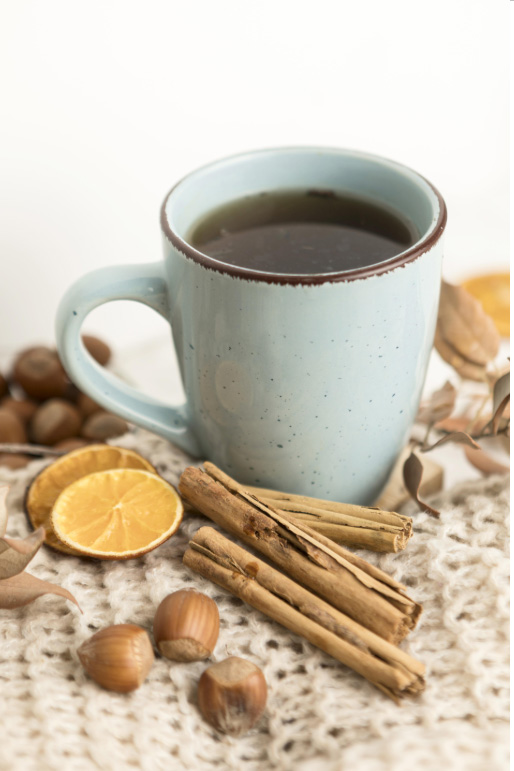
    A cup of cinnamon tea surrounded by cinnamon sticks

    DIY Cinnamon Creations

    For those who love experimenting, cinnamon can be incorporated into DIY creations. Making cinnamon sugar at home is easy: combine ground cinnamon with granulated sugar to create a versatile topping for pancakes, coffee, or toast. Cinnamon-infused syrups, honey, or butter can also be used to add a fragrant touch to everyday dishes.

    1.      Tips for Using Cinnamon

    To get the most from cinnamon, it’s important to use it wisely:

    1. Choose the right type: True cinnamon (Ceylon) is preferred for its delicate flavor and lower coumarin content, while cassia cinnamon is more common and has a stronger, spicier taste.
    2. Store properly: Keep cinnamon sticks or powder in an airtight container, away from heat and light, to preserve its aroma and potency.
    3. Use moderately: Cinnamon is flavorful, so a little goes a long way in both sweet and savory dishes.

    Cinnamon is far more than just a spice; it is a symbol of history, culture, health, and culinary creativity. From its origins in Sri Lanka and ancient trade routes to its modern use in kitchens around the world, cinnamon has captured hearts and palates for centuries. With its digestive and antioxidant benefits, potential support for blood sugar regulation, and limitless culinary applications, cinnamon remains a beloved staple. Whether sprinkled in a morning porridge, baked into a dessert, or added to a savory stew, cinnamon brings warmth, flavor, and wellness into everyday life.

  • Fire’s Journey: The Epic Tale of Chili

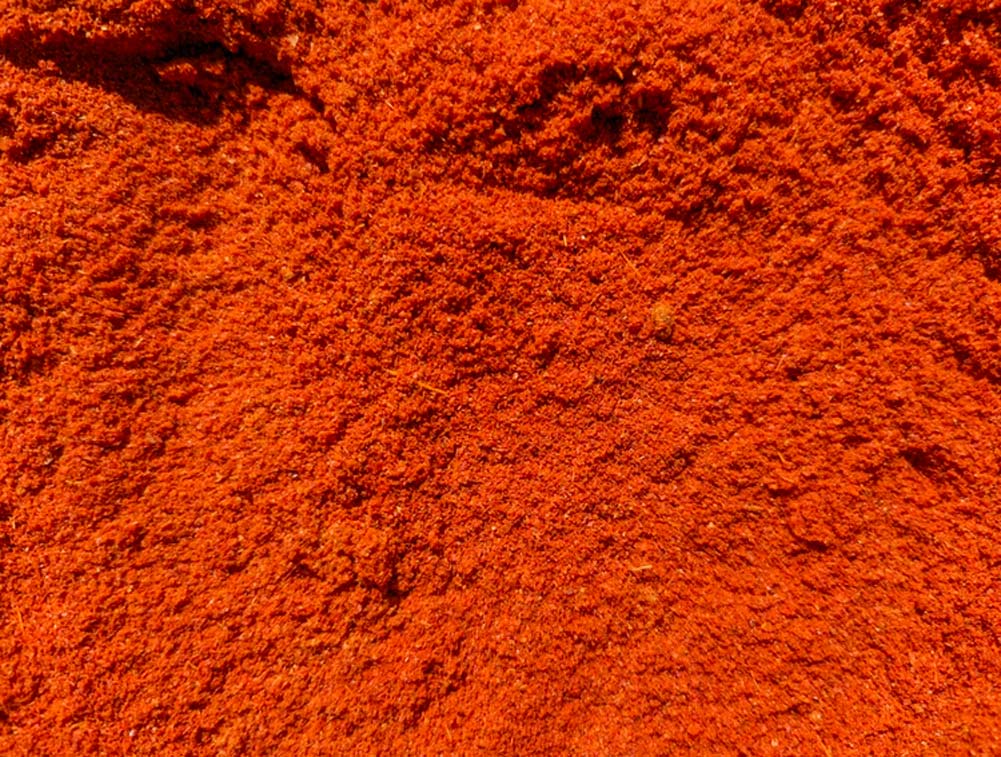
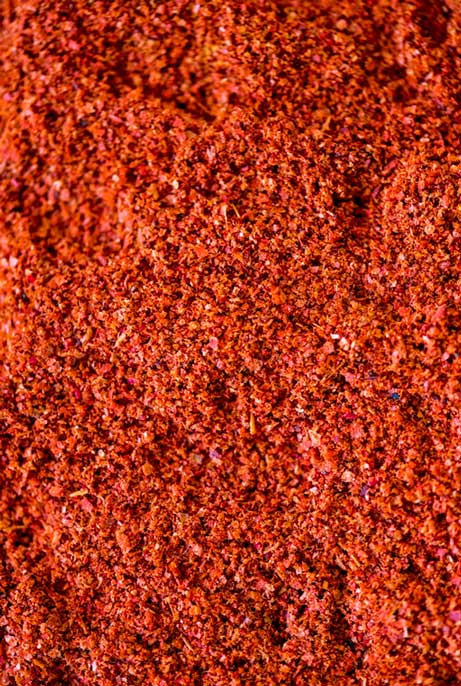
    Chili powder
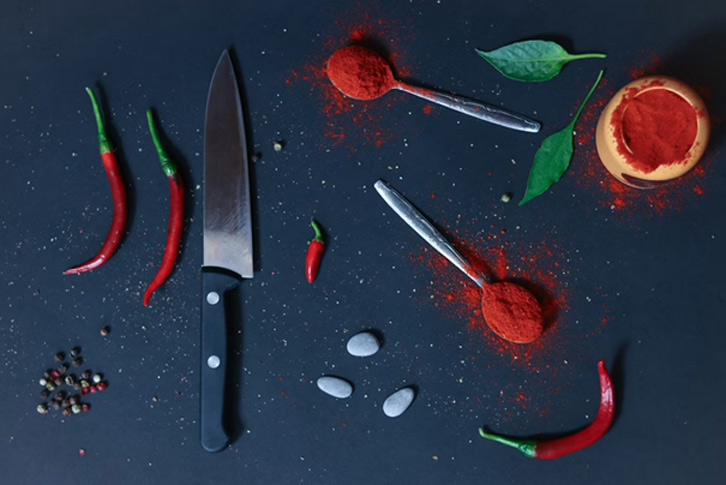
    Chili powder kitchen