Every culture has its own signature spice blends—carefully crafted combinations that embody regional history, geography, and identity. Spice blends are more than recipes; they are cultural expressions that tell stories of migration, trade, adaptation, and creativity. Exploring these blends is a journey through global flavor, one that connects cooks to centuries of tradition and the evolution of culinary landscapes. A single blend can reveal what ingredients were available, what foods were valued, and how communities shaped their cuisine over generations.
Garam Masala (India)
Garam masala is one of India’s most iconic spice blends. Typically made with cumin, coriander, cardamom, cinnamon, cloves, and black pepper, it delivers warmth rather than heat. Each region—and sometimes each family—has its own version. Some add nutmeg for sweetness, others include bay leaves or fennel for complexity.
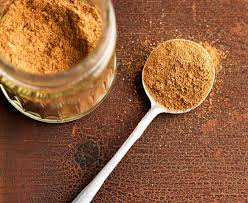
Used at the end of cooking, garam masala enhances curries, lentils, and vegetables with aromatic depth. It’s often sprinkled just before serving to preserve its delicate fragrance. The blend reflects India’s diverse climates and culinary traditions, from the richer, heavier garam masalas of the north to the lighter, more citrusy blends of the south. In many homes, preparing a personal garam masala recipe is an act of heritage, passed down like a family heirloom.
Ras el Hanout (Morocco and North Africa)
Ras el hanout translates to “top of the shop,” meaning it represents the best spice blends a seller has to offer. It often includes up to 20 or more spices: cinnamon, cumin, coriander, ginger, turmeric, cardamom, nutmeg, mace, and more. Its layered warmth defines Moroccan tagines, couscous, and roasted meats.
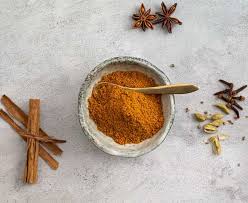
Each blend is unique, reflecting the creativity of the spice merchant. Some versions include rare ingredients like grains of paradise or dried rosebuds, adding floral or peppery notes. Ras el hanout embodies the richness of North African trade history—where caravans once brought spices across the Sahara—and has become a symbol of Moroccan hospitality and craftsmanship.
Chinese Five Spice (China)
Chinese five spice blends sweet, sour, bitter, salty, and umami flavors in a single mix. Typically made from star anise, cloves, Sichuan peppercorn, fennel seeds, and cinnamon, it offers a balance of fragrance and intensity.
It’s used in marinades, braised dishes, and roasted meats, especially duck and pork. This blend captures the philosophy of harmony and balance that guides much of Chinese cuisine. The tingling sensation of Sichuan peppercorn adds a distinctive dimension, creating a flavor that is at once bold and refined. Five spice is also increasingly used in modern fusion cuisine—from cocktails to desserts—showing its versatility beyond traditional dishes.
Herbes de Provence (France)
Though not technically spices, Herbes de Provence is a famous aromatic herb blend that includes thyme, rosemary, savory, oregano, and sometimes lavender. Inspired by the sunny climate of southern France, it’s used in grilled meats, ratatouille, and vegetable dishes.
Its floral and earthy profile evokes the landscapes and traditions of Provence: lavender fields, stone villages, and outdoor markets. Though now widely sold around the world, traditional spice blends varied by season and availability. Today, Herbes de Provence has become a symbol of rustic, Mediterranean cooking and simple, ingredient-driven cuisine.
Baharat (Middle East)
Baharat, meaning “spices,” is a versatile Middle Eastern blend made with black pepper, coriander, cinnamon, cloves, cardamom, and nutmeg. Some versions include paprika or dried rose petals. Used in soups, rice, and meat dishes, baharat adds warmth and aromatic complexity.
Its variations reflect the diverse culinary traditions of the Levant, Turkey, and the Arabian Peninsula. Turkish baharat leans smoky and sweet, while Gulf versions may include more floral notes. Baharat is the backbone of many everyday dishes, adding fragrance without overwhelming the natural flavors of ingredients.
Cajun Seasoning (United States)
Cajun seasoning from Louisiana blends paprika, cayenne, garlic powder, onion powder, oregano, and black pepper. Influenced by French, African, and Caribbean cuisines, it provides bold flavor and heat. It’s essential for blackened fish, jambalaya, and grilled meats.
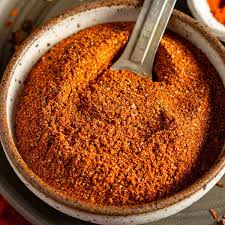
This blend represents the melting pot of cultures that shaped American Southern cuisine. Its assertive, lively character reflects the region’s vibrant culinary identity—one defined by adaptability, improvisation, and a deep connection to community. Cajun seasoning is now used far beyond Louisiana, becoming a staple for grilling and comfort food around the world.
Za’atar (Middle East)
Za’atar is an ancient blend combining dried thyme, sesame seeds, sumac, and salt. Its tangy, nutty profile makes it ideal for sprinkling on flatbreads, dips, vegetables, and roasted meats. Sumac adds brightness, balancing the earthy herbs.
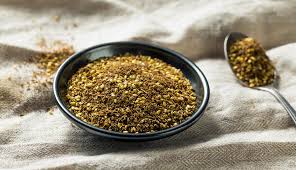
Za’atar is both a seasoning and a cultural staple, shared across Lebanon, Syria, Jordan, and Israel. It’s commonly eaten for breakfast—mixed with olive oil and spread on warm bread. Beyond its taste, za’atar holds symbolic meaning: it represents home, hospitality, and the continuity of culinary tradition across generations.
The Power of Blending
Spice blends showcase the artistry of cooking. They simplify complex flavor-building while preserving tradition. Whether used in elaborate feasts or simple home meals, spice blends carry stories of heritage and identity.
Exploring global spice blends encourages curiosity, connection, and appreciation for the diversity of food cultures. In every pinch of seasoning, there is history, terroir, and the creativity of countless generations. To taste a spice blend is to taste a place—its climate, its trade routes, its people, and its spirit.

Leave a Reply