Author: Renaud Guerin

  • 7 Spice Blends Around the World: A Culinary Map of Global Flavor

    Every culture has its own signature spice blends—carefully crafted combinations that embody regional history, geography, and identity. Spice blends are more than recipes; they are cultural expressions that tell stories of migration, trade, adaptation, and creativity. Exploring these blends is a journey through global flavor, one that connects cooks to centuries of tradition and the evolution of culinary landscapes. A single blend can reveal what ingredients were available, what foods were valued, and how communities shaped their cuisine over generations.

    Garam Masala (India)

    Garam masala is one of India’s most iconic spice blends. Typically made with cumin, coriander, cardamom, cinnamon, cloves, and black pepper, it delivers warmth rather than heat. Each region—and sometimes each family—has its own version. Some add nutmeg for sweetness, others include bay leaves or fennel for complexity.
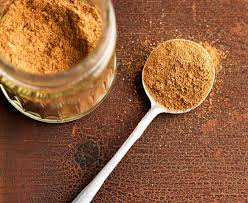
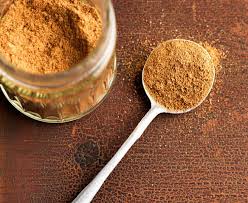
    Garam masala: fragrant Indian spice blends with cumin, coriander, cardamom, cinnamon, cloves, and black pepper.

    Used at the end of cooking, garam masala enhances curries, lentils, and vegetables with aromatic depth. It’s often sprinkled just before serving to preserve its delicate fragrance. The blend reflects India’s diverse climates and culinary traditions, from the richer, heavier garam masalas of the north to the lighter, more citrusy blends of the south. In many homes, preparing a personal garam masala recipe is an act of heritage, passed down like a family heirloom.

    Ras el Hanout (Morocco and North Africa)

    Ras el hanout translates to “top of the shop,” meaning it represents the best spice blends a seller has to offer. It often includes up to 20 or more spices: cinnamon, cumin, coriander, ginger, turmeric, cardamom, nutmeg, mace, and more. Its layered warmth defines Moroccan tagines, couscous, and roasted meats.
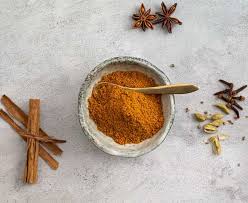
    Each blend is unique, reflecting the creativity of the spice merchant. Some versions include rare ingredients like grains of paradise or dried rosebuds, adding floral or peppery notes. Ras el hanout embodies the richness of North African trade history—where caravans once brought spices across the Sahara—and has become a symbol of Moroccan hospitality and craftsmanship.

    Chinese Five Spice (China)

    Chinese five spice blends sweet, sour, bitter, salty, and umami flavors in a single mix. Typically made from star anise, cloves, Sichuan peppercorn, fennel seeds, and cinnamon, it offers a balance of fragrance and intensity.

    It’s used in marinades, braised dishes, and roasted meats, especially duck and pork. This blend captures the philosophy of harmony and balance that guides much of Chinese cuisine. The tingling sensation of Sichuan peppercorn adds a distinctive dimension, creating a flavor that is at once bold and refined. Five spice is also increasingly used in modern fusion cuisine—from cocktails to desserts—showing its versatility beyond traditional dishes.

    Herbes de Provence (France)

    Though not technically spices, Herbes de Provence is a famous aromatic herb blend that includes thyme, rosemary, savory, oregano, and sometimes lavender. Inspired by the sunny climate of southern France, it’s used in grilled meats, ratatouille, and vegetable dishes.

    Its floral and earthy profile evokes the landscapes and traditions of Provence: lavender fields, stone villages, and outdoor markets. Though now widely sold around the world, traditional spice blends varied by season and availability. Today, Herbes de Provence has become a symbol of rustic, Mediterranean cooking and simple, ingredient-driven cuisine.

    Baharat (Middle East)

    Baharat, meaning “spices,” is a versatile Middle Eastern blend made with black pepper, coriander, cinnamon, cloves, cardamom, and nutmeg. Some versions include paprika or dried rose petals. Used in soups, rice, and meat dishes, baharat adds warmth and aromatic complexity.

    Its variations reflect the diverse culinary traditions of the Levant, Turkey, and the Arabian Peninsula. Turkish baharat leans smoky and sweet, while Gulf versions may include more floral notes. Baharat is the backbone of many everyday dishes, adding fragrance without overwhelming the natural flavors of ingredients.

    Cajun Seasoning (United States)

    Cajun seasoning from Louisiana blends paprika, cayenne, garlic powder, onion powder, oregano, and black pepper. Influenced by French, African, and Caribbean cuisines, it provides bold flavor and heat. It’s essential for blackened fish, jambalaya, and grilled meats.
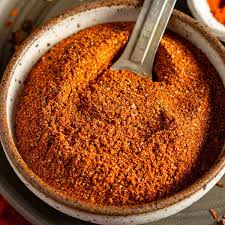
    This blend represents the melting pot of cultures that shaped American Southern cuisine. Its assertive, lively character reflects the region’s vibrant culinary identity—one defined by adaptability, improvisation, and a deep connection to community. Cajun seasoning is now used far beyond Louisiana, becoming a staple for grilling and comfort food around the world.

    Za’atar (Middle East)

    Za’atar is an ancient blend combining dried thyme, sesame seeds, sumac, and salt. Its tangy, nutty profile makes it ideal for sprinkling on flatbreads, dips, vegetables, and roasted meats. Sumac adds brightness, balancing the earthy herbs.
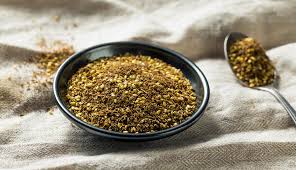
    Za’atar is both a seasoning and a cultural staple, shared across Lebanon, Syria, Jordan, and Israel. It’s commonly eaten for breakfast—mixed with olive oil and spread on warm bread. Beyond its taste, za’atar holds symbolic meaning: it represents home, hospitality, and the continuity of culinary tradition across generations.

    The Power of Blending

    Spice blends showcase the artistry of cooking. They simplify complex flavor-building while preserving tradition. Whether used in elaborate feasts or simple home meals, spice blends carry stories of heritage and identity.

    Exploring global spice blends encourages curiosity, connection, and appreciation for the diversity of food cultures. In every pinch of seasoning, there is history, terroir, and the creativity of countless generations. To taste a spice blend is to taste a place—its climate, its trade routes, its people, and its spirit.
  • The Global Journey of Spices: From Ancient Trade Routes to Modern Kitchens

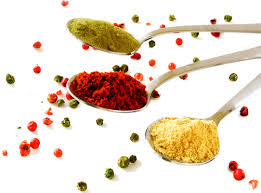
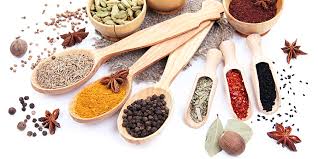
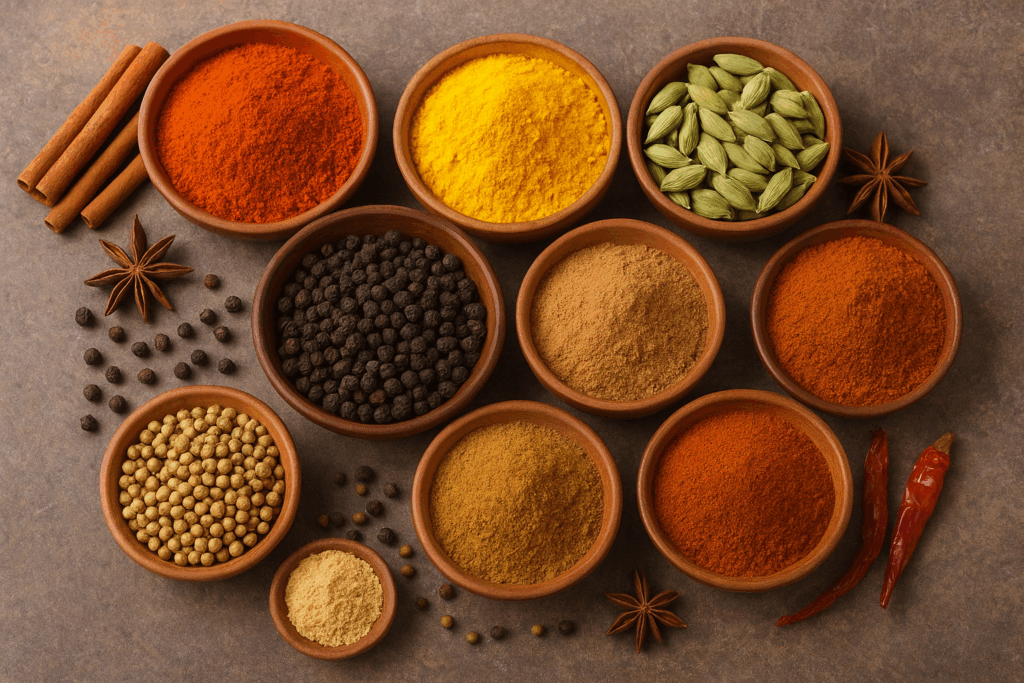
    Journey of spices: colorful spices from around the world displayed in bowls, highlighting global trade and culinary history.

    For thousands of years, spices have shaped civilizations, connected continents, fueled exploration, and transformed the way humans cook, heal, and trade. What we now take for granted in small glass jars once held the power to redirect economies, spark wars, and inspire some of the most ambitious voyages in human history. The journey of spices—from sacred rituals to global commerce to everyday kitchens—reveals an extraordinary story about humanity’s desire for flavor, discovery, and connection.

    The Journey of Spices: From Sacred Rituals to Global Commerce

    The journey of spices begins long before written records. Archaeologists have discovered traces of spices in prehistoric cooking pots, suggesting that early humans were already experimenting with seeds, roots, and bark to enhance their food. However, the first documented uses appear in ancient Egypt, around 3000 BCE. Egyptians treasured spices like cumin, coriander, cinnamon, and anise not only for culinary purposes but also for medicine, perfumes, and embalming rituals.

    Meanwhile, in ancient India, pepper, turmeric, and cardamom were being cultivated in organized agricultural systems. These spices would become central to Ayurvedic medicine, cuisine, and ceremonial life. In China, ginger and cassia were prized for their warming properties, and by 2000 BCE, they appeared in medical texts that described their uses for digestion, vitality, and longevity. This marks the early stages of the journey of spices across continents and cultures.

    The Emergence of the Spice Routes

    As civilizations grew more interconnected, the first major trade networks formed, linking Asia, Africa, and Europe. These routes became known collectively as the Spice Routes—a vast system of land and maritime paths stretching from Indonesia to the Mediterranean. Arab traders were among the earliest to dominate spice distribution, guarding their sources and enhancing the value of spices through carefully crafted myths.

    By the first century CE, the Roman appetite for pepper was insatiable. Peppercorns became a luxury commodity so prized that they were sometimes used as rent payment or dowry. When Rome fell, Europe lost direct access to many eastern goods, and spices became even more precious, stored under lock and key by the elite.

    Spices as Symbols of Wealth, Power, and Preservation

    During the Middle Ages, spices became status symbols in Europe. A lavish banquet might use saffron, nutmeg, cloves, ginger, and pepper to demonstrate a host’s wealth. Because refrigeration did not exist, spices also played a practical role: masking the taste of stale or preserved meats and helping to prevent spoilage.

    Cities like Venice and Genoa grew rich as intermediaries between the Middle East and Europe. Their merchant fleets controlled the spice trade for centuries, keeping prices high and limiting access.

    Journey of spices: A colorful assortment of spices in bowls, highlighting their variety, textures, and vibrant colors.

    The Age of Exploration: When Spices Redrew the World Map

    By the 15th century, European powers were desperate to bypass middlemen and reach spice-producing lands directly. This desire ignited the Age of Exploration. Portuguese explorer Vasco da Gama reached India in 1498, opening a direct maritime route that broke Arab and Venetian dominance. Soon after, the Dutch and British fought for control of the Indonesian “Spice Islands,” where nutmeg, mace, and cloves grew exclusively.

    The Dutch East India Company (VOC) and British East India Company—often considered early models of multinational corporations—were born from the spice trade. Their fierce competition shaped global politics, colonization, and modern economics. Entire islands were conquered, populations displaced, and landscapes transformed in pursuit of these highly valuable crops. This phase represents a dramatic chapter in the journey of spices, where flavor literally changed the course of history.

    Spices in the Modern World: From Luxury to Global Staple

    Today, spices are accessible worldwide at a fraction of their historical price. Modern supply chains, agricultural science, and globalization have democratized access to spices, making it possible for people everywhere to enjoy flavors that were once reserved for the elite.

    India remains the world’s leading producer and exporter of spices such as turmeric, chili, pepper, and cardamom. Vietnam has become a major pepper producer, while Indonesia, Sri Lanka, and Ethiopia maintain strong spice industries. The global spice market now supports millions of farmers and workers.

    Modern sustainability efforts are shaping the next phase of the journey of spices, ensuring these ingredients can continue to thrive for generations.

    A Tiny Ingredient With a Monumental Legacy

    The story of spices is ultimately a story of humanity itself: our desire for exploration, connection, healing, and pleasure. Spices traveled across deserts, mountains, and oceans; shaped empires; inspired explorers; and bridged cultures. Today, we sprinkle them casually onto meals—but behind every pinch lies a history of adventure, ambition, and global transformation.
    Even now, spices continue to evolve alongside changing culinary traditions. They push chefs and home cooks to experiment, innovate, and rediscover forgotten flavors. And as global cuisines keep blending, spices will remain at the heart of how we express creativity through food.

    Their journey of spices is far from over, and each spice we use carries a story that connects our kitchens to centuries of human history and cultural exchange.

    Journey of spices: A colorful assortment of spices in bowls, highlighting their variety, textures, and vibrant colors.

  • Understanding Flavor: How Spices Transform the Way We Taste Food

    Spices do far more than simply make food “taste good.” They awaken the senses, add layers of complexity, evoke deep emotions, and help define entire culinary identities. Long before modern cooking techniques existed, humans used spices not only to enhance flavor but also to preserve food, express cultural heritage, and even perform rituals. Understanding how spices flavor dishes—and why they matter—opens the door to a richer appreciation of both cooking and culture, turning every meal into a multisensory experience.

    The Nature of Flavor: How Spices Flavor Every Dish

    Flavor is a fusion of several sensory elements: taste, aroma, texture, temperature, and even memory. While the tongue detects basic sensations such as sweet, salty, bitter, sour, and umami, it’s the aroma that shapes the deepest character of a dish. Our sense of smell can distinguish thousands of molecules, making it far more nuanced than taste alone.

    This is where spices truly shine. Their essential oils release volatile compounds that stimulate the olfactory system, creating a complex tapestry of scents that we interpret as flavor. When someone says a dish is “aromatic,” they’re experiencing the power of spices on a chemical and emotional level. In fact, many chefs argue that spices don’t merely season food—they define its personality.

    The Science Behind Spice Aromas

    Each spice contains signature chemical compounds that determine its sensory identity. Take cinnamon, for example. Its warmth comes not from sugar but from cinnamaldehyde, a molecule responsible for its sweet, woody, and slightly peppery notes. When heated, this compound becomes more potent, which is why cinnamon rolls smell so irresistible straight out of the oven.

    Cloves contain eugenol, known for its bold, almost medicinal aroma. Nutmeg is rich in myristicin, a compound responsible for its sweet and earthy perfume. Cardamom, beloved in both South Asian and Scandinavian cuisines, contains cineole and terpinyl acetate, which lend it a bright, almost eucalyptus-like freshness. These chemical signatures allow spices flavor to transform simple ingredients into deeply expressive dishes.

    Whole and ground nutmeg highlighting its rich spices flavor and warm, aromatic profile for culinary use.

    The Sensation of Heat: A Different Pathway

    Heat-based spices like chili peppers affect the body through an entirely different sensory route. Capsaicin, the active compound in chili, doesn’t stimulate taste buds or smell receptors—it activates pain receptors, specifically TRPV1, which normally detect heat. This creates the familiar burning sensation that can be both thrilling and addictive.

    Interestingly, the human brain responds to this perceived “danger” by releasing endorphins, our natural feel-good chemicals. This neurological reward system explains why some people develop a strong love for spicy foods, constantly seeking the next level of intensity. Beyond chili peppers, spices like black pepper (piperine) and ginger (gingerol) also create unique warming sensations that enrich the eating experience in subtler ways.

    Cultural Expectations Shape Flavor Perception

    Flavor is never just biological—it is cultural. Every cuisine uses spices differently, reflecting climate, history, trade routes, and available ingredients.

    In India, spices are layered to build incredibly rich, complex dishes. Tadka, or tempering, involves heating spices such as cumin, mustard seeds, turmeric, and fenugreek in oil until they crackle and release their aromas. This technique infuses dishes with depth at the very beginning of the cooking process, highlighting the full potential of spices flavor.

    In contrast, Scandinavian cuisine uses spices with restraint, often highlighting warm, sweet varieties such as allspice, cardamom, and nutmeg. These pair beautifully with pastries, preserves, and winter dishes, reflecting the region’s colder climate and shorter growing season.

    Middle Eastern traditions celebrate blends like za’atar, baharat, or ras el hanout, each telling a story of trade routes and centuries-old culinary practices. Meanwhile, Caribbean cuisine embraces allspice, thyme, and scotch bonnet peppers to create vibrant, fiery dishes that speak to a fusion of African, Indigenous, and European influences.

    Preparation Changes Everything

    The same spice can taste completely different depending on how it’s treated. This versatility is one of the reasons spices flavor is so essential in cooking.

    • Toasting seeds like coriander or cumin intensifies their aromas and adds nuttiness.
    • Grinding spices increases their potency by exposing more surface area, but also shortens shelf life.
    • Blooming spices in hot oil or butter unlocks deeper, richer flavors that are otherwise hidden.
    • Steeping spices in liquid—such as star anise in broth or saffron in warm water—allows their essential oils to disperse slowly and evenly.

    Even something as simple as the order of addition can shift the entire profile of a dish.

    Spice Blends: Stories of History and Identity

    Many cultures express their culinary identity through signature spice blends. Moroccan ras el hanout, Indian garam masala, Chinese five-spice, Cajun seasoning, and Mexican adobo are more than recipes—they are the result of centuries of tradition, migration, trade, and adaptation.

    These blends often vary from household to household, becoming deeply personal. A grandparent’s version of garam masala or berbere can feel as unique as a family heirloom. Through spices, entire peoples tell their stories, preserve memories, and assert cultural pride.

    Modern Explorations and a Growing Curiosity

    Chefs experiment with fusion flavors—smoked paprika in ramen, Sichuan pepper in cocktails, or turmeric in lattes, smoothies, and desserts. Home cooks, inspired by travel and global cuisine, are increasingly adventurous, incorporating spices like sumac, Aleppo pepper, or pink peppercorn into everyday meals.

    While spices have always been functional—from preserving meat to soothing digestion—we are only beginning to understand their full potential.

    A Gateway to Creativity and Connection

    Ultimately, spices are the key to unlocking creativity in the kitchen. They teach us to balance heat, sweetness, bitterness, and aromatic depth. They invite us to experiment, to taste boldly, and to appreciate the diversity of global culinary traditions. With spices, we can travel around the world through flavor alone.

    Most importantly, spices remind us that food is more than nourishment. It is an experience shaped by culture, memory, emotion, and curiosity. When we cook with spices, we do more than season our meals—we connect with history, celebrate diversity, and awaken the senses to the full beauty of what spices flavor can offer.

  • 5 Essential Spices Every Kitchen Should Have

    In a world filled with countless spices, each offering its own aroma, color, and flavor, it can be challenging to know which ones truly deserve a place in every kitchen. While culinary traditions vary widely, certain spices have achieved universal appeal due to their versatility, availability, and ability to elevate everyday dishes. Whether you’re a novice home cook or an experienced chef, these 5 essential spices form the foundation of flavor in countless cuisines around the globe. Beyond convenience, they each tell a story—of trade, migration, tradition, and the shared human desire to make food more memorable.

    1. Black Pepper: The Universal Seasoning

    Black pepper is perhaps the most widely used spice in the world, found on nearly every dining table alongside salt. Its influence dates back millennia—once used as currency and highly valued in ancient Rome. Derived from the dried berries of the Piper nigrum plant, black pepper adds a sharp, pungent heat that enhances both savory and sweet dishes.

    5 essential spices: Close-up of whole black peppercorns, showcasing their dark, textured surface and natural spice aroma.

    Pepper works well with virtually everything: meats, vegetables, soups, sauces, eggs, and even desserts like chocolate. Freshly ground pepper is especially potent, delivering citrusy and woody undertones that pre-ground pepper often lacks. Its versatility makes it a cornerstone of the 5 essential spices.

    Beyond flavor, pepper’s distinctive bite stimulates salivation and aroma perception, subtly heightening the flavors of other ingredients. This is one reason why chefs consider it a “flavor amplifier” more than a standalone spice.

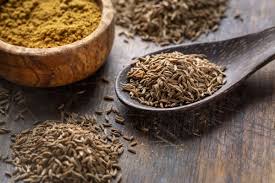
    2. Cumin: The Earthy Backbone of Many Traditions

    Warm, nutty, and slightly smoky, cumin is a key spice in cuisines from Mexico to India to the Middle East. Its bold earthiness makes it indispensable in curries, stews, chili, and spice blends like garam masala or taco seasoning.

    Cumin’s flavor can change dramatically depending on its preparation. Toasting whole cumin seeds releases deep, aromatic oils, while ground cumin provides a more immediate, mellow warmth. The spice balances rich dishes, adding depth without overwhelming other ingredients.

    Historically, cumin was also prized for its preservative qualities and digestive benefits, which explains its presence in hearty, slow-cooked dishes. When combined with coriander, its most common partner, cumin forms a backbone of flavor in countless recipes and ranks among the 5 essential spices.

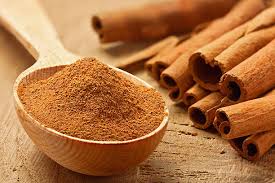
    3. Cinnamon: Sweet, Warm, and Comforting

    Cinnamon is more than a baking spice. While it’s essential in pastries, oatmeal, and desserts, it also plays an important role in savory dishes—particularly in Middle Eastern, Moroccan, Indian, and Greek cuisines. Whether sprinkled on roasted vegetables or used in tagines, cinnamon brings warmth and subtle sweetness that rounds out hearty flavors.

    There are two main varieties of cinnamon: Ceylon and cassia. Ceylon, sometimes called “true cinnamon,” is lighter and more delicate, while cassia is bolder and more common. Both are versatile, affordable, and widely available.

    Cinnamon’s complexity comes from its high content of aromatic compounds, which pair beautifully with ingredients like lamb, pumpkin, or citrus. Its comforting aroma also makes it a favorite in winter dishes and festive traditions around the world.

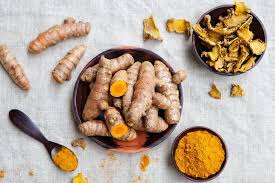
    4. Turmeric: Golden Color and Healing Reputation

    Turmeric has gained global popularity not only for its warm, earthy taste but also for its celebrated health benefits. Used for centuries in South Asian cooking and Ayurvedic medicine, turmeric adds color and complexity to curries, rice dishes, soups, and marinades. Its mild bitterness and musky aroma make it ideal for layering with spices like cumin, coriander, and chili.

    The compound curcumin is responsible for turmeric’s golden hue and is associated with anti-inflammatory properties. Whether used in traditional recipes or modern creations like golden milk, turmeric is now a kitchen staple around the world.

    Additionally, turmeric’s bright color can transform a dish visually, making even simple recipes feel vibrant and inviting. It’s often used in spice rubs, pickles, broths, and even baked goods.

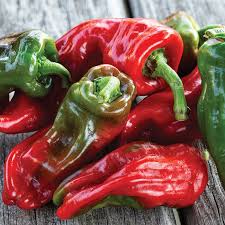
    5. Paprika: From Mild Sweetness to Bold Smokiness

    Paprika is made from dried red peppers and comes in many varieties: sweet, hot, and smoked. Originating in Central and Eastern Europe, it’s essential in dishes like goulash and paprika chicken. Its vibrant red color and subtle sweetness make it ideal for seasoning roasted vegetables, meats, eggs, and stews.

    Smoked paprika, in particular, has gained international popularity for its rich, woodsy aroma. It adds depth to everything from barbecue rubs to plant-based recipes, offering smoky character without the need for actual smoking.

    Paprika also contributes a gentle sweetness that rounds out harsher flavors, making it a favorite in slow-cooked dishes and spice blends across many cuisines.

    Why These Five?

    While every cuisine has its own signature spices, these 5 essential spices stand out for their universal compatibility They complement each other, allowing cooks to experiment with different combinations and flavor profiles. Mastering these essentials creates a strong foundation for exploring more complex spices like star anise, cardamom, or fenugreek.

    Spices are powerful tools—they transform simple ingredients into flavorful creations. With black pepper, cumin, cinnamon, turmeric, and paprika, any kitchen is well-equipped to explore the world through food. These 5 essential spices encourage creativity, support cultural exploration, and invite cooks of all levels to bring more depth, warmth, and personality into their everyday meals.

  • The Health Benefits of Spices: Ancient Wisdom Meets Modern Science

    Spices have long been celebrated not only for their flavor but also for their healing properties. Ancient civilizations intuitively understood that certain spices could soothe digestion, boost energy, fight infection, or bring balance to the body. Today, modern science continues to explore these traditional claims, revealing fascinating insights into the health benefits of spices. What was once considered folklore is now supported by research, showing that spices are far more than culinary tools—they’re potent plant-based allies for long-term wellness.

    Turmeric: A Natural Anti-Inflammatory

    Turmeric has gained global attention for its powerful anti-inflammatory properties. Curcumin, its active compound, has been studied for its potential to reduce inflammation associated with arthritis, heart disease, and even depression. Although curcumin is not easily absorbed by the body, pairing turmeric with black pepper greatly enhances absorption. This explains why the two spices often appear together in traditional dishes, highlighting both their culinary uses and health benefits of spices.

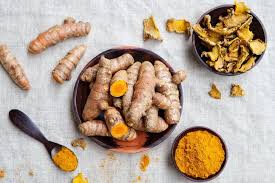
    Health benefits of spices: turmeric

    Beyond inflammation, turmeric may support cognitive function by helping reduce oxidative stress in the brain. Some studies suggest that diets rich in turmeric may contribute to lower rates of neurodegenerative diseases in regions where it is consumed daily. From golden milk lattes to curries and marinades, turmeric is one of the most versatile medicinal spices, offering both flavor and functional support.

    Ginger: Digestive Support and Immune Strength

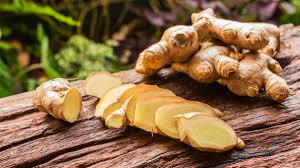
    Ginger is one of the most ancient medicinal spices. Rich in gingerol, it has natural anti-inflammatory and antioxidant effects. Ginger is commonly used to treat nausea, motion sickness, and indigestion. Studies also suggest it may reduce muscle soreness and support the immune system, further emphasizing the health benefits of spices.

    Health benefits of spices: Fresh ginger root and slices, highlighting the health benefits of ginger for digestion, immunity, and anti-inflammatory support.

    In many cultures, ginger tea is a go-to remedy for colds or stomach discomfort. Its warm, spicy flavor makes it a versatile ingredient in both sweet and savory recipes. Ginger can also stimulate circulation, making it helpful in warming the body during cold seasons. Chefs appreciate its brightness in stir-fries, baked goods, soups, and even beverages like ginger beer.

    Cinnamon: Blood Sugar Balance and Antioxidant Power

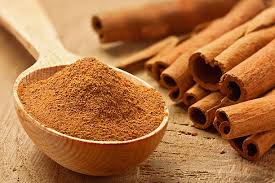
    Cinnamon, especially Ceylon cinnamon, has been studied for its potential to help regulate blood sugar levels. It may improve insulin sensitivity, making it of particular interest to people managing diabetes. Cinnamon is also rich in antioxidants, which help protect the body from oxidative stress and inflammation.

    Its sweet warmth makes it easy to incorporate into everyday foods—sprinkled on fruit, added to oatmeal, or blended into smoothies. In traditional remedies, cinnamon has also been used to help soothe sore throats, improve circulation, and gently warm the body. Even in small amounts, it can provide noticeable benefits, making it one of the most accessible wellness spices.

    Garlic: Heart Health and Natural Defense

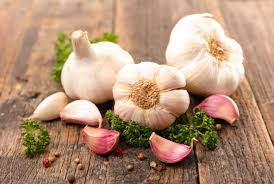
    Garlic is technically both a spice and a medicinal plant. Its active compound, allicin, is released when garlic is crushed or chopped. Allicin has antimicrobial and antiviral effects, which is why garlic is often used as a natural remedy during cold and flu season. Garlic exemplifies the health benefits of spices in cardiovascular and immune support.

    Research also suggests that garlic may help lower cholesterol, reduce blood pressure, and support cardiovascular health. Its bold, savory flavor makes it a favorite in countless cuisines. Roasting garlic softens its sharpness and brings out a sweet, mellow character, making it easy to add to sauces, spreads, soups, and vegetables. Its benefits are strongest when eaten raw or lightly cooked, but regular consumption in any form supports overall health.

    Chili Peppers: Metabolism and Pain Relief

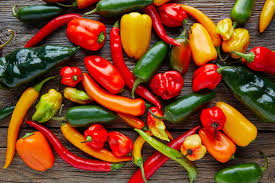
    Chili peppers contain capsaicin, a compound responsible for their heat. Capsaicin has been linked to increased metabolism, as it temporarily raises body temperature and may boost calorie burning. It’s also used in topical creams for pain relief, helping alleviate conditions like arthritis or nerve pain.

    Beyond its health benefits, chili adds vibrancy and excitement to food, making it a staple in spicy cuisines across the globe. It can also stimulate digestion, increase circulation, and even trigger the release of endorphins—the body’s natural “feel-good” chemicals—which explains why spicy food can be surprisingly addictive.

    Cloves, Cardamom, and More: Small Spices with Big Impact

    Cloves are packed with antioxidants and have natural analgesic properties, making clove oil a traditional remedy for toothaches. Cardamom supports digestion and may have antimicrobial effects. Coriander seeds help soothe inflammation, while black pepper improves nutrient absorption and stimulates digestion.

    Even lesser-known spices like fennel seeds, star anise, and fenugreek carry their own powerful benefits—from aiding hormone balance to supporting respiratory health. Each spice offers its own unique properties, making a diverse spice cabinet not only delicious but also health-supportive.

    A Holistic Approach to Wellness

    While spices can support well-being, they are most effective as part of a balanced lifestyle. Consistent, long-term intake—through everyday cooking—is more beneficial than occasional large doses. Spices should complement a healthy diet, not replace medical treatment.

    Ancient wisdom understood that spices were part of nourishing the body and spirit. Today, science continues to validate what traditional cultures have known for centuries: the health benefits of spices are real. By integrating them into daily meals, we not only enhance flavor but also support the body in subtle yet meaningful ways. In this sense, the kitchen becomes a bridge between ancient knowledge and modern understanding—a place where food truly becomes medicine.