Colourful, crunchy and incredibly versatile, bell peppers are a familiar ingredient in kitchens around the world. Whether added to a fresh salad, roasted in the oven or stuffed with rice and vegetables, they bring flavour and colour to countless dishes. However, have you ever wondered why bell peppers come in different colours? Are red peppers healthier than green ones? And why are some varieties more expensive than others?
The differences go far beyond appearance. Understanding how bell peppers develop can help you make better choices when shopping, cooking and planning your meals.
Why do bell peppers have different colours?
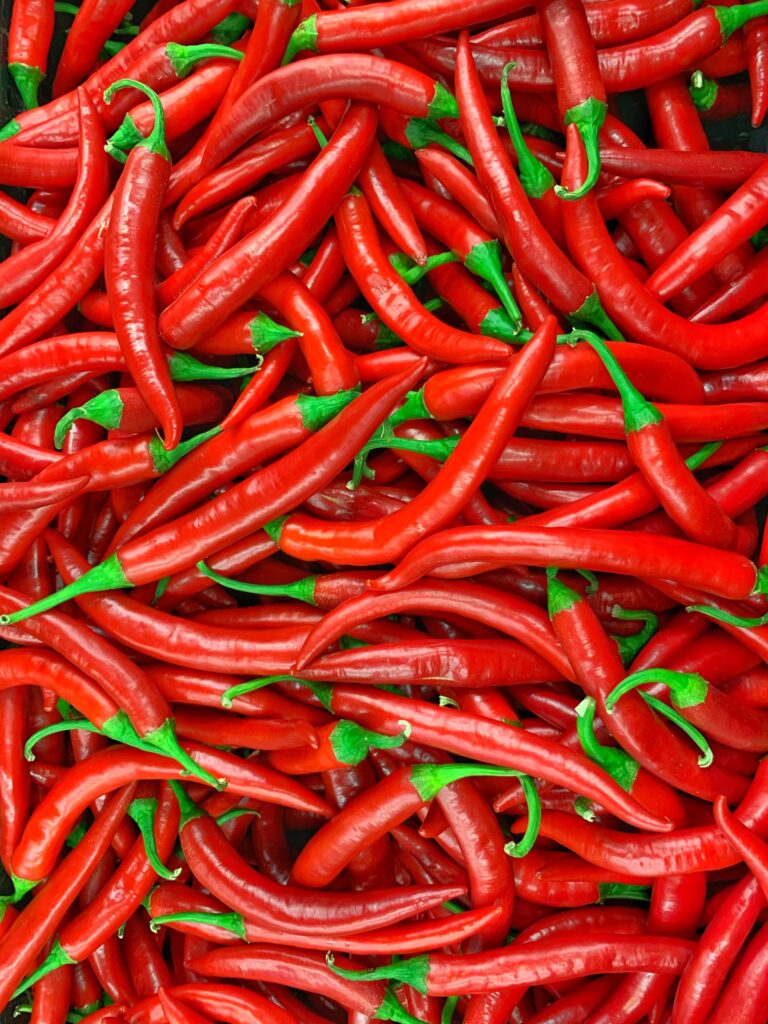
Bell peppers belong to the species Capsicum annuum, which also includes several varieties of chili peppers. Unlike their spicy relatives, bell peppers do not produce significant amounts of capsaicin, the compound responsible for the burning sensation associated with hot peppers.
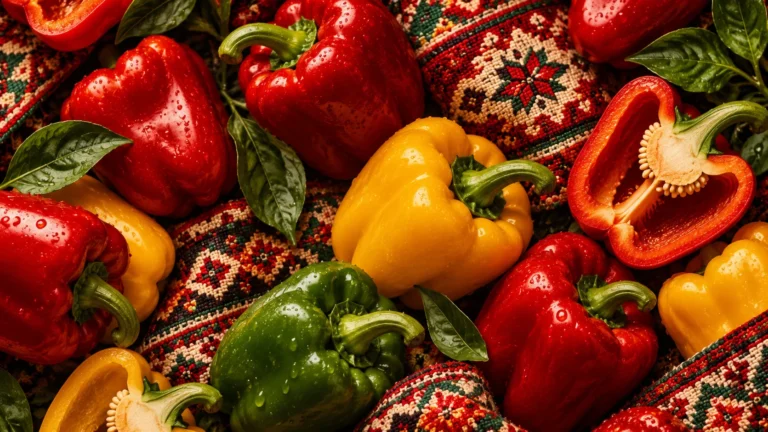
The colour of a bell pepper primarily depends on its variety and stage of maturity. Many bell peppers start out green before developing a different colour as they ripen.
Depending on their genetics, mature peppers may turn red, yellow, orange or even purple. However, not every green pepper will necessarily become yellow, orange and then red. Different varieties follow different ripening patterns.
During this process, the chlorophyll responsible for the green colour decreases, while other natural pigments become more visible. These changes also influence the pepper’s sweetness, texture and nutritional composition.
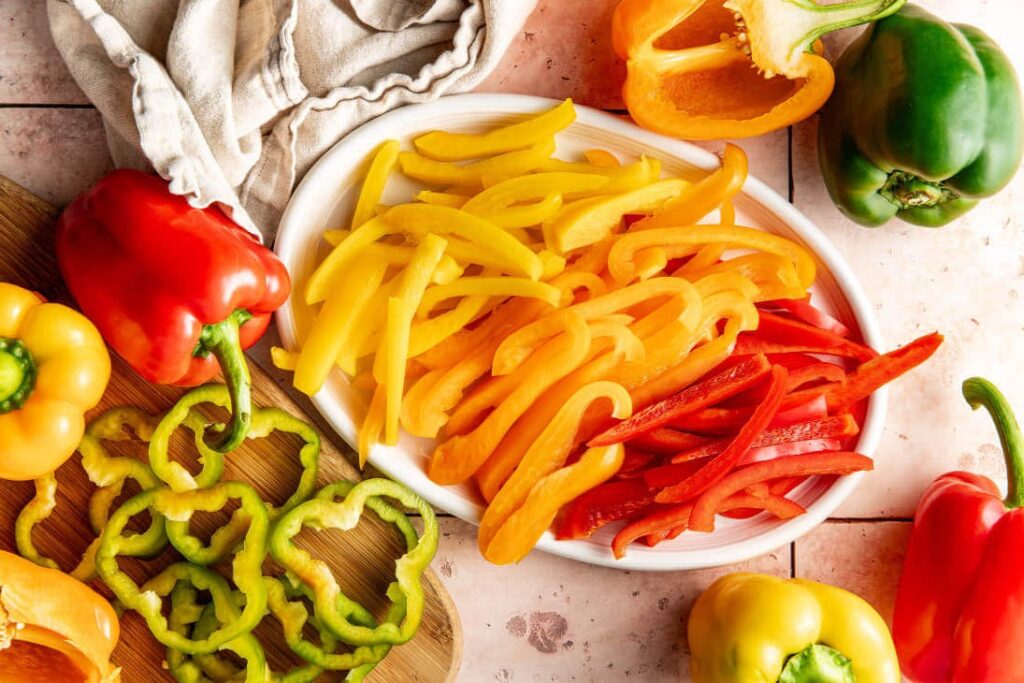
Green peppers: fresh and slightly bitter
Green bell peppers are commonly harvested before reaching full maturity. They generally have a crisp texture and a slightly bitter, grassy flavour.
Their distinctive taste makes them particularly suitable for savoury dishes. Green peppers are frequently used in stir-fries, pizzas, fajitas and vegetable stews.
They are also often more affordable than their colourful counterparts. Because growers can harvest them earlier, they usually require less time on the plant and face fewer risks associated with extended cultivation.
For anyone looking to prepare nutritious meals on a budget, green peppers are an excellent option.
Yellow and orange peppers: mild and fruity
Yellow and orange bell peppers offer a pleasant balance between freshness and sweetness. Their flavour is generally milder than that of green peppers, making them appealing to people who dislike bitterness.
Their bright colours make them particularly attractive in salads, sandwiches and vegetable platters. They can also be grilled or roasted, which brings out their natural sweetness.
Orange peppers pair beautifully with carrots, sweet potatoes and fresh herbs, while yellow peppers work well alongside tomatoes, cucumbers and leafy vegetables.
Both varieties are a simple way to make everyday meals more visually appealing without relying on artificial colourings or additional seasonings.
Red peppers: naturally sweet and flavourful
Red bell peppers are usually harvested at a more advanced stage of maturity. As they ripen, their natural sugar content generally increases, resulting in a sweeter and less bitter flavour.
Their rich taste makes them especially suitable for roasting, blending into sauces or preparing soups. Roasted red peppers can also be used in sandwiches, dips and Mediterranean-inspired dishes.
Although red peppers are frequently more expensive, their distinctive sweetness can transform a simple recipe into something much more flavourful.
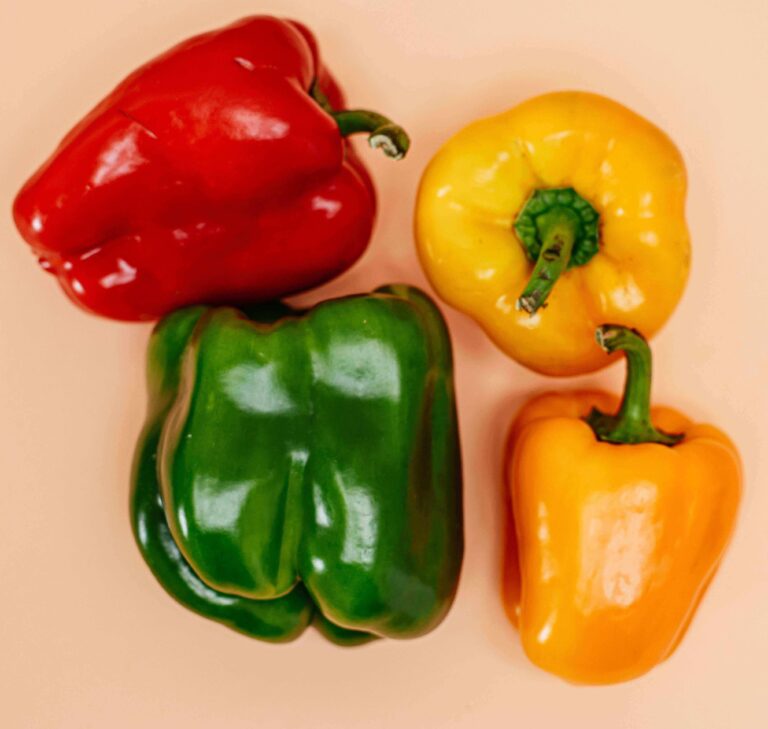
Which bell pepper is the healthiest?
All bell peppers offer nutritional benefits. They are relatively low in calories, contain dietary fibre and provide several important vitamins and minerals.
One of their most notable nutrients is vitamin C, which supports normal immune function and contributes to the absorption of iron from plant-based foods.
Red bell peppers generally contain more vitamin C and provitamin A carotenoids than green ones. Yellow and orange varieties also provide valuable nutrients and naturally occurring pigments with antioxidant properties.
However, nutritional composition varies according to the cultivar, growing conditions, freshness and storage methods.
Rather than choosing a single colour exclusively, eating a variety of peppers is a practical way to enjoy different flavours and nutrients.
Raw or cooked: what is the best option?
Bell peppers can be enjoyed both raw and cooked, and each preparation method has its advantages.
Raw peppers retain their characteristic crunch and generally preserve more heat-sensitive vitamin C. They are ideal for salads, snacks and cold dishes.
Cooking, on the other hand, softens their texture and develops their flavour. Roasting and grilling can create a delicious combination of sweetness and smoky notes.
Preparing peppers with a small amount of olive oil can also help the body absorb certain fat-soluble carotenoids.
The best preparation method ultimately depends on your preferences and the dish you are making.
A colourful addition to everyday meals
Green, yellow, orange and red bell peppers each bring something different to the table. Green peppers provide freshness and a slightly bitter taste, while colourful mature varieties offer varying degrees of sweetness.
There is no need to limit yourself to one colour. By experimenting with different varieties and cooking techniques, you can discover new combinations while adding more vegetables to your diet.
Sometimes, making a meal healthier, tastier and more attractive is as simple as choosing a different pepper.