Blog

  • Rosemary’s Reverie: A Journey Through Time, Sea, and Scent

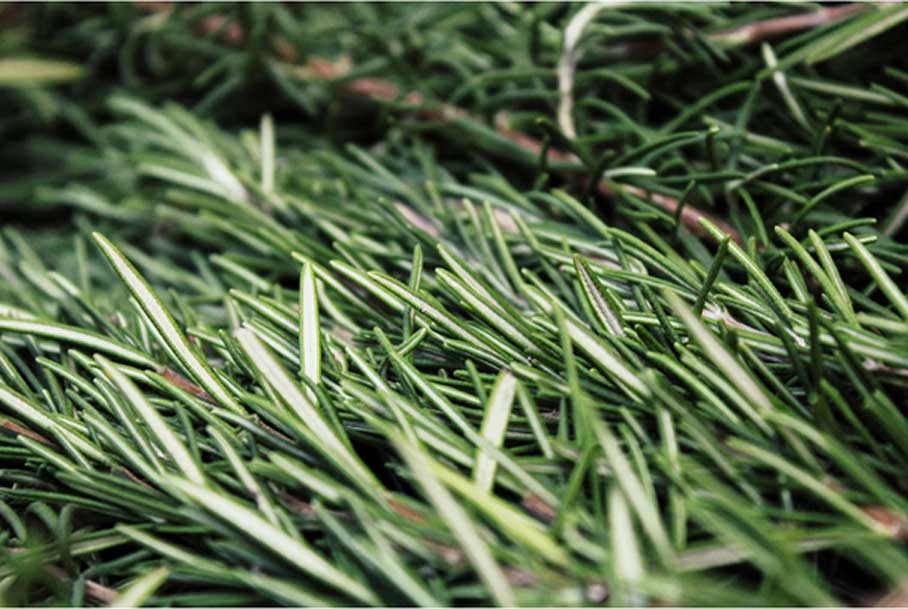
    Rosemary

    Rosemary History

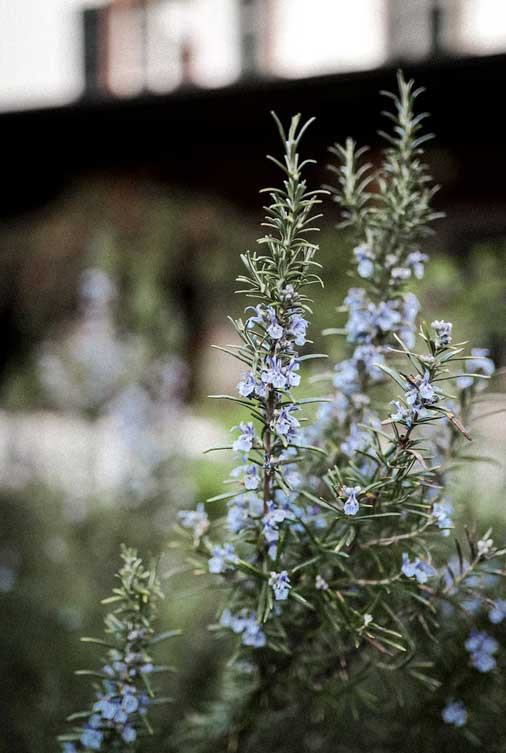
    Rosemary flower
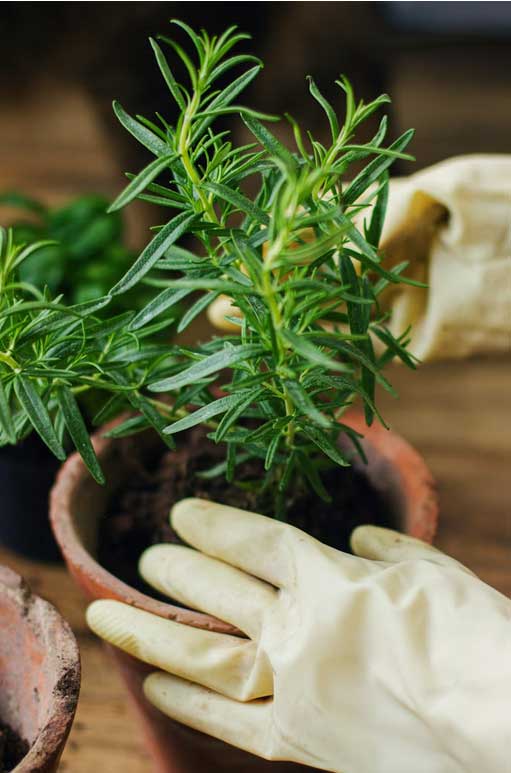
    Rosemary

  • Cumin’s Whisper: The Ancient Seed of Earth and Time

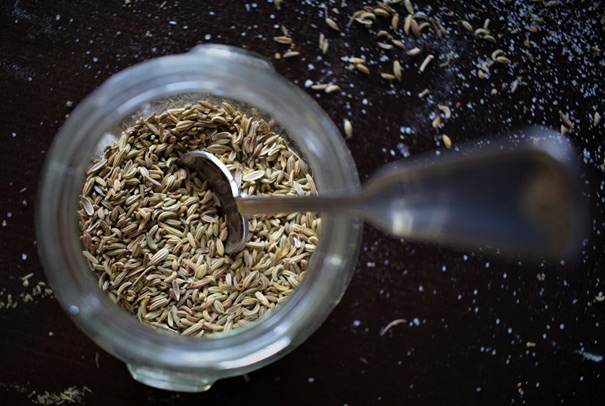
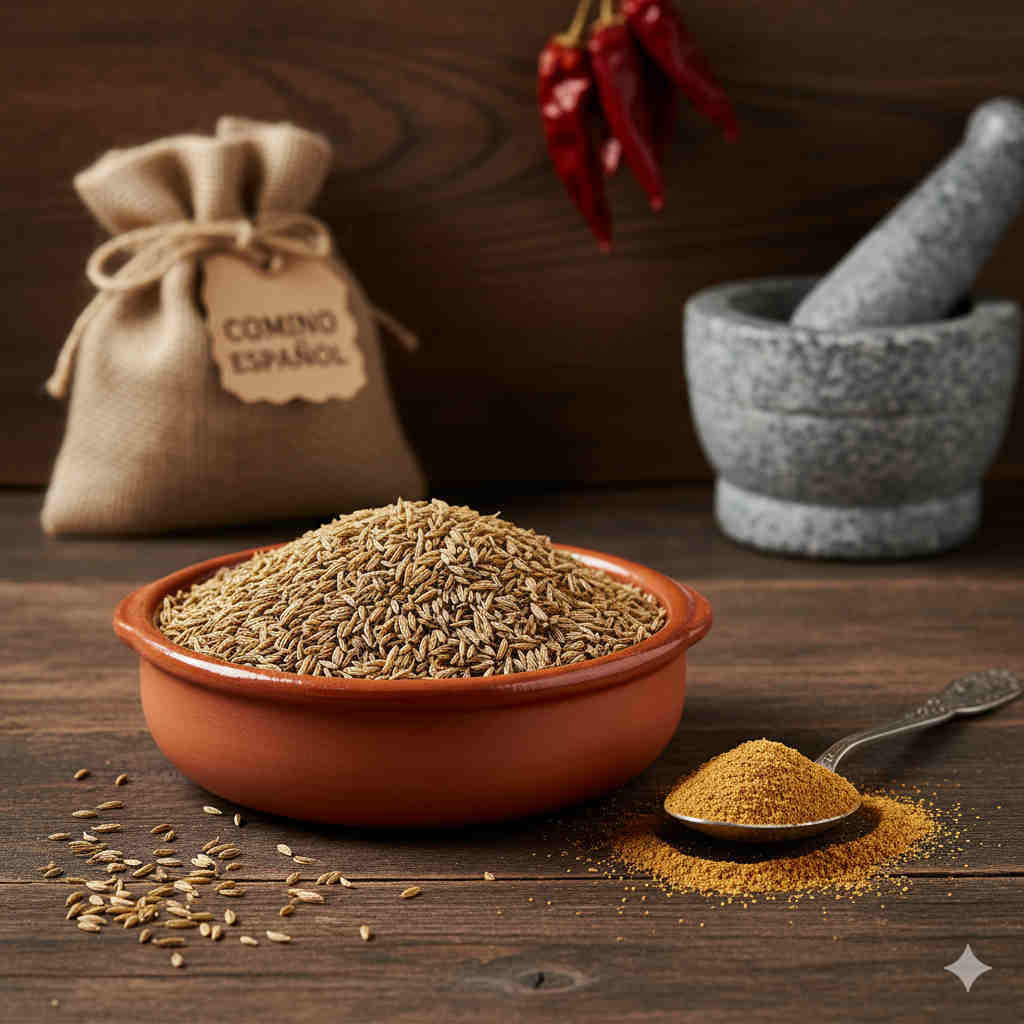
    jar of cumin
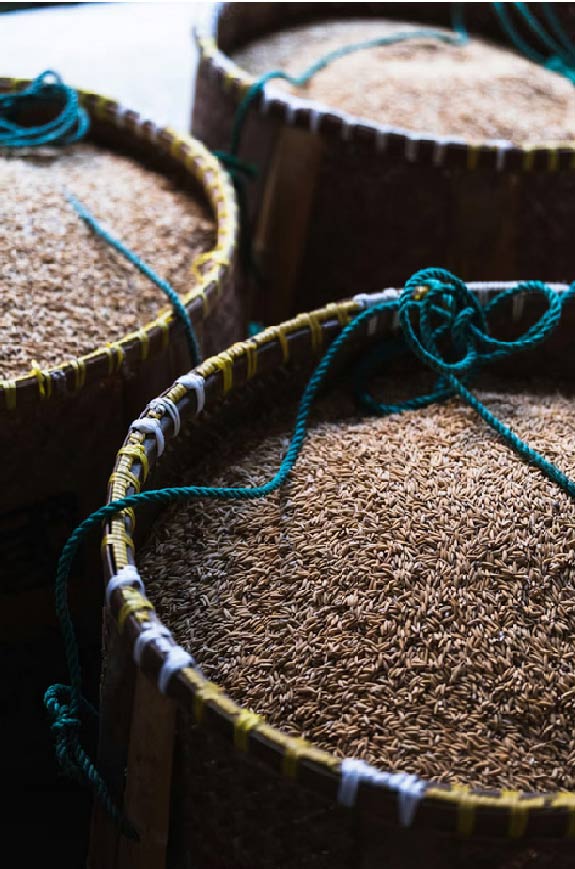
    cumin

  • Smoked Paprika: Spain’s Iconic Red Gold

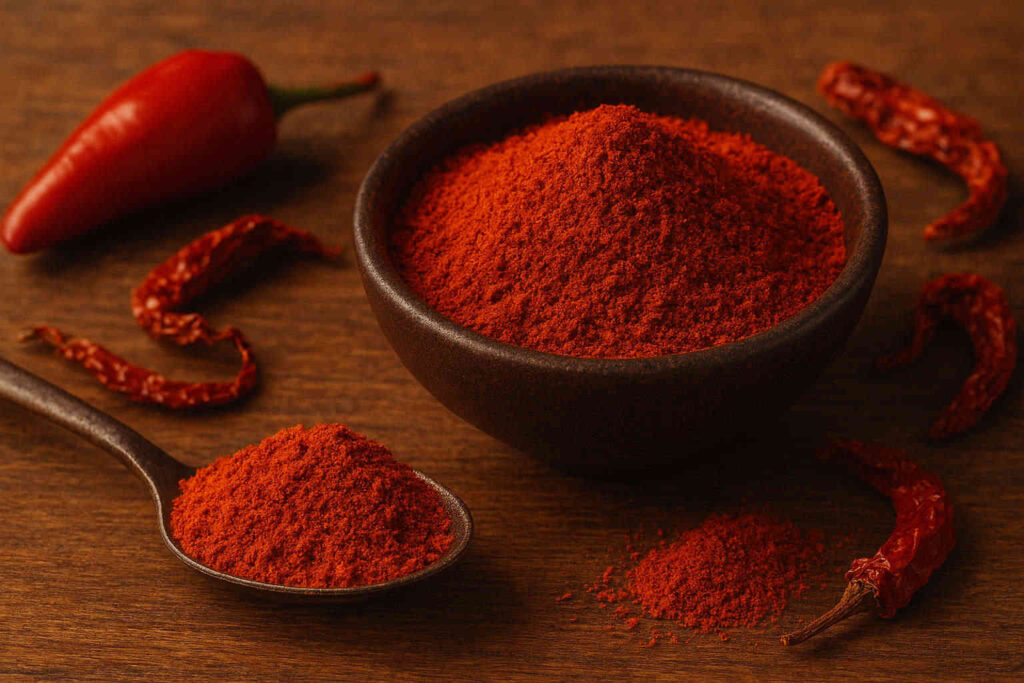
    Spanish Smoked Paprika

    The Soul of Spanish Culinary Identity

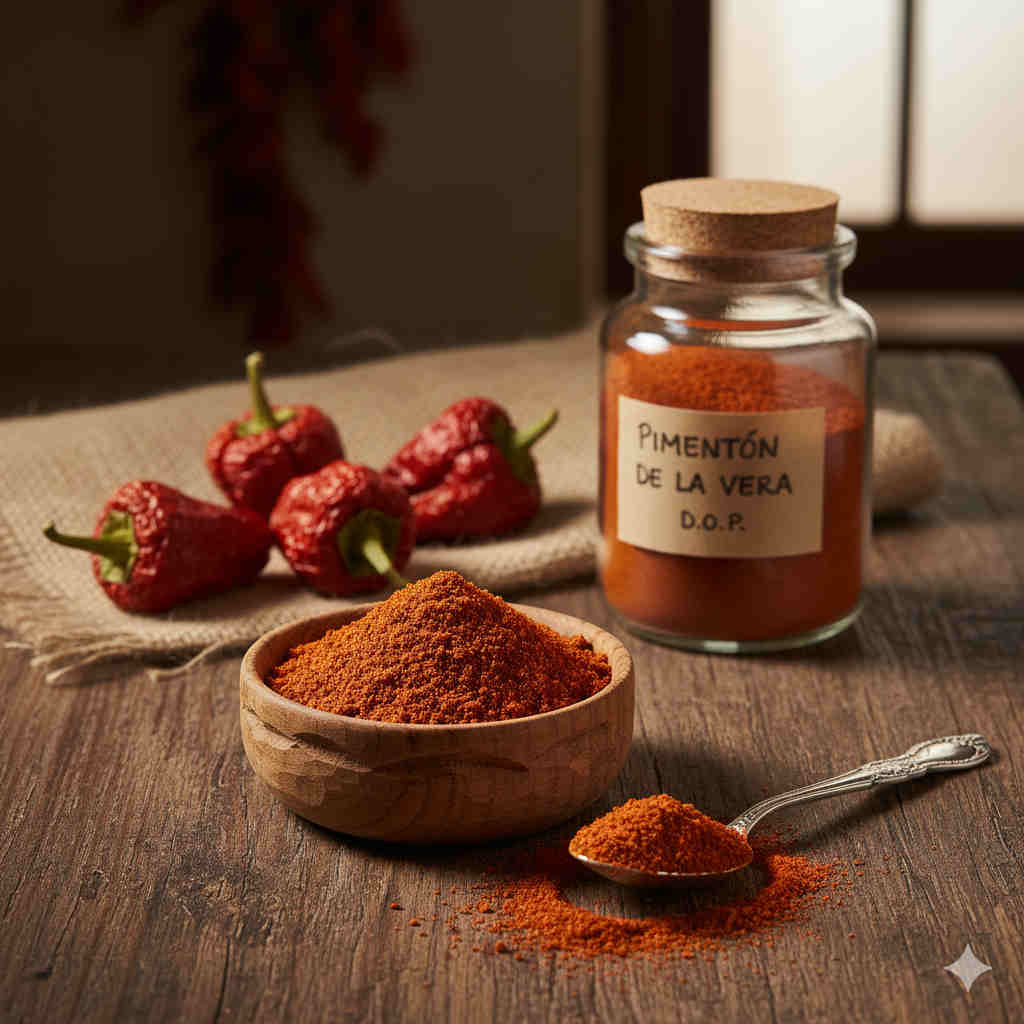
    If there is one spice capable of capturing the very essence of Spanish cuisine, it is undoubtedly smoked paprika, known locally as Pimentón de la Vera. Recognizable by its deep red hue, warm smokiness, and complex aroma, this spice is woven into the cultural and gastronomic DNA of Spain. It appears in humble family dishes and celebrated regional specialties alike, from simple sautéed potatoes to artisanal chorizo. More than an ingredient, smoked paprika is a symbol of tradition, craftsmanship, and regional pride.

    Protected under several Denomination of Origin (D.O.) labels, particularly in the La Vera region of Extremadura, this spice represents centuries of perfected techniques. Its unique flavor is owed to an ancient smoking process, passed down through generations and still executed with remarkable dedication. In today’s culinary world, where authentic flavors are increasingly in demand, smoked paprika stands out as a spice with genuine heritage and universal appeal.


    The Flavor of Pimentón de la Vera: Deep, Smoky, Unmistakable

    What makes smoked paprika so extraordinary is not only its vibrant color but its intricate bouquet of flavors. While Hungarian paprika may be known for its sweet or hot notes, Spanish smoked paprika introduces something entirely different: oak-wood smokiness that permeates every grain of the powder.

    A Closer Look at Its Flavor Profile

    • Smokiness: The most defining characteristic. The peppers are smoked for 10–14 days over smoldering oak wood, a process that gives the spice its bold aroma.
    • Sweetness: The peppers used are naturally sweet, creating a balanced contrast with the smoke.
    • Earthiness: A deep, comforting undertone that enriches stews, soups, and rice dishes.
    • Varieties of Heat:
      • Dulce (sweet)
      • Agridulce (bittersweet)
      • Picante (hot)

    Each type delivers a different culinary experience, making the spice versatile enough to use in a wide range of recipes.

    The complexity of Pimentón de la Vera has made it a favorite not only across Spain but among international chefs seeking authentic smoky depth without the need for actual smoking equipment.


    How to Cook With Smoked Paprika: A Chef’s Essential Guide

    When people search for “how to use smoked paprika” or “best recipes with smoked paprika,” the answer is almost always: everywhere. Its versatility is one reason it has become a global pantry staple.

    Smoked Paprika D.O.P

    1. The Heart of Spanish Chorizo

    Almost every traditional Spanish chorizo relies heavily on smoked paprika. It provides:

    • the iconic red color,
    • the warm smoky backbone,
    • the rich depth that balances the fat and garlic.

    Without smoked paprika, Spanish chorizo simply wouldn’t exist in its recognizable form.

    2. Tapas and Traditional Sauces

    Dishes like patatas bravas, pulpo a la gallega, or huevos rotos often include smoked paprika either directly or in the accompanying sauces. A pinch on top of fried potatoes or roasted vegetables gives them instant Spanish character.

    3. Paella and Other Rice Dishes

    While saffron is often highlighted as the star of paella, smoked paprika plays a crucial supporting role. It deepens the flavor, enhances the color, and ties together ingredients like seafood, chicken, rabbit, or vegetables.

    4. Rubs, Marinades, and Barbecue Blends

    Smoked paprika works exceptionally well in:

    • chicken marinades
    • beef rubs
    • roasted potato seasonings
    • vegetable grills
    • homemade barbecue sauces

    Vegan cooks use it to add smoky notes to tofu, beans, or faux bacon, proving its power to enhance plant-based dishes.

    5. Stews, Soups & Slow-Cooked Dishes

    Few spices enrich slow-simmered dishes like smoked paprika. In lentil stew, chickpea soup, or hearty vegetable preparations, even half a teaspoon can transform the dish.


    A Spice With Centuries of History

    The story of smoked paprika begins in the early 1500s, when Christopher Columbus returned to Spain with the first chili peppers from the Caribbean. Monks in the monasteries of Extremadura saw immense potential in the vibrant fruits and began cultivating them. Needing a preservation method, they smoked the peppers over oak logs—unintentionally creating the unique spice we know today.

    Spicy Smoked Paprika

    Over the centuries, this smoked pepper powder became indispensable in local cooking. Its popularity spread from rural communities to noble households, and eventually throughout Spain. By the 20th century, smoked paprika had reached global kitchens and artisanal food industries, especially the makers of sausage and cured meats.

    Today, the traditions remain largely unchanged. Many pepper farms in La Vera still rely on methods identical to those used hundreds of years ago. This commitment to authenticity is why the spice continues to hold D.O. protected status.


    Why Smoked Paprika Is a Must-Have Spice

    From an SEO perspective, searches like “best spices for grilling,” “vegan smoky flavor substitute,” and “authentic Spanish cooking ingredients” consistently lead back to smoked paprika. The spice fits into dozens of culinary niches and dietary lifestyles.

    Key Benefits:

    • All-natural smokiness without artificial flavorings
    • Rich antioxidants, especially carotenoids
    • Vibrant natural coloring
    • Works across Mediterranean, fusion, vegan, and BBQ cuisines
    • Long shelf life and easy storage

    Its ability to elevate dishes with minimal effort makes it invaluable to both home cooks and professional chefs.


    Conclusion: Spain’s Red Gold Lives On

    Smoked paprika is far more than a seasoning—it is a story of tradition, craftsmanship, and culinary passion. Its deep smokiness and vibrant color bring life to countless dishes, while its historical significance adds depth to its flavor. Whether you sprinkle it on roasted vegetables, stir it into a stew, or use it as the backbone of a marinade, Pimentón de la Vera delivers unmistakable Spanish soul.

    Other Spanish Typical Spices:

    Saffron

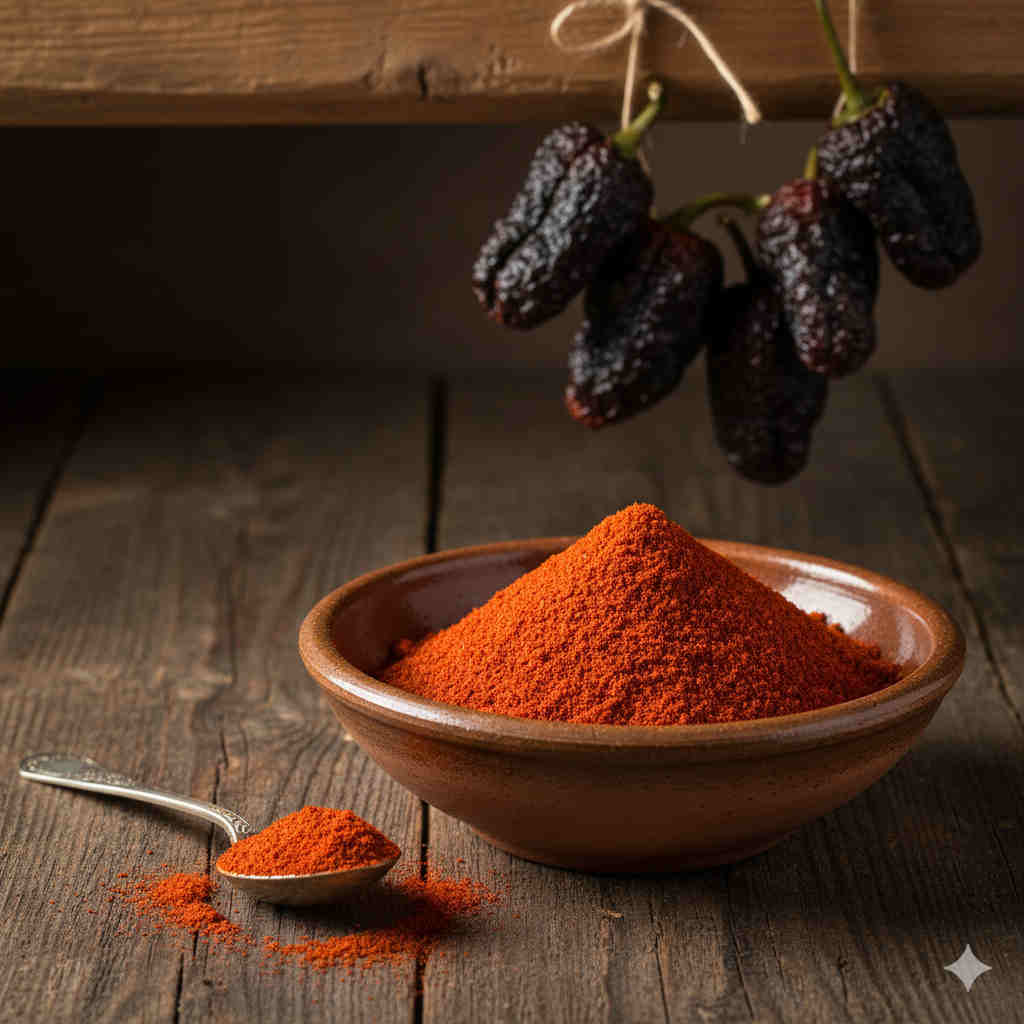
    Ñora Pepper

    Spanish Oregano

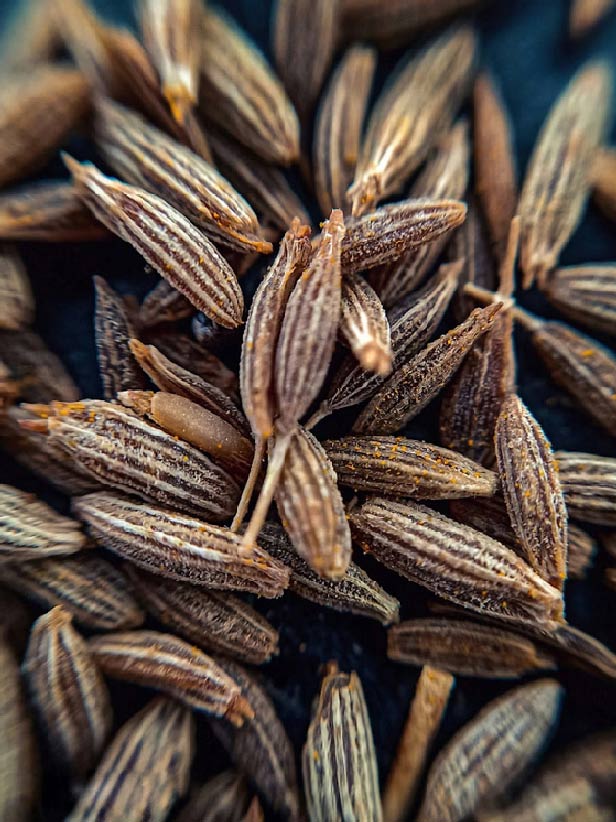
    Spanish Cumin

  • Spanish Cumin: The Earthy, Ancient Spice at the Heart of Iberian Cooking

    Spanish Cumin Spice

    A Spice That Bridged Continents and Cultures

    Among all the spices that shape Spanish cuisine, few have a story as ancient and far-reaching as Spanish cumin. Known locally as comino, cumin is one of Spain’s most essential and distinctive flavors—especially in the southern region of Andalusia, where Moorish influence left an enduring culinary legacy. While many associate cumin with Middle Eastern, Indian, or North African cooking, it is deeply rooted in Spanish tradition as well, playing a fundamental role in stews, sausages, marinades, and rustic comfort foods.

    Spanish cumin stands out for its warm, earthy aroma, smoky undertones, and slightly bitter yet citrus-like finish. More intense than many commercially available varieties, it has a depth that speaks to centuries of tradition, cultural exchange, and regional craftsmanship. This article explores the flavor profile, culinary uses, and rich historical significance of Spanish cumin—and why it remains a cornerstone of Iberian cuisine today.


    Flavor Profile: Warm, Earthy, and Intensely Aromatic

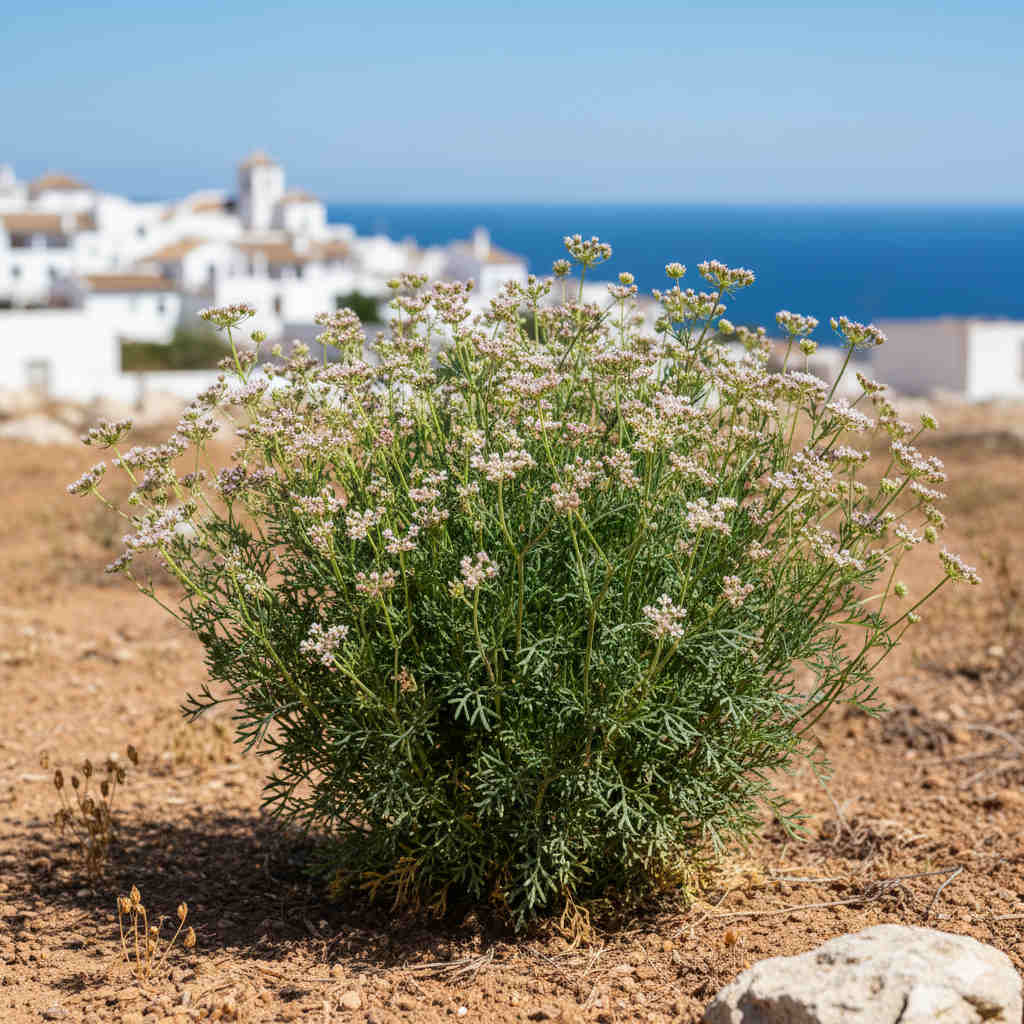
    Spanish Cumin Plant

    Spanish cumin is known for its bold and unmistakable smell—the kind of fragrance that instantly evokes home-cooked stews and rustic kitchens.

    Key Flavor Notes of Spanish Cumin

    • Earthy and warm, with deep aromatic richness
    • Nutty and slightly smoky, especially when toasted
    • Subtle citrus brightness
    • A touch of bitterness, which adds complexity
    • Lingering, savory finish

    Spanish cumin contains high levels of cuminaldehyde, the compound responsible for cumin’s signature aroma. But due to Spain’s climate and soil, local cumin often tastes slightly sharper, richer, and more intense than typical varieties.

    Whole vs. Ground Cumin

    Spanish kitchens traditionally use both:

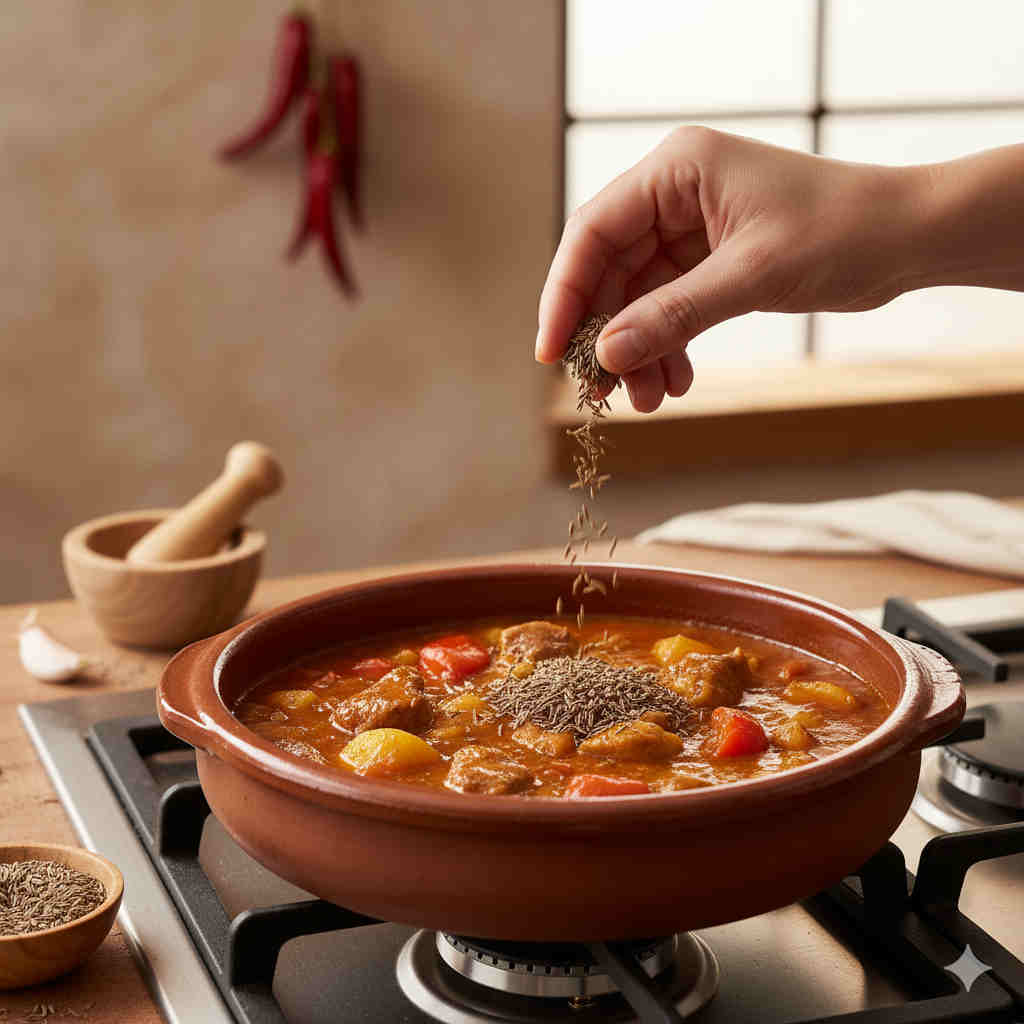
    • Whole seeds, often toasted for stews and sauces
    • Ground cumin, essential for seasoning meat, sausages, and beans

    Toasting cumin seeds in a dry pan before use dramatically enhances their nutty and smoky qualities—one of the secrets behind the flavor of many Spanish dishes.


    How Cumin Is Used in Spanish Cooking

    Spanish Cumin Recipes

    Cumin is a foundational spice in multiple regions of Spain, but especially in Andalusia, Extremadura, and the Canary Islands. Its influence is most visible in rustic, slow-cooked recipes.

    1. Stews and Legume Dishes

    Cumin is essential in classic Spanish guisos (stews), beloved for their comforting depth. It is often found in:

    • lentil stew (lentejas guisadas)
    • chickpea stew (potaje de garbanzos)
    • white bean dishes
    • tomato-based stews

    Just a small amount enhances the earthiness of legumes and balances the sweetness of vegetables.

    2. Sausages and Meat Seasonings

    Cumin is a defining flavor in many Spanish sausages, especially:

    • morcilla (blood sausage)
    • chorizo (particularly some Andalusian styles)
    • longaniza

    It also appears in marinades for:

    • pork
    • chicken
    • lamb
    • beef

    A typical Spanish marinade with cumin includes:

    • garlic
    • sweet smoked paprika
    • black pepper
    • olive oil
    • vinegar or wine
    • oregano

    Cumin provides the earthy backbone that gives Spanish meats their rustic identity.

    3. Andalusian and Moorish-Influenced Cuisine

    Cumin is central to many dishes that reflect Spain’s historical connection with North Africa. Some examples include:

    • Andalusian albóndigas (meatballs in cumin-tomato sauce)
    • Pinchitos morunos (Moorish-style skewers)
    • Andalusian-style roasted vegetables
    • Soups with saffron and cumin

    In these recipes, cumin blends seamlessly with paprika, garlic, saffron, and coriander—a flavor palette deeply inspired by centuries of cultural exchange.

    4. Canary Islands Mojo Sauces

    The Canary Islands feature two iconic sauces:

    • mojo rojo (red garlic-paprika sauce)
    • mojo verde (green cilantro-parsley sauce)

    Both rely heavily on cumin for flavor balance. In mojo rojo, cumin adds depth and earthiness; in mojo verde, it provides grounding contrast to fresh herbs and lime.

    5. Bread, Savory Pastries, and Pickling

    Although lesser known, cumin also appears in:

    • traditional breads
    • savory pastries
    • brines and pickles
    • artisanal cheeses

    Its pungency works beautifully in fermentation and slow baking.


    The History of Cumin in Spain: A Journey Across Civilizations

    Cumin’s story in Spain spans over 3,000 years, intertwined with the migrations, conquests, and trade networks that shaped the Iberian Peninsula.

    1. Arrival Through Ancient Trade Routes

    Long before the Moors, cumin was used in Phoenician and Roman cooking. The Romans introduced it widely across their empire, and cumin quickly became a valued spice in Iberian households.

    2. The Moorish Golden Age

    The most significant influence came with the Moors, who ruled large parts of Spain from the 8th to the 15th century. They brought refined spice techniques, agricultural knowledge, and culinary traditions that transformed Spanish cooking.

    During this period:

    • cumin became a household staple
    • it was used in stews, breads, and spice blends
    • it gained prominence in Andalusia’s evolving food culture

    Many traditional Andalusian dishes today still contain the same cumin-based seasoning combinations developed centuries ago.

    3. Medieval Spanish Medicine and Tradition

    In medieval Spain, cumin wasn’t just food—it was medicine. Herbalists used it for:

    • digestion
    • sore throats
    • congestion
    • disinfecting wounds

    Even today, cumin tea and infusions remain popular folk remedies in rural communities.

    4. Cumin in Modern Spain

    While many global cuisines adopted cumin, Spain maintained a uniquely rustic interpretation. Spanish cumin remains a symbol of tradition—especially in home kitchens where recipes are passed down through generations.


    Why Spanish Cumin Is Uniquely Valuable Today

    Modern chefs and home cooks prize Spanish cumin for several reasons:

    1. Powerful, Distinct Flavor

    Spanish cumin is typically more intense and aromatic than generic cumin varieties, making it a preferred choice for authentic recipes.

    2. Versatility Across Culinary Styles

    It works well in:

    • rustic stews
    • barbecue rubs
    • vegetarian dishes
    • sauces and dips
    • global fusion recipes

    Its complexity allows it to shine whether used sparingly or boldly.

    3. Health Benefits

    Cumin is rich in:

    • antioxidants
    • iron
    • antimicrobial compounds
    • digestion-supporting oils

    These qualities align perfectly with modern wellness-focused cooking.

    4. A Link to Cultural Heritage

    Using Spanish cumin brings historical authenticity to dishes with Moorish, Andalusian, or Canary Island roots. For food lovers seeking culinary identity, cumin is a gateway to Spain’s multi-layered past.


    Conclusion: Spanish Cumin, the Soul of Iberian Comfort Food

    Spanish cumin is more than a spice—it is a storyteller. Its bold, earthy aroma evokes ancient trade routes, Moorish palaces, Roman kitchens, and generations of Spanish home cooking. Its flavor is warm, rustic, and unmistakably Iberian, shaping everything from lentil stews to sausages and signature sauces like mojo.

    For cooks seeking an authentic taste of Spain, or simply wanting a spice with depth and character, Spanish cumin is an essential ingredient. It captures the heart of Spanish comfort food: humble, aromatic, and rooted in centuries of tradition.

    Other Spanish Typical Spices:


    – Smoked Paprika

    Saffron

    Ñora Pepper

    Spanish Oregano

  • Spanish Oregano: The Wild Aromatic Treasure of the Iberian Peninsula

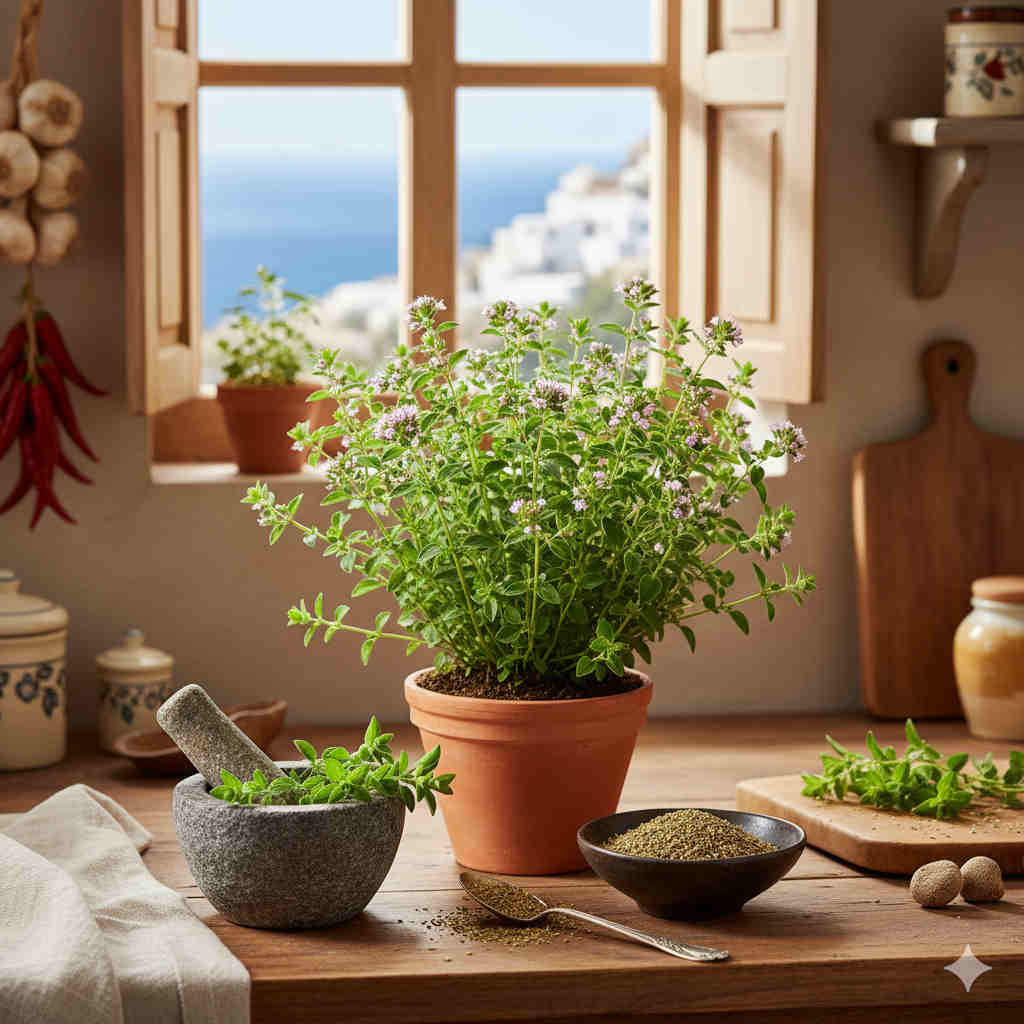
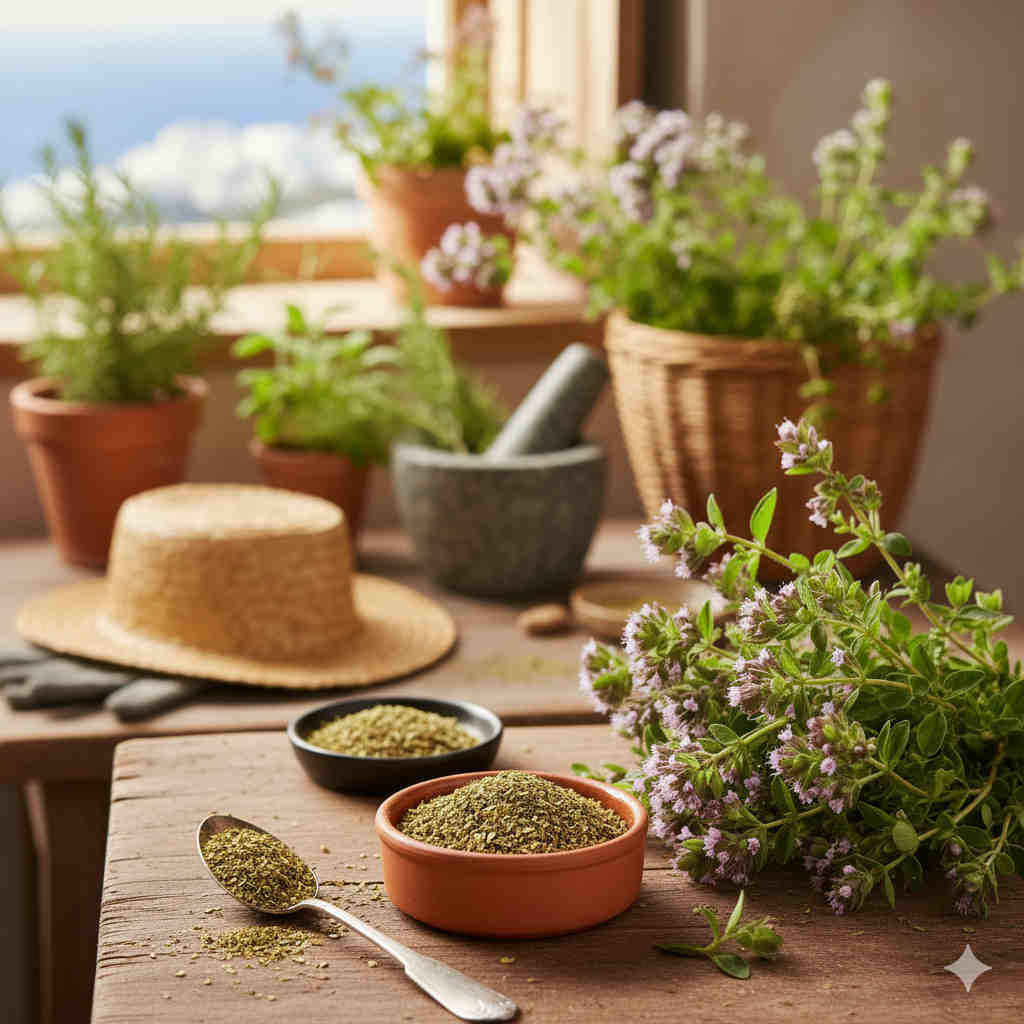
    Oregano Spice

    A Bold Herb Rooted in Spanish Landscape

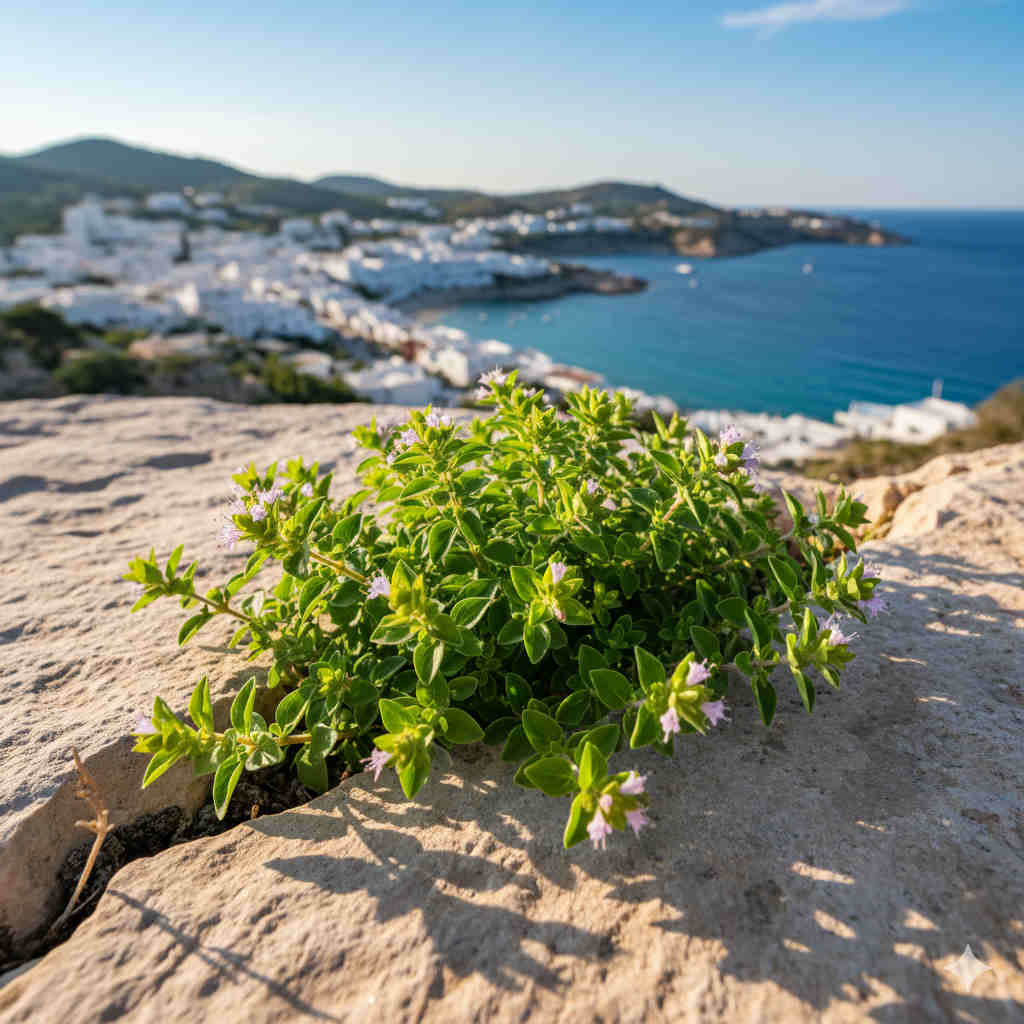
    When people think of oregano, they often imagine the mild herb used in Italian pizza sauces or Mediterranean salads. But Spanish oregano—a distinct variety often derived from Origanum vulgare or Origanum virens—is something entirely different. Bolder, sharper, more aromatic, and deeply infused with the rugged identity of Spain’s wild terrain, Spanish oregano is a herb with an unmistakable personality.

    It grows naturally across the hillsides of central and southern Spain, thriving in dry, rocky soils under intense sunlight. This harsh environment shapes its essential oils, giving the herb a potent fragrance and flavor that stand out dramatically from its Greek and Italian cousins. In Spanish cuisine, it’s essential in stews, marinades, grilled meats, vegetable dishes, and even pickling recipes. It is one of those ingredients that might seem simple—yet once you experience its intensity, you realize why it holds a special place in Iberian kitchens.


    Flavor Profile: Strong, Wild, and Unapologetically Aromatic

    It is known for its bold flavor. It contains a higher concentration of thymol and carvacrol—two powerful aromatic compounds—giving it a sharper and more resinous bite than typical oregano varieties.

    Key Characteristics of Spanish Oregano

    • Strongly aromatic, with pungent herbal notes
    • Slightly spicy, almost peppery
    • Hints of citrus and wildflowers
    • Warm and earthy finish, with a touch of bitterness
    • More intense flavor than Greek, Turkish, or Italian varieties.

    Its potency means that cooks typically use smaller quantities, especially when substituting it in recipes that call for milder taste. Just a pinch can transform a dish, adding depth and Spanish rustic charm.


    How to Use Spanish Oregano in Cooking

    It is a kitchen workhorse—simple to use yet capable of enhancing dishes with remarkable complexity. Its boldness pairs beautifully with meat, garlic, tomato, olive oil, and robust spices such as cumin or paprika.

    1. Marinades and Grilled Meats

    One of the most traditional uses of Spanish oregano is in marinades for:

    • grilled chicken
    • pork chops
    • lamb skewers
    • rabbit dishes
    • beef steaks

    A classic Spanish marinade often includes:

    • garlic
    • olive oil
    • vinegar or lemon juice
    • smoked paprika
    • salt
    • a generous pinch of oregano

    The herb’s pungent aroma penetrates the meat during marination, creating a fragrant, savory crust when grilled.

    2. Stews and Hearty Soups

    Spanish stews, known as guisos or cocidos, often rely on oregano to bring depth and warmth. You’ll find it in:

    • cocido madrileño (Madrid-style stew)
    • lentil stews
    • chickpea and chorizo soups
    • tomato-based bean dishes

    Its peppery, herbal aroma enhances slow-cooked flavors, making the broth richer and more aromatic.

    3. Vegetable Dishes and Roasts

    It shines in vegetable preparations such as:

    • roasted peppers
    • eggplant
    • zucchini
    • potatoes
    • sautéed greens

    A drizzle of olive oil and a sprinkle of oregano can transform any vegetable into a deeply flavorful side dish.

    4. Tomato-Based Sauces and Sofritos

    In Spanish sofrito—an aromatic base made from tomato, garlic, and onion—oregano plays a subtle but essential role. Unlike Italian variety, which tends to blend smoothly into sauces, Spanish variety creates a slightly sharper edge, adding rustic complexity.

    5. Pickling and Seasoned Oils

    Spanish variety is often used in:

    • homemade vinegars
    • infused olive oils
    • pickled vegetables
    • preserved cheeses
    • seasoning blends for olives

    The herb’s high essential-oil content makes it perfect for preserving and flavor infusing.


    A Herb With Ancient Roots: Spain’s Timeless Oregano Tradition

    The history of oregano in Spain stretches back thousands of years. The herb was widely used by the Greeks and Romans, who valued it not only for cooking but also for its medicinal and spiritual properties. They believed it symbolized joy and protection, often planting it near homes to promote prosperity.

    Oregano Plant

    1. Arrival and Adaptation in Iberia

    It arrived in the Iberian Peninsula through ancient trade routes. Spain’s rugged terrain, especially in regions like Extremadura, Castilla-La Mancha, and Andalucía, offered ideal growing conditions. Over centuries, wild oregano evolved into distinct regional varieties, many of which are still harvested by hand today.

    2. A Staple in Rural Spanish Culture

    For generations, it has been a pantry essential in rural Spanish households. Villagers collected wild herbs during the summer and dried them for year-round use. The herb was prized for:

    • its strong flavor
    • its preservative properties
    • its versatility in cooking
    • its use in traditional remedies

    Even today, small producers and family farms continue this tradition, hand-drying oregano in bunches under the summer sun.

    3. Oregano in Spanish Folk Medicine

    Historically, oregano was used for:

    • digestive issues
    • colds and respiratory ailments
    • disinfecting wounds
    • general wellness teas

    Though modern medicine no longer relies on herbs in the same way, oregano tea and infusions remain popular in many Spanish households.


    Why Spanish Oregano Stands Out in Modern Cooking

    Recipes with Oregano

    In contemporary cuisine, authenticity and bold flavors are prized. Chefs often seek ingredients with strong identity and terroir—qualities that Spanish oregano offers in abundance.

    Benefits of Using Spanish Oregano

    • Intense flavor: A small pinch is enough for an entire dish.
    • Versatility: Suitable for meat, vegetables, stews, and sauces.
    • Natural preservative: High essential-oil content inhibits spoilage.
    • Health benefits: Rich in antioxidants, antimicrobial compounds, and vitamins.
    • Cultural authenticity: Essential for Spanish and Mediterranean dishes.

    Because of its strength, Spanish oregano can also act as a substitute for thyme or marjoram in some recipes.


    Conclusion: A Powerful Herb With Unmistakable Spanish Character

    Spanish oregano may share a name with its milder Mediterranean relatives, but its personality is unmistakably bold and wild—just like the landscapes from which it comes. Its peppery, aromatic flavor infuses dishes with rustic Iberian soul, making it indispensable in marinades, grilled meats, stews, and hearty vegetable recipes.

    Whether you are exploring Spanish cuisine or simply looking for a more intense herb to elevate your everyday cooking, Spanish oregano is a powerful and aromatic treasure well worth adding to your pantry.

    Other Spanish Typical Spices:


    – Smoked Paprika

    Saffron

    Ñora Pepper

    Spanish Cumin

  • Spice Tales from India: A Collection of Amusing Stories

    Spice Tales from India: A Collection of Amusing Stories

    Spice Tales from India: A Collection of Amusing Stories

    India is a land of vivid colors, spirited festivals, and—most famously—spices. For thousands of years, spices have traveled from Indian ports to kitchens across the world, carrying with them not just flavor but stories. Some of these stories are historical, others mythical, and many hilariously reflect the everyday chaos that spices bring into Indian life. Below is a collection of amusing tales featuring some of India’s most iconic spices.

    1) The Day Turmeric Tried to Ruin a Wedding

    In a small village in Kerala, turmeric—revered for its golden color—plays a key role in pre-wedding rituals. But in this particular story, turmeric decided to take its duties very seriously.

    Traditionally, a turmeric paste is applied to the bride and groom to bless them with good health and glowing skin. All went well until a mischievous young cousin grabbed the leftover bowl of turmeric paste and tripped (or pretended to trip—opinions differ). The bowl flew through the air like a bright yellow comet and landed squarely on the groom’s white ceremonial kurta.

    A gasp spread through the crowd. The groom looked like a marigold that had been hit by a truck.

    Instead of panicking, the bride burst into laughter and said, “Well, at least now you match the wedding décor!”

    The priest later joked that the turmeric must have been too enthusiastic about its protective duties. And from that day on, villagers told the story of “The Groom Who Was Blessed Too Much.” Even now, some families keep an extra kurta on standby—just in case turmeric decides to get creative again.

    2- The Cardamom Bandit of Mysore

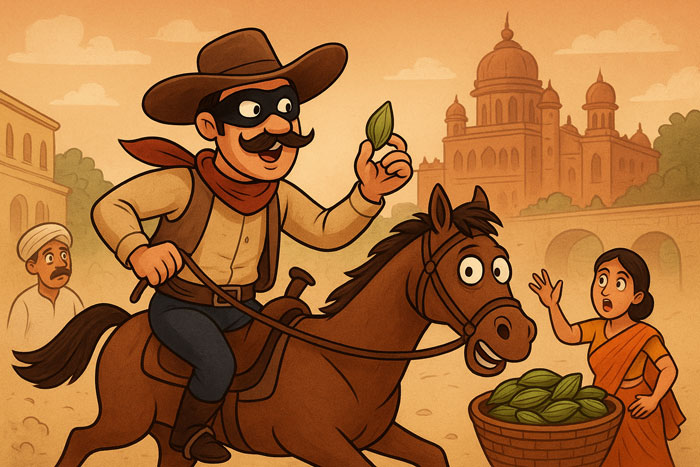
    Cardamom, the “Queen of Spices,” is beloved in desserts, teas, and sometimes even pilafs. But in the city of Mysore, cardamom became the center of a mysterious and strangely fragrant crime spree.

    Every morning for a week, one household discovered that their precious cardamom pods were disappearing. At first, they suspected thieves—after all, cardamom can be as expensive as silver. But there were no broken locks, no missing valuables, nothing disturbed except the spice jar.

    Finally, the family set a trap: they left the kitchen door half-open and hid behind the dining table at dawn. As rays of sunlight warmed the floor, a soft rustling noise emerged.

    From behind a stack of pots appeared the culprit: a plump squirrel dragging a cardamom pod twice the size of its head.

    Apparently, the squirrel preferred cardamom over peanuts and had been hoarding the pods in its nest like aromatic treasure. When the nest was eventually found, it smelled better than most Indian bakeries.

    The squirrel was nicknamed “The Mysore Perfumer,” and ever since, the family buys an extra packet of cardamom—one for cooking, one for the little thief who clearly had refined taste.

    3- When Black Pepper Won an Argument

    Long before refrigeration, ancient Indian households used black pepper not just as a spice but as a natural preservative. In one Tamil Nadu household, pepper also played the unexpected role of an informal marriage counselor.

    An elderly couple, famous for their playful arguing, once disagreed about how much pepper should go into the evening rasam. The wife claimed one teaspoon was enough; the husband insisted on two. The debate escalated—sarcastic comments flew, wooden spoons waved dramatically, and neighbors later claimed they smelled the aroma of a storm brewing.

    Finally, in a moment of stubborn triumph, the husband added an enormous tablespoon of pepper to the pot.

    The result? A rasam so spicy that it made everyone cough, sneeze, and contemplate their life choices.

    After two fiery spoonfuls, the husband gasped, “I think perhaps… it needs less pepper tomorrow.”

    The wife smirked and said, “Pepper wins. Listen to the spice next time.”

    The story spread, and pepper’s reputation rose: not only could it flavor food and preserve fish—it could also settle arguments faster than any family mediator.

    4- Cinnamon and the Apprentice Who Took Things Too Literally

    Cinnamon, sweet and warm, has long been used in Indian sweets and Ayurvedic remedies. But one spice shop in Jaipur tells the famous tale of an apprentice who misunderstood instructions in the most spectacular way.

    The shopkeeper asked the new apprentice to prepare “a pinch of cinnamon powder” to sample a new batch of tea. Unfortunately, the apprentice was not familiar with the English word “pinch.”

    So, naturally, he looked around… and grabbed the pair of metal tongs used to lift hot pans. Believing the instruction to be literal, he smashed a cinnamon stick between the tongs like a construction worker handling bricks.

    The cinnamon exploded into a cloud so fragrant that customers several shops down began sneezing and asking who was baking holiday cookies.

    Instead of scolding him, the shopkeeper laughed for an entire minute and said, “Well, at least your pinch has enthusiasm.”

    To this day, the apprentice is known as “The Strongest Pinch in Rajasthan.”

    Conclusion: The Humor Hidden in Every Spice Jar

    Spices may be tiny, but they shape India’s cuisine, culture, and—when they misbehave—its funniest stories. Whether turmeric is sabotaging wedding outfits, cinnamon is being pinched with industrial enthusiasm, or squirrels are mastering the art of cardamom theft, Indian spices show that they are as lively as the people who use them.

    These tales remind us that spices bring more than flavor—they bring joy, laughter, and a touch of chaos to everyday life. And perhaps that is why Indian cuisine, like the stories behind it, is always full of warmth, surprise, and unforgettable character.

    https://internationalspicedistrict.com/blogs/spice-stories

  • The Magic of the 5‑Pepper Blend: A Flavorful Journey Through History, Culture & Cooking

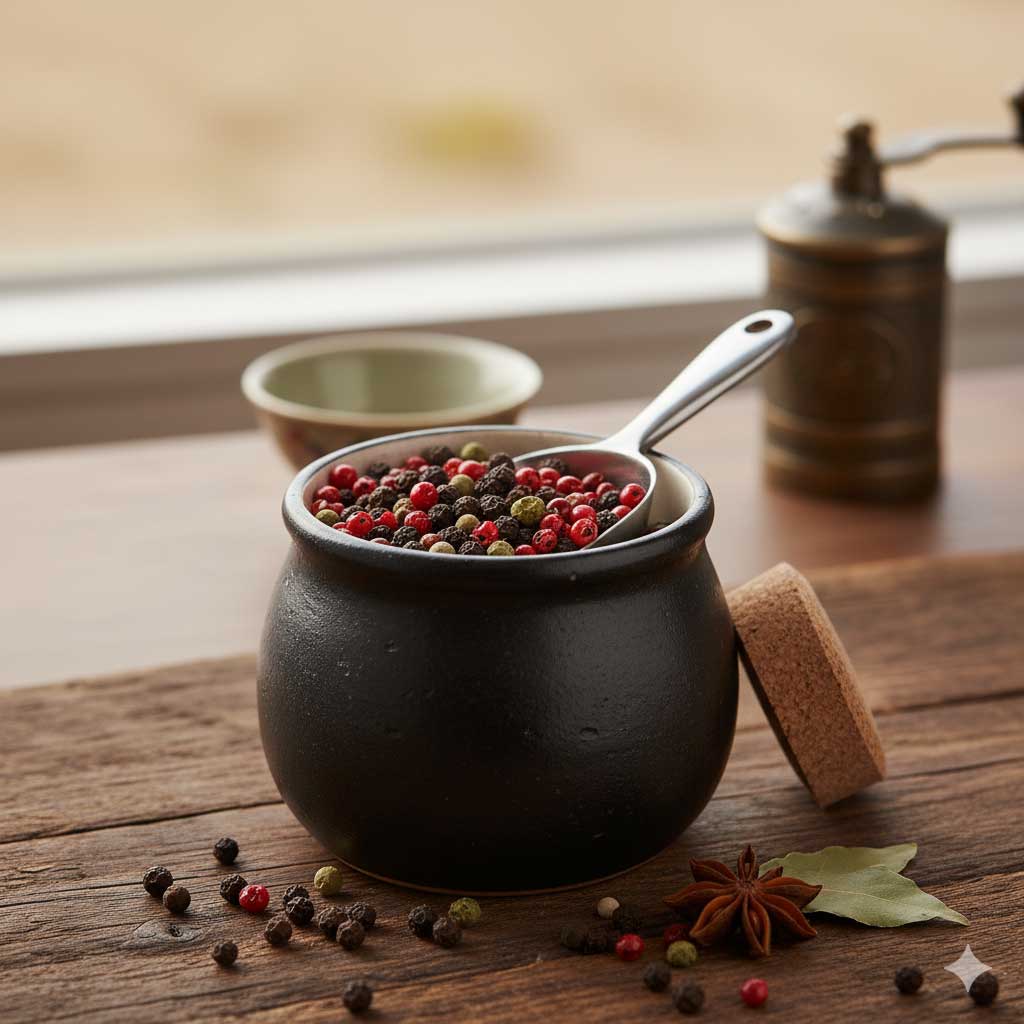
    5-pepper blend

    5-pepper blend isn’t just a decorative addition to your pepper grinder — it’s a vibrant mix brimming with history, aroma, and culinary complexity. But what makes this colorful seasoning more than just pepper? By exploring its unique peppercorn varieties, its storied origin, and its versatile uses in the kitchen, you’ll discover why this medley deserves a place in your spice rack. Join me on a journey through trade routes, sensory layers, and modern gastronomy, and learn how to use and appreciate the multicolored symphony in your own cooking.

    What is the 5‑pepper blend?

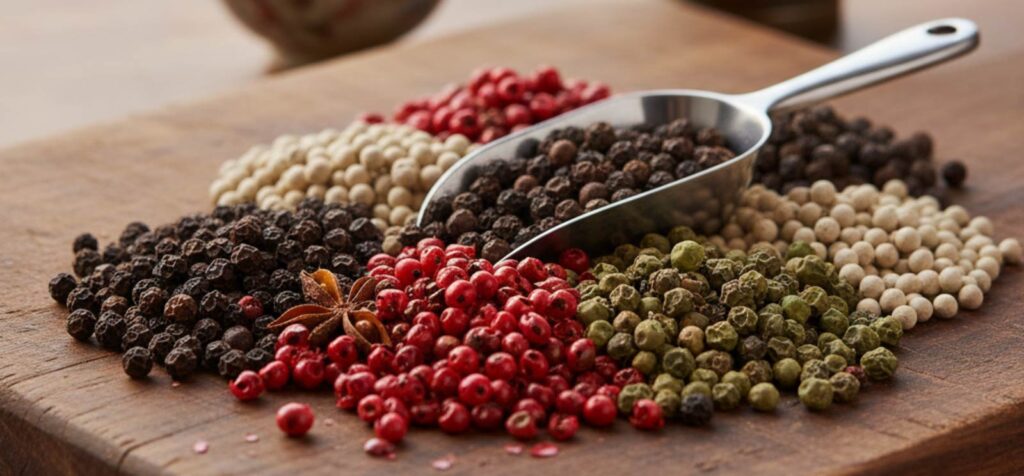
    At its core, the 5‑pepper blend (also called “five-­peppercorn mix” or “cinq baies” in French) typically combines five distinct “pepper” elements that come from different plants or are processed differently. The most common composition includes black, white, green, and pink peppercorns — all from the same species Piper nigrum — plus allspice (also known as Jamaica pepper).

    The black, green, and white peppercorns originate from the same fruit but undergo distinct processing: black pepper is the sun-dried unripe fruit, white pepper comes from fully ripened berries whose outer skin has been removed, and green peppercorns are harvested early to capture a fresher, milder flavor. Pink peppercorns, however, are not true peppercorns at all; they are the dried berries of the Schinus tree and bring a subtly fruity, floral character. Finally, allspice adds a sweet, slightly warming undertone with hints of cinnamon, clove, and nutmeg. 

    The flavor profile of the 5‑pepper blend

    The 5‑pepper blend sings in multiple registers. Black pepper provides the familiar, robust heat — round, earthy, and warming. White pepper, in contrast, delivers a slightly sharper, more concentrated piquancy with an almost fermented or musky tone. 

    Then there’s the bright, herbaceous note of green peppercorns, which feel fresher and more vegetal, sometimes even citrusy. Pink peppercorns bring a delicate, floral sweetness — light and slightly fruity, standing apart from the Piper nigrum family. Rounding it out, allspice provides a gentle warmth, like a whisper of cinnamon, clove, and nutmeg, giving the whole blend a cozy, aromatic base.

    This layering of spicy, sweet, floral, and warming notes makes the 5‑pepper blend both complex and balanced — a seasoning that evolves on your palate with every grind.

    Culinary uses

    The versatility of this pepper mix is one of its biggest strengths. Here’s how different kitchens around the world put it to work:

    • Meats and roasts: Use a coarse grind of the 5‑pepper mix as part of a rub for beef, lamb, or game. The boldness of black and white pepper is tempered by the floral and fruity tones, while allspice brings a hint of warmth — ideal for seared steaks or slow-roasted joints.
    • Seafood and poultry: The lighter and brighter notes of green and pink peppercorns make this blend a beautiful finishing spice for fish or chicken. Try gently cracking the pepper and sprinkling it on grilled salmon — you’ll taste the freshness and the aromatic depth.
    • Sauces and dressings: When freshly ground, the pepper blend elevates sauces, especially creamy or velvety ones. Allspice adds a subtle sweetness, while the peppercorns layer spiciness in a refined way.
    • Salads and vegetables: Use as a finishing flourish. Just grind a little over roasted veggies or toss into a salad to add a punch of color and a sophisticated peppery note.
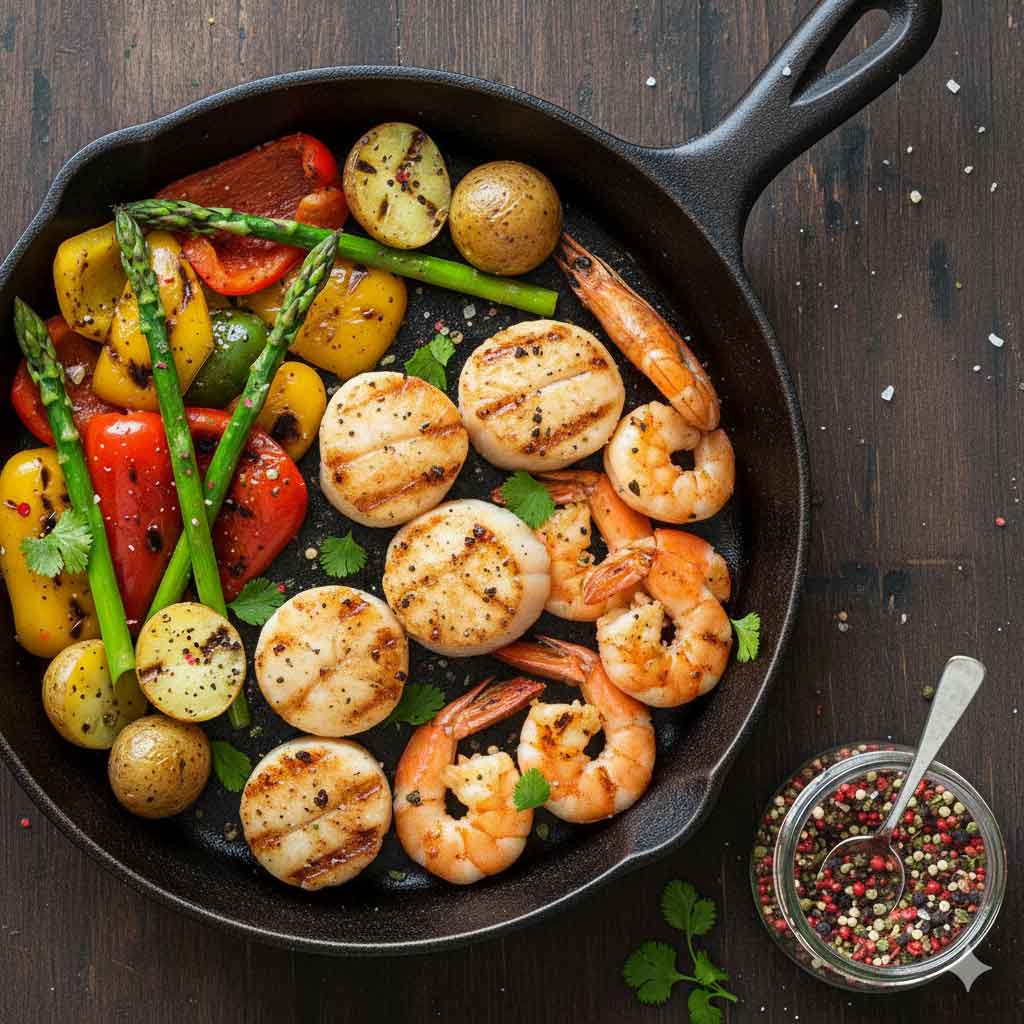
    shrimps with 5-pepper blend

    Cooks often recommend using a transparent pepper mill so you can admire the visual charm of the different peppercorns. And because the flavor of peppercorns is at its peak when freshly ground, it’s best to grind just before serving for maximum aromatic impact. 

    Choosing and storing your 5‑pepper blend

    If you’re shopping for a 5‑pepper blend, look for high-quality, whole peppercorn mixes that contain the five classic components: black, white, green, pink, and allspice. Blends from reputable spice merchants often use premium, ethically sourced peppercorns. 

    Here are a few notable products you might consider:

    • Old India Five Mixed Peppercorns — a classic gourmet blend.
    • Fauchon Mélange 5 Baies — elegant and refined, from a French luxury brand.
    • Fenbrook Five Peppercorn Mix 250 g — generous quantity, great for frequent use.
    5-pepper

    To preserve freshness, store your peppercorn blend in an airtight, opaque container in a cool, dark place. Avoid direct sunlight and moisture — whole peppercorns keep their aromatic compounds best this way. 

    Why the 5‑Pepper Blend Matters: More Than Just a Seasoning

    This blend isn’t just pretty — it’s a symbol of culinary evolution. It reflects centuries of spice trade, the botanical diversity of pepper, and the artistry of layering flavors. When you grind this mix over a dish, you’re not just seasoning your food; you’re connecting with a tradition that spans continents.

    From a health perspective, each type of peppercorn brings its own benefits. Black pepper contains piperine, which can improve nutrient absorption. Allspice, meanwhile, has been used historically for digestive relief. 

    Conclusion

    The 5‑pepper blend is a multi-dimensional treasure: visually stunning, richly aromatic, and deeply rooted in history. Whether you’re finishing a delicate fish, building a robust meat rub, or elevating a salad, this peppercorn medley brings layers of flavor that few single spices can match.

    Don’t stop here — try grinding your own mix, experiment with proportions, and let your culinary imagination run wild. If you give it a spin, I’d love to hear: how do you use your pepper blend? Share your favorite dishes or moments of discovery!

  • Saffron spice: History, Legends, and Recipes

    Saffron spice is wrapped in luxury, legend, and centuries of tradition. Often called “red gold,” it remains the most expensive spice in the world—worth more per gram than precious metals. Its distinctive aroma, intense color, and deep cultural roots make saffron not only a culinary treasure but a symbol of passion, sacrifice, and craftsmanship.

    This guide explores the history of saffron, its cultural anecdotes, and how to use it in delicious recipes at home.

    What Makes Saffron Spice So Special?

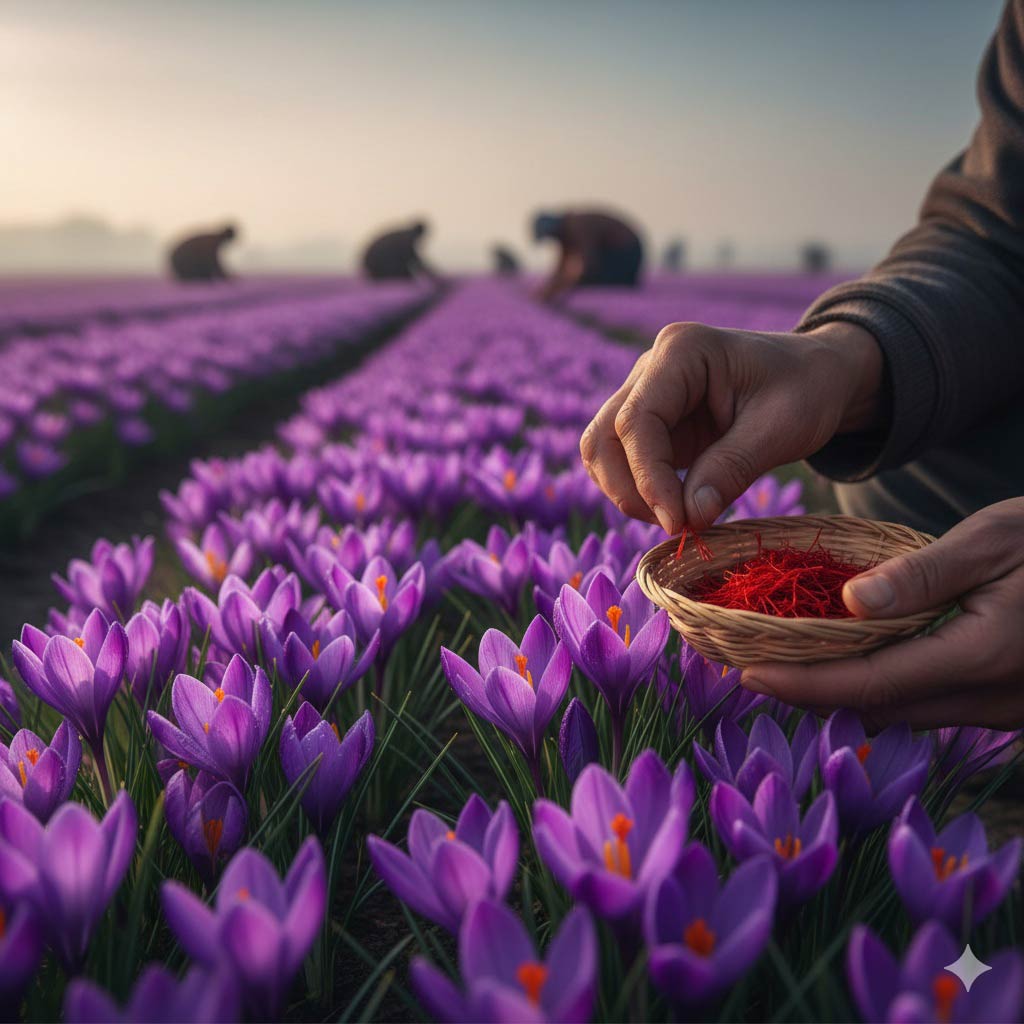
    Saffron comes from the stigmas of the Crocus sativus flower. Each delicate purple blossom contains only three bright red threads, which are hand-harvested and dried. It takes more than 75,000 flowers to produce a single pound of saffron—one reason the spice is so precious.

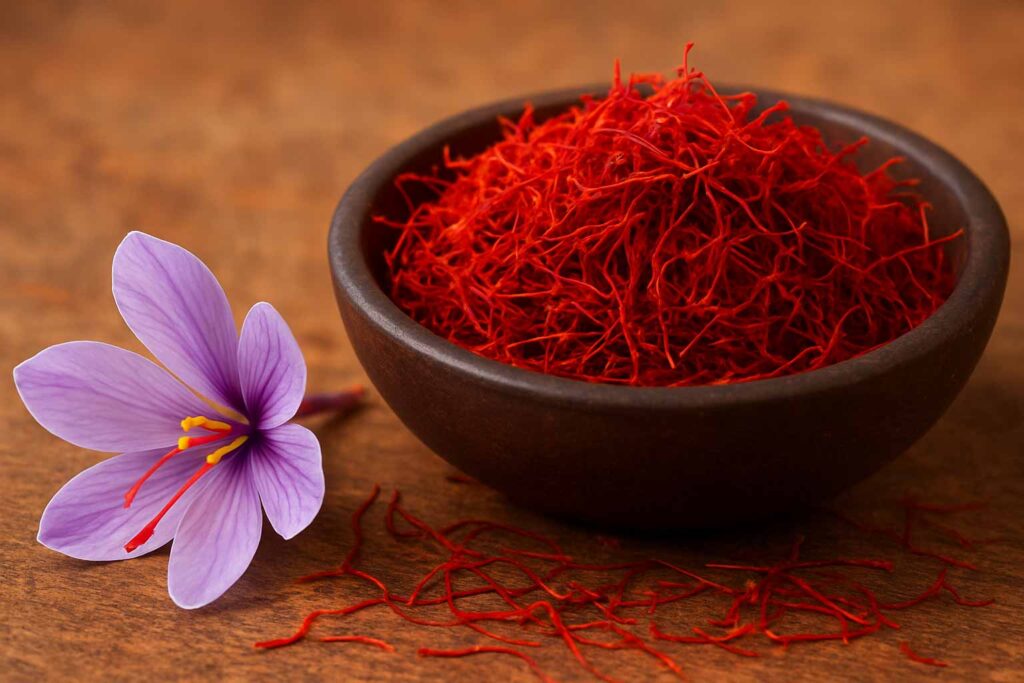
    Saffron flower

    Its flavor is hard to describe: earthy, floral, honeyed, and slightly metallic. Its aroma is unmistakable. And its vibrant golden hue transforms any dish it touches.

    A Brief History of Saffron spice

    Origins in Ancient Persia

    Saffron is believed to have originated in ancient Persia (modern Iran), where it was cultivated as early as 3,500 years ago. Persian royals used saffron in perfumes, ointments, and rich rice dishes. Warriors bathed in saffron-infused water to heal battle wounds and invigorate the spirit.

    Saffron in Greek Mythology

    One of saffron’s most famous legends comes from ancient Greece. According to myth, a mortal named Crocus fell deeply in love with the nymph Smilax. When the gods forbade their union, Crocus was transformed into the saffron crocus flower—his vibrant orange-red stigmas symbolizing eternal longing.

    Egyptian, Roman, and Indian Traditions

    • Egyptians used saffron spice as perfume and medicine. Cleopatra reportedly bathed in saffron milk to enhance her skin and allure.
    • Romans scattered saffron spice on theater floors and linens for its luxurious scent.
    • In India, saffron is deeply woven into Ayurvedic traditions and cuisine, from celebratory sweets to healing tonics.

    The Silk Road and European Expansion

    Saffron’s journey across continents was fueled by trade along the Silk Road. By the Middle Ages, it enriched European cooking, medicine, and religious rituals. During the Black Death, saffron prices soared as it was believed to possess healing properties.

    The city of Kashmir later emerged as one of the world’s most famous saffron-producing regions, known for its deep color and bold aroma—often considered the pinnacle of saffron quality.


    Types of Saffron: Understanding the Differences

    Not all saffron is the same. Factors like region, harvesting techniques, and drying methods influence its quality.

    1. Kashmiri Saffron

    • Deep red color
    • Highly aromatic
    • Strong flavor and powerful color-releasing compounds
    • Premium and often the most expensive

    2. Iranian Saffron

    Iran produces over 80% of the world’s saffron. It is prized for its:

    • Balanced flavor
    • Rich color
    • Excellent value

    3. Spanish Saffron

    Known for:

    • Mild, sweet aroma
    • Slightly less intense coloring
    • Ideal for classic Spanish rice dishes like paella

    4. “Fake” Saffron

    Imitations exist—usually strands of dyed corn silk, safflower, or turmeric.
    True saffron threads are:

    • Deep red with slightly lighter tips
    • Dry yet flexible
    • Not uniformly colored

    Cultural Anecdotes and Symbolism

    A Symbol of Celebration

    In many cultures—especially Persian, Indian, and Mediterranean—saffron spice is associated with:

    • Weddings
    • Religious ceremonies
    • Holiday feasts
    • Offerings and blessings

    Its golden hue symbolizes sunlight, prosperity, and joy.

    Saffron as Medicine

    Ancient medical systems praised saffron for uplifting the mood and supporting vitality. While modern science still explores these claims, saffron remains culturally linked to warmth, energy, and well-being.

    The Monks’ Golden Robes

    Buddhist monks are often pictured wearing deep yellow or orange robes. While not always dyed with saffron today, historically many garments were colored using saffron or saffron-like pigments, associating the spice with purity and enlightenment.

    Precious saffron spice

    How to Cook With Saffron

    A little goes a long way. To unlock saffron’s full potential, follow these tips:

    Blooming Saffron (Essential Technique)

    Before adding saffron to a recipe, soak the threads in warm water, milk, or broth for at least 15–20 minutes.
    This releases its color, aroma, and flavor.

    Authentic Uses Across Cultures

    • Persian cuisine: Saffron rice (tahdig), stews, and desserts
    • Spanish cuisine: Paella, seafood broths
    • Indian cuisine: Saffron biryani, kheer, lassi, festival sweets
    • Italian cuisine: Risotto alla Milanese

    Easy Saffron Recipes

    1. Saffron Rice (Persian-Style)

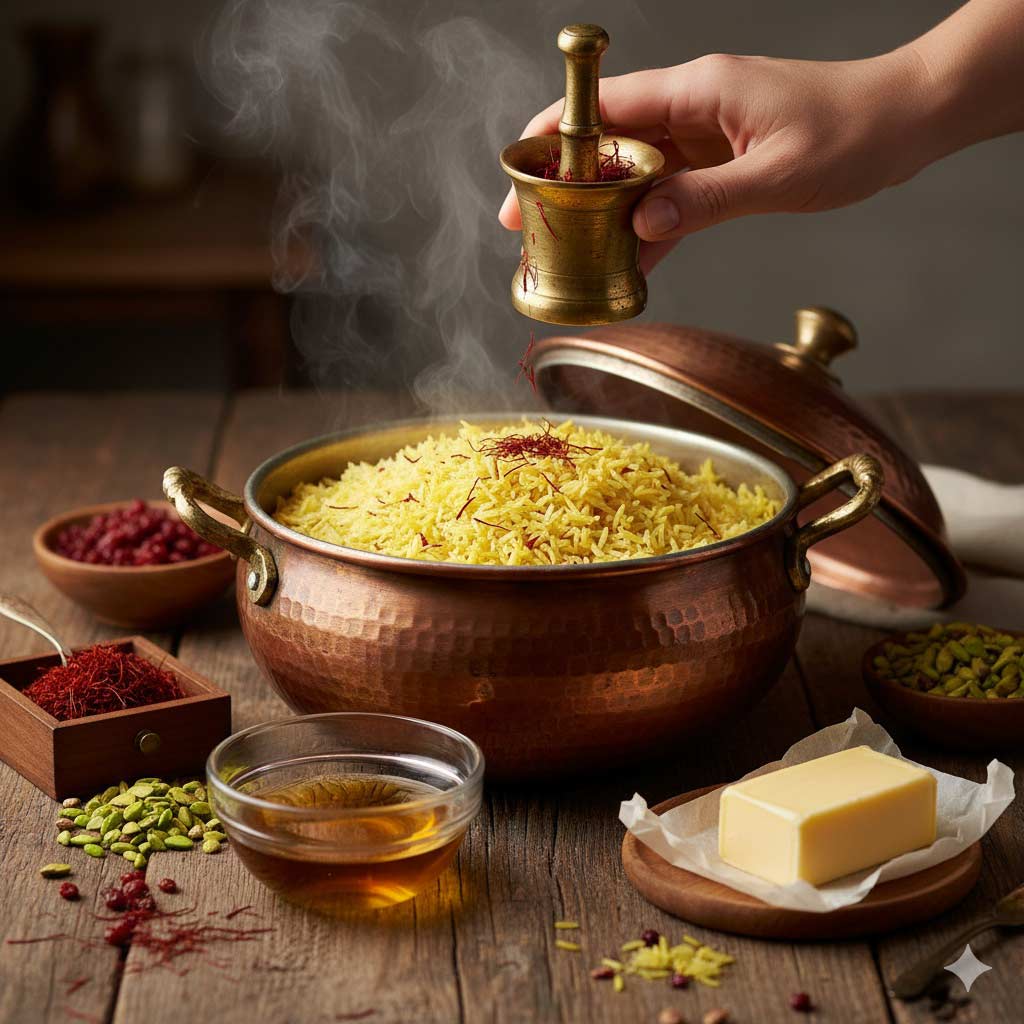
    Saffron rice

    A fragrant side dish that pairs beautifully with roasted meats or vegetables.

    Ingredients:

    • 1 cup basmati rice
    • 1 ½ cups water
    • Pinch of saffron (5–7 threads)
    • 1 tbsp butter or oil
    • Salt to taste

    Instructions:

    1. Soak saffron in 2 tbsp warm water.
    2. Rinse rice until the water runs clear.
    3. Bring water, butter, and salt to a boil.
    4. Add rice, reduce heat, cover, and simmer.
    5. Stir in the bloomed saffron at the end.

    2. Saffron Milk (Kesar Doodh)

    A comforting drink enjoyed throughout India.

    Ingredients:

    • 1 cup warm milk
    • 4–5 saffron threads
    • ½ tsp sugar or honey
    • Optional: cardamom, pistachios

    Instructions:
    Mix all ingredients and let steep 10 minutes before drinking.


    3. Saffron and Citrus Fish

    A bright, aromatic dish perfect for weeknights.

    Ingredients:

    • White fish fillets
    • Saffron soaked in warm broth
    • Lemon zest
    • Garlic
    • Olive oil

    Instructions:
    Brush fish with saffron mixture, season, and bake or pan-sear.


    4. Saffron Risotto

    Creamy, luxurious, and deeply comforting.

    Key Steps:

    1. Toast rice in butter.
    2. Add wine.
    3. Add broth gradually.
    4. Stir in bloomed saffron during the last 10 minutes.

    Try also this great recipe of Saffron and Butternut Squash Risotto with Crispy Sage.


    Why Saffron Endures

    Saffron isn’t just a spice—it’s craftsmanship, history, and culture distilled into tiny crimson threads. From ancient legends to modern kitchens, it continues to symbolize luxury, celebration, and the beauty of patience.

    Whether steeped in warm milk, folded into rice, or infused into a golden broth, saffron transforms dishes into something unforgettable.

  • Spices in Sculpture: Carving Flavour into Form and Memory

    Spices have long captivated the senses. They travel across continents, perfuming kitchens, markets, and palaces, carrying with them history, culture, and stories of human ambition. Yet their influence extends far beyond taste and aroma. They have inspired visual artists, particularly sculptors, who translate the essence of spices into form, texture, and narrative. From intricate carvings in historical spice markets to contemporary installations that evoke aromas and memory, sculpture allows us to see spices, feel them, and even imagine their scent, long after the flavours have faded.

    In this article, we explore the fascinating intersection of spices and sculpture: how they inspire aesthetic form, convey cultural identity, and act as metaphors for human experience. We will also examine how sculptors throughout history and across cultures have turned ephemeral, fragrant ingredients into enduring works of art that resonate both visually and conceptually.

    1. Spices as Inspiration for Form

    sculpture

    Spices are more than ingredients; they are objects of beauty. The star-shaped geometry of star anise, the rugged curves of cinnamon sticks, the delicate threads of saffron — all these natural forms offer sculptural inspiration. Artists have long been drawn to their shapes, textures, and intricate details, seeing in them opportunities to explore patterns, repetition, and symmetry.

    Historical evidence shows that spice-inspired motifs were widely incorporated into architecture and decorative arts. In Arab, Indian, and Southeast Asian palaces and marketplaces, carvings of cloves, nutmeg seeds, and stylised spice plants appear in reliefs, friezes, and decorative borders. These carvings were not merely ornamental: they celebrated the economic, social, and cultural value of spices, transforming ephemeral aromas into enduring visual forms. Through such carvings, sculptors captured both the physical beauty of spices and the fascination they inspired in human imagination.

    Even beyond literal representation, the geometry and rhythm of spice forms influenced artistic composition. The repetition of star anise shapes, the spiral patterns of cinnamon bark, and the clusters of peppercorns inspired motifs and abstract designs. These natural forms provided a bridge between nature and artistry, demonstrating how sculptors translated the microcosm of spice into macrocosmic aesthetic patterns.

    2. Spices as Cultural and Symbolic Signifiers

    Much like literature or cinema, spices in sculpture often symbolise identity, wealth, and status. Temples, palaces, and marketplaces in India, Southeast Asia, and the Middle East feature carved spice motifs that signify prosperity, trade, and cultural sophistication. Cinnamon, cloves, and cardamom, prized commodities often worth more than gold, were immortalised in stone or wood, highlighting their economic and ritual significance. In some cases, spice motifs also carried storytelling or moral meaning, such as cinnamon representing generosity and cloves symbolising endurance.

    3. The Physicality of Spices in Contemporary Sculpture

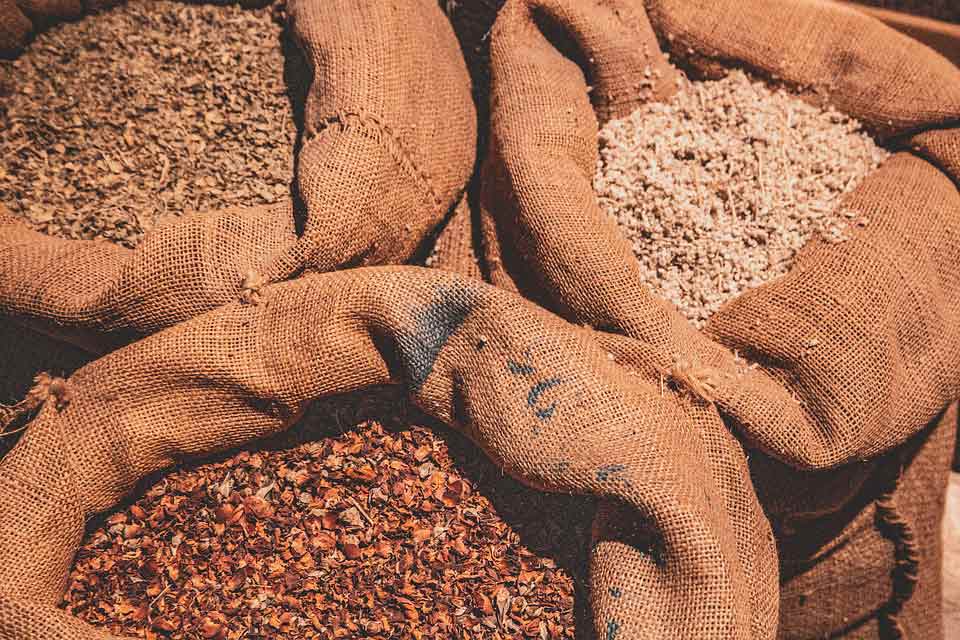
    bags

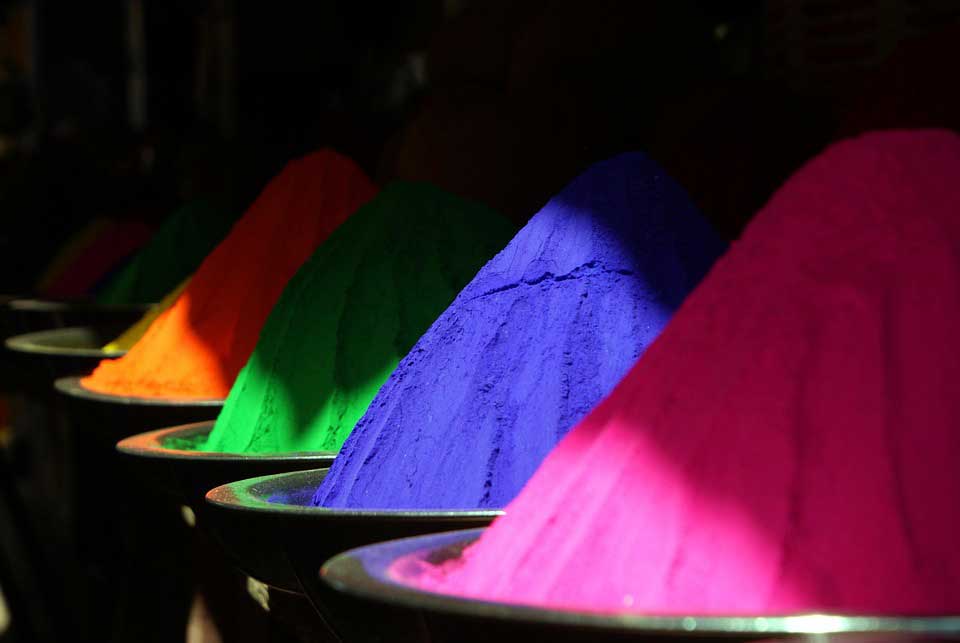
    Contemporary artists have extended this connection by incorporating actual spices into their sculptures. Saffron threads, turmeric powder, crushed cloves, or paprika are used to add texture, colour, and aroma, engaging viewers beyond the visual. Such installations invite a multisensory experience: one can see the vibrant hues, feel the texture, and imagine the scent.

    These works transform spices from mere ingredients into medium and message simultaneously. A mound of turmeric may evoke domestic rituals, healing, or cultural heritage; crushed cloves may evoke memory, intensity, or endurance. By integrating real spices, sculptors blur the line between art and life, inviting audiences to engage with both the physical and symbolic properties of the material.

    Some artists even design interactive sculptures where viewers are encouraged to touch or smell the spices, creating a direct, intimate connection between the artwork and the audience. In doing so, spice-inspired sculptures become immersive and participatory, reminding us that art can engage all the senses simultaneously.

    4. Spices as Narrative and Metaphor

    Beyond their aesthetic and sensory qualities, spices in sculpture often carry narrative weight. Star anise motifs can suggest abundance and hospitality; cinnamon patterns can commemorate trade and prosperity; cloves may evoke preservation, permanence, or endurance.

    In contemporary conceptual sculpture, spices can also act as metaphors for migration, cultural exchange, or human memory. Just as spices travelled across continents, carrying stories and transforming cuisines, they traverse the world of art as motifs and materials that embody cultural encounters. Sculptors use these forms to explore history, identity, and the ephemeral nature of sensory experience.

    The transformation of something so delicate and fleeting into enduring form mirrors humanity’s desire to preserve not just flavour, but experience, memory, and cultural knowledge.

    5. The Enduring Allure of Spices in Sculpture

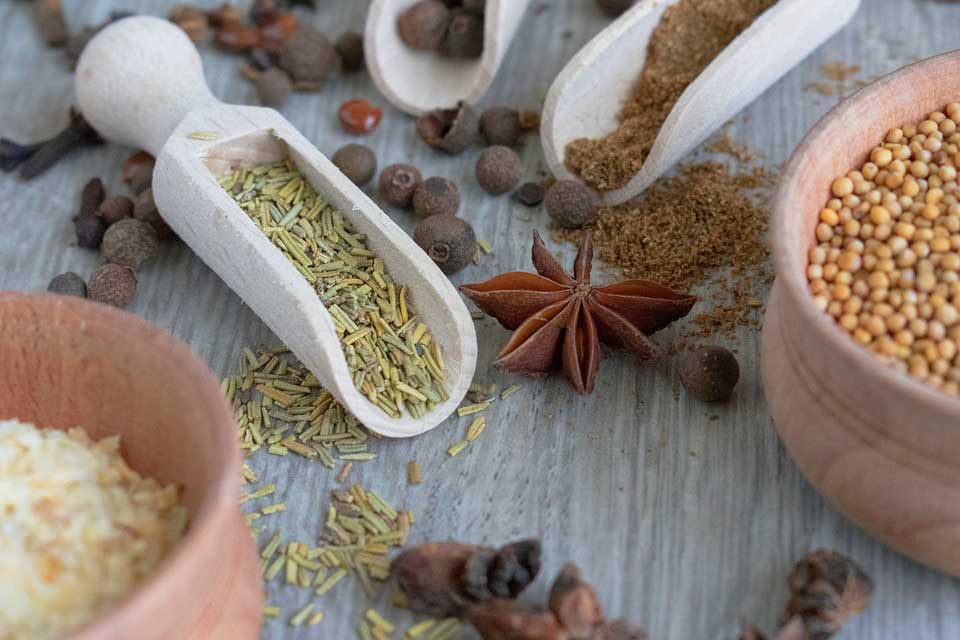
    spices

    What makes spices such compelling subjects for sculptors is their dual nature: practical yet poetic, tangible yet symbolic. They inspire texture, pattern, colour, and cultural resonance, while remaining intimately familiar to audiences. From delicate historical carvings to bold contemporary installations, spices allow sculptors to explore the interplay between materiality, memory, and the senses.

    A sculpture inspired by saffron glows warmly, evoking luxury and celebration; one inspired by star anise intrigues with geometric precision; one incorporating cinnamon conjures warmth, comfort, and nostalgia. Spices transform sculptures from purely visual art into a multi-sensory journey, engaging the viewer on levels beyond sight.

    Conclusion: Carving the Essence of Flavour

    Spices in sculpture demonstrate that art is not limited to sight or touch — it can also be olfactory, tactile, and symbolic. Through their shapes, textures, and even aromas, spices allow sculptors to capture history, culture, and sensory experience in enduring form.

    Next time you see a carved flower, a patterned frieze, or a contemporary installation incorporating vibrant powders, imagine the cinnamon, saffron, or cloves that inspired it. Spices, like art itself, are bridges between the material, the cultural, and the sensory, transforming the everyday into something extraordinary.

    In sculpture, as in cuisine, a pinch of spice can transform the ordinary into the sublime — leaving a lasting impression on both memory and imagination. Through the lens of art, spices are immortalised, allowing us to see, feel, and even imagine their aroma long after the senses themselves have faded.

  • Spices on the Silver Screen: When Flavour Becomes Cinema’s Secret Language

    Spices have always carried a sense of mystery. They travelled in the holds of ancient ships, crossed deserts on camel caravans, perfumed royal banquets, sparked rivalries between empires, and seduced the senses long before cinema existed. So it’s no surprise that when filmmaking embraced the sensual world — sight, sound, movement, emotion — spices naturally followed, slipping into the frames of stories and becoming symbols, metaphors, catalysts, and sometimes even characters in their own right.

    As a blogger passionate about spices, I’ve always been fascinated by the way cinema uses them: not merely as ingredients, but as emotional shorthand, cultural anchors, or mythical artefacts. Today, let’s journey through the worlds where flavour and film meet — a place where saffron glows brighter than gold, where chilli burns brighter than passion, and where the simple act of toasting cumin can change the fate of a character.

    This is the sensory, cinematic world of spices.

    1. Spices as Mythology: Cinema’s Grandest Legends

    When we think of spices in cinema, one title rises above all others: Dune. Frank Herbert’s universe — brought to life by David Lynch and Denis Villeneuve — revolves around a substance so powerful it shapes time, space, and destiny.

    The spice melange is more than a plot device; it is a myth. Glowing like copper and drifting across dunes like ancient dust, it grants visions, longevity, and the ability to navigate the universe. Without it, civilisation falls.

    Its impact feels compelling because it echoes real history. Pepper shaped trade routes, nutmeg sparked wars, and cinnamon enriched cities. Melange simply magnifies these truths, turning spice into cosmic fate.

    Villeneuve reinforces this symbolism through shimmering dust, ritual inhalations, and the reverence of the Fremen, elevating spice to something sacred — much like cinnamon or saffron once were.

    In myth and in cinema, spices signify power. And film speaks that language fluently.

    2. Spices as Emotion: Romance, Memory, and the Scent of the Heart

    cinema

    If Dune gives spices scale, films like The Lunchbox give them intimacy.

    In this quiet Indian drama, spices become letters of the heart. Ila, the protagonist, expresses her longing, disappointment, and hope through the meals she prepares. The film lingers lovingly on moments like

    • cumin seeds crackling in hot oil
    • ginger being crushed for curry
    • coriander chopped with rhythmic precision

    These aren’t just cooking scenes — they are emotional ones. Each spice carries meaning. The aroma becomes the message.

    Cinema often uses spices this way: as translators of unspoken feelings.

    In “Like Water for Chocolate”, the connection is even more direct. Dishes infused with cardamom, rose petals, or quail become vessels of passion and sorrow so intense they affect everyone who tastes them. Here, spices are alchemical — catalysts for emotional explosions.

    Why do filmmakers turn to spices to express feeling? Because flavour is memory. Because a scent can transport a viewer into a character’s childhood or heartbreak faster than dialogue ever could. Because spices, like love, operate directly on the senses.

    3. Spices as Cultural Identity: Kitchens That Tell Stories

    spices

    Cinema often celebrates spices as part of everyday heritage, grounding films in cultural authenticity.

    Take “Bend It Like Beckham.” Amid the football matches and generational tension, the Punjabi kitchen scenes are vital. Turmeric glows on the countertop. Coriander is chopped for pakoras. Masala simmers in the background while characters argue, negotiate, or try to understand one another.

    Here, spices are not dramatic — they are truthful. They depict family, tradition, expectation, and belonging. They place the characters firmly within their cultural landscape.

    Similarly, in Studio Ghibli films, spices and ingredients subtly reinforce cultural context. A hint of ginger in a broth or aromatic steam rising from a Japanese kitchen immerses viewers in a world that feels real, lived in, and intimate, even when surrounded by fantastical creatures.

    Cinema uses spices as cultural anchors. They tell us:

    • where the story comes from
    • whom the characters are
    • what home means to them.

    Few details communicate culture faster than a spice jar opened on screen.

    4. Spices as Adventure: The Drama of the Spice Trade

    Before spices were cinematic symbols of intimacy or identity, they were the engines of world history. Films and documentaries exploring the Age of Exploration evoke the period when cloves, cinnamon, nutmeg, and pepper held staggering economic power.

    Caravels sailed across dangerous waters to reach the Moluccas. Merchants risked ruin. Nations gambled their futures. In these stories, spices become protagonists of global drama.

    Even when documentaries like “The Spice Trail” avoid fiction, their narrative structure feels cinematic: storms at sea, forbidden islands, secret markets, fragrant treasure hidden in forests.

    Spices, in these films, are adventure itself — fragrant relics that shaped continents.

    5. Spices as Symbol: Cinema’s Sensory Metaphors

    dreamcatcher

    Film is a visual medium, yet spices allow it to evoke the invisible: scent, taste, nostalgia.

    Directors often use spices symbolically:

    • Chilli → passion, risk, confrontation
    • Cinnamon → comfort, childhood, warmth
    • Saffron → luxury, aspiration
    • Pepper → conflict, sharpness
    • Turmeric → healing, ritual, tradition

    Even small cinematic gestures carry meaning:
    A character nervously chewing a clove.
    A saffron thread dropped into tea during a reconciliation.
    A jar of spices handed down like an heirloom.

    These moments remind us that spices are not inert objects — they are symbols of identity, memory, and transformation.

    Conclusion: Cinema, Spices, and the Art of Sensation

    Cinema and spices share a superpower: both work through the senses. A film can’t literally give us taste or smell, but it suggests them so vividly that we feel them. Spices, with their intense aromas and colours, become perfect tools for directors wanting to evoke emotion, memory, and atmosphere.

    Spices on screen can be legendary (Dune), intimate (The Lunchbox), nostalgic (Like Water for Chocolate), culturally grounding (Bend It Like Beckham), or historical (The Spice Trail).

    They can symbolise passion, danger, comfort, loss, heritage, or power.

    But above all, they remind us that storytelling — whether through films or through flavour — is an act of connection.

    When spices appear in cinema, they do more than season a dish.
    They season the story.