Blog

  • Discover Cinnamon origin: An Amazing and Delightful Spice With Incredible Flavor and Wellness Benefits

    Explore cinnamon origin among the world’s most beloved spices, cinnamon holds a special place.

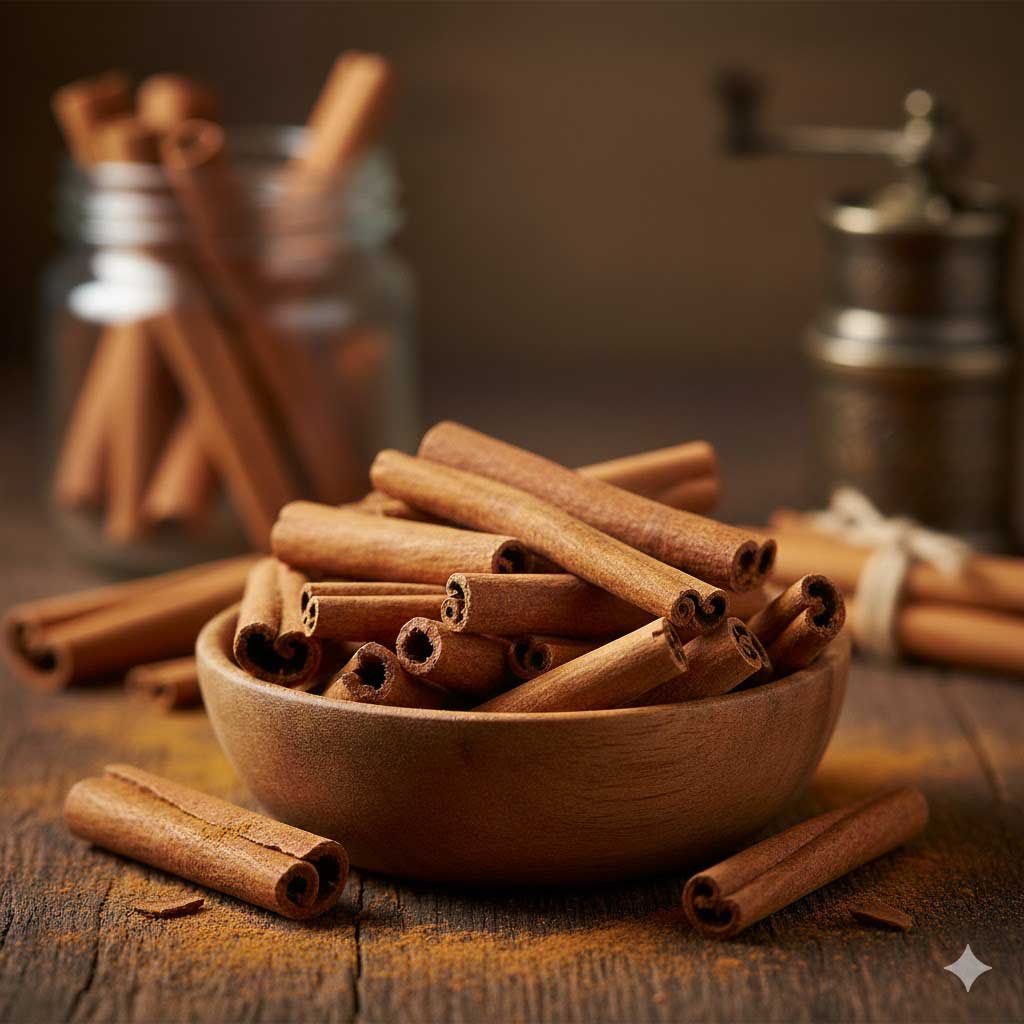
    Discover cinnamon origin with its warm aroma evokes comfort, sweetness, and familiarity, while its history stretches back thousands of years, intertwining with ancient trade routes, royal courts, and traditional medicine. Used today in cuisines across the globe, cinnamon is both a culinary treasure and a natural remedy praised for its many health-promoting properties.
    spice

    Let’s explore the origins, evolution, flavors, uses, and benefits of this iconic spice that continues to enchant palates worldwide.

    Geographical origin: A spice rooted in south and southeast asia

    Cinnamon is obtained from the inner bark of trees belonging to the Cinnamomum genus. While several varieties exist, two dominate the global market:

    1. Ceylon Cinnamon (Cinnamomum verum)

    Also known as “true cinnamon”, it originates from Sri Lanka, where the tropical climate and fertile soils create ideal growing conditions. It is also found in southern India and parts of Madagascar.

    2. Cassia Cinnamon (Cinnamomum cassia)

    Cassia, the stronger and more common type, is native to China, with related varieties thriving in Indonesia and Vietnam.

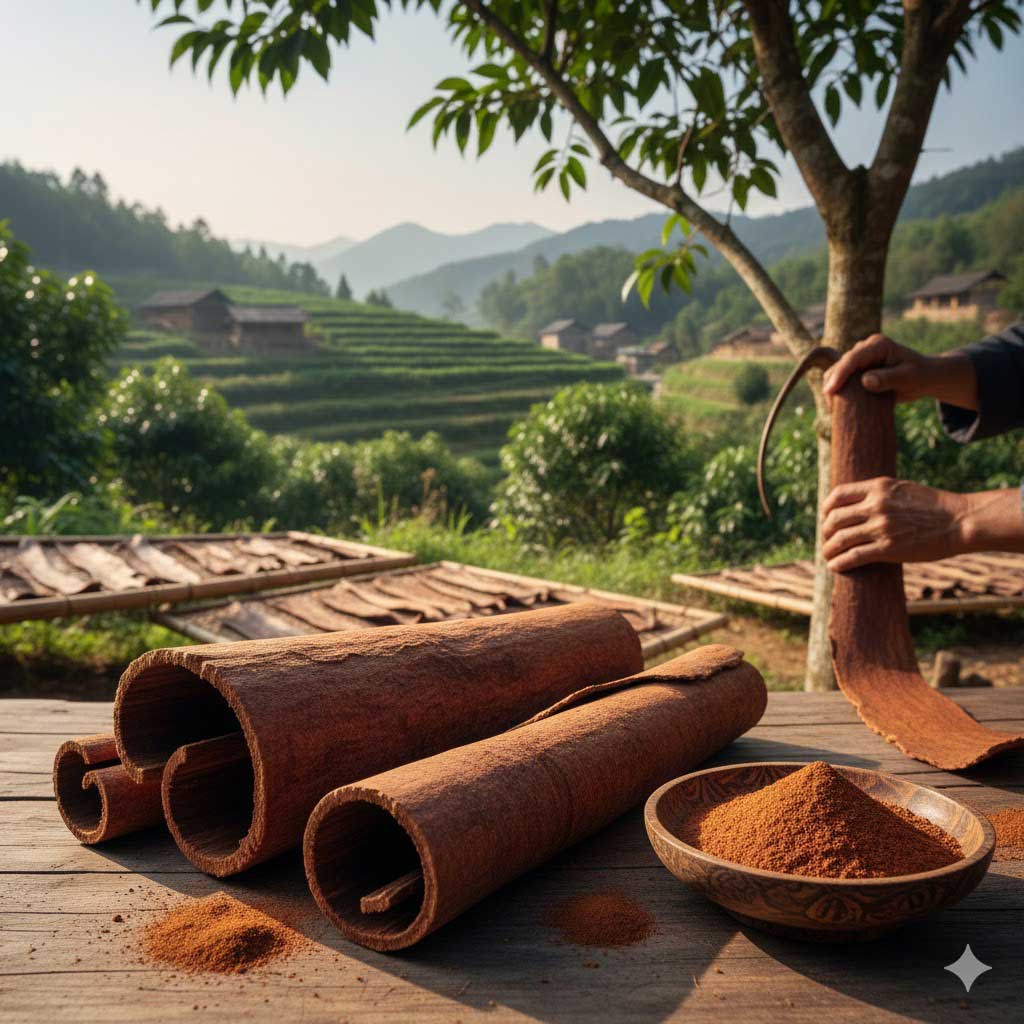
    The harvesting process remains remarkably traditional: the bark is carefully scraped, peeled, and rolled into the iconic quills that dry into fragrant curls. This artisanal method contributes to the spice’s unique character and enduring value.

    Similarly, Sichuan pepper is another spice rooted in South and Southeast Asia, valued for its unique aroma and numbing flavor. See more here.
    spice

    A long and fascinating history: From sacred rituals to ancient trade routes

    Cinnamon has one of the longest documented histories among spices. Its story spans thousands of years and touches many civilizations.

    Ancient Civilizations

    The Egyptians used cinnamon as early as 2000 BCE. It appeared in, embalming rituals, for its preservative qualities, in religious ceremonies, symbolizing purity and in luxury perfumes and ointments.

    In the Bible, cinnamon is mentioned repeatedly as a sacred fragrance and an ingredient in holy anointing oils.

    Greek and Roman Empires

    To the Greeks and Romans, cinnamon was a rare and precious commodity valued more than gold. Roman emperors burned large quantities at funerals to honor the dead—a symbol of extraordinary wealth.

    These civilizations long believed fanciful stories about cinnamon’s origin, including legends that it grew in nests guarded by giant birds—myths created by spice traders to protect their sources.

    The spice trade and European exploration

    From the Middle Ages to the Renaissance, cinnamon played a central role in global commerce. Arab merchants controlled its trade for centuries, transporting it over land and sea to European markets.

    During the Age of Exploration, European powers—Portugal, the Netherlands, and later Britain—fought fiercely for control of Sri Lanka and its cinnamon plantations. The spice became a central economic incentive driving maritime exploration and colonization.

    Today, cinnamon remains a beloved ingredient worldwide, produced primarily in Sri Lanka, Indonesia, China, and Vietnam.

    Flavors and aromas: Warm, sweet, and comforting

    Cinnamon is celebrated for its unmistakable flavor profile. It is warm, sweet, and slightly spicy, thanks to cinnamaldehyde, the compound responsible for its aroma.

    Ceylon Cinnamon (True Cinnamon)

    • delicate and mildly sweet
    • subtle, floral notes
    • light, fragile quills

    Cassia Cinnamon

    • stronger, bolder, more intense
    • richer in spiciness
    • thicker, darker sticks

    The spice’s versatility allows it to enhance sweet dishes, savory recipes, beverages, and even sauces and marinades.

    Culinary uses: An essential spice in kitchens around the world

    Cinnamon’s versatility makes it a global favorite across culinary traditions.

    In Beverages :

    Cinnamon enhances:

    • teas and herbal infusions
    • mulled wine
    • chai
    • hot chocolate
    • lattes and festive drinks
    spice

    A stick of cinnamon transforms a simple cup of tea or hot cider into a comforting ritual.

    Health benefits: A natural remedy with impressive properties

    Cinnamon is not only delicious—it is also highly valued in traditional medicine and supported by modern research.

    1. Powerful antioxidant

    Cinnamon is rich in polyphenols, which help protect cells from oxidative stress and inflammation.

    2. Anti-inflammatory properties

    Its active compounds contribute to reducing inflammation in the body, supporting overall wellness.

    3. Supports healthy digestion

    Cinnamon:

    • eases bloating
    • stimulates digestion
    • soothes stomach discomfort
    • has mild carminative effects

    It is commonly used in digestive herbal blends.

    4. Helps regulate blood sugar

    Some studies suggest cinnamon may improve insulin sensitivity and contribute to more stable blood glucose levels, particularly with cassia varieties.

    5. Antimicrobial and antifungal effects

    Cinnamon has natural properties that help fight bacteria, fungi, and certain viruses, making it a traditional ingredient in remedies for colds and flu.

    6. A natural comforting remedy

    Used in teas and infusions, cinnamon provides warmth, supports circulation, and brings a sense of comfort during colder seasons.

    Note: Cassia cinnamon contains higher levels of coumarin, so it should be consumed in moderation.

    Conclusion

    From the ancient temples of Egypt to modern kitchens across the globe, cinnamon has maintained its reputation as a spice of luxury, comfort, and healing. Its warm, sweet aroma and remarkable versatility make it essential in countless recipes, while its therapeutic properties have earned it a place in traditional and modern medicine.

    Whether sprinkled on a morning latte, infused into a fragrant curry, or used to soothe digestion, cinnamon continues to enchant with its timeless charm. An extraordinary spice with a story as rich as its flavor—cinnamon truly deserves its iconic status.
  • Star AniseStar Anise: The Aromatic Star That Has Fascinated for CenturiesStar Anise

    Also known as star anise, badiane is one of the most elegant and recognizable spices in the world.

    star anise

    Its star-shaped form, captivating fragrance, and medicinal virtues make it a treasured ingredient in both Asian cuisine and Western gastronomy. Decorative, aromatic, and therapeutic all at once, this spice from the Far East has journeyed across trade routes, cultures, and eras. Let us explore the origin, history, flavors, and many benefits of star anise—this fragrant star that has enhanced our dishes for millennia.

    Geographical Origin: A Spice Born in Southern China and Southeast Asia

    Star anise comes from the Chinese star anise tree (Illicium verum), an evergreen belonging to the Schisandraceae family. Native to the warm and humid regions of southern China—particularly Guangxi and Yunnan—it also grows in parts of Vietnam and Laos.

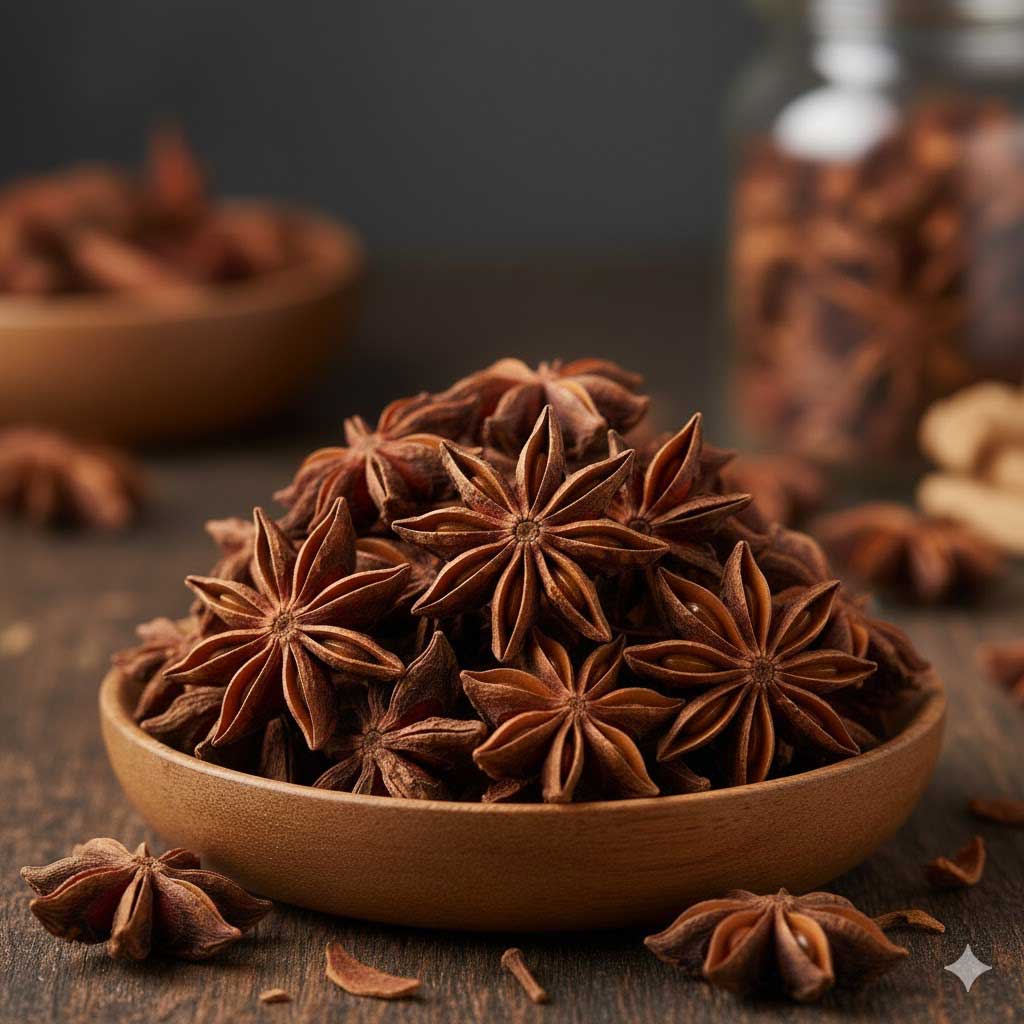
    This tropical tree, which can reach 10 to 15 meters in height, produces green star-shaped fruits that turn brown as they dry. These wooden stars, composed of 6 to 10 carpels, are what we call star anise. Each arm contains a shiny, fragrant seed, but it is the star-shaped husk that holds the essential aromatic compounds.

    Today, Vietnam is one of the world’s largest producers of star anise, alongside China. The tree requires a subtropical climate, regular rainfall, and rich soil—conditions ideally found in these Asian regions.

    A Millennia-Old History: From Chinese Medicine to the Spice Routes

    Star anise has been used in China for over 3,000 years. Initially valued as a medicinal plant, it was prescribed to treat digestive disorders, soothe pain, and warm the body. It appears in ancient texts of traditional Chinese medicine, including the Ben Cao Gang Mu, one of the most influential medical compendiums in Asian history.

    Star anise did not reach Europe until the 16th century. Portuguese and French explorers and merchants, captivated by this fragrant star, brought it back in their spice shipments. It quickly won over European cooks, who used it in desserts, gingerbread, and liqueurs.

    In the 19th century, star anise became a key ingredient in the production of many anise-flavored spirits, such as:

    • pastis
    • ouzo
    • raki
    • sambuca

    Its sweetness and strong aroma made it an ideal substitute for aniseed, which was often more expensive to produce.

    More recently, star anise gained renewed global interest due to one of its components—shikimic acid, used in the manufacture of antiviral medications. This significantly increased its economic and strategic importance.

    Flavors and Aromas: A Warm, Aniseed Explosion

    Star anise is best known for its powerful, warm, anise-like aroma, very similar to that of aniseed but with added depth and sweetness.

    Its flavor reveals:

    • sweet, smooth notes reminiscent of licorice
    • a warm, spicy fragrance
    • a slightly peppery, camphor-like touch
    • a long-lasting, persistent finish

    This aromatic richness comes mainly from anethole, the compound responsible for its anise flavor. Its aroma is so strong that a single star is often enough to flavor an entire dish.

    The spice’s iconic star shape is not only beautiful—it also releases its aroma gradually and evenly during cooking.

    Culinary Uses Around the World

    In Asian Cuisine

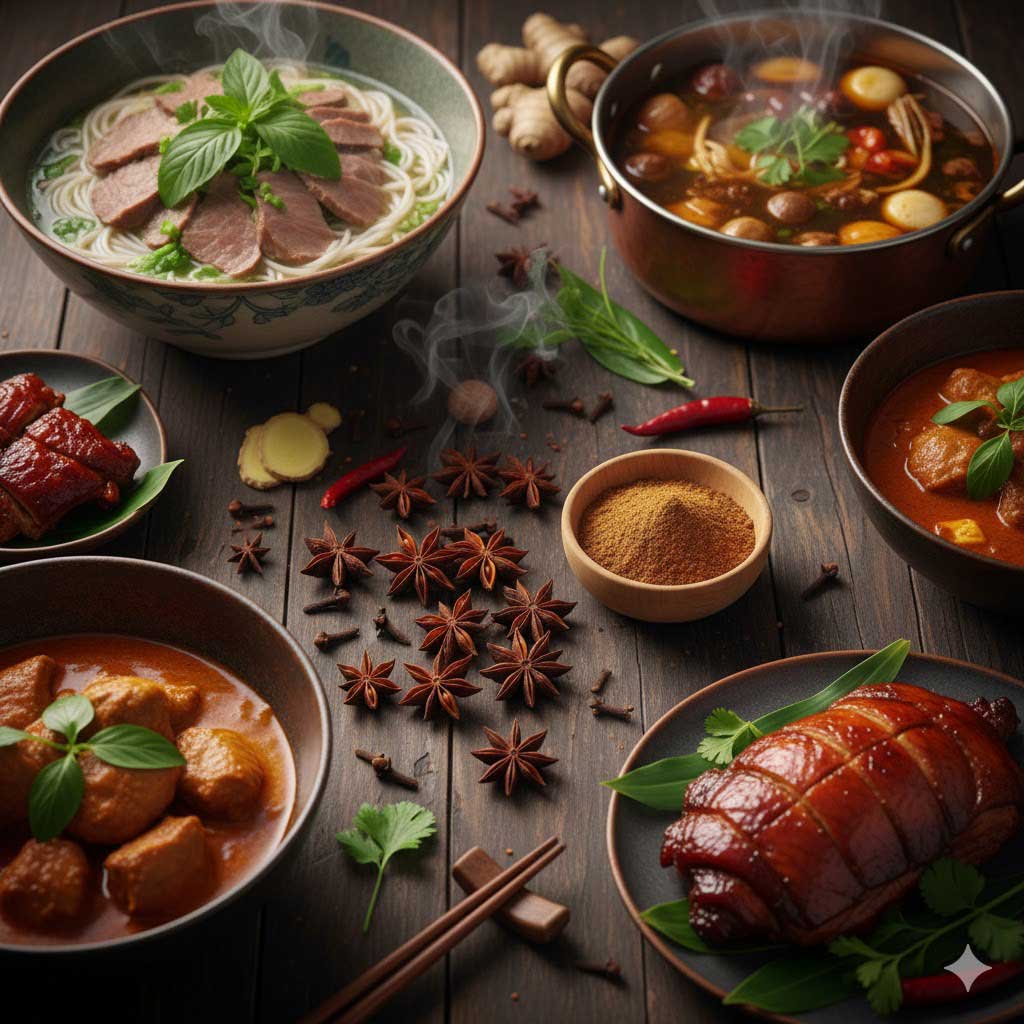
    Star anise is a cornerstone of Chinese cooking. It appears in:

    • Chinese five-spice powder
    • fragrant Asian broths
    • slow-cooked dishes like Vietnamese phở
    • marinades for lacquered meats
    • curries and aromatic soups
    star anise

    In Vietnam, it is an essential ingredient in phở broth, giving it its characteristic sweetness.

    In Beverages and Spirits

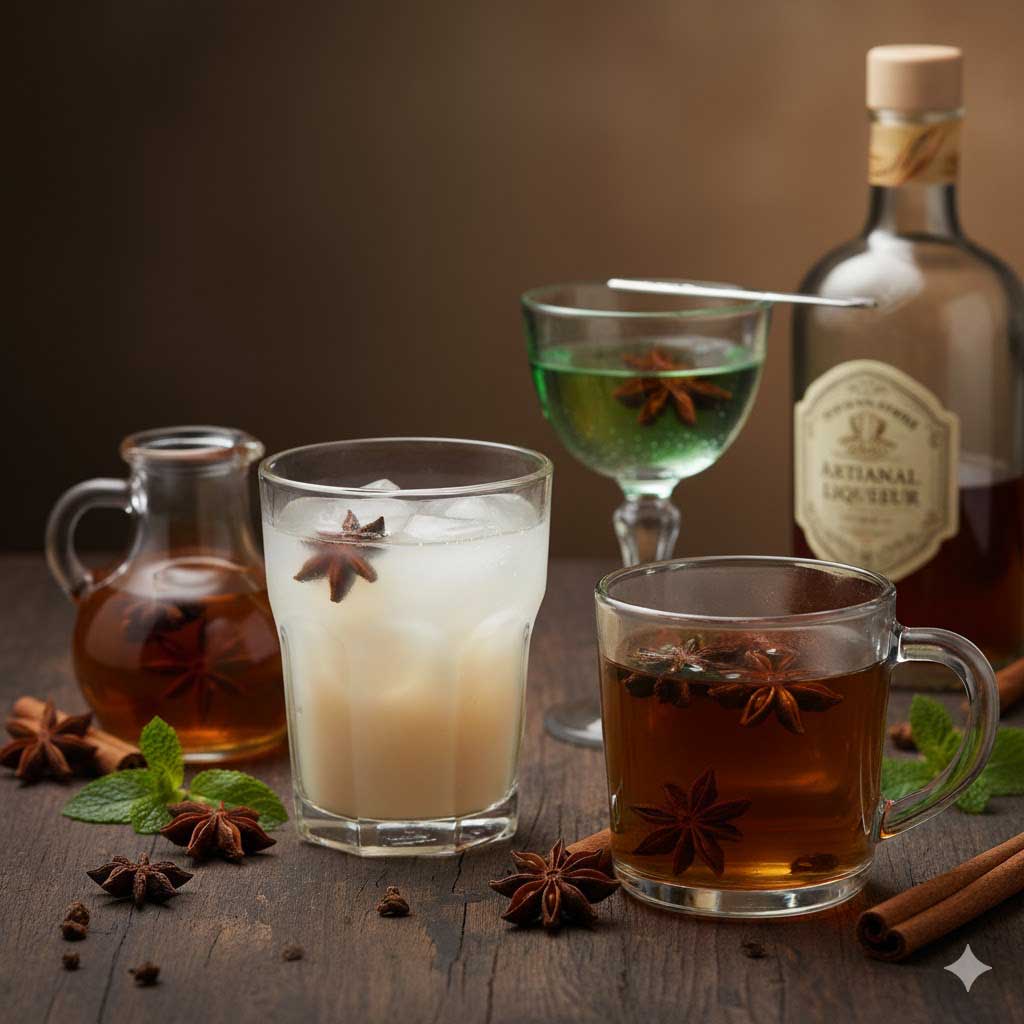
    Star anise is used to flavor:

    • pastis
    • ouzo
    • absinthe
    • artisanal liqueurs
    • syrups and herbal infusions
    star anise

    Steeped in hot water, it creates a sweet, digestive, and deliciously fragrant tea.

    Health Benefits: A Medicinal Spice with Proven Properties

    Star anise is far more than a simple seasoning—it is also a medicinal plant valued for centuries.

    Antimicrobial Properties

    It has traditionally been used to fight mild digestive infections and respiratory ailments.

    Supports Respiratory Health

    Star anise soothes coughs and helps clear mucus. It is often included in winter herbal teas for this reason.

    A Natural Source of Antioxidants

    It helps protect cells from premature aging and oxidative stress.

    Conclusion

    With its unique star shape and enchanting anise aroma, star anise stands out as one of the world’s most elegant and versatile spices. Born in China, celebrated throughout Asia, and later embraced by the West, it has connected culinary cultures for centuries. Whether it flavors an Asian broth, a fruit compote, a comforting herbal tea, or an anise-flavored spirit, it always brings warmth, sweetness, and character.

    Both decorative and aromatic, medicinal and delicious, star anise is a spice that continues to shine brightly in the universe of flavors—an essential ingredient symbolizing travel, well-being, and indulgence.

    See another article.

  • 🍲 The global phenomenon of curry: history, flavor, and the key of Indian recipes

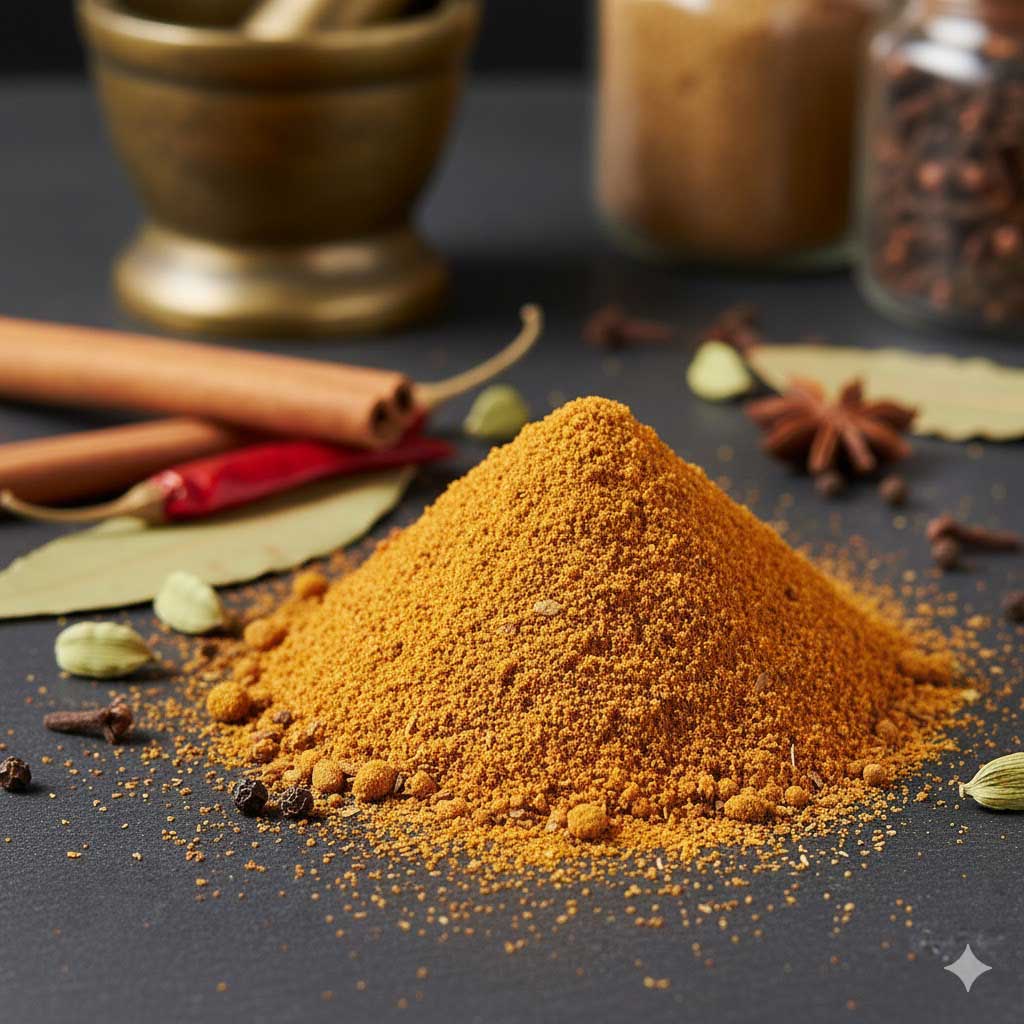
    curry powder

    Curry: a flavorful journey through history, culture, and cooking

    Curry is one of the world’s most celebrated dishes, known for its rich flavors, vibrant colors, and irresistible aromas. Although the word “curry” is often used casually to describe a wide range of dishes, its history and meaning are far more complex. Today, curry has become a global culinary icon, shaped by centuries of cultural exchange, spice trading, migration, and adaptation. In this article, we explore what curry truly is, its origins, its cultural impact, and how it continues to evolve in modern kitchens. This guide also includes essential culinary keywords for curry recipes, spices, indian cuisine, and asian food, helping improve seo visibility for readers searching for authentic information.

    What exactly is curry?

    At its core, curry is not a single dish but a broad category of preparations made with a blend of spices, herbs, and often a base of onions, garlic, and ginger. The spices usually include turmeric, coriander, cumin, chili powder, and cardamom, but dozens of other variations exist. In fact, curry differs dramatically depending on the region. Indian curries are often characterized by complex spice blends, while Thai curries rely heavily on aromatic pastes made from chilies, lemongrass, and galangal. Japanese curry tends to be milder and thicker, often served with rice and breaded cutlets.

    The term “curry” itself was popularized during the colonial era. It is believed to have been derived from “kari,” a tamil word meaning sauce, but the dishes existed long before the term took root in english vocabulary. Because of this, curry has become a flexible, catch-all culinary term rather than a precise definition.

    The deep history of curry

    Curry has ancient origins, with archaeological evidence showing that spice blends resembling curry existed in the indus valley civilization more than 4000 years ago. These early mixtures used turmeric and ginger, ingredients still central to many curry dishes today. Over time, trade routes such as the spice route spread these ingredients to the middle east, africa, and europe. Merchants carried not only ingredients but also knowledge about how to mix spices and prepare aromatic dishes.

    The arrival of european traders, especially the portuguese and the british, played a major role in shaping modern curry. Chili peppers, which are now essential in many curry recipes, came from the americas and were introduced to india by the portuguese. Colonial cooks adapted local recipes to suit european tastes, giving birth to new versions such as “curry powder,” a standardized spice blend intended to mimic indian flavors.

    Through migration and global movement, curry adapted to each region’s ingredients and preferences. This explains why we now have british curry houses, japanese curry rice, caribbean curry goat, and thai green curry, each with its distinct identity.

    The cultural importance of curry

    Curry is more than just food; it is a symbol of identity, tradition, and comfort. In india and south asia, curry is deeply connected to daily life and family traditions. Each household often has its own signature mixture of spices, called “masala,” passed down through generations. Preparing curry can be a deeply personal ritual, involving roasting spices, grinding them, and building layers of flavor.

    In thailand, curry pastes reflect the balance between heat, sweetness, acidity, and herbal freshness. Thai curries like red, green, and yellow curry are inseparable from the country’s culinary identity. Similarly, japanese curry has become a comfort food, served in school cafeterias and home kitchens.

    In the caribbean, curry was brought by indentured laborers from india and blended with african and creole influences. Dishes like trinidadian curry chicken or jamaican curry goat are now staples of island cuisine.

    Curry’s global journey shows how food evolves with culture. Each variation tells a story of migration, trade, and adaptation.

    Key ingredients that define curry

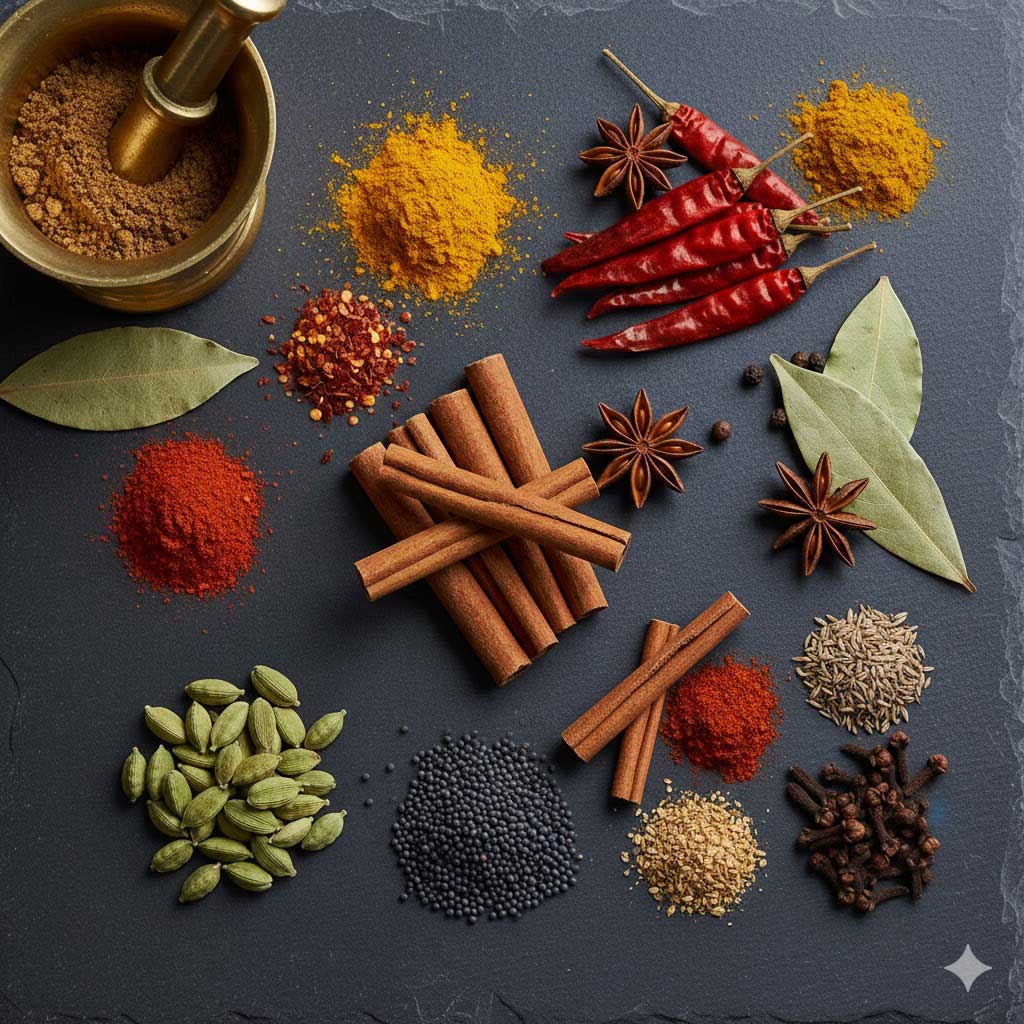
    The heart of curry lies in its spices. Some of the most essential ingredients include:

    • turmeric: responsible for curry’s golden color and earthy flavor
    • cumin: adds warmth and depth
    • coriander: provides a citrusy, aromatic quality
    • ginger and garlic: create a savory, spicy foundation
    • chili peppers: introduce heat and complexity
    • cardamom, cinnamon, and cloves: bring sweetness and fragrance
    curry ingredients

    In thai curries, ingredients like lemongrass, kaffir lime leaves, shrimp paste, and fresh chilies define the flavor profile. Japanese curry relies more on roux, which thickens the sauce and gives it a hearty, stew-like texture.

    These ingredients not only provide flavor but also offer health benefits. Many spices in curry are known for their anti-inflammatory, antioxidant, and digestive properties. Turmeric, for example, contains curcumin, which is widely studied for its health potential.

    How curry is made: techniques and traditions

    While recipes vary between cultures, the basic techniques of making curry share common principles. The first step often involves heating oil and sautéing aromatics such as onions, garlic, and ginger. Spices are then added, sometimes toasted beforehand to deepen their flavor. Next comes the main ingredient: vegetables, meat, fish, or tofu. Finally, liquids such as coconut milk, yogurt, broth, or water help create the sauce.

    Thai curry relies on frying curry paste in coconut oil before adding coconut milk. Indian curry frequently uses tomatoes, yogurt, or cream for richness. Japanese curry is thickened with a roux made from butter and flour, giving it a smooth texture.

    Each method creates unique flavors, yet the essence of curry—layered spices and aromatic depth—remains constant.

    Learn how to make curry here.

    The global popularity of curry today

    Today, curry is a global phenomenon. Food lovers around the world search for easy curry recipes, spicy curry dishes, authentic indian curry, and healthy curry meal ideas. Restaurants specialize in regional curries, supermarkets offer curry pastes and spice blends, and home cooks experiment with fusion versions. Curry remains popular because it is adaptable: it can be mild or spicy, vegan or meat-based, rich or light.

    As more people seek bold flavors and diverse cuisines, curry continues to stand out as a versatile and beloved dish.

    indian recipe

    Conclusion

    Curry is not just a recipe; it is a culinary journey that spans continents, cultures, and centuries. From its ancient origins to its global presence today, curry reflects human history, creativity, and connection. Whether enjoyed in a traditional indian kitchen, a bustling thai street market, or a cozy home dinner, curry remains a dish that brings people together through spice, aroma, and flavor.

    Learn about cumin here!

  • Black Pepper: The King of Spice

    Bleck pepper is far more than a familiar table seasoning—it’s one of the world’s foundational culinary ingredients and arguably the most influential spice in human history. Revered across continents and centuries, pepper has shaped trade routes, influenced global cuisines, and earned its place as an indispensable component in both home kitchens and professional gastronomy. Whether used to enhance dishes with subtle warmth or to create bold aromatic complexity, pepper stands at the heart of countless culinary traditions. This guide explores black pepper from a cook’s perspective: its origins, varieties, flavor chemistry, and best practices to maximize its culinary potential.

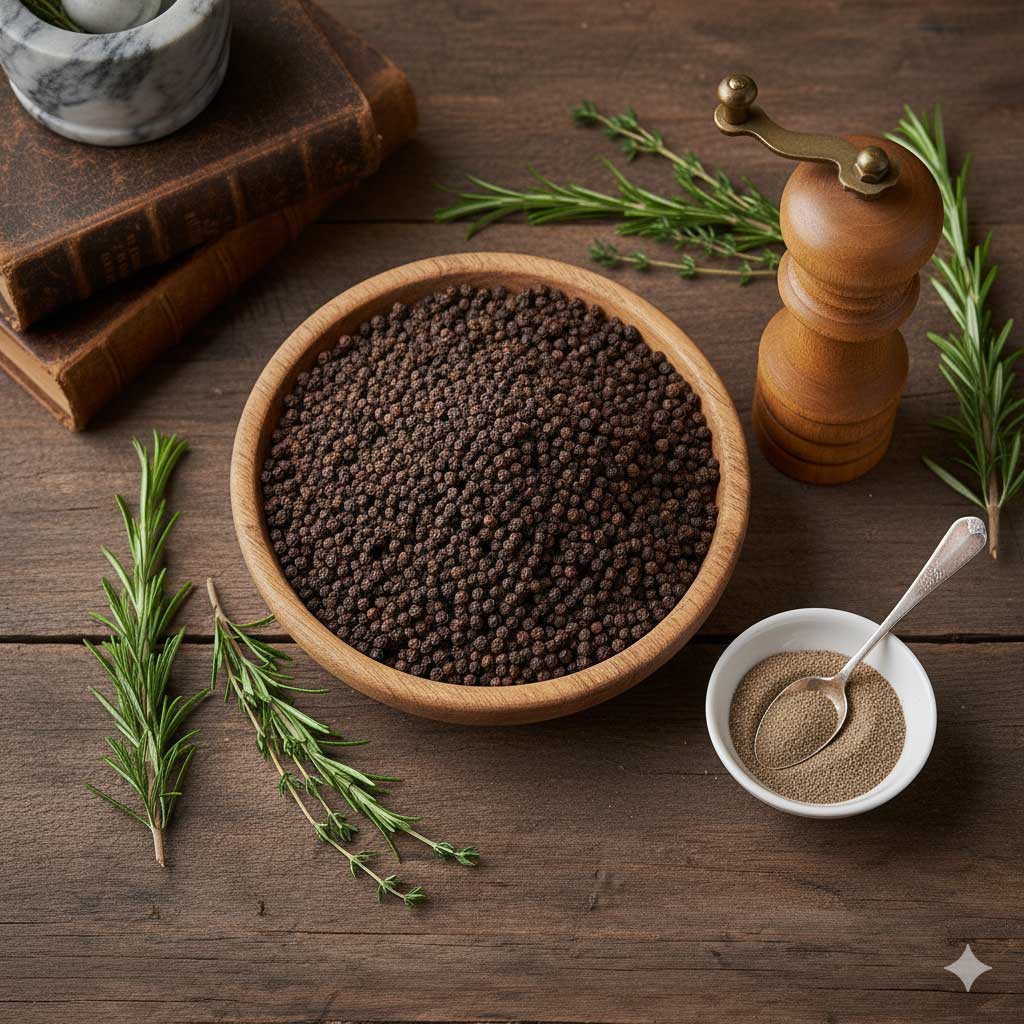
    Pepper spice grains showcased up close to highlight texture and aroma

    1. Origins & historical significance

    Black pepper comes from Piper nigrum, a climbing vine native to the humid, tropical forests of Kerala on India’s Malabar Coast. This region has been recognized for millennia as the epicenter of pepper cultivation. In ancient times, pepper was so valuable it was often referred to as “Black Gold,” sometimes even used as currency or tribute. Its worth and rarity made it not just a spice but a symbol of economic power.

    Early use:

    In India, black pepper played a central role in traditional cuisine and holistic medicine. It appears in ancient Ayurvedic texts, valued for its warming properties, digestive benefits, and ability to enhance the effectiveness of other herbs and spices. Pepper was used to season stews, meats, fermented foods, and herbal remedies.

    Western expansion:

    Arab traders transported pepper through established spice routes into the Middle East, where it quickly integrated into Persian and Arabic culinary traditions. Later, the Romans adopted pepper enthusiastically—so much so that records show Roman soldiers sometimes received peppercorns as part of their pay. For many Europeans of the Middle Ages, owning pepper signified wealth, refinement, and status.

    Global impact:

    Control of the spice trade, particularly pepper, shaped the trajectory of world history. European powers sought direct access to Indian spices, leading to maritime exploration, colonial expansion, and the establishment of global trade networks. Pepper was a driving force behind exploration routes that would connect Asia, Africa, and Europe in unprecedented ways.

    Understanding pepper’s historical significance helps explain why it remains the world’s most traded spice and an essential ingredient across nearly every cuisine today.

    2. Flavor chemistry: why black pepper Tastes the Way It Does

    Pepper’s signature heat and complexity come primarily from piperine, an alkaloid concentrated in the peppercorn’s outer layers. Unlike capsaicin (the compound responsible for chili heat), piperine produces a warming, tingling sensation that lingers gently on the palate.

    What makes piperine unique?

    • It activates thermoreceptors, creating a warm, gradual heat rather than a sharp burn.
    • It is remarkably stable, meaning pepper retains its flavor well during cooking, unlike many delicate spices.
    • It enhances bioavailability, especially of curcumin in turmeric—one reason the two spices often appear together in traditional Indian recipes.
    • It interacts with aromatic compounds released during grinding, producing the fresh, sharp scent associated with newly cracked pepper.

    For chefs, this means pepper can add not only heat but depth, lift, and a sense of roundness to dishes. Its ability to enhance both savory and sweet preparations makes it unusually versatile.

    3. Culinary varieties of peppercorns

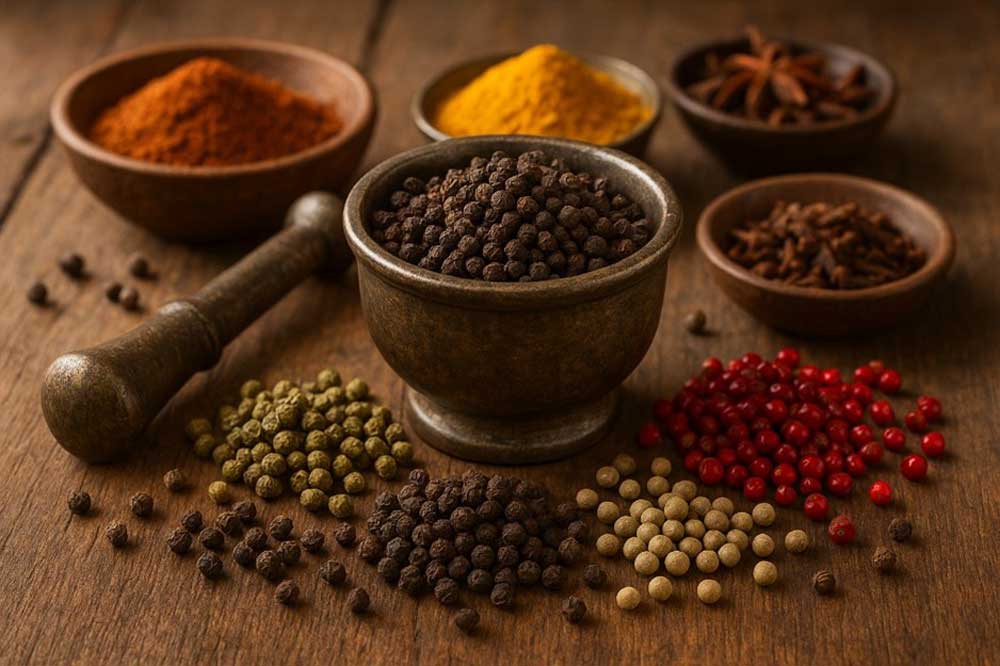
    Although they differ greatly in taste, aroma, and appearance, all true peppercorns—black, white, green, and red—come from the same plant. The differences arise from harvest timing and processing methods.

    Black peppercorns

    • Processing: Harvested when green and unripe, then sun-dried until the outer skin darkens and wrinkles.
    • Flavor: Bold, earthy, resinous, and highly aromatic.
    • Culinary uses: Universally applicable—meats, vegetables, soups, stews, eggs, and finishing dishes.
    • Best for: Everyday cooking, rubs, pepper mills, and all-purpose seasoning.

    White peppercorns

    • Processing: Fully ripe berries are soaked (retted) to remove the dark outer hull.
    • Flavor: Sharper and more direct in heat, with mild fermentation notes; less fragrant than black pepper.
    • Culinary uses: Preferred in light-colored dishes such as cream sauces, veloutés, purées, mashed potatoes, and many Chinese and Southeast Asian specialties.
    • Best for: Smooth sauces or any preparation where black specks would be distracting.

    Green peppercorns

    • Processing: Picked unripe and preserved through brining, freeze-drying, or other methods to maintain color.
    • Flavor: Fresh, bright, herbaceous, with gentle, fruity heat.
    • Culinary uses: Classic in green peppercorn sauce, pâtés, terrines, and various Thai and Cambodian dishes.
    • Best for: Preparations requiring a vibrant pepper flavor without the assertiveness of black pepper.

    True red peppercorns

    • Processing: Fully ripe berries dried carefully to preserve their natural red skin.
    • Flavor: Sweet, fragrant, fruity, with rich aromatic complexity.
    • Culinary uses: Rare and expensive; used in premium blends, high-end sauces, and as decorative finishing pepper.
    • Best for: Specialty pepper mixes or dishes requiring aromatic depth.
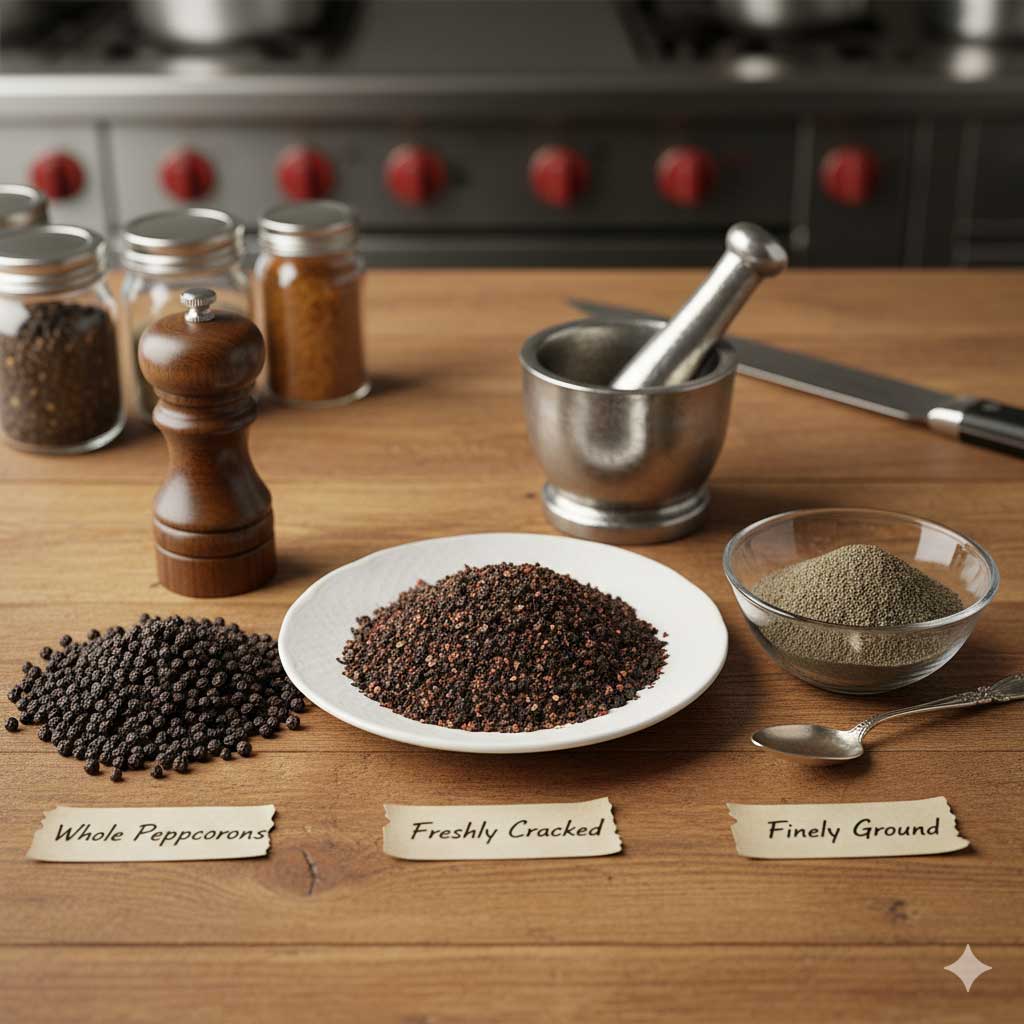
    Whole black pepper displayed alone to emphasize its pure spice quality

    4. Pink peppercorns (not true black pepper)

    Pink peppercorns come from Schinus species, not Piper nigrum. While visually similar, they offer a different flavor profile.

    • Flavor: Lightly spicy, sweet, floral, sometimes slightly resinous.
    • Culinary uses: Excellent in vinaigrettes, desserts, seafood dishes, and as colorful garnishes.
    • Caution: Related to cashews—may cause allergic reactions for sensitive individuals.

    Use them as an aromatic accent rather than a direct substitute for true pepper.

    5. How to use Black Pepper in cooking

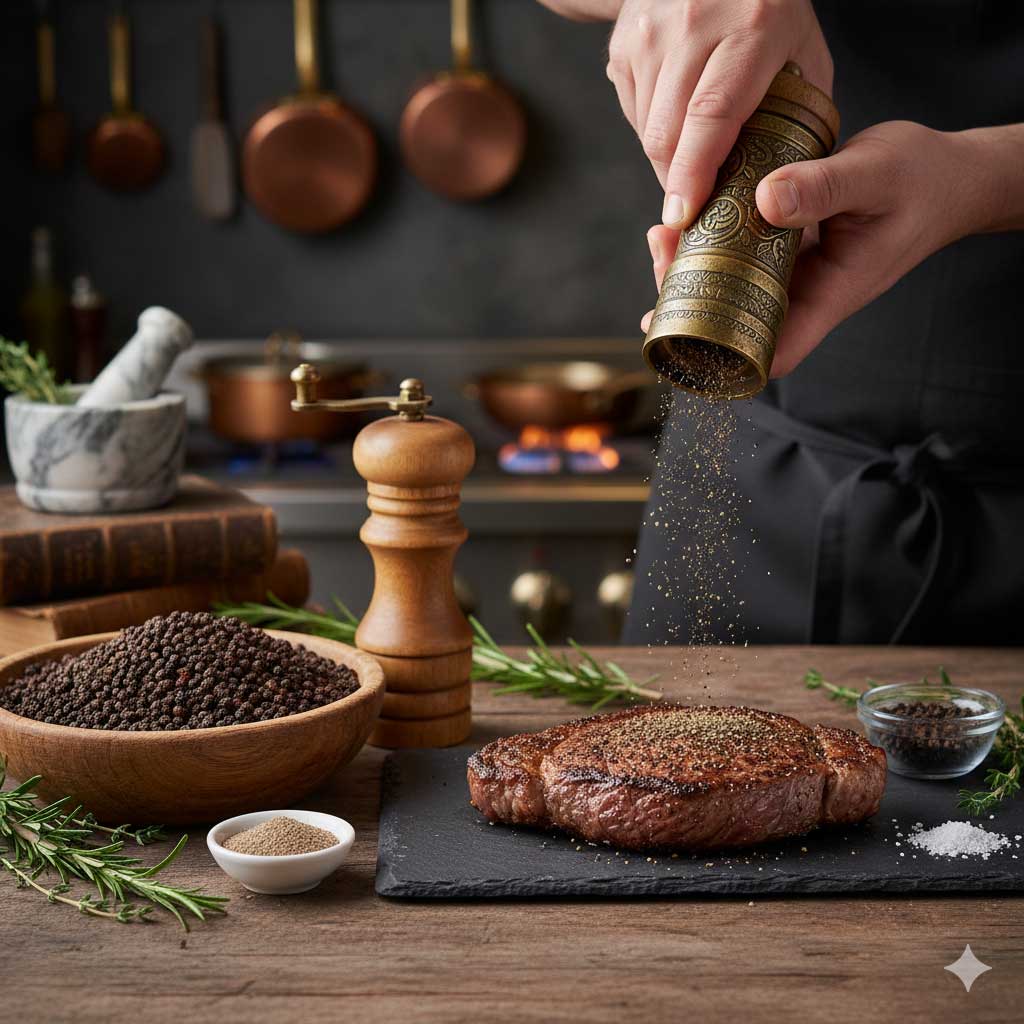
    Grilled steak seasoned with pepper for a bold, aromatic crust

    Black pepper delivers its best flavor when freshly ground, as the aromatic oils dissipate quickly after cracking. Choosing the right grind size directly affects the flavor and texture of a dish.

    Choosing the Right Grind

    GrindCharacteristicsBest Use
    FineMaximum heat, blends quicklyMarinades, dressings, soups, sauces
    MediumBalanced aroma and textureTable seasoning, meats, vegetables
    Coarse / CrackedStrong bursts of flavor; noticeable textureSteak crusts, rubs, salads, finishing
  • Bread Pudding with Cinnamon and Maple Sauce for Autumn

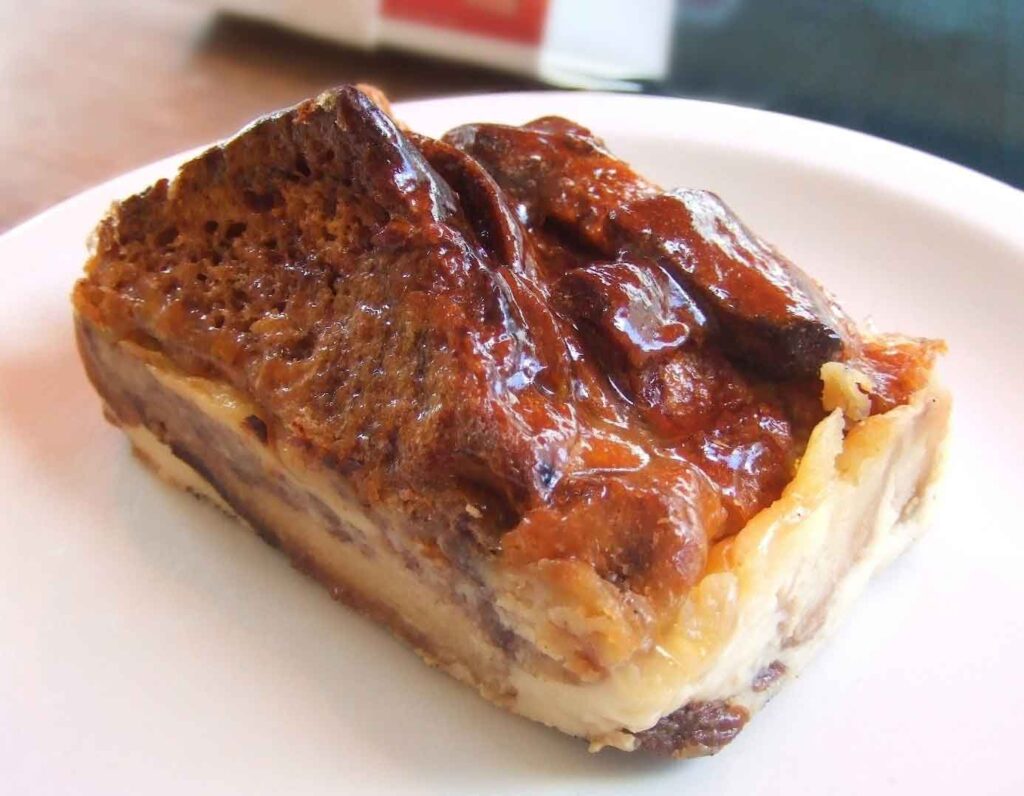
    When autumn begins to turn the leaves copper and the air sharpens with chill, cinnamon becomes the scent that seems to hold the season itself. It wraps through kitchens like comfort in aromatic form — woodsy, warm, gently sweet. This bread pudding gives the spice a stage of its own, pairing it with vanilla, apples, and maple in a dish that is both humble and luxurious, soft and deeply fragrant.

    Creamy pudding served in a bowl, topped with a light garnish.

    The Story of the Dish

    Bread pudding has always been a recipe of transformation — a way to give new life to leftover bread and infuse it with custard. In this fall version, cubes of stale brioche or challah soak in a cinnamon-infused cream, then bake until golden and crisp at the edges but tender under the crust. A drizzle of maple sauce turns it from rustic to decadent. It’s the kind of dessert served after a long Sunday roast, when conversation lingers and the first fog appears on the windows.

    Ingredients (serves 6)

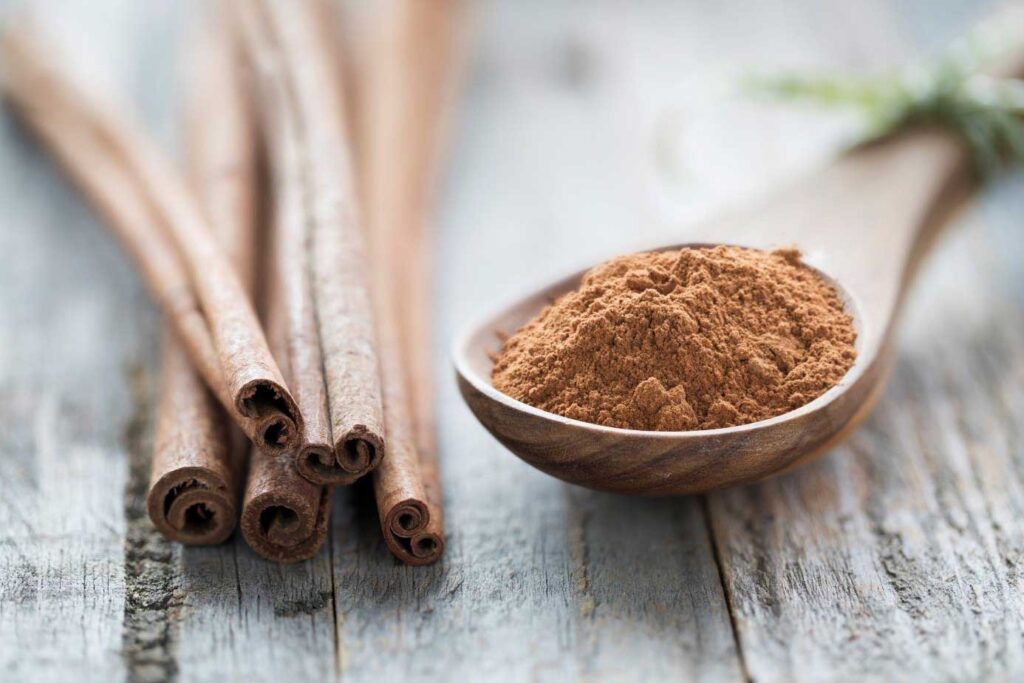
    Cinnamon sticks with warm brown color arranged on a wooden surface.
    • 250 g (about 9 oz) slightly stale brioche or challah
    • 400 ml whole milk
    • 200 ml heavy cream
    • 3 large eggs
    • 100 g (½ cup) brown sugar
    • 1 teaspoon vanilla extract
    • 2 teaspoons ground cinnamon
    • A pinch of nutmeg
    • 1 apple, peeled and diced
    • 50 g (¼ cup) raisins or chopped dates
    • 2 tablespoons of melted butter

    For the maple sauce:

    • 120 ml (½ cup) maple syrup
    • 50 g (¼ cup) butter
    • 1 tablespoon heavy cream
    • A pinch of salt

    Preparing the Base

    Cut the brioche into rough cubes, each about the size of a walnut. Place them in a large bowl and let them dry slightly while you prepare the custard. The slightly stale texture allows them to absorb flavor without disintegrating.

    Warm the milk and cream in a saucepan over gentle heat until just below a simmer. Add the cinnamon and nutmeg and stir so the aromatic oils bloom into the liquid. The kitchen will instantly smell like a pie bakery. Let the mixture rest for five minutes so the spices fully infuse the dairy.

    In another bowl, whisk together the eggs, brown sugar, and vanilla until smooth. Gradually pour the warm spiced milk into the egg mixture, stirring constantly to avoid curdling. This forms a silky custard that will soak into every crumb of bread.

    Assembling the Pudding

    Preheat the oven to 175°C (350°F) and butter a medium-sized baking dish. Scatter half of the bread cubes inside, then sprinkle half of the diced apple and raisins. Layer the rest on top, followed by the remaining fruit. Pour the custard evenly over everything, pressing lightly with the back of a spoon to ensure all bread pieces are moistened. Let it rest for about fifteen minutes — this short wait allows the bread to drink up the custard, deepening the flavor and creating that luxurious texture between pudding and souffle.

    Drizzle melted butter over the surface before baking. Bake for 35 to 40 minutes until puffed, golden, and just set in the center. The top will crisp beautifully while the inside remains plush and custardy. As it bakes, the scent of cinnamon, vanilla, and baked apples fills the home like an announcement that autumn is fully here.

    The Maple Sauce

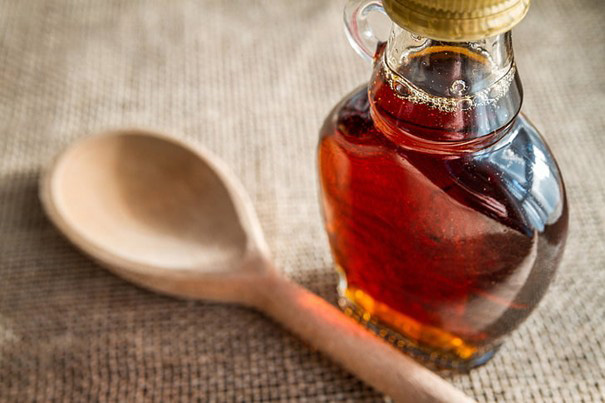
    Glass bottle of amber maple syrup with rich color, set on a wooden surface.

    While the pudding cools slightly, prepare the sauce. In a small saucepan, melt butter over medium heat, then stir in maple syrup and a pinch of salt. Let it bubble softly for two minutes, then add cream and whisk until glossy. The sauce should coat the back of a spoon in a thin amber glaze. It carries a buttery depth that harmonizes perfectly with the spice.

    Serve the pudding warm, spooned into rustic bowls or ramekins, and drizzle generously with maple sauce. A dusting of cinnamon or a spoonful of whipped cream turns it into a special-occasion dessert, though it’s simple enough for an ordinary Wednesday evening. Leftovers, if they survive the night, are even better reheated the next morning with a little cream or yogurt.

    The Texture and Spirit

    Every spoonful offers contrasts — the crisp top giving way to soft custard layers beneath, the tender apple pieces glistening among the folds of bread. Cinnamon doesn’t shout; it lingers softly, its warmth blooming gently with each bite. The maple finishes the note with its caramel undertone. Together, they taste like nostalgia.

    This recipe embodies what fall desserts should be: comforting but elegant, simple yet rewarding. It’s easy to adapt, too — add chopped pecans for crunch, substitute pear for apple, or swirl in a spoonful of pumpkin purée for richness. The structure remains forgiving, the spirit generous.

    Cinnamon has always belonged to colder months, but it never becomes tiring. It’s not merely sweet; it’s woody and complex, suggesting both spice and softness. In this bread pudding, it becomes not just seasoning, but soul — turning an everyday dessert into an embodiment of warmth.

  • Thyme and Lemon Roast Lamb with Autumn Vegetables

    Plate of tender lemon lamb with golden sauce, garnished with herbs.

    Thyme has a voice that is steady, quiet, and deeply grounding. It smells of fields after the rain, of hillside gardens, of earth under sunlight. It’s not as flashy as other herbs; instead, it lingers like patience itself. In this roast lamb dish, thyme takes the leading role, turning a simple meal into a feast that feels both rustic and elegant — the kind of dish to anchor a slow Sunday afternoon.

    The Spirit of the Recipe

    When the temperatures dip and the light grows softer, roasts regain their allure. There’s something ancient about gathering around a piece of meat that has been cooked slowly, filling the house with its aroma. Here, lamb shoulder or leg is rubbed with thyme, garlic, and lemon zest, then roasted with root vegetables — carrots, parsnips, and potatoes — until everything takes on golden edges and deep flavor. The herb’s fragrance seeps into every corner of the kitchen.

    Ingredients (serves 6)

    • 1.5 to 2 kg (3–4 lb) lamb shoulder or leg
    • 3 tablespoons olive oil
    • 4 garlic cloves, minced
    • 2 tablespoons fresh thyme leaves (or 2 teaspoons dried)
    • 1 tablespoon chopped rosemary (optional)
    • Zest of one lemon and juice of half
    • Salt and black pepper
    • 500 g (1 lb) babies toes
    • 4 carrots, peeled and cut into thick sticks
    • 2 parsnips, peeled and sliced
    • 1 onion, cut into wedges
    • A handful of cherry tomatoes or wedges of pumpkin (optional, for sweetness)
    • 200 ml (¾ cup) chicken stock or dry white wine

    Preparing the Marinade

    Fresh whole potatoes with light brown skin piled together on a rustic surface.

    In a small caca bowl, mix olive oil, garlic, thyme, rosemary, lemon zest, and a generous pinch of salt and pepper. This simple paste is the flavor core of the recipe — aromatic without being overpowering, brightened by lemon, anchored by the earthiness of thyme.

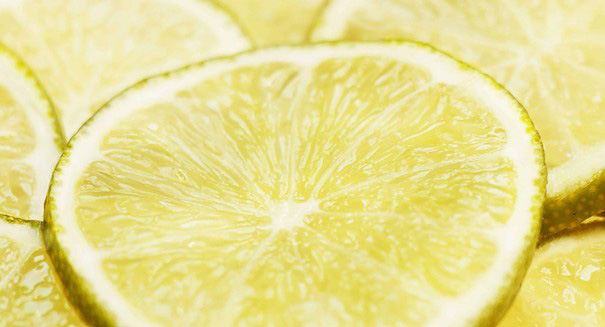
    Sliced lemon pieces with bright yellow flesh and textured rind.

    Rub the lamb thoroughly with this mixture, pressing the herbs gently into the meat. Cover and let it rest for at least an hour, preferably overnight in the refrigerator if time allows. This resting period allows the thyme’s volatile oils to penetrate and perfume the lamb from within.

    Building the Roast

    Preheat the oven to 190°C (375°F). In a large roasting pan, scatter the vegetables — carrots, parsnips, potatoes, and onion — drizzle them with olive oil, and season with salt, pepper, and a few extra thyme sprigs. Place the marinated lamb on top, skin side up, so the juices baste the vegetables as it cooks.

    Pour the chicken stock or wine around the base (not over the lamb — that’s key to maintaining its crisp crust). Cover the pan loosely with foil and roast for about 1 hour and 30 minutes, depending on cut and preference. Halfway through, remove the foil so the top browns and the herbs form a fragrant crust.

    The Aroma of Patience

    As it roasts, thyme gradually infuses every layer. The scent shifts as time passes: at first grassy and bright, then woody, almost smoky. The vegetables soften in the flavored steam, turning caramel-sweet. The lamb’s juices mingle with the herbs and lemon into a natural sauce that needs little else.

    In the last 20 minutes of roasting, squeeze the juice of half a lemon over the meat. It lifts the flavors and creates contrast against the richness. Let the lamb roast uncovered during this final stage for that irresistible bronzed exterior.

    Resting and Serving

    Once done, transfer the lamb to a warm dish and cover it loosely with foil. Rest it for at least fifteen minutes. During this pause, the juices redistribute, and the fibers relax, ensuring tenderness.

    While it rests, return the vegetables to the oven to brown a little further, and reduce the pan juices over medium heat if you’d like a thicker sauce. A small knob of butter whisked in at the end makes it glossy and ties everything together.

    To serve, place the lamb on a carving board and slice it thinly, arranging it beside the vegetables. Spoon over a little of the thyme-scented sauce. A scatter of fresh thyme leaves or lemon zest added right before serving adds brightness — a reminder of the herb’s dual nature: grounded yet radiant.

    The Texture and Soul

    Every bite is a marriage of contrasts: crisp edges of lamb yielding to tender flesh, sweet vegetables crushed under the fork, the freshness of lemon cutting through the slow-roasted depth. The thyme doesn’t shout. Instead, it hums steadily in the background, holding all the tastes together like a heartbeat.

    This kind of roast doesn’t demand ceremony but invites it naturally. It’s meant for a table crowded with plates and stories, for long meals that stretch into evening. Leftovers — if they survive the first serving — make extraordinary sandwiches the next day, especially when layered with roasted vegetables and a touch of mustard.

    Variations and Ideas

    Thyme welcomes companionship. You can roast the lamb atop a bed of halved garlic bulbs or add a drizzle of honey during the last twenty minutes for a subtle glaze. If you prefer a lighter version, try using chicken thighs instead of lamb; the principles remain identical, though the cooking time shortens.

    For a complete meal, serve the roast with a spoonful of yogurt brightened with lemon juice and chopped herbs. Or pair it with a grain like couscous or farro to absorb the pan juices. The dish travels easily between seasons — comforting in autumn, yet fresh enough for spring gatherings.

    A Reflection

    Thyme is often treated as a background player, but this recipe shows its quiet authority. It doesn’t just season the lamb; it defines the dish’s mood — calm, grounded, and generous. It reminds us that cooking with herbs is a form of trust: letting time and scent do their quiet work. The result is a roast that tastes of belonging, the kind you remember long after the plates are cleared and the evening light has faded.

  • The Great Worlds of Curry: Japanese Curry

    If you ask a Japanese person to name one of their favourite comfort foods, the answer will frequently be Kare (Japanese Curry). Far from being an authentic dish imported directly from India, Japanese curry is a prime example of culinary globalization and adaptation, having arrived via the British Empire and evolved into a dish so distinctly Japanese that it rivals ramen and sushi in its popular appeal. Its texture, flavour profile, and method of preparation set it apart entirely, making it one of the gentlest and most universally beloved curries in the world.

    A British Introduction

    The history of Japanese curry is surprising. Curry was introduced to Japan during the Meiji Era (1868–1912) by the British, who had, in turn, adapted Indian cuisine for their own military and naval needs. The Royal Navy, seeking nutritious and easy-to-prepare meals for long sea voyages, developed a recipe that combined curry powder with a thick, gravy-like sauce, often served over rice. When the Japanese Navy adopted the recipe from the British to combat beriberi (a disease linked to Vitamin B1 deficiency), the dish quickly entered the national consciousness.

    Crucially, the British version used flour to thicken the sauce, which aligned perfectly with traditional Japanese stew-making techniques, solidifying its place in the Japanese diet. It was easily replicable and highly adaptable to local ingredients, moving from a naval staple to a school lunch favourite and, eventually, a true national dish.

    The Texture and Taste of Comfort

    The most defining feature of Japanese curry is its viscosity and sweetness. Unlike the bright, complex, and sometimes sharp flavours of South Asian curries, Japanese curry is thick, dark brown, slightly sweet, and features a notably mellow, umami-rich flavour.

    Key differences in flavour profile:

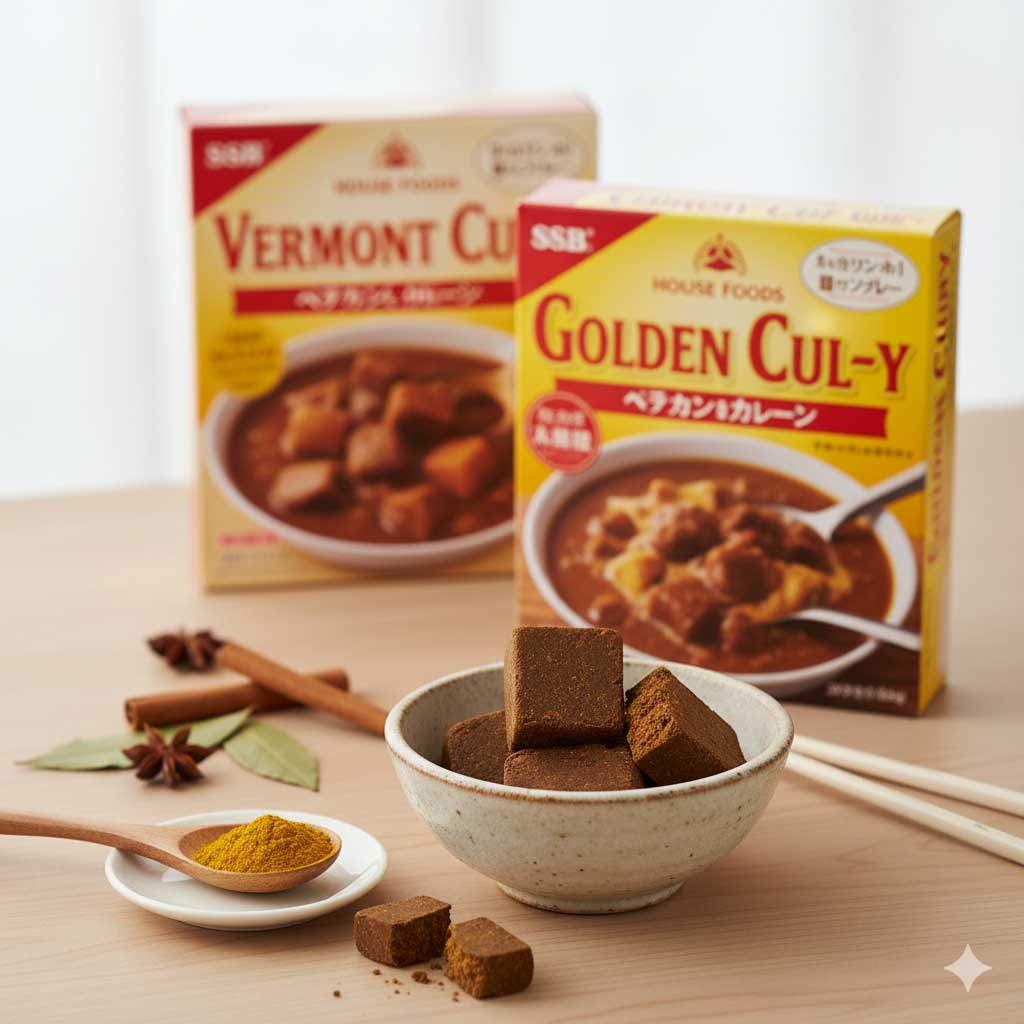
    1. Thickness: The sauce is significantly thicker than other curries, achieved through the use of a pre-made roux block called a “curry brick” or kare rū. These bricks contain flour, oil, spices, and often flavour enhancers like MSG or soy sauce, giving it a uniform, heavy consistency similar to a Western gravy.
    2. Sweetness and Umami: Instead of relying on heat, Japanese curry leans heavily into savouriness and subtle sweetness. Ingredients like grated apples, honey, or banana are often added, and the umami depth comes from ingredients like caramelized onions, soy sauce, and sometimes even miso paste.
    3. Spices: The spice blend is much milder and typically less dominant than in Indian or Thai curries. While it contains turmeric, coriander, and cumin, the overall flavour is a subdued, integrated warmth rather than a fiery punch.

    Anatomy of a Kare Dish

    Japanese Curry is almost always served in one of three ways, all based on a foundation of plain steamed white rice:

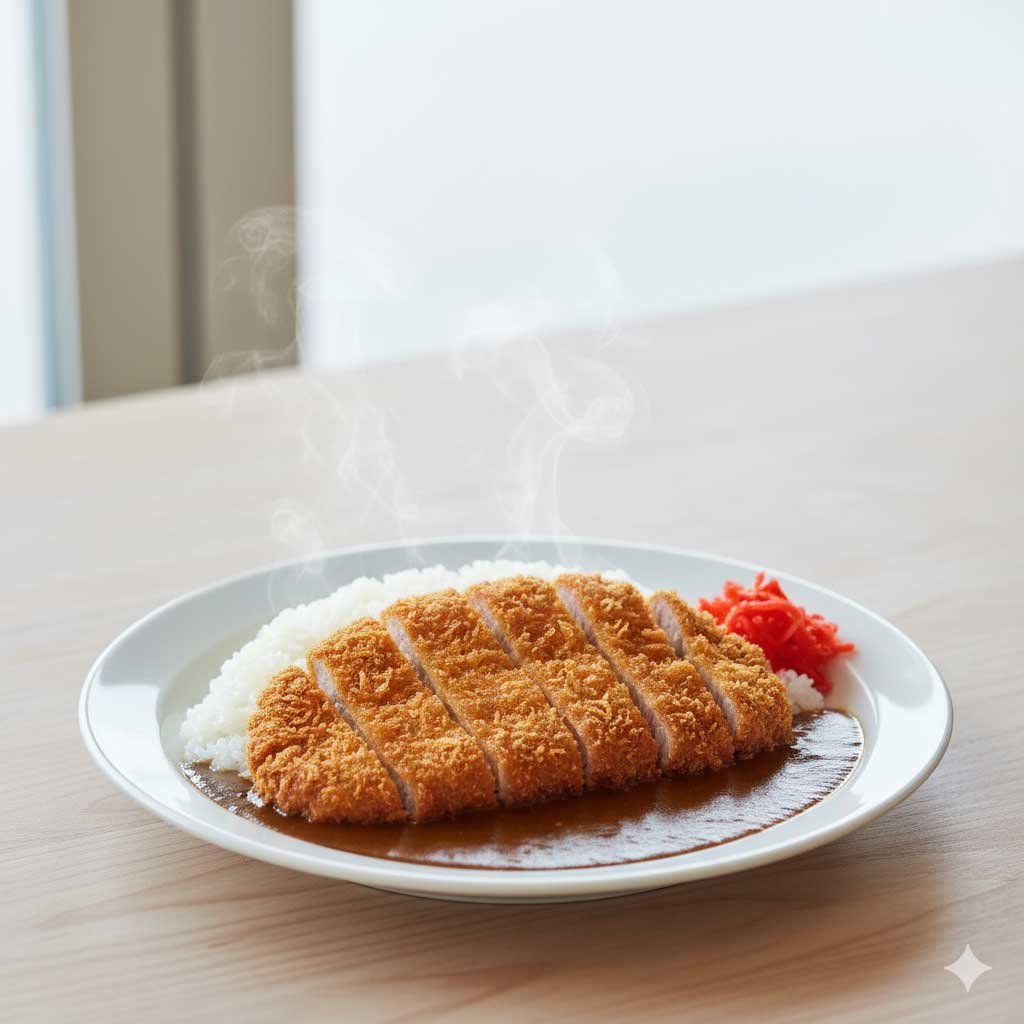
    • Curry Rice (Kare Raisu): The most popular format. A generous portion of thick curry sauce poured over rice, usually containing chunks of beef, pork, chicken, carrots, and potatoes, which maintain their shape and integrity even after long simmering.
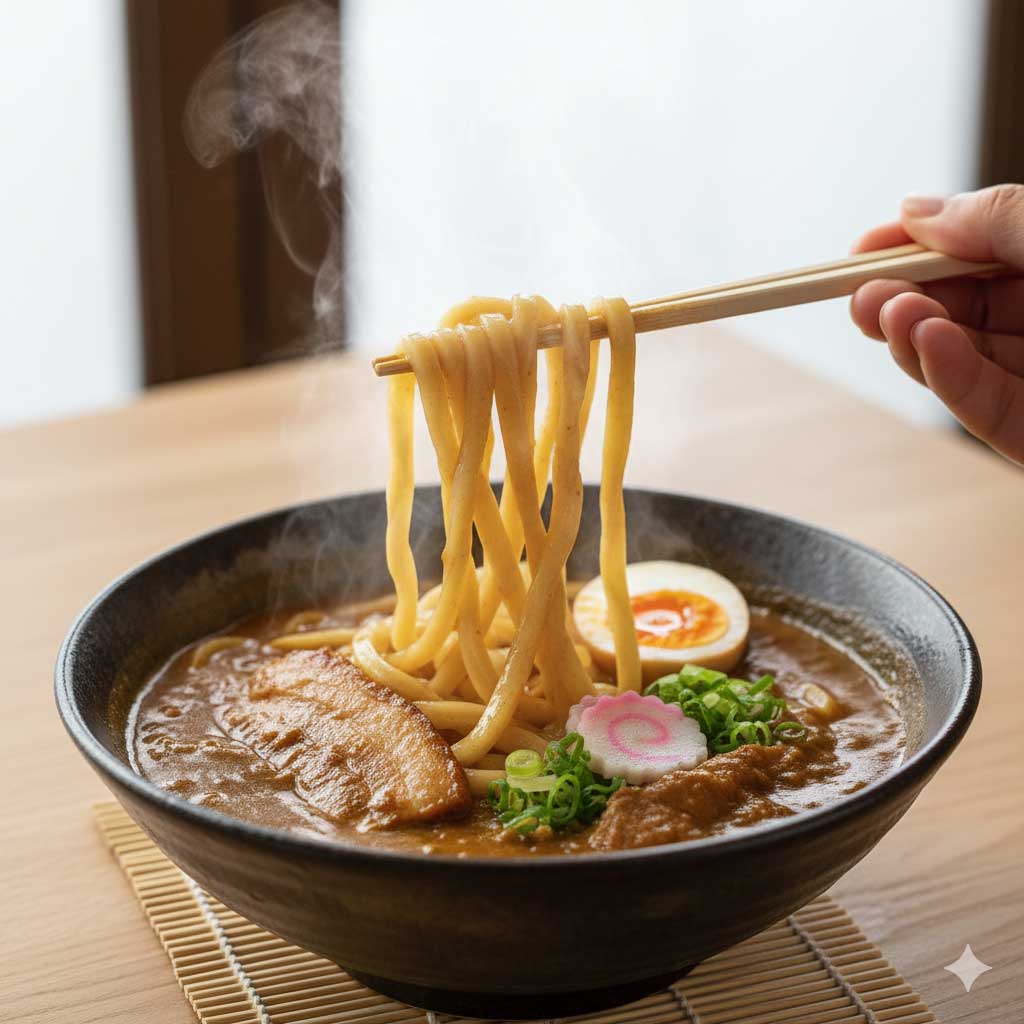
    • Curry Udon (Kare Udon): Thick, chewy wheat noodles served in a broth, over which the thick curry sauce is poured. This creates a very hearty, warming, and comforting dish.
    • Curry Bread (Kare Pan): A popular snack where the curry sauce is wrapped in a piece of dough, coated in breadcrumbs, and deep-fried until golden brown.

    For those seeking a bit of textural contrast, katsu (a deep-fried pork or chicken cutlet) is frequently added, transforming the dish into Katsu Kare. The crispy coating of the katsu provides a delightful counterpoint to the soft rice and thick sauce.

    Preparation: The Art of the Roux Brick

    The convenience of the kare rū is central to Japanese home cooking. It made the preparation of curry simple and foolproof, transforming a complex, multi-spice dish into a quick, one-pot family meal.

    A typical preparation involves:

    1. Sautéing the main ingredients (meat, onions, carrots, potatoes).
    2. Adding water or broth and simmering until the vegetables are tender.
    3. Stirring in the blocks of kare rū until they are fully dissolved, instantly thickening the sauce and adding the seasoned flavour.

    This reliance on a standardized, pre-mixed base ensures consistency, which is highly valued in Japanese commercial food preparation, from restaurants to vending machines.

    Kare in Modern Japan

    Japanese curry’s popularity is so pervasive that it is considered a national institution. It is celebrated as the ultimate yōshoku (Western-influenced Japanese food) dish. Restaurants specializing in curry, such as the massive chain Coco Ichibanya, allow customers to customize everything from the level of spice (typically a scale from 1 to 10) to the amount of rice and the huge array of toppings.

    Unlike the fiery complexity of Indian curry or the herbaceous brightness of Thai curry, the Japanese curry offers warmth, simplicity, and a familiar, reassuring flavour. It is the perfect embodiment of Japan’s ability to take a foreign concept, meticulously refine it, and make it entirely its own—a mild, sweet, and satisfyingly thick brown gravy that has become the definition of comfort food across the archipelago.

  • The Golden Root: Turmeric’s Journey Through Food, History, and Culture

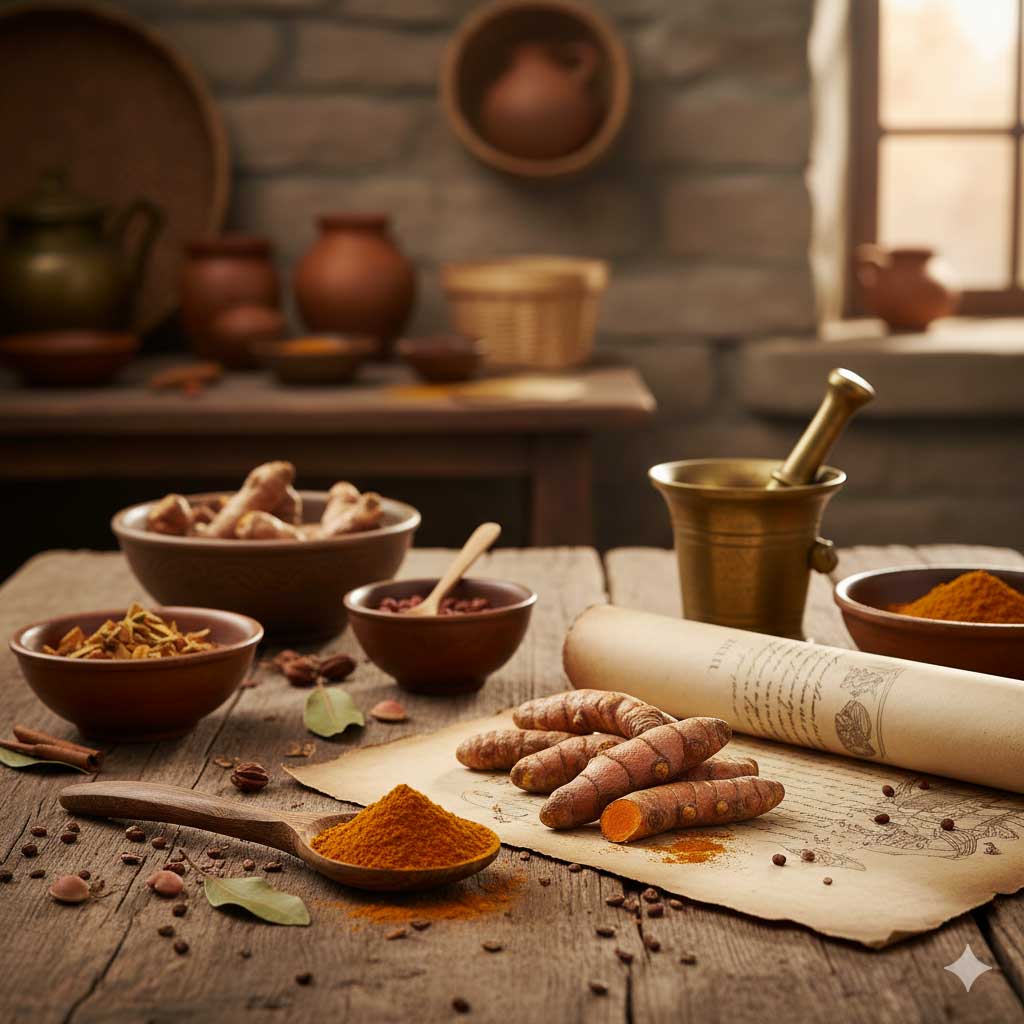
    Turmeric history. Turmeric, the vibrant deep-orange spice that lends curry its signature glow and mustard its earthy warmth, is far more than a kitchen staple. Known scientifically as Curcuma longa, this unassuming rhizome has traveled across centuries and continents, weaving itself into rituals, trade routes, healing traditions, and culinary identities. Few spices embody the intersection of food, history, and culture as richly as turmeric—the “golden root” that continues to captivate the world.

    An ancient root with a sacred legacy

    Turmeric history stretches back nearly 4,000 years to the Vedic culture of ancient India, where it appears in early Sanskrit medical texts. In Ayurveda, one of the world’s oldest healing systems, turmeric was prescribed for digestive issues, skin ailments, and respiratory conditions. Its importance grew rapidly, becoming firmly rooted not only in early medicine but also in the rituals and symbolism of Hindu culture.

    In many parts of India, turmeric represents purity, abundance, and auspicious beginnings. Its warm golden color is considered life-giving, a visual emblem of the sun’s vitality. The custom of applying a turmeric paste before ceremonies—especially weddings—remains common today. In South Indian traditions, brides may wear a turmeric-dyed thread as a temporary wedding necklace, symbolizing protection and blessing. Turmeric water is also sprinkled in homes during festivals to sanctify spaces and mark transitions.

    As seafaring merchants carried spices across Asia and beyond, turmeric history expanded into new cultural homes. It spread to China by 700 CE, East Africa by the 9th century, and eventually into Europe during the Middle Ages. There, its intense color earned it the nickname “Indian Saffron,” prized as a cheaper alternative to the real thing. Throughout these journeys, turmeric adapted to local tastes and beliefs, enriching the global spice trade and becoming a symbol of cultural exchange.

    A labor of love: cultivation and craft

    Today, India remains the world’s largest producer and consumer of turmeric, with states like Andhra Pradesh, Tamil Nadu, and Maharashtra leading cultivation. The plant thrives in tropical climates, where long monsoon seasons nourish its underground rhizomes. Harvesting turmeric requires care: the roots are meticulously dug up, boiled, sun-dried, and ground into the fine powder recognized around the world. This labor-intensive process is part of what has preserved the spice’s value across generations.

    Culinary brilliance: color, flavor, and tradition

    In food culture, turmeric history is a quiet but indispensable force. Its flavor profile—a warm, earthy base with a hint of bitterness—rarely takes center stage but instead supports other spices in a blend. It is curcumin, the pigment responsible for turmeric’s golden color, that gives dishes their luminous hue.

    Across South Asia, Southeast Asia, the Middle East, and Africa, turmeric history forms the backbone of countless culinary traditions.

    The heart of curry:

    Turmeric is essential in curry powders, masalas, and pastes. Classic dishes such as Indian dal, Sri Lankan curries, Thai yellow curry, and Indonesian rendang rely on it not only for flavor but also for their signature color.

    Traditional dyeing and preservation:

    Beyond flavor, turmeric has long been used as a natural dye for foods like cheese, yogurt, butter, and pickles. Its antimicrobial properties also made it historically valuable for preserving food in hot climates.

    Modern culinary reinventions:

    Today’s chefs and home cooks have expanded turmeric’s possibilities far beyond traditional dishes. Golden lattes, turmeric smoothies, bright yellow breads, and spiced desserts all showcase its adaptability. Contemporary cuisine uses turmeric as both an ingredient and a storytelling tool—evoking heritage, wellness, and color in a single pinch.

    A fundamental cooking technique called bhuna, common in Indian cuisine, involves briefly frying turmeric in oil or ghee at the start of a dish. This “blooms” the spice, deepening its flavor and ensuring even color. The technique reflects a long cultural understanding of how to coax the best from the root.

    Curcumin and the science of wellness

    While turmeric’s culinary role is ancient, its modern fame—especially in the West—largely stems from scientific interest in curcumin. This polyphenol compound has potent antioxidant and anti-inflammatory properties that have become the focus of research and wellness movements.

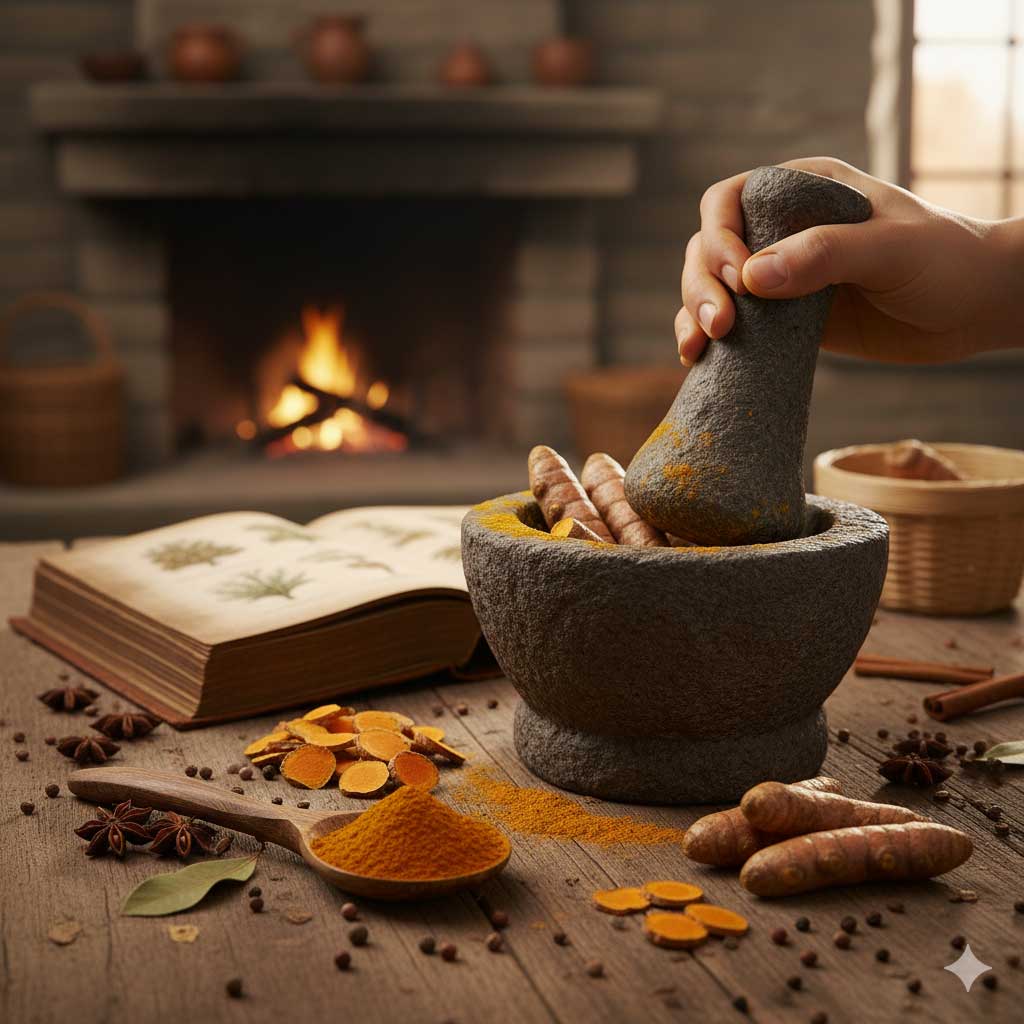
    Mortar with vibrant turmeric powder ready for grinding

    Anti-inflammatory power:
    Chronic inflammation is linked to heart disease, arthritis, and neurodegenerative conditions. Curcumin appears to help regulate inflammatory pathways, which is why turmeric supplements have become popular among people seeking natural approaches to joint or metabolic health.

    Antioxidant strength:
    Curcumin neutralizes free radicals and may also stimulate the body’s own antioxidant defenses. This dual action has made it a sought-after ingredient in the global wellness industry.

    However, curcumin’s biggest challenge is bioavailability—the body absorbs it poorly on its own. Traditional and modern culinary practices offer elegant solutions:

    • Black pepper, which contains piperine, increases curcumin absorption dramatically.
    • Healthy fats, such as coconut oil, olive oil, or ghee, help the body assimilate curcumin since it is fat-soluble.

    These combinations reflect an intuitive ancestral knowledge that modern science is now beginning to validate.

    Fresh turmeric: a cultural and culinary experience in turmeric history

    While powdered turmeric is most common globally, fresh turmeric root offers a deeper connection to the plant’s origins. Found in markets across South and Southeast Asia, the fresh rhizome resembles a smaller, brighter cousin of ginger. Its flavor is sharper and more aromatic, making it ideal for stir-fries, chutneys, curries, and herbal teas.

    Fresh turmeric also plays a role in cultural wellness traditions, often blended into pastes for skin care or brewed into tonics intended to aid digestion and immunity. Its intense pigments can stain hands and utensils—a small but telling reminder of the spice’s potency.

    Turmeric history: a living legacy

    Turmeric’s enduring presence in kitchens, rituals, and medical traditions speaks to a broader truth: food is never just sustenance. It is history, science, culture, trade, and identity intertwined. Each spoonful of turmeric carries with it thousands of years of culinary practice and human storytelling, highlighting turmeric history across continents and centuries.

    Whether dusting a pot of dal, coloring a loaf of bread, or enriching a cup of warm milk, turmeric invites us into a shared global narrative. It is a spice that bridges ancient traditions with modern innovation, embodying the spirit of resilience and renewal. The golden root continues to shine—an enduring reminder of food’s power to connect people across time and place.

  • The Great Worlds of Curry: Indian Curry

    When the Western world uses the single term “curry,” they are unknowingly referring to a culinary tradition that spans an entire subcontinent, encompassing hundreds of distinct dishes that vary radically from state to state, village to village, and even house to house. To speak of “Indian Curry” is to speak of a culinary diaspora, but for the sake of establishing a global understanding, we often look to the rich, creamy, and tomato-based dishes of North India, particularly those popularized by the Mughlai and Punjabi traditions, which have become synonymous with the Indian restaurant experience worldwide.

    Unlike the coconut milk base of Thai curries or the roux base of French curries, the foundation of Indian curry is the precise layering and frying of dry spices and aromatics—a process known as bhuna or masala bhuna—in hot oil or ghee.

    The Masala: The Soul of Indian Curry

    The core difference is the masala, a Hindi term meaning “spice mix.” A great Indian curry is built not just on the presence of spices, but on their timing and technique.

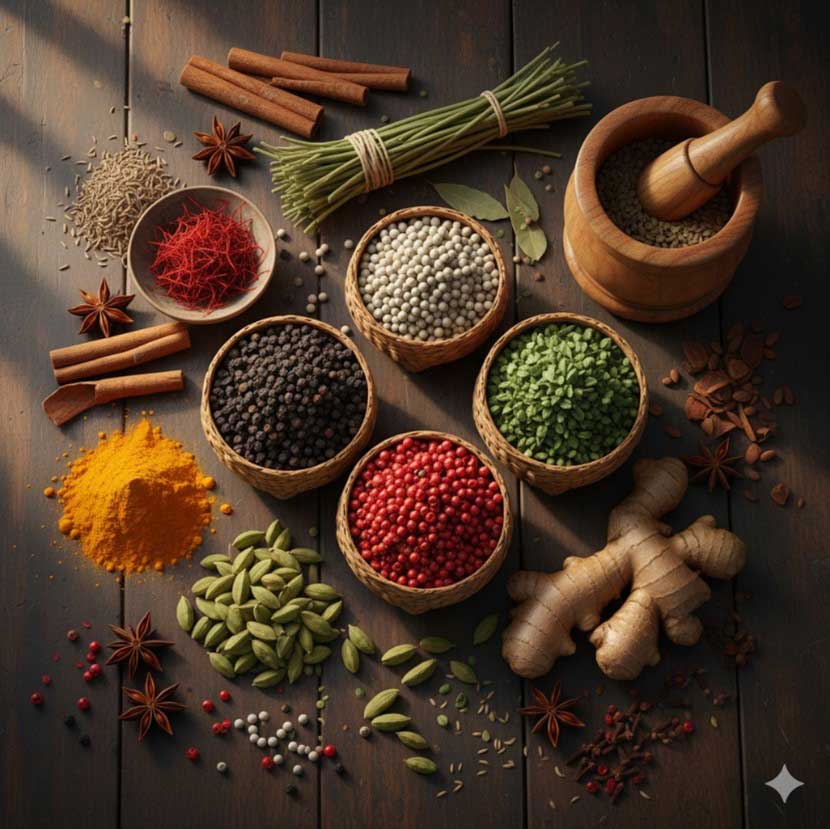
    1. Whole Spices (Khada Masala): These are often the first elements to hit the hot fat—cumin seeds, cinnamon sticks, cardamom pods, cloves, or bay leaves. They infuse the oil with a deep, earthy aroma.
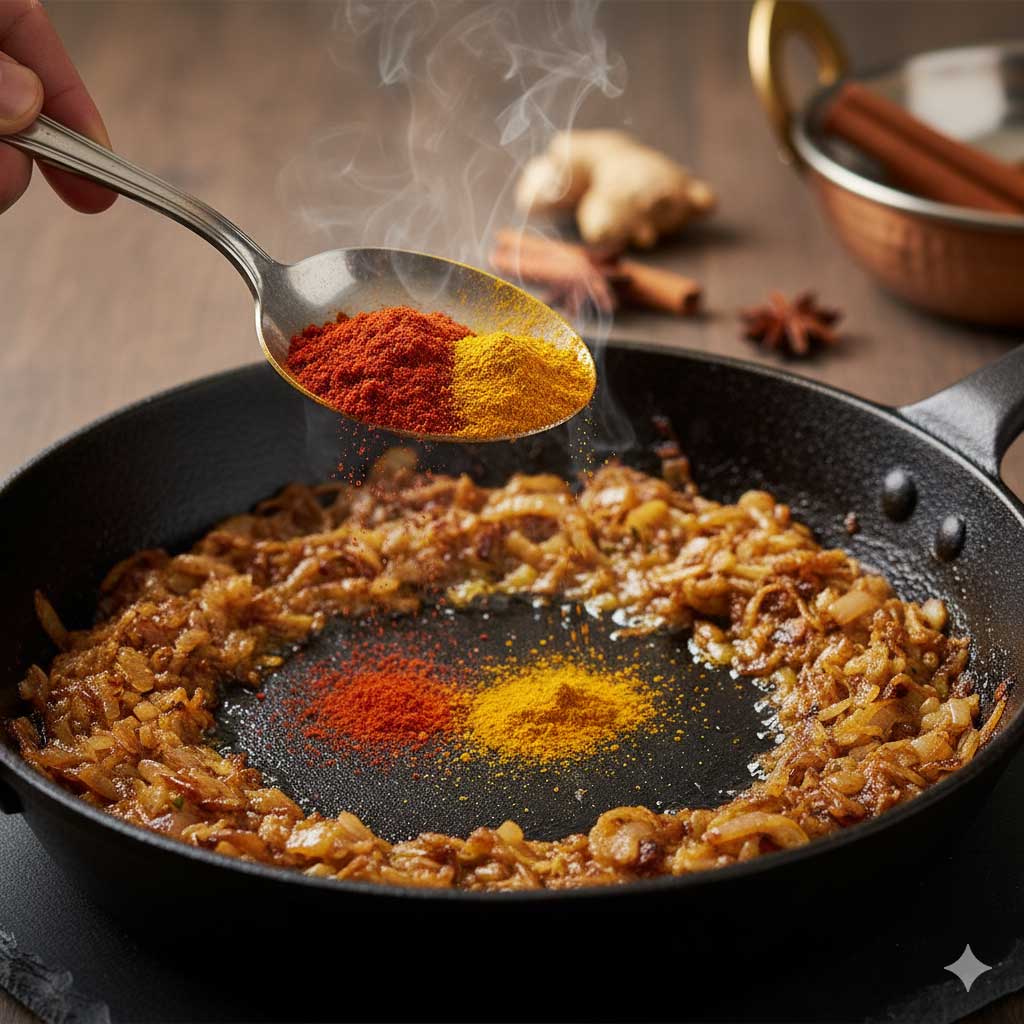
    2. Aromatics: Next comes the trifecta of Indian cooking: finely chopped or puréed onions, garlic, and ginger. These are patiently sautéed until they are soft, caramelized, and sometimes deep golden brown, forming the base texture and sweetness.
    3. Ground Spices (Pisa Masala): Finally, the ground spices—turmeric, coriander, chili powder, and often garam masala (a blend of warming spices like cinnamon, mace, and nutmeg)—are added. They are fried for mere moments with a splash of water to prevent burning, a crucial step known as blooming that awakens their full flavour potential.

    It is this sequential layering of ingredients that creates the incredible depth and complexity that defines authentic Indian cuisine.

    The North Indian Archetype: Creamy and Tomato-Rich

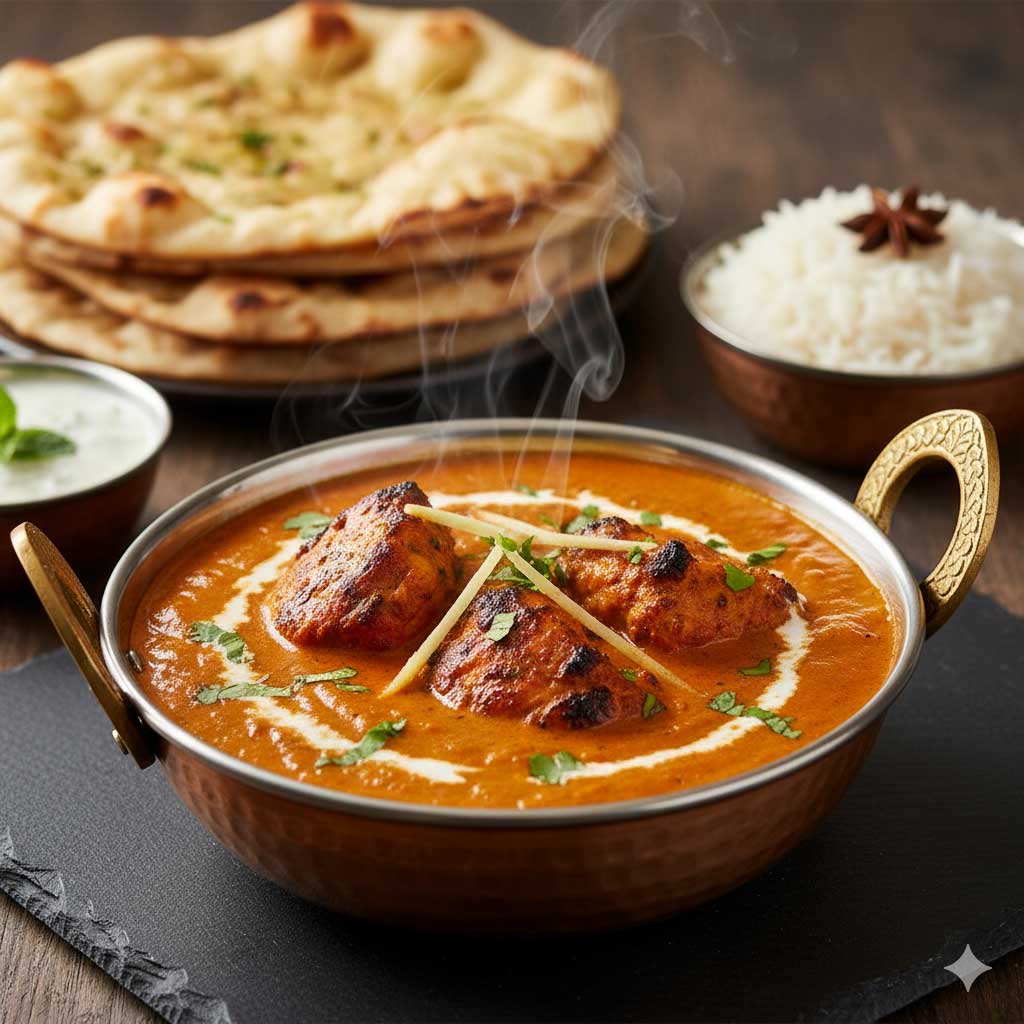
    The curries that dominate the international stage, such as Butter Chicken (Murgh Makhani) and Chicken Tikka Masala, hail from the rich, dairy-influenced traditions of North India, specifically Delhi and the Punjab region.

    • Dairy Influence: Due to the historical abundance of cattle in the North, these curries often incorporate yogurt (for marinades), cream, or ghee (clarified butter), resulting in a richer mouthfeel than the thinner, vegetable-oil-based curries of the South.
    • Tomato Base: The gravy (the tari or gravy) is typically thick, smooth, and vibrant red, achieved by simmering fresh or canned tomatoes and blending them to a velvety consistency.
    • Sweetness and Balance: To counter the acidity of the tomatoes and the heat of the chilies, a touch of sugar or honey is often added, along with a final, fragrant flourish of crushed dried fenugreek leaves (kasuri methi) and a generous dollop of cream.

    These dishes, while often debated in terms of authenticity (Chicken Tikka Masala is widely considered a British-Indian invention), exemplify the creamy, comforting profile that has captivated Western diners. They are the benchmark against which most global interpretations of “curry” are measured.

    Beyond the North: A Continent of Flavour

    It is essential to remember that this “North Indian Style” is just one facet of a vast tradition:

    • South Indian Curry: Typically use coconut oil and feature tamarind (for sourness) and curry leaves, often leading to thinner, tangier, and more pungent curries (e.g., Sambar and Rasam).
    • East Indian Curry: Often use mustard oil and focus on fish and vegetable dishes, with less reliance on dairy.
    • Goan Curry: Famous for their strong Portuguese influence, often featuring vinegar and pork (e.g., Vindaloo and Xacuti).

    The Essential Final Touch

    A key element in almost all Indian curry preparation is the tempering or tarka (tadka). This is the final step where whole spices, like mustard seeds, cumin, or curry leaves, are quickly fried in hot oil or ghee and poured, sizzling, over the finished dish just before serving. This not only adds a layer of flavour but also a burst of fresh aroma and an appealing visual texture, serving as a signature of authenticity and culinary care.

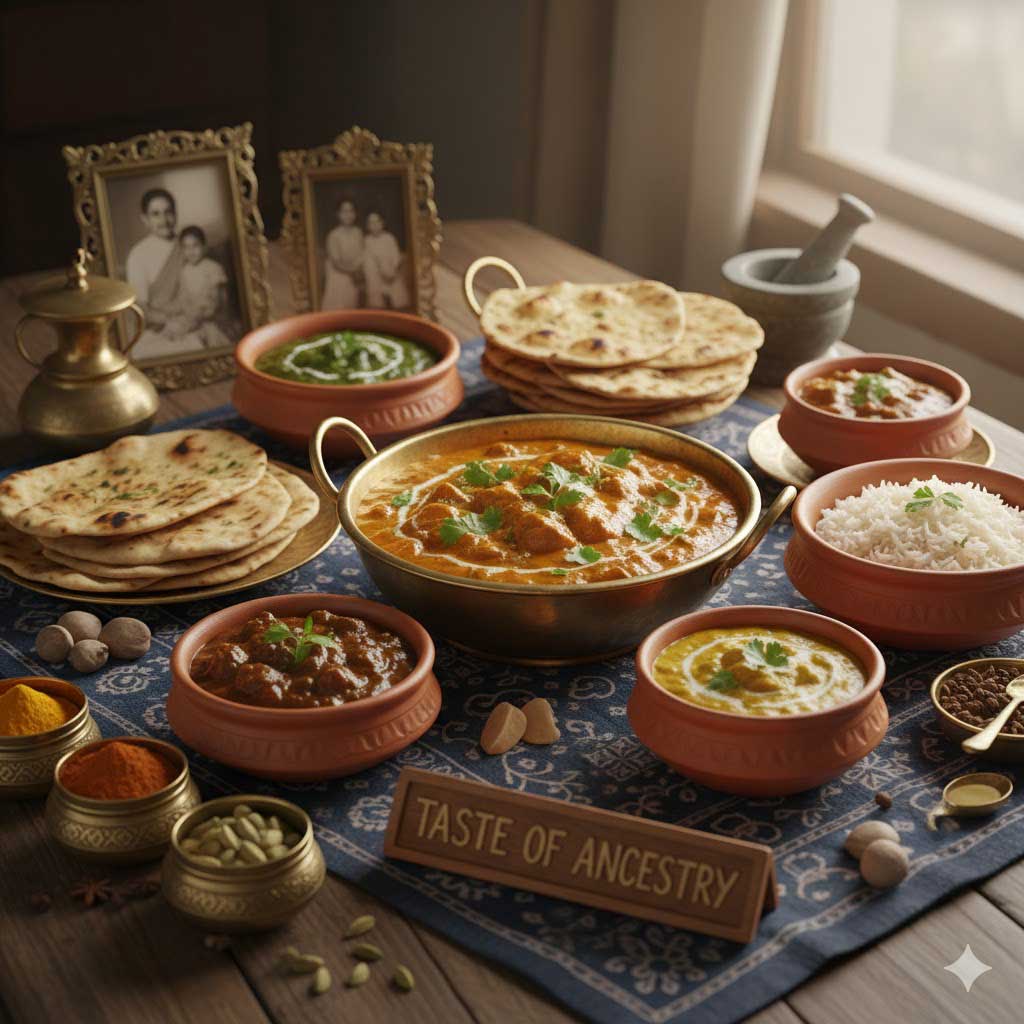
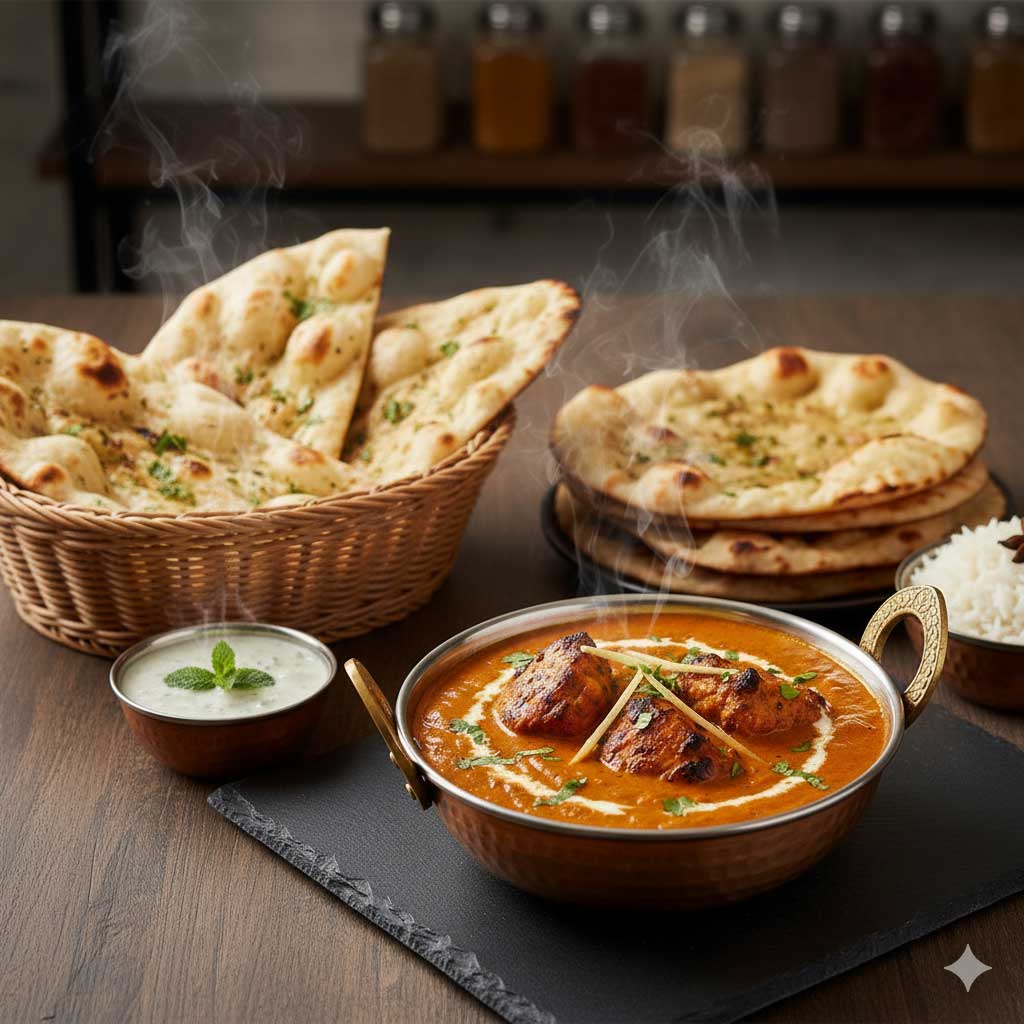
    The Indian curry, in all its forms, is a testament to the power of spices. It is a slow, methodical process where every ingredient, from the caramelized onion to the blooming coriander, plays a distinct role in building a gravy that is deep, satisfying, and infinitely varied. The final presentation, often featuring Basmati rice or naan bread, serves not merely as an accompaniment, but as the perfect vehicle for savoring the full spectrum of aromatic warmth and spice complexity embedded within the gravy of the Indian curry.

    The entire process, from the initial bloom of the khada masala to the final tarka flourish, reflects a deep commitment to balancing the essential six tastes (shad rasa), ensuring a meal that is both profoundly satisfying and gastronomically rich. It is not just food; it is a complex, fragrant narrative of trade, history, and regional identity.

  • The timeless allure of pepper and spices

    https://fr.wikipedia.org/wiki/Pepper

    timeless

    For thousands of years, pepper and spices have shaped the way humans cook, trade, explore, and even wage war. Their timeless aromas have drifted through ancient markets, royal kitchens, and home pantries across the world, transforming simple ingredients into memorable meals. Today, spices remain as essential as ever, anchoring culinary traditions while fueling innovation in modern gastronomy. Among them, pepper stands out as both a universal staple and a symbol of the global spice trade that changed the course of history.

    Pepper: the timeless king of spices

    Black pepper (Piper nigrum) is often called the “king of spices,” and for good reason. Native to the Malabar Coast of India, it was once so valuable that it served as currency and inspired centuries of maritime exploration. The spice is produced from dried peppercorns, which develop their character through fermentation and sun-drying. Their pungency comes from piperine, a compound responsible for the sharp heat that distinguishes pepper from chili.

    While black pepper is the most common variety, it is far from the only one. Green peppercorns are harvested earlier and retain a fresher, milder flavor, while white peppercorns are soaked to remove their outer skin, resulting in a subtler heat that blends well with light-colored sauces. There is also the lesser-known red peppercorn, which is fully ripe and carries a fruity note rarely found in commercial varieties.

    What makes pepper so timeless and indispensable is its versatility. It enhances savory dishes (from steaks to soups) but also appears in unexpected places: fruit salads, chocolate desserts, and even cocktails. A simple twist of freshly cracked pepper can elevate a dish, sharpening flavors and adding complexity. Unlike salt, which primarily heightens what is already there, pepper introduces a new dimension, making it one of the most important tools in any cook’s arsenal.

    The timeless spice routes that shaped the world

    Pepper may be the king, but it ruled alongside an entire kingdom of spices that fueled global trade. Cinnamon from Sri Lanka, nutmeg from the Banda Islands, clove from Indonesia, saffron from Persia, and cardamom from the Western Ghats were once so rare that merchants guarded their origins with secrecy and myth. Medieval Europeans believed cinnamon was fished from the edge of the world and that cloves only grew where phoenixes died.

    The demand for spices linked continents long before modern globalization. The overland Silk Road carried spices from Asia to the Mediterranean, while the Indian Ocean trade network connected East Africa, Arabia, and South Asia. When the Ottoman Empire controlled key routes in the 15th century, European powers sought new maritime paths to Asia, sparking the Age of Exploration. Columbus sailed west in search of India’s spice markets; Vasco da Gama rounded Africa to reach Calicut. These journeys changed maps, economies, and cultures forever.

    Understanding the timeless flavor profiles of spices

    Each spice contributes a unique and timeless combination of aroma, heat, sweetness, bitterness, or floral notes. Cumin, with its earthy warmth, forms the foundation of Middle Eastern and Mexican cooking. Ginger adds citrusy heat and is prized in both sweet and savory applications. Turmeric brings color and an earthy bitterness that defines curries across South Asia. Saffron threads release a honeyed, slightly metallic scent that perfumes rice dishes from Spain to Iran.

    Spices interact with ingredients in complex ways. Some, like cinnamon and cardamom, bloom when gently toasted, releasing volatile oils that deepen their fragrance. Others, like bay leaves or star anise, lend subtle background notes when simmered in stews. Chili peppers bring heat, but each variety tells a different story: smoky ancho, citrusy habanero, grassy green Thai chili.

    The magic of spices lies not only in their individual profiles but in how they blend. Garam masala, za’atar, berbere, ras el hanout, Chinese five-spice: each mixture reflects centuries of experimentation and cultural identity. These blends provide a shortcut to the flavor signature of an entire cuisine.

    Modern uses: from healthy eating to high-end cuisine

    Today, spices are enjoying renewed attention thanks to growing interest in global cooking and natural wellness. Scientific studies highlight their antioxidant and anti-inflammatory properties, while chefs celebrate their capacity to transform ingredients without relying on heavy fats or sugars. Turmeric lattes, spiced cocktails, and chili-infused chocolates are just a few modern creations that bring ancient ingredients into contemporary kitchens.

    Pepper, too, continues to evolve in the hands of modern chefs. Varieties like Tellicherry pepper or Kampot pepper are valued for their nuanced aromas: citrus, smoke, resin, or even floral undertones. Pink peppercorns, technically berries from a South American tree, add a delicate fruity heat to desserts and seafood dishes. This growing appreciation mirrors the movement toward terroir in wine or coffee: pepper is no longer just pepper, but a product of soil, climate, and careful cultivation.

    The cultural significance of spices

    Beyond flavor, spices have deep cultural and symbolic meaning. They appear in religious rituals, traditional medicine, and celebrations. Cinnamon symbolizes abundance and protection; cardamom is offered in hospitality rituals across the Middle East. Many holiday dishes (from gingerbread to mulled wine) derive their warmth and nostalgia from spice blends that carry centuries of tradition.

    In many parts of the world, spice preparation remains a family art. Grandmothers grind masalas by hand, passing down ratios and techniques that define a family’s identity. In these kitchens, spices are not simply ingredients, they are memories, heritage, and connection.

    A world of flavor in every pinch

    Pepper and spices remind us that cooking is both science and poetry. A pinch can transform a dish, brighten a memory, or carry us across continents. Whether you are stirring a pot of curry, baking a spiced cake, or simply grinding pepper over a tomato salad, you participate in a tradition that stretches back to the earliest human civilizations.

    In a world where ingredients travel effortlessly and flavors mix freely, spices remain one of the most vibrant and timeless links between past and present. They invite us to explore, taste, and imagine, one fragrant breath at a time.

    https://frogsaga.com/wp-admin/post.php?post=116&action=edit