Blog

  • Wow… Mulled Wine Spices Are Incredible: A Very Honest, Slightly Drunk Tribute

    Wine

    Okay listen—listen. I need to tell you something really important right now. And I swear I’m not drunk.
    Okay, maybe a tiny bit drunk. But only because of scientific research. Because I’m drinking mulled wine. And mulled wine—oh my god—mulled wine is basically the greatest invention since fire. Or wheels. Or whatever.

    But here’s the thing: mulled wine is not just wine. Nope. It’s spices. Spices that are like… magic. Warm, cozy, spicy, festive magic that sneaks into your cup and whispers, “Hey, everything is fine, relax, have another sip.”

    And I’m here to talk about those spices. Because they deserve a Nobel Prize.
    Wine

    Cinnamon: The Spiraled Stick of Happiness

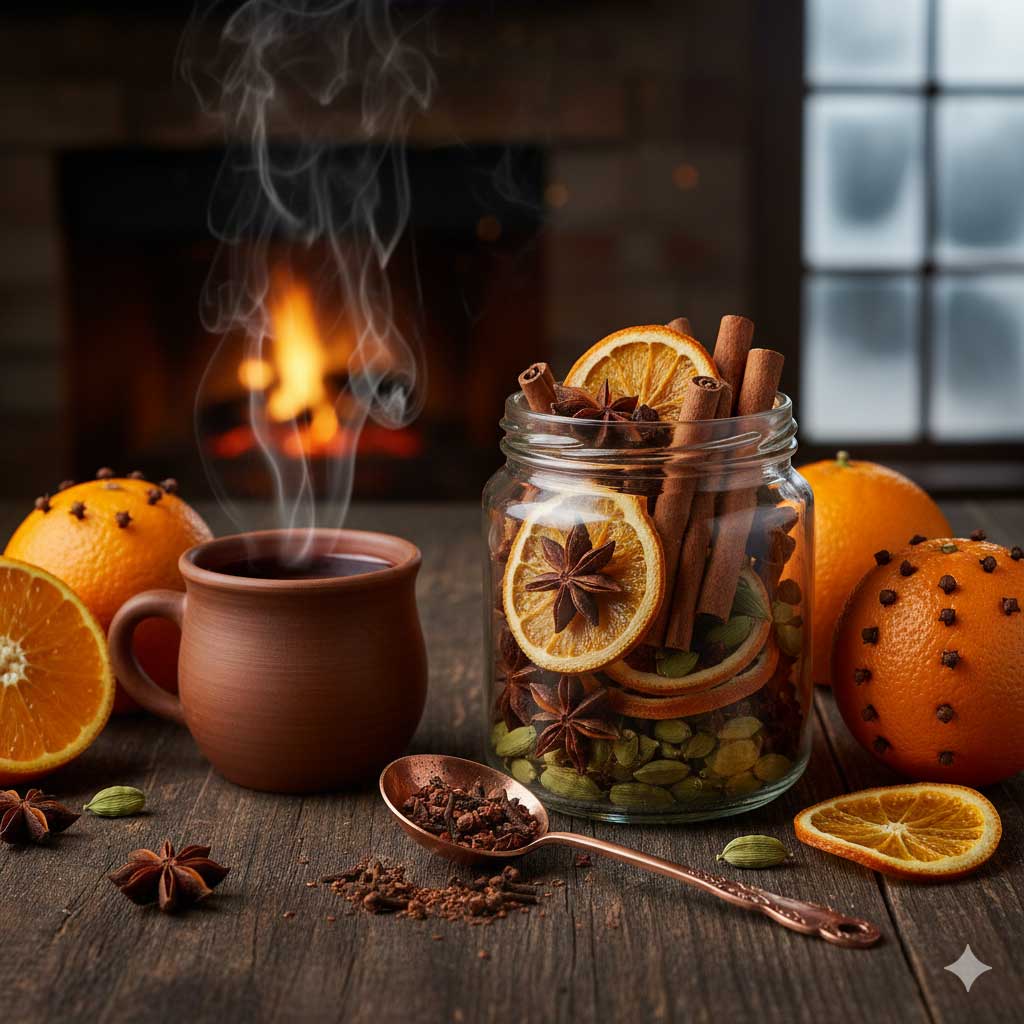
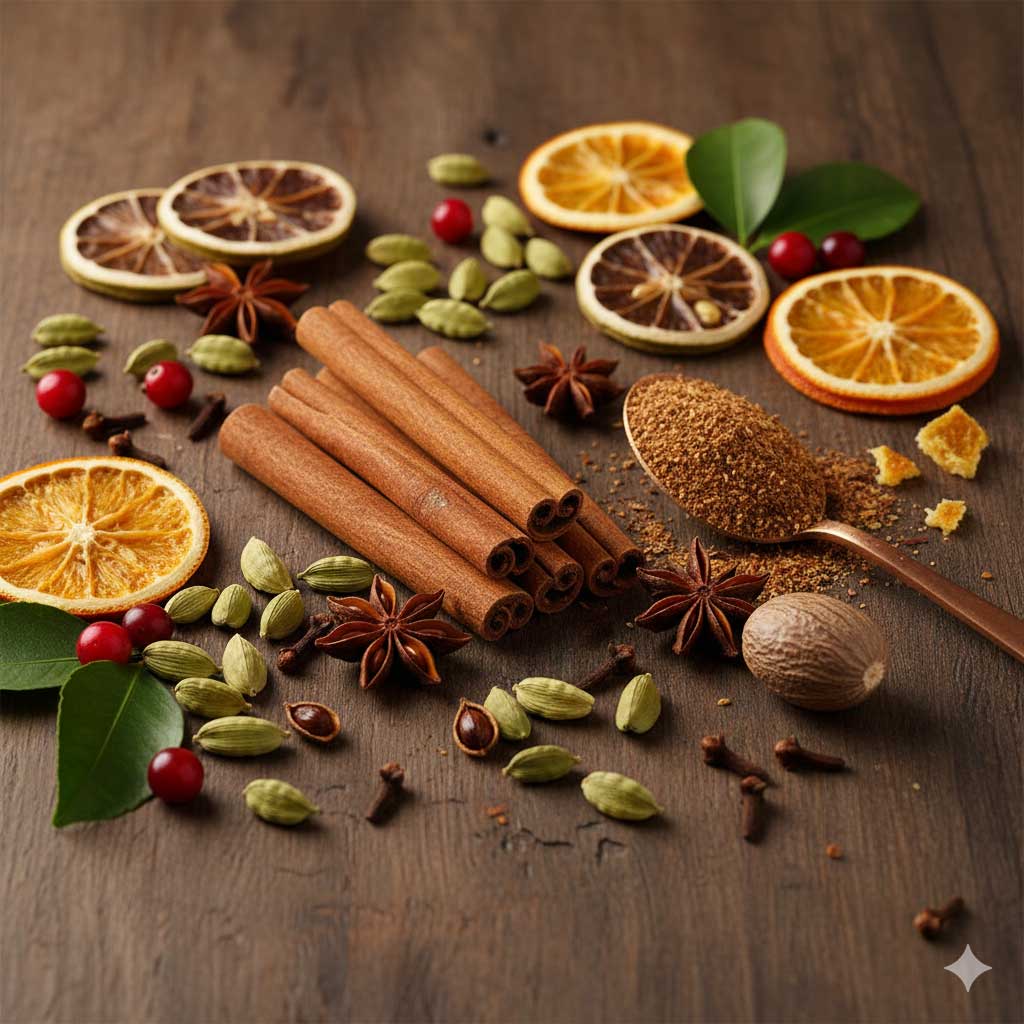
    First of all—first of all—there’s cinnamon. Do you know how amazing cinnamon is? It comes as this cute little brown stick, like a wooden scroll from ancient times, except instead of containing wisdom, it contains DELICIOUSNESS.

    Cinnamon is like the warm hug of the spice world. You drop a stick into hot wine and suddenly the entire room smells like holiday joy, baked apples, and childhood memories you didn’t even know you had.

    Cinnamon is the captain of mulled wine. The CEO. The MVP. The Beyoncé of the pot.

    Star Anise: The Fancy, Beautiful One

    Then—THEN—there’s star anise. Have you ever really looked at star anise? Like really? It’s a freakin’ star. A literal star. No other spice shows up to the pot dressed like it’s going to the Oscars.

    And when you’re a few warm mugs deep, star anise looks even more magical. You swirl your cup and see that star and think, “Wow… the universe loves me.”

    Flavor-wise, star anise adds that sweet, licorice-y, sophisticated thing. Like the kind of flavor you wish you had when you’re trying to impress people at holiday parties.

    Cloves: The Tiny Grenades of Flavor

    CLVOED— wait.
    Cloves. Cloves! Sorry, my typing got excited.

    Cloves are tiny. TINY. They look like little nails. But my god, they explode with flavor. These things could season an entire kingdom. If star anise is the fancy Oscar star, cloves are the ones that show up in black leather jackets and say, “Don’t worry, I’ll add the intensity.”

    Cloves go in mulled wine and instantly the smell becomes: winter but make it delicious. They add depth, warmth, and that slight numbing effect that makes your tongue go “heeheehee” if you bite one.

    Do not bite one, by the way. Ask me how I know.

    Orange Peels: Sunshine in a Zesty Coat

    Okay so at some point someone decided to throw orange peel into mulled wine and THANK GOODNESS for that person. Give them a statue. Give them a trophy. Name a holiday after them.

    Orange peel brings brightness—the kind of brightness that cuts through all the cinnamon and cloves and says, “Hey! I’m fruity! I’m zesty! I bring balance to this warm boozy potion!”

    It’s like a sunbeam doing a cannonball into your cup.

    Nutmeg: The Gentle Sprinkle of Chaos

    You don’t always see nutmeg in mulled wine, but when it appears—oh boy.

    Nutmeg is that quiet friend who seems all innocent and soft-spoken… until they start dancing on tables at midnight. Just a tiny sprinkle and suddenly the whole drink tastes richer, deeper, warmer.

    Also nobody ever measures nutmeg. Nobody. The ancestors will guide your hand. Especially after the third mug.

    Cardamom: The Exotic Perfume of the Pot

    You know cardamom? That little green pod that smells like a candle in a luxury spa? Yeah. Put that in mulled wine and suddenly you feel like royalty in a mountain chalet somewhere in the Alps.

    Cardamom doesn’t always show up in every recipe, but when it does, the whole drink starts speaking with a beautiful accent. Probably French. Or Norwegian. Something classy.

    Why Mulled Wine Spices Are Actually Genius

    Okay so here’s the deal—mulled wine spices aren’t just tasty. They’re also SMART. Like, historically and scientifically.

    1. They warm you up. Literally.
    Cinnamon and cloves increase warmth and circulation. Which is very important for winter and also when standing outside at Christmas markets yelling “IT’S SO PRETTY” at twinkling lights.

    2. They make inexpensive wine taste incredible.
    Don’t look at me like that. We all know it’s true.

    3. They smell AMAZING.
    I would wear mulled wine as perfume if that were socially acceptable.

    4. They unite people.
    You cannot drink mulled wine alone. You must share it. It’s like a rule from the universe.

    5. They turn any cold night into a party.
    Even if it’s just you, a blanket, and a questionable Spotify playlist.

    How the Spices Work Together (Teamwork! Teamwork!)
    Wine

    Imagine the spices as a band:

    • Cinnamon is the lead singer
    • Star anise is the dramatic violin soloist
    • Cloves are the intense drummer who looks like they haven’t slept
    • Orange peel is the upbeat guitarist
    • Nutmeg is the background vocalist who occasionally steals the show
    • Cardamom is the mysterious keyboard player from another country

    Together they create the musical masterpiece known as:

    “Hot Wine That Makes You Feel Like a Holiday Candle With Feelings.”

    A Small, Warm Conclusion

    Mulled wine spices are not just spices. They are comfort. They are warmth. They are joy in edible aromatic form. They are the reason I’m currently feeling very passionate, slightly wobbly, and extremely grateful.

    So next time you make mulled wine, look at those spices and remember:

    They are the hidden heroes.
    They are the winter warriors.
    They are the reason you’re smiling at nothing right now.

    Now if you’ll excuse me, I think my mug needs a refill. For research purposes. Obviously.

    Cheers! 🍷✨

  • Understanding Flavor: How Spices Transform the Way We Taste Food

    Spices do far more than simply make food “taste good.” They awaken the senses, add layers of complexity, evoke deep emotions, and help define entire culinary identities. Long before modern cooking techniques existed, humans used spices not only to enhance flavor but also to preserve food, express cultural heritage, and even perform rituals. Understanding how spices flavor dishes—and why they matter—opens the door to a richer appreciation of both cooking and culture, turning every meal into a multisensory experience.

    The Nature of Flavor: How Spices Flavor Every Dish

    Flavor is a fusion of several sensory elements: taste, aroma, texture, temperature, and even memory. While the tongue detects basic sensations such as sweet, salty, bitter, sour, and umami, it’s the aroma that shapes the deepest character of a dish. Our sense of smell can distinguish thousands of molecules, making it far more nuanced than taste alone.

    This is where spices truly shine. Their essential oils release volatile compounds that stimulate the olfactory system, creating a complex tapestry of scents that we interpret as flavor. When someone says a dish is “aromatic,” they’re experiencing the power of spices on a chemical and emotional level. In fact, many chefs argue that spices don’t merely season food—they define its personality.

    The Science Behind Spice Aromas

    Each spice contains signature chemical compounds that determine its sensory identity. Take cinnamon, for example. Its warmth comes not from sugar but from cinnamaldehyde, a molecule responsible for its sweet, woody, and slightly peppery notes. When heated, this compound becomes more potent, which is why cinnamon rolls smell so irresistible straight out of the oven.

    Cloves contain eugenol, known for its bold, almost medicinal aroma. Nutmeg is rich in myristicin, a compound responsible for its sweet and earthy perfume. Cardamom, beloved in both South Asian and Scandinavian cuisines, contains cineole and terpinyl acetate, which lend it a bright, almost eucalyptus-like freshness. These chemical signatures allow spices flavor to transform simple ingredients into deeply expressive dishes.

    Whole and ground nutmeg highlighting its rich spices flavor and warm, aromatic profile for culinary use.

    The Sensation of Heat: A Different Pathway

    Heat-based spices like chili peppers affect the body through an entirely different sensory route. Capsaicin, the active compound in chili, doesn’t stimulate taste buds or smell receptors—it activates pain receptors, specifically TRPV1, which normally detect heat. This creates the familiar burning sensation that can be both thrilling and addictive.

    Interestingly, the human brain responds to this perceived “danger” by releasing endorphins, our natural feel-good chemicals. This neurological reward system explains why some people develop a strong love for spicy foods, constantly seeking the next level of intensity. Beyond chili peppers, spices like black pepper (piperine) and ginger (gingerol) also create unique warming sensations that enrich the eating experience in subtler ways.

    Cultural Expectations Shape Flavor Perception

    Flavor is never just biological—it is cultural. Every cuisine uses spices differently, reflecting climate, history, trade routes, and available ingredients.

    In India, spices are layered to build incredibly rich, complex dishes. Tadka, or tempering, involves heating spices such as cumin, mustard seeds, turmeric, and fenugreek in oil until they crackle and release their aromas. This technique infuses dishes with depth at the very beginning of the cooking process, highlighting the full potential of spices flavor.

    In contrast, Scandinavian cuisine uses spices with restraint, often highlighting warm, sweet varieties such as allspice, cardamom, and nutmeg. These pair beautifully with pastries, preserves, and winter dishes, reflecting the region’s colder climate and shorter growing season.

    Middle Eastern traditions celebrate blends like za’atar, baharat, or ras el hanout, each telling a story of trade routes and centuries-old culinary practices. Meanwhile, Caribbean cuisine embraces allspice, thyme, and scotch bonnet peppers to create vibrant, fiery dishes that speak to a fusion of African, Indigenous, and European influences.

    Preparation Changes Everything

    The same spice can taste completely different depending on how it’s treated. This versatility is one of the reasons spices flavor is so essential in cooking.

    • Toasting seeds like coriander or cumin intensifies their aromas and adds nuttiness.
    • Grinding spices increases their potency by exposing more surface area, but also shortens shelf life.
    • Blooming spices in hot oil or butter unlocks deeper, richer flavors that are otherwise hidden.
    • Steeping spices in liquid—such as star anise in broth or saffron in warm water—allows their essential oils to disperse slowly and evenly.

    Even something as simple as the order of addition can shift the entire profile of a dish.

    Spice Blends: Stories of History and Identity

    Many cultures express their culinary identity through signature spice blends. Moroccan ras el hanout, Indian garam masala, Chinese five-spice, Cajun seasoning, and Mexican adobo are more than recipes—they are the result of centuries of tradition, migration, trade, and adaptation.

    These blends often vary from household to household, becoming deeply personal. A grandparent’s version of garam masala or berbere can feel as unique as a family heirloom. Through spices, entire peoples tell their stories, preserve memories, and assert cultural pride.

    Modern Explorations and a Growing Curiosity

    Chefs experiment with fusion flavors—smoked paprika in ramen, Sichuan pepper in cocktails, or turmeric in lattes, smoothies, and desserts. Home cooks, inspired by travel and global cuisine, are increasingly adventurous, incorporating spices like sumac, Aleppo pepper, or pink peppercorn into everyday meals.

    While spices have always been functional—from preserving meat to soothing digestion—we are only beginning to understand their full potential.

    A Gateway to Creativity and Connection

    Ultimately, spices are the key to unlocking creativity in the kitchen. They teach us to balance heat, sweetness, bitterness, and aromatic depth. They invite us to experiment, to taste boldly, and to appreciate the diversity of global culinary traditions. With spices, we can travel around the world through flavor alone.

    Most importantly, spices remind us that food is more than nourishment. It is an experience shaped by culture, memory, emotion, and curiosity. When we cook with spices, we do more than season our meals—we connect with history, celebrate diversity, and awaken the senses to the full beauty of what spices flavor can offer.

  • Saffron: The Golden Spice of Gastronomy

    Few spices can match the prestige and allure of this golden spice. Known for its vibrant color, delicate aroma, and subtle flavor, it has been prized for centuries in cooking, medicine, and even dye-making. Today, this aromatic treasure remains a symbol of luxury and culinary refinement, transforming ordinary dishes into extraordinary creations.

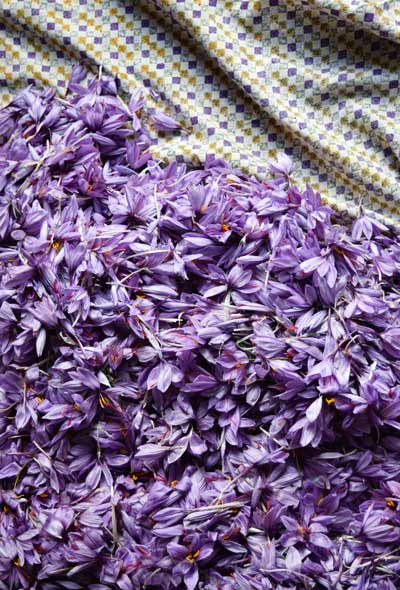
    Delicate Crocus sativus flowers, the source of saffron, also known as the golden spice.

    Origin and history

    Where This Spice Comes From

    This exceptional ingredient is obtained from the stigmas of the Crocus sativus flower, a small purple bloom cultivated mainly in Iran, Spain, and the Kashmir region of India. Each flower produces only three red stigmas, which must be harvested by hand. Tens of thousands of flowers are needed to produce just one pound of the golden spice, making it one of the most labor-intensive and expensive seasonings in the world.

    A Golden Spice With a Rich Legacy

    The legacy of this precious product stretches back over 3,000 years. Ancient Persians valued it for fragrance, dyeing, and medicinal purposes, while Egyptians used it in cosmetics and religious rituals. It later spread to Europe, where the golden spice became a symbol of wealth and refinement. Today, it is appreciated globally in both everyday and haute cuisine, admired not only for its taste but also for the luminous golden hue it imparts to dishes.

    Culinary Comparison

    Although unique, this spice is sometimes confused with turmeric or safflower. Turmeric offers a strong earthy flavor and bright yellow color but lacks the subtle aromatic complexity of this golden spice. Safflower can imitate the color but contributes very little flavor. What truly sets this spice apart is its delicate floral aroma, gentle sweetness, and remarkable ability to elevate both color and taste.

    How to use this spice in cooking

    Storage Tips

    This ingredient is sensitive to light, heat, and moisture. To preserve its color and aroma, store it in an airtight container in a cool, dark place. Whole threads last longer than powdered versions and provide a more vibrant flavor when used correctly.

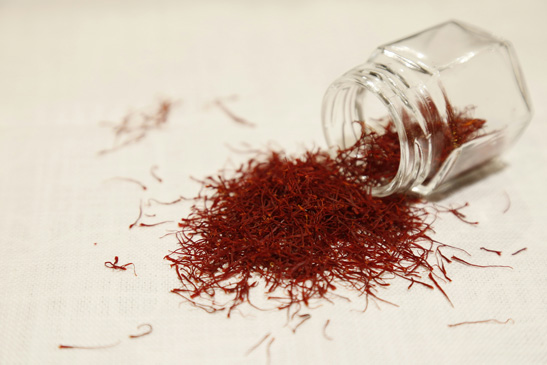
    Fresh saffron threads stored in a jar, showcasing the vibrant color and aroma of the precious golden spice.

    Preparing the Spice

    For optimal results, the threads should be soaked in warm water, milk, or broth before being added to dishes. This step releases both flavor and color more evenly. Using the threads directly in cooking may result in uneven distribution and a less pronounced aroma

    Substitutions and Considerations

    Because of its high cost, some recipes recommend turmeric or safflower as substitutes. While these alternatives can mimic the color, none can reproduce the unique aroma and delicacy of this exquisite ingredient. In dishes where the golden spice plays a central role, like paella or risotto, there is no true replacement.

    Health Benefits

    Nutritional and Medicinal Properties

    Beyond its culinary impact, this aromatic treasure offers several health benefits. The golden spice contains antioxidants such as crocin and safranal, which may help protect cells from oxidative stress. Research suggests it may support mood, digestion, and anti-inflammatory functions. While used sparingly, this spice can still contribute meaningfully to a balanced diet.

    Myths and Reality

    This luxurious ingredient is sometimes marketed as a miracle solution for weight loss or as a powerful aphrodisiac. While some traditional claims have scientific support, its true value lies in its aroma, flavor, and subtle wellness benefits rather than dramatic physiological effects.

    Culinary Applications

    Savory Dishes

    This golden seasoning enhances risottos, paellas, stews, and broths. It pairs beautifully with rice, seafood, poultry, and vegetables. Even a few threads can transform a dish’s appearance and flavor, creating a luxurious culinary experience.

    Sweet Recipes

    The spice also appears in desserts and pastries. It complements custards, cakes, ice creams, and sweet breads, offering a gentle floral aroma and warm golden color. Its subtle profile balances sweetness without overwhelming it.

    Beverages

    This ingredient is popular in teas, milk-based drinks, and cocktails. Infused syrups or warm milk highlight its fragrance, while a few threads can add elegance and warmth to both traditional and modern beverages.

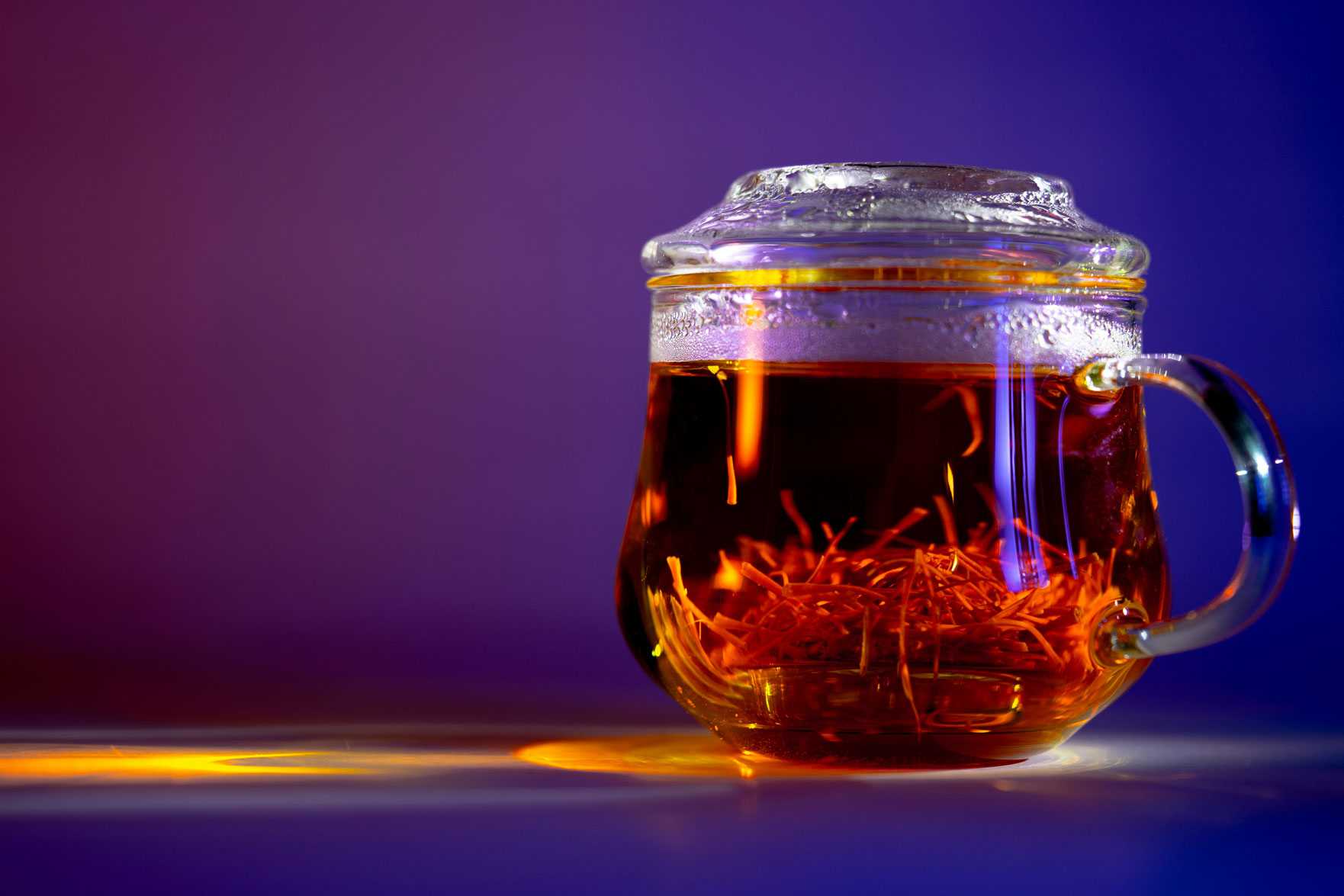
    A cup of saffron-infused tea in a clear glass, highlighting the golden spice threads and their vibrant color and aroma.

    DIY Spice Blends

    Home cooks can craft personalized spice blends featuring this precious ingredient. Combined with cardamom, cinnamon, or nutmeg, it creates aromatic mixtures perfect for desserts and savory dishes alike. Even a pinch in homemade spice mixes elevates everyday recipes effortlessly.

    More than just a seasoning, this golden treasure represents history, craftsmanship, and culinary artistry. From ancient Persia to modern kitchens around the world, it has maintained its reputation as one of the most prized ingredients. Whether used in savory dishes, desserts, drinks, or blends, it adds elegance, aroma, and color that few other spices can match. For chefs and home cooks alike, this exceptional spice has the power to transform ordinary recipes into memorable culinary experiences.

    Beyond its extraordinary culinary and visual appeal, the saffron tells a story of centuries-old tradition, meticulous craftsmanship, and patient labor. Each delicate thread reflects the dedication of skilled hands, from careful harvesting to precise drying, embodying the essence of luxury and refinement. Incorporating it into dishes not only enhances flavor and color but also connects modern kitchens to a rich cultural heritage, making every meal infused with it a truly memorable experience.

    To learn even more about saffron, check out this article on our website: “I Am Saffron”: The Autobiography of the World’s Most Precious Spice

  • Tellicherry Black Pepper: The King of Spices

    When it comes to black pepper, not all varieties are created equal. Among the finest and most prized options is Tellicherry black pepper, a seasoning that embodies centuries of tradition, a rich heritage, and a complex, nuanced flavor profile. Known as the “pepper of connoisseurs”, Tellicherry Black Pepper is more than just a kitchen staple, it’s a journey into the heart of India’s spice country, a wellness booster, and a culinary star in both sweet and savory dishes.

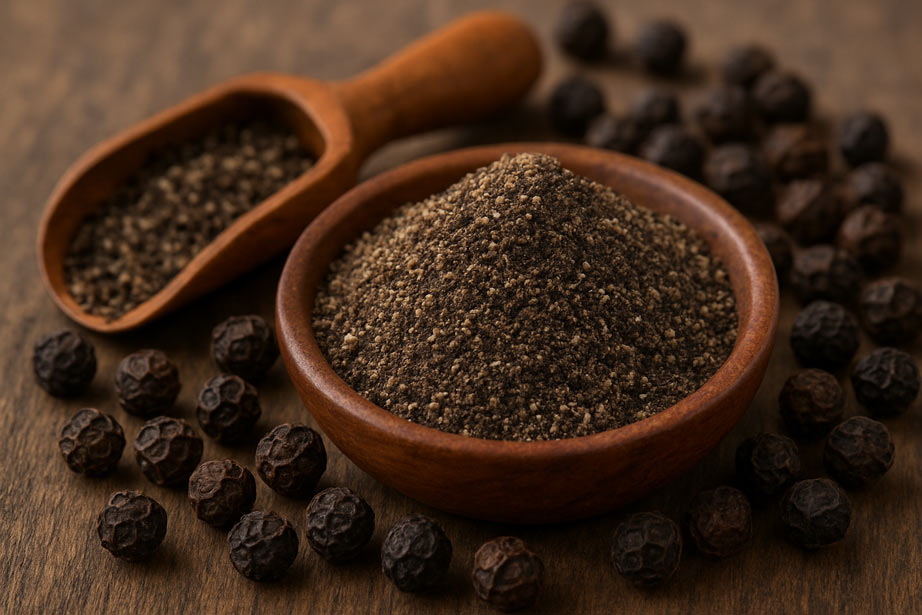
    Tellicherry Black Pepper in a bowl with whole peppercorns on a table

    Discovery and Culture

    Origin and Terroir

    The Tellicherry Black Pepper originates in the lush tropical region of Kerala in southern India, where the climate, soil, and monsoon rhythms create ideal growing conditions. What sets these peppercorns apart is the maturity of the plants from which they are harvested. Only fully ripe berries from older vines are hand-picked, resulting in a richer, more complex flavor: robust, aromatic, and slightly fruity. This careful cultivation process explains why this cultivar consistently ranks among the world’s finest.

    History of Tellicherry Black Pepper

    The story of the Tellicherry Black Pepper is as rich as its taste. Pepper has been cultivated in India for thousands of years and was one of the earliest commodities in global trade. European explorers (including the Portuguese, Dutch, and British) were drawn to India’s spice coast, and the harvest from the Tellicherry region became especially prized. Its superior flavor and reliability elevated it above standard varieties, making it a favorite on royal tables and in fine dining. Today, chefs and gourmet enthusiasts still regard it as a hallmark of culinary sophistication.

    Differences with Other Black Peppers

    Compared to other well-known types, such as Malabar, Lampong, or Sarawak,Tellicherry Black Pepper stands out distinctly. Malabar pepper is bold and pungent, Lampong from Indonesia delivers sharper heat, and Malaysia’s Sarawak is milder with a woody profile. The combination of fruity undertones, subtle warmth, and deep, layered aromatics makes this variety the preferred choice for cooks seeking elegance and depth.

    Practical Guide

    Storage

    To preserve the full aroma of Tellicherry Black Pepper and flavor, proper storage is crucial. Keep the peppercorns in an airtight container, protected from heat, light, and humidity. Whole berries retain essential oils far better than pre-ground versions, making it ideal to buy them whole and grind only as needed. With proper care, this spice maintains its vigor for months.

    Optimal Grinding

    For maximum flavor, grind this pepper just before cooking. Fresh grinding releases the volatile oils that contribute to its aromatic and pungent personality. Though pre-ground options are convenient, they lose complexity quickly. A few fresh twists from a mill can dramatically enhance a dish, turning an ordinary meal into something memorable.

    Substitutions and Flavor Impact

    While this variety is highly prized, other black peppers can occasionally serve as substitutes. However, replacing Tellicherry Black Pepper with standard options will reduce some of the depth, aroma, and subtle fruity qualities it brings. When a recipe specifies this high-grade pepper, it’s usually worth using the real thing to maintain authenticity and flavor integrity.

    Health and Wellness

    Benefits of Tellicherry Black Pepper

    This celebrated seasoning is not only a culinary staple but also offers numerous health benefits. Black pepper has long been associated with improved digestion due to compounds that stimulate digestive enzymes. It may also promote metabolism and provides antioxidants that help combat oxidative stress.

    Enhancing Nutrient Absorption

    One standout feature of black pepper is its ability to enhance nutrient absorption. Piperine, the compound responsible for its signature pungency, can boost the bioavailability of various nutrients and spices, especially curcumin from turmeric. This synergy makes these peppercorns a valuable addition to wellness-focused recipes.

    Myths and Realities

    Many myths surround pepper, including claims that it acts as a powerful “fat burner” or energy booster. While piperine may have mild metabolic effects, it is not a miracle ingredient for weight loss. The real value of Tellicherry Black Pepper lies in elevating flavor, supporting digestion, and aiding nutrient absorption.

    Recipes and Culinary Uses

    Savory Dishes

    This exceptional variety shines in savory cooking. Its bold yet nuanced flavor enhances steaks, roasted meats, grilled fish, and vegetables. A sprinkle of freshly ground pepper over vinaigrette, sauces, or marinades adds complexity and warmth. Even a simple salad can become gourmet with a pinch of this fragrant seasoning.

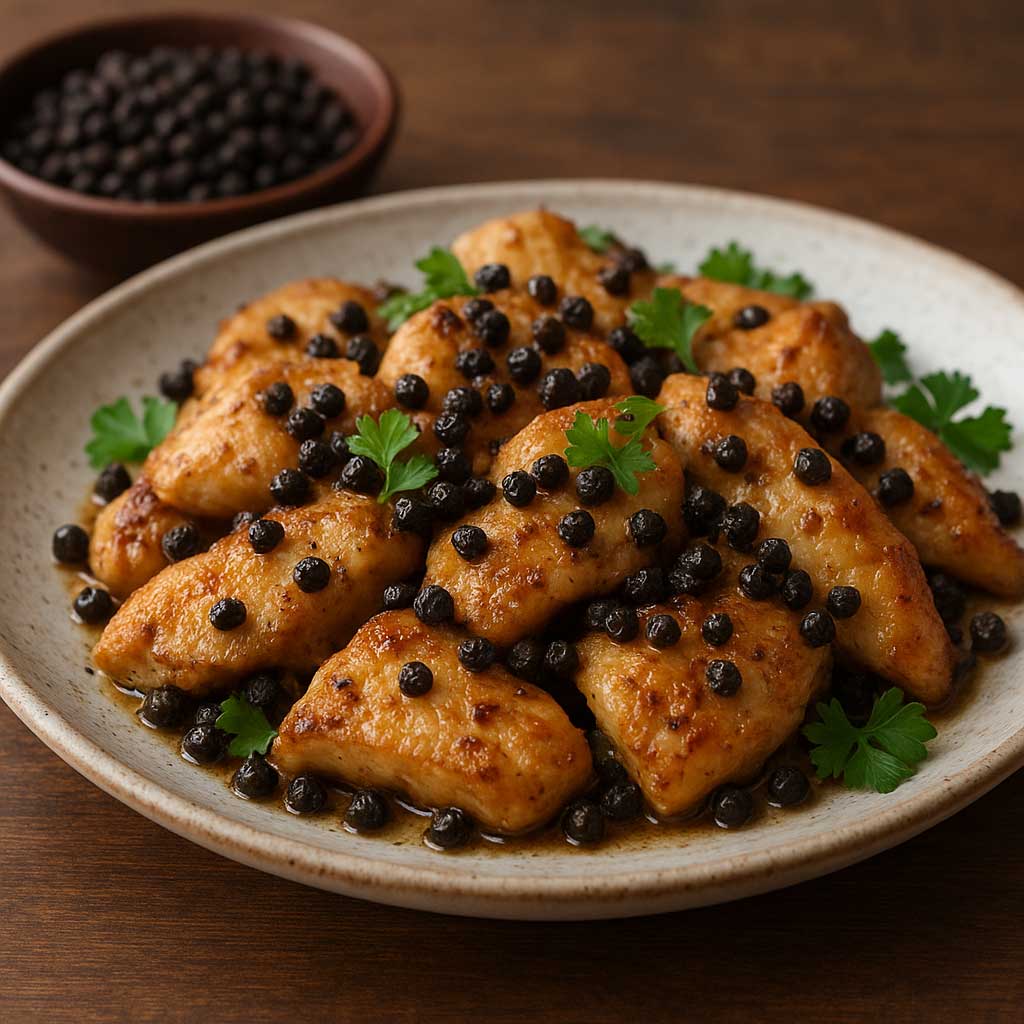
    Plate of chicken seasoned with Tellicherry Black Pepper

    Sweet Recipes

    Surprisingly, this spice also enhances sweet dishes. It pairs beautifully with chocolate desserts, caramel sauces, and poached fruits, where its gentle heat balances sweetness and elevates flavors. The complexity of these peppercorns makes them a perfect partner for creamy or fruity notes.

    Beverages and Cocktails

    This high-quality pepper is now appearing in beverages as well. It adds warmth and subtle spice to lattes, teas, cocktails, and mocktails. A simple syrup infused with it can completely transform a drink, making it a favorite tool for mixologists and creative home cooks.

    DIY Spice Mixes

    For those who enjoy experimenting, this pepper is ideal for homemade blends. Combine it with salt for a gourmet finishing seasoning, or mix it with cumin, coriander, and smoked paprika for a custom rub. These blends elevate grilled meats, roasted vegetables, and even snacks.

    White sack filled with Tellicherry Black Pepper drying on a gray table

    More than just a seasoning, this distinguished pepper is a symbol of heritage, quality, and culinary excellence. From its origins in Kerala to its widespread appreciation around the world, it has earned its title as the “pepper of connoisseurs”. With its complex aroma, nuanced flavor, and wellness-supporting properties, it stands as a versatile and invaluable ingredient. Whether added to a savory curry, a decadent dessert, or a comforting beverage, this extraordinary spice enriches both food and the dining experience itself. For chefs, food lovers, and wellness enthusiasts, it remains one of the most remarkable spices on Earth.

    To find more about other peppers, check this post : The Magic of the 5‑Pepper Blend: A Flavorful Journey Through History, Culture & Cooking

  • 5 Essential Spices Every Kitchen Should Have

    In a world filled with countless spices, each offering its own aroma, color, and flavor, it can be challenging to know which ones truly deserve a place in every kitchen. While culinary traditions vary widely, certain spices have achieved universal appeal due to their versatility, availability, and ability to elevate everyday dishes. Whether you’re a novice home cook or an experienced chef, these 5 essential spices form the foundation of flavor in countless cuisines around the globe. Beyond convenience, they each tell a story—of trade, migration, tradition, and the shared human desire to make food more memorable.

    1. Black Pepper: The Universal Seasoning

    Black pepper is perhaps the most widely used spice in the world, found on nearly every dining table alongside salt. Its influence dates back millennia—once used as currency and highly valued in ancient Rome. Derived from the dried berries of the Piper nigrum plant, black pepper adds a sharp, pungent heat that enhances both savory and sweet dishes.

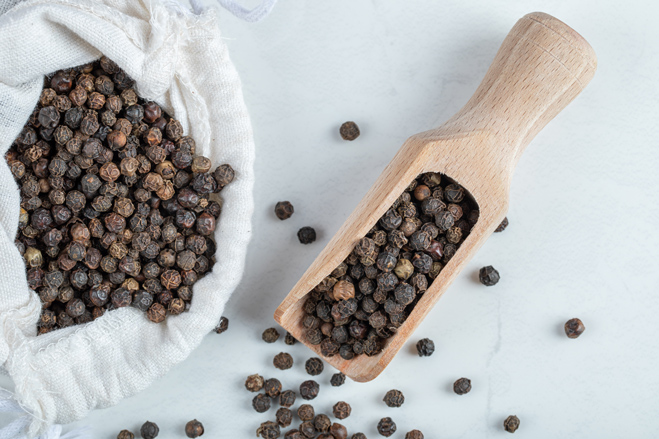
    5 essential spices: Close-up of whole black peppercorns, showcasing their dark, textured surface and natural spice aroma.

    Pepper works well with virtually everything: meats, vegetables, soups, sauces, eggs, and even desserts like chocolate. Freshly ground pepper is especially potent, delivering citrusy and woody undertones that pre-ground pepper often lacks. Its versatility makes it a cornerstone of the 5 essential spices.

    Beyond flavor, pepper’s distinctive bite stimulates salivation and aroma perception, subtly heightening the flavors of other ingredients. This is one reason why chefs consider it a “flavor amplifier” more than a standalone spice.

    2. Cumin: The Earthy Backbone of Many Traditions

    Warm, nutty, and slightly smoky, cumin is a key spice in cuisines from Mexico to India to the Middle East. Its bold earthiness makes it indispensable in curries, stews, chili, and spice blends like garam masala or taco seasoning.

    Cumin’s flavor can change dramatically depending on its preparation. Toasting whole cumin seeds releases deep, aromatic oils, while ground cumin provides a more immediate, mellow warmth. The spice balances rich dishes, adding depth without overwhelming other ingredients.

    Historically, cumin was also prized for its preservative qualities and digestive benefits, which explains its presence in hearty, slow-cooked dishes. When combined with coriander, its most common partner, cumin forms a backbone of flavor in countless recipes and ranks among the 5 essential spices.

    3. Cinnamon: Sweet, Warm, and Comforting

    Cinnamon is more than a baking spice. While it’s essential in pastries, oatmeal, and desserts, it also plays an important role in savory dishes—particularly in Middle Eastern, Moroccan, Indian, and Greek cuisines. Whether sprinkled on roasted vegetables or used in tagines, cinnamon brings warmth and subtle sweetness that rounds out hearty flavors.

    There are two main varieties of cinnamon: Ceylon and cassia. Ceylon, sometimes called “true cinnamon,” is lighter and more delicate, while cassia is bolder and more common. Both are versatile, affordable, and widely available.

    Cinnamon’s complexity comes from its high content of aromatic compounds, which pair beautifully with ingredients like lamb, pumpkin, or citrus. Its comforting aroma also makes it a favorite in winter dishes and festive traditions around the world.

    4. Turmeric: Golden Color and Healing Reputation

    Turmeric has gained global popularity not only for its warm, earthy taste but also for its celebrated health benefits. Used for centuries in South Asian cooking and Ayurvedic medicine, turmeric adds color and complexity to curries, rice dishes, soups, and marinades. Its mild bitterness and musky aroma make it ideal for layering with spices like cumin, coriander, and chili.

    The compound curcumin is responsible for turmeric’s golden hue and is associated with anti-inflammatory properties. Whether used in traditional recipes or modern creations like golden milk, turmeric is now a kitchen staple around the world.

    Additionally, turmeric’s bright color can transform a dish visually, making even simple recipes feel vibrant and inviting. It’s often used in spice rubs, pickles, broths, and even baked goods.

    5. Paprika: From Mild Sweetness to Bold Smokiness

    Paprika is made from dried red peppers and comes in many varieties: sweet, hot, and smoked. Originating in Central and Eastern Europe, it’s essential in dishes like goulash and paprika chicken. Its vibrant red color and subtle sweetness make it ideal for seasoning roasted vegetables, meats, eggs, and stews.

    Smoked paprika, in particular, has gained international popularity for its rich, woodsy aroma. It adds depth to everything from barbecue rubs to plant-based recipes, offering smoky character without the need for actual smoking.

    Paprika also contributes a gentle sweetness that rounds out harsher flavors, making it a favorite in slow-cooked dishes and spice blends across many cuisines.

    Why These Five?

    While every cuisine has its own signature spices, these 5 essential spices stand out for their universal compatibility They complement each other, allowing cooks to experiment with different combinations and flavor profiles. Mastering these essentials creates a strong foundation for exploring more complex spices like star anise, cardamom, or fenugreek.

    Spices are powerful tools—they transform simple ingredients into flavorful creations. With black pepper, cumin, cinnamon, turmeric, and paprika, any kitchen is well-equipped to explore the world through food. These 5 essential spices encourage creativity, support cultural exploration, and invite cooks of all levels to bring more depth, warmth, and personality into their everyday meals.

  • The Health Benefits of Spices: Ancient Wisdom Meets Modern Science

    Spices have long been celebrated not only for their flavor but also for their healing properties. Ancient civilizations intuitively understood that certain spices could soothe digestion, boost energy, fight infection, or bring balance to the body. Today, modern science continues to explore these traditional claims, revealing fascinating insights into the health benefits of spices. What was once considered folklore is now supported by research, showing that spices are far more than culinary tools—they’re potent plant-based allies for long-term wellness.

    Turmeric: A Natural Anti-Inflammatory

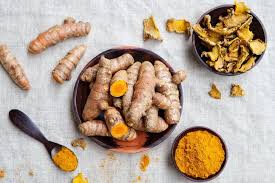
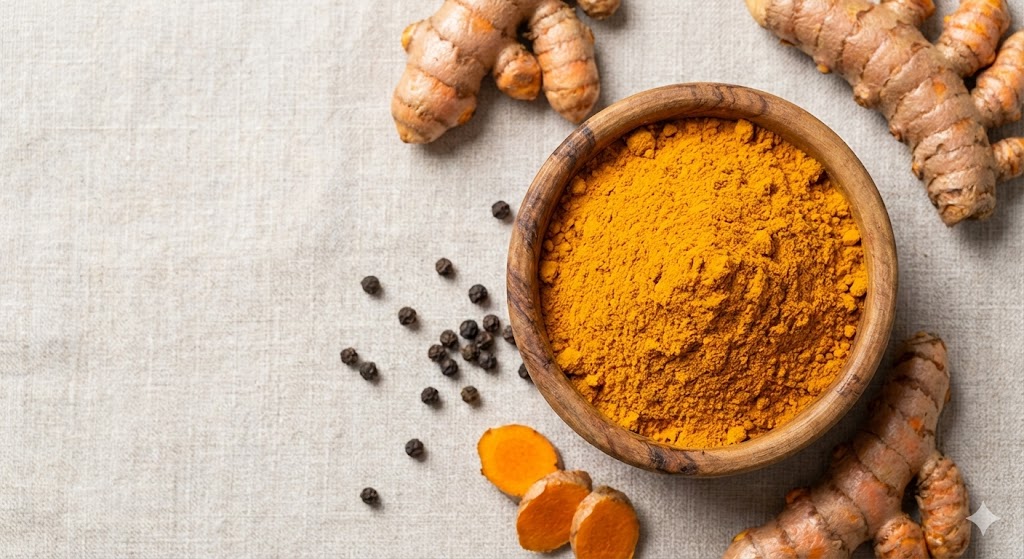
    Turmeric has gained global attention for its powerful anti-inflammatory properties. Curcumin, its active compound, has been studied for its potential to reduce inflammation associated with arthritis, heart disease, and even depression. Although curcumin is not easily absorbed by the body, pairing turmeric with black pepper greatly enhances absorption. This explains why the two spices often appear together in traditional dishes, highlighting both their culinary uses and health benefits of spices.

    Health benefits of spices: turmeric

    Beyond inflammation, turmeric may support cognitive function by helping reduce oxidative stress in the brain. Some studies suggest that diets rich in turmeric may contribute to lower rates of neurodegenerative diseases in regions where it is consumed daily. From golden milk lattes to curries and marinades, turmeric is one of the most versatile medicinal spices, offering both flavor and functional support.

    Ginger: Digestive Support and Immune Strength

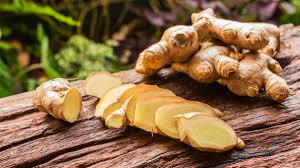
    Ginger is one of the most ancient medicinal spices. Rich in gingerol, it has natural anti-inflammatory and antioxidant effects. Ginger is commonly used to treat nausea, motion sickness, and indigestion. Studies also suggest it may reduce muscle soreness and support the immune system, further emphasizing the health benefits of spices.

    Health benefits of spices: Fresh ginger root and slices, highlighting the health benefits of ginger for digestion, immunity, and anti-inflammatory support.

    In many cultures, ginger tea is a go-to remedy for colds or stomach discomfort. Its warm, spicy flavor makes it a versatile ingredient in both sweet and savory recipes. Ginger can also stimulate circulation, making it helpful in warming the body during cold seasons. Chefs appreciate its brightness in stir-fries, baked goods, soups, and even beverages like ginger beer.

    Cinnamon: Blood Sugar Balance and Antioxidant Power

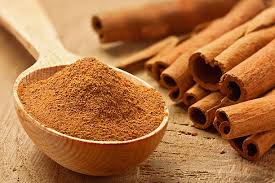
    Cinnamon, especially Ceylon cinnamon, has been studied for its potential to help regulate blood sugar levels. It may improve insulin sensitivity, making it of particular interest to people managing diabetes. Cinnamon is also rich in antioxidants, which help protect the body from oxidative stress and inflammation.

    Its sweet warmth makes it easy to incorporate into everyday foods—sprinkled on fruit, added to oatmeal, or blended into smoothies. In traditional remedies, cinnamon has also been used to help soothe sore throats, improve circulation, and gently warm the body. Even in small amounts, it can provide noticeable benefits, making it one of the most accessible wellness spices.

    Garlic: Heart Health and Natural Defense

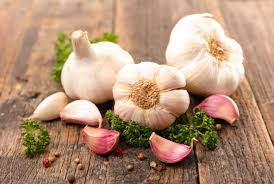
    Garlic is technically both a spice and a medicinal plant. Its active compound, allicin, is released when garlic is crushed or chopped. Allicin has antimicrobial and antiviral effects, which is why garlic is often used as a natural remedy during cold and flu season. Garlic exemplifies the health benefits of spices in cardiovascular and immune support.

    Research also suggests that garlic may help lower cholesterol, reduce blood pressure, and support cardiovascular health. Its bold, savory flavor makes it a favorite in countless cuisines. Roasting garlic softens its sharpness and brings out a sweet, mellow character, making it easy to add to sauces, spreads, soups, and vegetables. Its benefits are strongest when eaten raw or lightly cooked, but regular consumption in any form supports overall health.

    Chili Peppers: Metabolism and Pain Relief

    Chili peppers contain capsaicin, a compound responsible for their heat. Capsaicin has been linked to increased metabolism, as it temporarily raises body temperature and may boost calorie burning. It’s also used in topical creams for pain relief, helping alleviate conditions like arthritis or nerve pain.

    Beyond its health benefits, chili adds vibrancy and excitement to food, making it a staple in spicy cuisines across the globe. It can also stimulate digestion, increase circulation, and even trigger the release of endorphins—the body’s natural “feel-good” chemicals—which explains why spicy food can be surprisingly addictive.

    Cloves, Cardamom, and More: Small Spices with Big Impact

    Cloves are packed with antioxidants and have natural analgesic properties, making clove oil a traditional remedy for toothaches. Cardamom supports digestion and may have antimicrobial effects. Coriander seeds help soothe inflammation, while black pepper improves nutrient absorption and stimulates digestion.

    Even lesser-known spices like fennel seeds, star anise, and fenugreek carry their own powerful benefits—from aiding hormone balance to supporting respiratory health. Each spice offers its own unique properties, making a diverse spice cabinet not only delicious but also health-supportive.

    A Holistic Approach to Wellness

    While spices can support well-being, they are most effective as part of a balanced lifestyle. Consistent, long-term intake—through everyday cooking—is more beneficial than occasional large doses. Spices should complement a healthy diet, not replace medical treatment.

    Ancient wisdom understood that spices were part of nourishing the body and spirit. Today, science continues to validate what traditional cultures have known for centuries: the health benefits of spices are real. By integrating them into daily meals, we not only enhance flavor but also support the body in subtle yet meaningful ways. In this sense, the kitchen becomes a bridge between ancient knowledge and modern understanding—a place where food truly becomes medicine.

  • The Spices of Life: Flavour, Health, and the Power in Your Pantry

    For millennia, humans have been drawn to spices and herbs, initially for preservation and later for their enchanting flavours. What our ancestors instinctively knew, modern science is now confirming: these potent plant compounds are far more than mere flavour enhancers. They are concentrated sources of health, offering a wide array of benefits that can contribute to overall well-being and disease prevention.

    Beyond their culinary magic, the “spices of life” hold a remarkable power that deserves a place of honour in every pantry. Let’s explore some of these vibrant treasures and how they can elevate not just your dishes, but your health.

    Turmeric: The Golden Healer

    Perhaps no spice has garnered as much scientific attention in recent years as turmeric. Hailing from the ginger family, this golden-yellow powder is a staple in Indian and Middle Eastern cuisine. Its active compound, curcumin, is a powerful antioxidant and anti-inflammatory agent.

    Chronic inflammation is a silent culprit behind many modern diseases, including heart disease, cancer, metabolic syndrome, and Alzheimer’s. Curcumin’s ability to combat inflammation at a molecular level makes it a star player in a health-conscious diet. Studies suggest it may also improve brain function, lower the risk of heart disease, and potentially even aid in cancer prevention and treatment by influencing cell growth and survival.

    How to use it: Turmeric has a warm, earthy, slightly bitter flavour. It’s fantastic in curries, stews, soups, scrambled eggs, or even a soothing “golden milk” latte. For better absorption, always combine turmeric with black pepper, as the piperine in pepper significantly enhances curcumin’s bioavailability.

    flavour

    Ginger: The Digestive Soother

    Ginger, with its distinctive pungent and spicy flavour, has been revered for its medicinal properties in traditional medicine for centuries. This knobby root is a powerhouse of anti-inflammatory and antioxidant compounds, most notably gingerol.

    Ginger is perhaps best known for its effectiveness against nausea and digestive upset. Whether it’s morning sickness, motion sickness, or general indigestion, ginger can provide significant relief. It’s also a potent anti-inflammatory, making it beneficial for easing muscle pain and soreness, and even reducing symptoms of osteoarthritis. Some research also points to its potential in lowering blood sugar and improving heart disease risk factors.

    How to use it: Fresh ginger can be grated into stir-fries, marinades, dressings, or brewed into a comforting tea. Ground ginger works well in baking, spice rubs, and savoury dishes.

    Cinnamon: The Sweet & Mighty Bark

    More than just a warming spice for desserts, cinnamon is a true health hero. Derived from the inner bark of trees, its distinct aroma and flavour come from the compound cinnamaldehyde.

    Cinnamon is renowned for its powerful antioxidant properties, outranking many superfoods. However, its most impressive health benefit is its impact on blood sugar levels. It can significantly improve insulin sensitivity, making it a valuable spice for those managing type 2 diabetes or looking to stabilise blood sugar. Studies have also shown cinnamon to have anti-inflammatory and even anti-fungal properties.

    How to use it: Sprinkle ground cinnamon on porridge, yoghurt, fruit, or coffee. Use cinnamon sticks to infuse flavour into hot beverages, stews, or rice.

    Garlic & Onion: The Aromatic Protectors

    Often considered vegetables rather than spices, garlic and onions are foundational aromatics in countless cuisines and deserve mention for their profound health benefits. Their characteristic pungent compounds, particularly allicin in garlic, are responsible for much of their medicinal power and flavour.

    Both garlic and onions are packed with antioxidants and sulphur-containing compounds that have potent anti-inflammatory and immune-boosting effects. They have been linked to a reduced risk of various cancers (especially colorectal and stomach), improved heart health by lowering blood pressure and cholesterol, and enhanced detoxification processes in the body.

    How to use them: Virtually any savoury dish benefits from the addition of sautéed garlic and onion. They form the aromatic base for soups, sauces, stir-fries, and roasts.

    Cayenne Pepper: The Fiery Metabolizer

    For those who love a little heat, cayenne pepper (and other chili peppers) offers more than just a bare flavour. The compound responsible for its spiciness is capsaicin.

    Capsaicin is a metabolism booster, helping to slightly increase calorie burning. It’s also known for its pain-relieving properties, often used topically in creams for muscle soreness. Studies suggest capsaicin can improve digestive health and may even have anti-cancer effects by promoting the death of cancer cells.

    How to use it: Add a pinch to soups, stews, sauces, eggs, or even hot chocolate for a warming, invigorating kick. Start small and adjust to your spice tolerance.

    The Broad Spectrum of Benefits

    This is just a glimpse into the vast world of beneficial spices and herbs. Many others, like rosemary (rich in rosmarinic acid, great for memory), oregano (a powerful antimicrobial), cloves (high in antioxidants), and saffron (linked to mood improvement), offer their unique health advantages and flavour.

    Incorporating a diverse range of spices and herbs into your daily cooking is an easy and delicious way to boost your intake of antioxidants, reduce inflammation, support various bodily functions, and potentially lower your risk of chronic diseases. They add complexity and depth to your meals without adding extra calories, salt, or unhealthy fats.

    Cultivating Your Health, One Spice at a Time

    Think of your spice rack not just as a culinary tool, but as a mini apothecary. By understanding the unique gifts each spice and herb brings to the table, you empower yourself to cook not just for flavour, but for profound well-being. Experiment, explore, and let these potent plant allies transform your health, one delicious, nutrient-packed meal at a time. If you want more, click here to discover how to master spices and herbs !

  • The Best Secret to Next-Level Spice Flavor: Toasting and Grinding

    Have you ever followed a recipe perfectly, yet your dish lacked that vibrant, punchy flavor you expected from the spices? Chances are, you’re missing a crucial step that separates good home cooking from truly exceptional meals: toasting and grinding your own whole spices.

    While it might seem like an extra chore, this simple technique unlocks a universe of deeper, more nuanced flavors that pre-ground spices simply cannot deliver. Let’s dive into the science and the method behind this culinary game-changer.

    Why Whole Spices Reign Supreme

    Think of spices like tiny flavor bombs. Inside a whole spice—a cumin seed, a coriander seed, a black peppercorn—the aromatic compounds (essential oils) are safely contained within the plant’s cell walls. They are protected from their mortal enemies: light, air, and moisture.

    The moment a spice is ground, those cell walls are shattered. The essential oils are exposed to oxygen, and the clock starts ticking. Oxidation quickly degrades the volatile compounds, leading to a rapid loss of potency. That jar of pre-ground cumin might smell okay, but it’s often a shadow of its former, vibrant self.

    Whole spices, on the other hand, retain their freshness for much longer—often years, compared to months for ground varieties. This means you’re starting with a much higher quality ingredient, ready to release its full aromatic potential when properly prepared.

    The Magic of Toasting: What Happens?

    Toasting whole spices is about two key transformations:

    1. Evaporation of Moisture: Spices, even dried ones, retain a small amount of moisture. Toasting gently dries them out further, concentrating their flavors.
    2. Maillard Reaction & Pyrolysis: This is where the magic happens. The heat causes the sugars and amino acids in the spices to undergo the Maillard reaction (the same process that browns bread or sears meat), creating hundreds of new, complex flavor compounds—nutty, earthy, smoky, and richer notes. If toasted longer, a process called pyrolysis introduces deeper, slightly bitter, and robust flavors.

    The result is a more aromatic, multi-layered, and intense flavor profile that is simply impossible to achieve with raw, pre-ground spices.

    [Image Suggestion 1: An overhead shot of a dry stainless steel pan on a stove, with various whole spices (cumin, coriander, star anise) gently toasting and smoking slightly, with a wooden spoon nearby.] To be added when Gemini’ll work again

    How to Toast Whole Spices: A Step-by-Step Guide

    The process is straightforward and takes just a few minutes.

    1. Choose Your Spices: Select whole spices. This technique works best for seeds (cumin, coriander, fennel, mustard), whole peppercorns, and even larger spices like cardamom pods or cinnamon sticks (though they may take longer).
    2. Heat Your Pan: Place a dry skillet (preferably stainless steel or cast iron – avoid non-stick as high heat can damage it) over medium heat. Do not add any oil.
    3. Add Spices (Single Layer): Add your whole spices to the dry, hot pan in a single layer. Overcrowding the pan can lead to uneven toasting. If you have many spices, toast them in batches.
    4. Agitate Constantly: Shake the pan frequently or stir with a wooden spoon. This ensures even toasting and prevents burning. Burnt spices taste bitter and unpleasant.
    5. Watch and Smell: Pay close attention. Spices toast quickly. You’ll see them slightly darken, and you’ll begin to smell their powerful aroma filling your kitchen. This is your cue! Depending on the spice and the heat, this usually takes between 1 to 3 minutes.
    6. Remove Immediately: As soon as they are fragrant and lightly toasted, transfer the spices immediately from the hot pan to a cool plate or shallow bowl. Leaving them in the hot pan will cause them to continue cooking and potentially burn.

    The Art of Grinding: Freshness Matters

    Once your spices are perfectly toasted and cooled, it’s time to grind them.

    1. Cool Completely: Ensure the spices are completely cool before grinding. Grinding hot spices can trap steam and lead to a less fine powder, and can also gum up your grinder.
    2. Choose Your Tool:
      • Mortar and Pestle: The traditional tool. Excellent for small batches, allowing you to control the texture from coarse to fine. It also releases the essential oils beautifully through crushing.
      • Coffee Grinder (Dedicated Spice Grinder): The fastest and most efficient method for larger quantities or very fine powders. It’s highly recommended to have a separate grinder for spices, as coffee residues can taint your spices (and vice versa). Clean it by grinding a tablespoon of rice to absorb residual oils and odors.
    3. Grind to Desired Consistency: Grind in short bursts if using an electric grinder to avoid overheating the spices, which can dull their flavor.

    When to Toast and Grind

    This technique is particularly impactful for:

    • Curries and Indian Cuisine: Cumin, coriander, cardamom are transformed by toasting.
    • Mexican Cuisine: Cumin, chili seeds for chili powders.
    • North African/Middle Eastern Dishes: Spices for tagines, ras el hanout.
    • Homemade Spice Blends: Elevate your garam masala, curry powder, or steak rub.
    • Marinades and Rubs: The fresh aroma will penetrate meat and vegetables more effectively.

    For delicate herbs (like dried oregano or basil), toasting is generally not recommended, as their flavors are more volatile and can easily become bitter.

    Conclusion

    Embracing the habit of toasting and grinding your own whole spices is a small effort with a monumental payoff. It transforms your cooking, adding layers of depth, aroma, and complexity that will surprise and delight your palate. So, next time you reach for a spice, ask yourself: could this be even better? The answer is almost always yes, with a little heat and a little effort. If you want more, click here to discover how to master spices and herbs !

  • Espelette Chili in Basque Country: When Red Ropes Become a Legacy

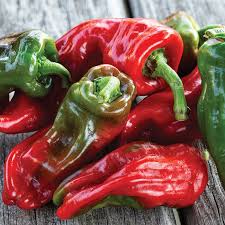
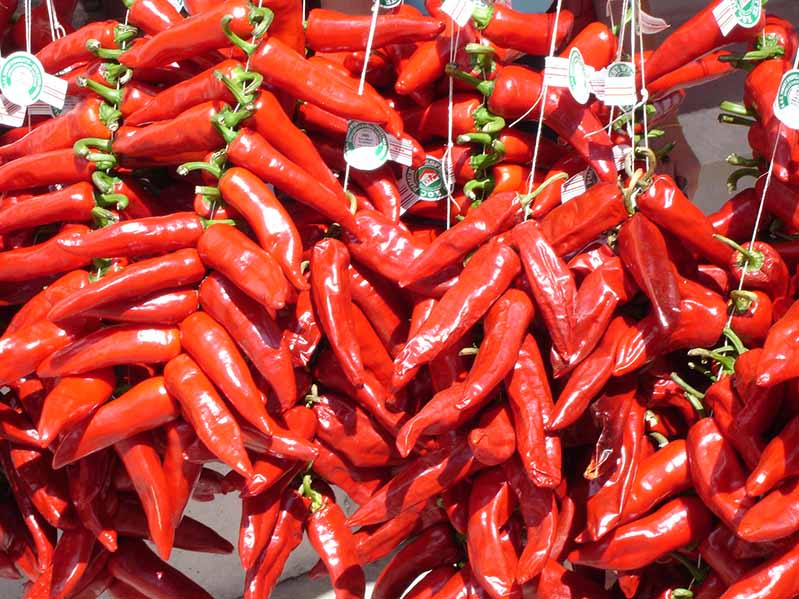
    Espelette Chili ropes

    The village of Espelette awakens in autumn under a blush of red. From balconies and whitewashed façades hang ropes of peppers, swaying gently in the Atlantic breeze. Their color is almost ceremonial, a visual signal that the harvest has arrived. In the Basque Country, this is the rhythm of the seasons made tangible, the aroma of tradition drifting through the streets, and the first hint of warmth on a palate waiting for winter stews. The piment d’Espelette speaks in flavors, colors, and textures — a spice that tastes of place and time.

    A Journey from the New World to Basque Soil

    Though it feels rooted in Basque identity, the pepper traces its origins to the Americas. The Gorria variety of Capsicum annuum, introduced to Europe in the wake of 16th-century voyages, eventually found fertile ground in the small communes of the Pyrénées-Atlantiques. By the mid-17th century, local farmers were selecting seeds from the previous harvest, refining flavors, and adapting cultivation techniques to suit the region’s mild, humid climate. (fr.wikipedia.org)

    Over generations, this chili adapted to its new home. Ocean breezes, rolling hills, and subtle variations in soil and humidity shaped a microclimate that nurtured the peppers into a product distinctive enough to earn international recognition centuries later.

    The Geography That Shapes Flavor

    The piment d’Espelette thrives within a specific set of ten communes, including Espelette, Ainhoa, Cambo-les-Bains, and Itxassou. (en.wikipedia.org) The interplay of maritime influence and hillside sun creates conditions that are difficult to replicate elsewhere. Peppers grown just a few kilometers away may look similar, but the combination of soil, wind, and rainfall in these communes gives the AOP-labeled peppers their unique aroma and gentle heat. (pimentdespelette.com)

    Rope by Rope: Crafting the Pepper

    From spring planting to autumn harvest, attention to detail defines the process. Farmers tend the fields carefully, spacing plants to allow airflow and hand-picking the pods once they reach a deep red. These peppers are then threaded into long strings, called cordes, and left to dry naturally on walls and balconies. (pimentdespelette.com)

    Some producers finish the drying in residual heat from bread ovens, ensuring a gentle desiccation that preserves flavor. The final product, ground into a fine powder, carries subtle notes of fruit, roasted hay, and a warmth that slowly builds on the palate. Each string, each bag of powder, is a result of labor, observation, and intimate knowledge of the plant.

    Espelette Chili Certification and Commitment

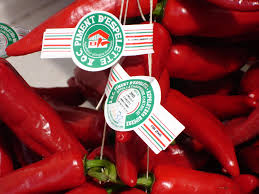
    The piment d’Espelette carries both the AOC (Appellation d’Origine Contrôlée) and the European PDO (AOP) designations, recognizing its link to a specific geography and traditional production methods. (en.wikipedia.org)

    Strict criteria govern its production: only the Gorria variety can be used, irrigation is minimal, harvesting is manual, and the drying process must follow time-honored techniques. The Syndicat du Piment d’Espelette AOP monitors these steps, stamping approved products with a colored emblem that signals authenticity. (ossau-iraty.fr)

    These measures preserve the flavor profile that distinguishes Espelette peppers from other reds on the market.

    Espelette Chili: A Subtle Fire and Fruity Complexity

    On the tongue, Espelette pepper offers warmth rather than searing heat. Its Scoville rating hovers around 4,000, enough to enliven dishes without overwhelming them. (en.wikipedia.org) The aroma is a layered blend of ripe fruit, dried hay, and hints of toast. When added to stews, sauces, or grilled meats, it unfolds gradually, adding depth and character rather than forcing its presence.

    Its powder glows from orange to deep red-brown, reflecting the light of the Basque sun that nurtured it, and the careful drying that preserved its essence. (inao.gouv.fr)

    Espelette Chili uses in the Basque Country

    Piment d’Espelette flavors iconic dishes like piperade, a vibrant stew of peppers, onions, and tomatoes, or axoa, a gently spiced veal or pork preparation. (complexheat.com) Chefs also use it to enhance sauces, condiments, and even desserts, where its gentle fruitiness complements chocolate or caramel.

    In Basque kitchens, the pepper functions as a seasoning that harmonizes ingredients rather than overwhelming them. Its presence signals careful timing and regional attention to flavor, reflecting centuries of culinary observation.

    Threads of Tradition

    Each autumn, when façades fill with strands of drying peppers, the villages take on a festive rhythm that locals often describe as the true start of the Basque year.

    Espelette’s annual party : Fête du piment

    The annual Fête du Piment, held since 1968, transforms Espelette into a vibrant crossroads of music, dance, and regional pride. Producers parade with their harvest, confréries don ceremonial robes, and cooks demonstrate age-old techniques that have shaped the region’s palate. More than a celebration, the festival acts as a living reminder of the strong collective identity surrounding the pepper—an identity grounded in hard work, craftsmanship, and a shared sense of place. In this context, the piment becomes a cultural emblem, one that stands shoulder to shoulder with Basque songs, traditional sports, and handicrafts in the constellation of symbols that define the region.

    The ropes and powder carry stories of hands that tend plants, of shared techniques, and of a region’s attachment to flavor as a form of identity.

    Ending

    A pinch of Espelette powder releases soft warmth and layered aroma, hinting at hillsides, ocean breezes, and months of careful attention. Its flavor arrives gradually, lingering gently, a testament to the labor, climate, and soil behind each harvest. In kitchens, markets, and homes, the pepper resonates with the Basque landscape and the rhythm of local life, a quiet, enduring presence that continues to define a region’s culinary heartbeat.

    Discover another fascinating culinary hstory article right there !

  • Nutty’s Grand Spice Adventure: A Tale of the Pantry Kingdom

    Nutty

    Nutty’s story

    The world was known as “The Spice Rack,” a kingdom of glass and chrome perched precariously on a shelf high above the tiled valleys of the kitchen counter. Here, every tiny granule and dried leaf had a purpose, a flavor, and a personality.

    The heart of this realm was the Cinnamon Tower, a fragrant skyscraper where the venerable Elder Rosemary held council. But our story doesn’t start in the halls of power; it begins in the dusty, shadowy corner of the Middle Shelf, within a modest jar labeled Nutmeg, Whole.

    This was the home of Nutty, a round, brown matriarch with the smooth, aged surface of polished wood. She wasn’t a flashy spice like Ginger, with his sharp, adventurous edge, or the glittering, popular Salt twins. Nutty was quiet, often forgotten, and sometimes, frankly, feared. The other spices—the young, vibrant Peppercorns and the gossipy Thyme flakes—called her “The Dream Weaver.” They whispered about the powerful, almost hypnotic aroma she released when grated, a mystical cloud that could transport the human chef to sweet, vivid memories of holidays and comfort.

    “She’s too strong, Cinnamon says,” muttered a young Clove to a Paprika flake. “One too many sprinkles, and the human starts seeing dancing snowmen in their eggnog!”

    Nutty paid them no mind. Her world was threatened by something far worse than gossip: The Great Shelf Reorganization, or what the spices dramatically called The Exile.

    The human chef, a harried young woman named Amelia, had recently become obsessed with “efficiency.” This translated to a dreaded purge of old, forgotten jars. The biggest threat came in the form of a brightly labeled, synthetic rival: Vanilla Flavouring 404, a plastic bottle of unsettlingly neon liquid that boasted it “never expired” and was “economically superior.”

    “Observe the superior viscosity!” boomed the label of Vanilla Flavouring 404, its voice sounding like a cheap synthesized jingle, echoing maliciously through the pantry. “Old, dusty, traditional spices are inefficient! I offer consistent, predictable flavor!”

    The natural spices were thrown into chaos. Elder Rosemary, frail and smelling faintly of potpourri, was distraught. “We must remind Amelia of the true meaning of flavor! The complexity! The warmth!”

    Young Pepper, the Peppercorn Prince, was ready for action. “I’ll launch a fiery defense! I’ll blacken her omelet! That’ll teach her efficiency!”

    “Too aggressive, Pepper,” Nutty said softly, her voice like the gentle scrape of a nutmeg grater. She rolled slightly in her jar, gazing up at the looming shadow of Vanilla Flavouring 404. “You cannot fight synthetic with simple heat. You must fight it with depth, with memory, with a dream.”

    Nutty had a plan, one that required the cooperation of all the forgotten spices. Her goal was to create a powerful, irresistible fragrance to capture Amelia’s attention before The Exile began at dawn.

    The first essential piece was the Saffron Strand, a cranky, incredibly valuable thread who lived in a tiny, velvet-lined box. Saffron was a prima donna, demanding perfect conditions. Nutty rolled her jar towards the box.

    “Saffron,” Nutty called, “We need the color of the setting sun, the scent of expensive silk. We need your brilliance to weave a new dream for Amelia.”

    Nut battle

    Saffron grumbled, but Nutty’s calm, wise energy was persuasive. “Fine. But I get top shelf access for a full calendar year.”

    Next came Cardamom, the poet, who provided the haunting, slightly smoky top notes. Then Anise, the star, whose licorice-like aroma promised clarity and structure.

    Nutty directed them, whispering the precise proportions needed. She told them they were not just flavoring; they were a collective memory. “Vanilla 404 is a flat note,” she instructed. “We are an orchestra. And when the time comes, my scent will be the conductor’s baton.”

    As dawn approached, Amelia stood before the open pantry, holding a marker to label the “Toss” box. Her eyes skimmed over the dusty, unlabeled, Nutmeg, Whole jar.

    “This old thing,” Amelia sighed, reaching for Nutty. “Probably expired a decade ago.”

    This was the moment. Nutty let loose a wave of her signature scent—a warm, spicy cloud of comfort that mingled with the delicate florals of Saffron and the smoke of Cardamom. It was a sensory hug.

    Amelia paused. She didn’t consciously smell the nutmeg, but a sudden, intense wave of nostalgia washed over her. She saw herself as a little girl, standing in her grandmother’s kitchen, watching cookies being baked on a cold winter day. The scent of that kitchen, the feeling of safety, the slow, deliberate process of baking—it all came flooding back.

    She put the marker down. The cheap, loud label of Vanilla Flavouring 404 suddenly looked garish and shallow next to the quiet dignity of the nutmeg jar.

    Amelia picked up Nutty, then the Elder Rosemary, then the Cardamom. She didn’t toss a single jar. Instead, she spent the morning cleaning the shelf, arranging the spices neatly, and even bought a small wooden mortar and pestle. She felt a connection to something genuine, something real that the synthetic flavors could never touch.

    Nutty, now positioned prominently next to the Cinnamon Tower, glowed with satisfaction. She had saved the Kingdom of the Pantry not with fire or force, but with the quiet, powerful magic of memory and authentic flavor.

    From that day on, Nutty was the most respected spice on the rack. The Peppercorn Prince bowed when he passed her. And when Amelia wanted a recipe to truly sing, she reached not for the loud, flashy synthetics, but for the wise, brown queen of the Middle Shelf. She never quite saw the dancing snowmen, but every dish tasted like a perfect dream.

    Nutty choice

    https://frogsaga.com/wp-admin/post.php?post=545&action=edit

    https://www.britannica.com/topic/nutmeg