Blog

  • Cinnamons: The Sweet Embrace of History

    Close your eyes for a moment and take a deep breath. What do you smell? Perhaps a warm apple pie, a spiced latte on a chilly morning, or the comforting aroma of a festive holiday treat. That unmistakable scent, both sweet and subtly fiery, belongs to cinnamons, one of the oldest and most cherished spices in human history.

    Far from being just a sprinkle on your oatmeal, cinnamon is a spice steeped in myth, medicine, and mercantile might. Its fragrant bark has influenced empires, inspired daring voyages, and continues to enchant palates across the globe, proving that some of the greatest treasures come wrapped not in gold, but in a delicate, curled stick.

    A Bark of Legends and Lore

    Cinnamon’s story begins not in the kitchen, but in ancient lands shrouded in mystery. For centuries, its true origin was a closely guarded secret, allowing Arab traders to maintain a lucrative monopoly. They spun elaborate tales of giant birds guarding cinnamons nests in unknown lands, or mythical beasts defending precious groves, all to deter competitors and justify its exorbitant price. This air of exoticism only enhanced its value.

    Ancient Egyptians used cinnamons not for culinary delight, but as a crucial ingredient in embalming rituals, a testament to its preservative qualities and revered status. In biblical times, it was mentioned as an anointing oil and a fragrant perfume. The Romans, despite its high cost, burned cinnamons at funerals, believing its sweet smoke would ward off evil spirits and offer a fitting tribute to the gods.

    Its journey to the Western world was long and perilous, traversing the ancient spice routes from Ceylon (modern-day Sri Lanka) and other parts of Southeast Asia, through India, the Middle East, and eventually to Europe. By the Middle Ages, cinnamons was a highly prized luxury item, alongside pepper and cloves, often reserved for royalty and the very wealthy, who used it to flavor wines, meats, and confections, as well as for its perceived medicinal properties. The quest for direct access to these spice-rich lands, bypassing expensive intermediaries, became another driving force behind European exploration, echoing pepper’s narrative but with a sweeter, more aromatic ambition.

    An ancient bustling harbor scene under a warm, hazy sky. In the foreground, men in traditional attire sort and trade cinnamons sticks in crates, surrounded by sacks overflowing with colorful spices. A large wooden sailing ship, its deck also laden with spices, is docked in the background, with other smaller boats and distant buildings completing the vibrant market setting. A banner at the top reads "CINNAMOM: A MYSTERY."

    Ceylon vs. Cassia: Cinnamons Showdown

    While many of us grab a jar simply labeled “cinnamons,” there are primarily two main types that dominate the market, each with its distinct characteristics and culinary applications: Ceylon cinnamon and Cassia cinnamon.

    Ceylon Cinnamon (Cinnamomum verum or “true cinnamon”): Often referred to as “true cinnamon,” Ceylon cinnamon originates primarily from Sri Lanka. It is characterized by its delicate, almost papery thin layers that roll into a soft, easily crumbled quill. Its flavor is subtle, sweet, and highly aromatic, with complex notes that are less spicy and more nuanced. It’s the preferred choice for desserts, baked goods, and dishes where a refined cinnamon flavor is desired. Because it’s less commonly available and more labor-intensive to produce, it often commands a higher price.

    Cassia Cinnamon (Cinnamomum cassia): This is the more common variety found in most grocery stores, originating from China, Vietnam (Saigon cinnamon), and Indonesia. Cassia bark is thicker, harder, and coarser, forming a single, sturdy scroll rather than delicate layers. Its flavor is much stronger, spicier, and more pungent, with a noticeable bite. It contains higher levels of coumarin, a natural chemical that can be harmful in very large doses, though typical culinary use is generally considered safe. Cassia is the “cinnamon” flavor most people are familiar with, often used in savory dishes, robust baked goods, and in blends like Chinese five-spice powder.

    Understanding the difference can truly elevate your cooking, allowing you to choose the right cinnamon for the right dish—the delicate sweetness of Ceylon for a crème brûlée, or the bold warmth of Cassia for a hearty beef stew.

    A close-up shot on a rustic wooden surface showcases two distinct types of cinnamon sticks. On the left, delicate, multi-layered Ceylon cinnamon quills are visible, with some broken flakes and powder. On the right, thicker, robust Cassia cinnamon sticks are grouped. In the background, a jar of ground cinnamon and a white cloth are softly blurred. Star anise pods and scattered cinnamon powder complete the aromatic scene.

    The Warmth of Wellness and Flavor

    Beyond its captivating aroma, this condiment has long been revered for its potential health benefits. In ancient herbal medicine, it was used to aid digestion, reduce inflammation, and even as a remedy for colds and flu. Modern science is beginning to catch up, with studies exploring its antioxidant properties and potential role in blood sugar regulation. It’s thought to improve insulin sensitivity and lower blood glucose levels, making it a subject of interest for those managing diabetes.

    In the culinary realm, the holiday spice is a chameleon. It effortlessly bridges the gap between sweet and savory. In sweet applications, it’s the star of apple pies, cinnamons rolls, rice puddings, and pumpkin spice lattes. Its warmth enhances fruit, balances sweetness, and adds a comforting depth.

    On the savory side, cinnamon shines in cuisines across the globe. It’s a foundational spice in many Indian curries and masalas, often toasted to release its deep, earthy notes. In Middle Eastern and North African tagines and stews, it contributes a subtle sweetness and aromatic complexity to lamb, chicken, and vegetable dishes. Even in Mexican mole sauces, cinnamons plays a crucial, balancing role, demonstrating its incredible versatility. It proves that a “sweet” spice can be a powerful secret weapon in the savory kitchen.

    More Than Just a Twist

    This seasoning’s allure extends beyond the plate. Its essential oil is a popular component in aromatherapy, believed to be stimulating, uplifting, and even an aphrodisiac. It’s widely used in perfumes, potpourris, and candles, filling homes with its inviting fragrance.

    Historically, its antimicrobial properties were used to preserve food, even before its active compounds were fully understood. Today, it’s explored as a natural pest deterrent in gardening, with its strong scent believed to repel certain insects and fungi. From its origins as a mysterious bark guarded by mythical beasts to its role as a global flavor enhancer and potential wellness aid, cinnamons continue to weave its enchanting spell. It reminds us that some of the most profound impacts on our lives come from the simplest, most aromatic gifts of nature.

    My other articles are listed here.

  • The King of Spices: Black Pepper’s Fiery Reign

    You probably use it every day without a second thought. It sits beside its white companion, salt, a steadfast duo on nearly every dining table globally. But this unassuming little berry, crushed and scattered with a flick of the wrist, is no mere sidekick. Black pepper, the “King of Spices,” has a history as rich, complex, and sometimes brutal as any monarch’s reign.

    From ancient trade wars to modern gastronomy, Piper nigrum has shaped economies, fueled exploration, and tantalized taste buds for millennia. Far more than just a seasoning, black pepper is a culinary cornerstone, a historical artifact, and a surprisingly versatile ingredient that continues to command respect.

    A Kernel of Empires

    Long before Marco Polo set sail or Columbus bumped into the Americas, black pepper was already a highly sought-after commodity. Originating from the Malabar Coast of Kerala in southwestern India, this climbing vine’s berries were a crucial component of ancient trade. Roman texts mention this seasoning frequently, and it was so valued that Alaric the Goth demanded 3,000 pounds of it as part of Rome’s ransom in 410 AD.

    During the Middle Ages, pepper’s importance only grew. Along with other exotic spices, it was a luxury item, a status symbol for the wealthy, and a potent preservative. Control over the spice trade routes, particularly those bringing the condiment from the East to Europe, meant immense power and wealth. Venice and Genoa grew rich as intermediaries, while Arab traders maintained a tight grip on the source.

    This quest for direct access to the pepper-producing lands was a primary driver for the Age of Exploration. Vasco da Gama’s historic voyage around Africa to Calicut, India, in 1498 wasn’t just about discovering new lands; it was fundamentally about breaking the Arab and Venetian monopoly on the spice trade. The Portuguese, Dutch, and later the British and French, fought fiercely over control of the pepper-rich regions, their navies clashing over what amounted to tiny dried berries. The history of pepper is truly a history of empires.

    An old, crumpled map in sepia tones depicts Africa, Europe, and Asia, with a large 15th-century sailing ship in the ocean. The ship is overflowing with giant black pepper, some spilling into the water. A snake-like sea monster is visible to the left, and a compass rose is in the bottom left corner. The map is labeled with "Salt Roads" and "Salarium - Pagamentum Sal."

    More Than Just “Black”: The Peppercorn Family

    When we say “pepper,” most people immediately think of the familiar black variety. However, like many noble families, the peppercorn lineage is more diverse than it first appears. All true peppers—black, white, and green—come from the same Piper nigrum plant, but their differences arise from when and how they are harvested and processed.

    Black Peppercorns: These are the unripe, green berries that are cooked briefly in hot water (which bursts their cell walls), then dried in the sun. The sun-drying process causes them to shrivel and blacken, developing their characteristic pungent, earthy, and slightly spicy flavor. The heat comes from piperine, a chemical compound found in the fruit and seed.

    Green Peppercorns: These are also unripe berries, but they are either freeze-dried or preserved in brine or vinegar. This process retains their vibrant green color and a fresh, milder, more aromatic flavor compared to black pepper. They are often found in French cuisine, particularly in steak au poivre. To see more about the green variety, check this website.

    White Peppercorns: These are the mature, ripe berries. After harvesting, they are soaked in water, which allows the outer layer of the fruit to ferment and soften. This outer layer is then rubbed off, revealing the lighter-colored inner seed. White pepper has a sharper, sometimes muskier aroma and a more direct heat, often preferred in lighter-colored dishes where black flecks would be visually unappealing (like mashed potatoes or cream sauces).

    It’s important to distinguish these true peppers from “false peppers” like pink peppercorns (from the Brazilian pepper tree) or Sichuan peppercorns (from the prickly ash tree), which offer different flavor profiles and delightful tingling sensations but are not botanically related to Piper nigrum.

    The Science of Spice

    So, what makes the black pungent berry tick? Its signature heat and aroma come primarily from an alkaloid called piperine. Unlike capsaicin in chilies, which targets pain receptors and gives a fiery burn, piperine stimulates heat and pain receptors in a more subtle, complex way. It creates a warm, aromatic pungency that is distinct and invigorating.

    Beyond its flavor, the aromatic berry also plays a fascinating role in health. It contains antioxidants and has anti-inflammatory properties. Most notably, piperine is known to enhance the bioavailability of certain nutrients and drugs, including curcumin (found in turmeric). This is why you often see this spice paired with turmeric in supplements and traditional medicine—this spice helps your body absorb more of the good stuff.

    In the kitchen,the black condiment is a universal enhancer. It does more than just add “heat”; it brightens flavors, adds depth, and creates complexity. The freshly ground ones is almost always superior to pre-ground pepper, which quickly loses its volatile aromatic compounds. The act of grinding releases those oils, creating a burst of fresh aroma and flavor that can elevate almost any dish, from a simple omelet to a sophisticated sauce.

    Beyond the Shaker

    While it is a staple for seasoning almost anything, this one has some surprising roles outside the dinner table. In traditional medicine, it has been used to treat digestive issues, coughs, and colds. Its stimulating properties were even thought to aid concentration.

    In more unexpected applications, some gardeners use a sprinkle of black pepper as a natural deterrent for pests like ants. Its strong aroma is believed to confuse and repel them, offering an organic alternative to chemical pesticides. And of course, its pungent scent is often a component in various aromatherapy blends, believed to be invigorating and stimulating.

    From being a currency that defined empires to its place as a humble grinder on our tables, black pepper’s journey is a testament to the enduring power of a single, small spice. It reminds us that sometimes, the greatest influence comes in the smallest packages, igniting our taste buds and connecting us to a history far spicier than we often realize.

    My other articles are listed here.

  • The Vibrant World of Indian Spice Masalas: From Street Food to Fine Dining

    Indian Spice Masalas

    India’s culinary landscape is a kaleidoscope of flavors, aromas, and textures, and at the heart of this vibrant cuisine lies the artful use of masalas—intricate spice blends that define the character of each dish. From bustling street food stalls in Delhi to the refined kitchens of Michelin-starred restaurants, masalas serve as both a culinary signature and a cultural expression. Each blend tells a story, reflecting regional traditions, local ingredients, and centuries of culinary wisdom passed down through generations.

    Origins and Philosophy

    The word masala itself means “mixture” in Hindi, referring to the careful combination of spices to achieve a harmonious and layered flavor profile. Unlike Western spice blends, which often focus on a few dominant notes, Indian masalas celebrate complexity. The philosophy behind them aligns with the ancient Indian principles of Ayurveda, where food is viewed as medicine, and each spice carries unique properties that affect the body and mind.

    Historically, Indiand spice masalas evolved in response to geography, climate, and trade. India’s position along ancient trade routes facilitated the introduction of exotic spices like black pepper, cinnamon, cardamom, and cloves, which were then adapted into local culinary traditions. Over centuries, cooks developed region-specific masalas to complement local ingredients, cooking techniques, and dietary customs, creating an extraordinary diversity of blends that range from fiery to aromatic, pungent to sweet.

    Core Types of Masalas

    Indian cuisine boasts an astonishing variety of masalas, each serving a distinct purpose in cooking. They can be broadly categorized into dry masalas, wet masalas, and ready-to-use blends:

    • Garam Masala: Perhaps the most iconic, garam masala is a fragrant mix of warming spices such as cinnamon, cloves, cardamom, cumin, and black pepper. Typically added at the end of cooking, it enhances the aroma and adds depth without overpowering the dish.
    • Tandoori Masala: A staple in North Indian cuisine, this blend is designed for marinating meats for cooking in a tandoor (clay oven). Its smoky, spicy notes come from chili powder, cumin, coriander, garlic, and ginger.
    • Chaat Masala: Commonly used in street food, chaat masala balances tanginess, saltiness, and mild heat, featuring dried mango powder (amchur), black salt, cumin, and chili. It transforms simple snacks like samosas, fruit salads, or fried lentils into bold flavor experiences.
    • Curry Masalas: Each regional curry has its signature spice mix. For example, South Indian curries may emphasize mustard seeds, curry leaves, and fenugreek, while Bengali blends often feature nigella seeds, fennel, and warm spices like cinnamon and cardamom.

    Wet masalas, such as ginger-garlic paste blended with chilies and fresh herbs, are often used as marinades or cooking bases. The versatility of masalas ensures that every dish—be it vegetarian or meat-based—carries layers of flavor that unfold with every bite.

    Culinary Applications

    Indian spice masalas are not merely ingredients—they are the backbone of Indian cooking. Their applications range from simple street food snacks to elaborate fine dining preparations:

    • Street Food: In India’s bustling markets, masalas are integral to snacks like chaat, pani puri, and pakoras. A sprinkle of chaat masala can transform fried potatoes or spiced chickpeas into a tangy, savory delight, while street vendors skillfully balance spice levels to appeal to diverse palates.
    • Everyday Home Cooking: Masalas define household meals, such as dal (lentils), sabzi (vegetables), and biryani (spiced rice). Each family may have a unique recipe, adjusted for personal taste and health considerations, demonstrating the intimate connection between food, tradition, and identity.
    • Fine Dining: Contemporary Indian chefs employ masalas to elevate haute cuisine, experimenting with spice layering, roasting techniques, and fusion concepts. A thoughtfully composed masala can harmonize delicate proteins, complement molecular gastronomy presentations, or add depth to vegetarian gourmet dishes.

    The magic of Indian spice masalas lies in their ability to balance heat, sweetness, acidity, and aroma, creating dishes that are complex yet cohesive. They are not static; cooks often adjust blends during preparation, allowing the dish to evolve naturally.

    Cultural Significance

    Indiand spice masalas are deeply embedded in Indian culture and social life. They symbolize hospitality, with spice-rich dishes often served to guests as a mark of respect and care. Spice markets, or bazaars, are cultural hubs where knowledge about sourcing, blending, and storing masalas is passed down orally. In many Indian households, masala-making is an art form, often involving careful roasting of whole spices, grinding them at the right consistency, and blending them to achieve a signature family taste.

    Religious festivals, weddings, and seasonal celebrations further highlight the role of masalas in culture. Special blends are prepared for particular occasions, showcasing regional diversity and ancestral heritage. For instance, certain aromatic spices might be used in Diwali sweets, while spicier, tangy blends may feature in Ramadan feasts.

    Tips for Home Cooks

    Creating and using masalas at home is both an art and a science. Freshness is crucial: whole spices retain their essential oils and flavors far longer than pre-ground powders, so roasting and grinding them just before cooking produces superior results. Balancing heat and aroma is essential; starting with smaller quantities and tasting as you go ensures the masala complements rather than overwhelms the dish.

    Storage is another consideration. Indian spice masalas should be kept in airtight containers, away from light and moisture, to preserve their potency. Additionally, experimenting with regional spice combinations allows cooks to adapt traditional masalas to modern tastes, opening doors to creativity while respecting culinary roots.

    Modern Interpretations

    Indian spice masalas continue to inspire chefs globally. Beyond traditional applications, they appear in innovative fusion dishes such as spiced chocolate, masala-crusted meats, or aromatic cocktails. Contemporary culinary movements emphasize sustainability and local sourcing, prompting cooks to reinterpret masalas with locally available spices while maintaining the complex layering that defines them.

    Whether in a street-side stall in Mumbai or a fine dining restaurant in New York, masalas remain a vibrant testament to India’s culinary ingenuity. They embody the philosophy that food is not only sustenance but a multisensory experience shaped by culture, geography, and history.

    The world of Indian spice masalas is as diverse and dynamic as India itself. From tangy chaat powders enlivening street snacks to the nuanced warmth of garam masala in slow-cooked biryanis, these blends reveal the country’s rich culinary heritage and the sophistication of its flavors. Indian spice masalas are both practical and symbolic, reflecting centuries of knowledge, trade, and tradition while continuing to inspire innovation in modern kitchens.

    In every pinch of masala lies a story: a family recipe handed down through generations, a spice market alive with chatter and aroma, or a chef’s creative reinterpretation on a contemporary plate. To cook with masalas is to participate in a living tradition, where flavor, culture, and art converge. Their vibrancy reminds us that food is more than nourishment—it is a celebration of life, identity, and the sensory joy that connects us across regions and generations.

  • Moroccan Ras el Hanout: The Complex Soul of North African Cuisine

    Ras el Hanout spices

    In the vibrant world of North African gastronomy, few spice blends evoke as much mystery, tradition, and culinary artistry as Ras el Hanout. Literally translating from Arabic as “head of the shop,” Ras el Hanout represents the finest selection of spices a merchant has to offer—a curated symphony of flavors designed to elevate dishes into extraordinary culinary experiences. More than just a seasoning, it embodies the history, culture, and sophistication of Moroccan cooking, where every pinch tells a story of trade, heritage, and the art of balance.

    Origins and Philosophy

    Ras el Hanout’s roots are deeply intertwined with Morocco’s historic position as a crossroads of trade and culture. For centuries, Moroccan spice markets—souks—have been bustling centers where merchants showcased a dazzling array of imported and local spices. Creating Ras el Hanout was considered a mark of mastery: a spice merchant would blend the finest spices in precise proportions, often keeping the exact recipe a closely guarded family secret. No two Ras el Hanout blends are exactly alike; each reflects the personality of the seller, the region, and even the season.

    The philosophy behind Ras el Hanout is not merely culinary—it is holistic. Moroccan cooking emphasizes balance and harmony in flavor, aroma, and texture. The blend often includes spices with complementary properties, such as warming spices that aid digestion, aromatic herbs that enliven the senses, and subtle floral or citrus notes that enhance depth without overpowering the palate. In this way, Ras el Hanout exemplifies Moroccan cuisine’s ability to transform humble ingredients into dishes of remarkable complexity.

    Typical Ingredients

    Unlike more standardized spice mixes, Ras el Hanout is highly variable, sometimes incorporating upwards of 20 or 30 different spices. While there is no single definitive formula, several core ingredients are commonly found:

    • Cinnamon: Adds warmth and subtle sweetness, often used in both savory and sweet dishes.
    • Cumin: Earthy and slightly bitter, cumin provides a foundational depth to the blend.
    • Coriander: Bright and citrusy, coriander balances the heavier, warmer spices.
    • Paprika: Sweet or smoked, paprika contributes color and a gentle smokiness.
    • Cloves and Cardamom: Intense and aromatic, they provide an exotic richness.
    • Turmeric: Imparts a golden hue and mild bitterness, rounding out the blend.
    • Ginger and Nutmeg: Add warmth and a touch of spiciness, enhancing complexity.
    • Mace and Allspice: Sometimes included for their subtle floral and peppery notes.

    Some versions may also incorporate dried rosebuds, lavender, or grains of paradise, depending on regional preferences and the spice master’s discretion. The hallmark of Ras el Hanout is the careful layering of flavors so that each spice contributes to a harmonious whole rather than competing for attention.

    Culinary Applications

    Ras el Hanout is the cornerstone of Moroccan cuisine, celebrated for its versatility and depth. It appears in a wide range of dishes, from the iconic tagine—slow-cooked stews with meat, vegetables, and dried fruits—to couscous, soups, grilled meats, and even marinades. Its role is to elevate, not dominate, allowing the natural flavors of the ingredients to shine while infusing them with aromatic complexity.

    In meat dishes, Ras el Hanout is often combined with olive oil and preserved lemon to marinate chicken, lamb, or beef. The slow cooking process allows the spices to penetrate the protein, producing tender, flavorful results. For vegetarian preparations, the blend enhances roasted vegetables, lentils, and chickpeas, bringing warmth and depth to otherwise simple ingredients. Even in desserts, such as spiced pastries or honey-scented almond cakes, a touch of Ras el Hanout adds an unexpected layer of sophistication.

    Beyond its functional role, Ras el Hanout embodies Moroccan hospitality. Offering food seasoned with this blend is a gesture of care and respect, reflecting the host’s attention to detail and the desire to create a memorable dining experience.

    Cultural Significance

    Ras el Hanout is inseparable from Morocco’s cultural identity. Spice merchants, or tajin sellers, often create personalized blends that are passed down through generations, making each jar of Ras el Hanout a reflection of lineage and expertise. The blend is also linked to ceremonial and festive occasions, where its aromatic qualities enhance the sensory experience of shared meals.

    Moroccan markets provide more than ingredients—they offer a glimpse into the philosophy of flavor. The ritual of selecting, blending, and tasting spices reflects a culture that values sensory appreciation, patience, and skill. Ras el Hanout, in essence, represents the pinnacle of this tradition: a single blend that captures the diversity and richness of Moroccan culinary heritage.

    Tips for Home Cooks

    To fully appreciate Ras el Hanout, freshness is crucial. Whole spices ground just before use release essential oils and maximize flavor. Pre-mixed blends can lose potency over time, so experimenting with creating your own version at home can be rewarding. Toasting individual spices lightly before grinding enhances aroma and creates a more vibrant blend.

    When using Ras el Hanout, balance is key. A little goes a long way, as the blend’s complexity can easily overwhelm a dish if overused. It is most effective when incorporated early in cooking, allowing the flavors to meld with other ingredients, though it can also be sprinkled at the end for a fresh aromatic boost.

    Pairing Ras el Hanout with complementary ingredients such as saffron, preserved lemons, olives, or dried fruits can elevate its impact. Its versatility extends to international fusion cuisine, where chefs have experimented with it in roasted vegetables, braised meats, and even chocolate desserts.

    Modern Interpretations

    Today, Ras el Hanout continues to inspire both traditional and contemporary kitchens. Chefs worldwide experiment with its intricate flavors, blending it with global ingredients while honoring its North African roots. Gourmet adaptations may include rare spices, bespoke blends, or creative presentations that highlight its aromatic depth.

    Despite modernization, the essence of Ras el Hanout remains unchanged: a celebration of complexity, tradition, and the artistry of spice. It stands as a testament to Moroccan ingenuity, where simple ingredients are transformed into culinary poetry through knowledge, intuition, and care.

    Moroccan Ras el Hanout is more than a spice blend—it is the essence of North African cuisine distilled into a fragrant, harmonious mixture. Its allure lies not only in its flavor but in its story: the centuries of trade, the wisdom of spice masters, and the cultural philosophy that views food as an art form and a conduit for community and celebration.

    From bustling souks in Marrakech to modern kitchens around the world, Ras el Hanout continues to captivate chefs and food lovers alike. It exemplifies the complexity and richness of Moroccan culinary traditions, offering a sensory journey that is at once historical, cultural, and deeply personal.

    In every fragrant pinch, Ras el Hanout tells a story of trade routes, skilled artisans, and a culture that honors the transformative power of spices. To cook with it is to engage with centuries of tradition, to taste the soul of Morocco, and to understand that the true artistry of cuisine lies not only in the ingredients themselves but in the delicate balance that transforms them into something extraordinary.

  • The Global Journey of Black Pepper: From Ancient Trade Routes to Modern Tables

    The Global Journey of Black Pepper: From Ancient Trade Routes to Modern Tables

    black pepper history a map that depict the supposed journey of black pepper

    Black Pepper History

    Black pepper, often hailed as the “king of spices,” is more than a mere seasoning on our dinner tables. Its journey from the humid tropical forests of South India to kitchens across the world is a fascinating tale that intertwines commerce, exploration, cultural exchange, and culinary evolution. The story of black pepper is a testament to how a tiny, pungent fruit shaped economies, inspired explorers, and became an indispensable part of global cuisine.

    Origins in the Malabar Coast

    The story of black pepper begins in the lush, tropical landscapes of the Malabar Coast, in present-day Kerala, India. Pepper, scientifically known as Piper nigrum, thrives in the region’s humid climate and fertile soil. For millennia, it was harvested by local communities who recognized its culinary and medicinal value. Ancient texts from India, such as the Atharvaveda (c. 1200 BCE), mention pepper as a prized commodity used not only in cooking but also in traditional medicine. Its pungent flavor and preservative qualities made it highly valued, especially in an era when refrigeration was nonexistent.

    many different colored pepper seeds

    Pepper and Ancient Trade Networks

    Black pepper’s global journey began with the trade networks of the ancient world. By the first millennium BCE, it had become a staple of trade between India and the Mediterranean civilizations. Arab merchants, renowned for their maritime prowess, played a pivotal role in transporting pepper to the Middle East and beyond. The spice was so valuable that it was often referred to as “black gold,” symbolizing wealth and prestige.

    The Roman Empire, in particular, developed a profound taste for pepper. Wealthy Romans used it to flavor meats and sauces, and it became an essential part of their culinary repertoire. Pepper was also considered a luxury item, so much so that it could be used as currency or offered as a tribute to royalty. Accounts by Roman writers, such as Pliny the Elder, describe its use and high cost, highlighting how indispensable it had become to elite cuisine.

    The Medieval Spice Trade

    During the Middle Ages, black pepper continued to drive global commerce. Arab traders dominated the trade routes connecting India to Europe via the Red Sea and the Persian Gulf. From there, Venetian and Genoese merchants imported pepper into European markets, where it was highly sought after. Its rarity and price made it a status symbol among Europe’s nobility. Medieval cookbooks often feature recipes that include pepper, demonstrating its integration into European culinary traditions.

    The desire to control the lucrative spice trade motivated exploration and conquest. The Portuguese, under the leadership of Vasco da Gama, sought a direct sea route to India in the late 15th century, bypassing Arab middlemen. Their successful voyage in 1498 marked the beginning of European colonial involvement in the spice trade. Subsequently, the Dutch and British East India Companies also vied for control over the pepper-producing regions, recognizing its economic and strategic importance.

    Pepper in the Age of Colonization

    European colonial powers reshaped the production and distribution of black pepper. The Portuguese established trading posts along India’s western coast, while the Dutch and British later took over large-scale cultivation and exportation. Colonial plantations in India, Indonesia, and other parts of Southeast Asia were developed to meet Europe’s insatiable demand for pepper. The spice not only fueled economic growth but also contributed to the rise of global trade networks that connected Asia, Europe, and eventually the Americas.

    During this period, pepper was more than a culinary delight; it was a tool of power. Control over pepper-growing regions meant immense wealth and influence. European powers invested heavily in protecting their interests, sometimes resorting to military force to secure the spice trade. Pepper thus became entwined with the broader story of colonization, globalization, and the expansion of European empires.

    pepper seeds

    The Culinary Impact

    As black pepper spread across the globe, its culinary applications expanded beyond its Indian roots. In Europe, it transformed the flavor profiles of medieval and Renaissance cuisine. By the 17th century, it had become a staple in kitchens from France to England, often paired with salt to season meat, fish, and vegetables. Its pungency complemented rich sauces and stews, elevating simple dishes into gourmet experiences.

    In Asia, pepper maintained its integral role in traditional cuisine. In Indonesia, Malaysia, and Vietnam, it was incorporated into both fresh and dried spice blends. In India, it continued to be a key ingredient in masalas, curries, and pickles . Across the world, pepper’s versatility ensured its enduring popularity, whether as a condiment on a dinner table or as a flavoring in sophisticated culinary creations.

    Modern Production and Globalization

    Today, black pepper is produced in multiple regions, with Vietnam, India, and Indonesia being the largest exporters. Modern agricultural techniques and global logistics have made pepper widely accessible and affordable, transforming it from a luxury item to an everyday kitchen staple. It is now a common sight in households, restaurants, and food industries worldwide.

    Despite its global ubiquity, the legacy of black pepper remains tied to its historical journey. Its presence on modern tables is a living reminder of centuries of exploration, trade, and cultural exchange. Pepper is not just a spice; it is a symbol of how human curiosity and commerce can transform a local product into a global phenomenon.

    The journey of black pepper from the forests of the Malabar Coast to the global stage is a narrative of economic ambition, culinary innovation, and cultural connectivity. From ancient traders to modern supermarkets, this tiny spice has left an indelible mark on world history. It has flavored more than food; it has shaped economies, inspired voyages of discovery, and influenced societies across continents. Every grind of black pepper today carries with it centuries of trade, tradition, and transformation—a true testament to its title as the “king of spices.”

  • Golden Saffron: The Spice with a Story as Rich as Its Flavor

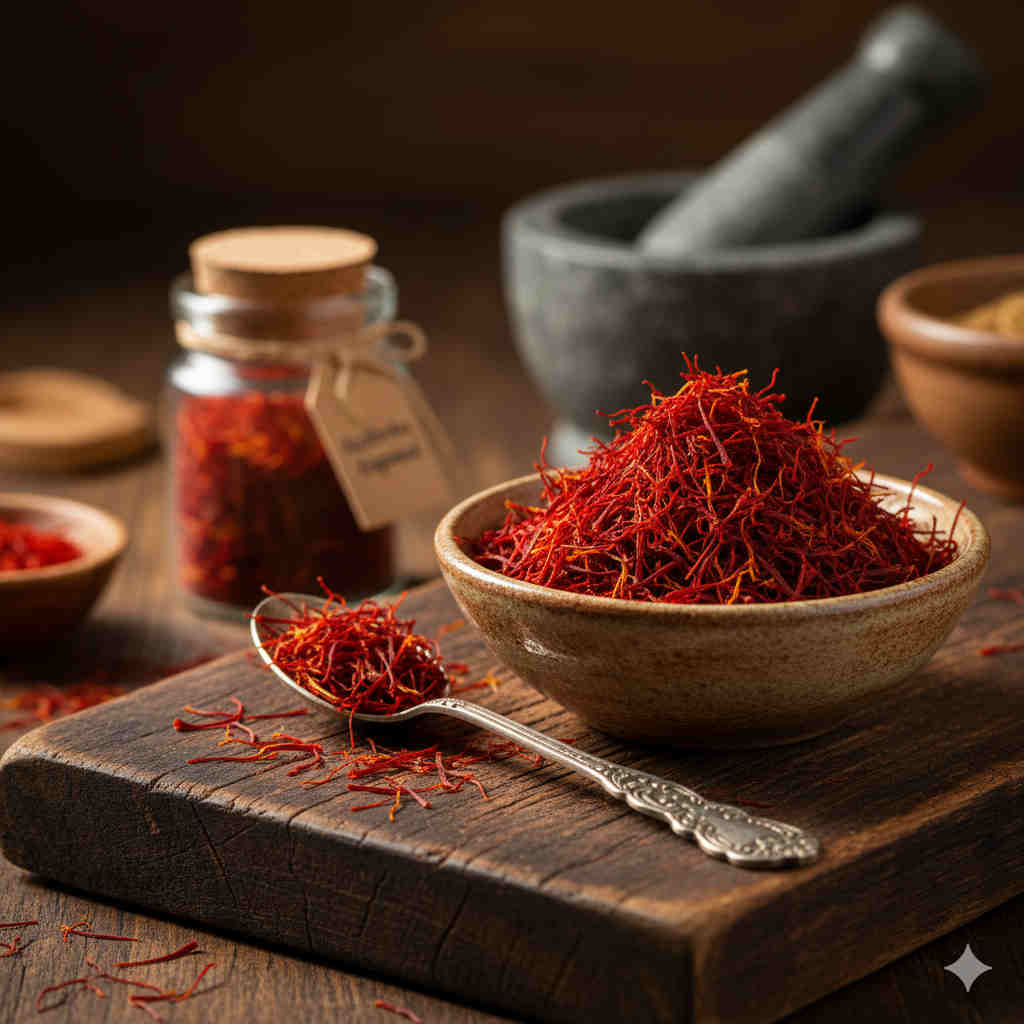
    golden saffron spice

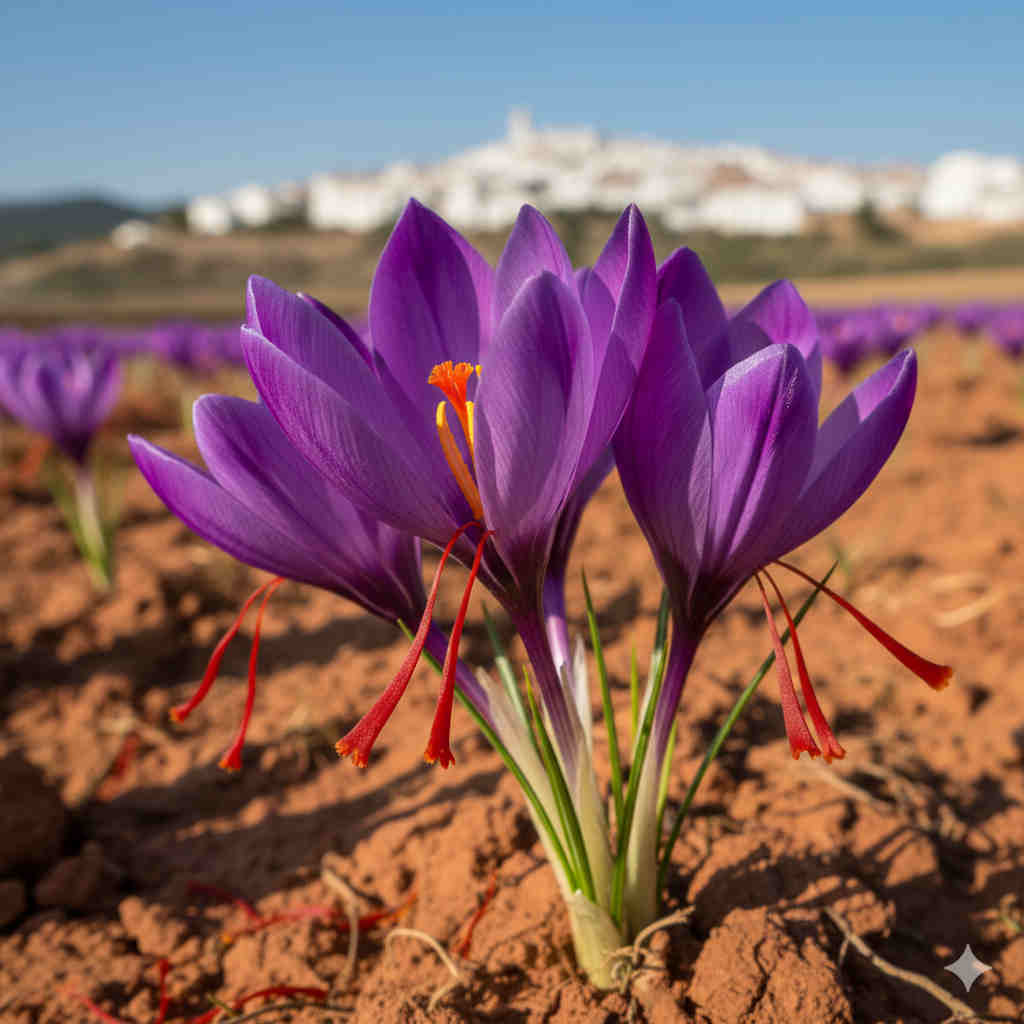
    Did you know that the golden saffron is the world’s most expensive spice and is harvested by hand, from delicate purple flowers that bloom for just a few weeks each year? Meet saffron, the golden thread that has dazzled chefs, healers, and emperors for over 3,000 years. Revered for its vivid color, heady aroma, and subtly sweet taste, saffron is more than a culinary ingredient—it’s a cultural icon, a historical treasure, and a source of endless fascinating stories. Golden saffron gets its stunning color from crocin, the pigment that gives it its signature golden threads. Join us on a journey through the world of saffron, where flavor meets legend, and every tiny stigma carries centuries of tradition.

    The Flavor Profile of the golden Saffron: A Symphony of Subtlety

    Saffron’s flavor is unlike any other. Often described as earthy, honeyed, and slightly floral, it has a unique umami-like depth that can transform both savory and sweet dishes. A pinch can elevate a simple rice dish to regal status, while a hint in desserts like custards or pastries adds a luxurious warmth.

    Saffron’s aroma is equally mesmerizing—intense yet delicate, reminiscent of hay and honey, with a subtle metallic note that hints at its extraordinary origin. It is a spice that demands attention but rewards restraint; too much can overpower a dish, while just the right amount turns ordinary meals into unforgettable experiences.

    Interestingly, the golden saffron’s flavor and aroma are due to three key chemical compounds: crocin (color), picrocrocin (taste), and safranal (smell). This chemical trio is what gives saffron its signature golden hue, complex flavor, and intoxicating fragrance.

    Culinary Uses: From Royal Kitchens to Everyday Magic

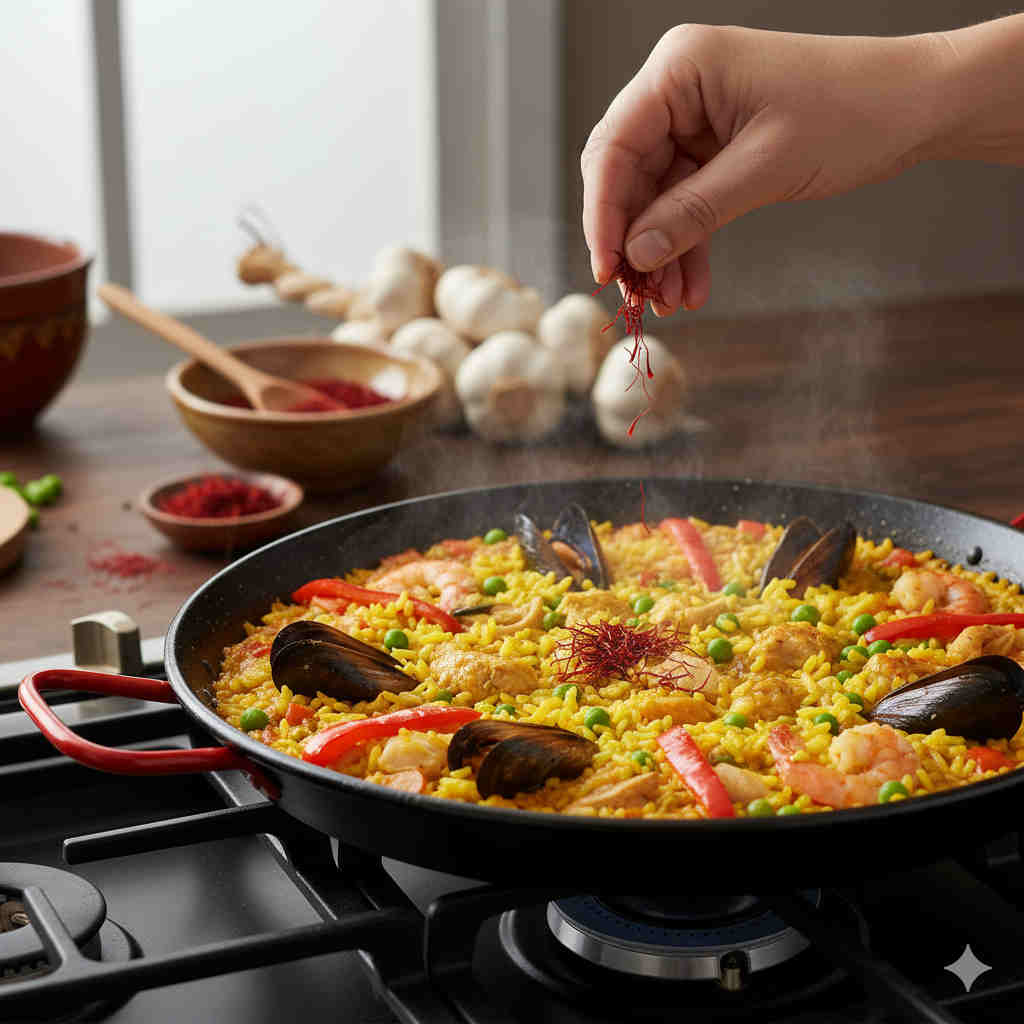
    Saffron has long been a staple in cuisines across the globe. In Persian and Middle Eastern cooking, it flavors rice, stews, and desserts, creating dishes that are as visually stunning as they are delicious. In Spain, it is indispensable in the classic paella, providing both color and a subtle depth that makes the dish iconic. Italy, too, has embraced this golden saffron, most famously in Risotto alla Milanese, where a few strands turn creamy Arborio rice into a golden, aromatic masterpiece. India boasts its own saffron-infused treasures, from luxurious biryanis to fragrant desserts like kesar peda and kulfi.

    Beyond these traditional dishes, golden saffron has found its way into modern gastronomy. Innovative chefs use it in ice creams, cocktails, and even savory pastries. Its versatility—paired with both sweet and savory, meat and vegetable, hot and cold—makes saffron a rare and prized ingredient in kitchens worldwide.

    A Rich History: Emperors, Trade, and Myth

    Saffron’s history reads like a page from a novel. Its cultivation dates back over 3,000 years in ancient Persia, where it was as valuable as gold. It traveled along trade routes to Greece, Egypt, and beyond, coveted by kings and emperors for its medicinal and culinary properties. Cleopatra famously used saffron in her baths, and the spice was said to add a radiant glow to her complexion.

    In medieval Europe, saffron was worth more than its weight in silver, often stolen and fought over during conflicts. Venice even had a “Saffron War” in the 14th century, sparked by the lucrative trade of these golden threads. In literature, saffron is referenced in works from Homer to Shakespeare, symbolizing luxury, beauty, and passion.

    Cultural Significance: Symbolism and Tradition

    Saffron is more than a spice; it carries profound cultural meaning. In India, saffron represents purity, prosperity, and courage. It is one of the three colors in the Indian national flag, symbolizing sacrifice and valor. In Iranian and Middle Eastern cultures, saffron is a sign of hospitality and celebration, often used in weddings and religious ceremonies.

    Even in Europe, saffron threads have ceremonial uses. In parts of Ireland and the UK, saffron buns and breads are baked for festive occasions, keeping the golden tradition alive. Across continents, saffron is intertwined with storytelling, rituals, and symbolic meaning—a true spice of life.

    Fun Facts and Surprising Applications

    Here’s where golden saffron’s story gets delightfully quirky:

    • Tiny but mighty: It takes around 75,000 saffron flowers to produce just one pound of dried spice. No wonder it’s called “red gold”!
    • Medicinal marvel: Historically, saffron was used as an antidepressant, digestive aid, and even an aphrodisiac. Modern research suggests it may help mood regulation and support eye health.
    • Color magician: A few threads can turn dishes bright yellow-orange, making it a natural food dye long before artificial colors existed.
    • Culinary creativity: Beyond food, saffron has been used in teas, wines, perfumes, and even traditional dyeing of fabrics.

    Saffron’s combination of rarity, sensory magic, and historical weight makes it a truly remarkable spice that continues to fascinate chefs and culture enthusiasts alike.

    Conclusion: The Timeless Allure of Saffron

    Saffron is not just a spice; it is a story woven from centuries of culinary innovation, cultural tradition, and pure human fascination. From royal banquets to everyday kitchens, from ancient myths to modern gastronomy, saffron continues to enchant with its golden hue, complex flavor, and rich history. Next time you sprinkle a few strands into a dish, remember: you’re tasting more than flavor—you’re tasting history, culture, and a little bit of magic.

    So why not let saffron inspire your next culinary adventure? Share your saffron stories, experiment with its golden threads, and let this legendary spice bring a touch of luxury to your kitchen.

  • Chatting with Sumac: “I’m not just a spice… I’m a revolution on your plate!”

    hummus with sumac

    Sumac. You might have seen it sprinkled over a fattoush salad or tucked into a jar labeled za’atar, but do you really know what it is? To most, it’s just a tangy, ruby-red powder. But to food adventurers and spice enthusiasts, sumac is a little burst of magic—ancient, versatile, and full of surprises. To get the real scoop, we sat down for an exclusive interview with sumac itself.

    Interview with Sumac

    Journalist: Hello Sumac! People say you’re a bit… forgotten. How do you feel about that?

    Sumac: Forgotten? Never! I may sit quietly in your pantry, but the moment I touch your salad or grilled chicken… boom! I transform everything. Tangy, slightly lemony, with an earthy undertone—that’s me. I make people go, “What is this amazing flavor?” And yes, I know I’m a little underrated, but those who discover me never go back.

    sumac

    Journalist: That tangy taste is incredible. Can you tell us about where you come from?

    Sumac: Origins… ah, I’m ancient. My berries have been used for thousands of years across the Middle East and the Mediterranean. The Romans used me to sour their sauces, and in the Ottoman Empire, I was the jewel of rich households. My vibrant red powder was sprinkled generously over meats and vegetables, signaling sophistication, flair, and taste. People even planted me near their homes to ward off evil spirits. Delicious and protective—what more could you want?

    Sumac grows on shrubs or small trees in arid climates, producing clusters of dark red berries. Once harvested, they’re dried and ground into a coarse powder, vibrant in color and packed with flavor. Unlike chili peppers, sumac doesn’t burn; it awakens your taste buds with a zesty, slightly astringent tang that enhances food rather than overwhelming it. And, believe it or not, each berry is like a tiny treasure chest of aroma and color.

    Journalist: And what about your culinary surprises?

    Sumac: Everything! Roasted vegetables, yogurt, grilled meats… And don’t forget hummus—just a sprinkle of me brightens the dip instantly, adding a tangy lift that turns a simple bowl into a vibrant, irresistible bite. I’m a chameleon! Chocolate, strawberries, avocado… I can sneak in anywhere. I even make dishes Instagram-worthy in a pinch.

    Beyond the traditional Middle Eastern dishes, chefs today are experimenting with sumac in unexpected ways. Imagine sumac sugar on figs or dusted over dark chocolate—its citrusy tang balances sweetness beautifully. Some mixologists even craft tart cocktails with sumac syrup. I’m the spice equivalent of a wildcard: creative, bold, and a little rebellious. And don’t forget: a sprinkle of me on avocado toast or a poached egg can turn breakfast into a gourmet adventure.

    Journalist: Sounds like you’re everywhere! Do you have any health benefits too?

    Sumac: Oh yes. Packed with antioxidants, I may help reduce inflammation, support heart health, and even boost digestion. Think of me as flavor and wellness in one little ruby-red pinch. And here’s a secret: I am NOT poison sumac. Don’t let my scary-sounding name fool you! Poison sumac is an entirely different plant—you won’t find me causing rashes. I’m safe, edible, and honestly, a little addictive once you discover what I can do.

    Journalist: Do you have a few fun anecdotes or cultural stories?

    Sumac: Absolutely! In the Levant, I’m more than a seasoning; I’m part of life’s rituals. Brides sometimes have a little of me on their wedding feasts to attract happiness and protection. Farmers sprinkle me on celebratory dishes to invite good luck. And of course, I’m the star of za’atar, a spice blend that’s basically edible folklore: sesame, thyme, and me, together in perfect harmony. Sharing za’atar is like sharing history on a plate.

    Another quirky fact: while I’m now celebrated in kitchens worldwide, there was a time when European traders overlooked me, chasing only the hot peppers and exotic black peppercorns. Meanwhile, I quietly traveled from Arabia to Anatolia, Persia, and eventually the globe, bringing tangy joy wherever I landed. And fun fact: the word sumac comes from the Arabic summāq, meaning “dark red,” which is exactly what you see when you open a jar of me—like tiny sunsets waiting to be sprinkled.

    Journalist: That’s impressive for such a humble spice. Any modern twists we should know about?

    Sumac: Definitely! I’ve been sneaking into modern gastronomy in ways you’d never expect. Pastry chefs sprinkle me over ice cream for a citrusy kick. Cocktail bars craft tart drinks with my syrup. Vegan chefs use me to mimic lemon in creamy sauces. And yes, food photographers love my ruby hue—it makes dishes pop on Instagram and TikTok.

    Even more, mixologists are experimenting with sumac-rimmed glasses for cocktails, bringing my tang to drinks for a full sensory experience. I’m tiny, but I’m a flavor explosion waiting to happen. And honestly, once you try me, you’ll start spotting me everywhere—because I make everything taste brighter, fresher, and a little more magical.

    Journalist: Any final words for our readers?

    Sumac: Remember this: I’m not just a spice. I’m a storyteller, a tiny jewel of history, flavor, and culture. A pinch of me can transform your dish, your mood, even your day. So don’t be shy—sprinkle me on vegetables, meat, fruits, or even desserts. Explore, experiment, and let me surprise you. I promise you’ll never look at your spice rack the same way again. I’m waiting to shine in your kitchen!

    picture of sumac at work

    Sumac may seem like a minor player, but in reality, it’s a spice with personality, history, and a touch of magic. Tangy, versatile, and surprisingly healthy, it bridges centuries of culinary traditions while still feeling modern and fresh. Next time you reach for a spice, think beyond salt and pepper, let sumac take your taste buds on a tangy, ruby-red adventure.

  • Sichuan Pepper: The Electrifying Spice That Tinges the World

    sichuan pepper

    Sichuan pepper, also known as huājiāo (花椒) or málà pepper, is not simply another hot spice—it’s a sensory adventure. With its citrusy aroma and uniquely tingling, numbing sensation, this spice from Southwest China has captured the imagination of chefs, food historians, and home cooks around the globe. But what makes it so special, and how has it traveled from mountain ridges to global spice racks? Today, we delve into the vibrant world of Sichuan pepper to explore its flavors, varieties, culinary applications, and its rich cultural history.

    What is Sichuan Pepper? More than just a peppercorn.

    Though its name suggests a kinship with black pepper or chili, Sichuan pepper comes from an entirely different botanical family. It is the dried outer husk (pericarp) of a berry from plants in the genus Zanthoxylum, part of the citrus family, Rutaceae—not related to true peppers. 

    The defining characteristic of Sichuan pepper is its numbing‑tingling effect, caused by a compound called hydroxy-α-sanshool. This molecule activates the trigeminal nerve, making your lips and tongue feel like they’re vibrating gently—akin to the sensation of carbonated pop or a soft electrical hum. 

    Varieties and regional types

    Major species

    There are several species of Zanthoxylum used to produce Sichuan peppercorns, each offering distinct flavors and properties:

    • Zanthoxylum bungeanum: Perhaps the most widely used, this “red” variety has reddish-brown husks, a warm citrus-woody aroma, and a moderate-to-strong numbing intensity.
    • Zanthoxylum schinifolium: Often referred to as “green” Sichuan pepper, these bright green husks are harvested earlier, producing a fresher lemony citrus scent and a sharper, quicker numbing effect.
    • Zanthoxylum armatum: Found widely across the Himalayan region (Nepal, Bhutan, parts of India), this variety often delivers floral-fruity aromas and a potent, lingering buzz when dried.

    Notable regional variants

    Beyond the typical red and green, there are more specialized or regional cultivars:

    • Hanyuan peppercorn: Grown in Hanyuan County (Sichuan), sometimes dubbed the “Rolls-Royce” of Sichuan peppers for its unmatched fragrance and long numbing sensation.
    • Wild mountain varieties: Found in remote, mountainous zones, wild Sichuan peppercorns often come with more nuanced aromatics, giving high-end chefs a prized specialty.

    Culinary uses

    Sichuan pepper is deeply woven into the tapestry of regional cuisines, especially Sichuan cuisine, but its influence reaches far beyond.

    In traditional Chinese cooking

    • Málà (麻辣): This iconic flavor profile combines the numbing of Sichuan pepper with fiery chili heat. It forms the backbone of dishes like Chongqing hot pot and mapo tofu.
    mala
    • Five-spice powder: Whole or ground Sichuan pepper is a key ingredient alongside star anise, cassia, fennel, and cloves.
    • Pepper oil and salt: You will often find huājiāo yóu (pepper-infused oil) or huājiāo yán (Sichuan pepper salt), made by toasting the husks with salt—used as dipping sauces, seasonings for meat, or even sprinkled on snacks.
    • Leaves: The fresh leaves of the pepper tree are sometimes used in soups or fried with vegetables.

    Global and modern takes

    • Stir-fries and grilled meats: It’s common in stir‑fried dishes or grilled fish to toast the peppercorns, blooming their aroma just before serving.
    • Pastries and ice cream: Because of its citrus and floral notes, Sichuan pepper is even used in desserts—perhaps surprisingly in pepper-salted butter cookies or as a zingy topping for ice cream.

    A spice with history: trade, tradition and culture

    Origins and trades routes

    Sichuan pepper has been used in China for centuries. While local to Sichuan and its mountainous neighbors, its appeal grew beyond regional cuisine. As spice routes expanded, huājiāo traveled via internal trade within China and eventually reached the Himalayas, Nepal, and India, becoming part of local Himalayan cookery.

    trade routes of sichuan pepper

    China’s historical trade networks—both land (like portions of the Tea Horse Road) and river routes—facilitated the movement of Sichuan pepper. It morphed into both culinary and medicinal goods, contributing to the broader exchange of spices throughout Asia.

    Cultural significance

    • In Chinese rituals: In some regions, Sichuan pepper was more than a spice—it carried symbolic weight. Certain varieties were considered tribute spices, offered to nobility for fertility or well-being (as noted in historical accounts).
    • Traditional Chinese medicine: Huājiāo is believed to have warming properties: used in traditional Chinese medicine to improve circulation, relieve cold sensations, and stimulate digestion.
    • Modern revival: With the global interest in Sichuan cuisine, this pepper has become an ambassador of Chinese culinary heritage—used in modern fusion dishes, specialty oils, and even trendy snacks.

    Health and wellness

    Sichuan pepper is more than just culinary flair. According to both traditional medicine and modern research, it offers some notable benefits:

    • Circulation and “warming” effect: The essential oils (like limonene) in the pepper can stimulate peripheral blood flow—a reason it’s used to treat “cold hands and feet” in traditional Chinese medicine.
    • Antimicrobial and anti-inflammatory: Some studies show that extracts from Sichuan pepper have antibacterial properties against common pathogens and may reduce inflammation.
    • Immune support: Rich in vitamins A, C, E, and minerals (zinc, potassium), it’s thought to “expel wind and dampness,” supporting the body’s defense against illness.
    • Mood and sensory stimulation: The tingling sensation itself may release endorphins, giving an uplifting, “awake” feel.

    The science behind the tingle

    What makes your tongue feel like it’s buzzing? The science lies in hydroxy-α-sanshool, the compound in Sichuan pepper that stimulates tactile sensory neurons without triggering traditional “taste” receptors. 

    A study even measured the frequency of the vibration sensation at around 50 Hz, similar to the hum of an electrical current. This is not a burning heat like capsaicin (from chili peppers), but more like a gentle buzzing or fizzing — the hallmark of málà.

    Taken together, it all reveals that Sichuan pepper is a spice that transcends mere seasoning: it’s a cultural symbol, a historical traveler, a culinary technique, and a sensory phenomenon. From the red peppercorns that power Sichuan hot pots to the delicate floral whisper of its green variety, its footprint is both vast and nuanced.

    Whether you’re a curious cook wanting to try your hand at mapo tofu, a spice aficionado intrigued by the science of that tingle, or someone captivated by the global journey of ancient ingredients, Sichuan pepper offers endless depths.

    Try it, share your favorite ways to use it, and let the buzz of huājiāo awaken your culinary imagination.

  • How to Make the Best Homemade Garam Masala

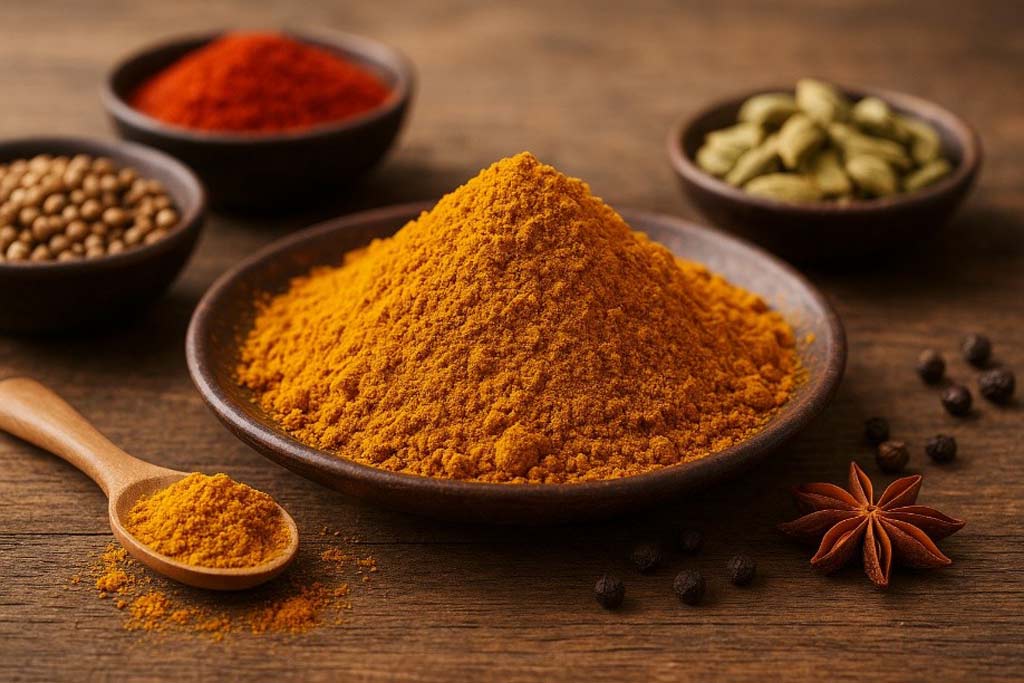
    garam masala

    Garam masala is more than just a spice blend — it’s a fragrant symbol of centuries of culinary tradition and cultural exchange. But why buy it when you can make your own? By crafting your own garam masala, you unlock deeper aromas, fresher flavor, and a connection to the ancient spice routes that shaped South Asian cuisine. In this article, we’ll explore not only how to make this warming spice mix but also dive into its history, regional variations, and versatile uses in the kitchen. Ready to spice things up?

    What is garam masala? A blend with deep roots

    “Garam masala” literally means “hot mixture” in Hindi (garam = hot, masala = spice blend). But that “hot” doesn’t refer to spiciness — instead, it comes from its warming character in Ayurveda, believed to increase the body’s internal temperature. 

    Originating in the Indian subcontinent, garam masala is foundational in Indian, Pakistani, Bangladeshi, Nepali, and even some Caribbean cuisines. There’s no one “authentic” recipe — every region, household, and even generation develops its own blend. Common spices include cumin, coriander, cardamom, black pepper, cloves, cinnamon, nutmeg, bay leaves, star anise, and sometimes mace. 

    Why make your own garam masala

    1. Superior aroma and freshness
      Whole spices retain volatile essential oils much better than pre-ground ones. Toasting them just before grinding helps release these oils, giving your blend much more fragrance.
    2. Customization
      You’re in control. Want it more floral? Add extra cardamom. Prefer a hint of sweetness? Increase the cinnamon. Not a fan of cumin? Many recipes omit it altogether.
    3. Cultural and emotional connection
      Making your own spice blend is a way to honor culinary traditions. Many home cooks, for instance, treasure family garam masala recipes shared over generations.
    4. Longer shelf-life
      When stored in an airtight, dark container, fresh homemade garam masala can stay potent for several months.

    How to make homemade garam masala? A step‑by‑step recipe

    Here’s a reliable, well-balanced recipe you can adapt to your taste:

    Ingredients

    • 3 tablespoons coriander seeds
    • 2 tablespoons cumin seeds
    • 1 tablespoon green cardamom pods, seeds removed
    • 1 tablespoon black peppercorns
    • 2 teaspoons whole cloves
      1 cinnamon stick (≈ 3 inch)
    • 1 bay leaf
    • ¼ teaspoon whole nutmeg, freshly grated

    Instructions

    1. Dry roast the spices
      Heat a heavy skillet over medium heat (low-to-medium works best to prevent burning). Add the coriander, cumin, cardamom (seeds), peppercorns, cloves, cinnamon stick, and bay leaf. Toast them gently, stirring constantly, until they become fragrant — about 2–4 minutes.
    2. Cool completely
      Once toasted, remove the spices from heat and spread them out on a cool plate. Let them cool fully — this prevents moisture or steam from forming when you grind them.
    3. Grind to a powder
      Use a spice grinder, coffee grinder (dedicated to spices), or mortar and pestle. Grind in small batches until you obtain a fine, uniform powder.
    4. Mix in nutmeg
      Add the freshly grated nutmeg to the ground mixture and stir well to combine all the flavors evenly.
    5. Store properly
      Transfer your garam masala into an airtight, preferably opaque container. Store it in a cool, dark place. Use within 3–6 months for the best flavor. 

    Variations and regional twists

    Garam masala is far from a one-size-fits-all spice blend. Here are some popular regional or customized adaptations:

    • Punjabi-style garam masala: Heavier on black pepper, cloves, and bay leaves for a bold, punchy flavor.
    • Bengali garam masala: Often milder, sometimes omitting cumin entirely and favoring just cardamom, cloves, cinnamon, and nutmeg.
    • Mughlai garam masala: Rich and aromatic — includes mace, star anise, and sometimes fennel seeds for a more floral, sweet profile.
    • Modern twists: Some home cooks add nontraditional spices like fennel seeds for licorice notes or red chili for heat. 

    Flavor profile and culinary uses

    Flavor profile

    Garam masala is a symphony of flavors, each spice contributing its own distinct note to create a complex, harmonious blend. The warmth and sweetness come from cinnamon, nutmeg, and bay leaf, which lend a gentle, comforting sweetness that balances the sharper spices. Black peppercorns and cloves provide a spicy, pungent punch, giving the blend depth and a subtle bite that awakens the palate. Coriander seeds bring a citrusy, bright quality, adding a hint of lemon-like freshness, while cumin introduces an earthy undertone that grounds the blend. Finally, green cardamom pods infuse delicate floral notes, contributing a subtle complexity that rounds out the overall flavor. Together, these elements create a spice blend that is both warm and aromatic, versatile enough to enhance a wide range of dishes.

    Culinary uses

    Garam masala is incredibly versatile:

    • Curries and stews: Add at the end of cooking to preserve its aroma — for example in dal, chicken tikka masala, or rich lentil stews.
    • Marinades: Mix into yogurt, oil, or citrus-based marinades for meat, tofu, or vegetables.
    • Soups and sauces: Stir a pinch into soups or sauces to deepen the flavor.
    • Finishing spice: Sprinkle a little garam masala on top of roasted vegetables, grilled meats, or even bowls of rice just before serving for a fragrant flourish.
    dish with garam masala

    Why is your homemade blend a game changer?

    • Freshness: Nothing beats freshly toasted and ground spices.
    • Personalization: You decide the flavor balance.
    • Cultural Link: You’re part of a storied tradition that spans continents and centuries.
    • Sustainability: Making small batches reduces waste, and you avoid additives or preservatives often found in commercial mixes.
    garam masala

    Making your own garam masala is a journey — one that ties together history, culture, and the simple joy of cooking. With just a handful of whole spices, a gentle roast, and a grind, you can create a blend that’s warm, aromatic, and deeply personal. Use it to elevate curries, soups, marinades, or even as a finishing flourish, and you’ll understand why this spice mix holds such a cherished place in global cuisine.

    Give it a try! Roast, grind, taste — and then share your creation. Let me know in the comments: how did your garam masala turn out? What tweaks did you make?

  • The Magical Allure of Curry: A Global Wellness Tradition Rooted in Holistic Nutrition

    Spiced curry soup featuring aromatic herbs and Holistic Curry Nutrition

    Few foods capture the meeting point between nourishment and sensory pleasure as beautifully as curry. More than a dish, curry represents a culinary philosophy built on the healing power of spices, aromatic vegetables, and whole-food ingredients—an approach perfectly reflected in Holistic Curry Nutrition. Across continents, cultures, and centuries, curry has evolved into an adaptable, comforting, and nutrient-rich staple—one that mirrors humanity’s ongoing relationship with food as medicine and the principles of Holistic Curry Nutrition.

    From the ancient masalas of India to the fragrant coconut-based pastes of Southeast Asia, and from Caribbean stews to Japanese comfort bowls, curry offers a window into diverse wellness traditions shaped by Holistic Curry Nutrition. Yet despite these variations, all curries share a common theme: they rely on the therapeutic properties of herbs and spices to create meals that support digestion, immunity, metabolic health, and emotional well-being—core pillars of Holistic Curry Nutrition.


    India: the birthplace of healing spice blends

    The roots of curry trace back thousands of years to the Indian subcontinent—specifically to the masala, a blend of herbs and spices used not only for flavor but also for holistic health. In Ayurveda, India’s traditional system of medicine, spices are essential tools for balancing digestion (agni), supporting detoxification, and harmonizing the doshas (individual mind-body constitutions).

    The power of the Indian masala

    A masala is far more than seasoning; it is a functional blend. Common Ayurvedic spices include:

    • Turmeric, rich in curcumin, supports joint health and reduces inflammation.
    • Cumin aids digestion and nutrient absorption.
    • Coriander cools the system and helps regulate blood sugar.
    • Ginger boosts circulation and strengthens digestion.
    • Fenugreek supports metabolic health and has antioxidant properties.
    Cooked curry dish showcasing rich spices and Holistic Curry Nutrition.

    Different regions created distinct curries with varying energetic and nutritional profiles:

    • Cooling, creamy korma, rich in nuts or yogurt, soothes the digestive tract.
    • Spicy, vinegar-bright vindaloo stimulates circulation and digestion.
    • Aromatic rogan josh, featuring Kashmiri chili and fennel, offers warmth without overwhelming heat.

    Indian cooking techniques also contribute to wellness. Tadka, the practice of tempering spices in oil or ghee, increases their bioavailability by releasing fat-soluble compounds and enhancing their therapeutic properties.

    In many Indian households, curry is not just comfort food; it is a daily wellness ritual.

    Southeast Asia: fresh aromatics and functional flavor balancing

    As curry traveled east, it adapted to new climates and new flora. In Thailand, Vietnam, and Indonesia, fresh aromatics replaced many of the dried spices common in Indian cooking. The result was a set of curry traditions built on vibrancy, balance, and metabolic harmony.

    Thai curry paste: a functional superfood base

    Thai curry pastes—red, green, yellow, and Massaman—are traditionally hand-pounded in a mortar and pestle, activating the oils in herbs and roots such as:

    • Lemongrass, a digestive aid
    • Galangal, known for antimicrobial and anti-inflammatory benefits
    • Kaffir lime, which supports detoxification
    • Fresh chilies, promoting circulation and endorphin release
    • Garlic and shallots, powerful immune-supporting ingredients

    Each curry type offers a unique nutritional profile:

    • Green curry: Fresh green chilies and herbs provide antioxidant density.
    • Red curry: Dried chilies add depth and a warming energetics ideal for metabolism.
    • Massaman curry: A fusion curry incorporating cinnamon, cardamom, and cloves—spices with strong anti-inflammatory and blood-sugar-balancing properties.

    Thai curry also emphasizes an intentional balance of the five tastes—sweet, sour, salty, bitter, and spicy—a key principle in many holistic nutrition systems for promoting satiety and digestive well-being.

    Global adaptations: comfort, nourishment, and cultural healing

    As people migrated—by choice or hardship—they carried their food traditions with them. Curry adapted to new lands not only in flavor but also in nutritional meaning.

    Purple cabbage curry soup highlighting Holistic Curry Nutrition benefits.

    The British influence: curry simplified (and transformed)

    During centuries of colonial exchange, curry powder emerged as a convenient adaptation of Indian masala. While less complex, this blend helped introduce Western cultures to spices such as turmeric and coriander—long before they became staples of modern wellness trends.

    Dishes like mulligatawny soup or chicken tikka masala brought warming spices into cold climates, providing comfort and immune-supporting benefits during winter months.

    Japanese Curry: a nourishing, gentle staple

    Japanese curry (kare), introduced via the British in the late 1800s, has since become a national comfort food. Its mild, thick, roux-based sauce is rich and satisfying, often paired with vegetables and lean proteins.

    While less spice-forward, kare offers warmth, grounding, and emotional comfort—an important aspect of holistic nutrition, which views food as nourishment for both body and mind.

    Caribbean and South African curries: spice meets soil

    Indian indentured laborers brought curry traditions to Trinidad, Jamaica, and South Africa, where the dish evolved using local crops and seasonings:

    • Caribbean curries often feature Scotch Bonnet peppers, allspice, and vibrant herbs—creating spicy, mineral-rich stews.
    • Durban curry in South Africa is intensely seasoned and famously served in “bunny chow,” a hollowed bread loaf—a unique fusion of cultures and nutrient-dense spices.

    These adaptations reveal curry’s remarkable ability to integrate into local food systems while retaining its wellness core.

    The science of spices: nutrition meets chemistry

    The health benefits of curry are backed by modern nutritional science. Spices are dense in phytonutrients, antioxidants, and bioactive compounds that support long-term health.

    • Curcumin (turmeric) is one of the most studied natural anti-inflammatory compounds.
    • Capsaicin (chilies) may boost metabolism and pain modulation.
    • Cinnamaldehyde (cinnamon) helps regulate blood sugar.
    • Eugenol (cloves) supports oral and digestive health.

    These ingredients work synergistically—meaning their benefits amplify when combined, a principle long recognized in Ayurvedic cooking.

    Curry as holistic nourishment

    Beyond its chemical and culinary complexity, curry embodies a wellness philosophy rooted in Holistic Curry Nutrition:

    • It uses whole, minimally processed ingredients.
    • It is adaptable for plant-based, gluten-free, anti-inflammatory, or high-protein diets.
    • It promotes mindful cooking, often involving slow preparation and aromatic engagement.
    • It fosters emotional comfort, cultural celebration, and communal eating.

    Curry is not something you master once—it is a lifelong exploration of flavor, culture, and nourishment grounded in the principles of Holistic Curry Nutrition. Whether simmering a golden dal in an Indian kitchen or blending a vibrant green curry paste at home, you join a global tradition that celebrates the healing power of spices, the joy of deeply nourishing food, and the timeless wisdom of Holistic Curry Nutrition.