Among the world’s oldest and most versatile spices, fennel seeds hold a special place in global culinary traditions.
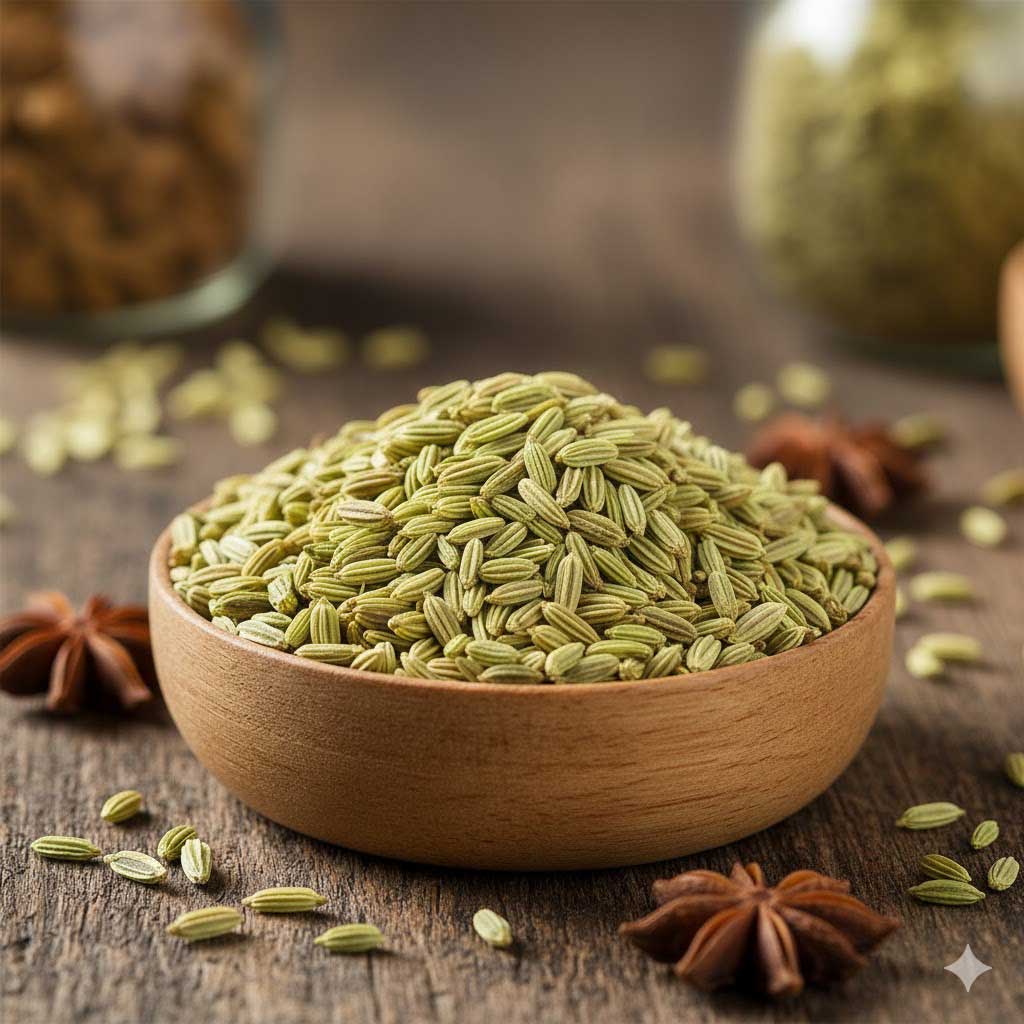
Harvested from the aromatic plant Foeniculum vulgare, they have been used since Antiquity for their anise-like fragrance, natural sweetness, and powerful digestive properties. Long regarded as a medicinal treasure, they have crossed civilizations, trade routes, and cultural traditions to become an essential ingredient in many cuisines around the world.
From the sun-drenched Mediterranean basin—where they originated and thrive in dry, warm climates—to the fertile lands of India, where they are ubiquitous in curries, desserts, and Ayurvedic rituals, fennel seeds have established themselves as a truly universal spice. Their delicate aroma—aniseed, sweet, and refreshing—makes them a condiment capable of elevating grilled fish, aromatic breads, soothing herbal infusions, and complex spice blends alike.
Beyond their culinary appeal, fennel seeds are also valued for their health benefits: they aid digestion, soothe the respiratory system, and provide a rich source of antioxidants. For millennia, they have played an essential role in traditional medicinal practices.
Geographical Origin: A Treasure Born in the Mediterranean Basin
Fennel seeds come from common fennel (Foeniculum vulgare), a perennial plant in the Apiaceae family. Native to the Mediterranean region, fennel grows naturally in dry soils, along coastal areas, rocky hillsides, and sunny terrains across southern Europe.
Its tolerance to heat, its preference for arid climates, and its distinctive aroma have contributed to its spread throughout the Mediterranean. Over the centuries, fennel has taken root in:
- India and Pakistan, where it has become a major spice
- China and Central Asia
- North America, where it sometimes grows wild
Today, the largest producers of fennel seeds include India, Egypt, and Turkey, although the spice remains central to the culinary traditions of southern Europe.
A Millennia-Old History of Myths, Traditions, and Medicine
Fennel seeds have a deeply rooted history in both Mediterranean and Asian traditions.
In Antiquity
In ancient Greece, fennel was associated with courage and strength: athletes consumed it to increase endurance. The seeds were also used to flavor food and to treat digestive disorders.
For the Romans, fennel seeds were believed to sharpen eyesight and purify the breath. Soldiers chewed the seeds during long marches to reduce hunger and improve digestion.
In the Middle Ages
Fennel became common in monastic gardens. Seeds were harvested to prepare medicinal infusions believed to soothe colic, stomach discomfort, and respiratory issues.
In India
Fennel’s history took on even greater significance in India. Known as saunf, fennel seeds are central to Ayurvedic medicine. They are also traditionally served at the end of meals in Indian restaurants to freshen the breath and aid digestion.
Flavors and Aromas: Sweet Aniseed Notes and Fresh Herbal Tones
Fennel seeds are instantly recognizable for their aniseed, sweet, and refreshing aroma. Their aromatic richness comes primarily from anethole, a compound also found in anise and licorice.
Their flavor offers:
- warm, subtly sweet notes
- a gentle anise fragrance, milder than green anise
- a fresh, herbal undertone
- a delicate hint of pepper
When lightly toasted, fennel seeds release deeper caramelized notes and a more intense aroma.
Unlike many spices, fennel seeds are naturally mild, allowing them to be used generously without overpowering other flavors.
Culinary Uses: A Universal and Exceptionally Versatile Spice
Fennel seeds are used in countless cuisines around the world. Their sweetness and aromatic softness make them suitable for both savory and sweet dishes.
In Infusions
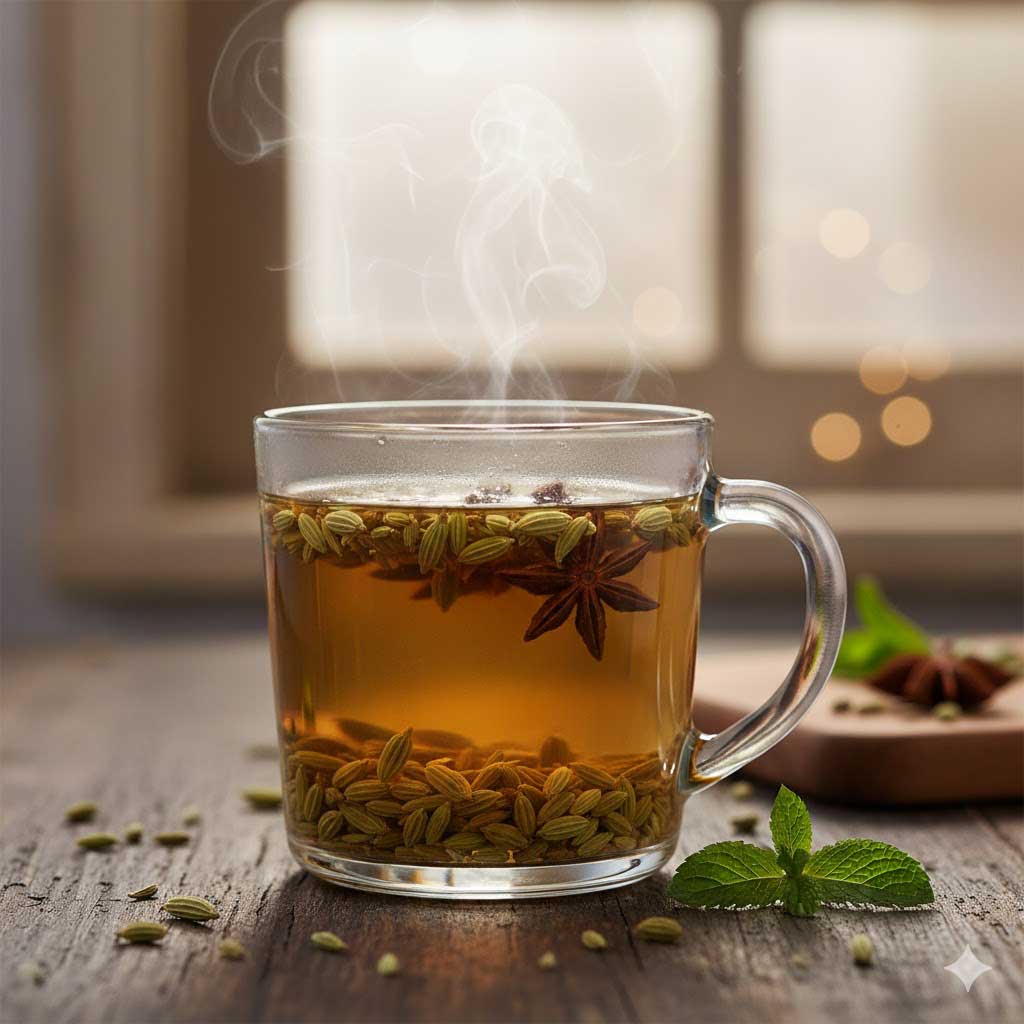
Highly appreciated for their digestive virtues, fennel seeds make a soothing, fragrant, and naturally sweet herbal tea.
Health Benefits: A Recognized Medicinal Spice
Since Antiquity, fennel seeds have been regarded as a precious natural remedy—an excellent reputation backed by tradition.
1. Improved Digestion
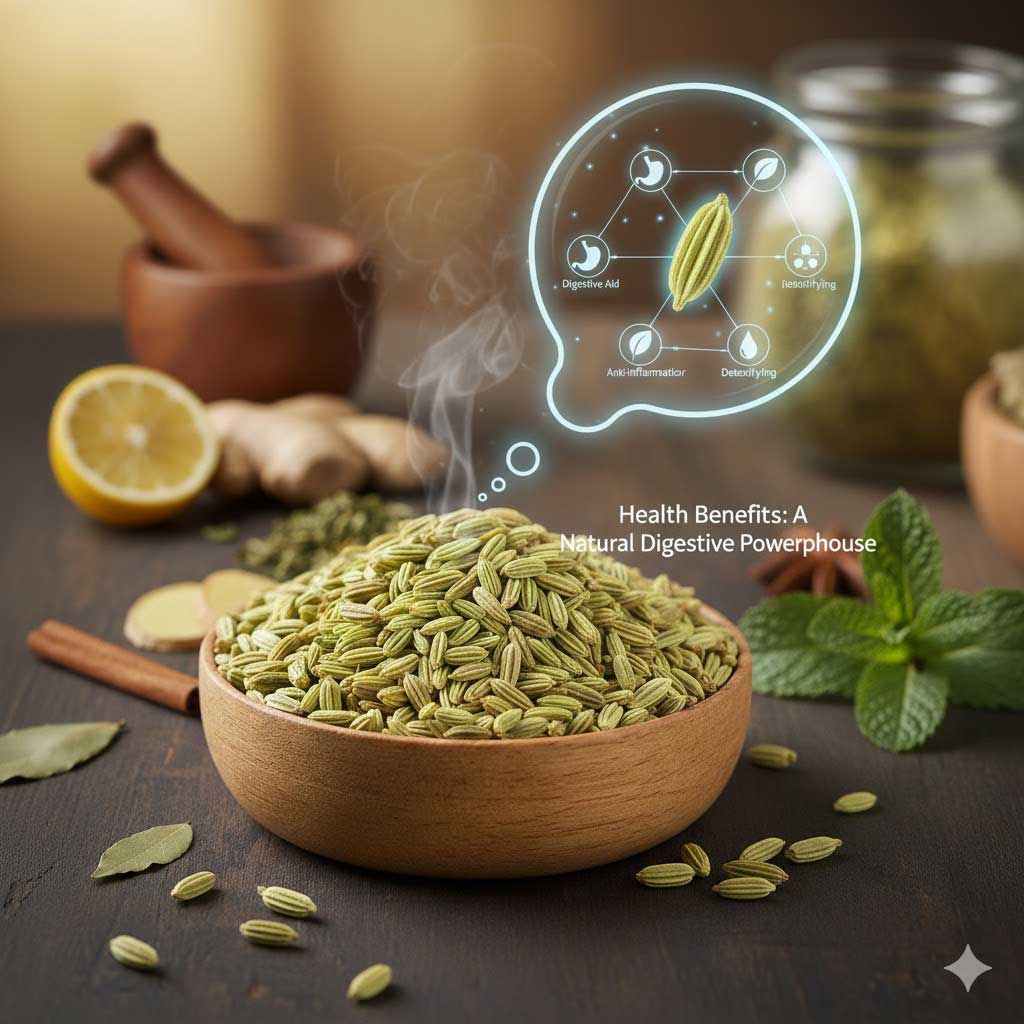
Fennel seeds:
- reduce bloating
- soothe intestinal cramps
- stimulate digestive enzymes
- decrease gas and fermentation
This is why they are often consumed at the end of a meal.
2. Anti-inflammatory and Antioxidant Properties
Rich in phenolic compounds and anethole, fennel seeds help fight inflammation and cellular aging.
3. Respiratory Benefits
Traditionally used to loosen mucus and soothe coughs, fennel seeds are often included in respiratory herbal mixes.
4. Gentle Hormonal Support (According to Traditional Practices)
In herbal medicine, fennel seeds are believed to help:
- regulate menstrual cycles
- ease premenstrual discomfort
- support lactation (with medical advice)
5. Natural Breath Freshener
They are commonly used as a natural mouth freshener, either in rinses or simply chewed after meals.
Conclusion
Fennel seeds are a truly exceptional spice: sweet, fragrant, digestive, and versatile. Born in the Mediterranean but embraced across the world, they offer a delicate aniseed aroma capable of enriching an Indian curry, a Mediterranean fish dish, rustic bread, or a relaxing herbal tea.
With their millennia-old history, subtle flavors, and widely recognized benefits, fennel seeds fully deserve their place in both our kitchens and our herbal remedy collections—an essential spice that is as delicious as it is beneficial.
See another article on fennel seeds and on cinnamon.


Leave a Reply to manon galand Cancel reply