Among the aromatic treasures of Asia, Sichuan pepper holds a singular place.
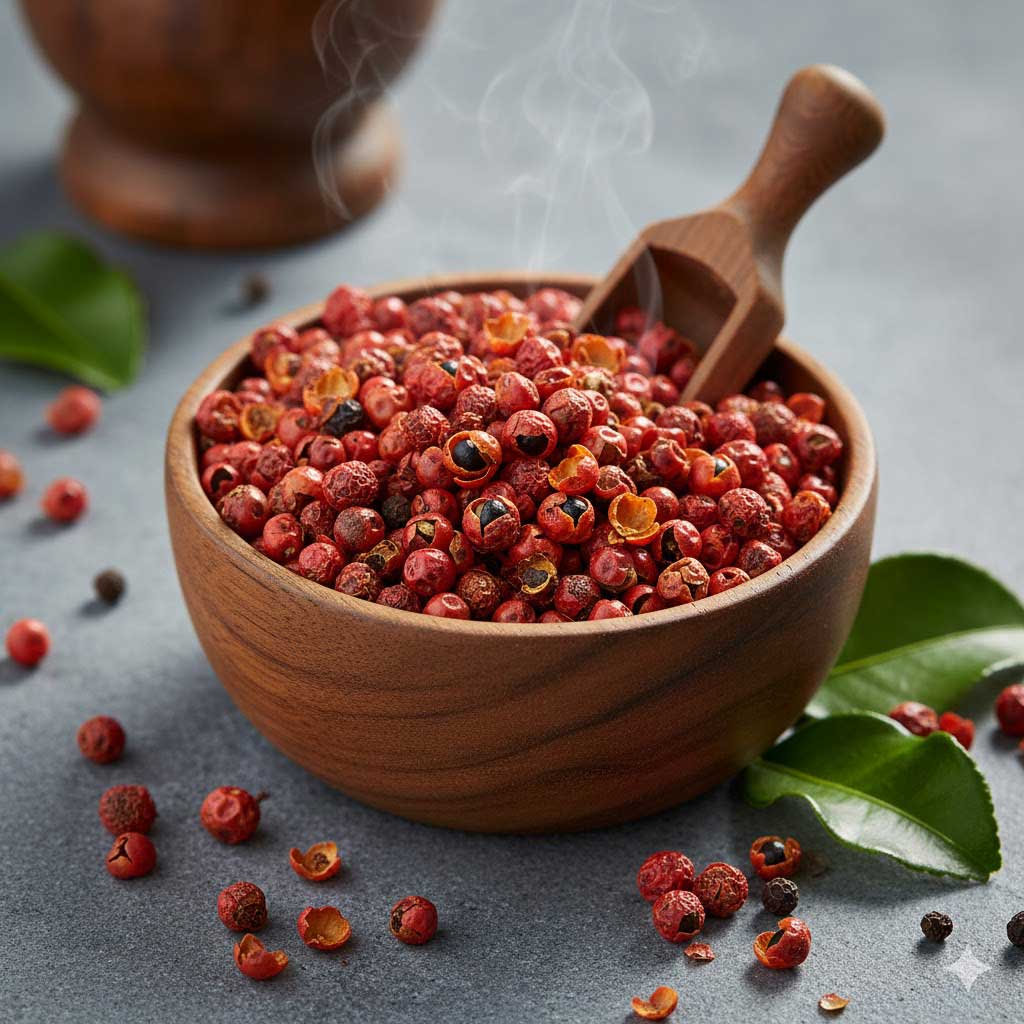
Neither a true red pepper nor a simple condiment, this berry—with its lemony fragrance and mild numbing effect—has, over the centuries, become a hallmark of Chinese cuisine. A cornerstone of Sichuan gastronomy, it now captivates chefs worldwide, offering an endless source of culinary creativity. Its fascinating history, complex aromas, and health benefits deserve close attention.
Geographical Origin: A Jewel from the Sichuan Mountains
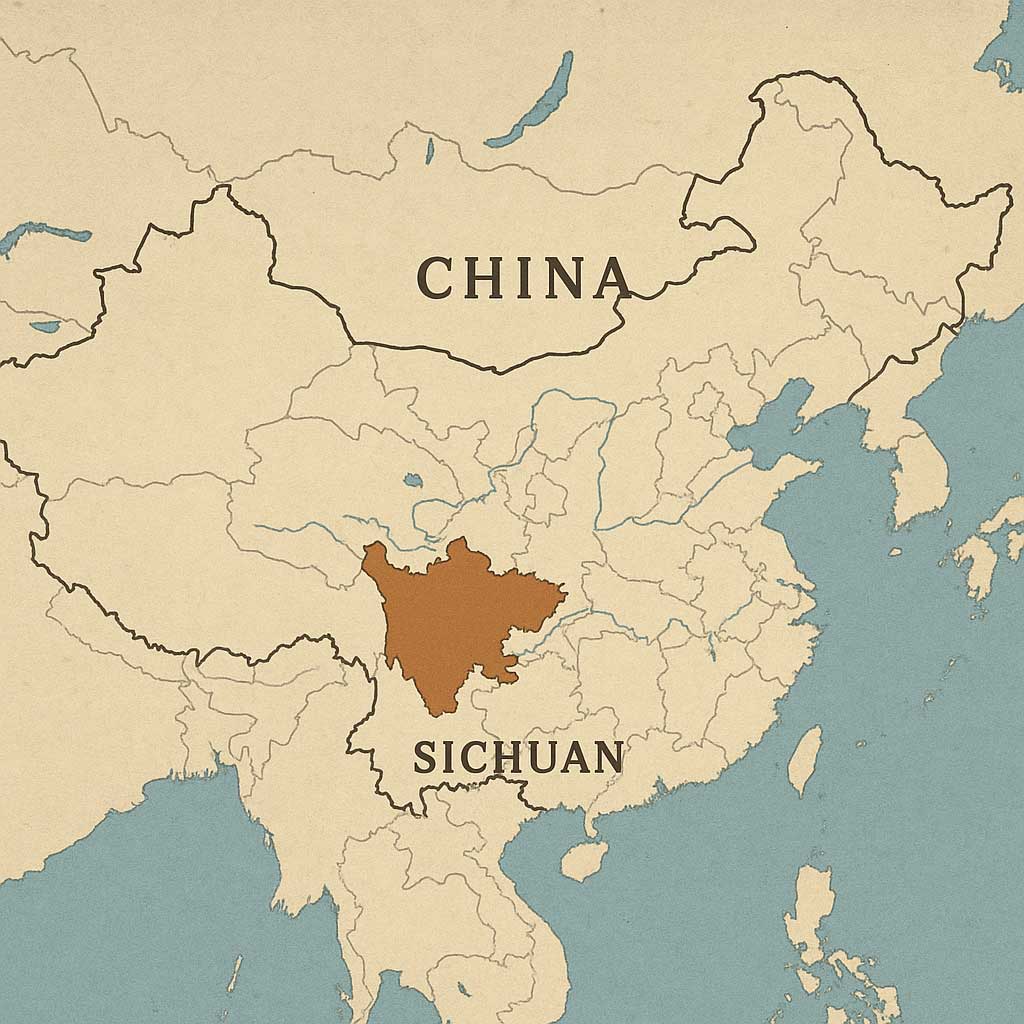
Sichuan pepper, also called hua jiao (花椒, “flower pepper”), comes mainly from Sichuan province, in southwestern China. This mountainous region, dotted with fertile valleys and traversed by the Yangtze River, enjoys a warm, humid climate conducive to exceptional biodiversity.
Sichuan pepper is not harvested from a pepper vine but from a shrub: Zanthoxylum piperitum or Zanthoxylum simulans, depending on the variety. These shrubs, related to citrus trees, produce small red capsules that split open when ripe, revealing their black seeds. Interestingly, it is not the seeds that are used, but the aromatic husks surrounding them.
Although its natural home is Sichuan, cultivation has spread over time to other Chinese provinces as well as to Japan, Bhutan, and Nepal. Nevertheless, Sichuan remains the benchmark, prized for both the quality and aromatic potency of its berries.
A Millennia-Old History Woven with Tradition and Prohibition
Sichuan pepper has been used for over 2,000 years in Chinese cuisine and medicine. As early as the Han dynasty (206 BCE – 220 CE), texts mention its central role in preparing spicy dishes. It was valued both for flavoring food and for purifying water or preserving ingredients, thanks to its antiseptic properties.
This spice also held ritual significance: it appeared in certain offerings and was considered a symbol of protection due to its powerful, enveloping aroma.
Curiously, Sichuan pepper was banned in the United States from 1968 to 2005—not because it was toxic, but due to a potential risk of transmitting a plant parasite that could affect local citrus crops. The ban was lifted once reliable sterilization methods were developed.
Today, Sichuan pepper is exported worldwide and features in countless culinary creations.
Flavors and Aromas: A Sensory Firework
Sichuan pepper’s uniqueness lies in its unparalleled sensory experience, which unfolds in several stages:
An Enchanting Aroma
Even before tasting, Sichuan pepper captivates with its intense fragrance:
- Citrus notes (lime, grapefruit)
- Floral hints reminiscent of rose
- Occasionally a subtle woody undertone
Its aroma is often described as bright, invigorating, and electrifying.
Culinary Uses: A Versatile Condiment
Sichuan pepper can be used whole, crushed, or lightly roasted and ground. Light roasting awakens its essential oils and enhances its fragrance.
Classic and contemporary uses include:
In traditional Chinese cuisine:
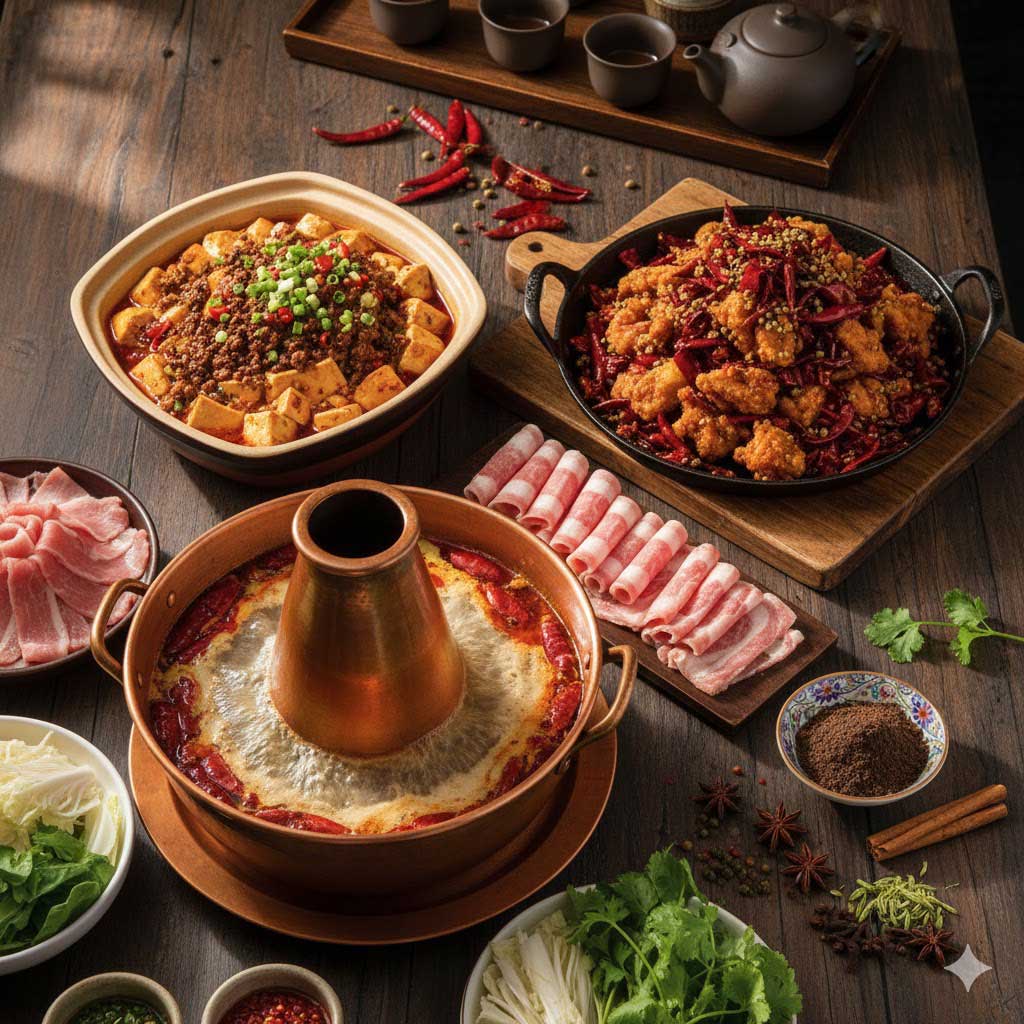
- Mapo tofu: A signature dish combining tofu, minced meat, doubanjiang chili paste, and Sichuan pepper.
- Sichuan chicken (or Chongqing chicken): Generously spiced with red chilies and roasted berries.
- Broths and hot pots: The foundation of the famous huo guo (Sichuan hot pot).
- Five-spice powder: One of the essential components of this iconic Chinese blend.
Health Benefits and Virtues
Like many spices, Sichuan pepper is rich in beneficial compounds. Traditional Chinese medicine attributes several virtues to it:
- Digestive properties: Stimulates digestion, reduces bloating, and helps with certain gastrointestinal issues through its tonic and stimulating effects.
- Anti-inflammatory and antioxidant effects: Its essential oils contain natural antioxidants that combat oxidative stress and inflammation.
- Antibacterial action: Its ability to inhibit the growth of certain bacteria explains its historical use in food preservation.
- Circulation stimulation: The warming, tingling effect promotes local blood flow.
While these benefits are recognized in Asian culinary and medicinal traditions, moderation is naturally advised.
Conclusion
Sichuan pepper is far more than a simple spice—it is a living testament to an ancient culture rich in flavors and traditions. Its citrusy fragrance, freshness, and electrifying effect make it a unique spice, capable of transforming a simple dish into an extraordinary sensory experience.
Whether in an authentic Sichuan recipe, a modern dessert, or a daring cocktail, it adds a touch of magic and escape. Exploring this spice is like journeying into the heart of China, through misty mountains, fragrant markets, and vibrant gastronomy—a must for all culinary enthusiasts.
See another article.


Leave a Reply to manon galand Cancel reply