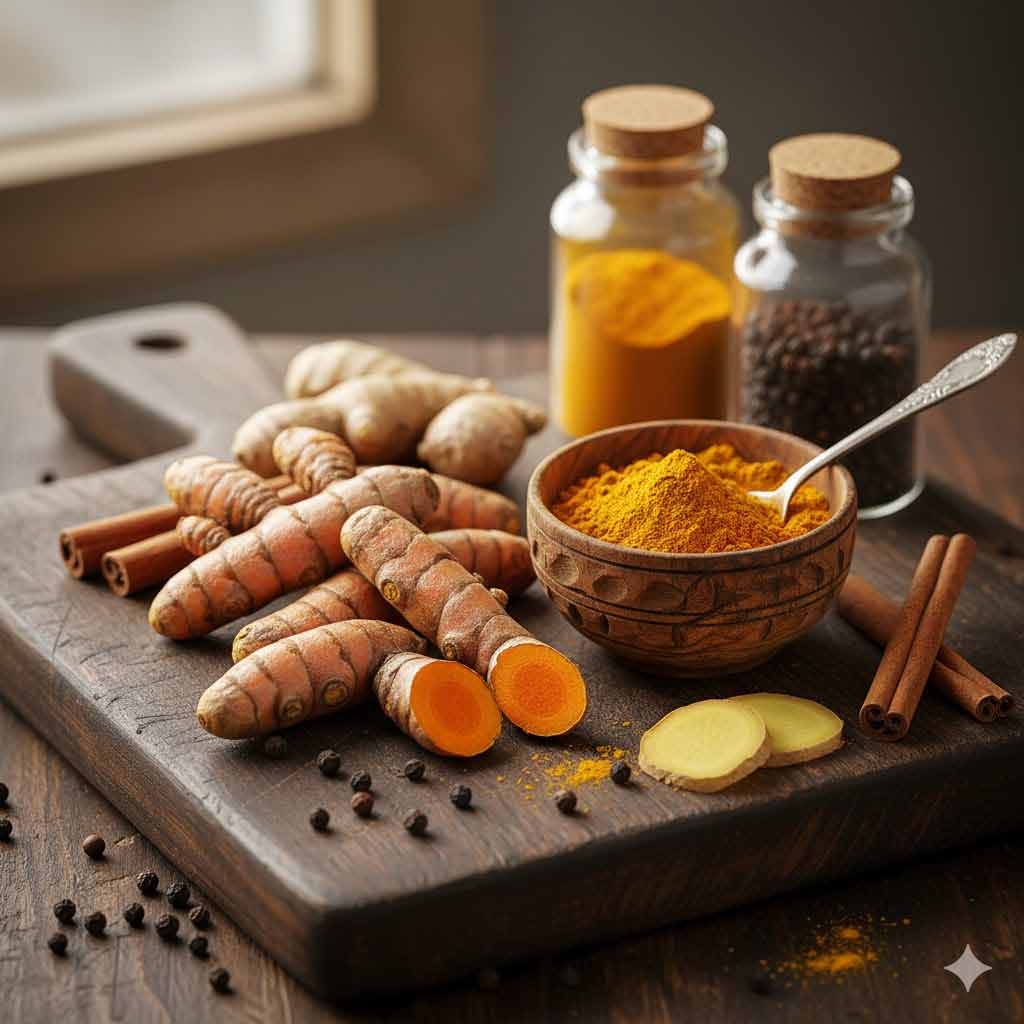
Category: Spices History

  • Spanish Cumin: The Earthy, Ancient Spice at the Heart of Iberian Cooking

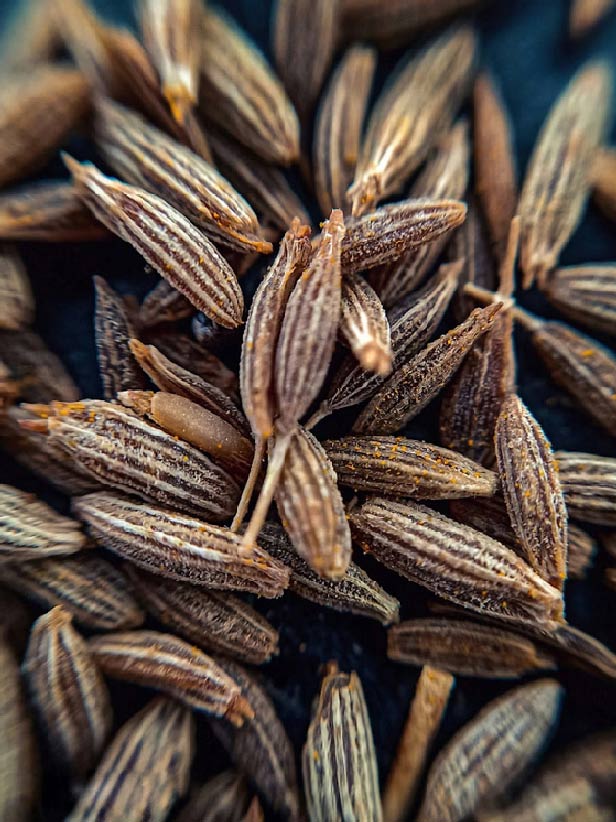
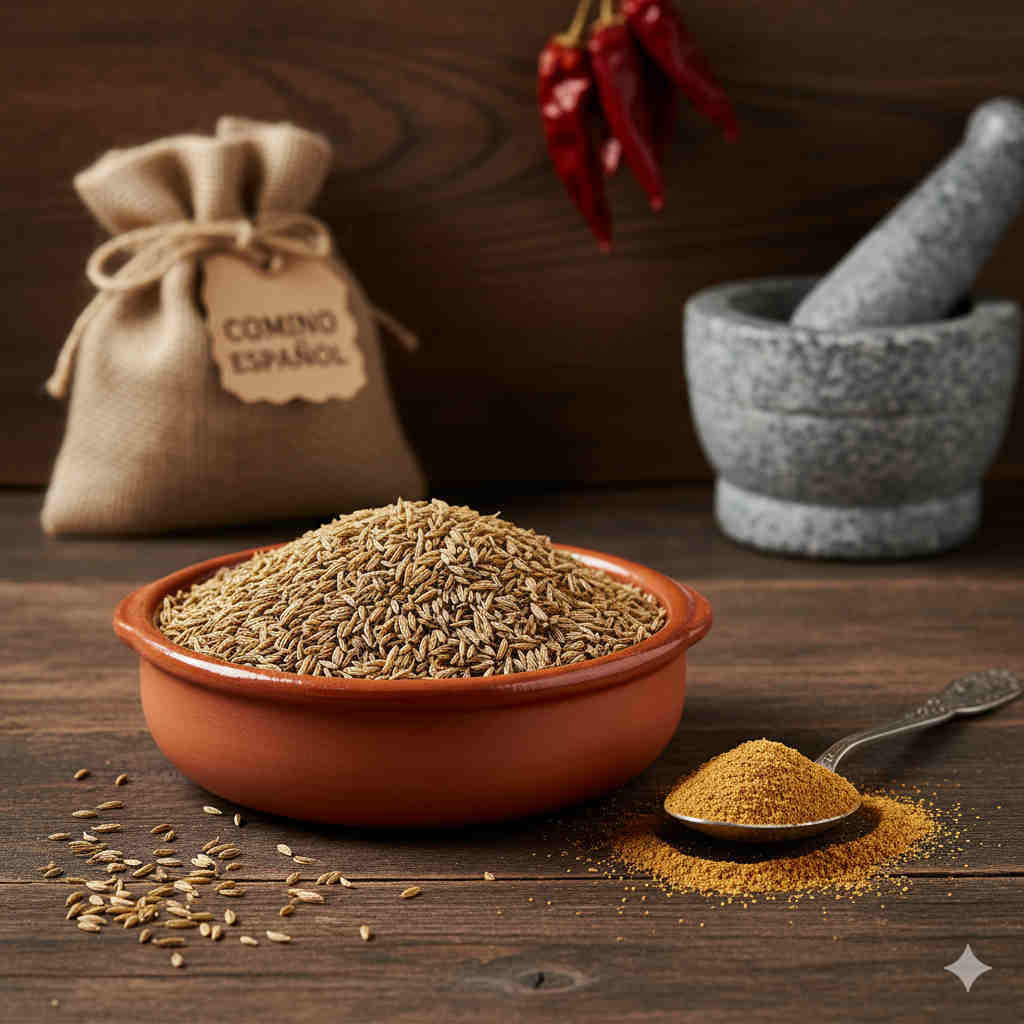
    Spanish Cumin Spice

    A Spice That Bridged Continents and Cultures

    Among all the spices that shape Spanish cuisine, few have a story as ancient and far-reaching as Spanish cumin. Known locally as comino, cumin is one of Spain’s most essential and distinctive flavors—especially in the southern region of Andalusia, where Moorish influence left an enduring culinary legacy. While many associate cumin with Middle Eastern, Indian, or North African cooking, it is deeply rooted in Spanish tradition as well, playing a fundamental role in stews, sausages, marinades, and rustic comfort foods.

    Spanish cumin stands out for its warm, earthy aroma, smoky undertones, and slightly bitter yet citrus-like finish. More intense than many commercially available varieties, it has a depth that speaks to centuries of tradition, cultural exchange, and regional craftsmanship. This article explores the flavor profile, culinary uses, and rich historical significance of Spanish cumin—and why it remains a cornerstone of Iberian cuisine today.


    Flavor Profile: Warm, Earthy, and Intensely Aromatic

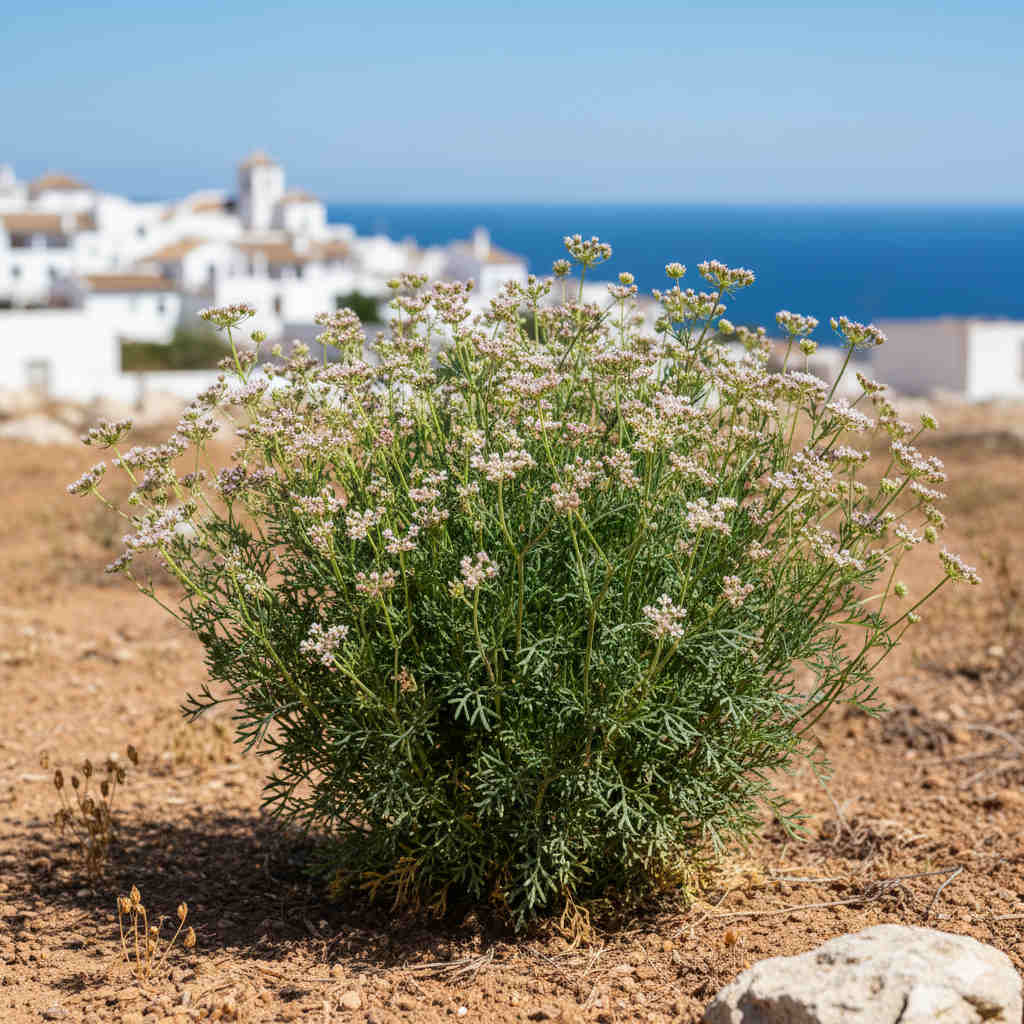
    Spanish Cumin Plant

    Spanish cumin is known for its bold and unmistakable smell—the kind of fragrance that instantly evokes home-cooked stews and rustic kitchens.

    Key Flavor Notes of Spanish Cumin

    • Earthy and warm, with deep aromatic richness
    • Nutty and slightly smoky, especially when toasted
    • Subtle citrus brightness
    • A touch of bitterness, which adds complexity
    • Lingering, savory finish

    Spanish cumin contains high levels of cuminaldehyde, the compound responsible for cumin’s signature aroma. But due to Spain’s climate and soil, local cumin often tastes slightly sharper, richer, and more intense than typical varieties.

    Whole vs. Ground Cumin

    Spanish kitchens traditionally use both:

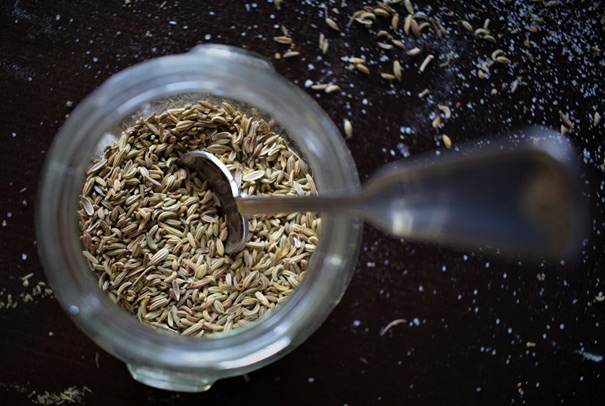
    • Whole seeds, often toasted for stews and sauces
    • Ground cumin, essential for seasoning meat, sausages, and beans

    Toasting cumin seeds in a dry pan before use dramatically enhances their nutty and smoky qualities—one of the secrets behind the flavor of many Spanish dishes.


    How Cumin Is Used in Spanish Cooking

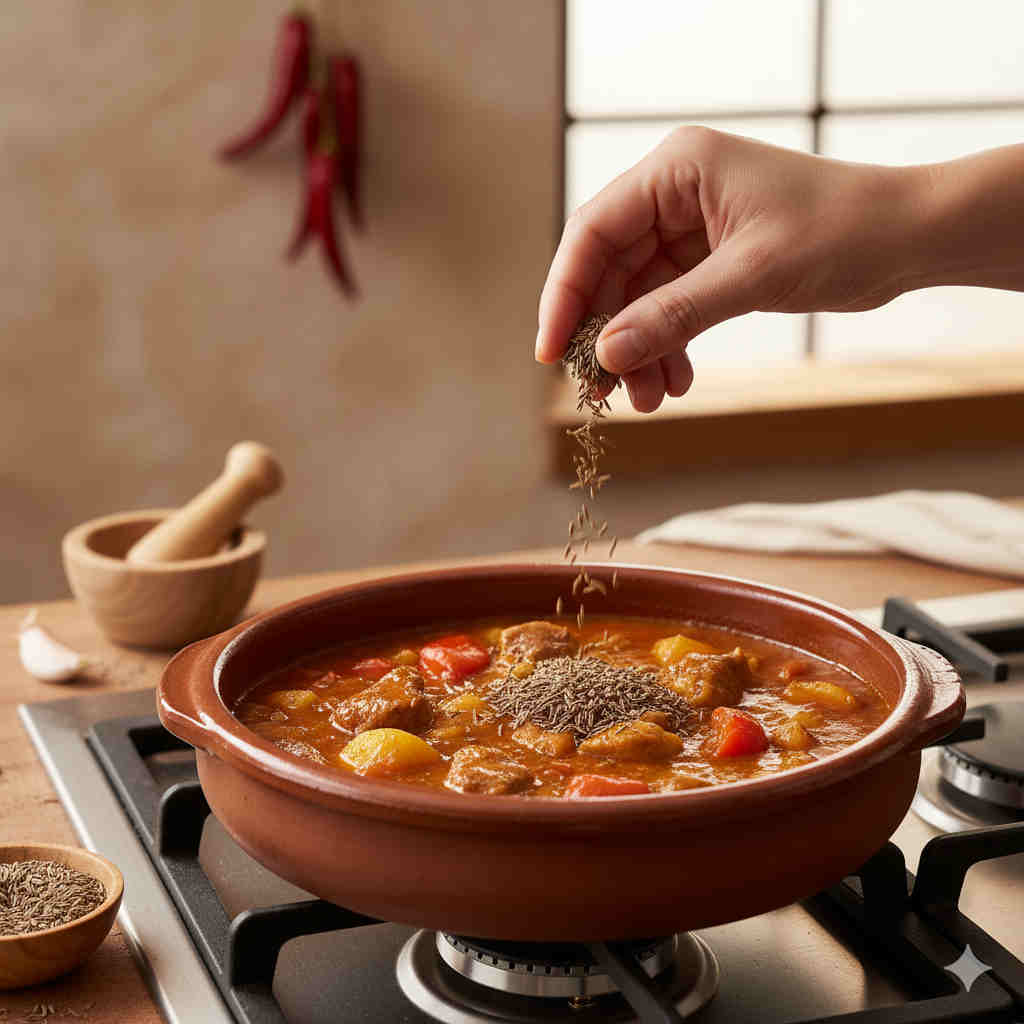
    Spanish Cumin Recipes

    Cumin is a foundational spice in multiple regions of Spain, but especially in Andalusia, Extremadura, and the Canary Islands. Its influence is most visible in rustic, slow-cooked recipes.

    1. Stews and Legume Dishes

    Cumin is essential in classic Spanish guisos (stews), beloved for their comforting depth. It is often found in:

    • lentil stew (lentejas guisadas)
    • chickpea stew (potaje de garbanzos)
    • white bean dishes
    • tomato-based stews

    Just a small amount enhances the earthiness of legumes and balances the sweetness of vegetables.

    2. Sausages and Meat Seasonings

    Cumin is a defining flavor in many Spanish sausages, especially:

    • morcilla (blood sausage)
    • chorizo (particularly some Andalusian styles)
    • longaniza

    It also appears in marinades for:

    • pork
    • chicken
    • lamb
    • beef

    A typical Spanish marinade with cumin includes:

    • garlic
    • sweet smoked paprika
    • black pepper
    • olive oil
    • vinegar or wine
    • oregano

    Cumin provides the earthy backbone that gives Spanish meats their rustic identity.

    3. Andalusian and Moorish-Influenced Cuisine

    Cumin is central to many dishes that reflect Spain’s historical connection with North Africa. Some examples include:

    • Andalusian albóndigas (meatballs in cumin-tomato sauce)
    • Pinchitos morunos (Moorish-style skewers)
    • Andalusian-style roasted vegetables
    • Soups with saffron and cumin

    In these recipes, cumin blends seamlessly with paprika, garlic, saffron, and coriander—a flavor palette deeply inspired by centuries of cultural exchange.

    4. Canary Islands Mojo Sauces

    The Canary Islands feature two iconic sauces:

    • mojo rojo (red garlic-paprika sauce)
    • mojo verde (green cilantro-parsley sauce)

    Both rely heavily on cumin for flavor balance. In mojo rojo, cumin adds depth and earthiness; in mojo verde, it provides grounding contrast to fresh herbs and lime.

    5. Bread, Savory Pastries, and Pickling

    Although lesser known, cumin also appears in:

    • traditional breads
    • savory pastries
    • brines and pickles
    • artisanal cheeses

    Its pungency works beautifully in fermentation and slow baking.


    The History of Cumin in Spain: A Journey Across Civilizations

    Cumin’s story in Spain spans over 3,000 years, intertwined with the migrations, conquests, and trade networks that shaped the Iberian Peninsula.

    1. Arrival Through Ancient Trade Routes

    Long before the Moors, cumin was used in Phoenician and Roman cooking. The Romans introduced it widely across their empire, and cumin quickly became a valued spice in Iberian households.

    2. The Moorish Golden Age

    The most significant influence came with the Moors, who ruled large parts of Spain from the 8th to the 15th century. They brought refined spice techniques, agricultural knowledge, and culinary traditions that transformed Spanish cooking.

    During this period:

    • cumin became a household staple
    • it was used in stews, breads, and spice blends
    • it gained prominence in Andalusia’s evolving food culture

    Many traditional Andalusian dishes today still contain the same cumin-based seasoning combinations developed centuries ago.

    3. Medieval Spanish Medicine and Tradition

    In medieval Spain, cumin wasn’t just food—it was medicine. Herbalists used it for:

    • digestion
    • sore throats
    • congestion
    • disinfecting wounds

    Even today, cumin tea and infusions remain popular folk remedies in rural communities.

    4. Cumin in Modern Spain

    While many global cuisines adopted cumin, Spain maintained a uniquely rustic interpretation. Spanish cumin remains a symbol of tradition—especially in home kitchens where recipes are passed down through generations.


    Why Spanish Cumin Is Uniquely Valuable Today

    Modern chefs and home cooks prize Spanish cumin for several reasons:

    1. Powerful, Distinct Flavor

    Spanish cumin is typically more intense and aromatic than generic cumin varieties, making it a preferred choice for authentic recipes.

    2. Versatility Across Culinary Styles

    It works well in:

    • rustic stews
    • barbecue rubs
    • vegetarian dishes
    • sauces and dips
    • global fusion recipes

    Its complexity allows it to shine whether used sparingly or boldly.

    3. Health Benefits

    Cumin is rich in:

    • antioxidants
    • iron
    • antimicrobial compounds
    • digestion-supporting oils

    These qualities align perfectly with modern wellness-focused cooking.

    4. A Link to Cultural Heritage

    Using Spanish cumin brings historical authenticity to dishes with Moorish, Andalusian, or Canary Island roots. For food lovers seeking culinary identity, cumin is a gateway to Spain’s multi-layered past.


    Conclusion: Spanish Cumin, the Soul of Iberian Comfort Food

    Spanish cumin is more than a spice—it is a storyteller. Its bold, earthy aroma evokes ancient trade routes, Moorish palaces, Roman kitchens, and generations of Spanish home cooking. Its flavor is warm, rustic, and unmistakably Iberian, shaping everything from lentil stews to sausages and signature sauces like mojo.

    For cooks seeking an authentic taste of Spain, or simply wanting a spice with depth and character, Spanish cumin is an essential ingredient. It captures the heart of Spanish comfort food: humble, aromatic, and rooted in centuries of tradition.

    Other Spanish Typical Spices:


    – Smoked Paprika

    Saffron

    Ñora Pepper

    Spanish Oregano

  • Spanish Oregano: The Wild Aromatic Treasure of the Iberian Peninsula

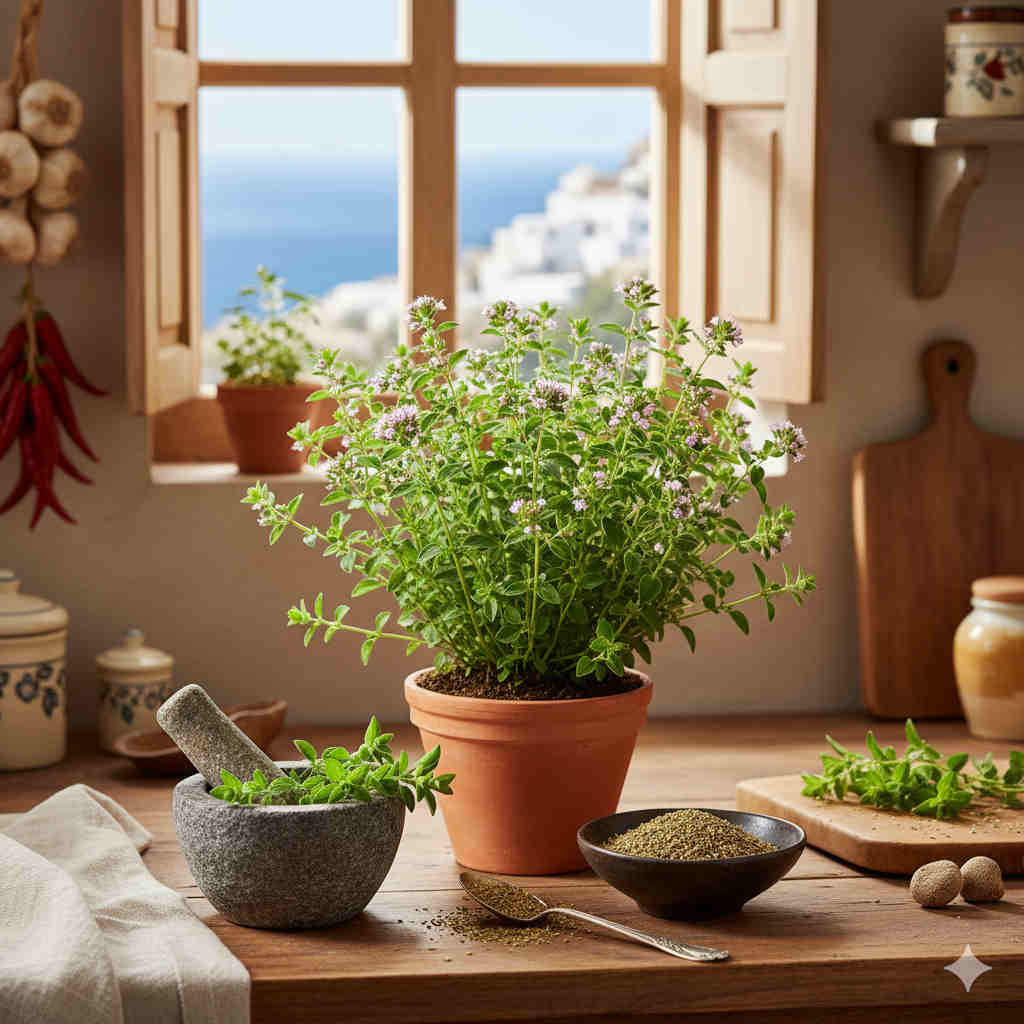
    Oregano Spice

    A Bold Herb Rooted in Spanish Landscape

    When people think of oregano, they often imagine the mild herb used in Italian pizza sauces or Mediterranean salads. But Spanish oregano—a distinct variety often derived from Origanum vulgare or Origanum virens—is something entirely different. Bolder, sharper, more aromatic, and deeply infused with the rugged identity of Spain’s wild terrain, Spanish oregano is a herb with an unmistakable personality.

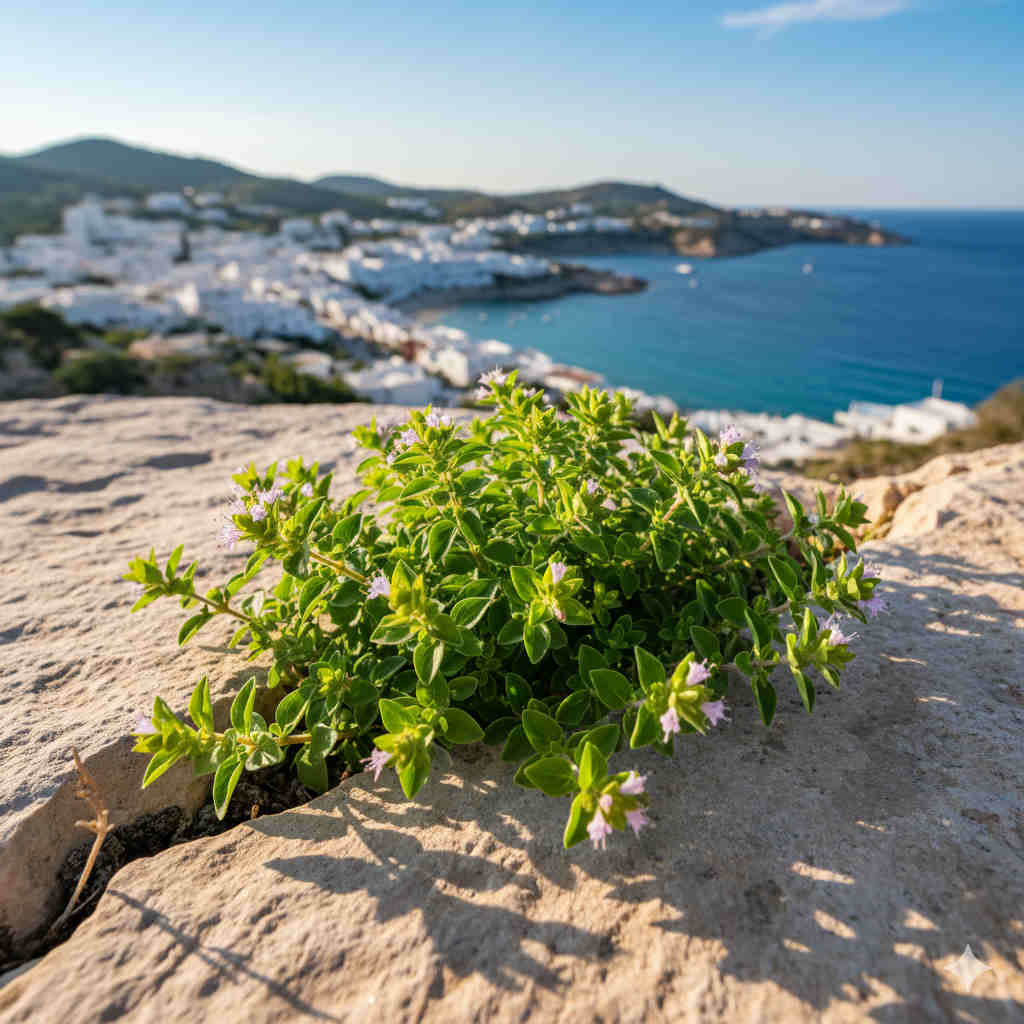
    It grows naturally across the hillsides of central and southern Spain, thriving in dry, rocky soils under intense sunlight. This harsh environment shapes its essential oils, giving the herb a potent fragrance and flavor that stand out dramatically from its Greek and Italian cousins. In Spanish cuisine, it’s essential in stews, marinades, grilled meats, vegetable dishes, and even pickling recipes. It is one of those ingredients that might seem simple—yet once you experience its intensity, you realize why it holds a special place in Iberian kitchens.


    Flavor Profile: Strong, Wild, and Unapologetically Aromatic

    It is known for its bold flavor. It contains a higher concentration of thymol and carvacrol—two powerful aromatic compounds—giving it a sharper and more resinous bite than typical oregano varieties.

    Key Characteristics of Spanish Oregano

    • Strongly aromatic, with pungent herbal notes
    • Slightly spicy, almost peppery
    • Hints of citrus and wildflowers
    • Warm and earthy finish, with a touch of bitterness
    • More intense flavor than Greek, Turkish, or Italian varieties.

    Its potency means that cooks typically use smaller quantities, especially when substituting it in recipes that call for milder taste. Just a pinch can transform a dish, adding depth and Spanish rustic charm.


    How to Use Spanish Oregano in Cooking

    It is a kitchen workhorse—simple to use yet capable of enhancing dishes with remarkable complexity. Its boldness pairs beautifully with meat, garlic, tomato, olive oil, and robust spices such as cumin or paprika.

    1. Marinades and Grilled Meats

    One of the most traditional uses of Spanish oregano is in marinades for:

    • grilled chicken
    • pork chops
    • lamb skewers
    • rabbit dishes
    • beef steaks

    A classic Spanish marinade often includes:

    • garlic
    • olive oil
    • vinegar or lemon juice
    • smoked paprika
    • salt
    • a generous pinch of oregano

    The herb’s pungent aroma penetrates the meat during marination, creating a fragrant, savory crust when grilled.

    2. Stews and Hearty Soups

    Spanish stews, known as guisos or cocidos, often rely on oregano to bring depth and warmth. You’ll find it in:

    • cocido madrileño (Madrid-style stew)
    • lentil stews
    • chickpea and chorizo soups
    • tomato-based bean dishes

    Its peppery, herbal aroma enhances slow-cooked flavors, making the broth richer and more aromatic.

    3. Vegetable Dishes and Roasts

    It shines in vegetable preparations such as:

    • roasted peppers
    • eggplant
    • zucchini
    • potatoes
    • sautéed greens

    A drizzle of olive oil and a sprinkle of oregano can transform any vegetable into a deeply flavorful side dish.

    4. Tomato-Based Sauces and Sofritos

    In Spanish sofrito—an aromatic base made from tomato, garlic, and onion—oregano plays a subtle but essential role. Unlike Italian variety, which tends to blend smoothly into sauces, Spanish variety creates a slightly sharper edge, adding rustic complexity.

    5. Pickling and Seasoned Oils

    Spanish variety is often used in:

    • homemade vinegars
    • infused olive oils
    • pickled vegetables
    • preserved cheeses
    • seasoning blends for olives

    The herb’s high essential-oil content makes it perfect for preserving and flavor infusing.


    A Herb With Ancient Roots: Spain’s Timeless Oregano Tradition

    The history of oregano in Spain stretches back thousands of years. The herb was widely used by the Greeks and Romans, who valued it not only for cooking but also for its medicinal and spiritual properties. They believed it symbolized joy and protection, often planting it near homes to promote prosperity.

    Oregano Plant

    1. Arrival and Adaptation in Iberia

    It arrived in the Iberian Peninsula through ancient trade routes. Spain’s rugged terrain, especially in regions like Extremadura, Castilla-La Mancha, and Andalucía, offered ideal growing conditions. Over centuries, wild oregano evolved into distinct regional varieties, many of which are still harvested by hand today.

    2. A Staple in Rural Spanish Culture

    For generations, it has been a pantry essential in rural Spanish households. Villagers collected wild herbs during the summer and dried them for year-round use. The herb was prized for:

    • its strong flavor
    • its preservative properties
    • its versatility in cooking
    • its use in traditional remedies

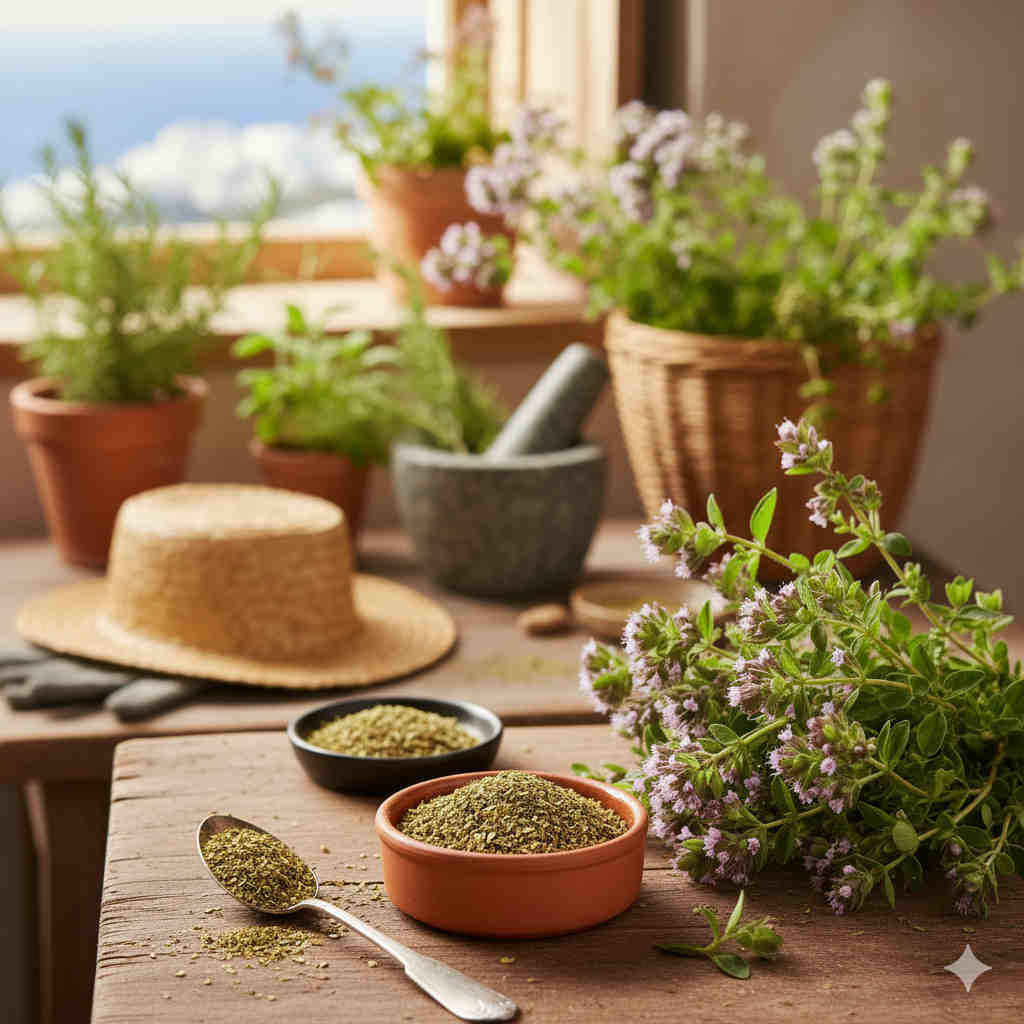
    Even today, small producers and family farms continue this tradition, hand-drying oregano in bunches under the summer sun.

    3. Oregano in Spanish Folk Medicine

    Historically, oregano was used for:

    • digestive issues
    • colds and respiratory ailments
    • disinfecting wounds
    • general wellness teas

    Though modern medicine no longer relies on herbs in the same way, oregano tea and infusions remain popular in many Spanish households.


    Why Spanish Oregano Stands Out in Modern Cooking

    Recipes with Oregano

    In contemporary cuisine, authenticity and bold flavors are prized. Chefs often seek ingredients with strong identity and terroir—qualities that Spanish oregano offers in abundance.

    Benefits of Using Spanish Oregano

    • Intense flavor: A small pinch is enough for an entire dish.
    • Versatility: Suitable for meat, vegetables, stews, and sauces.
    • Natural preservative: High essential-oil content inhibits spoilage.
    • Health benefits: Rich in antioxidants, antimicrobial compounds, and vitamins.
    • Cultural authenticity: Essential for Spanish and Mediterranean dishes.

    Because of its strength, Spanish oregano can also act as a substitute for thyme or marjoram in some recipes.


    Conclusion: A Powerful Herb With Unmistakable Spanish Character

    Spanish oregano may share a name with its milder Mediterranean relatives, but its personality is unmistakably bold and wild—just like the landscapes from which it comes. Its peppery, aromatic flavor infuses dishes with rustic Iberian soul, making it indispensable in marinades, grilled meats, stews, and hearty vegetable recipes.

    Whether you are exploring Spanish cuisine or simply looking for a more intense herb to elevate your everyday cooking, Spanish oregano is a powerful and aromatic treasure well worth adding to your pantry.

    Other Spanish Typical Spices:


    – Smoked Paprika

    Saffron

    Ñora Pepper

    Spanish Cumin

  • The Alchemist’s Pantry: A Complete Guide to Mastering Spices and Herbs

    Cooking is often described as an art, but at its core, it is chemistry. While proteins and vegetables provide the structure of a meal, it is the invisible world of spices and herbs that provides the soul. For many home cooks, the spice cabinet is a place of mystery—or worse, a graveyard of expired jars purchased for a single recipe three years ago.

    Understanding how to select, store, and utilize these ingredients is the single fastest way to elevate your cooking from “edible” to “exceptional.” This guide will demystify the aromatic world of seasoning and help you build a pantry that works for you, not against you.

    Herbs vs. Spices: What is the Difference?

    Before diving into usage, it is helpful to understand the botanical distinction, as it dictates how we cook with them.

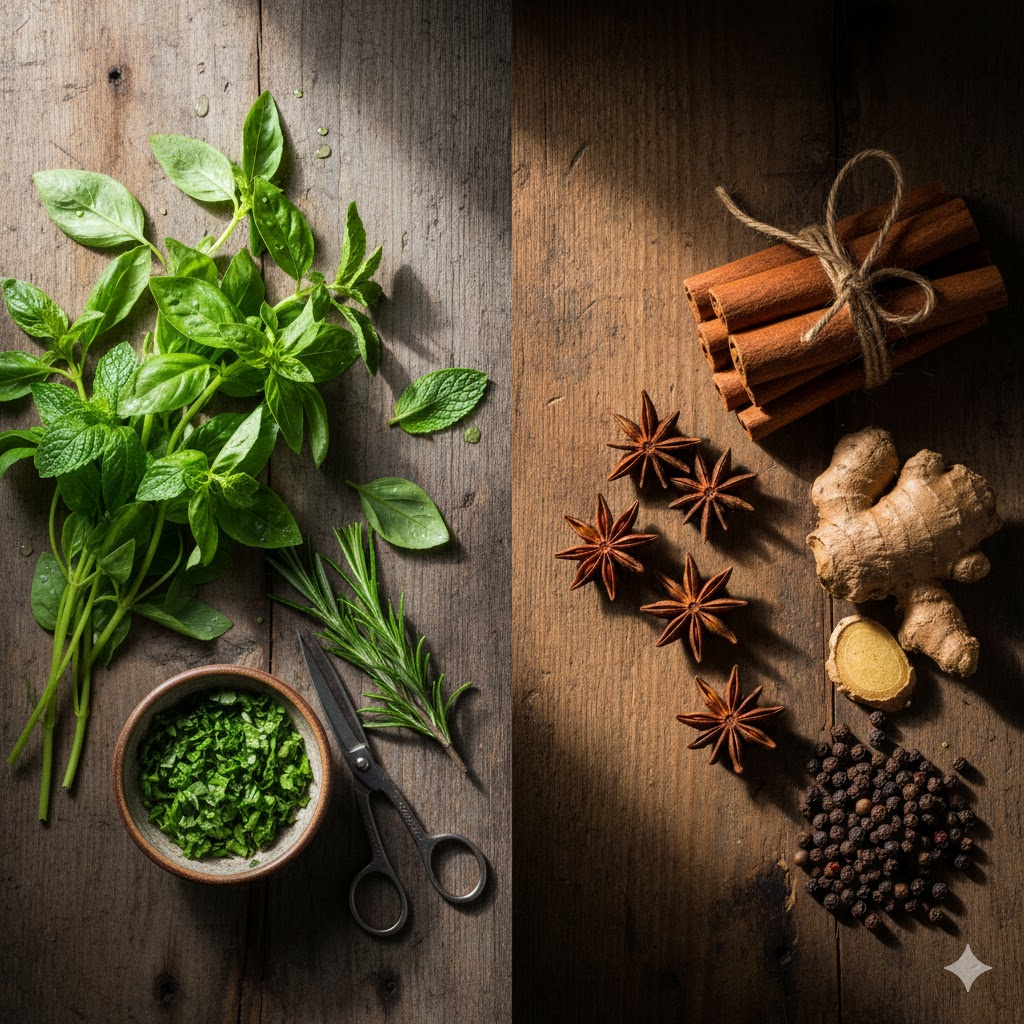
    Herbs generally refer to the leafy, green parts of a plant. They can be used fresh or dried. Think of basil, parsley, oregano, cilantro, and mint. Because their flavor compounds are delicate and volatile, fresh herbs are usually added at the very end of the cooking process to preserve their brightness. Dried herbs, having a more concentrated flavor and sturdier structure, can be added earlier.

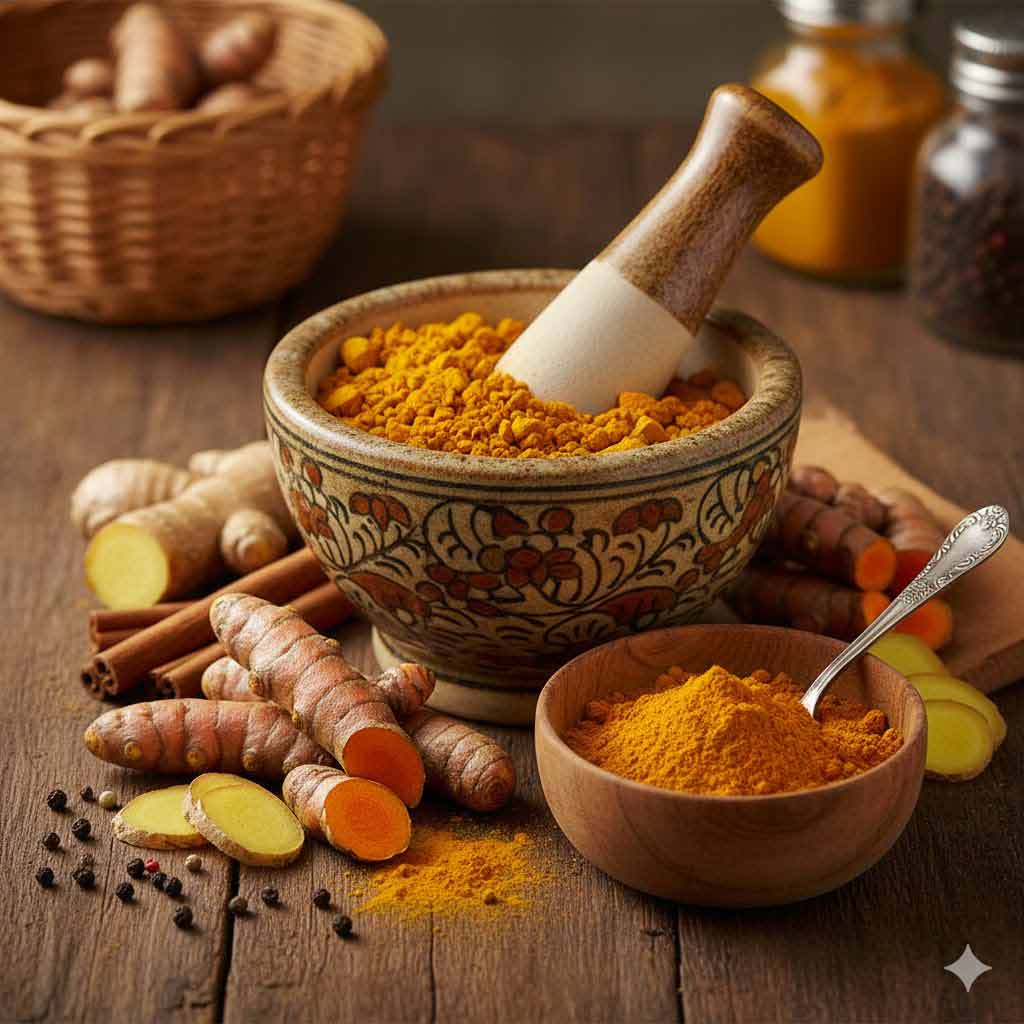
    Spices, on the other hand, come from every other part of the plant: the bark (cinnamon), the root (ginger, turmeric), the flower buds (cloves), the seeds (cumin, coriander), or the fruit (black pepper, paprika). Spices are almost always used in their dried form. They are robust and require heat and fat to release their full potential.

    Interestingly, some plants provide both. The Coriandrum sativum plant gives us fresh cilantro leaves (herb) and coriander seeds (spice), which have completely distinct flavor profiles.

    Whole vs. Ground: The Flavor Clock

    One of the most common questions in the culinary world is: “Should I buy whole spices or ground?”

    The answer lies in surface area and oxidation. Inside a whole spice—like a cumin seed or a peppercorn—essential oils are protected within the cell walls of the plant matter. As long as that seed remains intact, the flavor is locked in a vault.

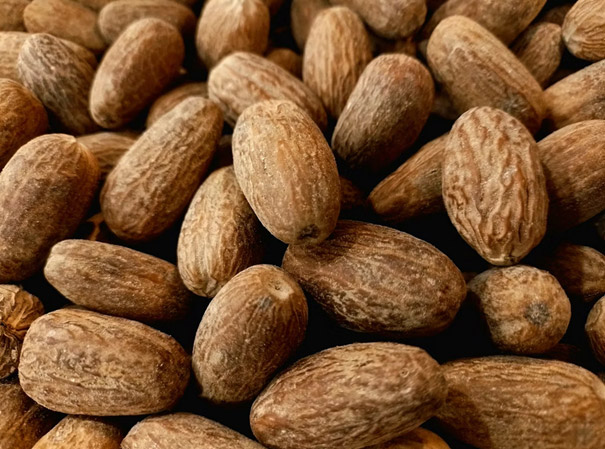
    The moment you grind a spice, you break those cell walls. The essential oils are exposed to oxygen, and the “flavor clock” begins to tick. Ground spices lose their potency much faster than whole spices. A jar of ground nutmeg might lose its punch in six months, while a whole nutmeg nut can retain its flavor for years.

    The Verdict: For the most commonly used spices (like cumin, black pepper, and coriander), buy them whole and invest in a cheap coffee grinder or a mortar and pestle. The difference in aroma is staggering. For spices you use less frequently or that are difficult to grind (like turmeric or cinnamon bark), buying pre-ground is a perfectly acceptable convenience.

    The Golden Rules of Storage

    If your spice rack is located right above your stove or on a sunny windowsill, you might be accidentally ruining your collection. Spices have three mortal enemies:

    1. Heat: It dries out the oils and degrades flavor.
    2. Light: UV rays bleach the color and break down chemical compounds.
    3. Moisture: It causes clumping and can lead to mold.

    The romantic image of open jars on a shelf in a sun-drenched kitchen is a culinary trap. The best place for your spices is in a drawer or a cupboard, away from the oven and direct sunlight.

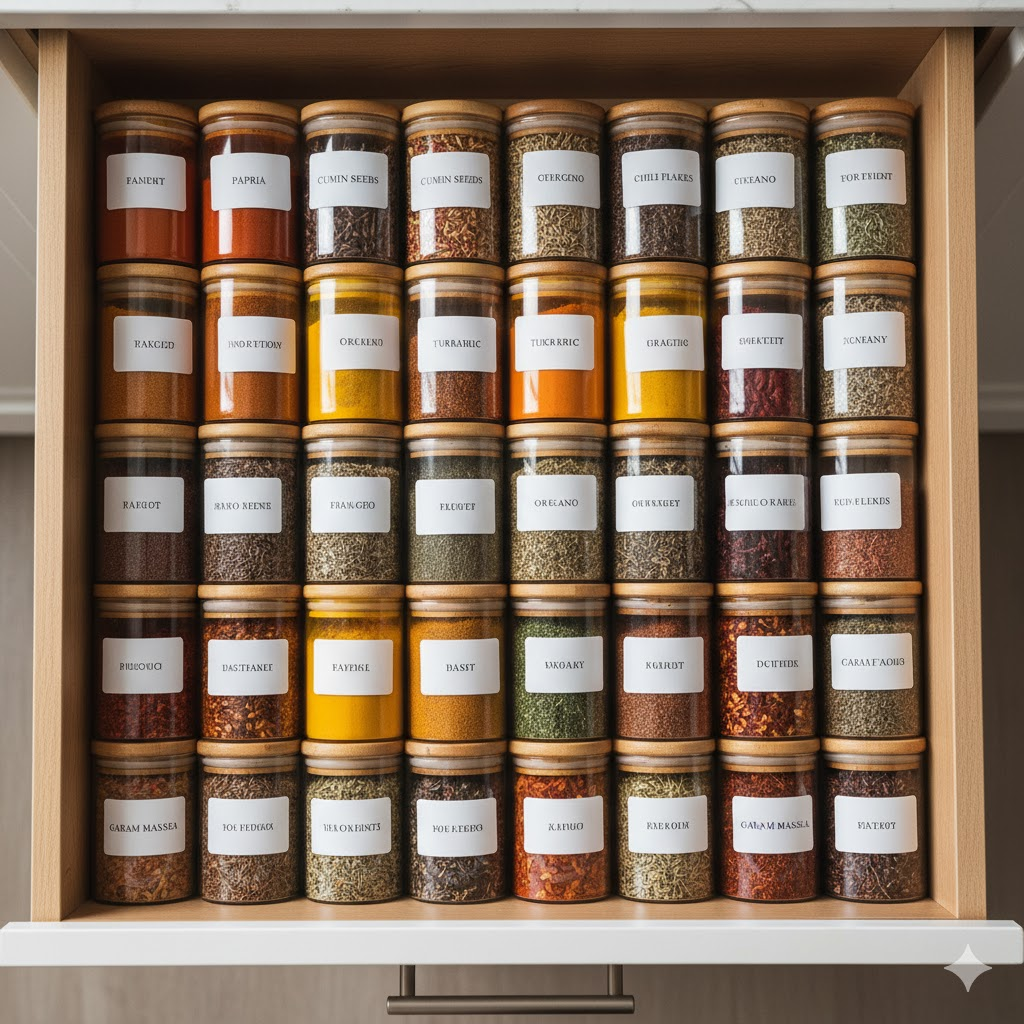
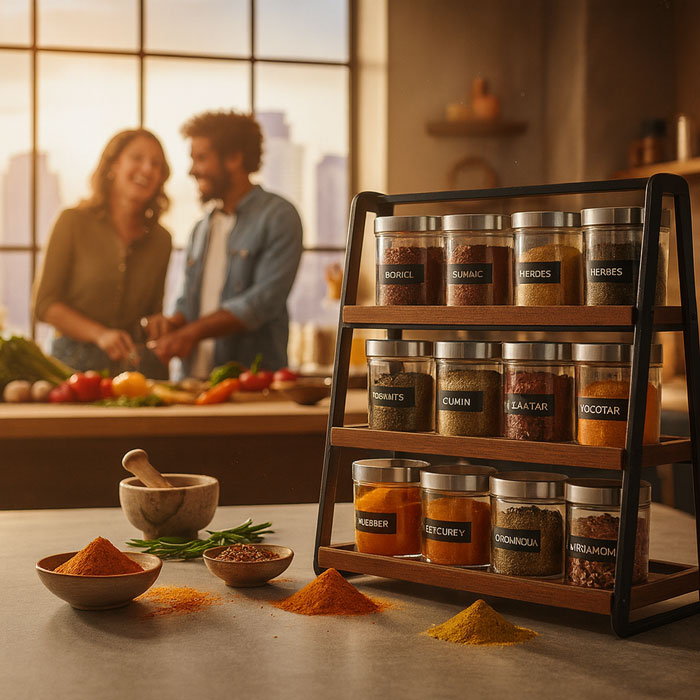
    Ideally, transfer your spices into airtight glass jars. Glass is non-porous and won’t absorb residual odors like plastic does. Label them clearly with the name and, crucially, the date of purchase. As a general rule, perform a “sniff test” once a year. If you open a jar of paprika and it smells like dust rather than sweet peppers, it is time to replace it.

    Unlocking Flavor: Blooming and Toasting

    Have you ever followed a recipe exactly, but the result tasted flat compared to the restaurant version? The missing step is often “blooming.”

    Many flavor compounds in spices are lipophilic, meaning they dissolve in fat, not water. If you throw raw spices directly into a simmering watery sauce, you are missing out on depth.

    To bloom your spices, heat a little oil or ghee in a pan. Add your whole or ground spices and let them sizzle for 30 to 60 seconds. This process, combined with the heat, wakes up the essential oils and infuses the fat, which then carries the flavor throughout the entire dish.

    Alternatively, you can dry toast whole spices. Place whole seeds (like cumin or mustard) in a dry skillet over medium heat. Shake the pan constantly until they become fragrant and slightly darker. This introduces a nutty, toasted complexity that raw spices simply do not possess.

    5 Essentials to Start Your Collection

    You do not need 50 jars to cook well. You only need a few high-quality staples. If you are building a kit from scratch, start here:

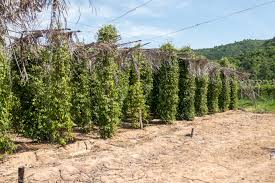
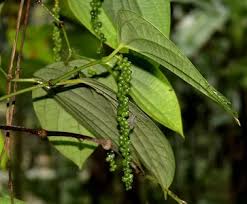
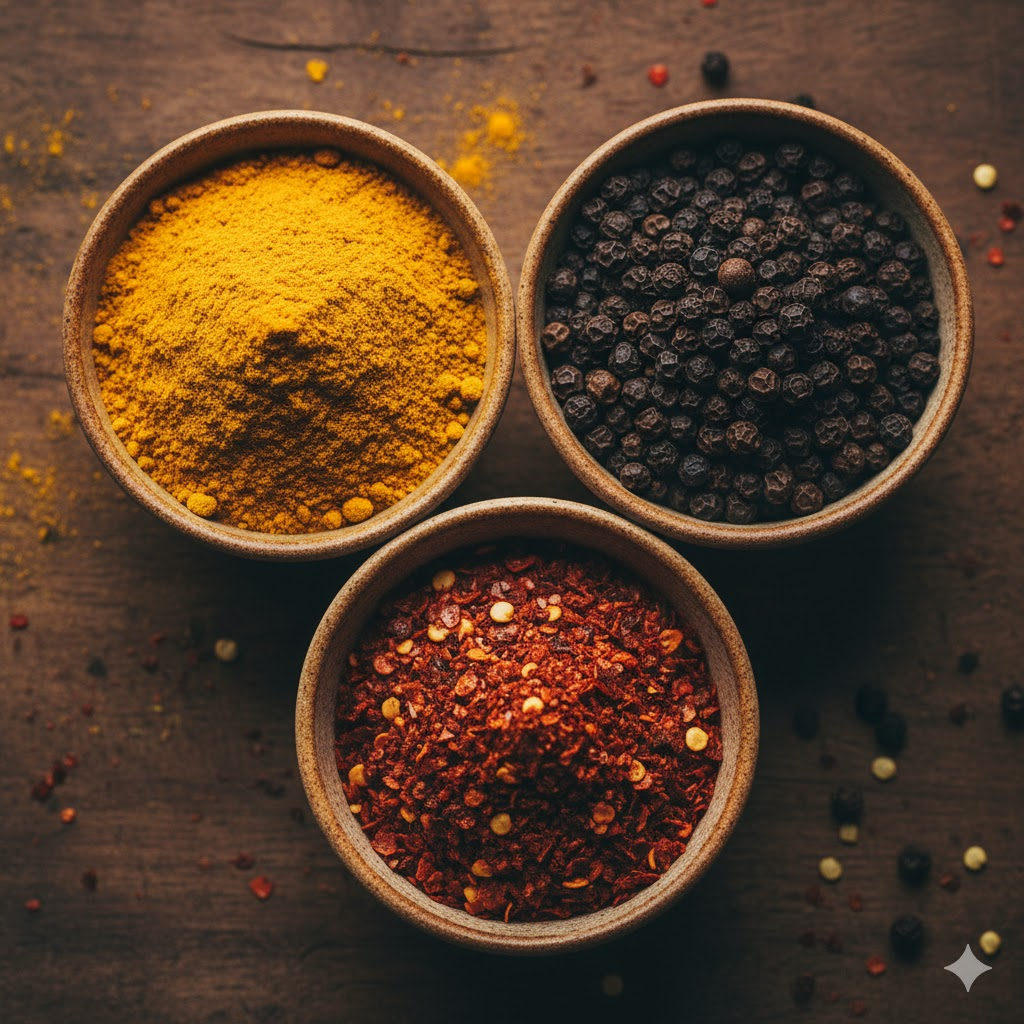
    1. Black Peppercorns: Buy a mill. Freshly cracked pepper is spicy, floral, and piney. Pre-ground pepper is merely grey dust.
    2. Cumin (Whole): The backbone of Mexican, Indian, and Middle Eastern cuisines. Earthy and warm.
    3. Smoked Paprika: A “secret weapon” for vegetarians. It adds a bacon-like smokiness to stews and roasted vegetables without the meat.
    4. Ground Turmeric: Known for its anti-inflammatory properties and its brilliant yellow color. It adds a subtle, woody earthiness.
    5. Cinnamon (True or Cassia): Not just for desserts. A pinch in a savory tomato sauce or a beef stew adds an undetectable warmth that makes people wonder, “What is that delicious secret ingredient?”

    Conclusion

    Spices are an invitation to travel from your kitchen. They are relatively inexpensive, last a long time if stored correctly, and offer the highest return on investment for flavor.

    Don’t be afraid to experiment. Try adding a cracked cardamom pod to your morning coffee, or a pinch of chili flakes to your chocolate dessert. Open those jars, smell them, and let your nose guide your cooking. The world of flavor is vast, and you have only just begun to explore it.

  • History of Spices

    History of Spices

    Introduction

    For thousands of years, the history of spices have been woven into the development of human civilizations. More than simple flavor enhancers, they shaped trade networks, cultural traditions, religious practices, and early medical knowledge. Their rarity, aroma, and symbolic value made them highly sought-after commodities, inspiring long-distance travel and contributing to the birth of global commerce. This page explores the remarkable journey of these seasonings—from their early use in ancient societies to their essential role in modern cuisine.

    The Early Beginnings of Spice Use

    The history of spices begins in some of the world’s oldest civilizations. Ancient Egyptians and Mesopotamians used saromatic plants and resins for far more than cooking; they valued them for their healing properties, their ability to preserve food, and their connection to spiritual rituals. In these early societies, such ingredients were considered luxurious goods often reserved for royalty, priests, and ceremonial events.

    • In Egypt, cinnamon and other aromatic substances were used in embalming, reflecting both their rarity and their symbolic importance.
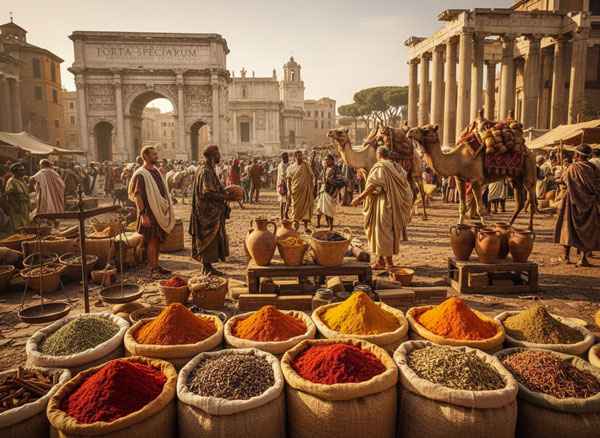
    • In Roman times, pepper was so valuable that it functioned as a form of currency; taxes and debts were sometimes paid in peppercorns.
    • Saffron, one of the costliest seasonings in history, was treasured in ancient Persia for its rich color, fragrance, and association with prestige.

    Over time, demand for these precious goods led to the creation of trade routes linking different regions. The Silk Road became one of the most significant pathways, connecting Asia with Europe and enabling the exchange of spices such as cardamom, cloves, cinnamon, and pepper across continents.

    The Spice Trade and the Age of Exploration

    By the 15th and 16th centuries, European nations were determined to bypass the middlemen who controlled the spice trade. This ambition fueled the era known as the Age of Exploration, during which explorers embarked on perilous sea voyages to discover new routes to the East.

    • Portugal quickly took the lead, establishing trading posts in India and gaining access to pepper, ginger, nutmeg, and cloves.
    • Spain, inspired by voyages like that of Christopher Columbus, also sought direct pathways to the regions producing these valued goods.
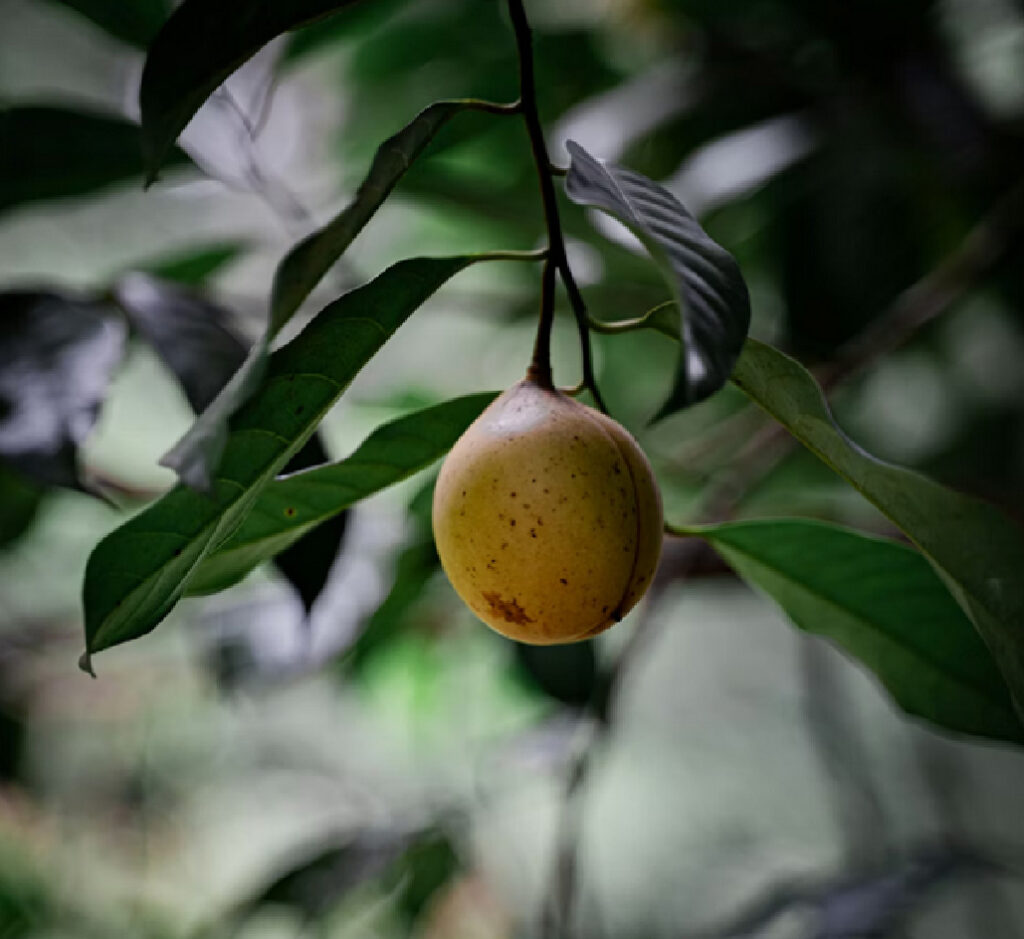
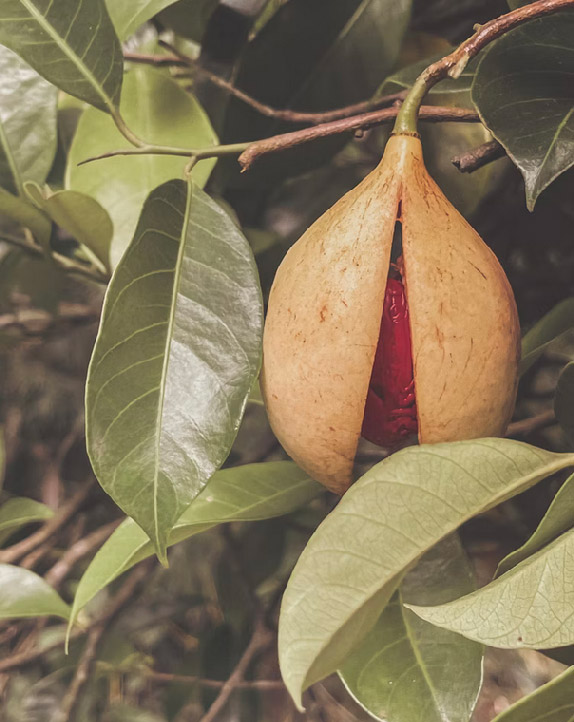
    • Eventually, the Dutch and the British emerged as dominant forces in the global spice market. Their powerful trading companies—the Dutch East India Company (VOC) and the British East India Company—controlled production areas, especially in the Indonesian archipelago, famed for its wealth of nutmeg, mace, and cloves.

    For several centuries, control of spice-producing lands meant economic power. Competition among European empires shaped global politics, colonial expansion, and international trade. Spices were no longer merely ingredients—they were a driving force behind world exploration and geopolitical change.

    https://frogsaga.com/wp-admin/post.php?post=276&action=edit

    History of Spices in Global Culinary Traditions

    Today, spices are central to the culinary identities of many cultures. Each region of the world has developed its own signature blends, techniques, and flavor profiles, showing how deeply spices influence gastronomy.

    • India, often referred to as the land of spices, has an exceptionally long history of using diverse seasonings. Iconic mixtures such as garam masala, curry blends, and tandoori spices highlight the complexity of Indian cuisine.
    • Middle Eastern cooking relies on spices like cumin, saffron, coriander, and cardamom to give depth to dishes such as kebabs, rice pilafs, and aromatic stews.
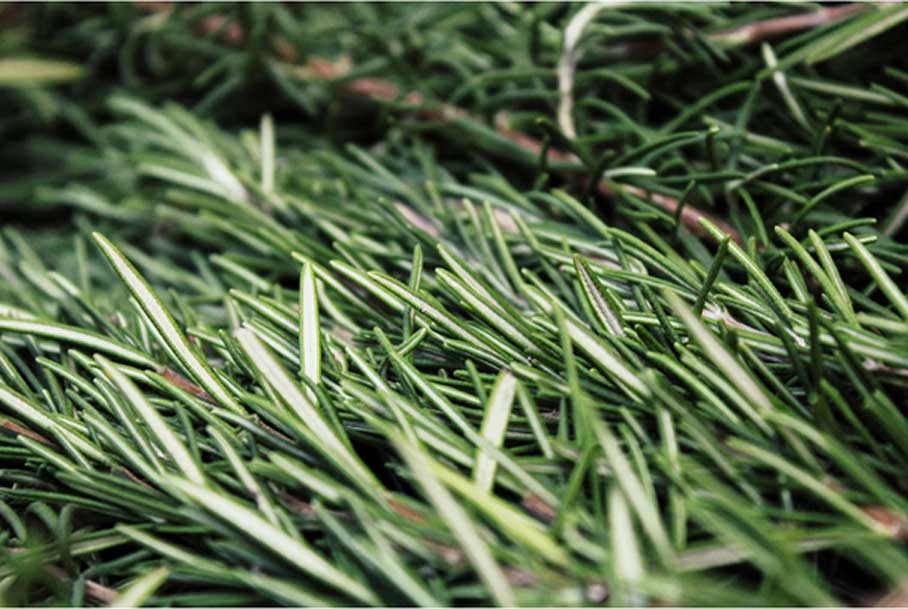
    • Europe, especially the Mediterranean region, favors herbs and spices such as oregano, thyme, rosemary, and sage. These flavors are essential to the traditional dishes of Italy, Greece, and southern France.

    These culinary traditions demonstrate how spices enhance flavors while reflecting cultural heritage and how the history of spices is important. Whether used subtly or boldly, spices play a key role in defining regional identities and in passing down culinary knowledge through generations.

    Modern History of Spices: A New Era

    Although spices were once accessible only to wealthy societies, today they are part of everyday cooking around the world. Global trade has made them widely available, yet this accessibility has sparked a renewed interest in rare, high-quality, and ethically sourced spices.

    Two major modern trends illustrate this revival:

    • The rise of health-focused spices: Ingredients like turmeric, ginger, and cinnamon have become popular in wellness and nutrition due to their anti-inflammatory, antioxidant, and digestive benefits. They are increasingly featured in teas, smoothies, supplements, and modern recipes.
    • A shift toward sustainable and ethical sourcing: Many consumers now seek spices that are produced using environmentally friendly methods, support small farmers, and ensure fair wages. This movement has encouraged the growth of small producers who prioritize quality and traditional harvesting techniques.

    This contemporary “spice renaissance” reflects a growing appreciation for the origins, craftsmanship, and natural benefits of spices, emphasizing both flavor and responsibility.

    Conclusion

    The history of spices is a story shaped by adventure, cultural exchange, and culinary evolution. From ancient temples and bustling markets along the Silk Road to modern kitchens around the world, spices have influenced human societies in profound ways. They provide depth, aroma, and color to our meals, while also carrying centuries of tradition and meaning. Understanding their rich past allows us to better appreciate the role they continue to play—not only in flavoring food, but in connecting cultures, supporting communities, and preserving global heritage.

    https://en.wikipedia.org/wiki/Spice