Category: Spice Culture & Curiosities

  • Spanish Oregano: The Wild Aromatic Treasure of the Iberian Peninsula

    Oregano Spice

    A Bold Herb Rooted in Spanish Landscape

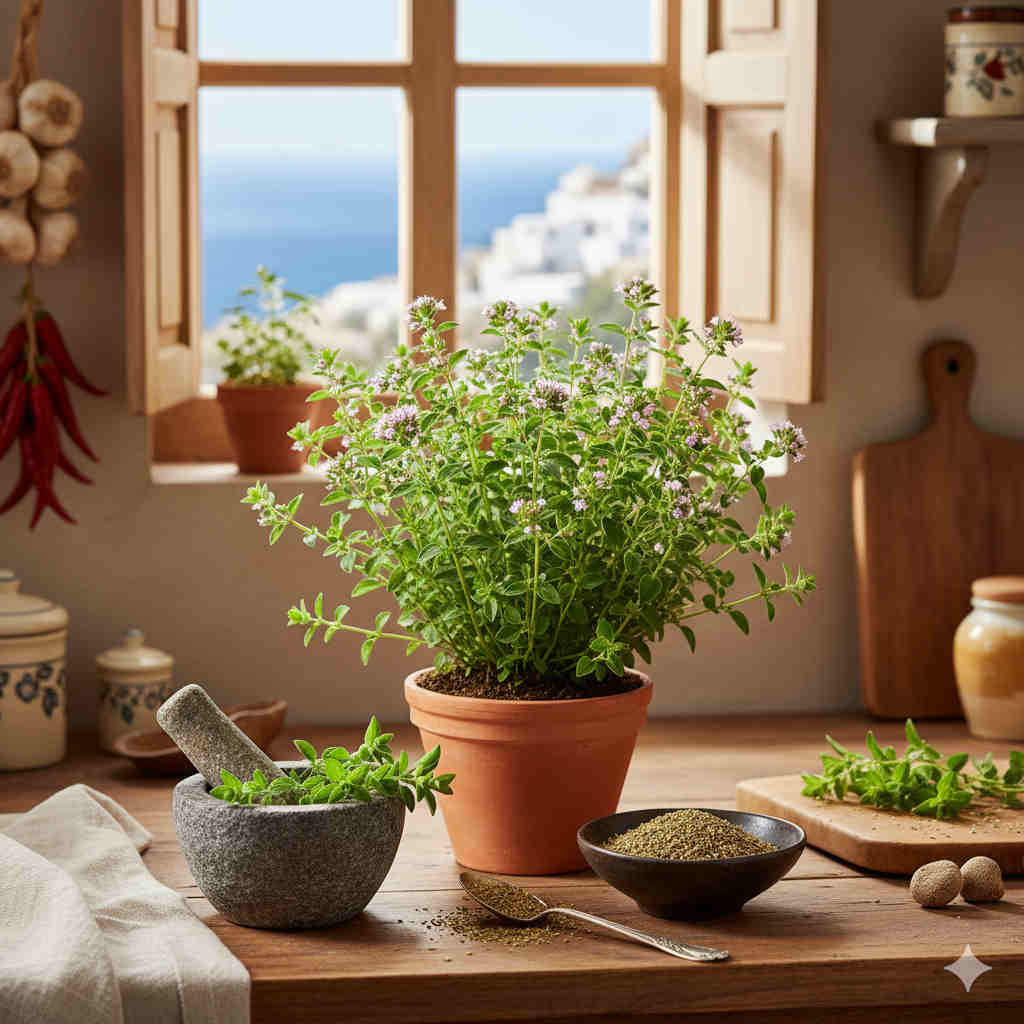
    When people think of oregano, they often imagine the mild herb used in Italian pizza sauces or Mediterranean salads. But Spanish oregano—a distinct variety often derived from Origanum vulgare or Origanum virens—is something entirely different. Bolder, sharper, more aromatic, and deeply infused with the rugged identity of Spain’s wild terrain, Spanish oregano is a herb with an unmistakable personality.

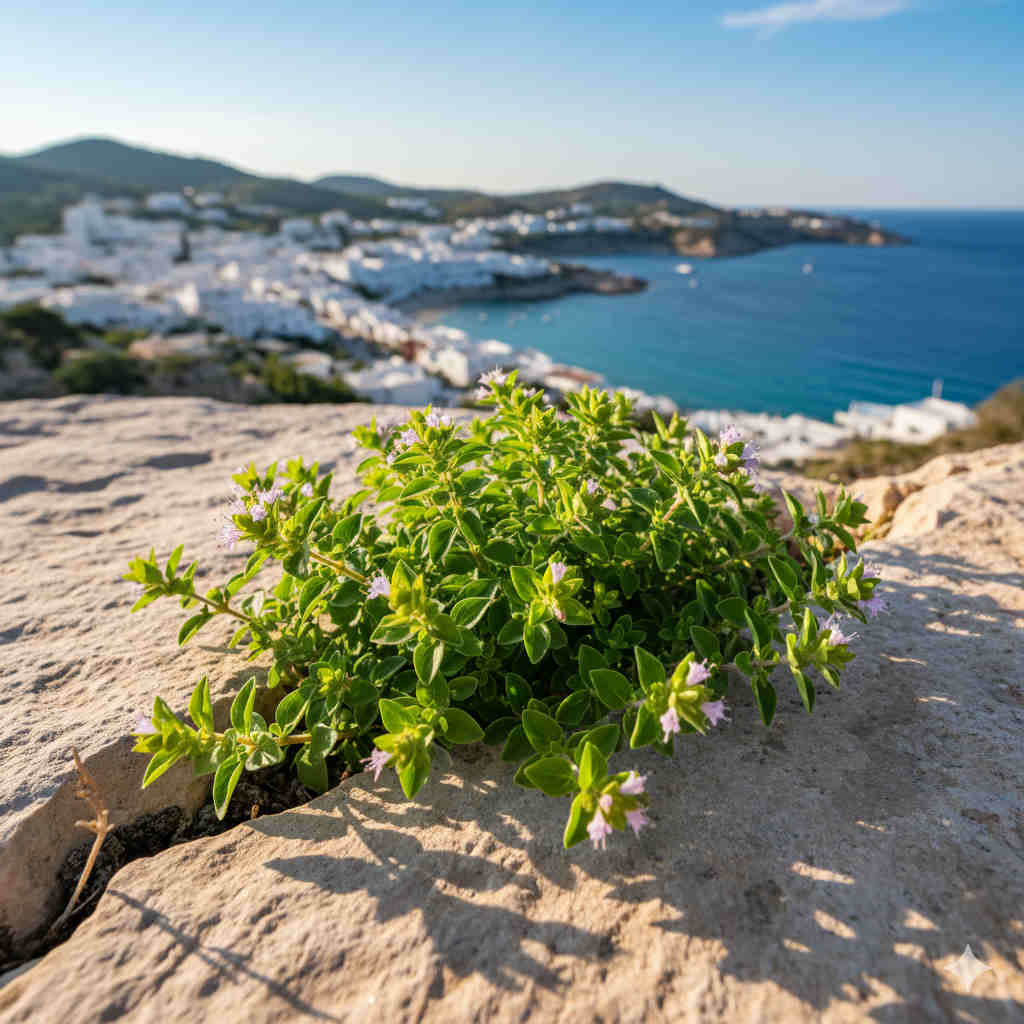
    It grows naturally across the hillsides of central and southern Spain, thriving in dry, rocky soils under intense sunlight. This harsh environment shapes its essential oils, giving the herb a potent fragrance and flavor that stand out dramatically from its Greek and Italian cousins. In Spanish cuisine, it’s essential in stews, marinades, grilled meats, vegetable dishes, and even pickling recipes. It is one of those ingredients that might seem simple—yet once you experience its intensity, you realize why it holds a special place in Iberian kitchens.


    Flavor Profile: Strong, Wild, and Unapologetically Aromatic

    It is known for its bold flavor. It contains a higher concentration of thymol and carvacrol—two powerful aromatic compounds—giving it a sharper and more resinous bite than typical oregano varieties.

    Key Characteristics of Spanish Oregano

    • Strongly aromatic, with pungent herbal notes
    • Slightly spicy, almost peppery
    • Hints of citrus and wildflowers
    • Warm and earthy finish, with a touch of bitterness
    • More intense flavor than Greek, Turkish, or Italian varieties.

    Its potency means that cooks typically use smaller quantities, especially when substituting it in recipes that call for milder taste. Just a pinch can transform a dish, adding depth and Spanish rustic charm.


    How to Use Spanish Oregano in Cooking

    It is a kitchen workhorse—simple to use yet capable of enhancing dishes with remarkable complexity. Its boldness pairs beautifully with meat, garlic, tomato, olive oil, and robust spices such as cumin or paprika.

    1. Marinades and Grilled Meats

    One of the most traditional uses of Spanish oregano is in marinades for:

    • grilled chicken
    • pork chops
    • lamb skewers
    • rabbit dishes
    • beef steaks

    A classic Spanish marinade often includes:

    • garlic
    • olive oil
    • vinegar or lemon juice
    • smoked paprika
    • salt
    • a generous pinch of oregano

    The herb’s pungent aroma penetrates the meat during marination, creating a fragrant, savory crust when grilled.

    2. Stews and Hearty Soups

    Spanish stews, known as guisos or cocidos, often rely on oregano to bring depth and warmth. You’ll find it in:

    • cocido madrileño (Madrid-style stew)
    • lentil stews
    • chickpea and chorizo soups
    • tomato-based bean dishes

    Its peppery, herbal aroma enhances slow-cooked flavors, making the broth richer and more aromatic.

    3. Vegetable Dishes and Roasts

    It shines in vegetable preparations such as:

    • roasted peppers
    • eggplant
    • zucchini
    • potatoes
    • sautéed greens

    A drizzle of olive oil and a sprinkle of oregano can transform any vegetable into a deeply flavorful side dish.

    4. Tomato-Based Sauces and Sofritos

    In Spanish sofrito—an aromatic base made from tomato, garlic, and onion—oregano plays a subtle but essential role. Unlike Italian variety, which tends to blend smoothly into sauces, Spanish variety creates a slightly sharper edge, adding rustic complexity.

    5. Pickling and Seasoned Oils

    Spanish variety is often used in:

    • homemade vinegars
    • infused olive oils
    • pickled vegetables
    • preserved cheeses
    • seasoning blends for olives

    The herb’s high essential-oil content makes it perfect for preserving and flavor infusing.


    A Herb With Ancient Roots: Spain’s Timeless Oregano Tradition

    The history of oregano in Spain stretches back thousands of years. The herb was widely used by the Greeks and Romans, who valued it not only for cooking but also for its medicinal and spiritual properties. They believed it symbolized joy and protection, often planting it near homes to promote prosperity.
    Oregano Plant

    1. Arrival and Adaptation in Iberia

    It arrived in the Iberian Peninsula through ancient trade routes. Spain’s rugged terrain, especially in regions like Extremadura, Castilla-La Mancha, and Andalucía, offered ideal growing conditions. Over centuries, wild oregano evolved into distinct regional varieties, many of which are still harvested by hand today.

    2. A Staple in Rural Spanish Culture

    For generations, it has been a pantry essential in rural Spanish households. Villagers collected wild herbs during the summer and dried them for year-round use. The herb was prized for:

    • its strong flavor
    • its preservative properties
    • its versatility in cooking
    • its use in traditional remedies

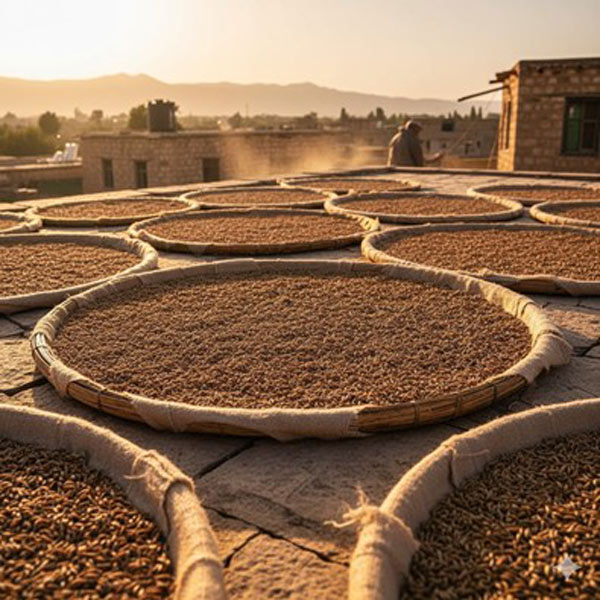
    Even today, small producers and family farms continue this tradition, hand-drying oregano in bunches under the summer sun.

    3. Oregano in Spanish Folk Medicine

    Historically, oregano was used for:

    • digestive issues
    • colds and respiratory ailments
    • disinfecting wounds
    • general wellness teas

    Though modern medicine no longer relies on herbs in the same way, oregano tea and infusions remain popular in many Spanish households.


    Why Spanish Oregano Stands Out in Modern Cooking
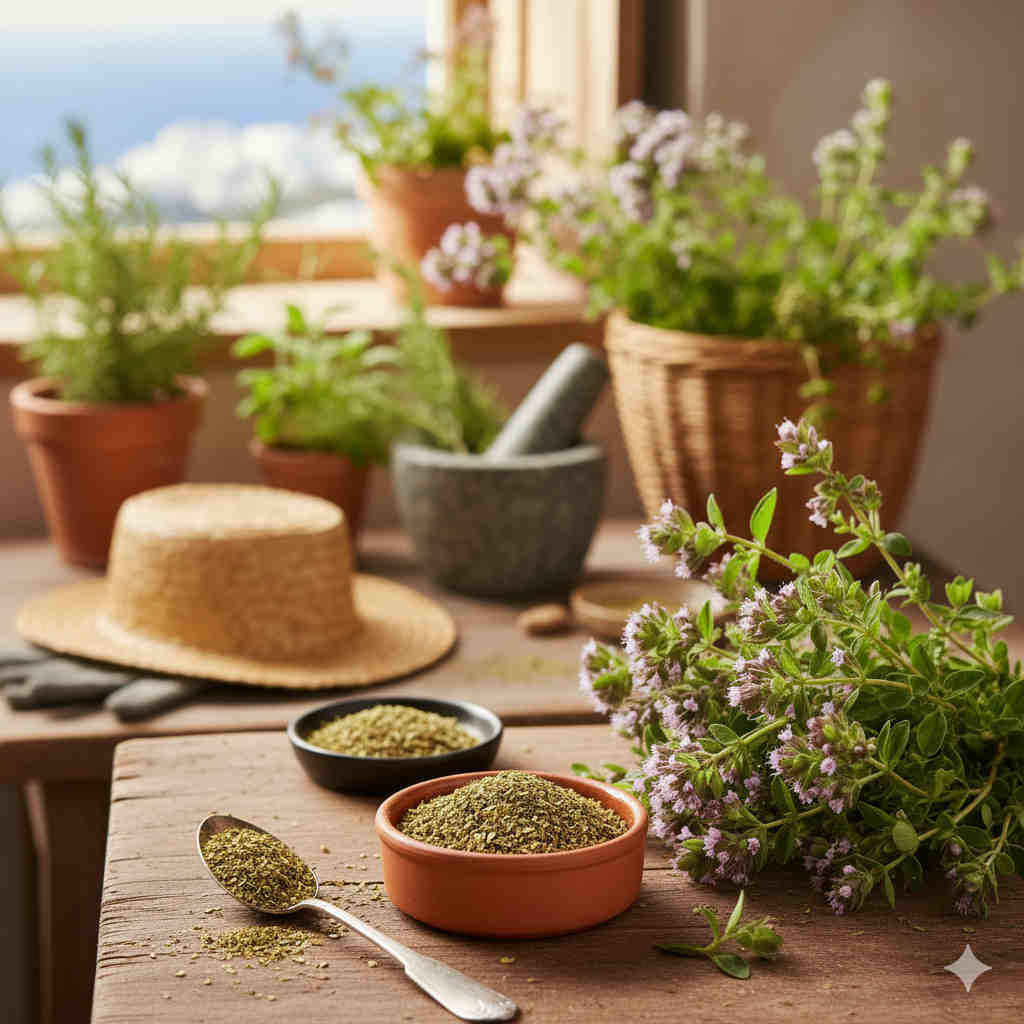
    Recipes with Oregano

    In contemporary cuisine, authenticity and bold flavors are prized. Chefs often seek ingredients with strong identity and terroir—qualities that Spanish oregano offers in abundance.

    Benefits of Using Spanish Oregano

    • Intense flavor: A small pinch is enough for an entire dish.
    • Versatility: Suitable for meat, vegetables, stews, and sauces.
    • Natural preservative: High essential-oil content inhibits spoilage.
    • Health benefits: Rich in antioxidants, antimicrobial compounds, and vitamins.
    • Cultural authenticity: Essential for Spanish and Mediterranean dishes.

    Because of its strength, Spanish oregano can also act as a substitute for thyme or marjoram in some recipes.


    Conclusion: A Powerful Herb With Unmistakable Spanish Character

    Spanish oregano may share a name with its milder Mediterranean relatives, but its personality is unmistakably bold and wild—just like the landscapes from which it comes. Its peppery, aromatic flavor infuses dishes with rustic Iberian soul, making it indispensable in marinades, grilled meats, stews, and hearty vegetable recipes.

    Whether you are exploring Spanish cuisine or simply looking for a more intense herb to elevate your everyday cooking, Spanish oregano is a powerful and aromatic treasure well worth adding to your pantry.

    Other Spanish Typical Spices:


    – Smoked Paprika

    Saffron

    Ñora Pepper

    Spanish Cumin

  • Spices in Sculpture: Carving Flavour into Form and Memory

    Spices have long captivated the senses. They travel across continents, perfuming kitchens, markets, and palaces, carrying with them history, culture, and stories of human ambition. Yet their influence extends far beyond taste and aroma. They have inspired visual artists, particularly sculptors, who translate the essence of spices into form, texture, and narrative. From intricate carvings in historical spice markets to contemporary installations that evoke aromas and memory, sculpture allows us to see spices, feel them, and even imagine their scent, long after the flavours have faded.

    In this article, we explore the fascinating intersection of spices and sculpture: how they inspire aesthetic form, convey cultural identity, and act as metaphors for human experience. We will also examine how sculptors throughout history and across cultures have turned ephemeral, fragrant ingredients into enduring works of art that resonate both visually and conceptually.

    1. Spices as Inspiration for Form

    sculpture

    Spices are more than ingredients; they are objects of beauty. The star-shaped geometry of star anise, the rugged curves of cinnamon sticks, the delicate threads of saffron — all these natural forms offer sculptural inspiration. Artists have long been drawn to their shapes, textures, and intricate details, seeing in them opportunities to explore patterns, repetition, and symmetry.

    Historical evidence shows that spice-inspired motifs were widely incorporated into architecture and decorative arts. In Arab, Indian, and Southeast Asian palaces and marketplaces, carvings of cloves, nutmeg seeds, and stylised spice plants appear in reliefs, friezes, and decorative borders. These carvings were not merely ornamental: they celebrated the economic, social, and cultural value of spices, transforming ephemeral aromas into enduring visual forms. Through such carvings, sculptors captured both the physical beauty of spices and the fascination they inspired in human imagination.

    Even beyond literal representation, the geometry and rhythm of spice forms influenced artistic composition. The repetition of star anise shapes, the spiral patterns of cinnamon bark, and the clusters of peppercorns inspired motifs and abstract designs. These natural forms provided a bridge between nature and artistry, demonstrating how sculptors translated the microcosm of spice into macrocosmic aesthetic patterns.

    2. Spices as Cultural and Symbolic Signifiers

    Much like literature or cinema, spices in sculpture often symbolise identity, wealth, and status. Temples, palaces, and marketplaces in India, Southeast Asia, and the Middle East feature carved spice motifs that signify prosperity, trade, and cultural sophistication. Cinnamon, cloves, and cardamom, prized commodities often worth more than gold, were immortalised in stone or wood, highlighting their economic and ritual significance. In some cases, spice motifs also carried storytelling or moral meaning, such as cinnamon representing generosity and cloves symbolising endurance.

    3. The Physicality of Spices in Contemporary Sculpture

    bags

    Contemporary artists have extended this connection by incorporating actual spices into their sculptures. Saffron threads, turmeric powder, crushed cloves, or paprika are used to add texture, colour, and aroma, engaging viewers beyond the visual. Such installations invite a multisensory experience: one can see the vibrant hues, feel the texture, and imagine the scent.

    These works transform spices from mere ingredients into medium and message simultaneously. A mound of turmeric may evoke domestic rituals, healing, or cultural heritage; crushed cloves may evoke memory, intensity, or endurance. By integrating real spices, sculptors blur the line between art and life, inviting audiences to engage with both the physical and symbolic properties of the material.

    Some artists even design interactive sculptures where viewers are encouraged to touch or smell the spices, creating a direct, intimate connection between the artwork and the audience. In doing so, spice-inspired sculptures become immersive and participatory, reminding us that art can engage all the senses simultaneously.

    4. Spices as Narrative and Metaphor

    Beyond their aesthetic and sensory qualities, spices in sculpture often carry narrative weight. Star anise motifs can suggest abundance and hospitality; cinnamon patterns can commemorate trade and prosperity; cloves may evoke preservation, permanence, or endurance.

    In contemporary conceptual sculpture, spices can also act as metaphors for migration, cultural exchange, or human memory. Just as spices travelled across continents, carrying stories and transforming cuisines, they traverse the world of art as motifs and materials that embody cultural encounters. Sculptors use these forms to explore history, identity, and the ephemeral nature of sensory experience.

    The transformation of something so delicate and fleeting into enduring form mirrors humanity’s desire to preserve not just flavour, but experience, memory, and cultural knowledge.

    5. The Enduring Allure of Spices in Sculpture

    spices

    What makes spices such compelling subjects for sculptors is their dual nature: practical yet poetic, tangible yet symbolic. They inspire texture, pattern, colour, and cultural resonance, while remaining intimately familiar to audiences. From delicate historical carvings to bold contemporary installations, spices allow sculptors to explore the interplay between materiality, memory, and the senses.

    A sculpture inspired by saffron glows warmly, evoking luxury and celebration; one inspired by star anise intrigues with geometric precision; one incorporating cinnamon conjures warmth, comfort, and nostalgia. Spices transform sculptures from purely visual art into a multi-sensory journey, engaging the viewer on levels beyond sight.

    Conclusion: Carving the Essence of Flavour

    Spices in sculpture demonstrate that art is not limited to sight or touch — it can also be olfactory, tactile, and symbolic. Through their shapes, textures, and even aromas, spices allow sculptors to capture history, culture, and sensory experience in enduring form.

    Next time you see a carved flower, a patterned frieze, or a contemporary installation incorporating vibrant powders, imagine the cinnamon, saffron, or cloves that inspired it. Spices, like art itself, are bridges between the material, the cultural, and the sensory, transforming the everyday into something extraordinary.

    In sculpture, as in cuisine, a pinch of spice can transform the ordinary into the sublime — leaving a lasting impression on both memory and imagination. Through the lens of art, spices are immortalised, allowing us to see, feel, and even imagine their aroma long after the senses themselves have faded.

  • Spices on the Silver Screen: When Flavour Becomes Cinema’s Secret Language

    Spices have always carried a sense of mystery. They travelled in the holds of ancient ships, crossed deserts on camel caravans, perfumed royal banquets, sparked rivalries between empires, and seduced the senses long before cinema existed. So it’s no surprise that when filmmaking embraced the sensual world — sight, sound, movement, emotion — spices naturally followed, slipping into the frames of stories and becoming symbols, metaphors, catalysts, and sometimes even characters in their own right.

    As a blogger passionate about spices, I’ve always been fascinated by the way cinema uses them: not merely as ingredients, but as emotional shorthand, cultural anchors, or mythical artefacts. Today, let’s journey through the worlds where flavour and film meet — a place where saffron glows brighter than gold, where chilli burns brighter than passion, and where the simple act of toasting cumin can change the fate of a character.

    This is the sensory, cinematic world of spices.

    1. Spices as Mythology: Cinema’s Grandest Legends

    When we think of spices in cinema, one title rises above all others: Dune. Frank Herbert’s universe — brought to life by David Lynch and Denis Villeneuve — revolves around a substance so powerful it shapes time, space, and destiny.

    The spice melange is more than a plot device; it is a myth. Glowing like copper and drifting across dunes like ancient dust, it grants visions, longevity, and the ability to navigate the universe. Without it, civilisation falls.

    Its impact feels compelling because it echoes real history. Pepper shaped trade routes, nutmeg sparked wars, and cinnamon enriched cities. Melange simply magnifies these truths, turning spice into cosmic fate.

    Villeneuve reinforces this symbolism through shimmering dust, ritual inhalations, and the reverence of the Fremen, elevating spice to something sacred — much like cinnamon or saffron once were.

    In myth and in cinema, spices signify power. And film speaks that language fluently.

    2. Spices as Emotion: Romance, Memory, and the Scent of the Heart

    cinema

    If Dune gives spices scale, films like The Lunchbox give them intimacy.

    In this quiet Indian drama, spices become letters of the heart. Ila, the protagonist, expresses her longing, disappointment, and hope through the meals she prepares. The film lingers lovingly on moments like

    • cumin seeds crackling in hot oil
    • ginger being crushed for curry
    • coriander chopped with rhythmic precision

    These aren’t just cooking scenes — they are emotional ones. Each spice carries meaning. The aroma becomes the message.

    Cinema often uses spices this way: as translators of unspoken feelings.

    In “Like Water for Chocolate”, the connection is even more direct. Dishes infused with cardamom, rose petals, or quail become vessels of passion and sorrow so intense they affect everyone who tastes them. Here, spices are alchemical — catalysts for emotional explosions.

    Why do filmmakers turn to spices to express feeling? Because flavour is memory. Because a scent can transport a viewer into a character’s childhood or heartbreak faster than dialogue ever could. Because spices, like love, operate directly on the senses.

    3. Spices as Cultural Identity: Kitchens That Tell Stories

    spices

    Cinema often celebrates spices as part of everyday heritage, grounding films in cultural authenticity.

    Take “Bend It Like Beckham.” Amid the football matches and generational tension, the Punjabi kitchen scenes are vital. Turmeric glows on the countertop. Coriander is chopped for pakoras. Masala simmers in the background while characters argue, negotiate, or try to understand one another.

    Here, spices are not dramatic — they are truthful. They depict family, tradition, expectation, and belonging. They place the characters firmly within their cultural landscape.

    Similarly, in Studio Ghibli films, spices and ingredients subtly reinforce cultural context. A hint of ginger in a broth or aromatic steam rising from a Japanese kitchen immerses viewers in a world that feels real, lived in, and intimate, even when surrounded by fantastical creatures.

    Cinema uses spices as cultural anchors. They tell us:

    • where the story comes from
    • whom the characters are
    • what home means to them.

    Few details communicate culture faster than a spice jar opened on screen.

    4. Spices as Adventure: The Drama of the Spice Trade

    Before spices were cinematic symbols of intimacy or identity, they were the engines of world history. Films and documentaries exploring the Age of Exploration evoke the period when cloves, cinnamon, nutmeg, and pepper held staggering economic power.

    Caravels sailed across dangerous waters to reach the Moluccas. Merchants risked ruin. Nations gambled their futures. In these stories, spices become protagonists of global drama.

    Even when documentaries like “The Spice Trail” avoid fiction, their narrative structure feels cinematic: storms at sea, forbidden islands, secret markets, fragrant treasure hidden in forests.

    Spices, in these films, are adventure itself — fragrant relics that shaped continents.

    5. Spices as Symbol: Cinema’s Sensory Metaphors

    dreamcatcher

    Film is a visual medium, yet spices allow it to evoke the invisible: scent, taste, nostalgia.

    Directors often use spices symbolically:

    • Chilli → passion, risk, confrontation
    • Cinnamon → comfort, childhood, warmth
    • Saffron → luxury, aspiration
    • Pepper → conflict, sharpness
    • Turmeric → healing, ritual, tradition

    Even small cinematic gestures carry meaning:
    A character nervously chewing a clove.
    A saffron thread dropped into tea during a reconciliation.
    A jar of spices handed down like an heirloom.

    These moments remind us that spices are not inert objects — they are symbols of identity, memory, and transformation.

    Conclusion: Cinema, Spices, and the Art of Sensation

    Cinema and spices share a superpower: both work through the senses. A film can’t literally give us taste or smell, but it suggests them so vividly that we feel them. Spices, with their intense aromas and colours, become perfect tools for directors wanting to evoke emotion, memory, and atmosphere.

    Spices on screen can be legendary (Dune), intimate (The Lunchbox), nostalgic (Like Water for Chocolate), culturally grounding (Bend It Like Beckham), or historical (The Spice Trail).

    They can symbolise passion, danger, comfort, loss, heritage, or power.

    But above all, they remind us that storytelling — whether through films or through flavour — is an act of connection.

    When spices appear in cinema, they do more than season a dish.
    They season the story.

  • Cumin: the millennia-long and ancient journey of a timeless spice

    https://simple.wikipedia.org/wiki/Cumin

    cumin

    Among the spices that have shaped human history, cumin stands out as one of the most ancient and culturally significant. Small in size yet powerful in aroma, it has seasoned the dishes of emperors, preserved the dead, traveled across continents, and inspired beliefs and rituals. Its warm, earthy fragrance has accompanied humanity for over four thousand years.
    To explore the origins of this spice is to retrace the evolution of civilizations, from the earliest agricultural societies of the Near East to the vibrant culinary traditions of India, North Africa, and beyond.

    Origins: born in the fertile crescent

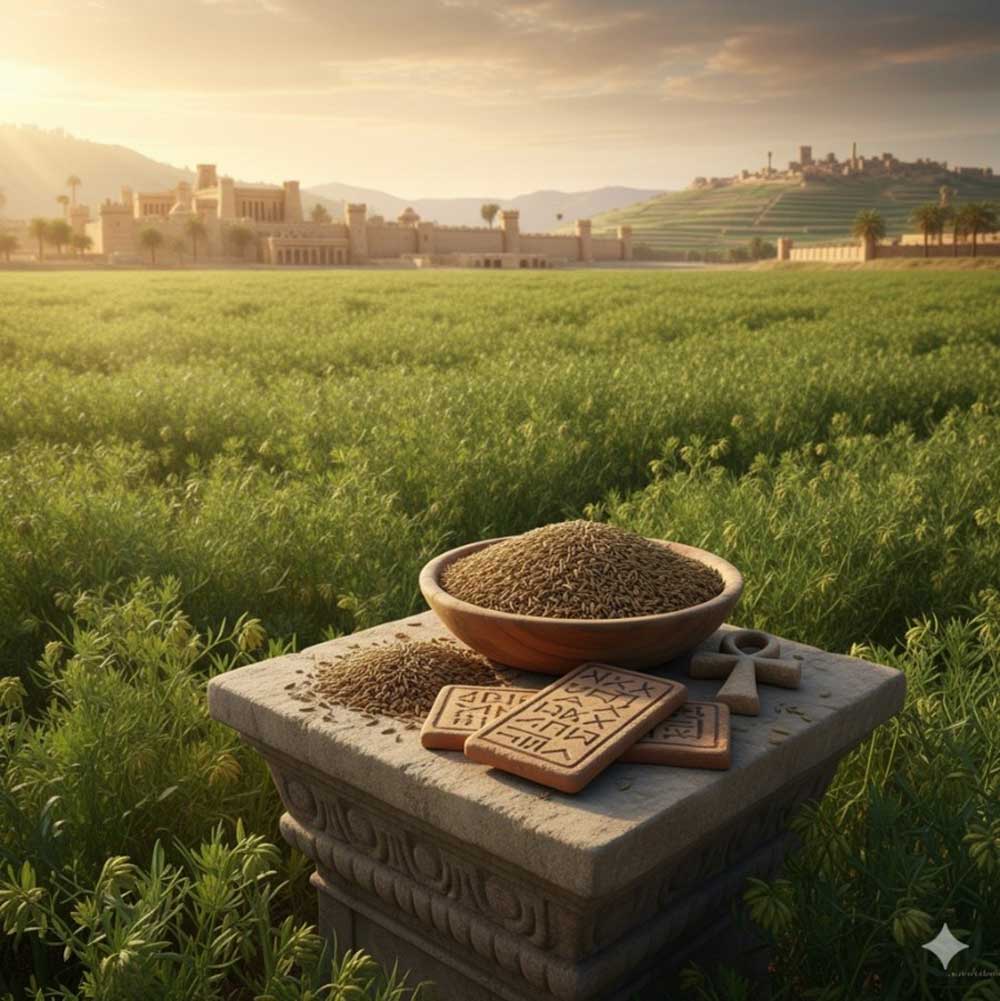
    Cuminum cyminum, the plant from which cumin seeds are harvested, traces its roots back to the Fertile Crescent, the cradle of agriculture and early human settlement. Archaeological findings indicate that cumin was cultivated as early as 4000–3500 BCE, particularly in regions corresponding to modern-day Syria, Turkey, and Iran. This makes cumin one of the oldest known aromatic plants domesticated by humans.

    Thriving in hot, dry climates and capable of growing in poor soils, it became a reliable and valued crop in early farming societies. Its distinctive warm, slightly bitter aroma quickly made it useful not only in cooking but also in medicine and spiritual practices.

    Cumin in ancient civilizations

    Egypt: a spice for the living and the dead

    In ancient Egypt, cumin enjoyed remarkable prestige. Seeds have been found in the tombs of pharaohs, attesting to its value and symbolic importance. The spice also played a practical role in mummification, thanks to its preservative and antiseptic properties.

    In daily life, Egyptians used cumin to season vegetables, fish, and bread. It was also incorporated into herbal remedies, especially for digestive issues.

    Mesopotamia: a versatile ingredient

    In Mesopotamia, this spice appears in some of the world’s earliest written recipes. Clay tablets from Sumer and Babylon list it among the ingredients used to flavor broths, stews, and complex dishes. Beyond cooking, it was used in medicinal ointments, perfumes, and rituals, reflecting its strong cultural and symbolic significance.

    Greece and Rome: between medicine and gastronomy

    The Greeks embraced cumin both as a seasoning and as a medicinal plant. Hippocrates, often called the father of medicine, mentioned it in his treatments for respiratory congestion and digestive discomfort.

    The Romans, enthusiastic adopters of bold flavors, soon incorporated it into their cuisine. Bowls of cumin were placed directly on dining tables, much like salt or pepper today. It helped flavor meats, sauces, and baked dishes.

    A traveling spice: spread through trade routes

    As empires expanded and global trade networks developed, cumin travelled far beyond its birthplace. Caravans moving across the Middle East, merchants navigating the Mediterranean, and Arab traders connecting Africa, Europe, and Asia all contributed to the spice’s diffusion.

    This spice also journeyed along the legendary Silk Road, reaching Central Asia and the Indian subcontinent. By the Middle Ages, it had become one of Europe’s most commonly traded spices, valued for both flavor and medicinal virtues.

    Cumin’s deep roots in india and the middle east

    India: a cornerstone of culinary identity

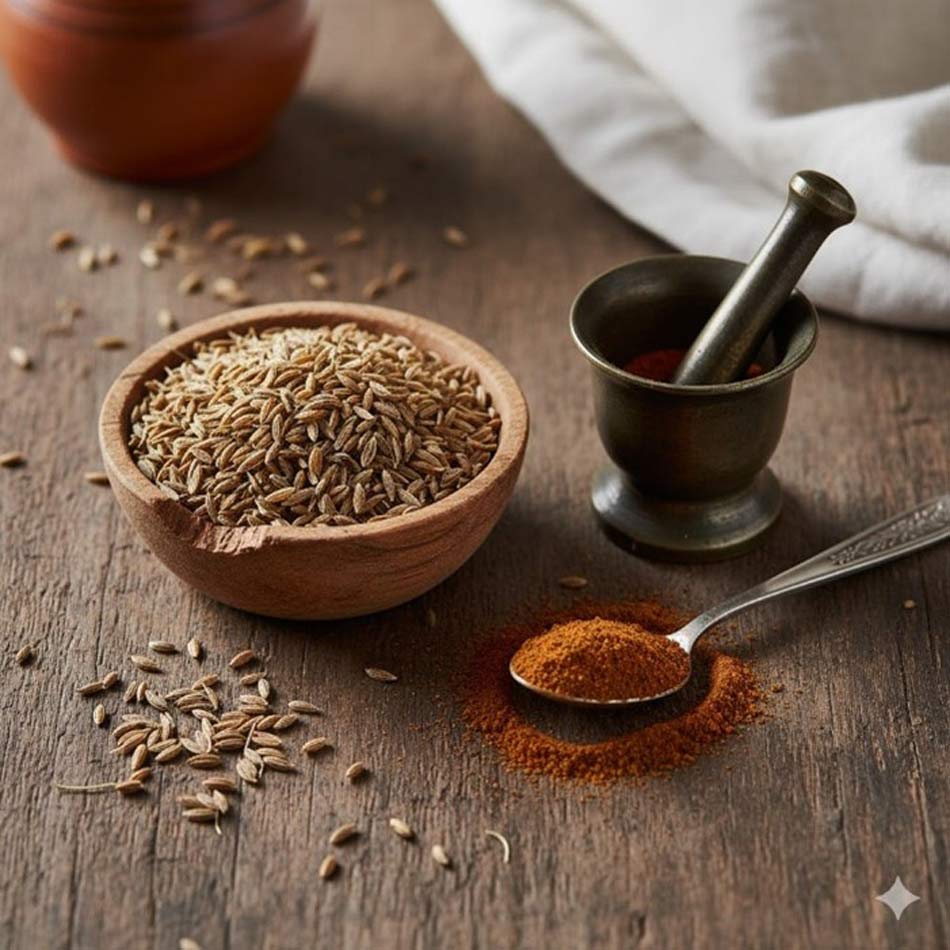
    In India, this spice (known as jeera) quickly became an essential component of daily cooking. Today, it is one of the foundational spices in masalas, curries, lentil dishes, and tadka, the infused oil used to season countless preparations.

    Often dry-roasted to intensify its aroma, cumin is used whole, ground, or tempered in hot oil.
    In Ayurvedic medicine, it is praised for aiding digestion, purifying the body, and balancing internal energies. India is now both the world’s leading producer and consumer of cumin.

    Middle east and north africa: a signature aroma

    In the Middle East, this spice plays a central role in iconic spice blends such as baharat, za’atar, and hawaij. Its warmth and earthy depth enhance grilled meats, hearty stews, legumes, and flatbreads.

    Across North Africa, particularly in Morocco and Tunisia, this spice is indispensable in tagines, couscous, and harissa. Its aroma has become inseparable from the region’s culinary identity.

    Symbolism, beliefs, and folk traditions

    Throughout history, this spice has been more than just a kitchen staple. It has inspired myths, rituals, and symbolic uses across cultures.

    • In ancient Greece, cumin was believed to protect against the evil eye.
    • In medieval Europe, it symbolized loyalty and fidelity; some people carried cumin seeds to ensure a lover’s devotion.
    • It was also sprinkled around homes and stables to ward off thieves or wandering spirits.

    These traditions show how deeply cumin became woven into daily and spiritual life.

    ancient

    Cumin today: a global essential

    Today, this spice is a global spice found in kitchens from Mexico to Morocco, from India to the Middle East. It flavors tacos, curries, soups, marinades, spice blends, and even certain breads and pastries.

    Modern scientific research has validated several of its traditional uses. Cumin contains compounds with antioxidant, anti-inflammatory, and digestive benefits, and is used in natural remedies and herbal infusions.

    Major producers today include India, Syria, Turkey, Iran, and Egypt, continuing a cultivation tradition that dates back thousands of years.

    Conclusion: an ancient spice with a living legacy

    The story of cumin mirrors the story of human civilization itself. Born in the sun-scorched lands of the Near East, cherished by Egyptians, Greeks, and Romans, embedded in the culinary foundations of India and the Middle East, and celebrated worldwide today—cumin is a testament to cultural exchange and human ingenuity.

    Its aroma carries history.
    Its flavor spans continents.
    And its legacy continues to thrive across tables and traditions around the world.

    https://frogsaga.com/wp-admin/post.php?post=757&action=edit

  • The timeless allure of pepper and spices

    https://fr.wikipedia.org/wiki/Pepper

    timeless

    For thousands of years, pepper and spices have shaped the way humans cook, trade, explore, and even wage war. Their timeless aromas have drifted through ancient markets, royal kitchens, and home pantries across the world, transforming simple ingredients into memorable meals. Today, spices remain as essential as ever, anchoring culinary traditions while fueling innovation in modern gastronomy. Among them, pepper stands out as both a universal staple and a symbol of the global spice trade that changed the course of history.

    Pepper: the timeless king of spices

    Black pepper (Piper nigrum) is often called the “king of spices,” and for good reason. Native to the Malabar Coast of India, it was once so valuable that it served as currency and inspired centuries of maritime exploration. The spice is produced from dried peppercorns, which develop their character through fermentation and sun-drying. Their pungency comes from piperine, a compound responsible for the sharp heat that distinguishes pepper from chili.

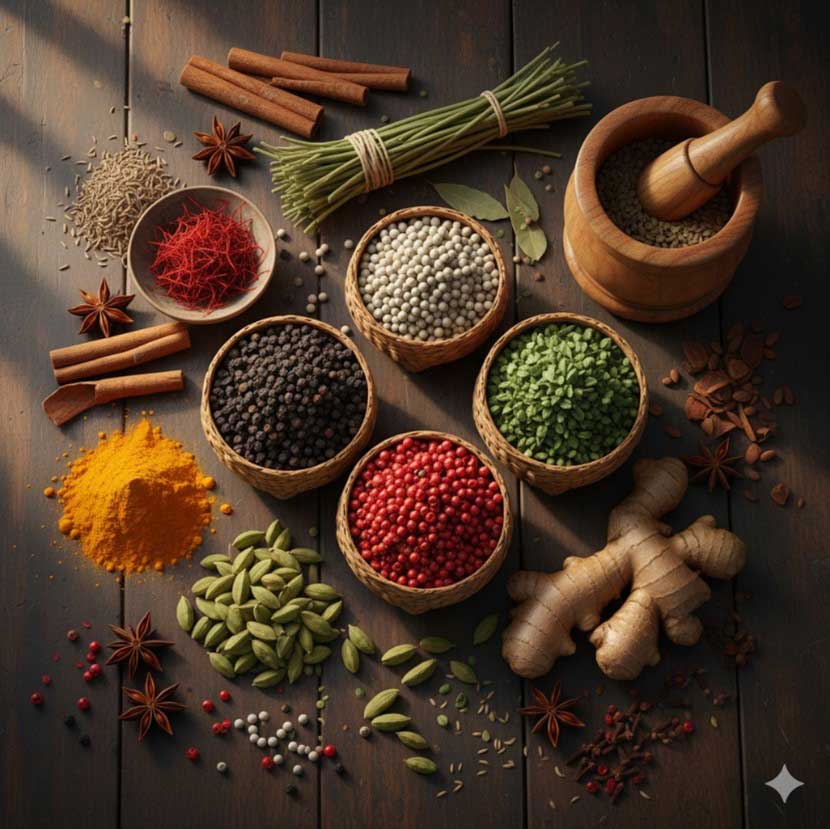
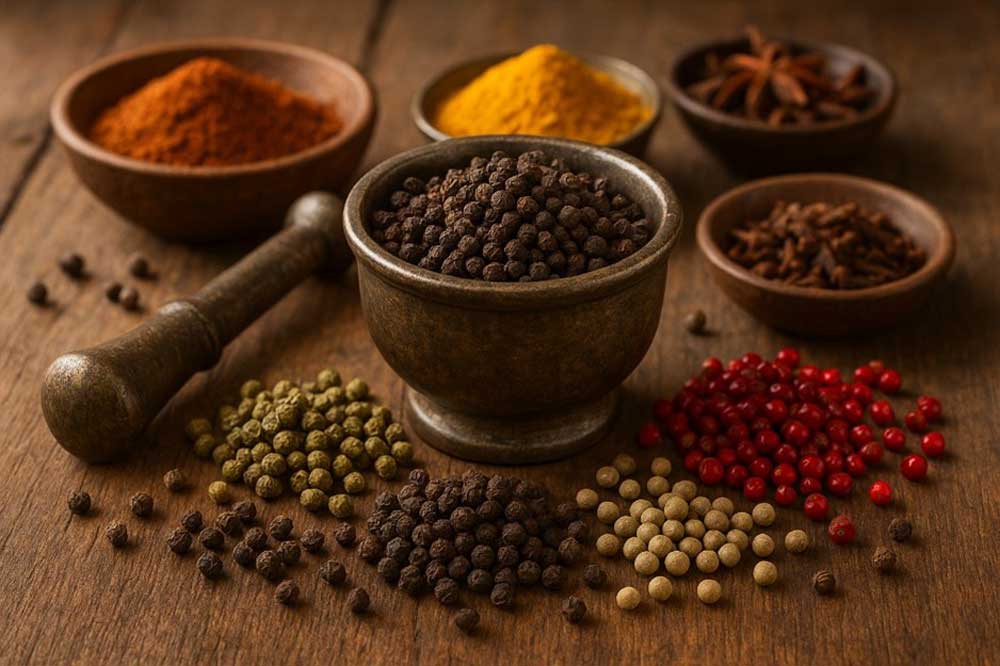
    While black pepper is the most common variety, it is far from the only one. Green peppercorns are harvested earlier and retain a fresher, milder flavor, while white peppercorns are soaked to remove their outer skin, resulting in a subtler heat that blends well with light-colored sauces. There is also the lesser-known red peppercorn, which is fully ripe and carries a fruity note rarely found in commercial varieties.

    What makes pepper so timeless and indispensable is its versatility. It enhances savory dishes (from steaks to soups) but also appears in unexpected places: fruit salads, chocolate desserts, and even cocktails. A simple twist of freshly cracked pepper can elevate a dish, sharpening flavors and adding complexity. Unlike salt, which primarily heightens what is already there, pepper introduces a new dimension, making it one of the most important tools in any cook’s arsenal.

    The timeless spice routes that shaped the world

    Pepper may be the king, but it ruled alongside an entire kingdom of spices that fueled global trade. Cinnamon from Sri Lanka, nutmeg from the Banda Islands, clove from Indonesia, saffron from Persia, and cardamom from the Western Ghats were once so rare that merchants guarded their origins with secrecy and myth. Medieval Europeans believed cinnamon was fished from the edge of the world and that cloves only grew where phoenixes died.

    The demand for spices linked continents long before modern globalization. The overland Silk Road carried spices from Asia to the Mediterranean, while the Indian Ocean trade network connected East Africa, Arabia, and South Asia. When the Ottoman Empire controlled key routes in the 15th century, European powers sought new maritime paths to Asia, sparking the Age of Exploration. Columbus sailed west in search of India’s spice markets; Vasco da Gama rounded Africa to reach Calicut. These journeys changed maps, economies, and cultures forever.

    Understanding the timeless flavor profiles of spices

    Each spice contributes a unique and timeless combination of aroma, heat, sweetness, bitterness, or floral notes. Cumin, with its earthy warmth, forms the foundation of Middle Eastern and Mexican cooking. Ginger adds citrusy heat and is prized in both sweet and savory applications. Turmeric brings color and an earthy bitterness that defines curries across South Asia. Saffron threads release a honeyed, slightly metallic scent that perfumes rice dishes from Spain to Iran.

    Spices interact with ingredients in complex ways. Some, like cinnamon and cardamom, bloom when gently toasted, releasing volatile oils that deepen their fragrance. Others, like bay leaves or star anise, lend subtle background notes when simmered in stews. Chili peppers bring heat, but each variety tells a different story: smoky ancho, citrusy habanero, grassy green Thai chili.

    The magic of spices lies not only in their individual profiles but in how they blend. Garam masala, za’atar, berbere, ras el hanout, Chinese five-spice: each mixture reflects centuries of experimentation and cultural identity. These blends provide a shortcut to the flavor signature of an entire cuisine.

    Modern uses: from healthy eating to high-end cuisine

    Today, spices are enjoying renewed attention thanks to growing interest in global cooking and natural wellness. Scientific studies highlight their antioxidant and anti-inflammatory properties, while chefs celebrate their capacity to transform ingredients without relying on heavy fats or sugars. Turmeric lattes, spiced cocktails, and chili-infused chocolates are just a few modern creations that bring ancient ingredients into contemporary kitchens.

    Pepper, too, continues to evolve in the hands of modern chefs. Varieties like Tellicherry pepper or Kampot pepper are valued for their nuanced aromas: citrus, smoke, resin, or even floral undertones. Pink peppercorns, technically berries from a South American tree, add a delicate fruity heat to desserts and seafood dishes. This growing appreciation mirrors the movement toward terroir in wine or coffee: pepper is no longer just pepper, but a product of soil, climate, and careful cultivation.

    The cultural significance of spices

    Beyond flavor, spices have deep cultural and symbolic meaning. They appear in religious rituals, traditional medicine, and celebrations. Cinnamon symbolizes abundance and protection; cardamom is offered in hospitality rituals across the Middle East. Many holiday dishes (from gingerbread to mulled wine) derive their warmth and nostalgia from spice blends that carry centuries of tradition.

    In many parts of the world, spice preparation remains a family art. Grandmothers grind masalas by hand, passing down ratios and techniques that define a family’s identity. In these kitchens, spices are not simply ingredients, they are memories, heritage, and connection.

    A world of flavor in every pinch

    Pepper and spices remind us that cooking is both science and poetry. A pinch can transform a dish, brighten a memory, or carry us across continents. Whether you are stirring a pot of curry, baking a spiced cake, or simply grinding pepper over a tomato salad, you participate in a tradition that stretches back to the earliest human civilizations.

    In a world where ingredients travel effortlessly and flavors mix freely, spices remain one of the most vibrant and timeless links between past and present. They invite us to explore, taste, and imagine, one fragrant breath at a time.

    https://frogsaga.com/wp-admin/post.php?post=116&action=edit