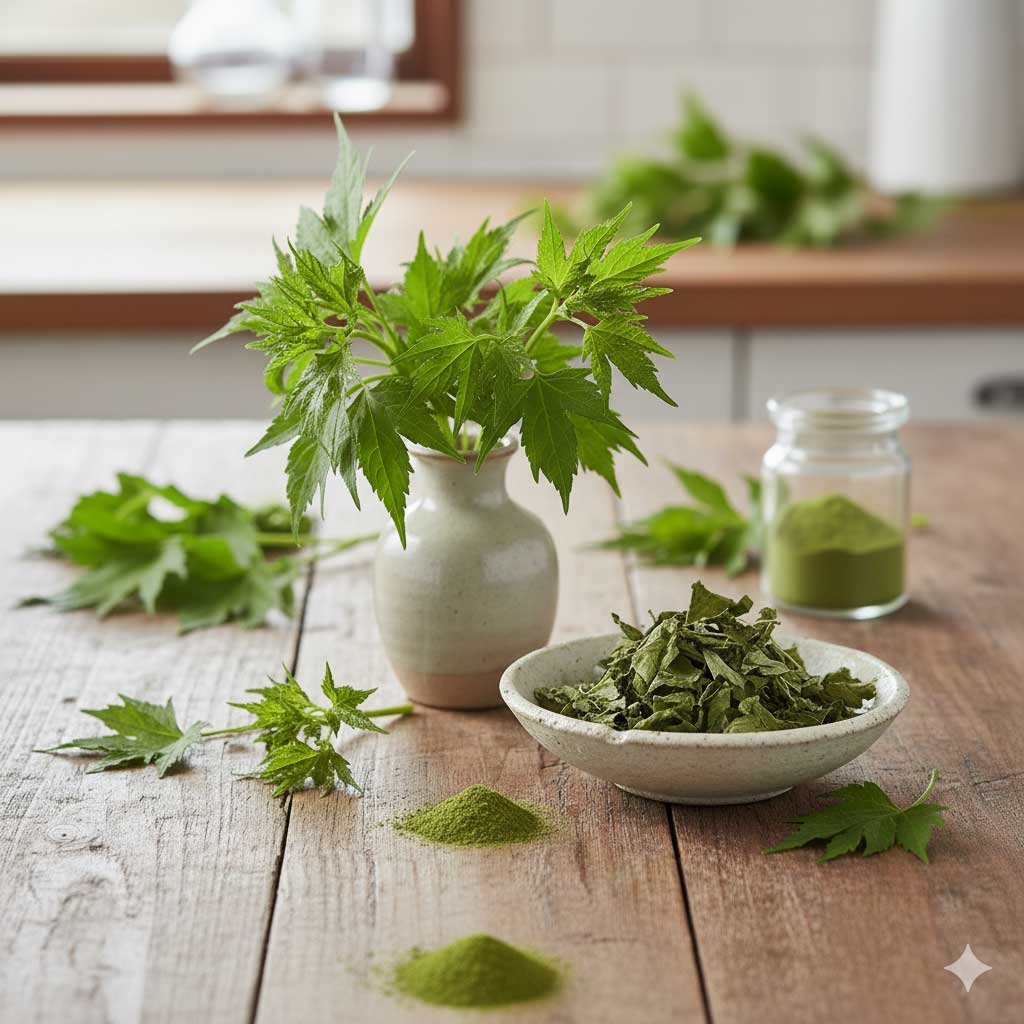
In the vast world of superfoods, certain ingredients quietly gain recognition for their extraordinary health benefits and culinary versatility. One such gem is Ashitaba plant which is native to Japan, whose dried leaves have captivated both wellness enthusiasts and culinary adventurers alike. Known scientifically as Angelica keiskei, Ashitaba, meaning “tomorrow’s leaf” in Japanese, offers a fascinating story and a unique place in modern cuisine.
Origins and Cultural Significance
Ashitaba Plant has been cultivated for centuries on the Japanese island of Hachijō-jima. The name “tomorrow’s leaf” derives from its remarkable regenerative ability: a single leaf can regrow overnight. This symbolic resilience has long been associated with vitality, longevity, and holistic health in Japanese culture. Traditionally, locals used fresh Ashitaba leaves in soups and teas, believing the plant could prevent disease and support overall well-being.
While fresh leaves are highly perishable, drying them preserves their nutrients and extends their shelf life. Dried Ashitaba Plant leaves have now become the most accessible form of the plant for global consumers, offering an easy way to incorporate this healthful leaf into daily diets without worrying about spoilage.
Nutritional Profile
The dried leaves of Ashitaba are nutritional powerhouses. Rich in chalcones, a class of flavonoids unique to the plant, Ashitaba plant is believed to have antioxidant, anti-inflammatory, and anti-aging properties. These compounds may help combat oxidative stress, support cardiovascular health, and enhance overall immunity.
Ashitaba is also a notable source of vitamins and minerals, including vitamin B12, potassium, calcium, and iron, making it particularly appealing to vegetarians and vegans. The fiber content aids digestion, while natural phytonutrients support detoxification. In short, incorporating Ashitaba into your diet is less about a fleeting trend and more about a time-tested approach to maintaining health and vitality.
Culinary Applications
Although traditionally consumed as a tea, the culinary possibilities of dried Ashitaba are expanding beyond simple infusions. Its earthy, slightly bitter flavor can complement a wide variety of dishes, offering a subtle herbal note without overpowering other ingredients.
- Ashitaba Plant Tea: The most straightforward use is brewing dried leaves as a tea. Simply steep a teaspoon of leaves in hot water for 5–10 minutes. The resulting golden-green infusion has a gentle, bittersweet taste and a natural, earthy aroma. For a modern twist, Ashitaba tea can be chilled and combined with citrus or ginger to create a refreshing wellness beverage.
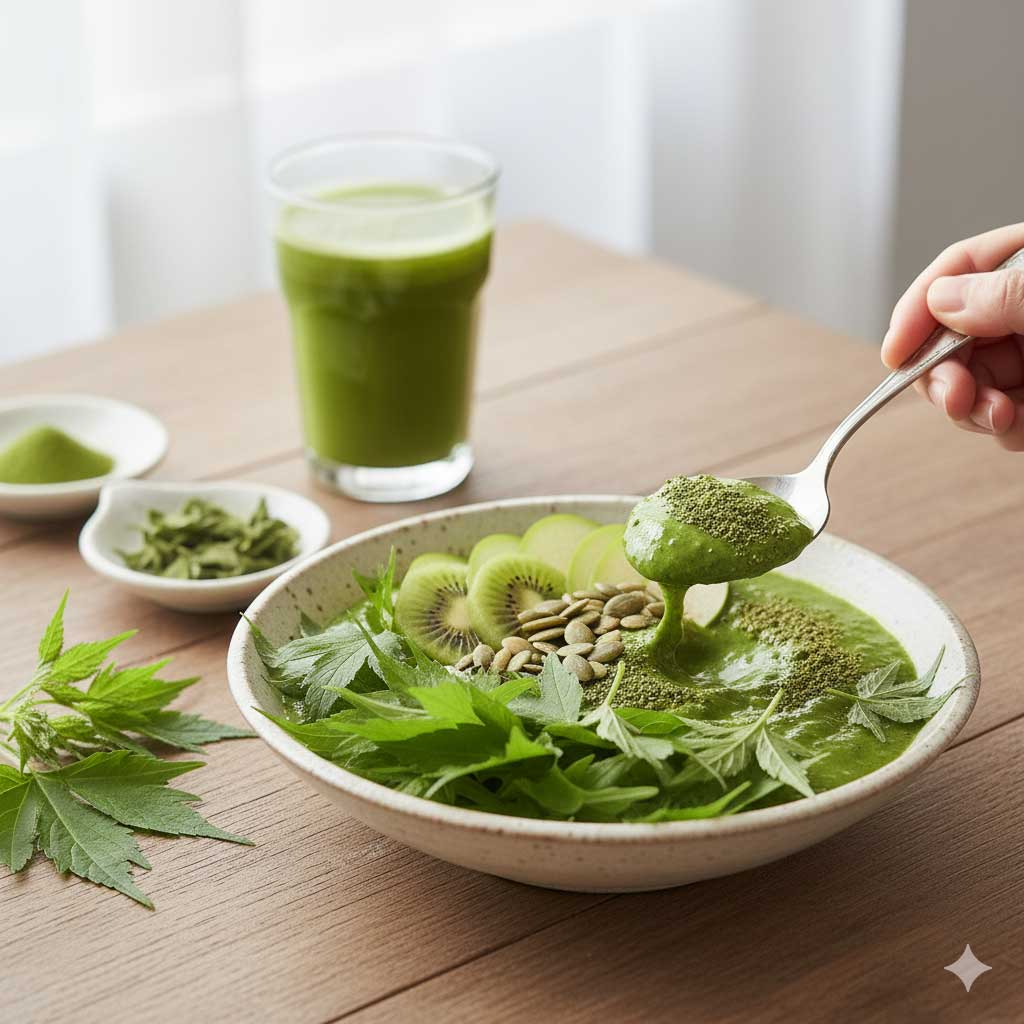
- Smoothies and Juices: Ground dried Ashitaba Plant leaves can be added to smoothies or juices. Their flavor blends surprisingly well with tropical fruits like pineapple, mango, or banana, adding a subtle herbal dimension while boosting nutritional content.
- Cooking and Seasoning: Dried Ashitaba leaves can be crushed and used as a seasoning for soups, stews, and stir-fries. Some chefs experiment by incorporating the powder into bread, pasta, or even crackers, giving everyday foods a healthful edge.
- Herbal Supplements and Powders: Beyond culinary applications, dried Ashitaba is often sold as a powder or encapsulated supplement. While not a replacement for a balanced diet, these forms allow consumers to easily integrate the plant into their daily wellness routine.
Health and Wellness Perspectives
The popularity of Ashitaba Plant is not purely anecdotal. Several studies have highlighted its potential health benefits, particularly related to its antioxidant and anti-inflammatory properties. Chalcones in Ashitaba may help neutralize free radicals and protect cells from damage, while certain bioactive compounds are being investigated for their role in metabolic health and longevity.
It is worth noting that while Ashitaba offers numerous potential benefits, it should be considered a complement to, rather than a substitute for, a balanced diet and healthy lifestyle. Moderation is key, as overconsumption may cause mild digestive discomfort due to its fiber content.
Sustainable and Ethical Considerations
With the rising demand for superfoods, sourcing becomes crucial. Traditional cultivation on Hachijō-jima has historically been small-scale and sustainable. Modern commercial production, however, requires careful attention to ensure that environmental impact and community practices remain responsible. Consumers should look for suppliers who prioritize organic farming and maintain fair trade practices, ensuring that the legacy of Ashitaba remains both healthful and ethical.
Incorporating Ashitaba Plant into Daily Life
For those intrigued by this golden leaf, integrating dried Ashitaba Plant leaves into everyday meals is simpler than it seems. Start small: a cup of tea in the morning, a pinch in your smoothie, or a light sprinkle over a stir-fry can introduce its unique flavors and nutritional benefits. Over time, experimenting with Ashitaba powder in baked goods or homemade seasonings can elevate both taste and healthfulness, turning a humble leaf into a culinary highlight.
In conclusion, Ashitaba exemplifies how traditional ingredients can find renewed purpose in modern culinary and wellness practices. Its storied history, impressive nutrient profile, and versatile culinary applications make it an exciting addition to any kitchen. Whether you are a health-conscious eater, a curious foodie, or someone seeking a natural boost, dried Ashitaba leaves offer a flavorful, healthful, and culturally rich experience.
By embracing this golden leaf, we not only enjoy its earthy taste and myriad benefits but also honor centuries of Japanese tradition, bringing a touch of longevity and vitality to the modern table.

Leave a Reply