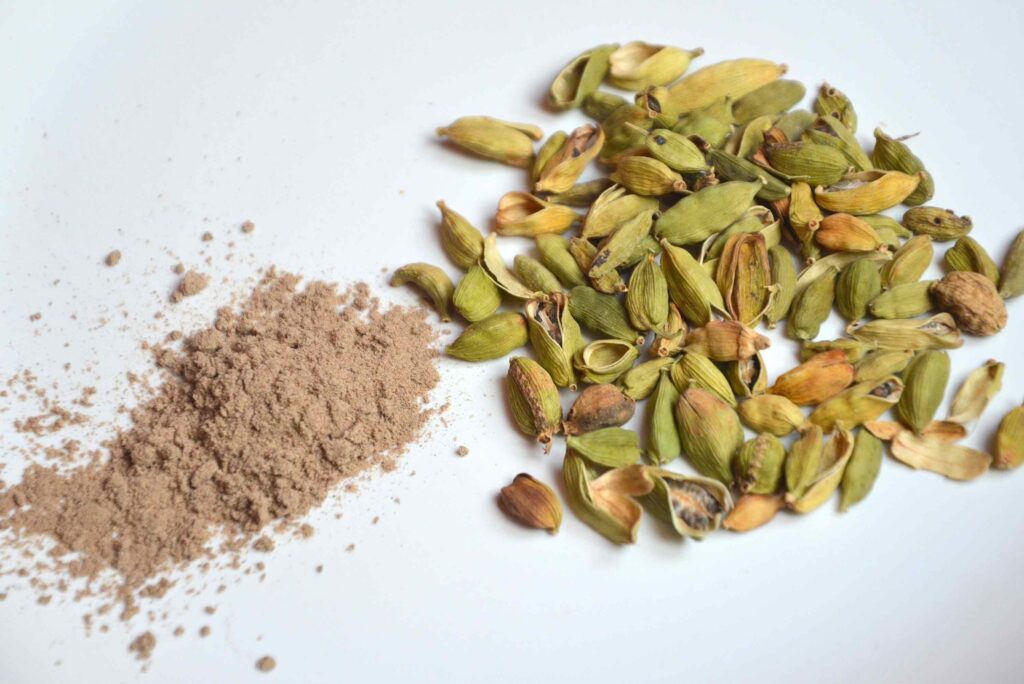
Cardamom (also know for its buns), the “queen of spices,” is as ancient and revered as cinnamon, with a fragrance and flavor that is at once citrusy, herbal, and warmly pungent. Used in kitchens, rituals, and medicines from India to Scandinavia, cardamom’s journey through history mirrors evolving tastes and interconnected cultures.
Origins and Global Spread
Cardamom is native to the lush forests of southern India, especially in the Western Ghats and the Cardamom Hills of Kerala. For over 4,000 years, local tribes and village communities have harvested and traded cardamom, exchanging it for goods such as salt and textiles. The earliest written references appear in ancient Indian texts, including Sanskrit literature from the Vedic period, where it was called “Ela” and praised for its unique aroma and medicinal benefits.
As centuries passed, cardamom’s reputation spread. Arab traders were pivotal, introducing it to Mesopotamia, Egypt, and Mediterranean civilizations through the port of Malabar. Evidence suggests Babylonian and Assyrian merchants used cardamom in spiritual ceremonies, while Greeks and Romans infused perfumes, culinary dishes, and medicines with cardamom to evoke luxury, prosperity, and health.
During the Middle Ages, the spice was considered a luxury product, reaching European markets via Arab and Venetian merchants. In the 19th century, European colonial expansion fueled mass cultivation in India. More recently, cardamom was introduced to Guatemala, which is now one of the world’s leading producers, though India remains its spiritual and agricultural heartland.
Botanical Properties and Cultural Relevance
Cardamom belongs to the Zingiberaceae family, alongside ginger and turmeric. Its complex aroma is credited to its high concentration of essential oils and compounds like cineole and alpha-terpineol. There are two main types: true or green cardamom (Elettaria cardamomum), and black cardamom (Amomum subulatum). Green cardamom provides a sweet, floral, and slightly minty aroma, while black cardamom is smoky and more intense.
Cardamom’s symbolic role is profound: in parts of India and the Middle East, chewing cardamom seeds is believed to freshen breath, purify the spirit, and attract good luck. The spice has also figured in religious rites, offerings to gods, and as protection for the home.
Health, Tradition, and Economic Impact
Cardamom’s medicinal use is nearly as old as its culinary appeal. Ancient Ayurvedic, Greek, and Roman physicians prescribed it for digestive health, respiratory relief, and as a general restorative. Modern studies confirm cardamom’s antioxidant, anti-inflammatory, and antimicrobial effects. In traditional and modern cuisine, it is used to aid digestion and balance rich diets.
The economic impact of cardamom has been considerable, influencing trade routes and local economies for thousands of years. The introduction of cardamom plantations in Guatemala transformed the local agricultural landscape and positioned the country as a global exporter in just over a century. Today, India, Guatemala, Sri Lanka, and Tanzania are leading producers, with the spice remaining highly valued for culinary, medicinal, and cosmetic purposes.
Cardamom in Diverse Cuisines
Cardamom gives its distinctive flavor to countless global dishes—from India’s chai masala, biryani, and kulfi, to Middle Eastern and Turkish coffee, North African spice blends, and Nordic baked goods. In Cambodia, cardamom is called “kravannh” and is a key ingredient in local soups and curries. Scandinavia, in particular, embraces cardamom for festive breads and everyday pastries, making it an essential part of their “fika” coffee-break culture.
Swedish Cardamom Buns: Kardemummabullar
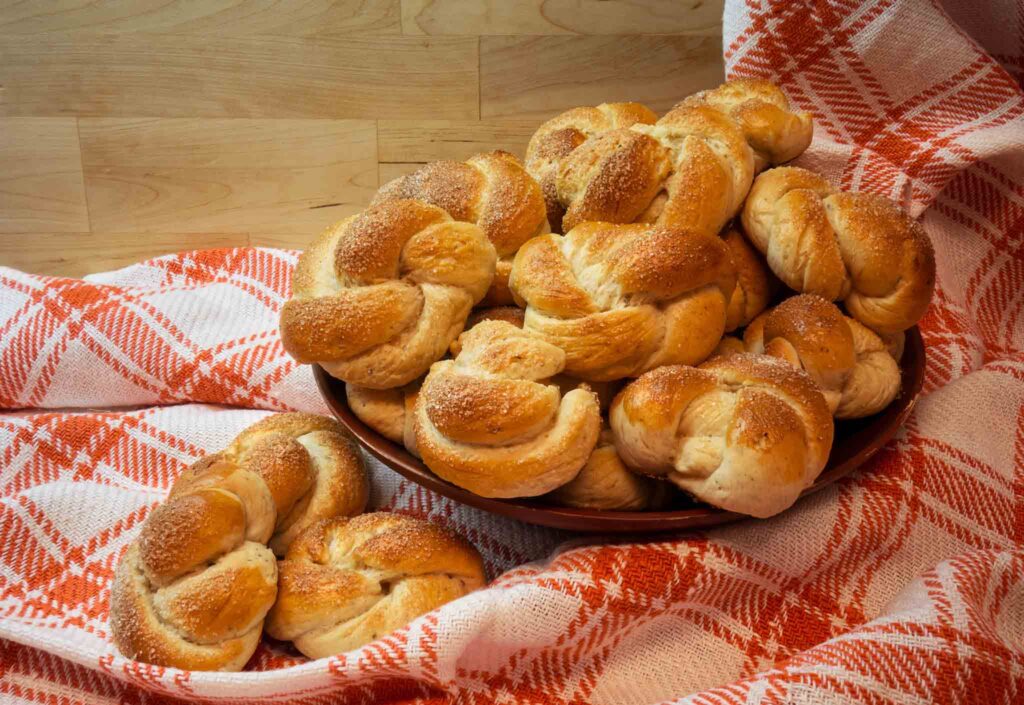
Swedish cardamom buns—kardemummabullar—are a fixture in Nordic baking, served from weekend breakfasts to special holidays. They showcase cardamom’s ability to transform a simple dough into an unforgettable pastry.
Ingredients
Dough:
- 500ml milk
- 1100g all-purpose flour
- 200g sugar
- 200g unsalted butter (room temperature)
- 23g ground cardamom
- 70g fresh yeast (or 23g dry yeast)
- 15g salt
Filling:
- 300g unsalted, softened butter
- 250g sugar
- 3g vanilla sugar
- 3g salt (optional)
Cardamom Sugar for Sprinkle:
- 100g sugar
- 40g ground cardamom
Step-by-Step Preparation
- Mix Dough:
Warm the milk gently; combine with yeast until foamy. Stir in sugar, butter, ground cardamom, and salt. Add flour gradually, kneading for 10 minutes to a soft, elastic dough. Let it rise in a covered bowl for an hour. - Prepare Filling:
Cream together the butter, sugar, vanilla, and optional salt. Keep at room temperature. - Shape Buns:
Roll out the dough to a large rectangle. Spread filling generously. Fold dough in thirds and cut into strips. Twist each strip and shape into knots or spirals. - Second Rise:
Arrange on baking trays, cover, and let rise again for about 45 minutes. - Bake:
Brush with milk or egg wash; sprinkle with cardamom sugar. Bake at 200°C (390°F) for 12–15 minutes until golden and fragrant. - Serve:
Cool slightly before eating. These buns are best fresh, but they freeze well for later enjoyment.
Variations and Serving Suggestions
Swedish cardamom buns are highly customizable. Some bakers add toasted nuts, orange zest, or almond paste to the filling. For festive occasions, drizzle with icing or dust with extra cardamom sugar. Serve warm with coffee or tea, or pair with fresh berries for a summer treat.
Cardamom: A Symbol of Global Tradition
Cardamom’s journey from the forests of India to the tables of the world is a testament to its unique appeal and adaptability. Its continued use in rituals, health remedies, and culinary traditions paints a picture of a spice steeped in legend and beloved in kitchens everywhere—from the grand feasts of Babylon to the cozy households of Scandinavia. Baking Swedish cardamom buns offers a sensory and historical bridge to distant places and times, celebrating the best of global spice culture.

Leave a Reply