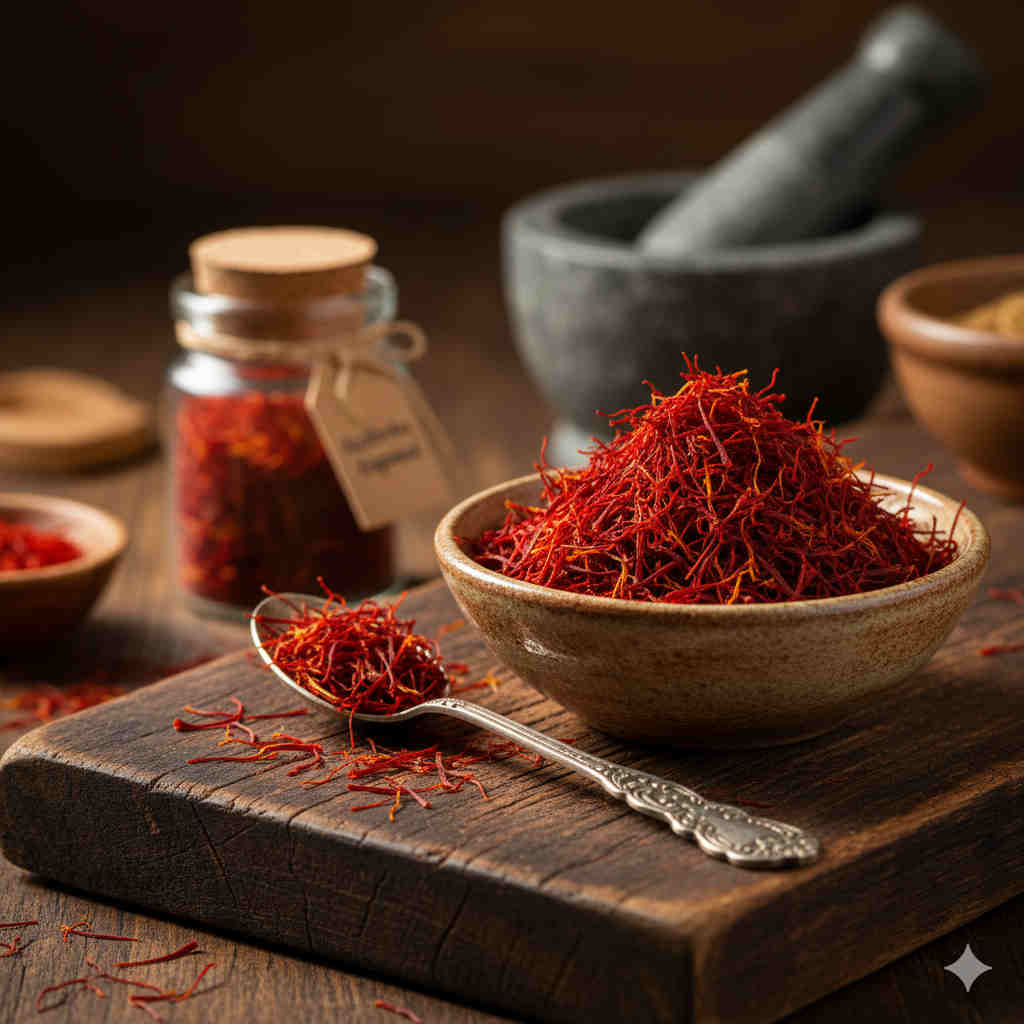
A Spice Worth Its Weight in Gold
There are few spices in the world that evoke as much curiosity, mystique, and admiration as saffron, known in Spanish as azafrán. Often called “red gold,” it is more than just the world’s most expensive spice—it is a cultural emblem, a symbol of craftsmanship, and an integral part of Spain’s culinary heritage. The delicate crimson threads, harvested by hand from the Crocus sativus flower, have been used for centuries to bring aroma, color, and depth to countless dishes. In Spain, it is inseparable from some of the country’s most iconic recipes, including the famed paella, arroz con pollo, and rich fish stews.
But beyond its culinary appeal, it carries with it a rich history shaped by ancient civilizations, trade routes, and agricultural traditions that still exist today.
Understanding the Flavor Profile of Saffron
To appreciate it’s culinary power, one must understand its unique taste. Unlike many spices that deliver bold or aggressive flavors, it’s prized for its subtlety. A small quantity—sometimes only a few threads—is enough to transform an entire dish.
Saffron’s Aroma and Taste
High-quality Spanish saffron, particularly from La Mancha, is known for:
- Aromatic floral notes, reminiscent of honey and wild herbs
- Warm, earthy undertones, similar to hay
- A hint of bitterness, adding balance and complexity
- A golden color, which infuses liquids with a deep yellow-orange hue
The spice doesn’t overwhelm; instead, it enhances. Its fragrance blooms when steeped in warm liquid, releasing compounds that carry both flavor and color throughout the dish. This makes this spice a favorite in recipes where subtle aromatic depth is desired.
How to Use Saffron in Cooking: Techniques and Applications
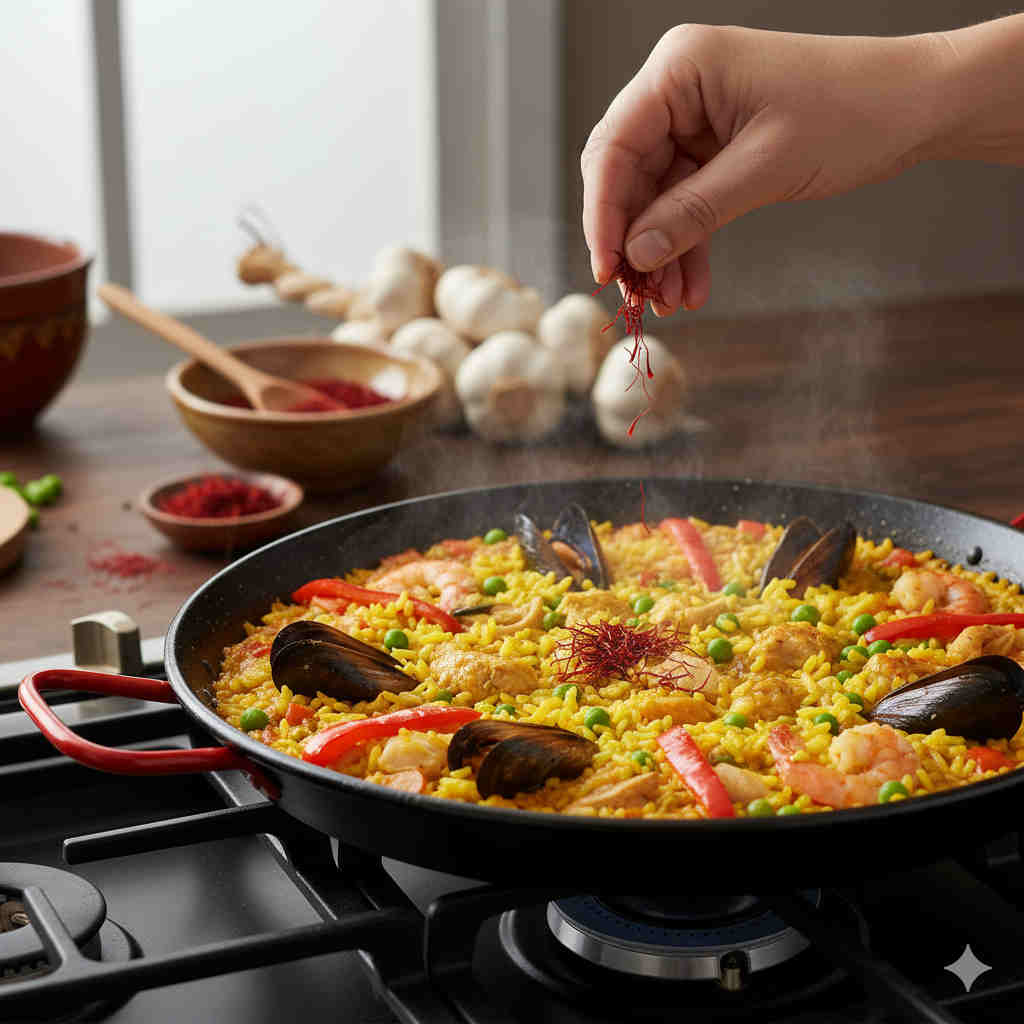
Because of its cost and intensity, it must be used thoughtfully. When used properly, its effect is unforgettable.
1. The Infusion Method: Unlocking Maximum Flavor
Steps to use saffron correctly:
- Lightly crush a pinch of threads (between 8 and 12 threads is typical for a family-sized dish).
- Add them to a small bowl of hot water, broth, or milk.
- Let them steep for at least 10 minutes.
- Pour the entire infusion—including the threads—into your dish.
This method ensures the spice releases its aroma and color evenly.
2. Paella: Most Famous Stage
No ingredient is more synonymous with paella than saffron. It gives:
- Signature golden color
- Delicate floral aroma
- Balanced earthiness
Whether the dish includes seafood, chicken, vegetables, or rabbit, itties the flavors together into the unmistakable taste of authentic Spanish paella.
3. Rice and Grain Dishes Beyond Paella
It enhances a wide variety of Spanish rice dishes:
- Arroz caldoso (brothy rice)
- Arroz al horno (oven-baked rice)
- Arroz con pollo
- Arroz negro (in some regional variations)
The spice adds elegance even to simple white rice, instantly elevating it into something festive.
4. Fish and Seafood Preparations
Because its aroma pairs beautifully with seafood, it appears in:
- Fish stews
- Seafood soups
- Mediterranean broths
- Infused butter for grilled fish
In these dishes, saffron brings complexity without overpowering delicate proteins.
5. Sauces, Aiolis, and Modern Uses
Contemporary Spanish cuisine embraces it in:
- Cream sauces
- Aioli
- Flavored oils
- Infused desserts such as custards, cakes, or milk puddings
Its versatility shows why chefs worldwide consider it indispensable.
The History of Saffron: A Journey Through Civilizations
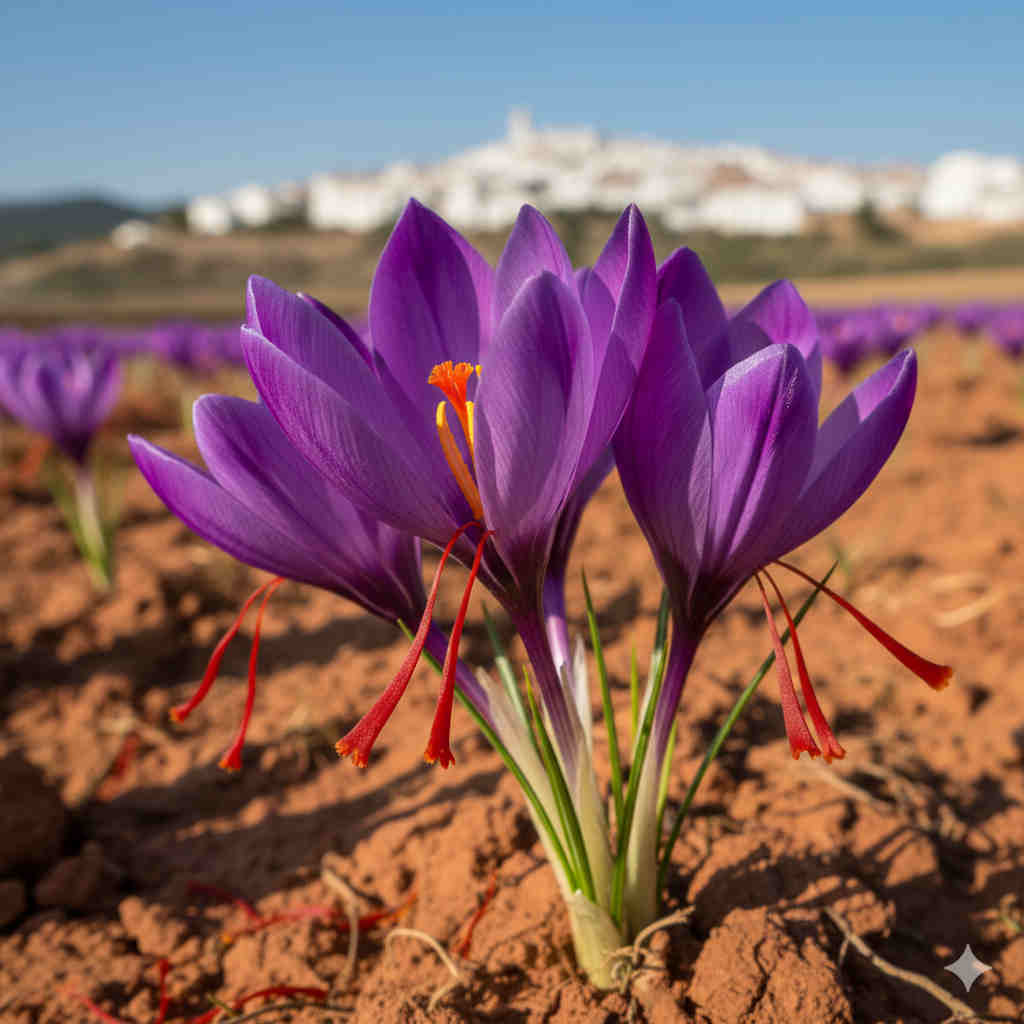
Saffron’s story spans thousands of years, crossing empires and continents.
It originated in the eastern Mediterranean and quickly gained reputation as a luxury commodity for:
- medicine
- cooking
- textile dye
- ritual and religious ceremonies
1. The Arrival of Saffron in Spain
Saffron entered Spanish culture primarily during the Moorish occupation, starting in the 8th century. The Moors brought advanced agricultural techniques and a deep appreciation for spices, transforming saffron cultivation into a thriving Iberian tradition.
2. La Mancha: Spain’s Saffron Heartland
The La Mancha region has the ideal climate:
- dry summers
- cold winters
- rich, well-drained soils
Harvesting is still done entirely by hand. Each flower blooms for only a few hours, and workers must carefully pluck the three delicate stigmas before the petals wilt. It takes between 150,000 and 200,000 flowers to produce 1 kilogram of saffron.
This meticulous process explains why it has historically been worth more than gold by weight.
3. A Legacy of Excellence
Spanish saffron remains highly sought after for its:
- Color strength
- Aroma intensity
- Purity standards
- Protected D.O. certification
La Mancha saffron is regarded by many chefs as the world’s finest, maintaining centuries-old harvesting and drying techniques.
Why Saffron Is So Valuable
People often wonder why saffron is the most expensive spice. The reasons are clear:
- Labor-intensive harvesting (always by hand)
- Extremely low yield per flower
- Short harvest season
- Manual separation, drying, and selection
- High demand and limited supply
Its value is a reflection of rarity and craftsmanship, not artificial inflation.
Conclusion: A Spice of Tradition, Luxury, and Timeless Flavor
Saffron is far more than an ingredient—it’s a cultural symbol, a culinary tool, and a historical artifact all at once. Its floral aroma, golden color, and subtle complexity have shaped Spanish cuisine for more than a millennium. Whether you stir it into paella, infuse it into a broth, or add it to modern interpretations of classic dishes, saffron brings a sense of occasion and authenticity that no other spice can match.
From the sun-drenched fields of La Mancha to kitchens around the world, saffron remains a spice of prestige and passion—Spain’s true golden essence.

Leave a Reply