Blog

  • White Pepper: The Subtle Spice with Surprising Depth

    White pepper may not have the fiery reputation of chili powders or the immediate aroma of black pepper, but it plays a quiet, essential role in global cuisine. Valued for its clean, earthy heat and ability to blend seamlessly into light-colored dishes, white pepper is a favorite among chefs who appreciate subtlety and depth.

    Whether you are discovering this spice for the first time or looking to refine your culinary knowledge, white pepper offers rich history, nuanced flavor, and versatile uses worth exploring.

    Origin and History of White Pepper

    From the Same Plant as Black Pepper

    White pepper and black pepper come from the same plant: Piper nigrum. The difference lies not in the variety, but in the processing method. While black pepper is harvested when the berries are still green and dried whole, white pepper is produced by harvesting fully ripe red berries, soaking them, and removing the outer skin. What remains is the pale inner seed, which becomes the white peppercorn.

    A Spice with Ancient Roots

    Pepper has been traded for thousands of years and was once considered so valuable it served as currency. White pepper became particularly popular in European and Chinese cuisines, where its mild appearance and smooth heat were appreciated in lighter-colored dishes such as sauces, soups, and delicate stir-fries.

    In traditional Chinese cooking, especially in Cantonese cuisine, white pepper is often preferred over black pepper because of its cleaner and more aromatic flavor.

    Flavor Profile of White Pepper

    White pepper is often described as:

    • Earthy and mildly pungent
    • Smoother and less sharp than black pepper
    • Lightly fermented, due to the soaking process
    • Warm, aromatic, and slightly musky

    One of its most distinctive characteristics is the subtle fermented note, which adds complexity without overwhelming a dish. This makes it ideal for recipes where black pepper might stand out visually or taste too bold.

    Culinary Uses: How to Cook with White Pepper

    A Staple in Classic White Sauces

    Because it blends into light-colored foods, white pepper is widely used in:

    • Béchamel sauce
    • Cream-based soups
    • Mashed potatoes
    • Alfredo pasta

    It provides warmth without creating visible specks, keeping dishes aesthetically pleasing and flavor-balanced.

    Highlights in Asian Cuisine

    White pepper plays a central role in several traditional Asian dishes:

    Chinese Hot and Sour Soup

    White pepper gives this soup its signature heat, offering a clean, sharp spice that complements vinegar and mushrooms.

    Congee (Rice Porridge)

    A pinch adds warmth and aroma, transforming a simple porridge into a comforting meal.

    Stir-Fried Vegetables or Seafood

    Its subtle spicy note enhances delicate ingredients like bok choy, tofu, shrimp, or scallops.

    Popular Western Dishes Featuring White Pepper

    White pepper appears in numerous European and Western dishes:

    • Swedish meatballs
    • Vichyssoise (cold leek and potato soup)
    • Creamy mushroom sauces
    • Cauliflower purée
    • Poached fish preparations

    It adds just enough heat and complexity without overshadowing mild flavors.

    Creative Modern Uses

    White pepper adapts well to modern, inventive cooking:

    • Added to salad dressings for a clean, peppery kick
    • Used in spiced butter or compound butter
    • Added to cheese sauces or fondue
    • Mixed into bread dough or savory pastries
    • Sprinkled over eggs or delicate breakfast dishes

    Because its flavor opens slowly on the palate, it can elevate dishes in subtle but meaningful ways.

    Health Benefits (General Knowledge)

    While white pepper is typically consumed in small amounts, it may provide some mild health-related advantages according to general culinary knowledge:

    • Rich in antioxidants, particularly piperine, which may help support cell protection
    • May aid digestion due to compounds that stimulate gastrointestinal enzymes
    • Contains small amounts of minerals such as manganese and iron
    • Naturally low in calories and free of additives

    These qualities make it a pleasant addition to your meals, though it shouldn’t be regarded as a medical treatment.

    Tips for Cooking with White Pepper

    Use It Freshly Ground When Possible

    Ground white pepper loses its aroma more quickly than black pepper. For the best flavor, grind small amounts from whole peppercorns as needed.

    Add It Toward the End of Cooking

    Because its aroma can fade with prolonged heat, adding it near the end of cooking preserves its delicate character.

    Pair It with Gentle Flavors

    White pepper shines when paired with:

    • Cream
    • Potatoes
    • Eggs
    • Mild vegetables (cauliflower, zucchini)
    • Poultry
    • Seafood

    Its earthy warmth enhances subtle ingredients without overpowering them.

    Be Mindful of Quantity

    White pepper can become slightly musty or overly pungent if used in excess. Start with small amounts and adjust to taste.

    Try White Pepper in Spice Blends

    It works well in:

    • Chinese five-spice mixes
    • Seafood rubs
    • Creamy salad dressings
    • European herb blends

    Its smooth heat complements many herbs such as parsley, chives, thyme, and tarragon.

    Conclusion

    White pepper may not be the boldest spice in your pantry, but its understated complexity and versatility make it indispensable. Its earthy warmth, subtle fermented notes, and ability to blend seamlessly into light dishes have earned it a place in kitchens across the world—from European sauces to Chinese soups.

    Whether you use it to enhance creamy recipes, elevate seafood, or add depth to your everyday cooking, white pepper offers a refined, elegant flavor worth rediscovering. Keep a small jar on hand, use it thoughtfully, and you’ll soon appreciate why this quiet spice has been valued for centuries.

  • Fenugreek: The Underrated Spice with Deep Flavor and Ancient Roots

    fenugreek seeds

    Fenugreek is one of those spices that can quietly transform a dish with just a pinch. Its aroma is warm, its flavor distinctive, and its culinary versatility stretches across continents and centuries. Though often overshadowed by more famous spices, fenugreek has played an important role in Middle Eastern, Indian, Ethiopian, and Mediterranean cuisines for thousands of years.

    In this article, we’ll explore the spice’s origins, taste profile, culinary uses, traditional health benefits, and practical tips for cooking with it.

    Origin and History of Fenugreek

    A plant with a long global journey

    Fenugreek (Trigonella foenum-graecum) is an annual plant in the legume family. It produces small golden seeds, used as a spice, and leaves, which serve as a flavorful herb in cooking. Both have been valued for centuries.

    Ancient roots

    • Middle East: Native to the Mediterranean and Western Asia.
    • Ancient Egypt: Seeds were used in cooking, rituals, and even embalming.
    • Greece and Rome: Called foenum-graecum, it was used as animal fodder and medicinally.
    • India: Incorporated into Ayurveda and regional cuisine, eventually becoming a staple in curries, breads, and pickles.

    Today, India is the largest producer and consumer, integrating fenugreek into both everyday dishes and festive meals.

    Flavor Profile: Warm, Slightly Bitter, and Unique

    Fenugreek seeds have a distinct taste:

    • Slightly bitter at first
    • Warm and nutty
    • A hint of maple syrup aroma when toasted or cooked
    • Deeply savory and earthy

    The leaves, used fresh (methi) or dried (kasuri methi), are more herbal and gently bitter, with notes reminiscent of celery and mild spinach.

    This balance of warmth, bitterness, and subtle sweetness gives dishes a unique depth, especially when combined with fats, acidity, or other spices.

    Culinary Uses: Adding Depth and Aroma

    fenugrec powder

    Fenugreek is versatile in many cuisines, each using it in different ways.

    Indian Cuisine

    • Spice blends: Found in garam masala, sambar powder, and panch phoron.
    • Lentils: Seeds or dried leaves add warmth and complexity to dal.
    • Curries: Leaves are often sprinkled at the end to enhance aroma.
    • Pickles: Seeds are used whole in mango, lemon, and chili pickles.
    • Breads: Fresh leaves incorporated into dough for methi paratha or thepla.

    Ethiopian and Eritrean Cuisine

    • Essential in berbere, a key spice blend for stews like doro wat.
    • Adds subtle bitterness to balance spicy and tangy flavors.

    Mediterranean and Middle Eastern Cuisine

    • Used in spice rubs, braised dishes, and herbal mixtures.
    • Valued for flavor and aroma in both cooking and traditional remedies.

    Everyday Tips

    • Add a pinch of toasted seeds to soups, stews, or vegetable dishes.
    • Sprinkle dried leaves into creamy sauces or lentils.
    • Blend ground seeds into marinades for chicken, tofu, or roasted vegetables.

    When toasted and gently cooked, the spice’s bitterness softens and contributes a savory depth.

    Health Benefits (Traditional Knowledge)

    fenugrec plant

    Fenugreek has long been used in traditional medicine. While research is ongoing, several benefits are recognized:

    • Digestive support: Traditionally used to reduce bloating and aid digestion.
    • Blood sugar support: Some studies suggest a potential role in glucose management.
    • Anti-inflammatory properties: Contains natural compounds with mild effects.
    • General wellness: Used in herbal teas and tonics.

    These benefits are based on traditional use and preliminary research rather than definitive medical evidence.

    Tips for Cooking with Fenugreek

    1. Toast the seeds lightly

    • Brings out sweet, nutty notes
    • Reduces initial bitterness
    • Avoid burning to prevent excessive bitterness

    2. Use sparingly

    • Most recipes require a pinch or up to 1/4 teaspoon of seeds.

    3. Bloom in oil

    • Add seeds or powder to hot oil early to extract maximum flavor.

    4. Add dried leaves at the end

    • Crush kasuri methi lightly between your fingers and sprinkle at the final stage of cooking.

    5. Pairings

    • Works well with lentils, potatoes, spinach, tomatoes, onions
    • Complements slow-cooked meats and vegetables
    • Blends with cumin, coriander, paprika, or mustard seeds

    6. Avoid using raw seeds in large quantities

    • Seeds can remain hard if not toasted or soaked first.

    Conclusion: A Small Spice with Big Impact

    Fenugreek may be subtle, but it can dramatically enhance the flavor of everyday dishes. Its warmth, gentle bitterness, and earthy sweetness have earned it a place in kitchens worldwide. With careful use, both seeds and leaves bring depth, aroma, and authenticity to your cooking.

    Whether you’re experimenting with Indian curries, Ethiopian stews, or simple vegetable dishes, this aromatic spice deserves a spot in your pantry.

  • Green Curry: The Vibrant, Flavorful Spice of Southeast Asia

    green curry

    Green curry, is one of the most aromatic and colorful staples in Southeast Asian cuisine. Often recognized by its bright green hue and creamy texture, green curry is more than just a sauce—it is a symphony of spices, herbs, and fresh ingredients that bring both heat and freshness to any dish.

    From traditional Thai kitchens to modern fusion restaurants worldwide, green curry has earned a reputation for its complex flavor profile and versatility. Let’s explore its origins, taste, culinary applications, and how to master it in your own cooking.

    Origin and History of Green Curry

    A Thai Classic

    Green curry originates from Thailand, where it is called “Kaeng Khiao Wan”, which translates to “sweet green curry.” The name comes from the vibrant green color of the curry paste, which is made from fresh green chilies, herbs, and spices.

    Historical Context

    Green curry is believed to have been developed during the reign of the Rattanakosin Kingdom (18th century). It evolved as a milder alternative to other traditional curries, incorporating fresh herbs and coconut milk for a balance of heat and creaminess. Over the centuries, green curry spread to neighboring countries, influencing Malaysian, Cambodian, and Vietnamese cuisines.

    Today, green curry is a global favorite, celebrated for its aromatic complexity and adaptable flavor.

    Flavor Profile of Green Curry

    This spice is known for its layered, vibrant flavor, combining several taste dimensions:

    • Spicy and tangy – from fresh green chilies and lime leaves
    • Herbaceous and aromatic – thanks to lemongrass, cilantro, and Thai basil
    • Slightly sweet – often from coconut milk
    • Umami depth – from fish sauce, shrimp paste, or soy sauce in some variations

    Its bright, fragrant character makes it both bold and balanced, appealing to a wide range of palates.

    Culinary Uses: How to Cook with Green Curry

    The Thai curry is extremely versatile and can be used with a variety of proteins, vegetables, and even tofu. Here are some practical applications:

    1. Classic Thai Green Curry Dishes

    • Chicken : Tender chicken simmered in green curry sauce with coconut milk, bamboo shoots, bell peppers, and Thai basil.
    • Beef or Pork : Slow-cooked with vegetables like eggplant, peas, and zucchini.
    • Seafood : Shrimp, fish, or squid in a light, spicy, and aromatic coconut curry.

    2. Vegetarian and Vegan Curry Dishes

    • Tofu and Vegetable Curry: Firm tofu with green beans, bell peppers, carrots, baby corn, and snow peas.
    • Mushroom Medley Curry: Shiitake, oyster, and button mushrooms simmered with coconut milk and green curry paste.
    • Chickpea and Sweet Potato Curry: Chickpeas and cubed sweet potatoes cooked with green curry and coconut milk for a hearty, protein-rich meal.
    • Eggplant and Bamboo Shoot Curry: Soft-cooked eggplant and bamboo shoots in a creamy green curry sauce.
    • Mixed Vegetable Curry: Zucchini, bell peppers, carrots, broccoli, and snap peas for a colorful and nutrient-packed dish.
    • Pumpkin or Butternut Squash Curry: Sweet, roasted squash cubes added to green curry for natural sweetness and creamy texture.
    • Vegan “Seafood” Curry: Use king oyster mushrooms or hearts of palm to mimic seafood textures while keeping the dish plant-based.

    3. Creative Modern Uses

    • Stir into noodle soups for a fresh twist.
    • Use as a marinade for grilled vegetables or proteins.
    • Mix into rice or quinoa bowls for a flavorful, spicy kick.

    Health Benefits (General Knowledge)

    Green curry ingredients contribute to some general health benefits:

    • Chilies – contain capsaicin, which may support metabolism and provide antioxidant benefits.
    • Herbs like lemongrass and Thai basil – have anti-inflammatory and digestive properties.
    • Coconut milk – provides healthy fats that help absorb fat-soluble vitamins.
    • Vegetables and lean proteins – add fiber, vitamins, and minerals to the dish.

    While this spice is flavorful and nourishing, portion control is recommended due to coconut milk’s calorie density.

    Tips for Cooking with Green Curry

    1. Making Your Own Curry Paste

    • Use fresh green chilies, garlic, shallots, lemongrass, galangal, lime zest, and cilantro stems.
    • Blend with a mortar and pestle or food processor until smooth.
    • Homemade paste ensures vibrant flavor and freshness.

    2. Balance Heat and Creaminess

    • Start with a small amount of curry paste and gradually add to taste.
    • Coconut milk softens the heat and adds richness.
    • Lime juice or kaffir lime leaves add brightness and balance.

    3. Pair Wisely

    • Serve with jasmine rice or steamed rice noodles.
    • Garnish with fresh Thai basil, cilantro, or sliced red chili for visual appeal.
    • Avoid overcooking delicate vegetables; add them toward the end for texture.

    4. Storage Tips

    • Homemade green curry paste can be refrigerated for up to two weeks or frozen for up to three months.
    • Prepared curry dishes can be stored in airtight containers in the fridge for 2–3 days.

    Conclusion

    This spice is much more than a vibrant sauce; it’s a versatile, aromatic, and culturally rich spice blend that can elevate countless dishes. From traditional Thai chicken curry to modern vegetarian bowls, its bold, balanced flavors make it a beloved ingredient worldwide.

    Experiment with proteins, vegetables, and fresh herbs to create your own masterpieces. With a little practice and attention to balance, this spice can bring a delicious, fragrant, and slightly spicy touch to your everyday cooking.

  • The Great Worlds of Curry: Thai Curry

    Thai curry represents a completely different universe from its South Asian cousins. Where Indian curries rely heavily on powdered dry spices and a foundation of ghee or oil, and Japanese curries on a thick, dark roux, Thai curry are defined by their freshness, vibrancy, and the use of coconut milk. They are essentially soupy, fragrant stews built upon a base of wet, highly concentrated aromatic pastes, providing an unparalleled balance of salty, sweet, sour, and spicy notes—the four cornerstones of Thai cuisine.

    The true artistry of Thai curry lies not in the cooking process, but in the meticulous creation of the paste itself, traditionally pounded by hand in a mortar and pestle.

    The Triad of Thai Curry: Colour and Flavour

    Thai curry is primarily categorized by the colour of the paste used, which, in turn, dictates the heat level and main flavour profile. The three most common and distinctive types are Green, Red, and Yellow.

    1. Green Curry (Gaeng Keow Wan)

    • The Look: Named for the vibrant green of the fresh ingredients used.
    • The Paste: Generally the hottest of the three. Its characteristic colour comes from copious amounts of fresh green bird’s eye chilies, combined with lemongrass, galangal, kaffir lime zest and leaves, cilantro roots, and shallots.
    • The Flavour: Fresh, herbaceous, and intensely fragrant. The heat from the chilies is moderated by the sweetness of the coconut milk and sometimes a touch of palm sugar, creating a complex, well-rounded flavour. It is often served with chicken or fish and bamboo shoots.

    2. Red Curry (Gaeng Phet)

    • The Look: A fiery, reddish-orange colour.
    • The Paste: The red comes from dried red spur chilies (which are less pungent than the fresh green ones, making the Red Curry often milder than the Green). The paste also features similar ingredients to the green curry, but the substitution of dried chilies for fresh ones changes the taste from herbaceous to earthy and robust.
    • The Flavour: Rich, slightly sweet, and earthy. It is extremely versatile and often used with duck, pork, or beef, and frequently includes vegetables like eggplant or pineapple.

    3. Yellow Curry (Gaeng Lueang or Gaeng Kari)

    • The Look: A mellow, golden-yellow hue.
    • The Paste: Yellow curry is the closest in flavour to Indian curry, as it heavily features turmeric (giving it the yellow colour) and often includes a higher proportion of dry spices like cardamom, cinnamon, and sometimes Indian curry powder, reflecting its proximity to India and its trading history.
    • The Flavour: Mildest in heat and sweetest in taste. It is often served with potatoes and chicken and is particularly popular in the South of Thailand, where it is sometimes thickened further with peanuts.

    The Essential Role of Coconut Milk

    The ingredient that truly defines Thai curry is coconut milk. Unlike Indian curries, which often rely on water, stock, or yogurt, Thai curries use coconut milk as both the liquid base and the primary source of richness.

    The cooking method exploits the unique property of coconut milk:

    1. A small amount of coconut cream (the thick top layer) is simmered until the oil separates (a process called breaking the milk). This oil forms the base of the dish, toasting the curry paste and releasing its essential oils and fragrances.
    2. The paste is fried in this coconut oil, intensifying its flavour.
    3. The remaining coconut milk is added, creating the final, creamy, thin soup-like consistency.

    This process ensures that the spices are fully bloomed and the curry achieves a smooth, velvety texture that coats the rice perfectly.

    Regional Variations: Massaman and Panang

    Beyond the main triad, two other popular Thai curries demonstrate the diversity of the region:

    • Massaman Curry (Gaeng Massaman): This is a distinctly regional curry with Muslim and Indian influences. Its paste features dry spices not common in other Thai curries, such as cardamom, cloves, and cinnamon. It is sweet, tangy, and rich, often made with beef, potatoes, and peanuts, making it feel more like a rich, South Indian-style stew than a typical Thai curry.
    • Panang Curry (Gaeng Panang): Similar to red curry but significantly richer and thicker, often containing crushed peanuts. It’s drier and less soupy than other Thai curries and is renowned for its intense, savory-sweet flavour profile and the customary garnish of thinly sliced kaffir lime leaves.

    Thai curry’s philosophy is about contrast and harmony. The coolness of the coconut milk battles the heat of the chilies; the salinity of the fish sauce balances the sweetness of the palm sugar; and the sharpness of the kaffir lime cuts through the richness of the oil. This emphasis on fresh, pungent herbs and aromatics, rather than dried powders, places Thai cuisine in a distinct category, highlighting its connection to the region’s lush tropical environment. It is this masterful balancing act that has made Thai curry a global phenomenon, appealing to palates seeking a lighter, more aromatic, and ultimately, a more complex taste experience than its heavier, dry-spice-focused cousins.

  • The Great Worlds of Curry: French Curry

    When most people think of curry, their minds immediately travel to the vibrant street stalls of Delhi, the fragrant markets of Bangkok, or the comforting kitchens of Osaka. Yet, tucked away in the culinary history of Western Europe, a distinctive and often misunderstood variety exists: the French Curry. This is not a curry in the traditional sense, but a refined, colonial-era interpretation that showcases how French classical cuisine absorbed, translated, and ultimately elevated an exotic flavour profile for a European palate.

    The story of French curry is rooted in empire and trade. Long before the global movement of people brought authentic South Asian cuisine to Paris, spices like turmeric, ginger, and coriander found their way into French ports via maritime trade routes, particularly those connected to Pondicherry, a French colonial outpost in India, and the spice islands of the Caribbean and Indochina. Chefs in the 18th and 19th centuries, eager to introduce new, fashionable tastes to the aristocracy, began experimenting. However, lacking the deep culinary knowledge and specific ingredients of India, they developed a mild, elegant, and often creamy dish that bore only a passing resemblance to its origin.

    A Culinary Translation: From Spice Blend to Sauce

    The core difference between French curry and its South Asian counterparts lies in its structure and composition. Traditional Indian curries are built on a complex foundation of fried aromatics (onions, ginger, garlic) followed by a progression of powdered and whole spices, often culminating in a thin, broth-like consistency or a dry coating.

    The French curry is fundamentally different. It is primarily a sauce-based dish, derived from the foundational techniques of la haute cuisine. The typical French curry starts with a classic French roux—a mixture of butter and flour—to create a thick, stable base (either a Béchamel or a Velouté). To this white sauce, a pre-mixed, mild curry powder is added. This powder, often lighter in colour and lower in chili content than even mild Indian blends, provides the ‘curry’ flavour without the heat or the textural complexity of fried spices.

    This technique yields a sauce that is smooth, rich, and uniformly coloured—a far cry from the multi-layered, often oil-separated (called tarka or tadka) textures prized in Indian cooking. The French focus is on integration and refinement: every element must be homogenous and subtle.

    Key Ingredients and Execution

    A defining feature of the classic French curry is its pairing with seafood, particularly shellfish. The mild, creamy sauce is considered the perfect partner for delicate flavours like lobster (Homard au Curry), scallops (Coquilles Saint-Jacques au Curry), or prawns. The gentle, aromatic powder highlights the sweetness of the seafood without overpowering it.

    Essential components typically include:

    • The Base: A butter-rich roux and a dairy element (crème fraîche, cream, or milk) to create the Velouté or Béchamel.
    • The Flavouring: A mild, pre-packaged curry powder, which may include turmeric, coriander, and cumin, but often lacks fenugreek, mustard seed, or the aggressive heat of chili peppers.
    • Aromatics: Unlike Indian curries, the aromatics are often limited to shallots or white onions, sautéed gently (not browned) to maintain the sauce’s pale colour and delicate flavour.
    • Acid/Sweetener: A touch of acid, such as white wine or a squeeze of lemon juice, might be used to cut through the richness, while occasionally, a hint of apple or fruit chutney (again, a colonial import) is incorporated for sweetness.

    The result is a dish of culinary elegance: a beautiful white plate presenting perfectly cooked scallops nestled in a pale, lemon-yellow sauce. It is the epitome of French cuisine’s belief that flavour should be inferred and suggested, not shouted.

    A Legacy of Adaptation

    The French curry may seem antiquated today, especially given the accessibility of authentic global cuisine. However, its historical significance is undeniable. It serves as a perfect example of cultural translation in food—how one culture’s complex, traditional dish is reinterpreted through the technological and philosophical lens of another.

    This dish also highlights the role of colonialism in shaping Western flavour profiles. It wasn’t the vibrant, heat-forward food of the masses that made it to the French elite’s dinner tables, but a carefully curated, softened version suitable for their established gastronomic sensibilities.

    Contemporary French chefs rarely feature the traditional French curry in its purest form, but its legacy lives on in modern fusion cuisine. We see its influence when chefs use curry powder to season a sophisticated hollandaise, or when a touch of Madagascan vanilla is added to a mild curry sauce to accompany duck—blending the aromatic warmth of the Orient with the classical richness of the Occident.

    In conclusion, the French curry is a quiet counterpoint to its fiery global cousins. It’s a sauce first, a spice profile second, and a testament to the enduring French dedication to technique, elegance, and the art of the perfect, creamy consistency. It reminds us that “curry” is a concept as much as it is a specific dish, capable of speaking many culinary languages, even with a delicate French accent.

  • The Great Worlds of Curry: The Madras Curry Blend

    Bowl of steaming Madras Curry, characterized by its intense, spicy red-orange color, garnished with dried red chili and curry leaves, served with basmati rice and cooling raita.

    The term Madras Curry is perhaps the most globally recognized name that represents a singular, standardized flavour profile within the vast category of Indian cuisine. However, the dish and the famous powder are an invention of the British Raj, a culinary export that has little to do with any single, authentic recipe found in Chennai (formerly Madras), the bustling port city in the state of Tamil Nadu. Instead, Madras Curry is an enduring legacy of the Anglo-Indian relationship, defining a bold, hot, and distinctly sour flavour profile popular in Western restaurants.

    The history of the Madras curry powder is closely linked to the early British occupation of India. As the East India Company set up trading posts, Westerners quickly fell in love with the complex, aromatic local dishes. Lacking the necessary time, knowledge, or specific ingredients to recreate authentic masalas in their home countries, they sought a simple, portable, and shelf-stable way to achieve a similar flavour. Thus, the commercially pre-mixed Madras Curry Powder was born, primarily manufactured for export to Britain.

    The Flavour Profile: Heat, Tang, and Turmeric

    The key characteristics that distinguish a Madras curry from a general Indian curry are:

    1. Intense Heat: A traditional Madras curry is defined by its significant use of dried red chilies. It is often positioned on restaurant menus as a “hot” or “fiery” option, making it far spicier than a creamy Korma or a mild Japanese Kare.
    2. Tanginess (Sourness): A crucial and defining element is the tanginess. This acidity is traditionally achieved through the liberal use of tamarind paste or, in many Western interpretations, lemon or lime juice. This sourness balances the rich spices and the heat, providing a complex, mouth-watering depth.
    3. Turmeric and Colour: Madras powder uses a high proportion of turmeric, giving the resulting dish a recognizable, deep orange-red hue.

    Unlike the complex, freshly ground masala that defines an authentic South Indian dish, the Madras powder relies on standardized quantities of dried spices, making it a reliable and easily replicated flavour across the globe.

    The Spice Blend Breakdown

    A typical, commercially produced Madras Curry Powder blend will heavily feature:

    • Red Chilies: Providing the signature heat and red color.
    • Coriander Seeds: The bulk of the blend, offering a citrusy and warm note.
    • Cumin Seeds: Earthy and savory.
    • Fenugreek Seeds: Adds a distinct bitterness and characteristic aroma.
    • Turmeric: Provides the orange/yellow color and earthy flavour.
    • Mustard Seeds: A common ingredient in South Indian cuisine, adding a sharp, nutty bite, often used whole in the tempering (tadka).

    In a prepared dish of Madras curry, the powder is typically bloomed in oil along with fresh aromatics like ginger, garlic, and sometimes curry leaves (another hallmark of Southern Indian cooking). The final gravy is often thinner than North Indian dishes, using water or coconut milk rather than heavy cream, although cream is sometimes added in Western kitchens to temper the heat.

    The actual Tamil cuisine from the region around Chennai often features intensely spiced, thinner broths known as kulambu or lentil-based dishes like sambar and rasam. These dishes are always built from scratch using fresh ingredients like roasted pulses, whole dried chiles, and coconut, traditionally ground into a wet paste on a grinding stone. The Madras curry powder simplifies this intricate daily process into a single, convenient item. Consequently, when preparing a ‘Madras curry’ dish, the best way to utilize the powder is still to follow the Indian technique: bloom it in hot oil or ghee with fresh garlic, ginger, and curry leaves to release its full aromatic potential before adding the liquid base, ensuring it never tastes simply like dried, dusty spices.

    South Indian Influence: The Myth vs. The Reality

    While the Madras curry is not a direct replication of a dish found in Chennai, it does draw inspiration from the culinary techniques of the Tamil region:

    • Curry Leaves: The use of fresh or dried curry leaves is indispensable in South Indian cooking, often fried first to infuse the oil with their pungent aroma. A good Madras curry will include these.
    • Lighter Gravy: Tamil curries are often made with a lighter gravy, allowing the rice to absorb the flavour easily. They are rarely as heavy or creamy as North Indian specialties like Korma.
    • Vegetable Focus: The Southern diet includes a greater variety of vegetables and legumes. While the global Madras curry is often served with meat (lamb or chicken), the principles echo a style more focused on lighter, tangier flavors.

    Modern Popularity and Legacy

    The Madras Curry remains a staple in curry houses from London to Sydney. Its straightforward, assertive flavor profile is deeply embedded in the Western perception of Indian food. For many, it is the classic, powerful, and deeply satisfying “hot curry.”

    Today, the popularity of authentic South Indian cuisine is growing internationally, showcasing dishes like the spicy Chettinad chicken or the tangy Goan fish curry, which are the true, complex culinary representatives of the region. However, the trusty Madras Curry powder continues its global journey, a reminder of how trade and cultural translation can simplify and popularize a complex flavour, leaving behind a culinary icon that is both a misnomer and a beloved, fiery tradition.

    It is a dish that embodies the colonial-era simplification of a deeply regional cuisine, but in doing so, it has defined a spicy, sour, and comforting corner of the global curry landscape.

    As with most Indian curries, the Madras variety is traditionally served with basmati rice, which provides a neutral foundation to soak up the intense, tangy gravy. Accompaniments often include a crisp, thin lentil wafer called pappadam, and cooling dairy sides like raita (yogurt mixed with cucumber and mint) to temper the dish’s signature heat. This balance of fiery flavour, cooling texture, and aromatic rice completes the experience, solidifying the Madras curry’s place not just as a blend, but as a complete, globally recognized meal.

  • The Story of Ginger : A Spicy Root With Global Traditions and Delicious Recipes

    Few ingredients travel as seamlessly between sweet and savory dishes as ginger. With its zesty heat, citrusy aroma, and unmistakable bite, ginger has earned a permanent place in kitchens across the world. But beyond its culinary power, the story of ginger is rich with trade routes, folklore, medicinal traditions, and cultural symbolism. This guide explores the story of ginger—from its ancient origins to its starring role in modern kitchens—along with a handful of recipes to bring its flavor to your table.

    What Is Ginger?

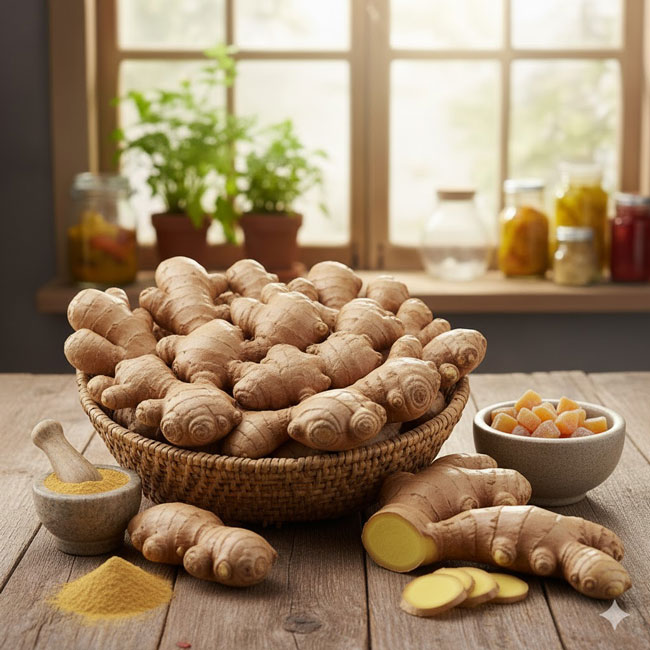
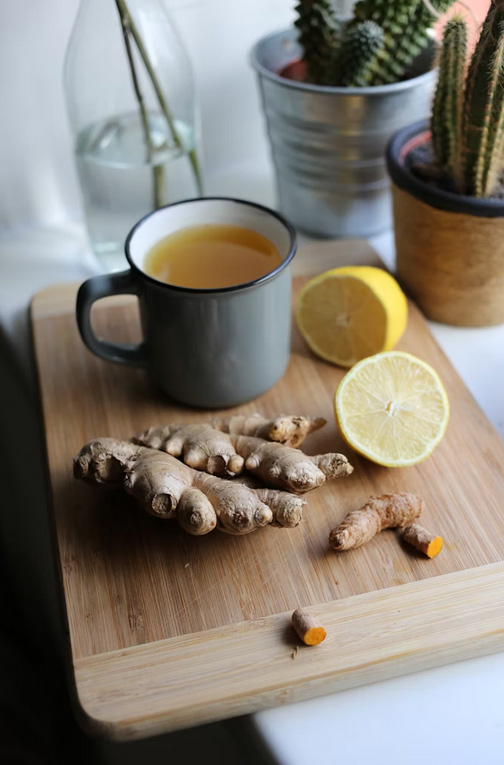
    Ginger is the rhizome (underground stem) of the plant Zingiber officinale. Recognized for its knobby, golden skin and bright, fibrous interior, ginger is a botanical cousin to turmeric and cardamom. It is used fresh, dried, powdered, candied, or juiced—each form bringing a slightly different flavor profile and intensity.

    Ginger’s taste is warm, peppery, and slightly sweet, with a citrus-like freshness that adds harmony to everything from stir-fries to cookies to tea.


    A Brief History of Ginger

    To appreciate ginger’s global importance, it helps to look at the long and fascinating story of ginger, which spans ancient civilizations, international trade, and culinary evolution.

    Origins in Ancient Asia

    Ginger is believed to have originated in Southeast Asia, where it has been cultivated for over 5,000 years. In ancient China and India, ginger played a central role in medicine, cuisine, and daily rituals.

    Chinese writings dating back to Confucius mention ginger as a digestive aid and essential culinary ingredient. In India, ancient Ayurvedic texts praised ginger as a warming spice used to invigorate the body.

    History of ginger

    Story of ginger: Spice Routes

    As global trade expanded, ginger became a prized commodity along the spice routes connecting Asia to the Middle East, Africa, and Europe. Arab traders popularized ginger across the Mediterranean world, where its exotic heat and medicinal reputation caught the attention of scholars and royalty.

    A Favorite in Medieval Europe

    By the Middle Ages, ginger was so beloved in Europe that it was second only to pepper in popularity. It appeared in everything from meat sauces and spice blends to ales, jams, and early confections.

    Gingerbread, a dessert now associated with winter holidays, has medieval roots as well. It began as ginger-spiced honey cakes, later evolving into molded cookies shaped like kings, knights, and saints.

    Gingerbread

    Ginger in the New World

    Spanish and Portuguese explorers brought ginger to the Caribbean, where the climate proved ideal for cultivation. By the 16th century, Jamaica had become one of the leading producers of ginger—a title it still holds today.


    Cultural Anecdotes and Symbolism

    Ginger as a Symbol of Warmth and Vitality

    Across cultures, ginger has long been viewed as a warming food that stirs energy, courage, and strength. In some Asian traditions, ginger tea is offered to guests as a gesture of hospitality and comfort.

    Ginger and Folklore

    • In traditional Chinese weddings, ginger was associated with fertility and was used in nuptial meals.
    • In English folklore, gingerbread figures were said to possess magical healing properties.
    • In Japan, thin slices of pickled ginger (gari) are served with sushi not only for palate cleansing but also as a symbol of balance and renewal.
    Ginger and sushis

    Types of Ginger and How They Differ

    Fresh Ginger

    Found worldwide, fresh ginger is juicy, pungent, and perfect for cooking or brewing teas.

    Young / Baby Ginger

    Softer, milder, and pale-skinned, young ginger requires no peeling and is ideal for pickling or smoothies.

    Dried or Ground Ginger

    More concentrated, warm, and sweet—often used in baking.

    Crystallized or Candied Ginger

    Coated in sugar, chewy, and excellent for desserts or snacking.

    Galangal (Often Confused With Ginger)

    Similar appearance but sharper, piney, and less sweet. Common in Thai cooking.

    Comparing Ginger With Other Spices

    Ginger’s distinctive heat and brightness also make it a fascinating spice to compare with others in your pantry. While it shares botanical roots with turmeric and cardamom, its flavor profile stands apart for its citrusy sharpness and warming kick. If you’re curious about how ginger contrasts with other common spices—whether in aroma, intensity, or culinary use—you can explore a deeper breakdown in our guide on the taste differences of popular spices. This comparison can help you better understand when to use ginger as a star ingredient and when another spice might elevate a dish even more.


    How to Use Ginger in Cooking

    Ginger is one of the most versatile flavorings in the culinary world. Here’s how different preparations change the flavor:

    • Fresh slices: strong, aromatic, ideal for soups and broths
    • Minced or grated: intense heat and bold flavor for stir-fries or marinades
    • Dried powder: warm and mellow, perfect for baking
    • Juiced: concentrated heat for beverages
    • Pickled: bright and refreshing as a condiment
    • Candied: sweet with a spicy kick

    Ginger Recipes to Try at Home

    1. Fresh Ginger Tea

    A soothing, aromatic drink for chilly mornings.

    Ingredients:

    • 4–5 thin slices fresh ginger
    • 1 cup hot water
    • Honey or lemon (optional)

    Instructions:
    Steep ginger in hot water for 5–10 minutes. Add lemon or honey for balance.


    2. Ginger Stir-Fry Sauce

    A vibrant sauce that transforms vegetables, tofu, chicken, or beef.

    Ingredients:

    • 1 tbsp grated ginger
    • 1 garlic clove, minced
    • 2 tbsp soy sauce
    • 1 tbsp rice vinegar
    • 1 tsp sesame oil
    • 1–2 tsp honey or brown sugar

    Instructions:
    Mix ingredients and add to stir-fries during the final 2–3 minutes of cooking.


    3. Classic Gingerbread Cookies

    A nostalgic holiday favorite with a comforting spice blend.

    Ingredients:

    • Flour, butter, sugar
    • Ground ginger
    • Cinnamon, cloves
    • Molasses
    • Baking soda

    Instructions:
    Prepare dough, chill, roll, cut, and bake.
    Decorate with icing for a festive finish.


    4. Carrot-Ginger Soup

    Bright, velvety, and warming.

    Ingredients:

    • Carrots
    • Onion
    • Garlic
    • Fresh ginger
    • Vegetable broth
    • Coconut milk (optional)

    Instructions:
    Sauté aromatics → simmer carrots and broth → blend until smooth → finish with a swirl of coconut milk.


    Why Ginger Endures

    From ancient spice routes to modern kitchens, the story of ginger continues to inspire with its bold flavor, captivating aroma, and deep cultural significance. It’s a spice that brings warmth to winter treats, brightness to savory dishes, and comfort to teas and tonics.

    Whether grated into stir-fries, baked into cookies, or steeped into tea, ginger adds a spark that is unmistakable—and universally beloved.

  • Cinnamon History, Benefits, and Delicious Recipes

    What Is Cinnamon? A Warm and Ancient Spice

    Discover Cinnamon history : Cinnamon is one of the world’s most cherished spices, known for its unmistakable warmth and sweet aroma. Made from the inner bark of Cinnamomum trees, it has been used for thousands of years in cooking, medicine, and ritual practices.

    Cinnamon remains a staple in cuisines across the globe thanks to its versatility—equally at home in baked goods, drinks, stews, and spice blends.

    A Brief Cinnamon History

    Cinnamon History : Ancient Civilizations

    Cinnamon history stretches back over 4,000 years. Ancient Egyptians valued it as highly as gold, using it in:

    • Perfumes
    • Religious rituals
    • Embalming practices

    Its rarity made it a luxury commodity throughout the ancient Mediterranean.

    Cinnamon History

    The Mystery of the Cinnamon Bird

    Arab spice traders once controlled cinnamon’s supply and crafted fantastic legends to protect their monopoly.

    One famous tale claimed cinnamon was harvested from the nests of giant mythical birds perched on high cliffs. Merchants supposedly used heavy meat to break the nests, allowing cinnamon sticks to fall. This myth helped maintain cinnamon’s status as a precious, nearly unreachable spice.

    Cinnamon Bird

    Cinnamon in Greek and Roman Culture

    The Greeks and Romans adored cinnamon for flavoring wine, medicinal infusions, and ceremonial uses. In one dramatic anecdote, Emperor Nero reportedly burned a year’s supply of cinnamon at his wife’s funeral.

    Cinnamon and the Age of Exploration

    During the 15th–17th centuries, European empires battled for control of Sri Lanka (Ceylon), the top cinnamon-producing region. Cinnamon fueled major trade routes and colonial expansion—demonstrating how impactful this humble spice has been in shaping world history.

    Ceylon vs. Cassia: Types of Cinnamon

    1. Ceylon Cinnamon (“True Cinnamon”)

    • Grown mainly in Sri Lanka
    • Light, sweet, delicate flavor
    • Thin, layered, flaky sticks
    • Preferred for desserts, teas, and subtle dishes

    2. Cassia Cinnamon

    • Common in supermarkets
    • Bold, strong flavor
    • Thick, hard sticks
    • Ideal for savory dishes, stews, and spice rubs

    See also this post.

    Ceylon vs. Cassia: Types of Cinnamon

    Cultural Anecdotes and Symbolism of Cinnamon

    Cinnamon’s symbolism varies across cultures:

    • Middle Eastern traditions: Cinnamon tea signals welcome and hospitality.
    • Ancient rituals: It appears in biblical anointing oils and sacred blends.
    • Modern aromatherapy: Cinnamon is associated with warmth, comfort, and stress relief.

    Its enduring presence in folklore and medicine gives cinnamon a magical, almost nostalgic appeal.

    How to Use Cinnamon: Recipes and Ideas

    1. Easy Cinnamon Honey Butter

    Perfect for breakfast or holiday spreads.

    Ingredients:
    ½ cup unsalted butter, 2 tbsp honey, 1 tsp cinnamon
    Instructions:
    Mix until smooth. Add a pinch of salt for balance.

    2. Cinnamon Chickpea Stew

    A cozy, aromatic dish with Middle Eastern spices.

    Ingredients:
    Onion, garlic, cinnamon, cumin, paprika, tomatoes, chickpeas, broth
    Instructions:
    Sauté aromatics → add spices → simmer 20 minutes.

    3. Classic Cinnamon Swirl Bread

    A cozy weekend baking project.

    Key Steps:

    1. Make a simple enriched dough using flour, yeast, milk, butter, and sugar.
    2. Roll out the dough and spread a mixture of cinnamon and sugar across the surface.
    3. Roll tightly, place in a loaf pan, and let rise again.
    4. Bake until golden and fragrant.

    The result is a soft, sweet loaf perfect for toast or French toast.

    4. Cinnamon-Steeped Hot Chocolate

    Add depth to your winter beverage by warming milk with a cinnamon stick before mixing in cocoa and sugar. The infusion turns a simple hot chocolate into something special.

    A Spice That Endures

    Cinnamon’s enduring popularity isn’t simply due to its flavor. It’s a spice with stories—of ancient rituals, mythical birds, global trade, and shared meals across cultures. Its aroma evokes warmth and familiarity, while its history reminds us how deeply connected the world has always been through food.

    Whether you swirl it into a dessert, brew it into a drink, or sprinkle it onto something savory, cinnamon continues to weave itself into our kitchens and our lives, just as it has for thousands of years.


  • Spice Superstars: Dishes That Wouldn’t Be the Same

    We’ve explored the rich histories and subtle nuances of salt, pepper, and cinnamon. We’ve seen how they shaped civilizations, fueled exploration, and carved out their unique identities in the culinary world. But where do these humble heroes truly shine? Where do they stop being mere ingredients and become the very soul of a dish?

    In this article, we’ll embark on a flavorful journey, celebrating the iconic dishes that simply wouldn’t exist, or at least wouldn’t taste the same, without the indispensable contributions of our beloved spices. From comforting classics to exotic delights, these culinary masterpieces are a testament to the transformative power of a pinch, a grind, or a fragrant stick.

    Salt: The Universal Dish Harmonizer

    While salt’s role is often one of subtle enhancement rather than overt flavor, its absence is immediately and painfully felt. Salt doesn’t just make food “salty”; it balances, brightens, and brings out the latent flavors in everything it touches.

    Salted Caramel: This might seem obvious, but think about it: the magic of salted caramel lies precisely in the salt. Without it, you have mere sweetness, cloying and one-dimensional. A touch of sea salt cuts through the richness, preventing it from being overly saccharine and introducing a tantalizing dance of sweet and savory on the palate. It’s the perfect example of salt elevating and transforming a flavor profile rather than simply adding its own. The crunchy flakes of a finishing salt on a gooey caramel treat are pure textural and taste bud bliss.

    French Fries (and nearly all savory snacks): Imagine a plate of perfectly crispy, golden-brown French fries. Now imagine eating them without a single grain of salt. Bland, right? Salt is crucial for enhancing the potato’s natural flavor, providing that essential savory counterpoint, and, especially with coarse salt, adding a satisfying textural crunch. This principle extends to virtually every savory snack, from popcorn to potato chips, proving that salt is the undisputed king of snack-time satisfaction.

    Cured Meats (e.g., Prosciutto, Bacon): Here, salt isn’t just a flavor enhancer; it’s the very core of the product. Curing meats with salt is one of the oldest preservation techniques known to humankind. The salt draws out moisture, inhibiting bacterial growth, and transforms the texture and flavor of the meat, creating complex, umami-rich delicacies like prosciutto, salami, and bacon. These foods are a direct embodiment of salt’s ancient power and culinary artistry.

    A three-panel vertical collage on a dark wooden background highlights the use of salt in various dishes. The left panel shows a jar of smooth salted caramel topped with flaky sea salt and brittle. The middle panel features crispy golden French fries in a metal basket, heavily seasoned with salt, with a small bowl of ketchup in the background. The right panel displays thinly sliced cured ham (prosciutto) on a white plate, with a pile of coarse salt next to it.

    Black Pepper: The Pungent Dish Perfectionist

    Black pepper brings a different kind of magic to the table: a warm, pungent heat that awakens the senses and adds a vital spark. It’s the perfect partner to richness and a brilliant counterpoint to sweetness.

    Steak au Poivre: This classic French dish literally translates to “steak with pepper.” It features a juicy steak, often a tenderloin or sirloin, coated generously in coarsely crushed black peppercorns before being seared. The pepper forms a crust that, when cooked, delivers an intense burst of aromatic heat and a delightful textural crunch with every bite. It’s usually finished with a creamy, cognac-flambéed sauce that beautifully balances the pepper’s assertive kick, making it a quintessential showcase for black pepper’s prowess.

    Cacio e Pepe: Hailing from Rome, this deceptively simple pasta dish is a masterclass in minimalism and flavor. “Cacio e pepe” means “cheese and pepper,” and those are its two main flavor components, alongside pasta water. The magic happens when freshly ground black pepper is toasted in a pan to release its volatile oils, then emulsified with Pecorino Romano cheese and starchy pasta water to create a luscious, creamy sauce. The pepper isn’t just an afterthought; it’s the aromatic, spicy heart of the dish.

    Eggs Benedict (or any egg dish): While not as dramatic as the first two, consider your morning eggs. A generous grind of fresh black pepper over scrambled, fried, or poached eggs, or even a decadent Eggs Benedict, is almost non-negotiable for many. The pepper cuts through the richness of the yolk and hollandaise, adding a crucial layer of flavor and a gentle warmth that elevates a simple breakfast into a satisfying meal.

    Cinnamon: The Aromatic Dish All-Rounder

    Cinnamon’s versatility is truly astounding, effortlessly leaping from sweet to savory and bridging culinary traditions across continents. Its warm, sweet, and spicy notes are irreplaceable in many beloved dishes.

    Apple Pie (and most fruit desserts): This is perhaps cinnamon’s most iconic role in Western dishes. The warm, comforting aroma of cinnamon baked into an apple pie is synonymous with home and happiness. The spice doesn’t just add flavor; it enhances the apples’ natural sweetness, adds depth, and provides that characteristic “spiced” profile that transforms simple fruit into a beloved dessert. From crumbles to tarts, cinnamon is the fruit’s best friend.

    Moroccan Tagines (e.g., Lamb Tagine with Prunes): In Moroccan and North African cuisine, cinnamon takes a starring, often savory, role. In slow-cooked tagines, particularly those featuring lamb or chicken with dried fruits like prunes or apricots, cinnamon provides a foundational warmth and a delicate sweetness that perfectly complements the rich meat and savory spices like cumin and ginger. It’s this beautiful balance between sweet, savory, and aromatic that makes these tagines so uniquely delicious.

    Chai Tea: A quintessential beverage from the Indian subcontinent, “chai” simply means “tea,” but in the West, it refers to masala chai—spiced tea. Cinnamon is a crucial component of the masala (spice blend), usually alongside cardamom, ginger, cloves, and black peppercorns. It infuses the strong black tea with its comforting warmth and sweetness, creating a deeply aromatic and invigorating drink that has become popular worldwide. Without cinnamon, chai would lose much of its characteristic charm.

    From the essential pinch of salt that makes food sing, to the fiery kick of pepper that awakens the palate, and the sweet embrace of cinnamon that transports us to distant lands, these spices are true culinary superstars. Their stories are woven into the fabric of our meals, reminding us that sometimes, the simplest ingredients have the most profound impact.

    My other articles are listed here.

  • Beyond the Shaker: When 3 Great Spices Speak in Code

    We’ve journeyed through the ancient histories of salt and pepper, delved into the aromatic mysteries of cinnamon, and celebrated their starring roles in iconic dishes. But what happens when these culinary companions leave the kitchen and enter the realm of everyday language? When they shed their literal meanings and take on entirely new lives as metaphors, idioms, and slang?

    It turns out our beloved spices are not just flavor enhancers; they’re linguistic shapeshifters, adding zest and color to our conversations, sometimes subtly, sometimes with a surprising kick. From describing emotions to indicating financial worth, salt, pepper, and other spices have infiltrated our vocabulary, proving their influence extends far beyond the plate.

    “Worth Your Salt”: From Roman Rations to Worthy Contributions

    Let’s start with our most fundamental seasoning: salt. As we learned, the word “salary” is derived from the Roman salarium, the payment given to soldiers to buy salt. This direct link to wages and essential value gave rise to the enduring idiom, worth your salt.”

    When we say someone “is worth their salt,” we mean they are competent, deserving of their pay, and contribute meaningfully to their job or task. Conversely, someone “not worth their salt” is considered lazy, ineffective, or unworthy of their position. This phrase perfectly encapsulates salt’s ancient status as a vital commodity, its presence equating to sustenance and value, its absence to deprivation and worthlessness. It’s a linguistic echo of a time when salt was literally currency, and proving your worth meant proving your ability to earn—and afford—this precious mineral.

    Beyond the workplace, “salt of the earth” describes a person who is honest, humble, and fundamentally good. This evokes the purity and essential nature of salt, suggesting that such individuals are the unpretentious, grounding force of society. And, of course, the humorous notion of taking something “with a grain of salt” advises caution and skepticism, reminding us not to accept everything at face value, much like a tiny pinch can temper a strong flavor.

    A three-panel image on a wooden background. The left panel shows a Roman soldier in armor holding a bag, with a speech bubble saying "WORTH HIS SALT!". Gold coins and a pile of salt are at his feet. The middle panel features an elderly farmer in overalls holding a bowl of salt in a wheat field, with a speech bubble saying "SALT OF THE EARTH". The right panel shows a woman looking through a magnifying glass at a pinch of salt in her hand, with a speech bubble saying "TAKE IT WITH A GRAIN OF SALT!". it represent how spices can be used in language.

    “Peppering” Your Speech: A Little Kick of Intensity

    Black pepper, with its sharp, pungent kick, translates into language that suggests intensity, distribution, or even aggression.

    To “pepper” someone with questions, for example, means to ask them many rapid-fire questions, often in quick succession, much like a chef would rapidly grind pepper over a dish. It implies a concentrated, almost overwhelming barrage. Similarly, an object or surface might be “peppered with holes,” meaning it’s covered with many small holes, as if from a shot. This conveys a sense of thorough, widespread distribution.

    While not as common, the phrase “hot as pepper” is a direct descriptor of high heat or temper, leveraging pepper’s inherent spiciness. In some older contexts, “pepper” could even be used to describe someone with a fiery personality or a sharp wit. The essence of pepper in language is always about adding a certain energetic punch, a distributed intensity, or a noticeable, often sharp, characteristic.

    A three-panel image on a wooden background. The left panel shows a journalist "peppering" a man with questions, depicted as peppercorns flying from his mouth, with "WHY?" speech bubbles. The middle panel shows a weathered target practice board with multiple bullet holes, captioned "PEPPERED WITH HOLES". The right panel features a smiling woman with vibrant red hair styled with green and red chili peppers, with a title "SPICY PERSONALITY" and flames representing well how spices are used in language.

    “Spicing Things Up”: Adding Excitement to Life

    When we move to “spices” in general, the linguistic possibilities truly explode. The most common phrase, to “spice things up,” is universally understood as adding excitement, variety, or a thrill to an otherwise dull or routine situation. Whether it’s spicing up a relationship, a conversation, or a presentation, the analogy is clear: just as spices transform bland food into a vibrant feast, they can transform monotony into vibrancy.

    This phrase beautifully captures the collective power of spices to stimulate the senses, ignite passion, and infuse life with flavor. It highlights their role not just as mere ingredients, but as catalysts for transformation.

    We also have expressions like “variety is the spice of life,” emphasizing that diversity and change are what make existence interesting and enjoyable. This proverb recognizes spices as the embodiment of invigorating difference. Someone with a “spicy personality” is often seen as lively, bold, and perhaps a little bit mischievous or risqué, echoing the bold flavors and sometimes surprising heat of exotic spices.

    Beyond the Usual Suspects: A Global Flavor of Words

    Other individual spices also leave their mark on our language:

    • Ginger: To have “ginger” or “ginger up” something means to add energy, liveliness, or enthusiasm. “Ginger ale” itself got its name from its invigorating, slightly spicy kick. A “ginger-haired” person has vibrant, fiery red hair, reminiscent of the root.
    • Chilli/Chili: Beyond literal spiciness, “chili” can describe something intense, hot, or daring. A “chili recipe” for success suggests something bold and impactful.
    • Vanilla: While a spice of incredible depth, “vanilla” in English slang often refers to something plain, unadventurous, or conventional, precisely because its flavor is so universally popular and non-threatening. To describe something as “vanilla” is to say it lacks excitement or edge. This is an ironic twist, given how complex and valuable real vanilla bean is!

    From the foundational value of salt to the pungent punch of pepper and the collective zest of “spices” generally, these kitchen staples have seasoned our lexicon as much as they have seasoned our food. They provide vivid imagery and concise expressions that allow us to communicate nuances of character, situation, and emotion. The next time you reach for the salt shaker or a pepper mill, remember that you’re not just adding flavor to your meal; you’re engaging with a deep linguistic history where these everyday ingredients have always been, in one way or another, utterly priceless.


    My other articles are listed here.