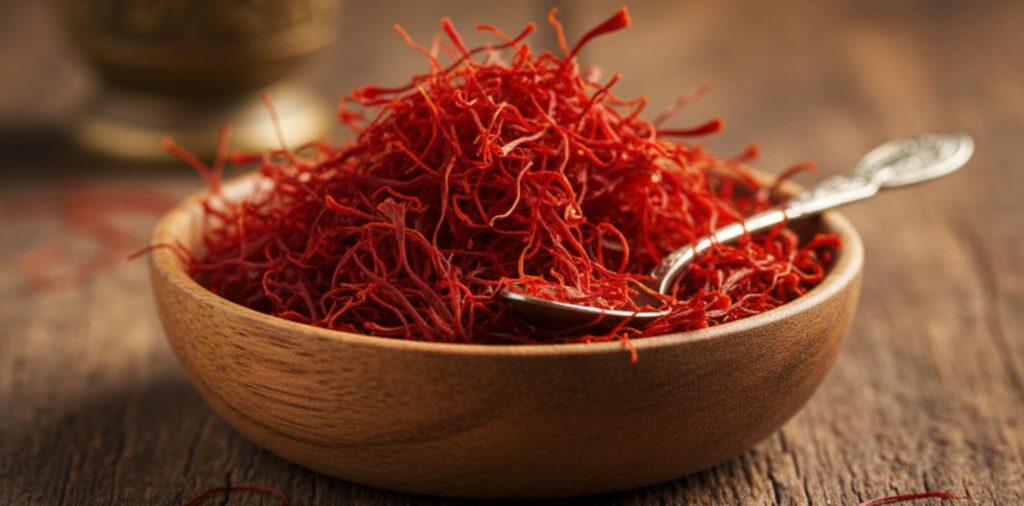
Did you know that the golden saffron is the world’s most expensive spice and is harvested by hand, from delicate purple flowers that bloom for just a few weeks each year? Meet saffron, the golden thread that has dazzled chefs, healers, and emperors for over 3,000 years. Revered for its vivid color, heady aroma, and subtly sweet taste, saffron is more than a culinary ingredient—it’s a cultural icon, a historical treasure, and a source of endless fascinating stories. Golden saffron gets its stunning color from crocin, the pigment that gives it its signature golden threads. Join us on a journey through the world of saffron, where flavor meets legend, and every tiny stigma carries centuries of tradition.
The Flavor Profile of the golden Saffron: A Symphony of Subtlety
Saffron’s flavor is unlike any other. Often described as earthy, honeyed, and slightly floral, it has a unique umami-like depth that can transform both savory and sweet dishes. A pinch can elevate a simple rice dish to regal status, while a hint in desserts like custards or pastries adds a luxurious warmth.
Saffron’s aroma is equally mesmerizing—intense yet delicate, reminiscent of hay and honey, with a subtle metallic note that hints at its extraordinary origin. It is a spice that demands attention but rewards restraint; too much can overpower a dish, while just the right amount turns ordinary meals into unforgettable experiences.
Interestingly, the golden saffron’s flavor and aroma are due to three key chemical compounds: crocin (color), picrocrocin (taste), and safranal (smell). This chemical trio is what gives saffron its signature golden hue, complex flavor, and intoxicating fragrance.
Culinary Uses: From Royal Kitchens to Everyday Magic
Saffron has long been a staple in cuisines across the globe. In Persian and Middle Eastern cooking, it flavors rice, stews, and desserts, creating dishes that are as visually stunning as they are delicious. In Spain, it is indispensable in the classic paella, providing both color and a subtle depth that makes the dish iconic. Italy, too, has embraced this golden saffron, most famously in Risotto alla Milanese, where a few strands turn creamy Arborio rice into a golden, aromatic masterpiece. India boasts its own saffron-infused treasures, from luxurious biryanis to fragrant desserts like kesar peda and kulfi.
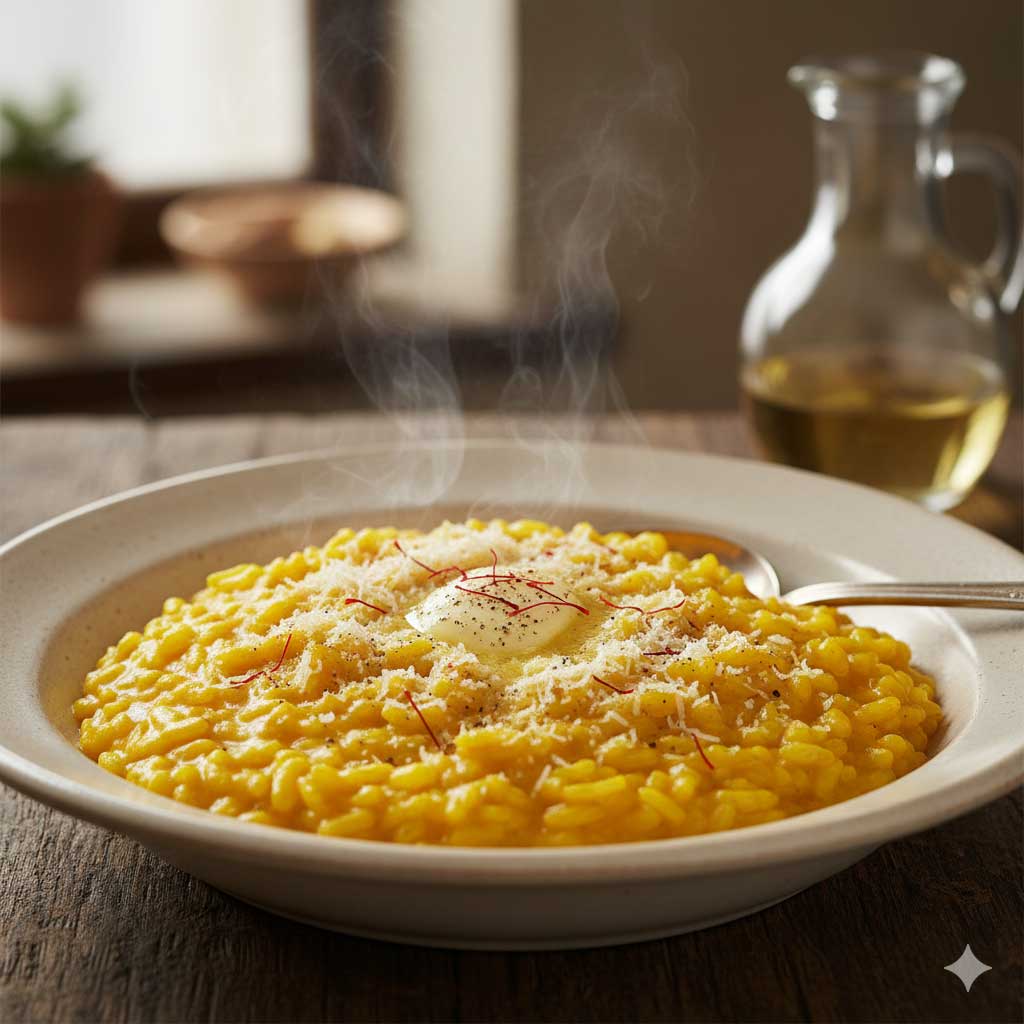

Beyond these traditional dishes, golden saffron has found its way into modern gastronomy. Innovative chefs use it in ice creams, cocktails, and even savory pastries. Its versatility—paired with both sweet and savory, meat and vegetable, hot and cold—makes saffron a rare and prized ingredient in kitchens worldwide.
A Rich History: Emperors, Trade, and Myth
Saffron’s history reads like a page from a novel. Its cultivation dates back over 3,000 years in ancient Persia, where it was as valuable as gold. It traveled along trade routes to Greece, Egypt, and beyond, coveted by kings and emperors for its medicinal and culinary properties. Cleopatra famously used saffron in her baths, and the spice was said to add a radiant glow to her complexion.
In medieval Europe, saffron was worth more than its weight in silver, often stolen and fought over during conflicts. Venice even had a “Saffron War” in the 14th century, sparked by the lucrative trade of these golden threads. In literature, saffron is referenced in works from Homer to Shakespeare, symbolizing luxury, beauty, and passion.
Cultural Significance: Symbolism and Tradition
Saffron is more than a spice; it carries profound cultural meaning. In India, saffron represents purity, prosperity, and courage. It is one of the three colors in the Indian national flag, symbolizing sacrifice and valor. In Iranian and Middle Eastern cultures, saffron is a sign of hospitality and celebration, often used in weddings and religious ceremonies.
Even in Europe, saffron threads have ceremonial uses. In parts of Ireland and the UK, saffron buns and breads are baked for festive occasions, keeping the golden tradition alive. Across continents, saffron is intertwined with storytelling, rituals, and symbolic meaning—a true spice of life.
Fun Facts and Surprising Applications
Here’s where golden saffron’s story gets delightfully quirky:
- Tiny but mighty: It takes around 75,000 saffron flowers to produce just one pound of dried spice. No wonder it’s called “red gold”!
- Medicinal marvel: Historically, saffron was used as an antidepressant, digestive aid, and even an aphrodisiac. Modern research suggests it may help mood regulation and support eye health.
- Color magician: A few threads can turn dishes bright yellow-orange, making it a natural food dye long before artificial colors existed.
- Culinary creativity: Beyond food, saffron has been used in teas, wines, perfumes, and even traditional dyeing of fabrics.
Saffron’s combination of rarity, sensory magic, and historical weight makes it a truly remarkable spice that continues to fascinate chefs and culture enthusiasts alike.
Conclusion: The Timeless Allure of Saffron
Saffron is not just a spice; it is a story woven from centuries of culinary innovation, cultural tradition, and pure human fascination. From royal banquets to everyday kitchens, from ancient myths to modern gastronomy, saffron continues to enchant with its golden hue, complex flavor, and rich history. Next time you sprinkle a few strands into a dish, remember: you’re tasting more than flavor—you’re tasting history, culture, and a little bit of magic.
So why not let saffron inspire your next culinary adventure? Share your saffron stories, experiment with its golden threads, and let this legendary spice bring a touch of luxury to your kitchen.


Leave a Reply