Category: Uncategorized

  • Anise: small seed, grand history, and universal flavor

    Anise, that small seed with a gentle, recognizable, licorice-like taste, is much more than a simple baking ingredient or a component of an anise-flavored drink. It is a spice whose history intertwines with that of civilizations, used since antiquity for its medicinal properties, aromatic qualities, and even its symbolic role. Its journey through global cultures and cuisines attests to its universal importance.

    The Ancient Roots of a Vesperated Spice

    Green anise (Pimpinella anisum) originates from the Mediterranean basin and the Middle East, particularly Egypt and Western Asia. Its use dates back over 4,000 years, making it one of the oldest spices cultivated by humanity.

    Ancient Egyptians used anise in their culinary preparations, but primarily as a remedy. Ancient papyri attest to its digestive and carminative (gas-reducing) properties.

    The Greeks and Romans also widely adopted anise. The Roman naturalist Pliny the Elder recommended chewing anise seeds after meals to aid digestion and freshen breath. It was even customary to bake a spiced cake called mustaceum, often flavored with anise, which was consumed at the end of feasts for its digestive virtues after a rich meal. The Romans are credited with its spread throughout Europe.

    In the Middle Ages, anise remained a highly valued spice. It was cultivated in monastic gardens, where monks perpetuated its use for medicine and flavoring eaux-de-vie (brandies). Its high price at certain times reflected its status as a precious commodity, often subject to taxes. In England, for example, King Edward I imposed a tax on anise to help fund the repair of London Bridge.

    From Pharmacopoeia to Culinary Art

    Historically, anise’s uses were primarily medicinal before they became culinary. Its properties are mainly attributed to anethole, the aromatic compound that gives it its characteristic flavor.

    Medicinal Virtues

    Anise is traditionally recognized for:

    • Its digestive properties: It is an excellent antispasmodic and helps relieve bloating, flatulence, and indigestion. It is often consumed as a herbal tea.
    • Its expectorant effects: Used in infusion, it helps clear the respiratory tracts and soothe coughs and colds.
    • Its galactagogue properties: It is traditionally recommended to nursing mothers to stimulate milk production.
    Anise in Cooking

    In the kitchen, anise is incredibly versatile.

    • Baking and Confectionery: It is essential in many traditional pastries around the world, such as German Christmas cookies (Anisplätzchen), Mediterranean dry biscuits, and breads.
    • Beverages: The seeds can be used to infuse teas or tisanes.
    • Savory Dishes: In certain cuisines, notably Indian and Middle Eastern, anise seeds are used to season stews, rice dishes, and fish sauces, adding a fresh note.

    The Saga of Anise-Flavored Drinks

    Anise found its most spectacular glory in the world of spirits. Its anethole dissolves in alcohol but precipitates when water is added, creating the milky clouding effect, called the louche, typical of anise aperitifs.

    The most famous of the anise-based beverages is undoubtedly Absinthe, which originated in Switzerland and was popularized in France in the 19th century. Although absinthe contains wormwood (a toxic plant in high doses), green anise played an essential role in the aroma. After absinthe’s ban at the beginning of the 20th century, many alternatives emerged, notably:

    • Pastis and Ricard in France.
    • Ouzo in Greece.
    • Raki in Turkey.
    • Arak in the Levant and Mesopotamia.

    Each of these beverages uses the essence of green anise or other anise-flavored plants to create its distinctive flavor, thus perpetuating a thousand-year-old tradition.
    anise

    Confusion and Distinctions: Green Anise, Star Anise, and Fennel

    A frequent source of confusion lies in the similarity of flavors between several plants, all due to the presence of anethole. It is crucial to distinguish:

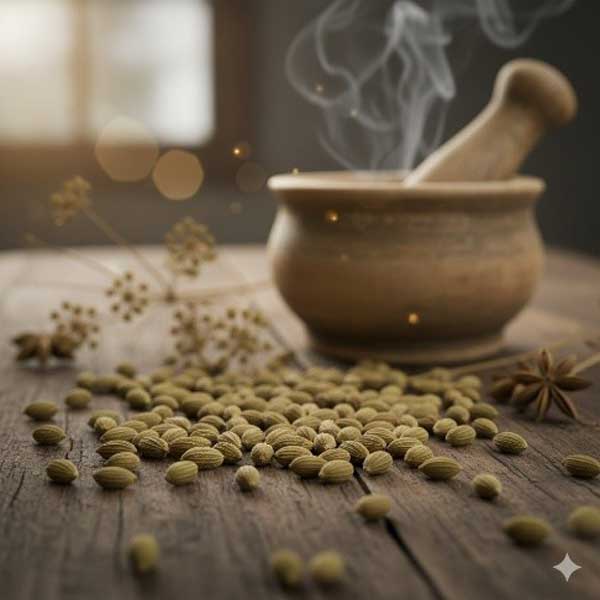
    1. Green Anise (Pimpinella anisum): This is the seed we are mainly discussing. It is small, brownish-green, and carries the mildest flavor.
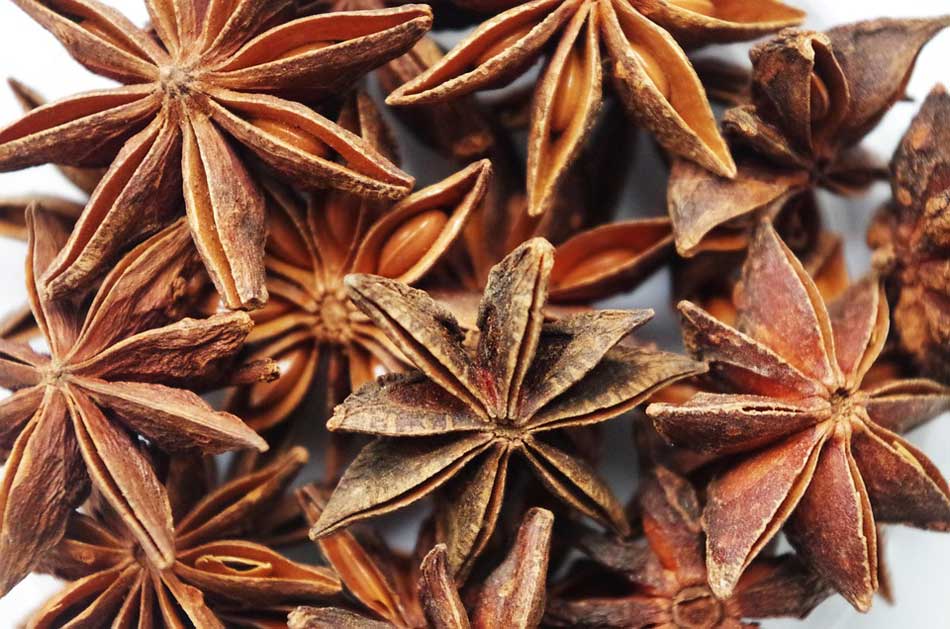
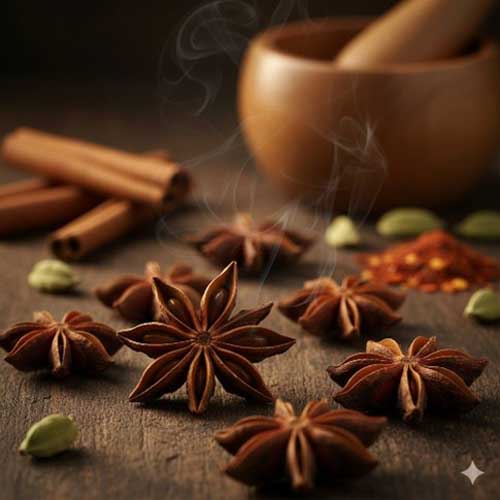
    2. Star Anise (Illicium verum): Native to China and Vietnam, this is the dried fruit of an evergreen tree, shaped like an eight-pointed star. It has a much more intense and pungent anethole flavor. It is fundamental in Asian cuisine, notably in the Five-Spice powder blend. Chemically and botanically, it is unrelated to green anise.
    3. Fennel (Foeniculum vulgare): Fennel seeds, also used as a spice, have a slightly anise-like flavor. Again, the presence of anethole is responsible for the similar aromatic profile, although it is botanically distinct.
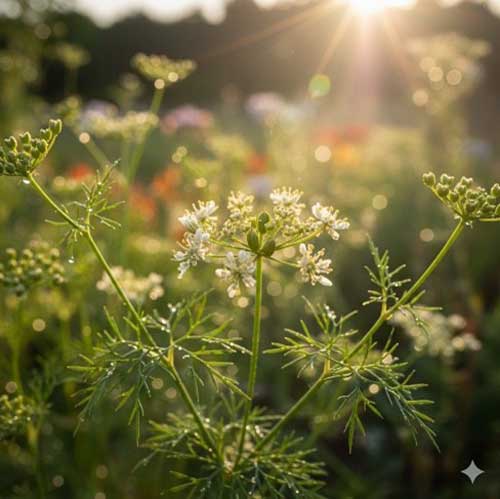
    anise plant

    Cultivation and Harvest

    Anise is an herbaceous annual plant, reaching about 50 cm in height. It prefers a warm, sunny climate and light, well-drained soils.

    The small white or yellowish flowers bloom in summer, forming umbels. After flowering, they produce the small brownish-green seeds. The harvest is delicate: it must be done just before the seeds are completely ripe and drop, usually in late summer or early autumn. The stalks are cut, dried, and threshed to release the precious seeds.

    Today, anise is cultivated in many regions around the world, including Spain, Mexico, Turkey, and China, ensuring a constant supply for a spice whose demand remains high, whether for flavoring a dish, soothing indigestion, or composing a refreshing summer cocktail.

    Anise is therefore not just a flavor, but a true marker of the world’s culinary and medicinal history.

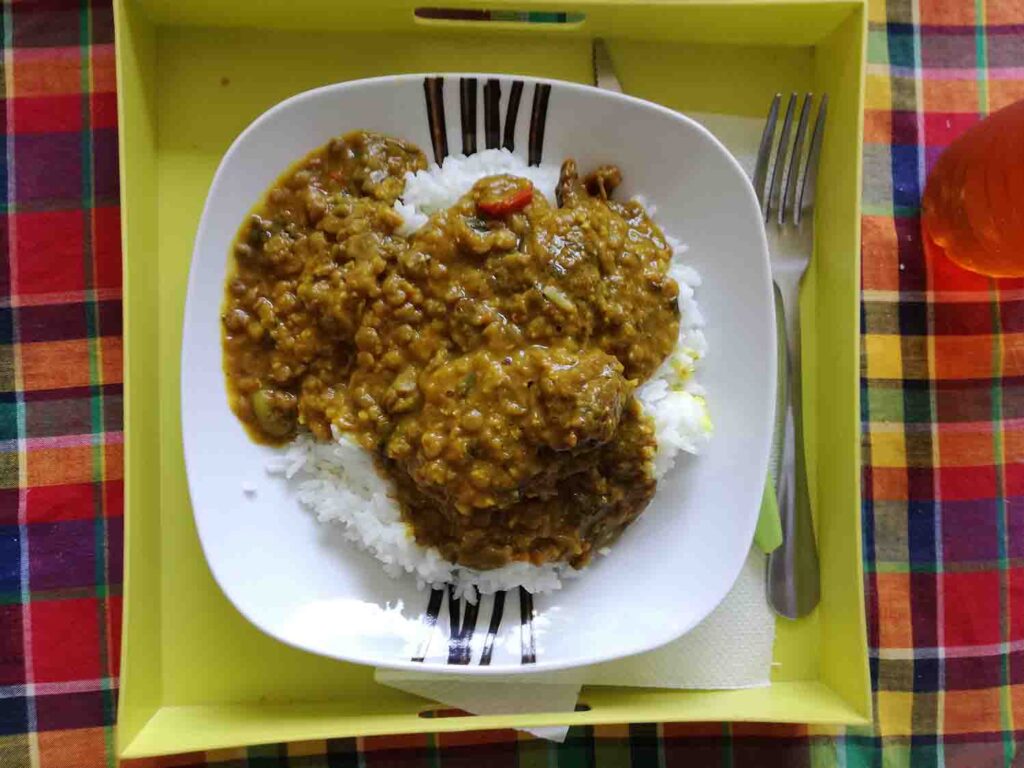
    Anise

    Anise post

  • Colombo: The soul of Guadeloupe, a History Simmering In a Pot of Spice

    colombo

    In the gentle steam rising from a pot of colombo in Guadeloupe, history stirs. It’s not just a dish—it’s a living trace of migration, colonial labor, and cultural alchemy. Each spoonful carries echoes of distant lands and the resilience of people who made these islands their home. The aroma is complex, earthy, and warm, hinting at spices whose journey spans oceans, centuries, and cultures.

    A Journey Across Oceans: How Colombo Took Root

    The story of colombo in Guadeloupe begins with the arrival of indentured Indian laborers in the mid‑19th century. After the abolition of slavery in 1848, plantation owners needed a new workforce. Between 1854 and 1885, tens of thousands of Indian immigrants—mostly Tamils from southern India—were brought to the French Caribbean under long-term contracts. (lesilesdeguadeloupe.com)

    These laborers brought with them memories of their homeland, spices, and culinary traditions—remnants of lives that had been uprooted by the machinery of colonial labor following centuries of slavery. The indentured system, while technically distinct from slavery, perpetuated exploitation and severe restrictions on freedom. Workers endured long contracts, low pay, and often brutal working conditions. (chezmanon.fr) The name “colombo” likely originates from the Tamil word “kulambu”, describing a tangy, spiced stew. Over time, Creole adaptation transformed both the word and the dish into a new, distinct culinary tradition. (fr.wikipedia.org)

    Colombo : A dish and a blend of Spices: From Indian Roots to Creole Identity

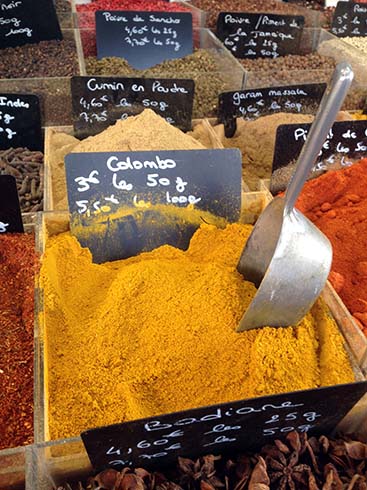
    At the heart of the dish is colombo powder, a Creole interpretation of Indian curry. Its typical ingredients include turmeric, coriander, cumin, mustard seeds, fenugreek, and black pepper. (gwada-tourisme.fr) Additional elements, like cloves, thyme, bay leaf, or local allspice (“bois d’Inde”), often complement the mix. (fr.wikipedia.org)

    Some cooks lightly roast the spices before grinding, a step that deepens their aroma and gives the powder a nutty warmth. (chezmanon.fr) Because not every spice from India was available, Guadeloupean cooks adapted, introducing local vegetables, herbs, and even citrus. This creative fusion resulted in a milder, fragrant curry that would become a signature of Creole cooking. (lesilesdeguadeloupe.com)

    What colombo tells us about Slavery, Colonial Labor, and Culinary Resilience

    Understanding colombo also requires acknowledging Guadeloupe’s colonial past. The islands’ sugar plantations were built on centuries of slavery, a crime against humanity that exploited African people for labor. (chezmanon.fr) After emancipation in 1848, the introduction of indentured laborers from India replaced one form of oppression with another. While legally different, the system maintained coercive structures, extreme work demands, and economic dependency. (lesilesdeguadeloupe.com)

    Within this challenging context, Indian immigrants preserved culinary knowledge, blending it with local ingredients. Colombo evolved into a dish of resilience and cultural creativity, bridging distant homelands and Caribbean soil. It became a daily reminder that identity could survive, adapt, and flourish even in oppressive systems. (chezmanon.fr)

    Cooking colombo: Technique and Tradition

    This traditional dish is highly versatile. It can feature chicken, goat (cabri), pork, or fish, often accompanied by vegetables such as christophine (chayote), yam, sweet potato, or eggplant. (gwada-tourisme.fr) Coconut milk or a splash of lime may be added for a creamy, tangy depth. (lesilesdeguadeloupe.com)

    The process begins with marinating the protein in colombo powder, garlic, citrus, and herbs. The meat is then browned and stewed slowly with vegetables in a fragrant, spice-laden broth. (fr.wikipedia.org) Allowing the stew to rest for several hours—or even overnight—intensifies the flavors, making the aromas richer and the spices more harmonious. Traditional serving is with white rice, but some households add pigeon peas, plantains, or local greens to complement the dish.

    Variations of colombo Across Islands and Families

    Every household in Guadeloupe has its own colombo signature. Some recipes emphasize citrus, others rely on richer coconut milk; some highlight local herbs, others lean on traditional Indian spices. (chezmanon.fr) Commercial colombo powders are widely available, but purists insist that hand-prepared blends capture the full aroma, warmth, and cultural depth that define this dish.

    Colombo also travels beyond the islands, carried to metropolitan France and elsewhere in the Caribbean, connecting diaspora communities to their culinary heritage.

    Colombo as Cultural Memory

    In Guadeloupe, a simmering pot of colombo is living history. It evokes the Indian laborers who arrived after slavery, their adaptations to new surroundings, and the Creole ingenuity that transformed a foreign stew into a local treasure. (lesilesdeguadeloupe.com) Served at family gatherings, festivals, and Sunday dinners, colombo embodies cultural memory, survival, and creativity. It is both a meal and a story passed down through generations.

    Every spoonful delivers warmth, layered aroma, and centuries of resilience. Colombo carries the ingenuity of Indian immigrants, the legacy of slavery, and the enduring creativity of Creole culture. In kitchens across Guadeloupe, this fragrant stew continues to simmer—a living link between past and present, between distant homelands and Caribbean soil. History can be tasted, celebrated, and shared in every bite.

  • The Story of Pepper: From Ancient Treasure to Tabletop Essential

    The Story of Pepper: From Ancient Treasure to Tabletop Essential

    Few spices have shaped human history as profoundly as pepper. Today, it sits quietly on dining tables around the world, casually sprinkled over meals as if it had always been an everyday ingredient. But for most of history, pepper was nothing short of a luxury—a prized commodity that sparked exploration, inspired myths, and even served as a form of currency. Beyond its unmistakable sharp, warming flavor, pepper has built empires, enriched traders, and caused countless amusing misunderstandings along the way.

    Origins: A Spice Born in the Western Ghats

    Pepper comes from Piper nigrum, a climbing vine native to the lush forests of the Western Ghats in southern India. For thousands of years, this region—especially the areas around Kerala—was the world’s primary source of black pepper. Ancient Indian texts mention pepper not only as a flavoring agent but also as a valuable medicinal ingredient believed to warm the body and improve digestion.

    Early Indian traders recognized the spice’s value long before foreigners learned of it’s true origin. According to folklore, local farmers would tell outsiders elaborate stories about ferocious animals guarding pepper forests, hoping to discourage competition. While the animals were mostly harmless monkeys, the myth successfully increased pepper’s mystique—and its price.

    Pepper’s Journey to Ancient Civilizations

    By around 1000 BCE, pepper had begun traveling west through ancient trade networks. Arab traders dominated the spice routes and acted as intermediaries between India and Mediterranean civilizations. They intentionally cultivated an air of mystery around pepper, refusing to reveal its true origin.

    One famous anecdote describes how Arab merchants told the Greeks that pepper grew in snake-infested valleys. According to their tale, the only way to harvest pepper was to burn the entire valley so the snakes fled, causing pepper berries to turn black from the smoke. The story was obviously fabricated—but effective. Greek buyers were shocked and impressed, and pepper’s price rose accordingly.

    Romans, who eventually became obsessed with pepper, paid exorbitant sums for it. Wealthy Roman households used pepper in nearly every dish, sweet or savory. It was so valuable that Alaric the Visigoth demanded 3,000 pounds of pepper as part of the ransom to lift his siege of Rome in 408 CE. Pepper was literally worth its weight in gold.

    Medieval Europe: Pepper as Money, Medicine, and Mystery

    During the Middle Ages, pepper was a key commodity in European trade. Because it could be stored for years without losing value, it was often used as currency. Many merchants paid taxes, rents, and even dowries in peppercorns. This led to the term “peppercorn rent,” referring to a symbolic or nominal payment still used in legal language today.

    The spice was so precious that pepper thieves became a genuine concern. A humorous record survives from a merchant guild in 13th-century London describing an apprentice caught with pepper hidden in his shoes. When asked why he had stuffed his boots with peppercorns, he claimed he “merely wished for warmer feet.” His master replied that his feet would indeed be warmed—by the whipping he was about to receive.

    Meanwhile, pepper also played a surprising role in medieval medicine. Europeans believed it could cure everything from stomachaches to the plague. During the Black Death, many households lined their doorways with pepper and burned peppercorns in the hope that the spicy smoke would chase away bad air. Unsurprisingly, the plague was unimpressed.

    The Age of Exploration: Pepper Drives the World Eastward

    By the 15th century, pepper had become so crucial to European trade that explorers risked their lives to find direct routes to India. Arab and Venetian merchants controlled the Mediterranean spice trade, keeping prices high. This motivated European powers to send ships into the unknown.

    Christopher Columbus initially sailed west not to discover new continents, but in search of a shortcut to India and its spice markets. When he reached the Americas, he mistakenly identified local chili plants as a form of pepper, naming them “pepper” due to their heat—a linguistic confusion that persists today in words like “bell pepper,” which contains no real pepper at all.

    Vasco da Gama’s successful voyage around the Cape of Good Hope in 1498 changed everything. Portugal gained direct access to Indian pepper, creating a lucrative and sometimes brutally enforced trade network. Soon after, the Dutch and the British joined the competition, building global empires in part to control spice-rich regions.

    One amusing diplomatic anecdote survives from this era. When Dutch traders attempted to negotiate directly with a Kerala ruler, they offered gifts including fine cloth, mirrors, and weapons. The king’s advisor politely inspected each item, then reportedly whispered: “Tell them to bring pepper next time. We already have mirrors.” This shows how the origin of pepper was always more valuable than other goods.

    Pepper in the Modern World: A Common Treasure

    By the 18th and 19th centuries, pepper production expanded, especially in Southeast Asia. As supply increased, prices finally began to drop, making pepper accessible to ordinary households. What was once a luxury for emperors, merchants, and pirates gradually became a humble kitchen essential.

    Today, pepper remains one of the world’s most traded spices. India, Vietnam, Indonesia, and Brazil are among the major producers. Black pepper continues to be prized for its sharp heat and earthy aroma, while white pepper, green peppercorns, and pink peppercorns offer variations in flavor. Even today, knowing the origin of the peppercorn adds to its appreciation.

    But pepper’s long and dramatic history isn’t forgotten. In fact, some pepper plantations in Kerala still tell embellished legends about how monkeys steal pepper and toss the berries at tourists—sometimes true, often exaggerated, always entertaining.

    https://frogsaga.com/wp-admin/post.php?post=145&action=edit

    Conclusion: A Spice That Transformed the World

    Pepper’s story is one of adventure, myth, wealth, and endless curiosity. It shaped trade routes, influenced wars, funded empires, and flavored meals across continents. From snake-filled valleys invented by Arab traders, to Roman ransom demands, to apprentices stuffing pepper in their shoes, the spice has generated centuries of colorful tales.

    https://maxdaumin.com/en/blog/le-grimoire/history-of-pepper-or-how-this-trade-shaped-the-world

  • Cardamom Creations: Recipes and Amusing Anecdotes About the “Queen of Spices”

    Cardamom Creations: Recipes and Amusing Anecdotes About the “Queen of Spices”

    Cardamom, often called the “Queen of Spices,” has a flavor unlike any other: sweet, floral, slightly citrusy, and gently spicy. It lifts desserts, deepens savory dishes, and adds an exotic twist to drinks. But beyond its taste, this aromatic seed carries centuries of quirky history, surprising cultural traditions, and curious myths. Below are several recipes featuring this spice—some traditional, some inventive—sprinkled with amusing anecdotes that celebrate the spice’s unique personality.

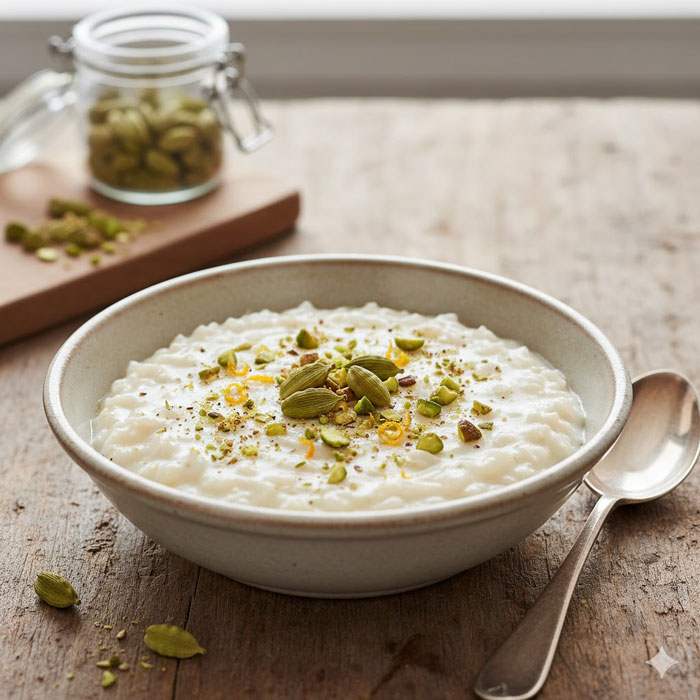
    1. Cardamom-Infused Rice Pudding (Kheer-Style)

    Ingredients:

    • 1 cup basmati rice
    • 4 cups whole milk
    • ⅓ cup sugar (adjust to taste)
    • 4 crushed green cardamom pods
    • 2 tbsp chopped pistachios
    • 1 tbsp raisins
    • A pinch of saffron (optional)

    Instructions:

    1. Rinse the rice until the water runs clear.
    2. Bring the milk to a gentle boil, then add the rice.
    3. Stir frequently to prevent sticking.
    4. Add crushed green pods and cook until the mixture thickens.
    5. Add sugar, pistachios, and raisins.
    6. Let it simmer until creamy.
    7. Serve warm or chilled, optionally garnished with saffron.

    Anecdote:
    In ancient India, this spice was considered such an aristocratic spice that it appeared in royal wedding feasts. According to one legend, a prince refused dessert unless it was “perfumed with the pods of paradise”—a poetic way some medieval poets referred to these pods. If only all royal tantrums were solved with pudding.

    2. Lemon-Cardamom Shortbread Cookies

    Ingredients:

    • 1 cup butter, softened
    • ½ cup sugar
    • 2 cups flour
    • 1 tsp lemon zest
    • 1 tsp ground cardamom
    • A pinch of salt

    Instructions:

    1. Cream the butter and sugar until fluffy.
    2. Add the lemon zest and cardamom.
    3. Mix in the flour and salt, forming a soft dough.
    4. Chill the dough for 20–30 minutes.
    5. Roll into small rounds or press into molds.
    6. Bake at 175°C (350°F) for 12–15 minutes, until lightly golden.
    7. Cool before serving.

    Anecdote:
    This spice once played an unusual role in Scandinavian baking history. In the 1800s, when travelers first brought the spice north, some bakers thought its smell was too pleasant and accused its aroma of being “suspiciously seductive.” Despite these concerns, Scandinavian grandmothers have since turned cardamom-infused baked goods into a national treasure—proving once again that grandmothers know better than 19th-century skeptics.

    3. Cardamom-Spiced Coffee (Middle Eastern Style)

    Ingredients:

    • 2 cups water
    • 2 tbsp finely ground coffee
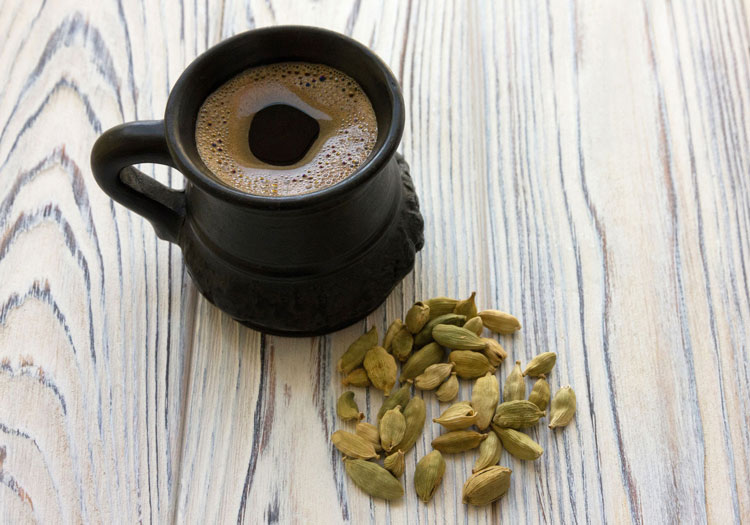
    • ¼ tsp ground cardamom
    • Sugar to taste (optional)

    Instructions:

    1. Bring water to a boil.
    2. Add coffee and cardamom.
    3. Reduce heat and simmer for a few minutes.
    4. Allow to settle briefly, then pour slowly into small cups.
    5. Serve immediately.

    Anecdote:
    In many Middle Eastern households, serving this aromatic spice in coffee is a gesture of respect and hospitality. A humorous (and very real) social rule says you should never pour the guest more than three cups—anything beyond that implies you want them to leave. So if your Arab host stops refilling, don’t take it personally: it’s just polite code for “I love you, but I also need to get some sleep.”

    4. Creamy Chicken with Coconut and Cardamom

    Ingredients:

    • 500 g chicken breast, cubed
    • 1 onion, finely chopped
    • 3 garlic cloves, minced
    • 1 tbsp grated ginger
    • 5 crushed green cardamom pods
    • 1 can coconut milk
    • 1 tsp turmeric
    • ½ tsp chili flakes
    • Salt to taste
    • Fresh cilantro for garnish

    Instructions:

    1. Sauté onions, garlic, and ginger until golden.
    2. Add the crushed aromatic pods and stir until aromatic.
    3. Add chicken pieces and cook until lightly browned.
    4. Stir in turmeric, chili flakes, and salt.
    5. Pour in coconut milk and simmer for 15–20 minutes.
    6. Garnish with cilantro and serve with rice.

    Anecdote:
    The cardamom plant is a shy diva: it refuses to grow unless humidity, temperature, and shade are just right. Farmers often say that cardamom “likes to be loved, but not watched.” In fact, traditional growers claim that too many visitors walking near the plants can upset them. Whether this is agricultural science or superstition is unclear—but it certainly makes cardamom sound like the Beyoncé of the spice world.

    5. Cardamom-Orange Mocktail

    Ingredients:

    • 1 cup orange juice
    • ½ cup sparkling water
    • 1 tbsp honey
    • 2 green cardamom pods, lightly crushed
    • Ice
    • Orange peel for garnish

    Instructions:

    1. Warm the honey with the cardamom pods for 1 minute to infuse.
    2. Stir the honey into the orange juice.
    3. Add sparkling water and ice.
    4. Garnish with orange peel.

    Anecdote:
    During the Renaissance, these seeds was believed to cure melancholy. Some scholars insisted that sniffing the pods could “restore cheerfulness and vigor to the spirits.” Whether or not that’s scientifically correct, it may explain why cardamom appears in so many celebratory drinks. If nothing else, its fragrance alone is enough to lift one’s mood—especially when mixed with citrus.

    More recipes : https://frogsaga.com/wp-admin/post.php?post=282&action=edit

    Conclusion

    Cardamom stands among the most fascinating spices—not just for its unique flavor but also for its journey across cultures, legends, and history. Whether it perfumes rice pudding, lifts a savory dish, sweetens baked goods, or enriches coffee, it brings a signature elegance that few spices can match. And with its blend of royal lore, quirky farming traditions, and amusing cultural anecdotes, the pods of this spice offers far more than taste: it provides a window into the humor and humanity of the people who have cherished it for millennia.

    https://www.bbcgoodfood.com/recipes/collection/cardamom-recipes

  • Spice Tales from India: A Collection of Amusing Stories

    Spice Tales from India: A Collection of Amusing Stories

    Spice Tales from India: A Collection of Amusing Stories

    India is a land of vivid colors, spirited festivals, and—most famously—spices. For thousands of years, spices have traveled from Indian ports to kitchens across the world, carrying with them not just flavor but stories. Some of these stories are historical, others mythical, and many hilariously reflect the everyday chaos that spices bring into Indian life. Below is a collection of amusing tales featuring some of India’s most iconic spices.

    1) The Day Turmeric Tried to Ruin a Wedding

    In a small village in Kerala, turmeric—revered for its golden color—plays a key role in pre-wedding rituals. But in this particular story, turmeric decided to take its duties very seriously.

    Traditionally, a turmeric paste is applied to the bride and groom to bless them with good health and glowing skin. All went well until a mischievous young cousin grabbed the leftover bowl of turmeric paste and tripped (or pretended to trip—opinions differ). The bowl flew through the air like a bright yellow comet and landed squarely on the groom’s white ceremonial kurta.

    A gasp spread through the crowd. The groom looked like a marigold that had been hit by a truck.

    Instead of panicking, the bride burst into laughter and said, “Well, at least now you match the wedding décor!”

    The priest later joked that the turmeric must have been too enthusiastic about its protective duties. And from that day on, villagers told the story of “The Groom Who Was Blessed Too Much.” Even now, some families keep an extra kurta on standby—just in case turmeric decides to get creative again.

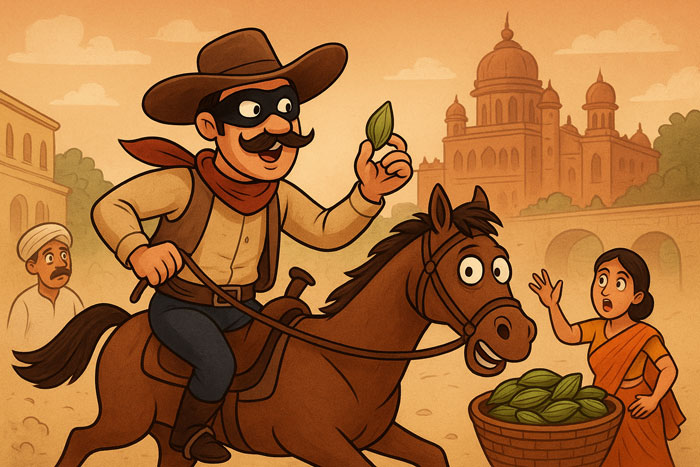
    2- The Cardamom Bandit of Mysore

    Cardamom, the “Queen of Spices,” is beloved in desserts, teas, and sometimes even pilafs. But in the city of Mysore, cardamom became the center of a mysterious and strangely fragrant crime spree.

    Every morning for a week, one household discovered that their precious cardamom pods were disappearing. At first, they suspected thieves—after all, cardamom can be as expensive as silver. But there were no broken locks, no missing valuables, nothing disturbed except the spice jar.

    Finally, the family set a trap: they left the kitchen door half-open and hid behind the dining table at dawn. As rays of sunlight warmed the floor, a soft rustling noise emerged.

    From behind a stack of pots appeared the culprit: a plump squirrel dragging a cardamom pod twice the size of its head.

    Apparently, the squirrel preferred cardamom over peanuts and had been hoarding the pods in its nest like aromatic treasure. When the nest was eventually found, it smelled better than most Indian bakeries.

    The squirrel was nicknamed “The Mysore Perfumer,” and ever since, the family buys an extra packet of cardamom—one for cooking, one for the little thief who clearly had refined taste.

    3- When Black Pepper Won an Argument

    Long before refrigeration, ancient Indian households used black pepper not just as a spice but as a natural preservative. In one Tamil Nadu household, pepper also played the unexpected role of an informal marriage counselor.

    An elderly couple, famous for their playful arguing, once disagreed about how much pepper should go into the evening rasam. The wife claimed one teaspoon was enough; the husband insisted on two. The debate escalated—sarcastic comments flew, wooden spoons waved dramatically, and neighbors later claimed they smelled the aroma of a storm brewing.

    Finally, in a moment of stubborn triumph, the husband added an enormous tablespoon of pepper to the pot.

    The result? A rasam so spicy that it made everyone cough, sneeze, and contemplate their life choices.

    After two fiery spoonfuls, the husband gasped, “I think perhaps… it needs less pepper tomorrow.”

    The wife smirked and said, “Pepper wins. Listen to the spice next time.”

    The story spread, and pepper’s reputation rose: not only could it flavor food and preserve fish—it could also settle arguments faster than any family mediator.

    4- Cinnamon and the Apprentice Who Took Things Too Literally

    Cinnamon, sweet and warm, has long been used in Indian sweets and Ayurvedic remedies. But one spice shop in Jaipur tells the famous tale of an apprentice who misunderstood instructions in the most spectacular way.

    The shopkeeper asked the new apprentice to prepare “a pinch of cinnamon powder” to sample a new batch of tea. Unfortunately, the apprentice was not familiar with the English word “pinch.”

    So, naturally, he looked around… and grabbed the pair of metal tongs used to lift hot pans. Believing the instruction to be literal, he smashed a cinnamon stick between the tongs like a construction worker handling bricks.

    The cinnamon exploded into a cloud so fragrant that customers several shops down began sneezing and asking who was baking holiday cookies.

    Instead of scolding him, the shopkeeper laughed for an entire minute and said, “Well, at least your pinch has enthusiasm.”

    To this day, the apprentice is known as “The Strongest Pinch in Rajasthan.”

    Conclusion: The Humor Hidden in Every Spice Jar

    Spices may be tiny, but they shape India’s cuisine, culture, and—when they misbehave—its funniest stories. Whether turmeric is sabotaging wedding outfits, cinnamon is being pinched with industrial enthusiasm, or squirrels are mastering the art of cardamom theft, Indian spices show that they are as lively as the people who use them.

    These tales remind us that spices bring more than flavor—they bring joy, laughter, and a touch of chaos to everyday life. And perhaps that is why Indian cuisine, like the stories behind it, is always full of warmth, surprise, and unforgettable character.

    https://internationalspicedistrict.com/blogs/spice-stories

  • Hello world!

    Welcome to WordPress. This is your first post. Edit or delete it, then start writing!