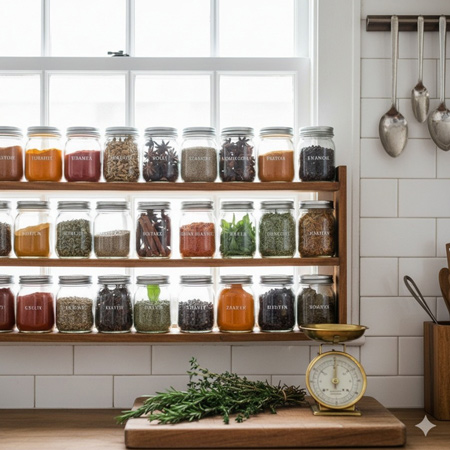
Category: Food History & Culture

  • The Golden Root: Turmeric’s Journey Through Food, History, and Culture

    Turmeric history. Turmeric, the vibrant deep-orange spice that lends curry its signature glow and mustard its earthy warmth, is far more than a kitchen staple. Known scientifically as Curcuma longa, this unassuming rhizome has traveled across centuries and continents, weaving itself into rituals, trade routes, healing traditions, and culinary identities. Few spices embody the intersection of food, history, and culture as richly as turmeric—the “golden root” that continues to captivate the world.
    An ancient root with a sacred legacy

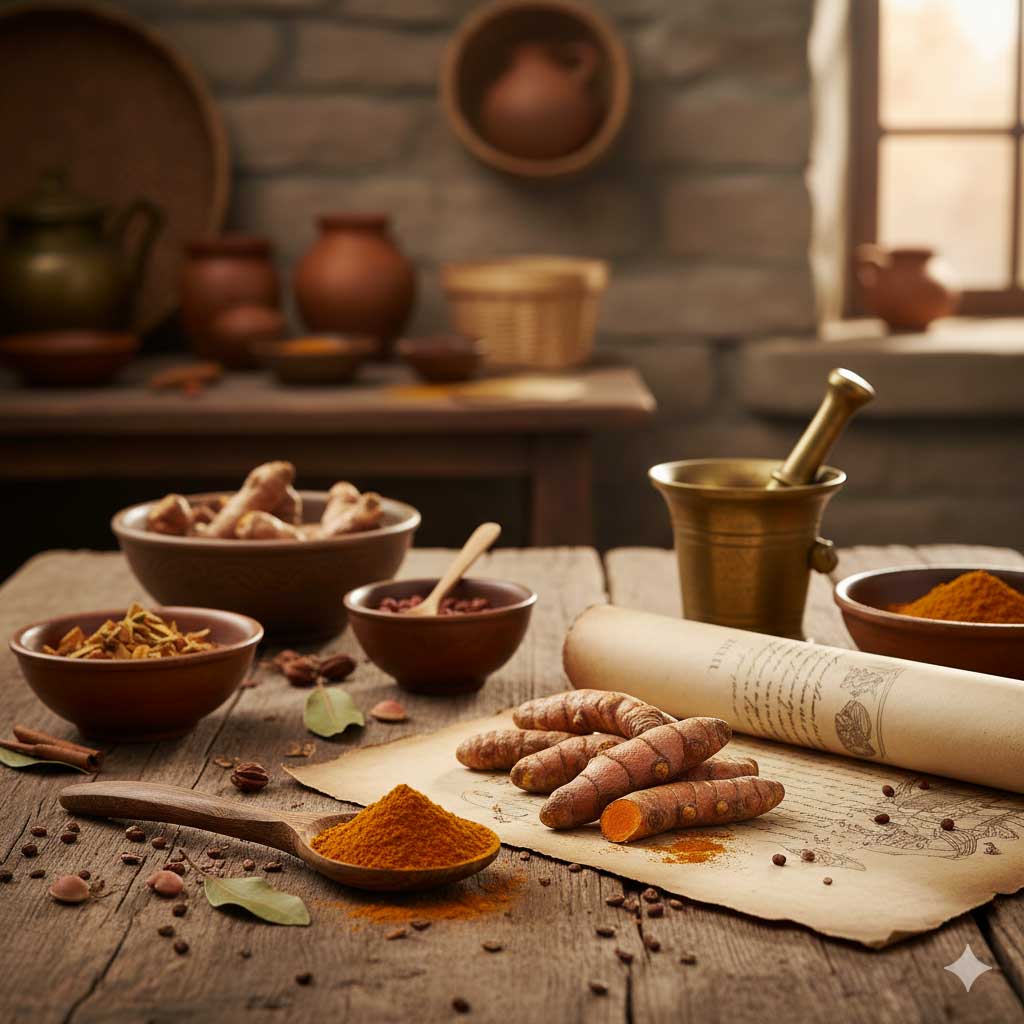
    Turmeric history stretches back nearly 4,000 years to the Vedic culture of ancient India, where it appears in early Sanskrit medical texts. In Ayurveda, one of the world’s oldest healing systems, turmeric was prescribed for digestive issues, skin ailments, and respiratory conditions. Its importance grew rapidly, becoming firmly rooted not only in early medicine but also in the rituals and symbolism of Hindu culture.

    In many parts of India, turmeric represents purity, abundance, and auspicious beginnings. Its warm golden color is considered life-giving, a visual emblem of the sun’s vitality. The custom of applying a turmeric paste before ceremonies—especially weddings—remains common today. In South Indian traditions, brides may wear a turmeric-dyed thread as a temporary wedding necklace, symbolizing protection and blessing. Turmeric water is also sprinkled in homes during festivals to sanctify spaces and mark transitions.

    As seafaring merchants carried spices across Asia and beyond, turmeric history expanded into new cultural homes. It spread to China by 700 CE, East Africa by the 9th century, and eventually into Europe during the Middle Ages. There, its intense color earned it the nickname “Indian Saffron,” prized as a cheaper alternative to the real thing. Throughout these journeys, turmeric adapted to local tastes and beliefs, enriching the global spice trade and becoming a symbol of cultural exchange.

    A labor of love: cultivation and craft

    Today, India remains the world’s largest producer and consumer of turmeric, with states like Andhra Pradesh, Tamil Nadu, and Maharashtra leading cultivation. The plant thrives in tropical climates, where long monsoon seasons nourish its underground rhizomes. Harvesting turmeric requires care: the roots are meticulously dug up, boiled, sun-dried, and ground into the fine powder recognized around the world. This labor-intensive process is part of what has preserved the spice’s value across generations.

    Culinary brilliance: color, flavor, and tradition

    In food culture, turmeric history is a quiet but indispensable force. Its flavor profile—a warm, earthy base with a hint of bitterness—rarely takes center stage but instead supports other spices in a blend. It is curcumin, the pigment responsible for turmeric’s golden color, that gives dishes their luminous hue.

    Across South Asia, Southeast Asia, the Middle East, and Africa, turmeric history forms the backbone of countless culinary traditions.
    The heart of curry:

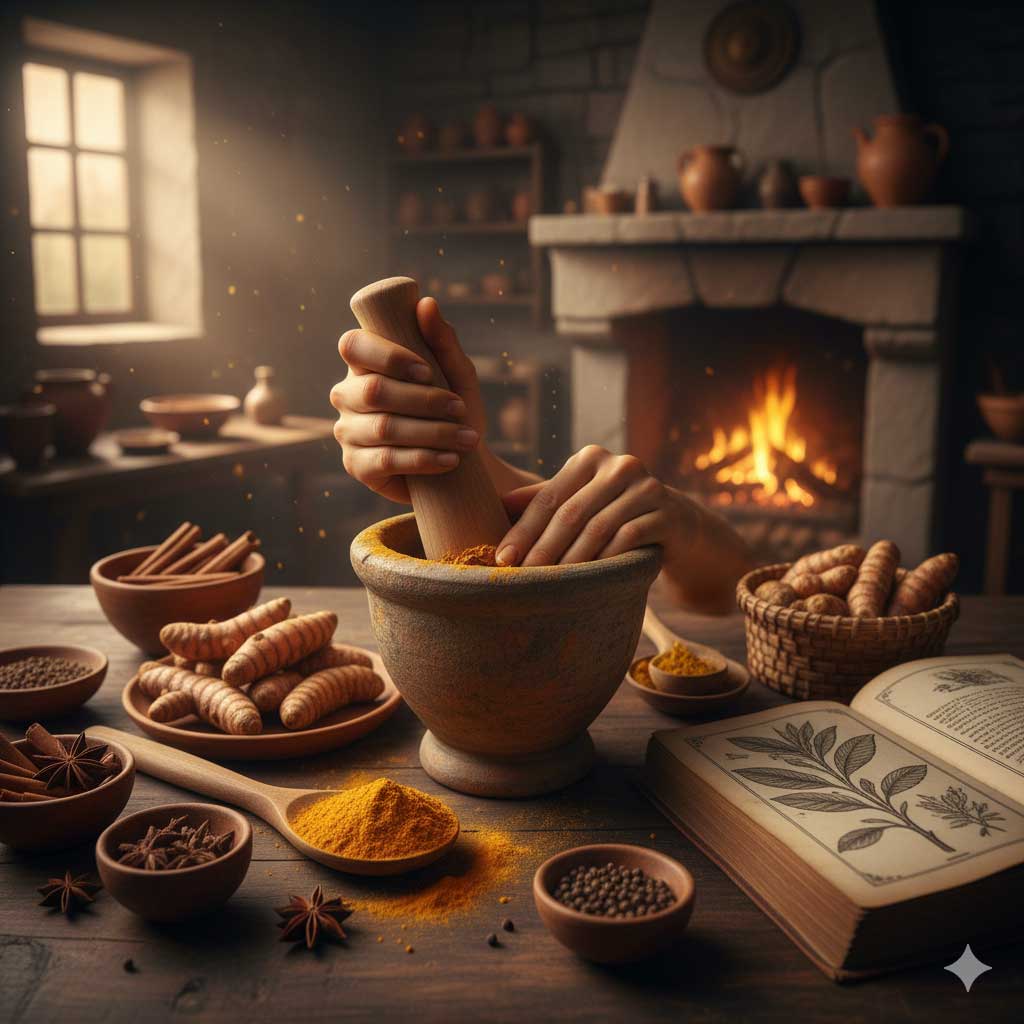
    Turmeric is essential in curry powders, masalas, and pastes. Classic dishes such as Indian dal, Sri Lankan curries, Thai yellow curry, and Indonesian rendang rely on it not only for flavor but also for their signature color.

    Traditional dyeing and preservation:

    Beyond flavor, turmeric has long been used as a natural dye for foods like cheese, yogurt, butter, and pickles. Its antimicrobial properties also made it historically valuable for preserving food in hot climates.

    Modern culinary reinventions:

    Today’s chefs and home cooks have expanded turmeric’s possibilities far beyond traditional dishes. Golden lattes, turmeric smoothies, bright yellow breads, and spiced desserts all showcase its adaptability. Contemporary cuisine uses turmeric as both an ingredient and a storytelling tool—evoking heritage, wellness, and color in a single pinch.

    A fundamental cooking technique called bhuna, common in Indian cuisine, involves briefly frying turmeric in oil or ghee at the start of a dish. This “blooms” the spice, deepening its flavor and ensuring even color. The technique reflects a long cultural understanding of how to coax the best from the root.

    Curcumin and the science of wellness

    While turmeric’s culinary role is ancient, its modern fame—especially in the West—largely stems from scientific interest in curcumin. This polyphenol compound has potent antioxidant and anti-inflammatory properties that have become the focus of research and wellness movements.
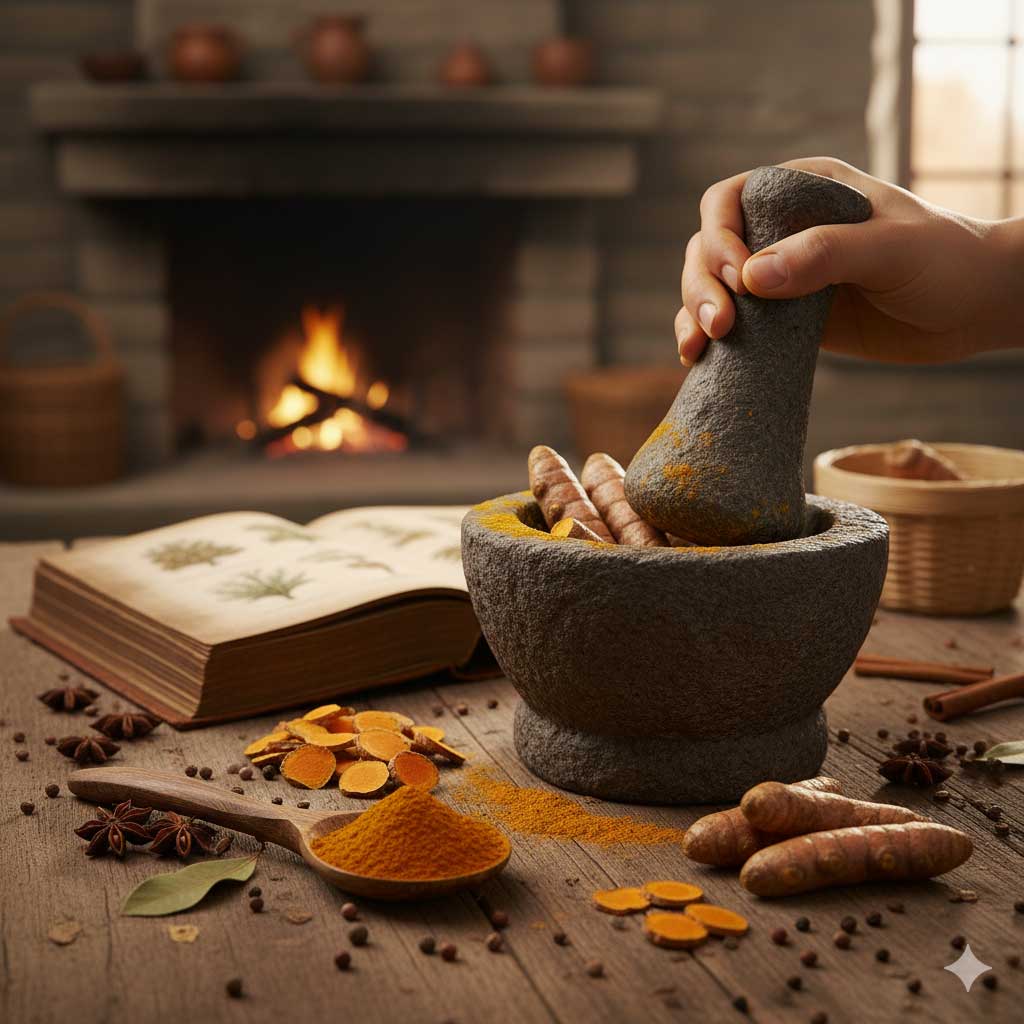
    Mortar with vibrant turmeric powder ready for grinding

    Anti-inflammatory power:
    Chronic inflammation is linked to heart disease, arthritis, and neurodegenerative conditions. Curcumin appears to help regulate inflammatory pathways, which is why turmeric supplements have become popular among people seeking natural approaches to joint or metabolic health.

    Antioxidant strength:
    Curcumin neutralizes free radicals and may also stimulate the body’s own antioxidant defenses. This dual action has made it a sought-after ingredient in the global wellness industry.

    However, curcumin’s biggest challenge is bioavailability—the body absorbs it poorly on its own. Traditional and modern culinary practices offer elegant solutions:

    • Black pepper, which contains piperine, increases curcumin absorption dramatically.
    • Healthy fats, such as coconut oil, olive oil, or ghee, help the body assimilate curcumin since it is fat-soluble.

    These combinations reflect an intuitive ancestral knowledge that modern science is now beginning to validate.

    Fresh turmeric: a cultural and culinary experience in turmeric history

    While powdered turmeric is most common globally, fresh turmeric root offers a deeper connection to the plant’s origins. Found in markets across South and Southeast Asia, the fresh rhizome resembles a smaller, brighter cousin of ginger. Its flavor is sharper and more aromatic, making it ideal for stir-fries, chutneys, curries, and herbal teas.

    Fresh turmeric also plays a role in cultural wellness traditions, often blended into pastes for skin care or brewed into tonics intended to aid digestion and immunity. Its intense pigments can stain hands and utensils—a small but telling reminder of the spice’s potency.

    Turmeric history: a living legacy

    Turmeric’s enduring presence in kitchens, rituals, and medical traditions speaks to a broader truth: food is never just sustenance. It is history, science, culture, trade, and identity intertwined. Each spoonful of turmeric carries with it thousands of years of culinary practice and human storytelling, highlighting turmeric history across continents and centuries.

    Whether dusting a pot of dal, coloring a loaf of bread, or enriching a cup of warm milk, turmeric invites us into a shared global narrative. It is a spice that bridges ancient traditions with modern innovation, embodying the spirit of resilience and renewal. The golden root continues to shine—an enduring reminder of food’s power to connect people across time and place.
  • The timeless allure of pepper and spices

    https://fr.wikipedia.org/wiki/Pepper

    timeless

    For thousands of years, pepper and spices have shaped the way humans cook, trade, explore, and even wage war. Their timeless aromas have drifted through ancient markets, royal kitchens, and home pantries across the world, transforming simple ingredients into memorable meals. Today, spices remain as essential as ever, anchoring culinary traditions while fueling innovation in modern gastronomy. Among them, pepper stands out as both a universal staple and a symbol of the global spice trade that changed the course of history.

    Pepper: the timeless king of spices

    Black pepper (Piper nigrum) is often called the “king of spices,” and for good reason. Native to the Malabar Coast of India, it was once so valuable that it served as currency and inspired centuries of maritime exploration. The spice is produced from dried peppercorns, which develop their character through fermentation and sun-drying. Their pungency comes from piperine, a compound responsible for the sharp heat that distinguishes pepper from chili.

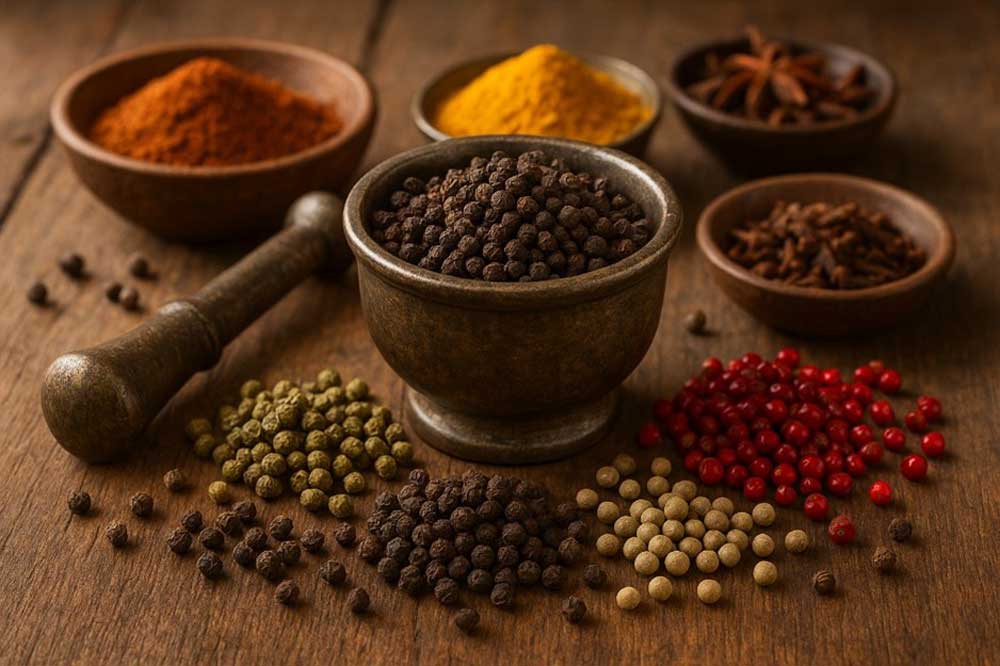
    While black pepper is the most common variety, it is far from the only one. Green peppercorns are harvested earlier and retain a fresher, milder flavor, while white peppercorns are soaked to remove their outer skin, resulting in a subtler heat that blends well with light-colored sauces. There is also the lesser-known red peppercorn, which is fully ripe and carries a fruity note rarely found in commercial varieties.

    What makes pepper so timeless and indispensable is its versatility. It enhances savory dishes (from steaks to soups) but also appears in unexpected places: fruit salads, chocolate desserts, and even cocktails. A simple twist of freshly cracked pepper can elevate a dish, sharpening flavors and adding complexity. Unlike salt, which primarily heightens what is already there, pepper introduces a new dimension, making it one of the most important tools in any cook’s arsenal.

    The timeless spice routes that shaped the world

    Pepper may be the king, but it ruled alongside an entire kingdom of spices that fueled global trade. Cinnamon from Sri Lanka, nutmeg from the Banda Islands, clove from Indonesia, saffron from Persia, and cardamom from the Western Ghats were once so rare that merchants guarded their origins with secrecy and myth. Medieval Europeans believed cinnamon was fished from the edge of the world and that cloves only grew where phoenixes died.

    The demand for spices linked continents long before modern globalization. The overland Silk Road carried spices from Asia to the Mediterranean, while the Indian Ocean trade network connected East Africa, Arabia, and South Asia. When the Ottoman Empire controlled key routes in the 15th century, European powers sought new maritime paths to Asia, sparking the Age of Exploration. Columbus sailed west in search of India’s spice markets; Vasco da Gama rounded Africa to reach Calicut. These journeys changed maps, economies, and cultures forever.

    Understanding the timeless flavor profiles of spices

    Each spice contributes a unique and timeless combination of aroma, heat, sweetness, bitterness, or floral notes. Cumin, with its earthy warmth, forms the foundation of Middle Eastern and Mexican cooking. Ginger adds citrusy heat and is prized in both sweet and savory applications. Turmeric brings color and an earthy bitterness that defines curries across South Asia. Saffron threads release a honeyed, slightly metallic scent that perfumes rice dishes from Spain to Iran.

    Spices interact with ingredients in complex ways. Some, like cinnamon and cardamom, bloom when gently toasted, releasing volatile oils that deepen their fragrance. Others, like bay leaves or star anise, lend subtle background notes when simmered in stews. Chili peppers bring heat, but each variety tells a different story: smoky ancho, citrusy habanero, grassy green Thai chili.

    The magic of spices lies not only in their individual profiles but in how they blend. Garam masala, za’atar, berbere, ras el hanout, Chinese five-spice: each mixture reflects centuries of experimentation and cultural identity. These blends provide a shortcut to the flavor signature of an entire cuisine.

    Modern uses: from healthy eating to high-end cuisine

    Today, spices are enjoying renewed attention thanks to growing interest in global cooking and natural wellness. Scientific studies highlight their antioxidant and anti-inflammatory properties, while chefs celebrate their capacity to transform ingredients without relying on heavy fats or sugars. Turmeric lattes, spiced cocktails, and chili-infused chocolates are just a few modern creations that bring ancient ingredients into contemporary kitchens.

    Pepper, too, continues to evolve in the hands of modern chefs. Varieties like Tellicherry pepper or Kampot pepper are valued for their nuanced aromas: citrus, smoke, resin, or even floral undertones. Pink peppercorns, technically berries from a South American tree, add a delicate fruity heat to desserts and seafood dishes. This growing appreciation mirrors the movement toward terroir in wine or coffee: pepper is no longer just pepper, but a product of soil, climate, and careful cultivation.

    The cultural significance of spices

    Beyond flavor, spices have deep cultural and symbolic meaning. They appear in religious rituals, traditional medicine, and celebrations. Cinnamon symbolizes abundance and protection; cardamom is offered in hospitality rituals across the Middle East. Many holiday dishes (from gingerbread to mulled wine) derive their warmth and nostalgia from spice blends that carry centuries of tradition.

    In many parts of the world, spice preparation remains a family art. Grandmothers grind masalas by hand, passing down ratios and techniques that define a family’s identity. In these kitchens, spices are not simply ingredients, they are memories, heritage, and connection.

    A world of flavor in every pinch

    Pepper and spices remind us that cooking is both science and poetry. A pinch can transform a dish, brighten a memory, or carry us across continents. Whether you are stirring a pot of curry, baking a spiced cake, or simply grinding pepper over a tomato salad, you participate in a tradition that stretches back to the earliest human civilizations.

    In a world where ingredients travel effortlessly and flavors mix freely, spices remain one of the most vibrant and timeless links between past and present. They invite us to explore, taste, and imagine, one fragrant breath at a time.

    https://frogsaga.com/wp-admin/post.php?post=116&action=edit