Author: salomee charriere

  • Spices in Sculpture: Carving Flavour into Form and Memory

    Spices have long captivated the senses. They travel across continents, perfuming kitchens, markets, and palaces, carrying with them history, culture, and stories of human ambition. Yet their influence extends far beyond taste and aroma. They have inspired visual artists, particularly sculptors, who translate the essence of spices into form, texture, and narrative. From intricate carvings in historical spice markets to contemporary installations that evoke aromas and memory, sculpture allows us to see spices, feel them, and even imagine their scent, long after the flavours have faded.

    In this article, we explore the fascinating intersection of spices and sculpture: how they inspire aesthetic form, convey cultural identity, and act as metaphors for human experience. We will also examine how sculptors throughout history and across cultures have turned ephemeral, fragrant ingredients into enduring works of art that resonate both visually and conceptually.

    1. Spices as Inspiration for Form

    sculpture

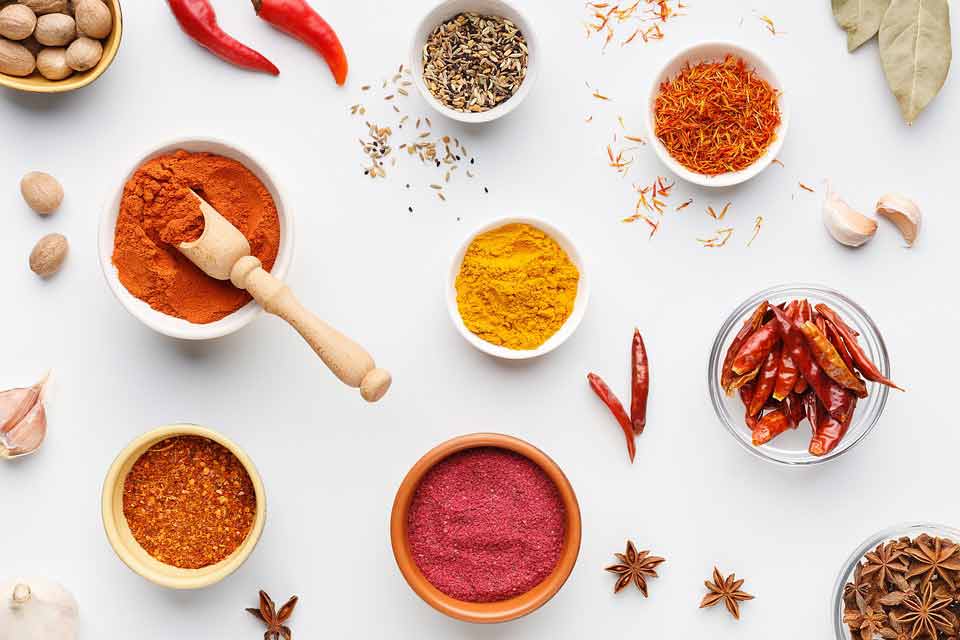
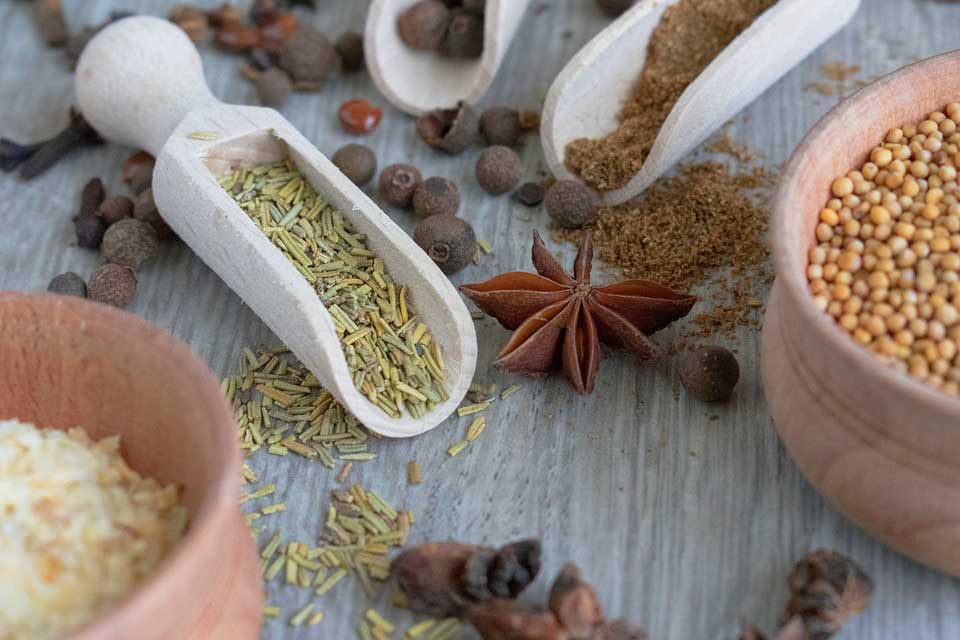
    Spices are more than ingredients; they are objects of beauty. The star-shaped geometry of star anise, the rugged curves of cinnamon sticks, the delicate threads of saffron — all these natural forms offer sculptural inspiration. Artists have long been drawn to their shapes, textures, and intricate details, seeing in them opportunities to explore patterns, repetition, and symmetry.

    Historical evidence shows that spice-inspired motifs were widely incorporated into architecture and decorative arts. In Arab, Indian, and Southeast Asian palaces and marketplaces, carvings of cloves, nutmeg seeds, and stylised spice plants appear in reliefs, friezes, and decorative borders. These carvings were not merely ornamental: they celebrated the economic, social, and cultural value of spices, transforming ephemeral aromas into enduring visual forms. Through such carvings, sculptors captured both the physical beauty of spices and the fascination they inspired in human imagination.

    Even beyond literal representation, the geometry and rhythm of spice forms influenced artistic composition. The repetition of star anise shapes, the spiral patterns of cinnamon bark, and the clusters of peppercorns inspired motifs and abstract designs. These natural forms provided a bridge between nature and artistry, demonstrating how sculptors translated the microcosm of spice into macrocosmic aesthetic patterns.

    2. Spices as Cultural and Symbolic Signifiers

    Much like literature or cinema, spices in sculpture often symbolise identity, wealth, and status. Temples, palaces, and marketplaces in India, Southeast Asia, and the Middle East feature carved spice motifs that signify prosperity, trade, and cultural sophistication. Cinnamon, cloves, and cardamom, prized commodities often worth more than gold, were immortalised in stone or wood, highlighting their economic and ritual significance. In some cases, spice motifs also carried storytelling or moral meaning, such as cinnamon representing generosity and cloves symbolising endurance.

    3. The Physicality of Spices in Contemporary Sculpture

    bags

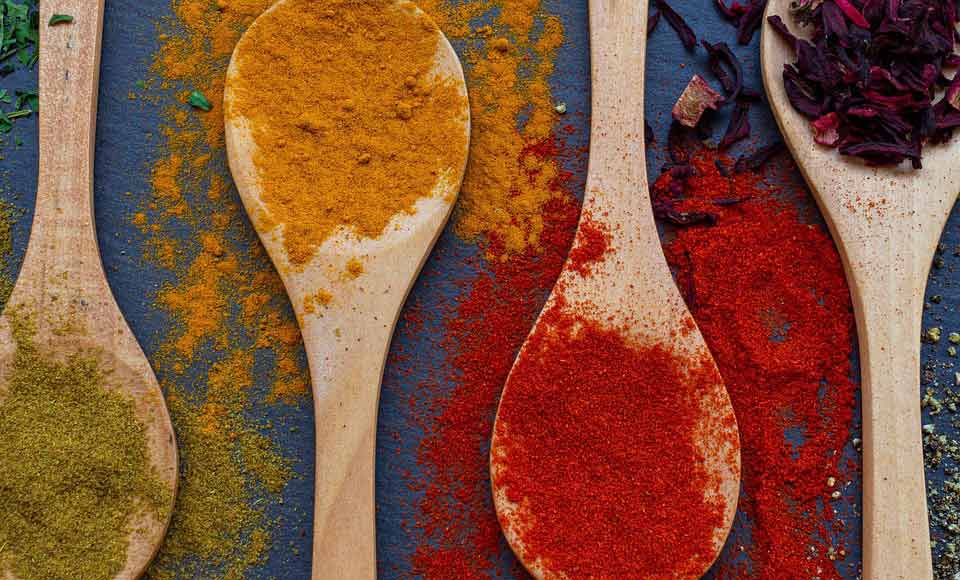
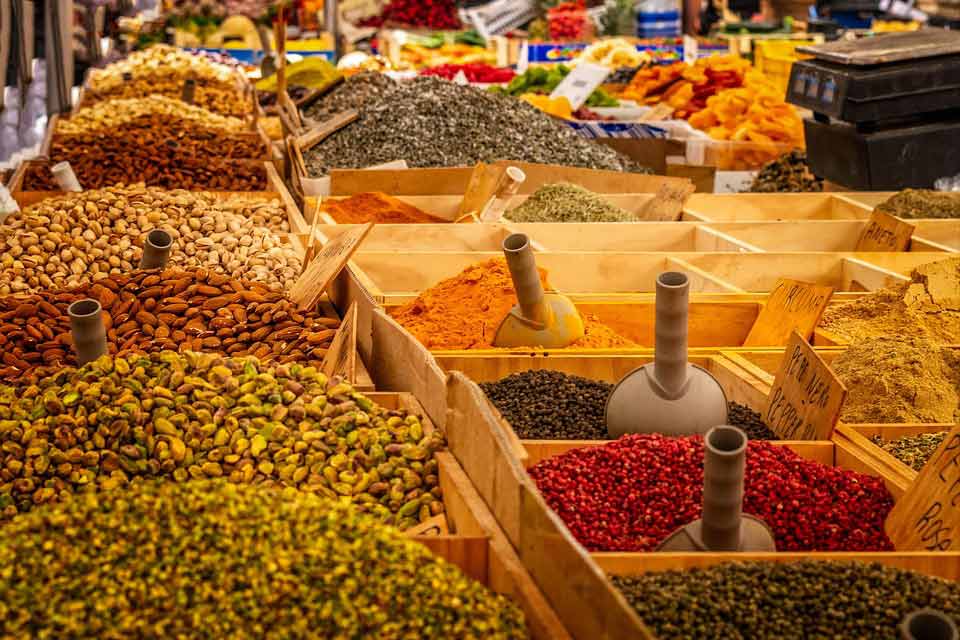
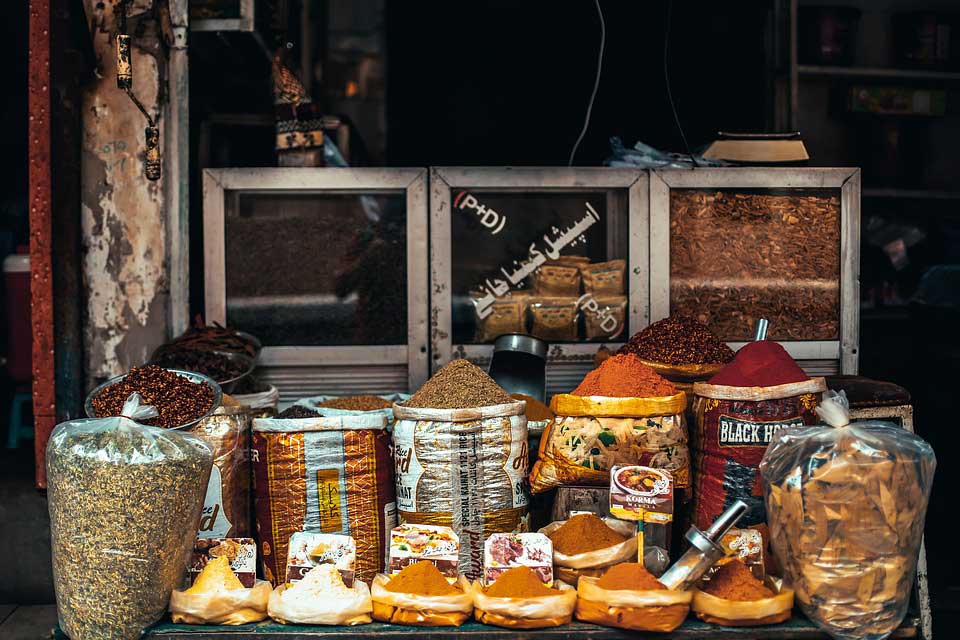
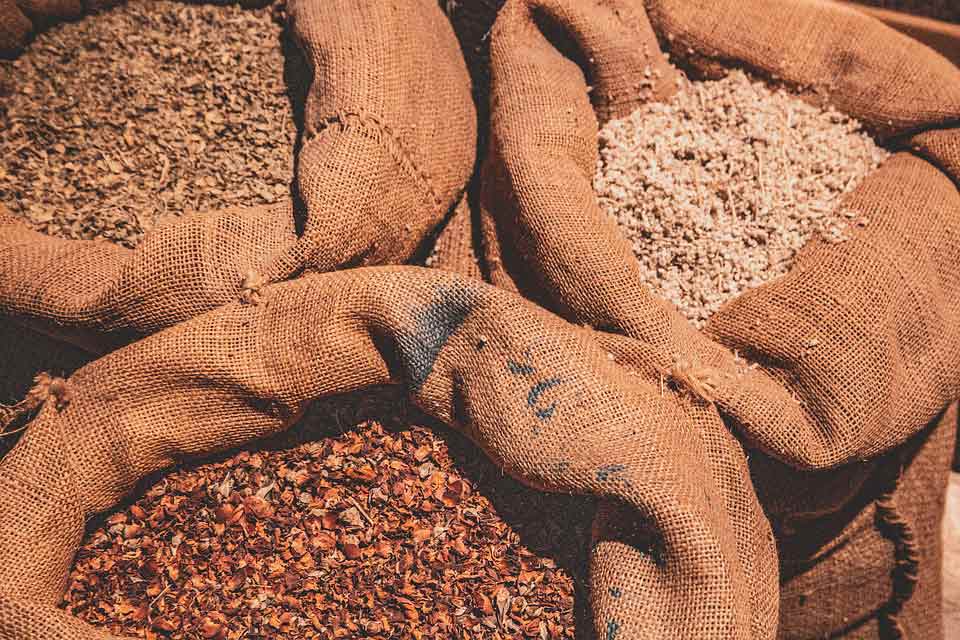
    Contemporary artists have extended this connection by incorporating actual spices into their sculptures. Saffron threads, turmeric powder, crushed cloves, or paprika are used to add texture, colour, and aroma, engaging viewers beyond the visual. Such installations invite a multisensory experience: one can see the vibrant hues, feel the texture, and imagine the scent.

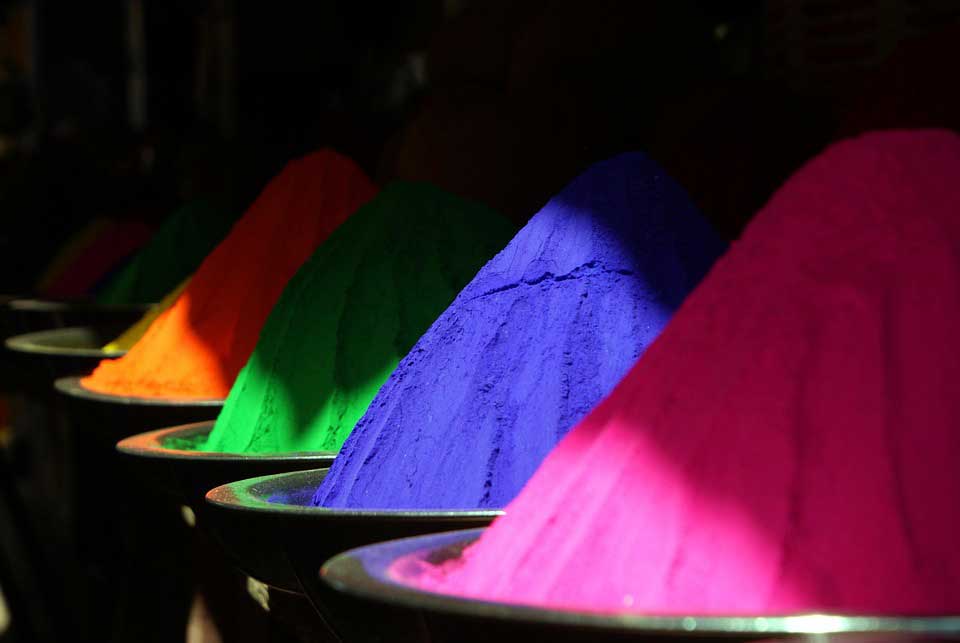
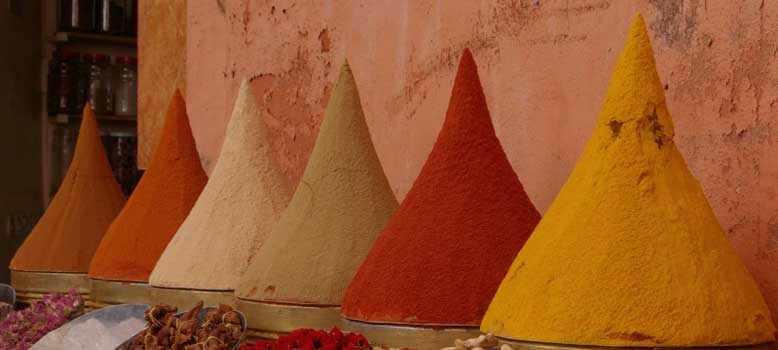
    These works transform spices from mere ingredients into medium and message simultaneously. A mound of turmeric may evoke domestic rituals, healing, or cultural heritage; crushed cloves may evoke memory, intensity, or endurance. By integrating real spices, sculptors blur the line between art and life, inviting audiences to engage with both the physical and symbolic properties of the material.

    Some artists even design interactive sculptures where viewers are encouraged to touch or smell the spices, creating a direct, intimate connection between the artwork and the audience. In doing so, spice-inspired sculptures become immersive and participatory, reminding us that art can engage all the senses simultaneously.

    4. Spices as Narrative and Metaphor

    Beyond their aesthetic and sensory qualities, spices in sculpture often carry narrative weight. Star anise motifs can suggest abundance and hospitality; cinnamon patterns can commemorate trade and prosperity; cloves may evoke preservation, permanence, or endurance.

    In contemporary conceptual sculpture, spices can also act as metaphors for migration, cultural exchange, or human memory. Just as spices travelled across continents, carrying stories and transforming cuisines, they traverse the world of art as motifs and materials that embody cultural encounters. Sculptors use these forms to explore history, identity, and the ephemeral nature of sensory experience.

    The transformation of something so delicate and fleeting into enduring form mirrors humanity’s desire to preserve not just flavour, but experience, memory, and cultural knowledge.

    5. The Enduring Allure of Spices in Sculpture

    spices

    What makes spices such compelling subjects for sculptors is their dual nature: practical yet poetic, tangible yet symbolic. They inspire texture, pattern, colour, and cultural resonance, while remaining intimately familiar to audiences. From delicate historical carvings to bold contemporary installations, spices allow sculptors to explore the interplay between materiality, memory, and the senses.

    A sculpture inspired by saffron glows warmly, evoking luxury and celebration; one inspired by star anise intrigues with geometric precision; one incorporating cinnamon conjures warmth, comfort, and nostalgia. Spices transform sculptures from purely visual art into a multi-sensory journey, engaging the viewer on levels beyond sight.

    Conclusion: Carving the Essence of Flavour

    Spices in sculpture demonstrate that art is not limited to sight or touch — it can also be olfactory, tactile, and symbolic. Through their shapes, textures, and even aromas, spices allow sculptors to capture history, culture, and sensory experience in enduring form.

    Next time you see a carved flower, a patterned frieze, or a contemporary installation incorporating vibrant powders, imagine the cinnamon, saffron, or cloves that inspired it. Spices, like art itself, are bridges between the material, the cultural, and the sensory, transforming the everyday into something extraordinary.

    In sculpture, as in cuisine, a pinch of spice can transform the ordinary into the sublime — leaving a lasting impression on both memory and imagination. Through the lens of art, spices are immortalised, allowing us to see, feel, and even imagine their aroma long after the senses themselves have faded.

  • Spices on the Silver Screen: When Flavour Becomes Cinema’s Secret Language

    Spices have always carried a sense of mystery. They travelled in the holds of ancient ships, crossed deserts on camel caravans, perfumed royal banquets, sparked rivalries between empires, and seduced the senses long before cinema existed. So it’s no surprise that when filmmaking embraced the sensual world — sight, sound, movement, emotion — spices naturally followed, slipping into the frames of stories and becoming symbols, metaphors, catalysts, and sometimes even characters in their own right.

    As a blogger passionate about spices, I’ve always been fascinated by the way cinema uses them: not merely as ingredients, but as emotional shorthand, cultural anchors, or mythical artefacts. Today, let’s journey through the worlds where flavour and film meet — a place where saffron glows brighter than gold, where chilli burns brighter than passion, and where the simple act of toasting cumin can change the fate of a character.

    This is the sensory, cinematic world of spices.

    1. Spices as Mythology: Cinema’s Grandest Legends

    When we think of spices in cinema, one title rises above all others: Dune. Frank Herbert’s universe — brought to life by David Lynch and Denis Villeneuve — revolves around a substance so powerful it shapes time, space, and destiny.

    The spice melange is more than a plot device; it is a myth. Glowing like copper and drifting across dunes like ancient dust, it grants visions, longevity, and the ability to navigate the universe. Without it, civilisation falls.

    Its impact feels compelling because it echoes real history. Pepper shaped trade routes, nutmeg sparked wars, and cinnamon enriched cities. Melange simply magnifies these truths, turning spice into cosmic fate.

    Villeneuve reinforces this symbolism through shimmering dust, ritual inhalations, and the reverence of the Fremen, elevating spice to something sacred — much like cinnamon or saffron once were.

    In myth and in cinema, spices signify power. And film speaks that language fluently.

    2. Spices as Emotion: Romance, Memory, and the Scent of the Heart

    cinema

    If Dune gives spices scale, films like The Lunchbox give them intimacy.

    In this quiet Indian drama, spices become letters of the heart. Ila, the protagonist, expresses her longing, disappointment, and hope through the meals she prepares. The film lingers lovingly on moments like

    • cumin seeds crackling in hot oil
    • ginger being crushed for curry
    • coriander chopped with rhythmic precision

    These aren’t just cooking scenes — they are emotional ones. Each spice carries meaning. The aroma becomes the message.

    Cinema often uses spices this way: as translators of unspoken feelings.

    In “Like Water for Chocolate”, the connection is even more direct. Dishes infused with cardamom, rose petals, or quail become vessels of passion and sorrow so intense they affect everyone who tastes them. Here, spices are alchemical — catalysts for emotional explosions.

    Why do filmmakers turn to spices to express feeling? Because flavour is memory. Because a scent can transport a viewer into a character’s childhood or heartbreak faster than dialogue ever could. Because spices, like love, operate directly on the senses.

    3. Spices as Cultural Identity: Kitchens That Tell Stories

    spices

    Cinema often celebrates spices as part of everyday heritage, grounding films in cultural authenticity.

    Take “Bend It Like Beckham.” Amid the football matches and generational tension, the Punjabi kitchen scenes are vital. Turmeric glows on the countertop. Coriander is chopped for pakoras. Masala simmers in the background while characters argue, negotiate, or try to understand one another.

    Here, spices are not dramatic — they are truthful. They depict family, tradition, expectation, and belonging. They place the characters firmly within their cultural landscape.

    Similarly, in Studio Ghibli films, spices and ingredients subtly reinforce cultural context. A hint of ginger in a broth or aromatic steam rising from a Japanese kitchen immerses viewers in a world that feels real, lived in, and intimate, even when surrounded by fantastical creatures.

    Cinema uses spices as cultural anchors. They tell us:

    • where the story comes from
    • whom the characters are
    • what home means to them.

    Few details communicate culture faster than a spice jar opened on screen.

    4. Spices as Adventure: The Drama of the Spice Trade

    Before spices were cinematic symbols of intimacy or identity, they were the engines of world history. Films and documentaries exploring the Age of Exploration evoke the period when cloves, cinnamon, nutmeg, and pepper held staggering economic power.

    Caravels sailed across dangerous waters to reach the Moluccas. Merchants risked ruin. Nations gambled their futures. In these stories, spices become protagonists of global drama.

    Even when documentaries like “The Spice Trail” avoid fiction, their narrative structure feels cinematic: storms at sea, forbidden islands, secret markets, fragrant treasure hidden in forests.

    Spices, in these films, are adventure itself — fragrant relics that shaped continents.

    5. Spices as Symbol: Cinema’s Sensory Metaphors

    dreamcatcher

    Film is a visual medium, yet spices allow it to evoke the invisible: scent, taste, nostalgia.

    Directors often use spices symbolically:

    • Chilli → passion, risk, confrontation
    • Cinnamon → comfort, childhood, warmth
    • Saffron → luxury, aspiration
    • Pepper → conflict, sharpness
    • Turmeric → healing, ritual, tradition

    Even small cinematic gestures carry meaning:
    A character nervously chewing a clove.
    A saffron thread dropped into tea during a reconciliation.
    A jar of spices handed down like an heirloom.

    These moments remind us that spices are not inert objects — they are symbols of identity, memory, and transformation.

    Conclusion: Cinema, Spices, and the Art of Sensation

    Cinema and spices share a superpower: both work through the senses. A film can’t literally give us taste or smell, but it suggests them so vividly that we feel them. Spices, with their intense aromas and colours, become perfect tools for directors wanting to evoke emotion, memory, and atmosphere.

    Spices on screen can be legendary (Dune), intimate (The Lunchbox), nostalgic (Like Water for Chocolate), culturally grounding (Bend It Like Beckham), or historical (The Spice Trail).

    They can symbolise passion, danger, comfort, loss, heritage, or power.

    But above all, they remind us that storytelling — whether through films or through flavour — is an act of connection.

    When spices appear in cinema, they do more than season a dish.
    They season the story.