https://en.wikipedia.org/wiki/Spice
If you’ve ever opened your kitchen cabinet and been hit with a spicy cloud of mysterious aromas (some pleasant, some suspicious) you’ve already met the chaotic universe of spices. These tiny, colorful powders and seeds have shaped civilizations, built empires, and ruined many a white T-shirt. Yet despite their grandeur, they remain perfectly capable of falling behind your pasta box and disappearing for three years. Today, we embark on a delightfully and spicy humorous exploration of spices: where they come from, why humans are obsessed with them, and how they somehow manage to multiply on your spice rack like they’re planning a coup.
Spices: the original celebrity influencers
Long before Instagram chefs and cooking TikToks took over the world, spices were the real influencers. During ancient times, people crossed deserts, built fleets, and occasionally started wars just to get a handful of cinnamon or a pinch of black pepper. Imagine explaining that to someone today:
“Why did your empire collapse?”
“Oh, we spent too much money chasing nutmeg.”
Nutmeg was once more valuable than gold, cloves caused diplomatic crises, and pepper was a form of currency. Yes: pepper. The same ingredient you spill on your omelet because the grinder jams at the worst moment.
The spicy cabinet time machine
Your spice cabinet is, admittedly, a fragile archaeological ecosystem. Pull out one jar and you’ll likely discover:
- A bottle of paprika you bought during a brief “Spanish cooking phase”
- An oregano container that predates your current apartment
- An unlabelled jar containing either cumin, cinnamon, or danger
Every household has at least one spice no one remembers purchasing. Scientists believe these jars appear spontaneously, possibly through wormholes connected to forgotten grocery bags.
Meet the stars of the spicy show
Let’s shine the spotlight on a few iconic spices and give them the red-carpet treatment they deserve.
Cumin – the earthy diva
Cumin is the spice equivalent of that friend who always says, “I don’t need attention,” yet shows up to every event in a dramatic outfit. Its warm, earthy aroma can transform a dish instantly, but add a tiny bit too much and suddenly your kitchen smells like a desert storm rolled through a taco stand.
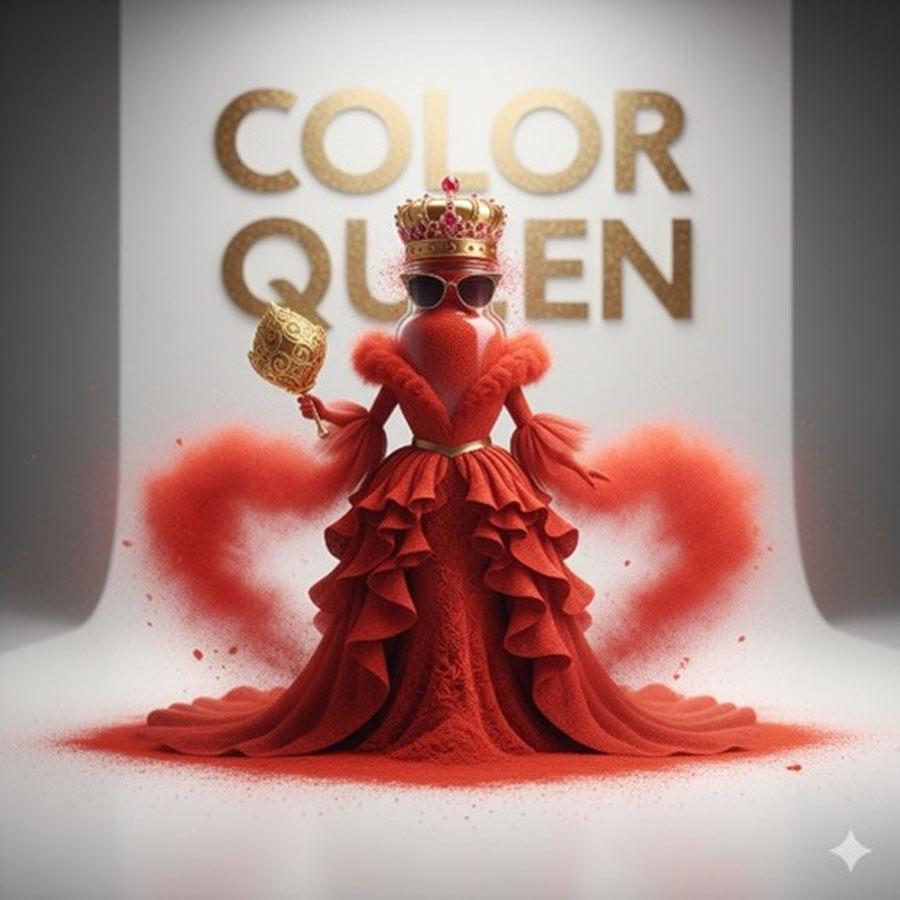
Paprika – the color queen
Paprika exists mostly to make your food look more exciting. Does it add flavor? Yes. Does it sometimes taste like red dust pretending to be important? Also yes. But sprinkle it on deviled eggs and suddenly you’re a gourmet chef worthy of your own cooking show.
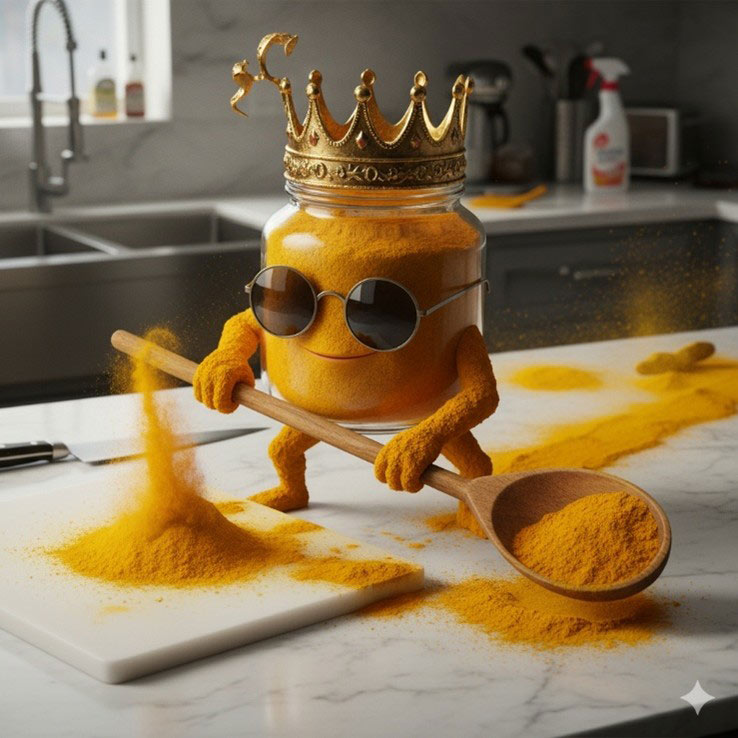
Turmeric – the golden trickster
Turmeric is vibrant, healthy, and responsible for staining more kitchen counters than red wine, beets, and existential despair combined. One spoonful and your cutting board looks like it’s preparing for a starring role in The Lion King.
Cinnamon – the cozy superstar
Cinnamon is the Beyoncé of spices. Universally loved, effortlessly iconic, and capable of elevating everything: from pastries to hot drinks to holiday marketing campaigns. One whiff of cinnamon and it becomes socially acceptable to wear fuzzy socks in public.
Chili powder – the wild card
Chili powder doesn’t mess around. Sometimes it’s mild, sometimes it’s fiery, sometimes it lies to you. It’s the spice most likely to make you say, “Hm, that should be enough,” followed five minutes later by, “I regret everything.”
Why do we put ourselves through this?
Because spices make food better much better. Without them, cooking would be a bleak wasteland of sadness and boiled chicken. Spices are the difference between:
- Bland → Bold
- Edible → Amazing
- “Not bad” → “WHAT IS THIS RECIPE AND HOW DO I MARRY IT?”
Plus, they make us feel adventurous. Adding a new spice to a dish is basically the culinary version of skydiving, but with a lower risk of death and a higher risk of ruining spicy dinner.
Spices around the world: a global flavor party
Humanity has collectively decided that life tastes better when sprinkled with something interesting. Across cultures, spices carry deep traditions:
- India transforms simple ingredients into majestic curries.
- Mexico turns chilis into art, and sometimes into emotional challenges.
- Morocco uses spice blends so complex they practically require a PhD to understand.
- Europe… discovered salt and pepper and said, “Yes, this will do nicely.”
Every culture uses spices to tell stories, share memories, and sometimes test the gastrointestinal limits of brave visitors.
The dramatic life of a spice trader
Imagine being a spice merchant centuries ago. You’d spend months traveling along dangerous routes, enduring storms, pirates, camel drama, and the occasional tax collector: all to deliver tiny bags of aromatic magic.
Meanwhile, your modern equivalent goes:
“I just ordered saffron on the internet. It’ll be here tomorrow.”
Human progress is extraordinary.
The eternal mystery of expiration dates
Here is a universal truth: spices do not expire, they simply fade away like forgotten celebrities. They won’t hurt you, but after a decade in your cupboard, dried basil tastes like disappointment and oregano tastes like air. Ground spices lose potency faster, while whole spices can last practically forever if stored properly (and by “properly,” we mean not next to the oven where they get roasted daily).
The overachievers: spicy blends
If individual spices are superheroes, spice blends are the Avengers. Garam masala, curry powder, za’atar, chili flakes, Chinese five-spice: they’re all powerhouses of flavor. They bring balance, personality, and a sense of culinary superiority. Using them makes you feel like you’ve unlocked level 10 in adulting.

A final sprinkle of wisdom
Spices are tiny, unassuming, and absolutely essential. They’ve shaped history, enhanced meals, and confused cooks for centuries. They’re magical, unpredictable, and sometimes messy, much like life itself. And at the end of the day, the world would be a much duller place without them.
So the next time you reach into your spicy cabinet, honor the comedy, chaos, and global history packed into each jar. Use them boldly. Experiment fearlessly. And if your chili turns out too hot, remember: dairy helps, pride doesn’t.


Leave a Reply