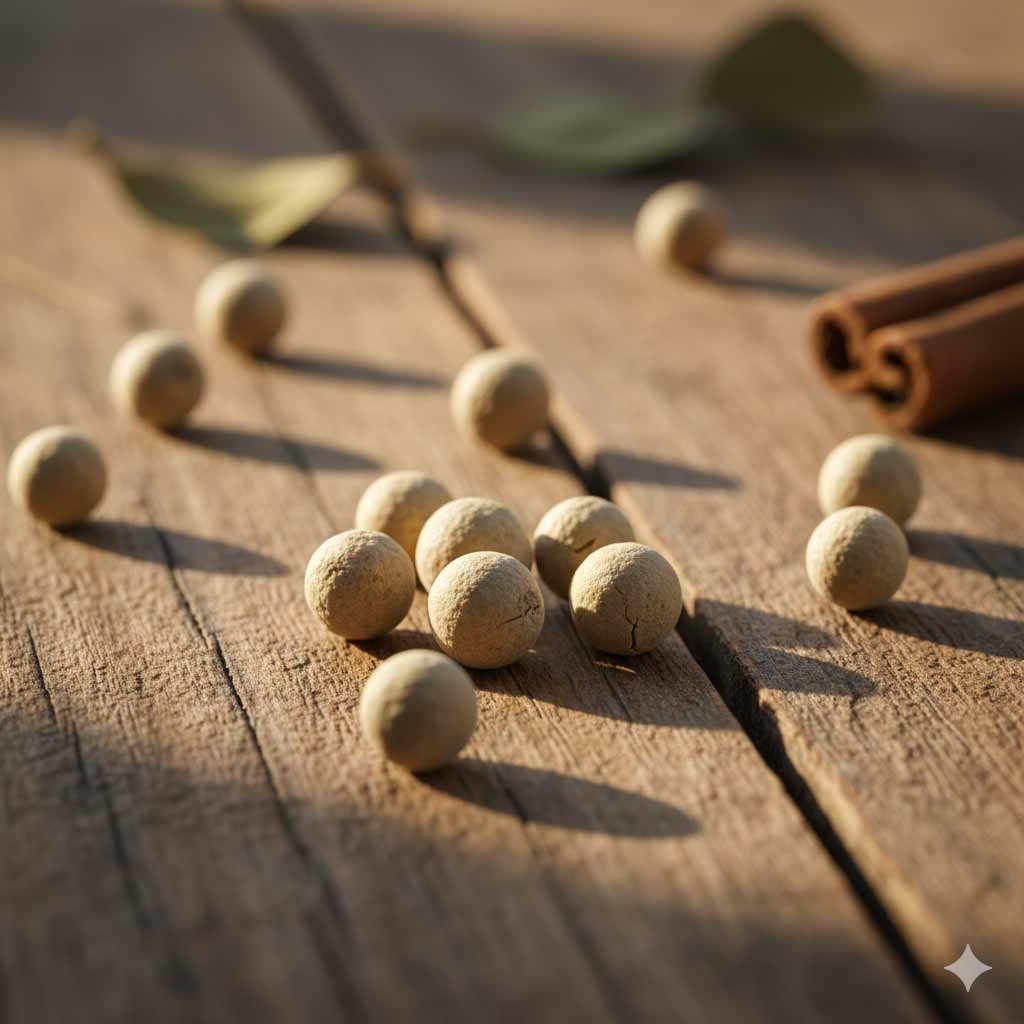
White pepper may not have the fiery reputation of chili powders or the immediate aroma of black pepper, but it plays a quiet, essential role in global cuisine. Valued for its clean, earthy heat and ability to blend seamlessly into light-colored dishes, white pepper is a favorite among chefs who appreciate subtlety and depth.
Whether you are discovering this spice for the first time or looking to refine your culinary knowledge, white pepper offers rich history, nuanced flavor, and versatile uses worth exploring.
Origin and History of White Pepper

From the Same Plant as Black Pepper
White pepper and black pepper come from the same plant: Piper nigrum. The difference lies not in the variety, but in the processing method. While black pepper is harvested when the berries are still green and dried whole, white pepper is produced by harvesting fully ripe red berries, soaking them, and removing the outer skin. What remains is the pale inner seed, which becomes the white peppercorn.
A Spice with Ancient Roots
Pepper has been traded for thousands of years and was once considered so valuable it served as currency. White pepper became particularly popular in European and Chinese cuisines, where its mild appearance and smooth heat were appreciated in lighter-colored dishes such as sauces, soups, and delicate stir-fries.
In traditional Chinese cooking, especially in Cantonese cuisine, white pepper is often preferred over black pepper because of its cleaner and more aromatic flavor.
Flavor Profile of White Pepper
White pepper is often described as:
- Earthy and mildly pungent
- Smoother and less sharp than black pepper
- Lightly fermented, due to the soaking process
- Warm, aromatic, and slightly musky
One of its most distinctive characteristics is the subtle fermented note, which adds complexity without overwhelming a dish. This makes it ideal for recipes where black pepper might stand out visually or taste too bold.
Culinary Uses: How to Cook with White Pepper
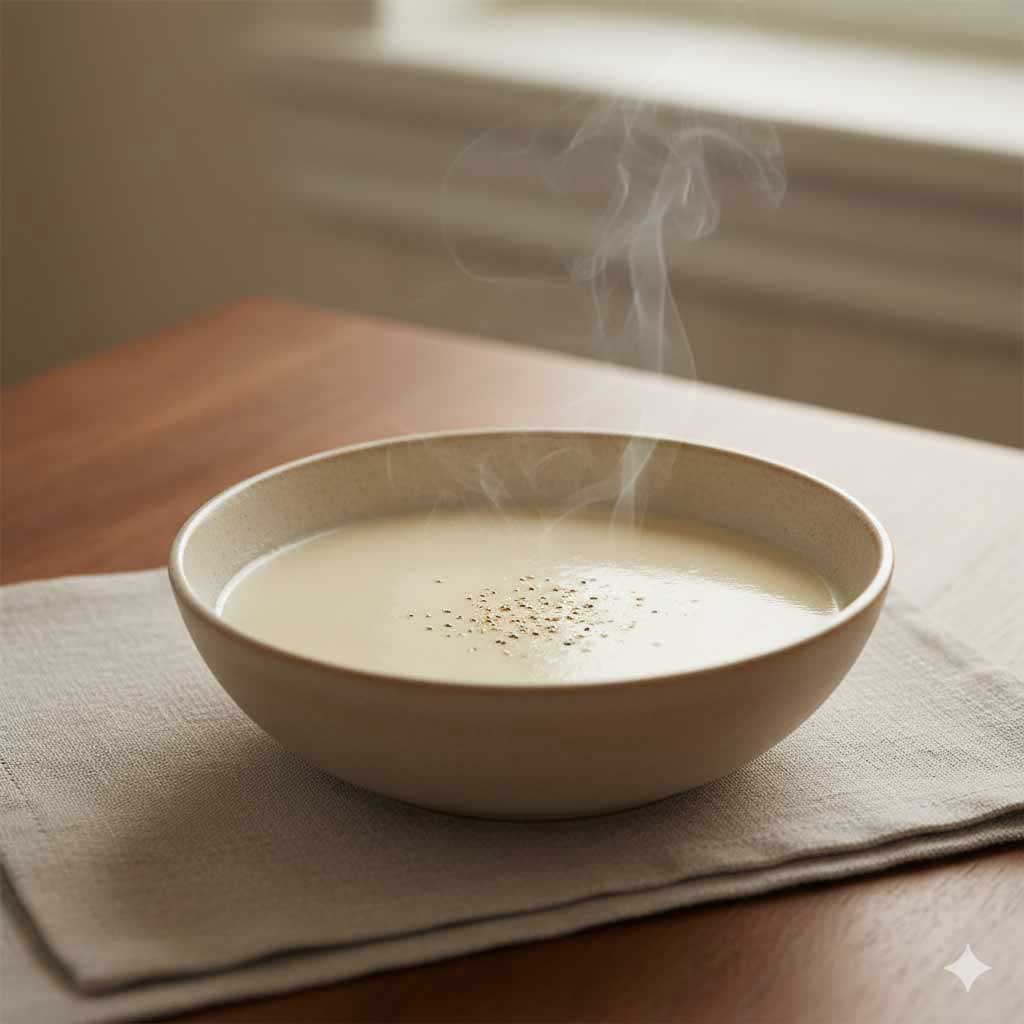
A Staple in Classic White Sauces
Because it blends into light-colored foods, white pepper is widely used in:
- Béchamel sauce
- Cream-based soups
- Mashed potatoes
- Alfredo pasta
It provides warmth without creating visible specks, keeping dishes aesthetically pleasing and flavor-balanced.
Highlights in Asian Cuisine
White pepper plays a central role in several traditional Asian dishes:
Chinese Hot and Sour Soup
White pepper gives this soup its signature heat, offering a clean, sharp spice that complements vinegar and mushrooms.
Congee (Rice Porridge)
A pinch adds warmth and aroma, transforming a simple porridge into a comforting meal.
Stir-Fried Vegetables or Seafood
Its subtle spicy note enhances delicate ingredients like bok choy, tofu, shrimp, or scallops.
Popular Western Dishes Featuring White Pepper
White pepper appears in numerous European and Western dishes:
- Swedish meatballs
- Vichyssoise (cold leek and potato soup)
- Creamy mushroom sauces
- Cauliflower purée
- Poached fish preparations
It adds just enough heat and complexity without overshadowing mild flavors.
Creative Modern Uses
White pepper adapts well to modern, inventive cooking:
- Added to salad dressings for a clean, peppery kick
- Used in spiced butter or compound butter
- Added to cheese sauces or fondue
- Mixed into bread dough or savory pastries
- Sprinkled over eggs or delicate breakfast dishes
Because its flavor opens slowly on the palate, it can elevate dishes in subtle but meaningful ways.
Health Benefits (General Knowledge)
While white pepper is typically consumed in small amounts, it may provide some mild health-related advantages according to general culinary knowledge:
- Rich in antioxidants, particularly piperine, which may help support cell protection
- May aid digestion due to compounds that stimulate gastrointestinal enzymes
- Contains small amounts of minerals such as manganese and iron
- Naturally low in calories and free of additives
These qualities make it a pleasant addition to your meals, though it shouldn’t be regarded as a medical treatment.
Tips for Cooking with White Pepper
Use It Freshly Ground When Possible
Ground white pepper loses its aroma more quickly than black pepper. For the best flavor, grind small amounts from whole peppercorns as needed.
Add It Toward the End of Cooking
Because its aroma can fade with prolonged heat, adding it near the end of cooking preserves its delicate character.
Pair It with Gentle Flavors
White pepper shines when paired with:
- Cream
- Potatoes
- Eggs
- Mild vegetables (cauliflower, zucchini)
- Poultry
- Seafood
Its earthy warmth enhances subtle ingredients without overpowering them.
Be Mindful of Quantity
White pepper can become slightly musty or overly pungent if used in excess. Start with small amounts and adjust to taste.
Try White Pepper in Spice Blends
It works well in:
- Chinese five-spice mixes
- Seafood rubs
- Creamy salad dressings
- European herb blends
Its smooth heat complements many herbs such as parsley, chives, thyme, and tarragon.
Conclusion
White pepper may not be the boldest spice in your pantry, but its understated complexity and versatility make it indispensable. Its earthy warmth, subtle fermented notes, and ability to blend seamlessly into light dishes have earned it a place in kitchens across the world—from European sauces to Chinese soups.
Whether you use it to enhance creamy recipes, elevate seafood, or add depth to your everyday cooking, white pepper offers a refined, elegant flavor worth rediscovering. Keep a small jar on hand, use it thoughtfully, and you’ll soon appreciate why this quiet spice has been valued for centuries.

Leave a Reply