In the world of fine dining, few ingredients evoke as much curiosity and admiration as the tonka bean. With its intoxicating aroma and complex flavor profile, this exotic seed has become a favorite among pastry chefs, mixologists, and adventurous home cooks. Still considered a rare and luxurious ingredient, it continues to grow in popularity thanks to its ability to transform both sweet and savory dishes with only a small amount.
Origin and Story of the Tonka Bean
From the Heart of the Amazon
Tonka beans are the seeds of the Dipteryx odorata tree, native to the tropical rainforests of South America, particularly Venezuela, Brazil, and Guyana. The trees produce elongated black seeds that must be dried and cured before use. This process develops the signature fragrance of this aromatic bean, often described as a blend of vanilla, almond, caramel, cocoa, and warm spice.
A Tradition Passed Through Generations
The harvesting of the tonka bean has deep cultural significance in South American communities. After being collected, the seeds dry for several months and undergo natural crystallization. During this time, white crystals of coumarin form on the surface, giving the seed its unmistakable scent. Traditionally, this fragrant ingredient was used in rituals, perfumes, and herbal remedies long before becoming a culinary treasure.
A Rising Star in Gastronomy
Although this ingredient was once used mainly in perfumery, it is now celebrated in fine dining around the world. Michelin-starred chefs and renowned chocolatiers helped introduce it to modern cuisine, praising its complexity and its ability to elevate desserts and sauces. Today, this refined spice is valued as a powerful tool for flavor innovation.
How to Use Tonka Beans
Storage and Handling
Tonka beans are extremely aromatic, so a little goes a long way. To preserve them, store them in an airtight container away from light and humidity. When properly stored, they can remain fragrant for years.
How to Prepare the Bean
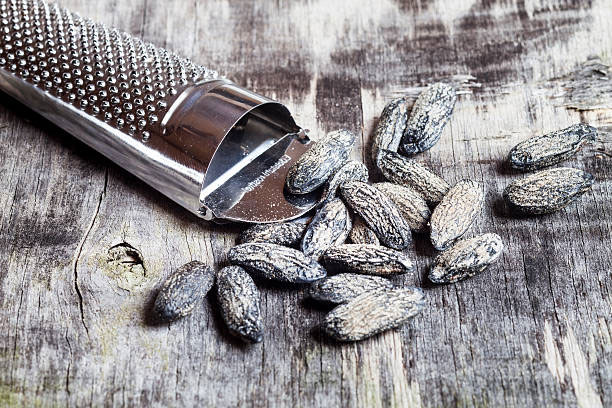
The seed is typically used by grating it very finely, much like nutmeg. A microplane works best to release its oils and fragrance. Because this aromatic treasure is highly potent, even a quarter teaspoon can flavor an entire dessert. Using more than needed may overwhelm a recipe.
Substitutions
This South American seed is sometimes compared to vanilla thanks to its sweet aroma, but its flavor is much more complex. Vanilla extract or vanilla bean can replace it, though the final result will lack the almond caramel depth that makes Tonka so unique.
Health and Safety Considerations
Natural Compounds and Tradition
Tonka beans contain coumarin, a natural compound also found in cinnamon, lavender, and certain grasses. In the tiny amounts used in cooking, this fragrant seed is safe and widely appreciated in many countries. Its traditional use spans centuries, particularly in South America and Europe.
Myths and Reality
The tonka bean has acquired a sense of mystery because of coumarin, yet the culinary reality is simple. Cooking requires extremely small quantities, far below any concerning level. Chefs grate only a pinch into a dish, which is perfectly acceptable and comparable to strong spices such as nutmeg.
Culinary Applications
Sweet Creations
This fragrant seed is especially beloved in pastry. Its warm and sweet aroma pairs beautifully with cream, chocolate, berries, nuts, and tropical fruits. It is commonly added to custards, crème brûlée, ganache, chocolate truffles, ice creams and gelato, cakes and pound cakes, fruit compotes, and poached pears. Its aromatic depth can turn a simple cream or chocolate dessert into an unforgettable creation.

Savory Dishes
Although better known for its use in sweets, this aromatic South American seed can enhance certain savory preparations. Even a small amount enriches creamy sauces for poultry or pork, pumpkin or sweet potato soups, foie gras or pâté, and earthy risottos. In savory dishes, it adds gentle warmth that complements rich or creamy ingredients.
Drinks and Mixology
In mixology, the complex aroma of this exotic seed shines brightly. Bartenders grate it over espresso martinis, rum-based cocktails, bourbon drinks, warm winter beverages, and homemade syrups or bitters. Infused into milk, cream, or simple syrup, it enhances lattes, hot chocolate, and chai.
DIY Tonka Blends
This refined spice pairs wonderfully with cinnamon, cardamom, nutmeg, and cocoa. It can be added to chai spice mixes, hot chocolate powders, dessert rubs, and aromatic sugar blends used to dust pastries. Even a small amount of this ingredient transforms everyday recipes into gourmet experiences.
The tonka bean is one of the most captivating spices in modern gastronomy. Its blend of vanilla sweetness, nutty richness, and warm spice makes it an extraordinary ingredient capable of elevating both traditional and contemporary dishes. From desserts to cocktails, this multifaceted seed brings elegance and creativity to the kitchen. For chefs and home cooks wishing to expand their flavor horizons, it remains a true treasure that can turn simple recipes into unforgettable culinary experiences.

Leave a Reply