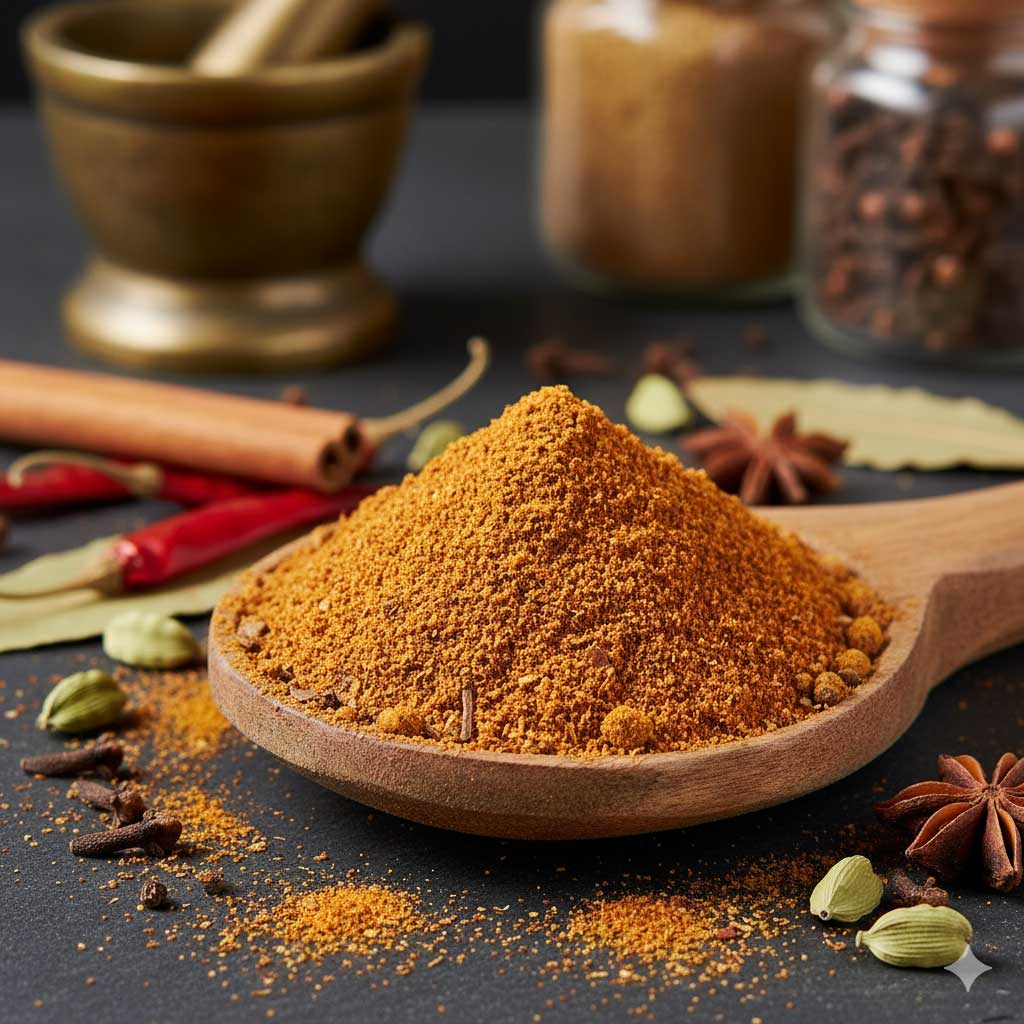
Unlocking the flavor: what is garam masala?
If Indian food has a soul, it is undoubtedly found within the aromatic, complex blend of spices known as garam masala. More than just a spice mix, it is a culinary tradition, a hallmark of home cooking, and the essential finishing touch for countless classic dishes. For anyone looking to master the art of Indian cooking, understanding this mixture is non-negotiable.
The term garam masala literally translates to “hot spice mix”, but this “heat” does not refer to chili-induced pungency but to the warming effect the spices have on the body, according to Ayurvedic principles. This staple blend from the Indian subcontinent combines an array of ground, toasted spices, each contributing a unique depth to the final flavor profile.
This comprehensive guide will explore the origins, ingredients, health benefits, and versatile uses of this powerhouse Indian spice blend, ensuring you have all the knowledge needed to incorporate authentic flavors into your kitchen.
🔑 Key ingredients: the building blocks of flavor
What exactly goes into this magical powder? Unlike simpler spice mixes, there is no single, canonical recipe for garam masala. The composition changes dramatically based on region, family tradition, and the specific dish it is intended for. A kashmiri garam masala will differ significantly from a Punjabi or South Indian version.
However, most traditional recipes share a foundational base of core ingredients. The most common garam masala ingredients include:
- Cumin seeds (jeera): provides an earthy, nutty base.
- Coriander seeds (dhania): offers citrusy, slightly sweet notes.
- Cardamom (elaichi): both green and black cardamom are used. Green is highly aromatic and floral; black imparts a deep, smoky undertone.
- Clove (laung): delivers a strong, pungent, and sweet aroma.
- Cinnamon (dalchini) or cassia bark: ddds warmth and sweetness.
- Black peppercorns (kali mirch): supplies a subtle, sharp bite and heat.
- Bay leaves (tej patta): adds an herbal, slightly savory note.
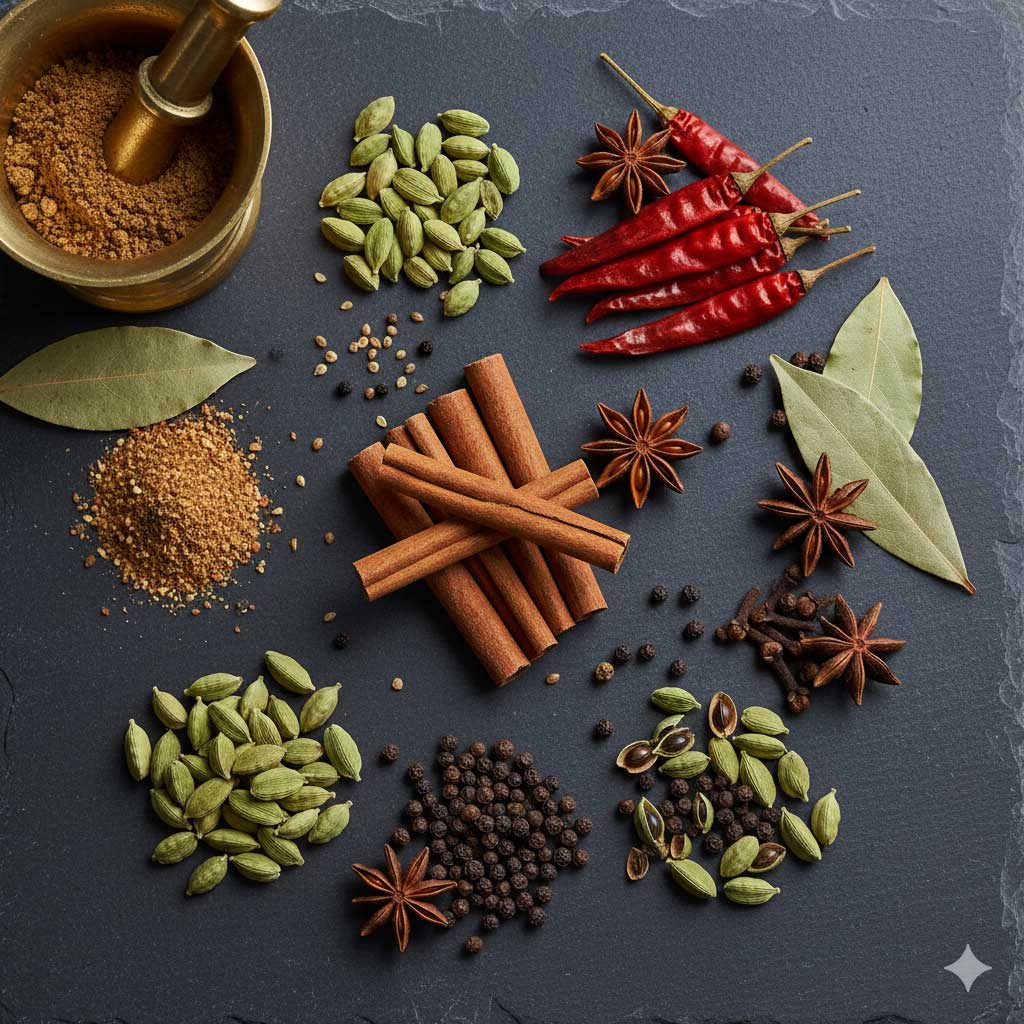
The regional touch: expanding the spice palette
To create unique regional variations, cooks may add less common spices such as:
- Mace (javitri) and nutmeg (jaiphal): Used for a deep, nutty warmth, often favoured in richer North Indian curries.
- Star anise (chakri phool): popular in some southern and western Indian blends for its strong licorice flavour.
- Fennel seeds (saunf): adds a mild, refreshing sweetness.
- Dried red chilies: sometimes included, particularly in South Indian blends, to introduce a moderate level of heat.
🔪 Roasting and grinding: the secret to aromatic garam masala
The immense, intoxicating aroma that distinguishes great garam masala powder comes from a crucial preparation step: dry roasting.
The roasting process
Before the spices are ground, the whole seeds and pods are gently dry-roasted in a pan over low heat until they become fragrant—a process known as bhuna or bhunao. This technique serves several vital purposes:
- Releases essential oils: heat coaxes the volatile oils out of the spices, intensifying their flavour and aroma dramatically.
- Reduces moisture: it ensures the spices are bone-dry, making them easier to grind into a fine powder and extending their shelf life.
- Adds depth: the subtle caramelization slightly deepens the flavour profile, eliminating any raw or harsh notes.
Once cooled, the toasted spices are ground into a fine powder. For the freshest and most potent flavour, it is highly recommended to prepare a small batch of fresh garam masala weekly or monthly. Stored in an airtight container away from light and heat, it will retain its potency for months, but the first few weeks are when its aroma is truly unparalleled.
🧑🍳 How to Use garam masala: application in cooking
One of the most common questions from beginner cooks is, “When do I add garam masala?”
This spice blend is unique because it is rarely used as a foundational flavouring at the start of cooking, like turmeric or chili powder. Instead, it is almost always added near the end of the cooking process—or even sprinkled on the finished dish—to preserve its delicate, highly volatile aromas.
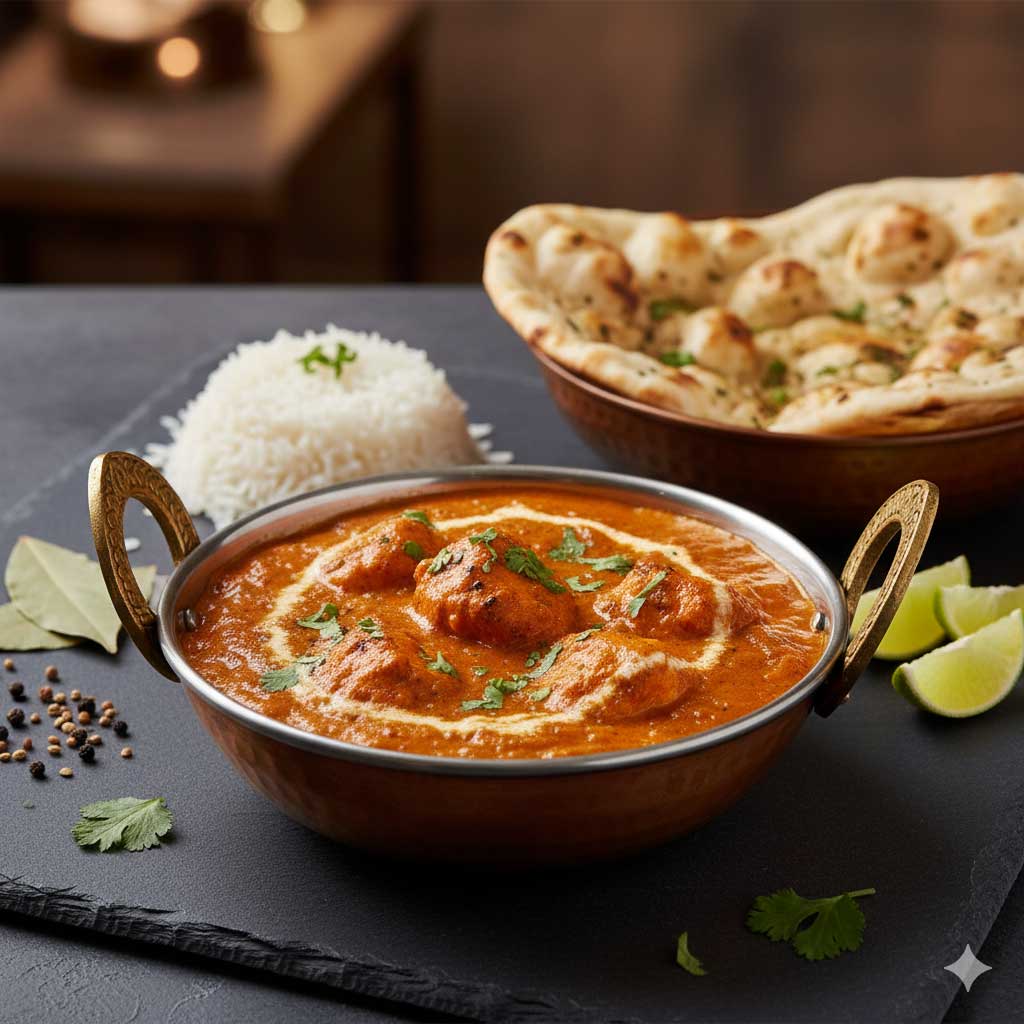
Versatile uses: the flavor finisher
- The finishing touch: this is its most traditional use. A teaspoon or two sprinkled over a curry, stew, or lentil dish (like dal) just before serving adds a final burst of complexity and fragrance. It literally “finishes” the dish.
- Marinades: it works wonderfully in marinades for meats, poultry, or paneer, lending a deep, aromatic base to recipes like chicken tikka masalaor tandoori chicken.
- Vegetable stir-fries: a pinch of garam masala can transform simple sautéed vegetables into a flavourful Indian side dish.
- Savory baked goods: it can be added to the dough for samosas or kachoori to impart a savory warmth.
Learn how to cook garam masala chicken here!
⚕️ Health benefits: beyond the flavor
While primarily used for flavour, the individual spices in garam masala have been revered in traditional medicine systems like ayurveda for centuries due to their purported health benefits.
- Digestive aid: many spices, particularly cumin, coriander, and black pepper, are known to stimulate digestive enzymes and reduce bloating, making it an excellent post-meal component.
- Metabolism booster: black pepper and cinnamon are known for their thermogenic properties, which may help support metabolic functions.
- Antioxidants: spices like cloves, cardamom, and cinnamon are rich in antioxidants, which help the body fight against oxidative stress.
🛒 Buying vs. homemade: the quality factor
While commercial brands of garam masala are widely available in supermarkets, they often pale in comparison to a homemade recipe. Store-bought versions can sometimes be made with lower-quality, pre-ground spices that have lost their essential oils and potency.
- Best practice: investing in whole spices and an affordable spice grinder allows you to control the quality, the roast level, and the specific ratios, guaranteeing the most vibrant and authentic taste for your curries and Indian recipes.
In conclusion, garam masala is not just one flavor; it is a spectrum of warmth, sweetness, and earthiness. Mastering this blend is the key to unlocking the true, authentic, and incredibly satisfying world of Indian cuisine. So, skip the pre-ground jars and experience the true depth of flavor that only a freshly roasted and ground spice blend can provide.
Discover other Indian spices here!


Leave a Reply