Spices have been cherished for centuries, not only for their ability to enhance dishes but also for their cultural and medicinal significance. From the fiery heat of chili peppers to the warm sweetness of cinnamon, each spice brings a unique sensory experience to the table. Understanding the flavor profiles of different spices can transform a meal from ordinary to extraordinary, allowing cooks to craft dishes with depth, balance, and harmony. This article delves into the taste differences between popular spices, offering insight into how they interact with other ingredients and influence culinary traditions worldwide.
https://frogsaga.com/wp-admin/post.php?post=513&action=edit
1. Chili Peppers: Heat and Complexity
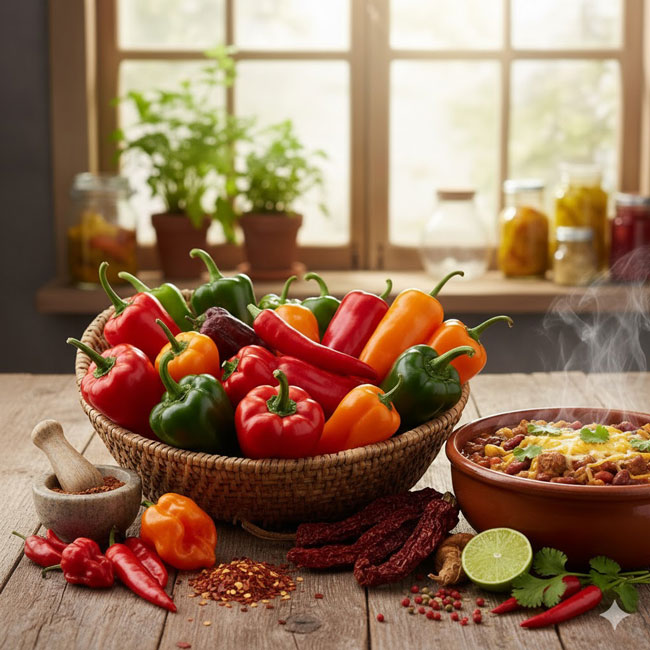
Chili peppers are among the most distinctive spices due to their spiciness, derived from a compound called capsaicin. Capsaicin binds to receptors on the tongue and in the mouth that detect heat, producing a sensation often described as burning. Interestingly, the heat does not equate to taste in the traditional sense; instead, it triggers pain receptors that create the perception of spiciness. Beyond the heat, different varieties of chili peppers offer subtle flavor differences. For example, a jalapeño has a fresh, slightly grassy note, while a smoked chipotle adds a deep, earthy smokiness. The Scoville scale measures the intensity of chili peppers, allowing chefs to calibrate the level of heat in a dish carefully.
2. Black Pepper: Sharp and Pungent
Black pepper is one of the most universally used spices and provides a sharp, pungent flavor that can enhance almost any savory dish. The compound piperine gives black pepper its characteristic bite. Unlike chili peppers, black pepper’s heat is less intense and more aromatic, complementing flavors rather than overwhelming them. Ground black pepper adds warmth and complexity to soups, meats, and sauces, while whole peppercorns can infuse oils and broths with a subtle peppery undertone.
3. Cinnamon: Sweet Warmth
Cinnamon is renowned for its sweet and warm flavor profile. Derived from the inner bark of trees in the Cinnamomum genus, it contains cinnamaldehyde, which contributes to its distinctive aroma and taste. Cinnamon is versatile, enhancing both sweet and savory dishes. In desserts, it imparts a comforting sweetness reminiscent of baked goods, while in savory cuisines, particularly in Middle Eastern and Indian dishes, it adds depth and a gentle warmth that balances spices like cumin and cardamom.
4. Nutmeg: Earthy and Nutty
Nutmeg offers a warm, earthy flavor with subtle sweet undertones. It is slightly more complex than cinnamon, combining nutty, woody, and spicy notes. The spice comes from the seed of the Myristica fragrans tree and is often used in small amounts because of its potency. Nutmeg enhances creamy dishes, desserts like custards, and even beverages such as eggnog. In savory applications, it can enrich sauces, soups, and meat dishes, providing a nuanced depth that other spices cannot replicate.
5. Cloves: Intense and Aromatic
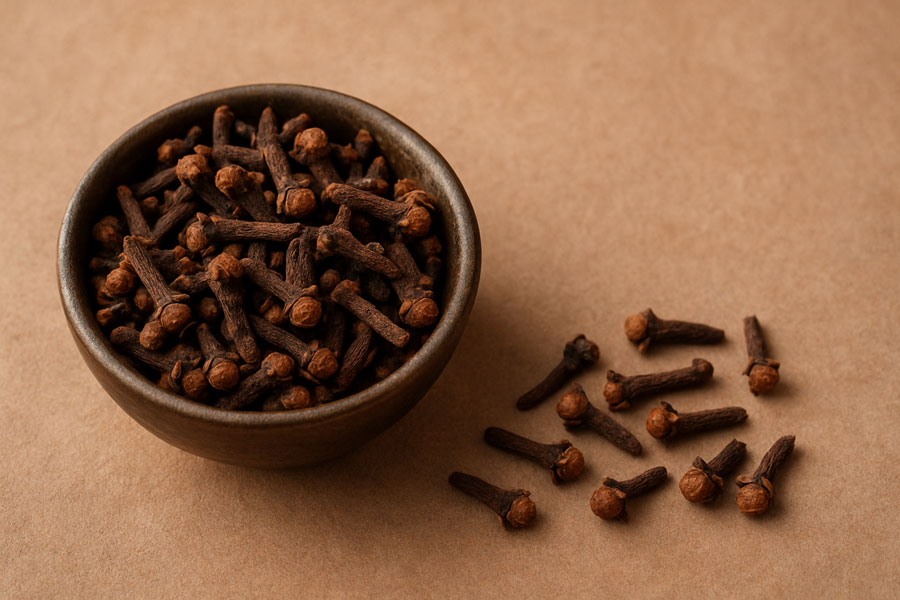
Cloves have a strong, almost medicinal aroma and taste. They are highly aromatic due to the presence of eugenol, which gives them their distinctive pungency. Cloves are potent and should be used sparingly; a little goes a long way. Their flavor is warm, sweet, and slightly bitter, making them ideal for spiced beverages, baked goods, and slow-cooked savory dishes like stews and curries. Cloves pair well with cinnamon, nutmeg, and ginger, creating complex spice blends used in various global cuisines.
6. Cumin: Earthy and Warm
Cumin offers a rich, earthy flavor with subtle bitterness and warm undertones. Commonly used in Indian, Middle Eastern, and Latin American cuisines, cumin seeds can be used whole or ground. Toasting cumin enhances its aroma and brings out a nutty, slightly smoky flavor. Its taste is foundational in spice blends like garam masala, taco seasoning, and curry powders. Cumin’s versatility allows it to complement both vegetables and meats, contributing a grounding warmth that balances more assertive spices.
7. Coriander: Citrusy and Sweet
Coriander seeds have a mild, citrusy flavor with a hint of sweetness. When ground, they release essential oils that create a subtle warmth and aromatic quality. Coriander is often paired with cumin to create balanced spice profiles in Indian, Middle Eastern, and Latin American dishes. Fresh coriander leaves (cilantro) have a distinctly different taste, often described as bright and zesty, highlighting the versatility of this plant across cuisines. Coriander seeds can enhance curries, pickles, marinades, and baked goods.
8. Ginger: Zesty and Pungent
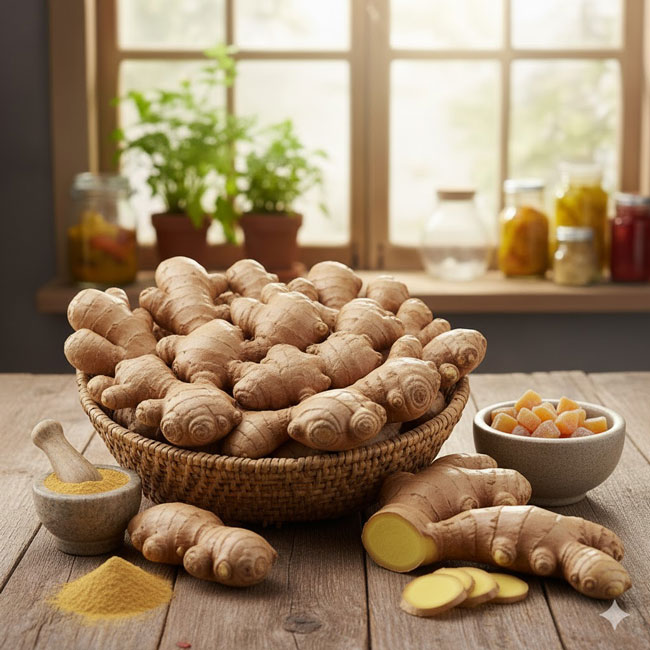
Ginger is known for its sharp, zesty flavor with a warm, spicy undertone. Fresh ginger has a more vibrant, citrusy zing, while dried ginger offers a sweeter, earthier profile. The compounds gingerol and shogaol are responsible for its pungency and aromatic properties. Ginger is widely used in Asian cooking, desserts, beverages, and even health remedies. Its taste can simultaneously brighten a dish and add a warming sensation, making it a multifaceted spice.
9. Turmeric: Earthy and Bitter
Turmeric has a warm, earthy, and slightly bitter flavor. It is often used more for its vibrant yellow color than its taste, though it does contribute subtle depth to dishes. Curcumin, the active compound in turmeric, gives it its characteristic bitter note and earthy aroma. Common in Indian, Middle Eastern, and Southeast Asian cuisines, turmeric is often paired with other spices like cumin and coriander to create layered, balanced flavors in curries, rice dishes, and stews.
Conclusion
Spices are more than just seasonings; they are flavor architects that shape the sensory experience of food. Understanding the taste differences between spices—from the fiery heat of chili peppers to the sweet warmth of cinnamon, the earthy depth of cumin, and the floral notes of cardamom—allows cooks to craft dishes with intentionality and finesse. By experimenting with combinations and adjusting proportions, one can unlock the full potential of spices, creating meals that are not only flavorful but also culturally rich and deeply satisfying.

Leave a Reply