Tag: pepper

  • White Pepper: The Subtle Spice with Surprising Depth

    White pepper may not have the fiery reputation of chili powders or the immediate aroma of black pepper, but it plays a quiet, essential role in global cuisine. Valued for its clean, earthy heat and ability to blend seamlessly into light-colored dishes, white pepper is a favorite among chefs who appreciate subtlety and depth.

    Whether you are discovering this spice for the first time or looking to refine your culinary knowledge, white pepper offers rich history, nuanced flavor, and versatile uses worth exploring.

    Origin and History of White Pepper

    From the Same Plant as Black Pepper

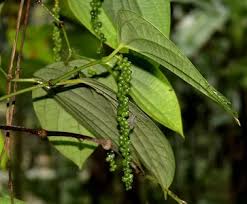
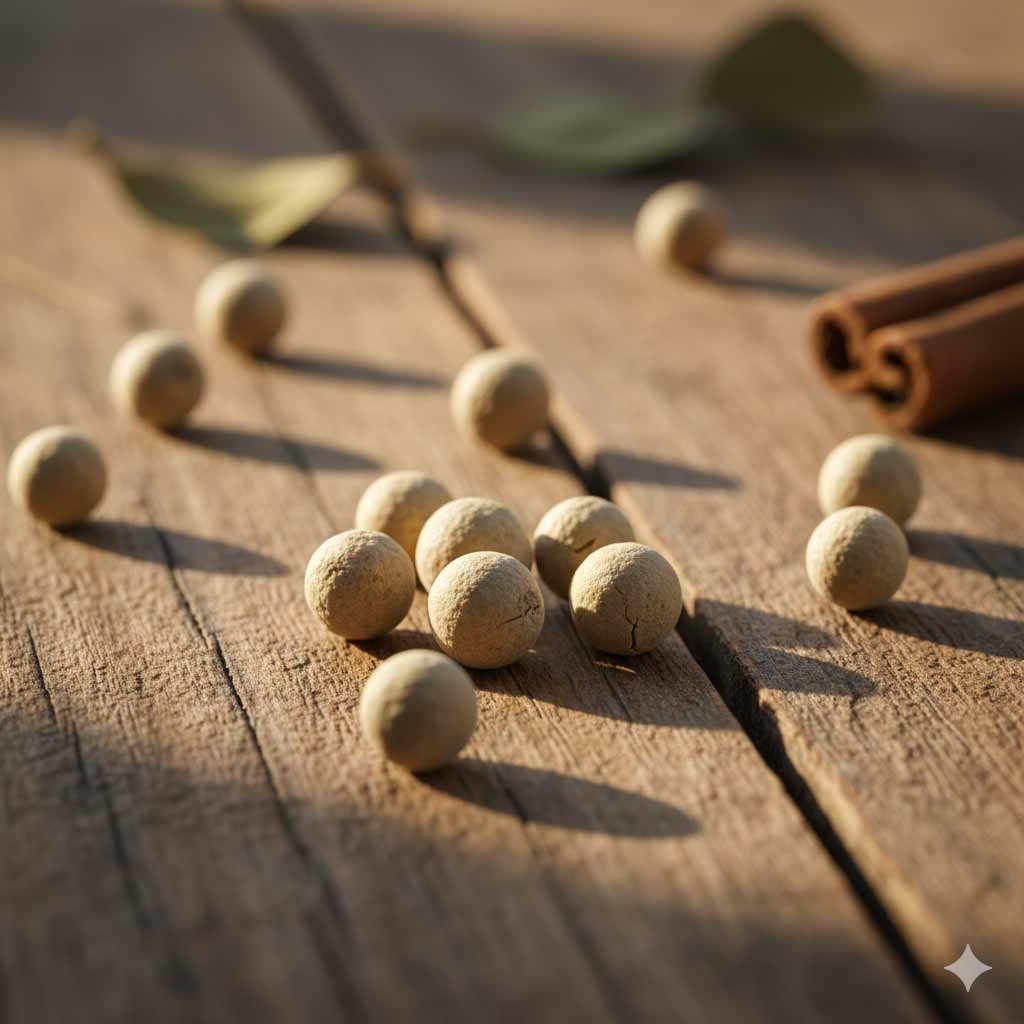
    White pepper and black pepper come from the same plant: Piper nigrum. The difference lies not in the variety, but in the processing method. While black pepper is harvested when the berries are still green and dried whole, white pepper is produced by harvesting fully ripe red berries, soaking them, and removing the outer skin. What remains is the pale inner seed, which becomes the white peppercorn.

    A Spice with Ancient Roots

    Pepper has been traded for thousands of years and was once considered so valuable it served as currency. White pepper became particularly popular in European and Chinese cuisines, where its mild appearance and smooth heat were appreciated in lighter-colored dishes such as sauces, soups, and delicate stir-fries.

    In traditional Chinese cooking, especially in Cantonese cuisine, white pepper is often preferred over black pepper because of its cleaner and more aromatic flavor.

    Flavor Profile of White Pepper

    White pepper is often described as:

    • Earthy and mildly pungent
    • Smoother and less sharp than black pepper
    • Lightly fermented, due to the soaking process
    • Warm, aromatic, and slightly musky

    One of its most distinctive characteristics is the subtle fermented note, which adds complexity without overwhelming a dish. This makes it ideal for recipes where black pepper might stand out visually or taste too bold.

    Culinary Uses: How to Cook with White Pepper
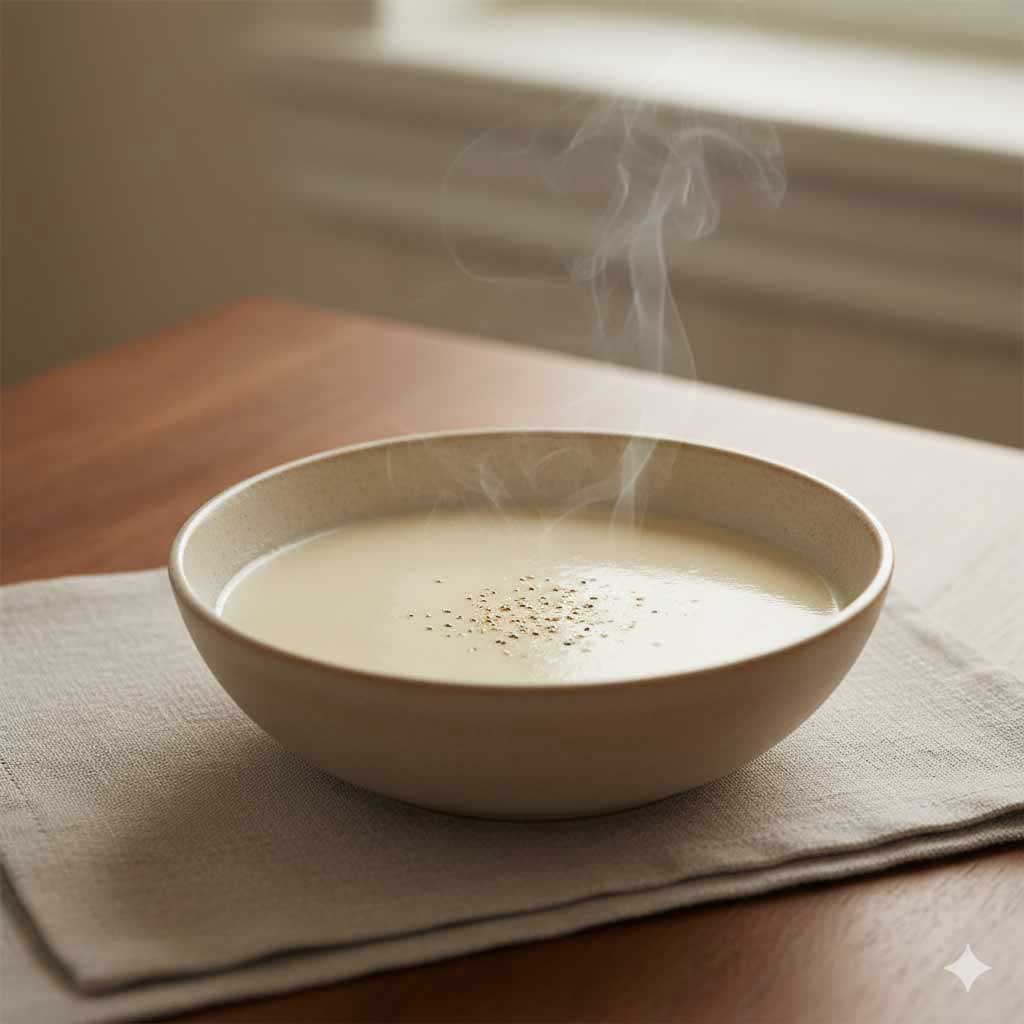
    A Staple in Classic White Sauces

    Because it blends into light-colored foods, white pepper is widely used in:

    • Béchamel sauce
    • Cream-based soups
    • Mashed potatoes
    • Alfredo pasta

    It provides warmth without creating visible specks, keeping dishes aesthetically pleasing and flavor-balanced.

    Highlights in Asian Cuisine

    White pepper plays a central role in several traditional Asian dishes:

    Chinese Hot and Sour Soup

    White pepper gives this soup its signature heat, offering a clean, sharp spice that complements vinegar and mushrooms.

    Congee (Rice Porridge)

    A pinch adds warmth and aroma, transforming a simple porridge into a comforting meal.

    Stir-Fried Vegetables or Seafood

    Its subtle spicy note enhances delicate ingredients like bok choy, tofu, shrimp, or scallops.

    Popular Western Dishes Featuring White Pepper

    White pepper appears in numerous European and Western dishes:

    • Swedish meatballs
    • Vichyssoise (cold leek and potato soup)
    • Creamy mushroom sauces
    • Cauliflower purée
    • Poached fish preparations

    It adds just enough heat and complexity without overshadowing mild flavors.

    Creative Modern Uses

    White pepper adapts well to modern, inventive cooking:

    • Added to salad dressings for a clean, peppery kick
    • Used in spiced butter or compound butter
    • Added to cheese sauces or fondue
    • Mixed into bread dough or savory pastries
    • Sprinkled over eggs or delicate breakfast dishes

    Because its flavor opens slowly on the palate, it can elevate dishes in subtle but meaningful ways.

    Health Benefits (General Knowledge)

    While white pepper is typically consumed in small amounts, it may provide some mild health-related advantages according to general culinary knowledge:

    • Rich in antioxidants, particularly piperine, which may help support cell protection
    • May aid digestion due to compounds that stimulate gastrointestinal enzymes
    • Contains small amounts of minerals such as manganese and iron
    • Naturally low in calories and free of additives

    These qualities make it a pleasant addition to your meals, though it shouldn’t be regarded as a medical treatment.

    Tips for Cooking with White Pepper

    Use It Freshly Ground When Possible

    Ground white pepper loses its aroma more quickly than black pepper. For the best flavor, grind small amounts from whole peppercorns as needed.

    Add It Toward the End of Cooking

    Because its aroma can fade with prolonged heat, adding it near the end of cooking preserves its delicate character.

    Pair It with Gentle Flavors

    White pepper shines when paired with:

    • Cream
    • Potatoes
    • Eggs
    • Mild vegetables (cauliflower, zucchini)
    • Poultry
    • Seafood

    Its earthy warmth enhances subtle ingredients without overpowering them.

    Be Mindful of Quantity

    White pepper can become slightly musty or overly pungent if used in excess. Start with small amounts and adjust to taste.

    Try White Pepper in Spice Blends

    It works well in:

    • Chinese five-spice mixes
    • Seafood rubs
    • Creamy salad dressings
    • European herb blends

    Its smooth heat complements many herbs such as parsley, chives, thyme, and tarragon.

    Conclusion

    White pepper may not be the boldest spice in your pantry, but its understated complexity and versatility make it indispensable. Its earthy warmth, subtle fermented notes, and ability to blend seamlessly into light dishes have earned it a place in kitchens across the world—from European sauces to Chinese soups.

    Whether you use it to enhance creamy recipes, elevate seafood, or add depth to your everyday cooking, white pepper offers a refined, elegant flavor worth rediscovering. Keep a small jar on hand, use it thoughtfully, and you’ll soon appreciate why this quiet spice has been valued for centuries.
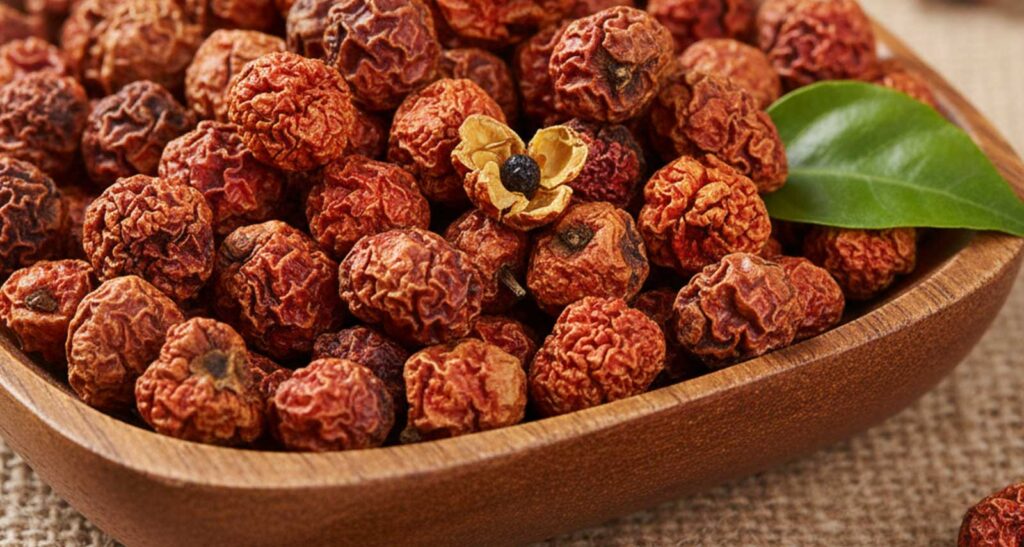
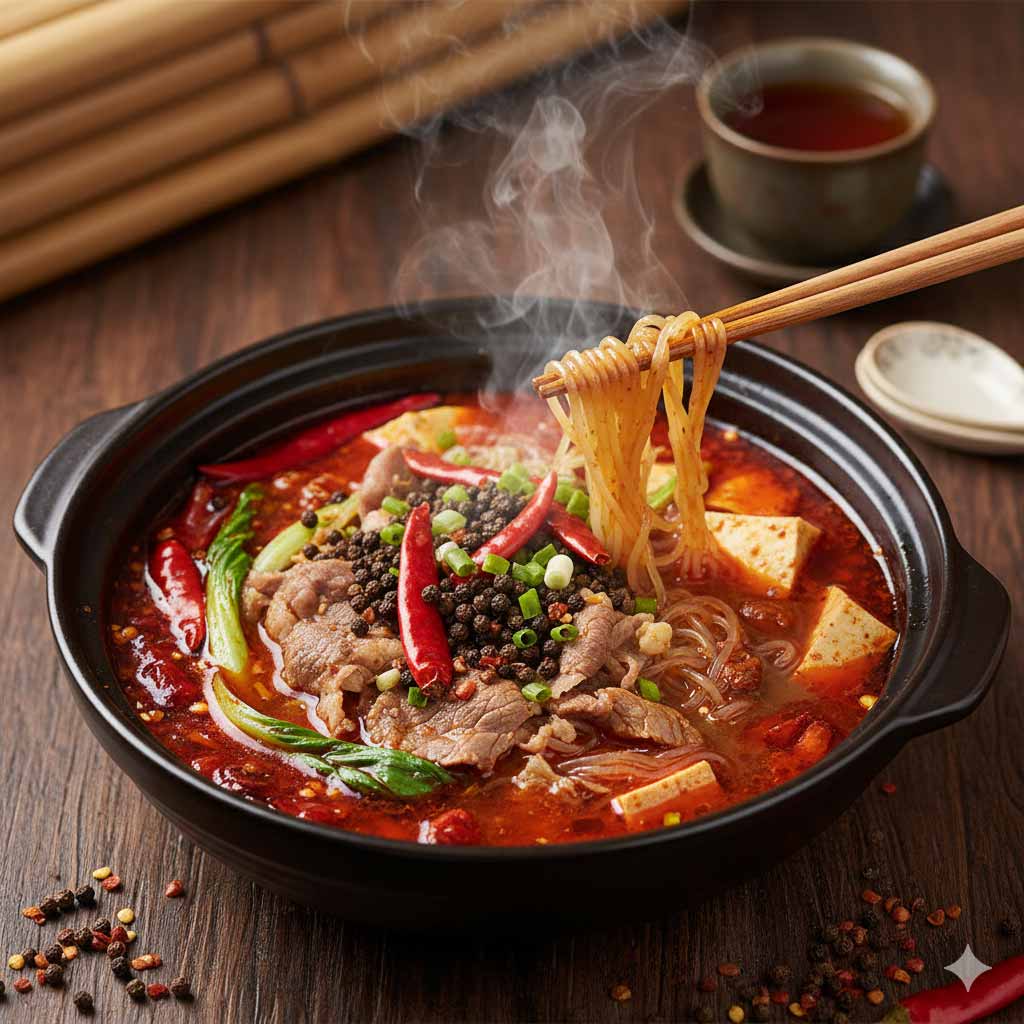
  • Sichuan Pepper: The Electrifying Spice That Tinges the World

    sichuan pepper

    Sichuan pepper, also known as huājiāo (花椒) or málà pepper, is not simply another hot spice—it’s a sensory adventure. With its citrusy aroma and uniquely tingling, numbing sensation, this spice from Southwest China has captured the imagination of chefs, food historians, and home cooks around the globe. But what makes it so special, and how has it traveled from mountain ridges to global spice racks? Today, we delve into the vibrant world of Sichuan pepper to explore its flavors, varieties, culinary applications, and its rich cultural history.

    What is Sichuan Pepper? More than just a peppercorn.

    Though its name suggests a kinship with black pepper or chili, Sichuan pepper comes from an entirely different botanical family. It is the dried outer husk (pericarp) of a berry from plants in the genus Zanthoxylum, part of the citrus family, Rutaceae—not related to true peppers. 

    The defining characteristic of Sichuan pepper is its numbing‑tingling effect, caused by a compound called hydroxy-α-sanshool. This molecule activates the trigeminal nerve, making your lips and tongue feel like they’re vibrating gently—akin to the sensation of carbonated pop or a soft electrical hum. 

    Varieties and regional types

    Major species

    There are several species of Zanthoxylum used to produce Sichuan peppercorns, each offering distinct flavors and properties:

    • Zanthoxylum bungeanum: Perhaps the most widely used, this “red” variety has reddish-brown husks, a warm citrus-woody aroma, and a moderate-to-strong numbing intensity.
    • Zanthoxylum schinifolium: Often referred to as “green” Sichuan pepper, these bright green husks are harvested earlier, producing a fresher lemony citrus scent and a sharper, quicker numbing effect.
    • Zanthoxylum armatum: Found widely across the Himalayan region (Nepal, Bhutan, parts of India), this variety often delivers floral-fruity aromas and a potent, lingering buzz when dried.

    Notable regional variants

    Beyond the typical red and green, there are more specialized or regional cultivars:

    • Hanyuan peppercorn: Grown in Hanyuan County (Sichuan), sometimes dubbed the “Rolls-Royce” of Sichuan peppers for its unmatched fragrance and long numbing sensation.
    • Wild mountain varieties: Found in remote, mountainous zones, wild Sichuan peppercorns often come with more nuanced aromatics, giving high-end chefs a prized specialty.

    Culinary uses

    Sichuan pepper is deeply woven into the tapestry of regional cuisines, especially Sichuan cuisine, but its influence reaches far beyond.

    In traditional Chinese cooking

    • Málà (麻辣): This iconic flavor profile combines the numbing of Sichuan pepper with fiery chili heat. It forms the backbone of dishes like Chongqing hot pot and mapo tofu.
    mala
    • Five-spice powder: Whole or ground Sichuan pepper is a key ingredient alongside star anise, cassia, fennel, and cloves.
    • Pepper oil and salt: You will often find huājiāo yóu (pepper-infused oil) or huājiāo yán (Sichuan pepper salt), made by toasting the husks with salt—used as dipping sauces, seasonings for meat, or even sprinkled on snacks.
    • Leaves: The fresh leaves of the pepper tree are sometimes used in soups or fried with vegetables.

    Global and modern takes

    • Stir-fries and grilled meats: It’s common in stir‑fried dishes or grilled fish to toast the peppercorns, blooming their aroma just before serving.
    • Pastries and ice cream: Because of its citrus and floral notes, Sichuan pepper is even used in desserts—perhaps surprisingly in pepper-salted butter cookies or as a zingy topping for ice cream.

    A spice with history: trade, tradition and culture

    Origins and trades routes

    Sichuan pepper has been used in China for centuries. While local to Sichuan and its mountainous neighbors, its appeal grew beyond regional cuisine. As spice routes expanded, huājiāo traveled via internal trade within China and eventually reached the Himalayas, Nepal, and India, becoming part of local Himalayan cookery.

    trade routes of sichuan pepper

    China’s historical trade networks—both land (like portions of the Tea Horse Road) and river routes—facilitated the movement of Sichuan pepper. It morphed into both culinary and medicinal goods, contributing to the broader exchange of spices throughout Asia.

    Cultural significance

    • In Chinese rituals: In some regions, Sichuan pepper was more than a spice—it carried symbolic weight. Certain varieties were considered tribute spices, offered to nobility for fertility or well-being (as noted in historical accounts).
    • Traditional Chinese medicine: Huājiāo is believed to have warming properties: used in traditional Chinese medicine to improve circulation, relieve cold sensations, and stimulate digestion.
    • Modern revival: With the global interest in Sichuan cuisine, this pepper has become an ambassador of Chinese culinary heritage—used in modern fusion dishes, specialty oils, and even trendy snacks.

    Health and wellness

    Sichuan pepper is more than just culinary flair. According to both traditional medicine and modern research, it offers some notable benefits:

    • Circulation and “warming” effect: The essential oils (like limonene) in the pepper can stimulate peripheral blood flow—a reason it’s used to treat “cold hands and feet” in traditional Chinese medicine.
    • Antimicrobial and anti-inflammatory: Some studies show that extracts from Sichuan pepper have antibacterial properties against common pathogens and may reduce inflammation.
    • Immune support: Rich in vitamins A, C, E, and minerals (zinc, potassium), it’s thought to “expel wind and dampness,” supporting the body’s defense against illness.
    • Mood and sensory stimulation: The tingling sensation itself may release endorphins, giving an uplifting, “awake” feel.

    The science behind the tingle

    What makes your tongue feel like it’s buzzing? The science lies in hydroxy-α-sanshool, the compound in Sichuan pepper that stimulates tactile sensory neurons without triggering traditional “taste” receptors. 

    A study even measured the frequency of the vibration sensation at around 50 Hz, similar to the hum of an electrical current. This is not a burning heat like capsaicin (from chili peppers), but more like a gentle buzzing or fizzing — the hallmark of málà.

    Taken together, it all reveals that Sichuan pepper is a spice that transcends mere seasoning: it’s a cultural symbol, a historical traveler, a culinary technique, and a sensory phenomenon. From the red peppercorns that power Sichuan hot pots to the delicate floral whisper of its green variety, its footprint is both vast and nuanced.

    Whether you’re a curious cook wanting to try your hand at mapo tofu, a spice aficionado intrigued by the science of that tingle, or someone captivated by the global journey of ancient ingredients, Sichuan pepper offers endless depths.

    Try it, share your favorite ways to use it, and let the buzz of huājiāo awaken your culinary imagination.

  • Tellicherry Black Pepper: The King of Spices

    When it comes to black pepper, not all varieties are created equal. Among the finest and most prized options is Tellicherry black pepper, a seasoning that embodies centuries of tradition, a rich heritage, and a complex, nuanced flavor profile. Known as the “pepper of connoisseurs”, Tellicherry Black Pepper is more than just a kitchen staple, it’s a journey into the heart of India’s spice country, a wellness booster, and a culinary star in both sweet and savory dishes.

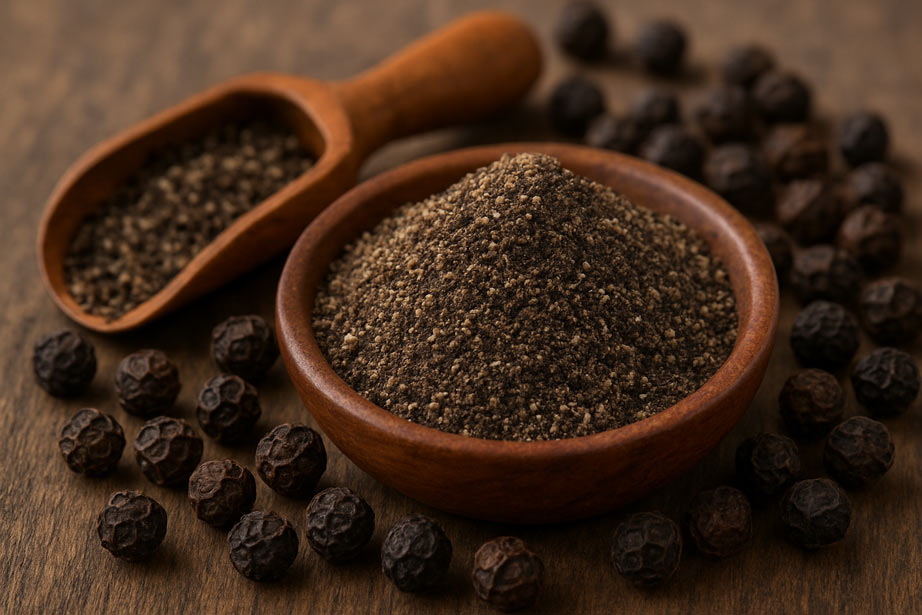
    Tellicherry Black Pepper in a bowl with whole peppercorns on a table

    Discovery and Culture

    Origin and Terroir

    The Tellicherry Black Pepper originates in the lush tropical region of Kerala in southern India, where the climate, soil, and monsoon rhythms create ideal growing conditions. What sets these peppercorns apart is the maturity of the plants from which they are harvested. Only fully ripe berries from older vines are hand-picked, resulting in a richer, more complex flavor: robust, aromatic, and slightly fruity. This careful cultivation process explains why this cultivar consistently ranks among the world’s finest.

    History of Tellicherry Black Pepper

    The story of the Tellicherry Black Pepper is as rich as its taste. Pepper has been cultivated in India for thousands of years and was one of the earliest commodities in global trade. European explorers (including the Portuguese, Dutch, and British) were drawn to India’s spice coast, and the harvest from the Tellicherry region became especially prized. Its superior flavor and reliability elevated it above standard varieties, making it a favorite on royal tables and in fine dining. Today, chefs and gourmet enthusiasts still regard it as a hallmark of culinary sophistication.

    Differences with Other Black Peppers

    Compared to other well-known types, such as Malabar, Lampong, or Sarawak,Tellicherry Black Pepper stands out distinctly. Malabar pepper is bold and pungent, Lampong from Indonesia delivers sharper heat, and Malaysia’s Sarawak is milder with a woody profile. The combination of fruity undertones, subtle warmth, and deep, layered aromatics makes this variety the preferred choice for cooks seeking elegance and depth.

    Practical Guide

    Storage

    To preserve the full aroma of Tellicherry Black Pepper and flavor, proper storage is crucial. Keep the peppercorns in an airtight container, protected from heat, light, and humidity. Whole berries retain essential oils far better than pre-ground versions, making it ideal to buy them whole and grind only as needed. With proper care, this spice maintains its vigor for months.

    Optimal Grinding

    For maximum flavor, grind this pepper just before cooking. Fresh grinding releases the volatile oils that contribute to its aromatic and pungent personality. Though pre-ground options are convenient, they lose complexity quickly. A few fresh twists from a mill can dramatically enhance a dish, turning an ordinary meal into something memorable.

    Substitutions and Flavor Impact

    While this variety is highly prized, other black peppers can occasionally serve as substitutes. However, replacing Tellicherry Black Pepper with standard options will reduce some of the depth, aroma, and subtle fruity qualities it brings. When a recipe specifies this high-grade pepper, it’s usually worth using the real thing to maintain authenticity and flavor integrity.

    Health and Wellness

    Benefits of Tellicherry Black Pepper

    This celebrated seasoning is not only a culinary staple but also offers numerous health benefits. Black pepper has long been associated with improved digestion due to compounds that stimulate digestive enzymes. It may also promote metabolism and provides antioxidants that help combat oxidative stress.

    Enhancing Nutrient Absorption

    One standout feature of black pepper is its ability to enhance nutrient absorption. Piperine, the compound responsible for its signature pungency, can boost the bioavailability of various nutrients and spices, especially curcumin from turmeric. This synergy makes these peppercorns a valuable addition to wellness-focused recipes.

    Myths and Realities

    Many myths surround pepper, including claims that it acts as a powerful “fat burner” or energy booster. While piperine may have mild metabolic effects, it is not a miracle ingredient for weight loss. The real value of Tellicherry Black Pepper lies in elevating flavor, supporting digestion, and aiding nutrient absorption.

    Recipes and Culinary Uses

    Savory Dishes

    This exceptional variety shines in savory cooking. Its bold yet nuanced flavor enhances steaks, roasted meats, grilled fish, and vegetables. A sprinkle of freshly ground pepper over vinaigrette, sauces, or marinades adds complexity and warmth. Even a simple salad can become gourmet with a pinch of this fragrant seasoning.

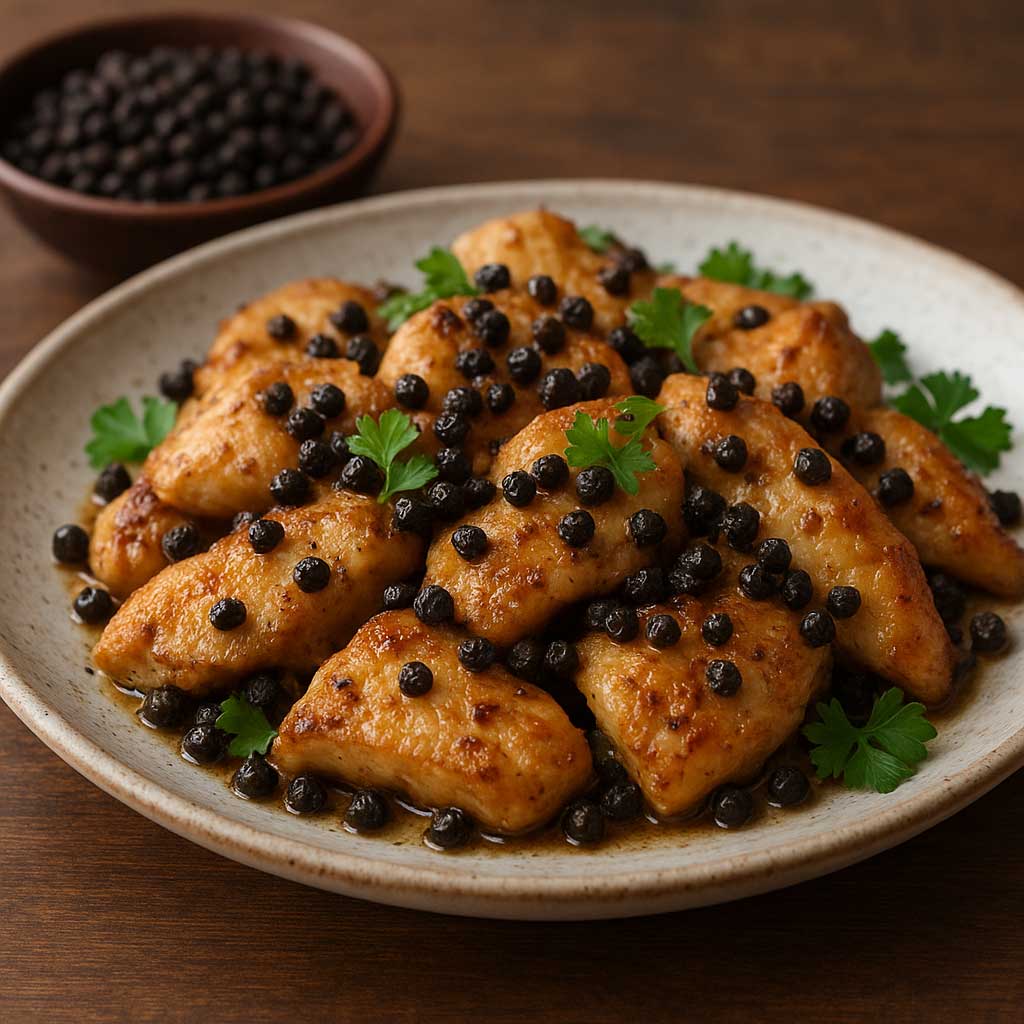
    Plate of chicken seasoned with Tellicherry Black Pepper

    Sweet Recipes

    Surprisingly, this spice also enhances sweet dishes. It pairs beautifully with chocolate desserts, caramel sauces, and poached fruits, where its gentle heat balances sweetness and elevates flavors. The complexity of these peppercorns makes them a perfect partner for creamy or fruity notes.

    Beverages and Cocktails

    This high-quality pepper is now appearing in beverages as well. It adds warmth and subtle spice to lattes, teas, cocktails, and mocktails. A simple syrup infused with it can completely transform a drink, making it a favorite tool for mixologists and creative home cooks.

    DIY Spice Mixes

    For those who enjoy experimenting, this pepper is ideal for homemade blends. Combine it with salt for a gourmet finishing seasoning, or mix it with cumin, coriander, and smoked paprika for a custom rub. These blends elevate grilled meats, roasted vegetables, and even snacks.

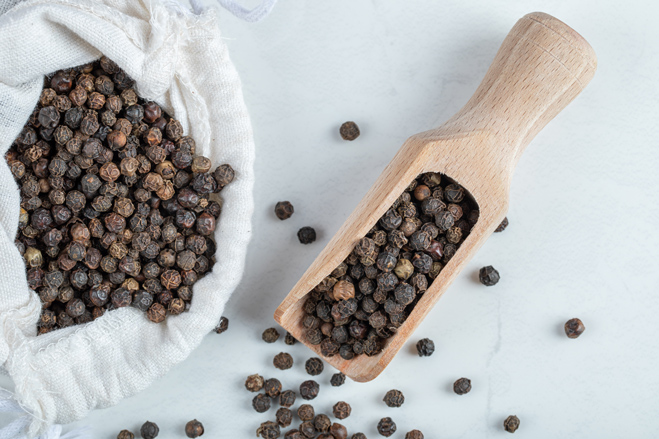
    White sack filled with Tellicherry Black Pepper drying on a gray table

    More than just a seasoning, this distinguished pepper is a symbol of heritage, quality, and culinary excellence. From its origins in Kerala to its widespread appreciation around the world, it has earned its title as the “pepper of connoisseurs”. With its complex aroma, nuanced flavor, and wellness-supporting properties, it stands as a versatile and invaluable ingredient. Whether added to a savory curry, a decadent dessert, or a comforting beverage, this extraordinary spice enriches both food and the dining experience itself. For chefs, food lovers, and wellness enthusiasts, it remains one of the most remarkable spices on Earth.

    To find more about other peppers, check this post : The Magic of the 5‑Pepper Blend: A Flavorful Journey Through History, Culture & Cooking

  • Kampot Pepper’s Journey: From Near-Extinction to Culinary Crown: The Jewel of Cambodia

    Kampot pepper Cambodia


    Long before it graced the tables of gourmet chefs around the world, Kampot pepper was a humble yet integral part of Cambodian life — an aromatic thread woven through generations, nearly torn from the tapestry by political upheaval, but ultimately restored to its rightful place in the world of spices.

    A Pepper Rooted in Time

    The story of Kampot pepper begins long ago, with roots that run as deep as the liana vines on which it grows. As early as the 13th century, Chinese diplomat Zhou Daguan, visiting the Angkorian Khmer Empire, made note of pepper cultivation in the region. (Wikipédia) Yet it was only toward the end of the 19th century—amid global shifts in spice trade—that pepper farming around Kampot truly expanded. (Farmlink)

    In fact, much of this growth can be traced to the aftermath of the Aceh War (1873–1908). When the Sultan of Aceh, in present-day Indonesia, burned his own pepper plantations rather than see them fall into Dutch colonial hands, skilled growers migrated — and planted their pepper in Cambodian soil. (Wikipédia) Under French colonial rule, Kampot pepper flourished. The region’s exports soared; by the early 20th century Cambodia was producing thousands of tonnes each year. (Kadodé)

    It’s said that in the 1920s nearly all the pepper consumed in France came from Kampot, a testament to both the scale and prestige of this spice. (cambodiaip.gov.kh)

    A Highland Jewel Nearly Lost

    Yet this prosperity did not endure. The mid-20th century brought turbulence to Cambodia, culminating in the brutal Khmer Rouge regime (1975–1979). Under Pol Pot, the entire social and economic order was violently upended. Pepper growers—often viewed as bourgeois landowners—saw their plantations destroyed or abandoned. (www.kampot.co.uk)

    During these years, rice became the regime’s sole priority: other crops, including pepper, were forsaken. By the end of the conflict, only a handful of pepper poles survived out of the once-million-strong vines in Kampot. (Wikipédia) The cultural memory of pepper was nearly wiped out.

    But as Cambodia gradually stabilized in the late 1990s, a remarkable revival began. Farmers — some descendants of the original pepper-growing families — returned to their ancestral lands. They cleared overgrown vines, tended to the few surviving ones, and restarted cultivation using traditional know-how passed down through generations. (cambodiaip.gov.kh)


    Rebirth and Recognition: The Geographical Indication

    The comeback of Kampot pepper was not just an act of restoration—it became a declaration. In 2006, producers, farmers’ cooperatives, and development partners banded together to form the Kampot Pepper Promotion Association (KPPA). (WIPO) Over the following years, they drafted a rigorous book of specifications to define what authentic Kampot pepper is: how it must be grown, harvested, dried, and graded.

    This effort paid off. On 2 April 2010, Kampot pepper became the first Cambodian product to earn a Protected Geographical Indication (PGI) from the Ministry of Commerce. The PGI guards not only the name, but also guarantees quality, origin, and traditional methods. (FAOHome)

    Later, thanks to growing international demand, it also gained recognition in Europe — adding another layer of protection and prestige. (Wikipédia)


    Terroir, Technique & Taste

    What makes Kampot pepper so special? Part of it lies in the terroir. The coastal hills of Kampot and Kep provinces offer a unique soil: rich in minerals and quartz, a composition that nourishes the roots of the pepper vines and magnifies the aromatic qualities of the berries. (ellyspirits.com) The climate — humid, monsoon influenced — further enhances its character. (terreexotique.com)

    Four principal varieties grow there: green, black, red, and white. (kampot.city)

    • Green peppercorns are picked young, fresh and tender, with a bright, vegetal flavor.
    • Black peppercorns are harvested slightly later, fermented under the sun, and develop complex notes: hints of mint, eucalyptus, even chocolate. (Le Cafetier)
    • Red pepper comes from fully ripe berries, allowed to mature on the vine—its taste is fruity, warm, with notes of dates, honey, or rosehip. (Stony Groves)
    • White pepper is made by soaking red berries, removing their outer skin; the result is a creamy, delicate spice, with citrus or tea-like nuances. (ellyspirits.com)

    Every step — from hand-harvesting to sun-drying and hand-sorting — is done manually and with great care, according to the PGI specifications. (La Plantation)


    Consequences of the Khmer Rouge Era: More Than Just a Vanished Crop

    The nearly catastrophic impact of the Khmer Rouge on Kampot pepper was more than agricultural. It was cultural, economic, and deeply personal. Families broken apart, ancestral knowledge at risk of being lost forever, and a legacy of flavor that seemed destined to vanish.

    But the revival of pepper has had spiritual resonance too. For many farmers, replanting vines meant restoring a piece of their heritage. For the nation, it became a symbol of resilience: the most intimate and fragrant way to heal wounds from a devastating past. (www.kampot.co.uk)

    Global Reverence — and Local Impact

    Thanks to its PGI status and growing global fame, Kampot pepper has regained not only its place on spice racks, but a role in strengthening rural livelihoods. Through the KPPA, farmers are able to certify their pepper, demand fair prices, and protect against fraud or mislabeling. (FAOHome)

    There’s also been a spiritual dimension to this comeback: spice aficionados often refer to Kampot pepper as the “champagne of pepper.” (Stony Groves) Its revival is a story not just of commerce, but of cultural survival and renewal — a living heirloom from Cambodia’s past, now celebrated on tables across the world.

    Looking Ahead: Challenges and Promise

    Despite its revival, Kampot pepper remains fragile. Production is still relatively small-scale, and climate change looms as a threat. (Wikipédia) There is also pressure to maintain traditional farming methods even as demand grows — a delicate balance between scaling up and preserving heritage.

    The KPPA continues to enforce strict standards, ensuring that every pepper labeled “Kampot PGI” is traceable, authentic, and grown according to age-old practices. (La Plantation)


    A Spice Bound to Memory and Soil

    Kampot pepper’s story is one of resilience, rising again after near-annihilation under one of the world’s most brutal regimes; of heritage, cultivated today just as it was centuries ago by hands that carry living memory; and of excellence, now safeguarded by a Protected Geographical Indication that binds the spice inseparably to its native soil.And when you taste it — whether in a stir-fried crab, a steak crust, or simply freshly ground at your table — you’re not just experiencing a spice. You’re tasting a story.

    In the world of culinary history, few spices carry such emotional weight. Kampot pepper is not just pepper: it’s memory, revival, and hope — carried on a vine, dried in the sun, cracked under your teeth. Its journey from the brink of extinction to global recognition is testament to what tradition, dignity, and craftsmanship can reclaim.

    Discpouver a delicious traditional recipe using Kampot pepper in this article !

  • The Magic of the 5‑Pepper Blend: A Flavorful Journey Through History, Culture & Cooking

    5-pepper blend

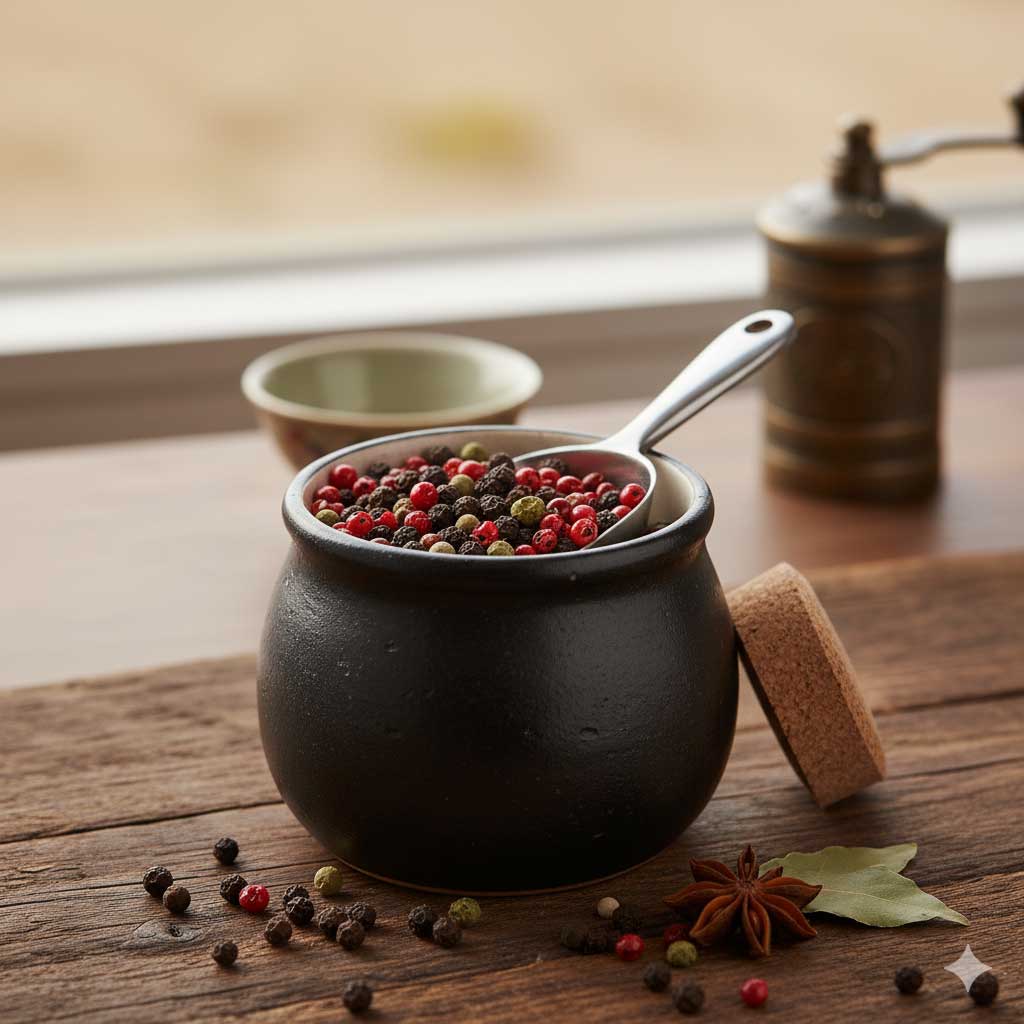
    5-pepper blend isn’t just a decorative addition to your pepper grinder — it’s a vibrant mix brimming with history, aroma, and culinary complexity. But what makes this colorful seasoning more than just pepper? By exploring its unique peppercorn varieties, its storied origin, and its versatile uses in the kitchen, you’ll discover why this medley deserves a place in your spice rack. Join me on a journey through trade routes, sensory layers, and modern gastronomy, and learn how to use and appreciate the multicolored symphony in your own cooking.

    What is the 5‑pepper blend?

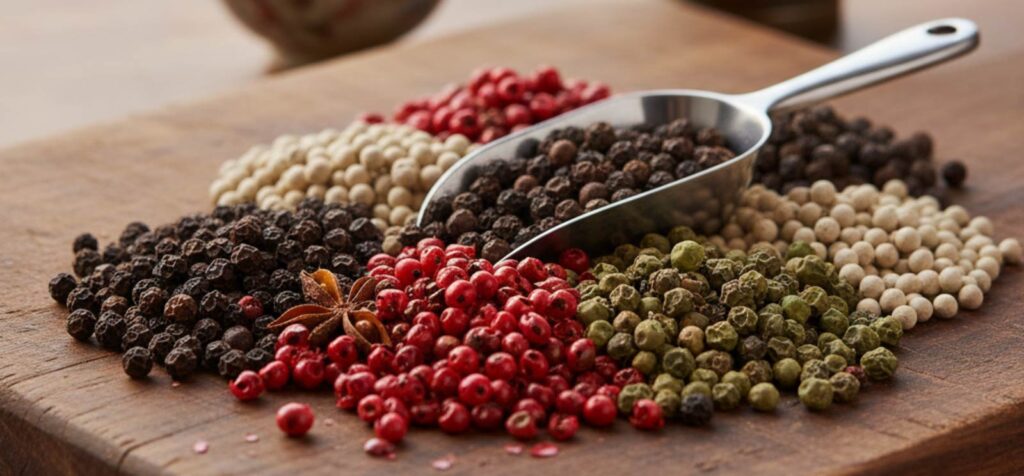
    At its core, the 5‑pepper blend (also called “five-­peppercorn mix” or “cinq baies” in French) typically combines five distinct “pepper” elements that come from different plants or are processed differently. The most common composition includes black, white, green, and pink peppercorns — all from the same species Piper nigrum — plus allspice (also known as Jamaica pepper).

    The black, green, and white peppercorns originate from the same fruit but undergo distinct processing: black pepper is the sun-dried unripe fruit, white pepper comes from fully ripened berries whose outer skin has been removed, and green peppercorns are harvested early to capture a fresher, milder flavor. Pink peppercorns, however, are not true peppercorns at all; they are the dried berries of the Schinus tree and bring a subtly fruity, floral character. Finally, allspice adds a sweet, slightly warming undertone with hints of cinnamon, clove, and nutmeg. 

    The flavor profile of the 5‑pepper blend

    The 5‑pepper blend sings in multiple registers. Black pepper provides the familiar, robust heat — round, earthy, and warming. White pepper, in contrast, delivers a slightly sharper, more concentrated piquancy with an almost fermented or musky tone. 

    Then there’s the bright, herbaceous note of green peppercorns, which feel fresher and more vegetal, sometimes even citrusy. Pink peppercorns bring a delicate, floral sweetness — light and slightly fruity, standing apart from the Piper nigrum family. Rounding it out, allspice provides a gentle warmth, like a whisper of cinnamon, clove, and nutmeg, giving the whole blend a cozy, aromatic base.

    This layering of spicy, sweet, floral, and warming notes makes the 5‑pepper blend both complex and balanced — a seasoning that evolves on your palate with every grind.

    Culinary uses

    The versatility of this pepper mix is one of its biggest strengths. Here’s how different kitchens around the world put it to work:

    • Meats and roasts: Use a coarse grind of the 5‑pepper mix as part of a rub for beef, lamb, or game. The boldness of black and white pepper is tempered by the floral and fruity tones, while allspice brings a hint of warmth — ideal for seared steaks or slow-roasted joints.
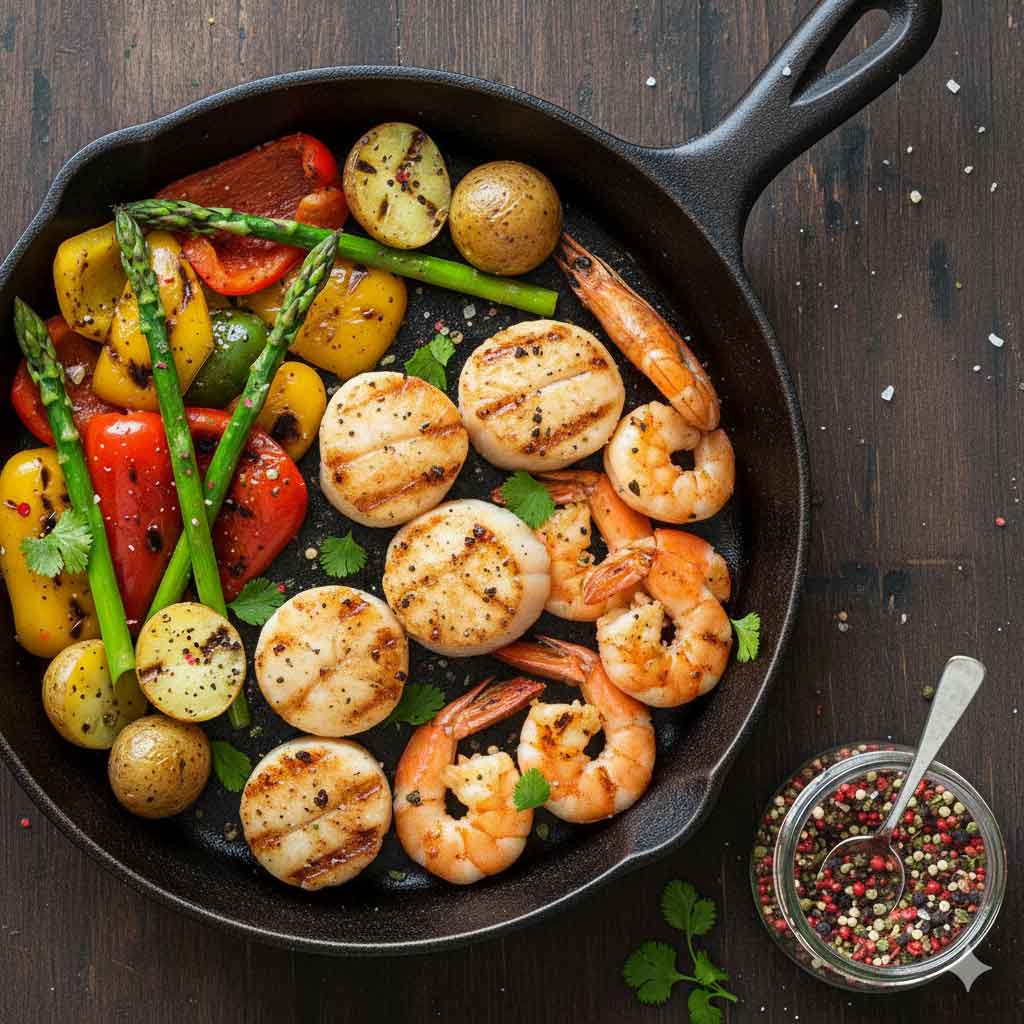
    • Seafood and poultry: The lighter and brighter notes of green and pink peppercorns make this blend a beautiful finishing spice for fish or chicken. Try gently cracking the pepper and sprinkling it on grilled salmon — you’ll taste the freshness and the aromatic depth.
    • Sauces and dressings: When freshly ground, the pepper blend elevates sauces, especially creamy or velvety ones. Allspice adds a subtle sweetness, while the peppercorns layer spiciness in a refined way.
    • Salads and vegetables: Use as a finishing flourish. Just grind a little over roasted veggies or toss into a salad to add a punch of color and a sophisticated peppery note.
    shrimps with 5-pepper blend

    Cooks often recommend using a transparent pepper mill so you can admire the visual charm of the different peppercorns. And because the flavor of peppercorns is at its peak when freshly ground, it’s best to grind just before serving for maximum aromatic impact. 

    Choosing and storing your 5‑pepper blend

    If you’re shopping for a 5‑pepper blend, look for high-quality, whole peppercorn mixes that contain the five classic components: black, white, green, pink, and allspice. Blends from reputable spice merchants often use premium, ethically sourced peppercorns. 

    Here are a few notable products you might consider:

    • Old India Five Mixed Peppercorns — a classic gourmet blend.
    • Fauchon Mélange 5 Baies — elegant and refined, from a French luxury brand.
    • Fenbrook Five Peppercorn Mix 250 g — generous quantity, great for frequent use.
    5-pepper

    To preserve freshness, store your peppercorn blend in an airtight, opaque container in a cool, dark place. Avoid direct sunlight and moisture — whole peppercorns keep their aromatic compounds best this way. 

    Why the 5‑Pepper Blend Matters: More Than Just a Seasoning

    This blend isn’t just pretty — it’s a symbol of culinary evolution. It reflects centuries of spice trade, the botanical diversity of pepper, and the artistry of layering flavors. When you grind this mix over a dish, you’re not just seasoning your food; you’re connecting with a tradition that spans continents.

    From a health perspective, each type of peppercorn brings its own benefits. Black pepper contains piperine, which can improve nutrient absorption. Allspice, meanwhile, has been used historically for digestive relief. 

    Conclusion

    The 5‑pepper blend is a multi-dimensional treasure: visually stunning, richly aromatic, and deeply rooted in history. Whether you’re finishing a delicate fish, building a robust meat rub, or elevating a salad, this peppercorn medley brings layers of flavor that few single spices can match.

    Don’t stop here — try grinding your own mix, experiment with proportions, and let your culinary imagination run wild. If you give it a spin, I’d love to hear: how do you use your pepper blend? Share your favorite dishes or moments of discovery!