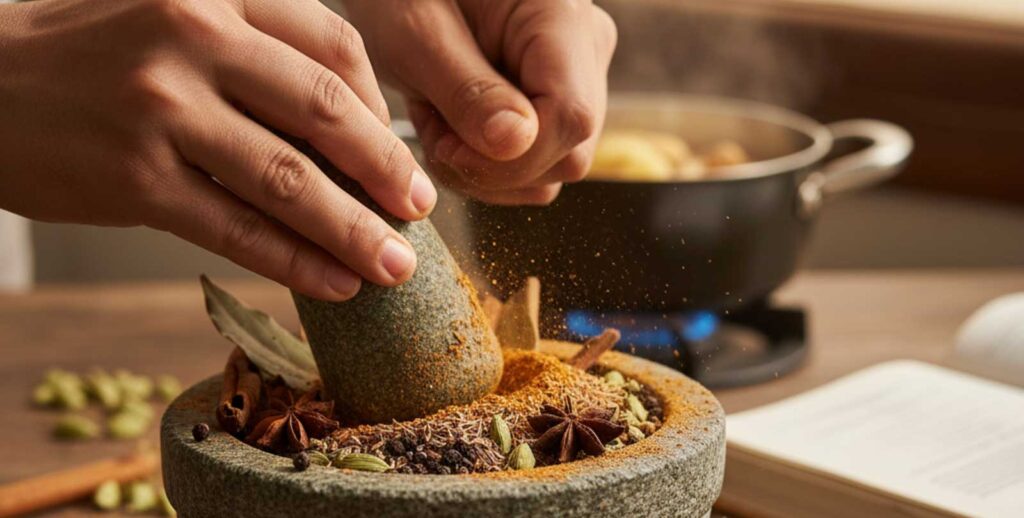
Garam masala is more than just a spice blend — it’s a fragrant symbol of centuries of culinary tradition and cultural exchange. But why buy it when you can make your own? By crafting your own garam masala, you unlock deeper aromas, fresher flavor, and a connection to the ancient spice routes that shaped South Asian cuisine. In this article, we’ll explore not only how to make this warming spice mix but also dive into its history, regional variations, and versatile uses in the kitchen. Ready to spice things up?
What is garam masala? A blend with deep roots
“Garam masala” literally means “hot mixture” in Hindi (garam = hot, masala = spice blend). But that “hot” doesn’t refer to spiciness — instead, it comes from its warming character in Ayurveda, believed to increase the body’s internal temperature.
Originating in the Indian subcontinent, garam masala is foundational in Indian, Pakistani, Bangladeshi, Nepali, and even some Caribbean cuisines. There’s no one “authentic” recipe — every region, household, and even generation develops its own blend. Common spices include cumin, coriander, cardamom, black pepper, cloves, cinnamon, nutmeg, bay leaves, star anise, and sometimes mace.
Why make your own garam masala
- Superior aroma and freshness
Whole spices retain volatile essential oils much better than pre-ground ones. Toasting them just before grinding helps release these oils, giving your blend much more fragrance. - Customization
You’re in control. Want it more floral? Add extra cardamom. Prefer a hint of sweetness? Increase the cinnamon. Not a fan of cumin? Many recipes omit it altogether. - Cultural and emotional connection
Making your own spice blend is a way to honor culinary traditions. Many home cooks, for instance, treasure family garam masala recipes shared over generations. - Longer shelf-life
When stored in an airtight, dark container, fresh homemade garam masala can stay potent for several months.
How to make homemade garam masala? A step‑by‑step recipe
Here’s a reliable, well-balanced recipe you can adapt to your taste:
Ingredients
- 3 tablespoons coriander seeds
- 2 tablespoons cumin seeds
- 1 tablespoon green cardamom pods, seeds removed
- 1 tablespoon black peppercorns
- 2 teaspoons whole cloves
1 cinnamon stick (≈ 3 inch) - 1 bay leaf
- ¼ teaspoon whole nutmeg, freshly grated
Instructions
- Dry roast the spices
Heat a heavy skillet over medium heat (low-to-medium works best to prevent burning). Add the coriander, cumin, cardamom (seeds), peppercorns, cloves, cinnamon stick, and bay leaf. Toast them gently, stirring constantly, until they become fragrant — about 2–4 minutes. - Cool completely
Once toasted, remove the spices from heat and spread them out on a cool plate. Let them cool fully — this prevents moisture or steam from forming when you grind them. - Grind to a powder
Use a spice grinder, coffee grinder (dedicated to spices), or mortar and pestle. Grind in small batches until you obtain a fine, uniform powder. - Mix in nutmeg
Add the freshly grated nutmeg to the ground mixture and stir well to combine all the flavors evenly. - Store properly
Transfer your garam masala into an airtight, preferably opaque container. Store it in a cool, dark place. Use within 3–6 months for the best flavor.
Variations and regional twists
Garam masala is far from a one-size-fits-all spice blend. Here are some popular regional or customized adaptations:
- Punjabi-style garam masala: Heavier on black pepper, cloves, and bay leaves for a bold, punchy flavor.
- Bengali garam masala: Often milder, sometimes omitting cumin entirely and favoring just cardamom, cloves, cinnamon, and nutmeg.
- Mughlai garam masala: Rich and aromatic — includes mace, star anise, and sometimes fennel seeds for a more floral, sweet profile.
- Modern twists: Some home cooks add nontraditional spices like fennel seeds for licorice notes or red chili for heat.
Flavor profile and culinary uses
Flavor profile
Garam masala is a symphony of flavors, each spice contributing its own distinct note to create a complex, harmonious blend. The warmth and sweetness come from cinnamon, nutmeg, and bay leaf, which lend a gentle, comforting sweetness that balances the sharper spices. Black peppercorns and cloves provide a spicy, pungent punch, giving the blend depth and a subtle bite that awakens the palate. Coriander seeds bring a citrusy, bright quality, adding a hint of lemon-like freshness, while cumin introduces an earthy undertone that grounds the blend. Finally, green cardamom pods infuse delicate floral notes, contributing a subtle complexity that rounds out the overall flavor. Together, these elements create a spice blend that is both warm and aromatic, versatile enough to enhance a wide range of dishes.
Culinary uses
Garam masala is incredibly versatile:
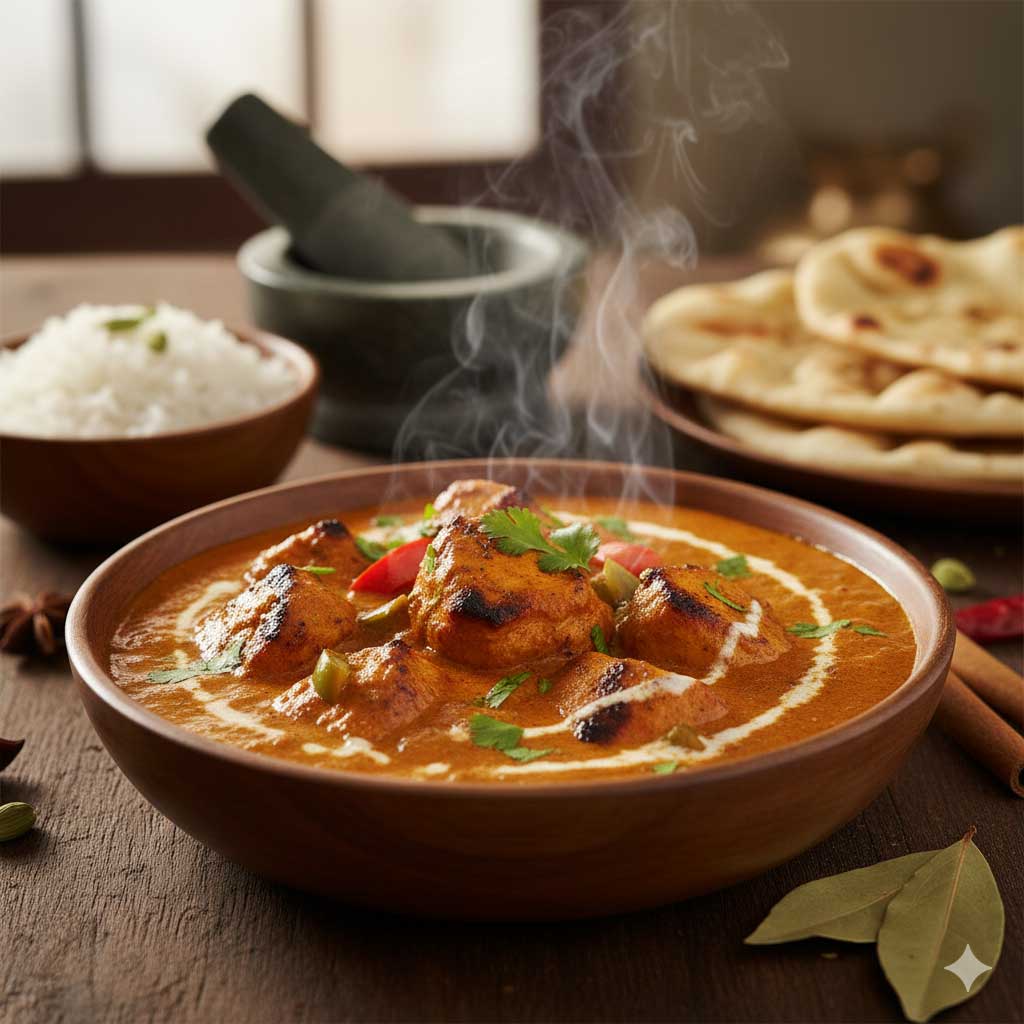
- Curries and stews: Add at the end of cooking to preserve its aroma — for example in dal, chicken tikka masala, or rich lentil stews.
- Marinades: Mix into yogurt, oil, or citrus-based marinades for meat, tofu, or vegetables.
- Soups and sauces: Stir a pinch into soups or sauces to deepen the flavor.
- Finishing spice: Sprinkle a little garam masala on top of roasted vegetables, grilled meats, or even bowls of rice just before serving for a fragrant flourish.
Why is your homemade blend a game changer?
- Freshness: Nothing beats freshly toasted and ground spices.
- Personalization: You decide the flavor balance.
- Cultural Link: You’re part of a storied tradition that spans continents and centuries.
- Sustainability: Making small batches reduces waste, and you avoid additives or preservatives often found in commercial mixes.
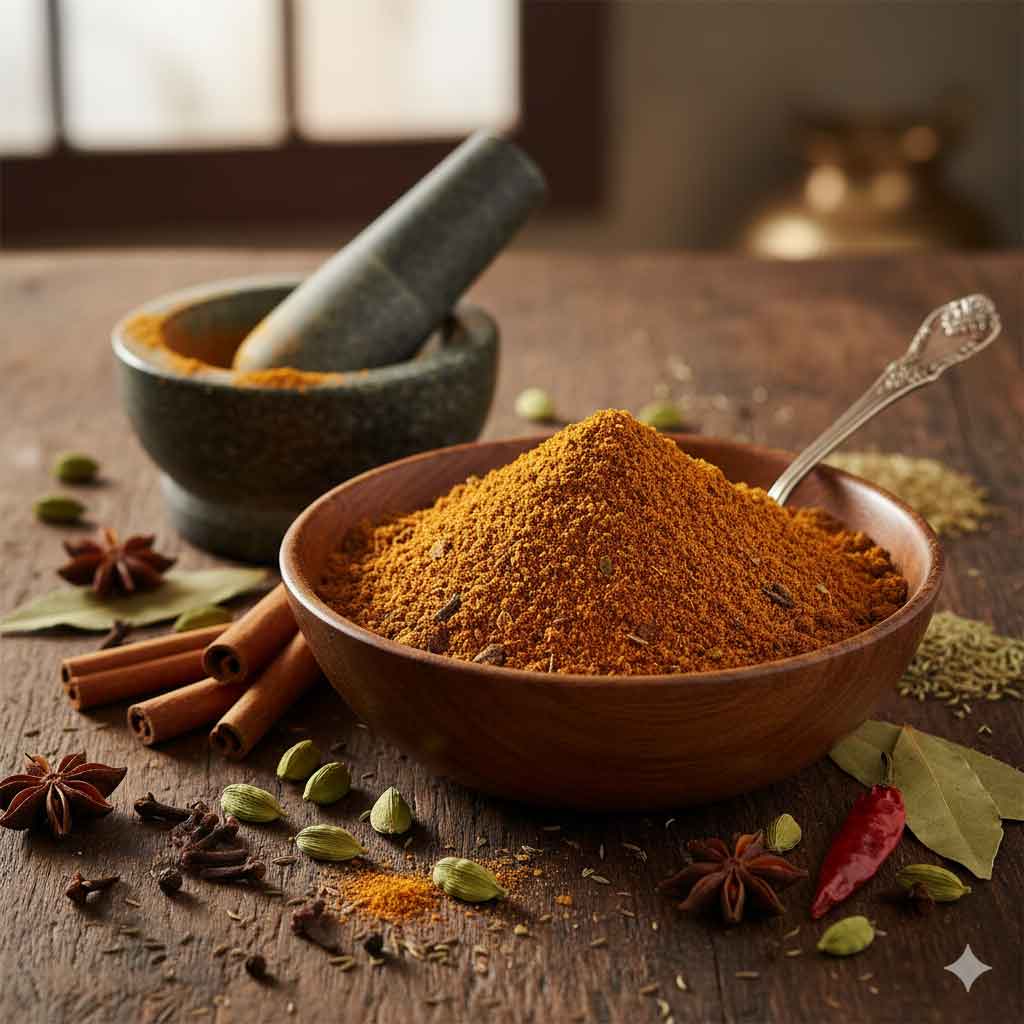
Making your own garam masala is a journey — one that ties together history, culture, and the simple joy of cooking. With just a handful of whole spices, a gentle roast, and a grind, you can create a blend that’s warm, aromatic, and deeply personal. Use it to elevate curries, soups, marinades, or even as a finishing flourish, and you’ll understand why this spice mix holds such a cherished place in global cuisine.
Give it a try! Roast, grind, taste — and then share your creation. Let me know in the comments: how did your garam masala turn out? What tweaks did you make?

