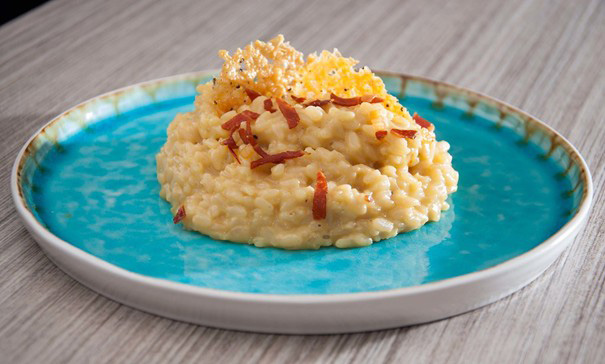
Saffron is unlike any other spice. It brings color before taste, fragrance before flavor. One sees its golden hue bloom in the pan, and only then does its delicate aroma begin to rise, mild yet unmistakable — earthy, floral, a hint of honey and hay. Cooking with saffron is always ceremonial; its presence elevates even humble ingredients. This risotto embraces that grace, pairing the golden threads with butternut squash and Parmesan for a dish that glows like late‑autumn sunlight.
The Inspiration
Risotto makes an ideal canvas for saffron because it asks for patience. The slow stirring, the gradual addition of broth, the quiet bubbling — all of it mirrors saffron’s slow release of flavor. This recipe turns those gestures into something deeply soothing. Imagine a kitchen evening lit by the soft sound of wooden spoon against pan, the sweet scent of squash roasting in the oven, and the gentle transformation of rice into silk.
Ingredients (serves 4)
- 1 small butternut squash (about 800 g / 1¾ lb)
- 250 g (1 cup) Arborio or Carnaroli rice
- 1 small onion or shallot, finely chopped
- 3 tablespoons olive oil (plus more for roasting)
- 60 ml (¼ cup) dry white wine
- 1 liter (4 cups) vegetable stock, kept hot
- A small pinch (about ¼ teaspoon) saffron threads
- 40 g (2 tablespoons) butter
- 60 g (½ cup) grated Parmesan cheese
- 6 to 8 fresh sage leaves
- Salt and black pepper
Preparing the Squash
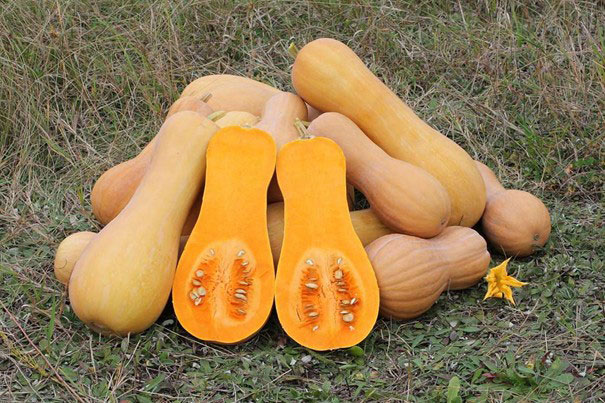
Peel and cube the butternut squash into 2‑centimeter pieces. Drizzle with olive oil, season with salt and pepper, and roast at 200°C (400°F) for 25–30 minutes, or until golden and tender. Halfway through, give the tray a shake so everything cooks evenly. The squash becomes sweet and caramelized — the perfect counterpart to saffron’s subtle bitterness.
Reserve a few cubes for garnish and lightly mash the rest with a fork until soft but not puréed. This mixture will later be folded into the risotto for color and depth.
Infusing the Saffron
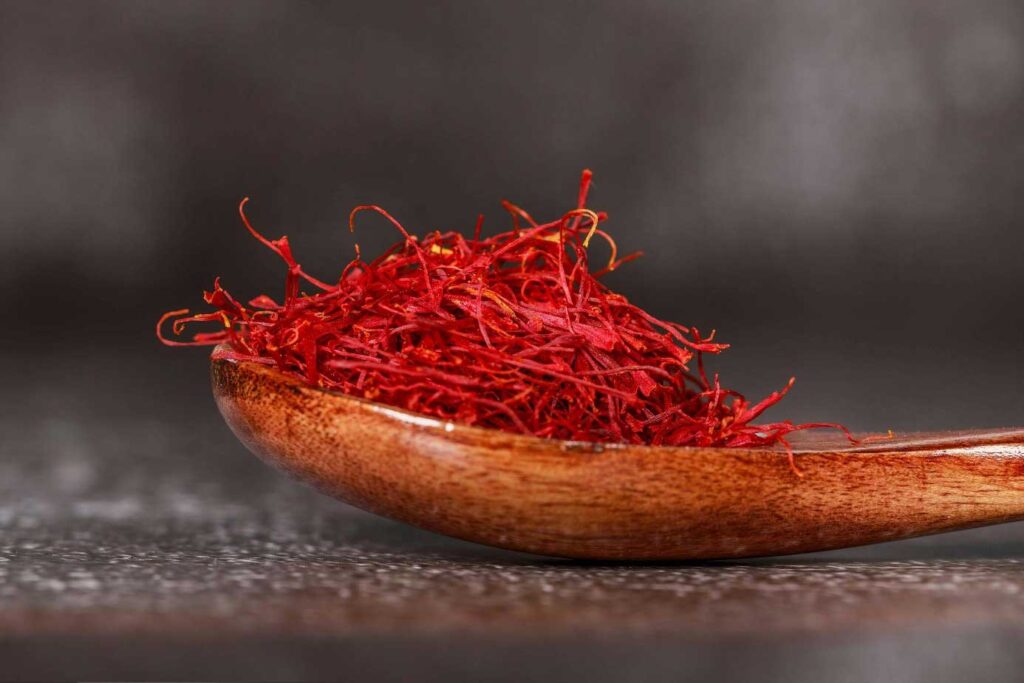
Meanwhile, pour a few tablespoons of hot stock into a small bowl and add the saffron threads. Let them steep for at least ten minutes. You’ll see the color unfold slowly, like watercolor spreading across paper. This step may seem small, but it’s vital — saffron must bloom in warmth before joining the dish.
Building the Risotto Base
In a large sauté pan or wide saucepan, heat two tablespoons of olive oil. Add the chopped onion and cook gently over medium heat for about five minutes, until translucent and sweet. Stir in the rice and toss it for one to two minutes until each grain gleams and turns slightly opaque at the edges.
Pour in the wine and let it sizzle. Stir until it has evaporated. Now the rice is ready to begin its slow transformation. Add one ladleful of the hot stock, stirring constantly until most of the liquid is absorbed, then add another. Continue this rhythm for about fifteen minutes, keeping the liquid level just below the surface. The motion releases the rice’s starch, creating that creamy consistency without any added cream.
Introducing the Saffron
Once the rice begins to soften, pour in the saffron‑infused stock, including every last strand. The color will immediately deepen to a glowing gold. The perfume rises: gentle, dry, faintly metallic with sweetness behind it. Continue adding stock until the rice reaches the stage known in Italy as al onda — when it moves like a wave, thick yet fluid. This takes about 18 to 20 minutes total.
Stir in the mashed squash and half the butter. Taste and adjust seasoning — saffron’s delicacy deserves a restrained hand with salt. Let everything rest for a minute off the heat to settle.
The Finishing Touches
While the risotto rests, heat a small pan with a film of olive oil and quickly fry the sage leaves for 10 seconds on each side until crisp. Place them on paper towel to drain. They will shatter delicately when touched, adding an herbaceous crunch to the creamy rice.
Now stir the grated Parmesan and the remaining butter into the risotto. This is the moment of transformation — the rice turns glossy, the texture both rich and silken. Spoon it into warmed bowls, top with the reserved squash cubes and the fried sage. A drizzle of olive oil, or a few drops of lemon juice for brightness, finishes it beautifully.
The Experience
Each bite feels layered: the sweetness of squash, the faint tang of wine, the smooth saltiness of Parmesan, and the mysterious perfume of saffron weaving through it all. The sage interrupts the softness with crisp, aromatic contrast. The dish doesn’t shout. It hums in harmony, gentle but unforgettable.
There’s comfort in how risotto demands attention. You can’t rush it; you must stay with it, listen to it. The gradual ladling, the subtle shift from broth to creaminess — all of it calms the mind as much as it nourishes the body. Saffron, expensive and rare, teaches a similar lesson: that luxury lies in slowness and intention. A few threads are enough, provided you give them time.
Variations and Pairings
For a heartier dinner, top the risotto with seared scallops or roasted mushrooms. Both love saffron’s warmth. For a vegetarian table, pair it with a sharp salad of arugula and walnuts to slice through the richness. You can swap the squash for sweet potato, or add peas for color contrast in spring.
Leftovers make a fine arancini — small breadcrumb‑coated risotto balls fried until crisp, perfect for lunch the next day. Even cold, the flavors deepen overnight, the saffron more pronounced, almost honey‑like.
The Essence of Saffron Cooking with saffron is like working with patience itself. It reminds the cook that small things — a pinch of threads, a few minutes of stirring — can yield something luminous. This risotto doesn’t just feed; it glows. The bowl arrives at the table golden as evening light, smelling faintly of harvest and quiet luxury.

Leave a Reply