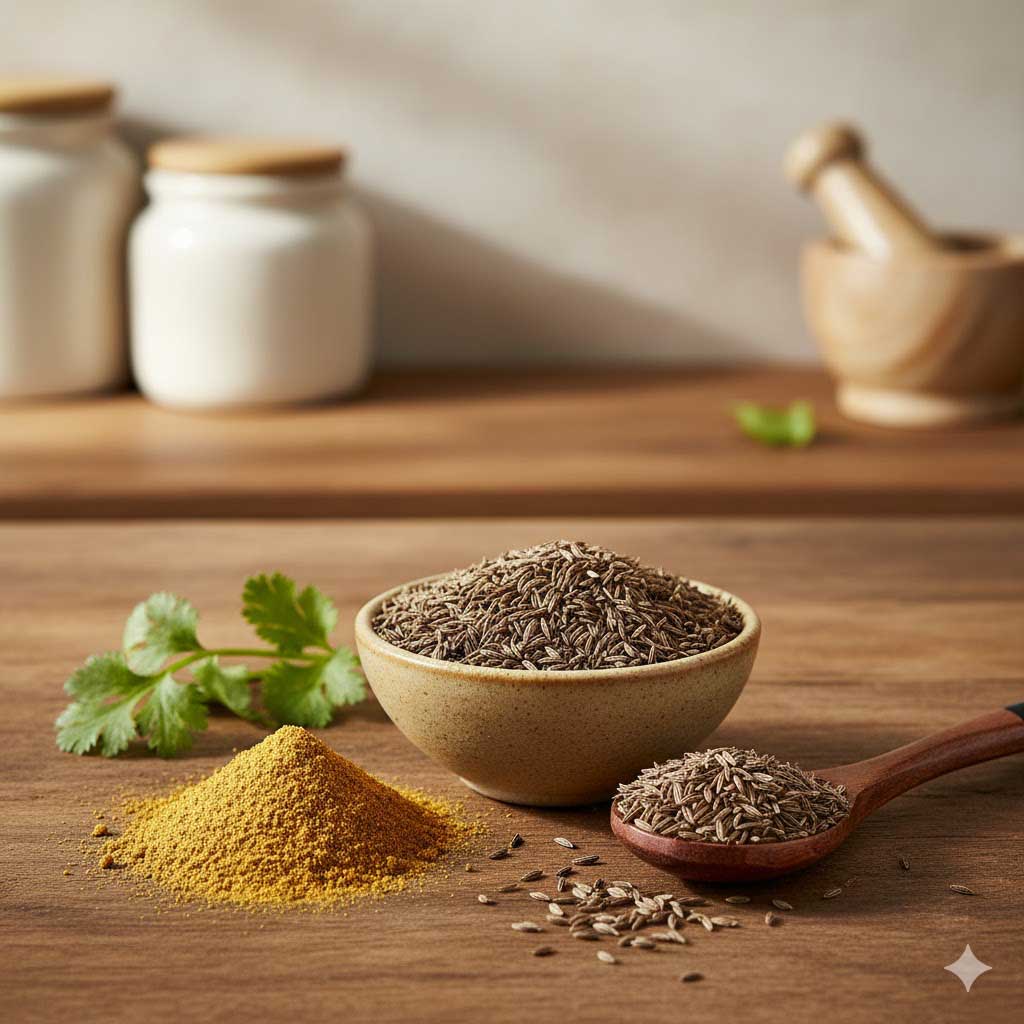
Cumin is one of the most widely used spices in global cuisine, known for its warm, earthy aroma and slightly nutty taste. From Indian curries to Mexican salsas, this spice adds depth and character to countless dishes. Beyond its culinary appeal, cumin has been valued for centuries for its potential health benefits. Today, cooks and wellness enthusiasts often search for cumin benefits, cumin uses, and simple ways to incorporate this spice into everyday meals. This article explores everything you need to know about cumin, including how to use cumin, the difference between cumin seeds and ground cumin, and how to grow cumin at home.
What is cumin?
Cumin comes from the plant Cuminum cyminum, a member of the parsley family. The plant originates from the Middle East and the eastern Mediterranean, but it is now cultivated in many warm regions across the world. The spice is obtained from its dried seeds, which are light brown and known for their distinctive fragrance.
There are two main forms of cumin used in cooking:
- cumin seeds: whole seeds with a strong, aromatic flavor
- ground cumin: a finely powdered form that blends easily into dishes
Ground cumin tends to have a more intense flavor because grinding releases its natural oils, while whole seeds offer texture and a richer aroma when toasted.
Culinary uses of cumin
Cumin is a cornerstone of many spice blends and traditional dishes. Its warmth and complexity make it an essential ingredient across a wide range of cuisines.
Common cumin uses include:
- seasoning for curries, stews, and soups
- a key ingredient in spice blends such as garam masala, curry powder, and chili powder
- flavoring for rice dishes and lentils
- enhancing Mexican recipes like tacos, chili, and salsa
- seasoning for roasted vegetables and grilled meats
- adding depth to marinades and salad dressings

Toasting cumin seeds lightly in a pan brings out their aroma and adds a nutty depth to dishes. Ground cumin is excellent for mixing into sauces, dips, or creamy dressings.
The health benefits of cumin
Cumin is appreciated not only for its flavor but also for its natural health-supporting properties. Many people today look for spices that offer more than taste, and cumin stands out thanks to its antioxidants and digestive benefits.
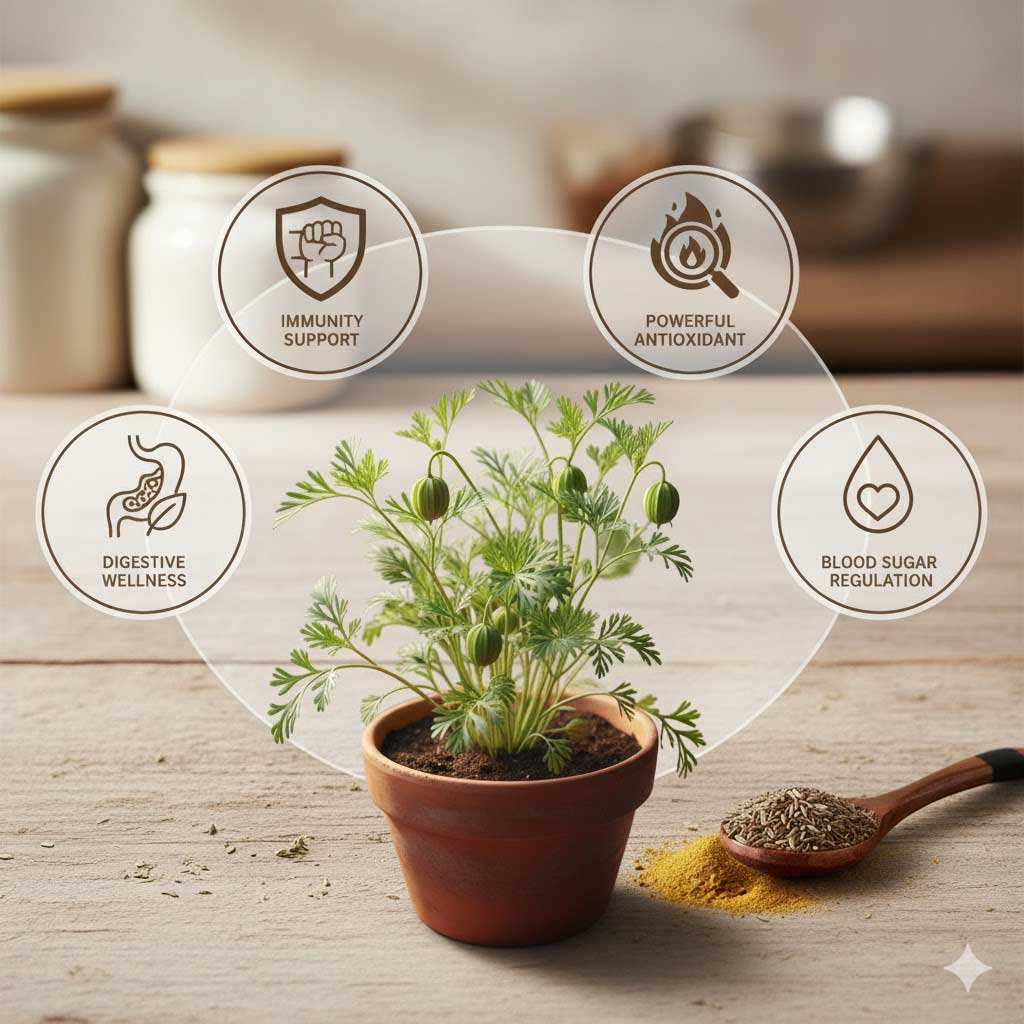
Key cumin benefits include:
1. Digestive support
Cumin has been traditionally used to aid digestion. Its natural compounds may stimulate digestive enzymes, helping the body break down food and improving nutrient absorption.
2. Antioxidant properties
Cumin contains several antioxidants that help protect cells from oxidative stress. These antioxidants contribute to overall wellness and support long-term health.
3. Potential anti-inflammatory effects
Some studies suggest that cumin may help reduce inflammation in the body. Although more research is needed, adding cumin to meals is an easy way to enjoy its natural properties.
4. Immune system support
Thanks to its vitamins, minerals, and antioxidant content, cumin may support immune function. It is often used in herbal blends and soothing teas.
5. Possible metabolism support
Cumin has been mentioned in studies related to metabolism and weight management. While it is not a miracle solution, integrating cumin into a balanced diet may support energy use and digestion.
Cumin seeds vs. ground cumin
Many recipes specify whether to use cumin seeds or ground cumin, and understanding the difference helps improve cooking results.
- cumin seeds offer a bold aroma and are best for frying in oil at the beginning of a recipe, especially in Indian and Middle Eastern dishes.
- ground cumin distributes flavor evenly throughout a dish and is perfect for soups, sauces, marinades, and spice rubs.
Both forms are useful, and having both in your kitchen ensures maximum flexibility.
How to use cumin in everyday cooking
Incorporating cumin into your meals is simple. Its versatility allows it to enhance both traditional and modern recipes.
Here are easy ways to use cumin every day:
- add ground cumin to soups, tomato sauces, and vegetable stews
- sprinkle a small amount into scrambled eggs or roasted potatoes
- mix ground cumin into yogurt dips or hummus
- add cumin seeds to stir-fries, lentils, or rice dishes
- use it in marinades for chicken, beef, or lamb
- include it in homemade spice blends for extra depth
Discover some fun recipes using cumin here!
Because cumin has a strong flavor, start with small amounts and increase gradually.
How to grow cumin at home
If you enjoy gardening, learning how to grow cumin can be rewarding. While cumin requires warmth, it is not difficult to grow with the right conditions.
Essential tips for growing cumin include:
1. Choose a warm, sunny location
Cumin thrives in hot climates and needs at least six hours of direct sunlight daily. It can be grown outdoors in warm areas or indoors near a bright window.
2. Use well-drained soil
Cumin prefers light, well-drained soil. Heavy, waterlogged soil can damage the roots.
3. Sow cumin seeds directly
Cumin grows best when seeds are sown directly into the soil once temperatures are warm enough. It does not respond well to transplanting.
4. Water moderately
Water the plants regularly but avoid overwatering. Let the soil dry slightly between watering sessions.
5. Harvest at the right time
Cumin seeds are ready for harvest when the plant’s flowers dry and the seed heads turn brown. Cut the stems, let them dry further, then collect the seeds.
Growing cumin at home allows you to enjoy fresh, aromatic seeds and experiment with your own spice blends.
Conclusion
Cumin is a powerful spice with deep roots in global cuisine and traditional wellness. Its warm, earthy flavor enhances countless dishes, while its natural properties support digestion, immunity, and overall health. Whether you explore cumin uses in daily cooking, experiment with cumin seeds and ground cumin, or learn how to grow cumin yourself, this spice offers endless possibilities. By adding cumin to your kitchen routine, you enrich your meals with both flavor and natural goodness.
Learn about curry here!


Leave a Reply