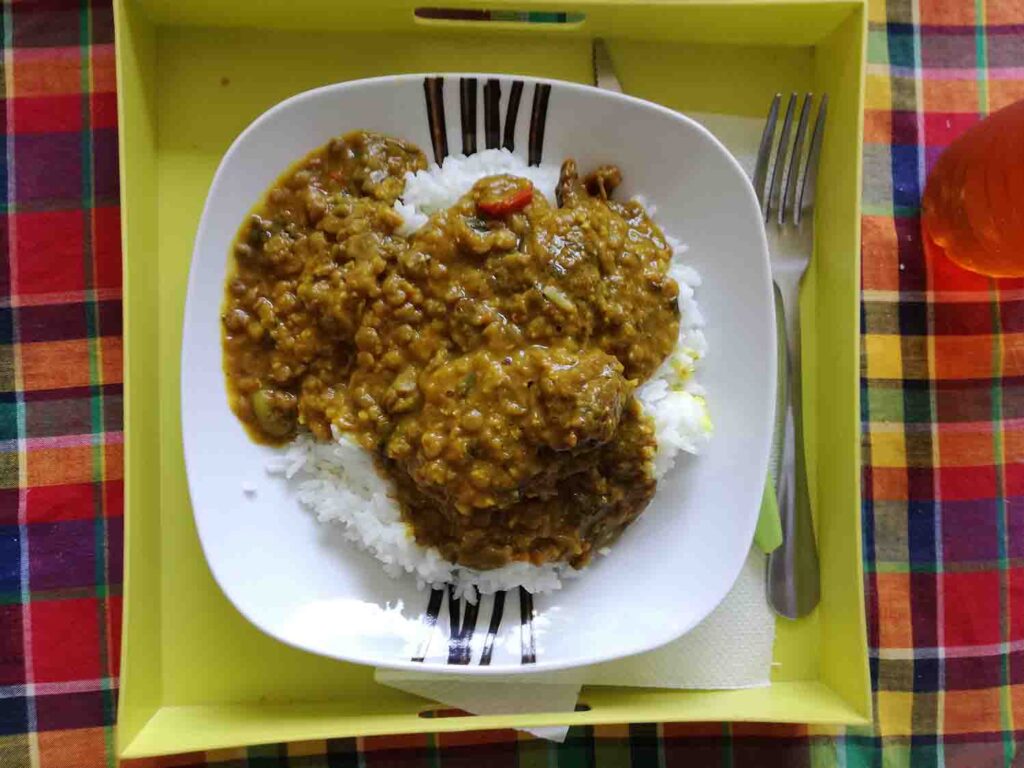
In the gentle steam rising from a pot of colombo in Guadeloupe, history stirs. It’s not just a dish—it’s a living trace of migration, colonial labor, and cultural alchemy. Each spoonful carries echoes of distant lands and the resilience of people who made these islands their home. The aroma is complex, earthy, and warm, hinting at spices whose journey spans oceans, centuries, and cultures.
A Journey Across Oceans: How Colombo Took Root
The story of colombo in Guadeloupe begins with the arrival of indentured Indian laborers in the mid‑19th century. After the abolition of slavery in 1848, plantation owners needed a new workforce. Between 1854 and 1885, tens of thousands of Indian immigrants—mostly Tamils from southern India—were brought to the French Caribbean under long-term contracts. (lesilesdeguadeloupe.com)
These laborers brought with them memories of their homeland, spices, and culinary traditions—remnants of lives that had been uprooted by the machinery of colonial labor following centuries of slavery. The indentured system, while technically distinct from slavery, perpetuated exploitation and severe restrictions on freedom. Workers endured long contracts, low pay, and often brutal working conditions. (chezmanon.fr) The name “colombo” likely originates from the Tamil word “kulambu”, describing a tangy, spiced stew. Over time, Creole adaptation transformed both the word and the dish into a new, distinct culinary tradition. (fr.wikipedia.org)
Colombo : A dish and a blend of Spices: From Indian Roots to Creole Identity
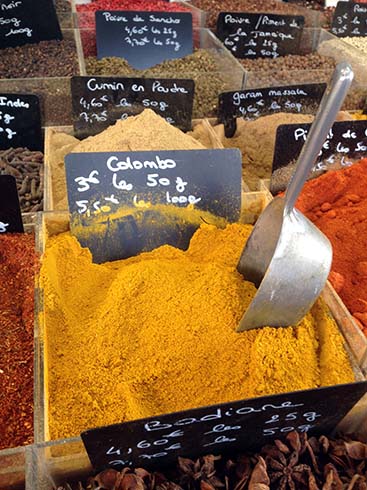
At the heart of the dish is colombo powder, a Creole interpretation of Indian curry. Its typical ingredients include turmeric, coriander, cumin, mustard seeds, fenugreek, and black pepper. (gwada-tourisme.fr) Additional elements, like cloves, thyme, bay leaf, or local allspice (“bois d’Inde”), often complement the mix. (fr.wikipedia.org)
Some cooks lightly roast the spices before grinding, a step that deepens their aroma and gives the powder a nutty warmth. (chezmanon.fr) Because not every spice from India was available, Guadeloupean cooks adapted, introducing local vegetables, herbs, and even citrus. This creative fusion resulted in a milder, fragrant curry that would become a signature of Creole cooking. (lesilesdeguadeloupe.com)
What colombo tells us about Slavery, Colonial Labor, and Culinary Resilience
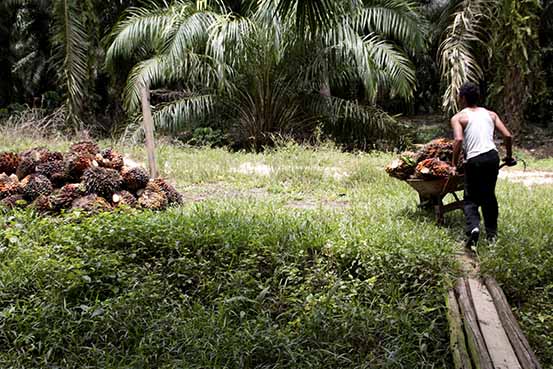
Understanding colombo also requires acknowledging Guadeloupe’s colonial past. The islands’ sugar plantations were built on centuries of slavery, a crime against humanity that exploited African people for labor. (chezmanon.fr) After emancipation in 1848, the introduction of indentured laborers from India replaced one form of oppression with another. While legally different, the system maintained coercive structures, extreme work demands, and economic dependency. (lesilesdeguadeloupe.com)
Within this challenging context, Indian immigrants preserved culinary knowledge, blending it with local ingredients. Colombo evolved into a dish of resilience and cultural creativity, bridging distant homelands and Caribbean soil. It became a daily reminder that identity could survive, adapt, and flourish even in oppressive systems. (chezmanon.fr)
Cooking colombo: Technique and Tradition
This traditional dish is highly versatile. It can feature chicken, goat (cabri), pork, or fish, often accompanied by vegetables such as christophine (chayote), yam, sweet potato, or eggplant. (gwada-tourisme.fr) Coconut milk or a splash of lime may be added for a creamy, tangy depth. (lesilesdeguadeloupe.com)
The process begins with marinating the protein in colombo powder, garlic, citrus, and herbs. The meat is then browned and stewed slowly with vegetables in a fragrant, spice-laden broth. (fr.wikipedia.org) Allowing the stew to rest for several hours—or even overnight—intensifies the flavors, making the aromas richer and the spices more harmonious. Traditional serving is with white rice, but some households add pigeon peas, plantains, or local greens to complement the dish.
Variations of colombo Across Islands and Families
Every household in Guadeloupe has its own colombo signature. Some recipes emphasize citrus, others rely on richer coconut milk; some highlight local herbs, others lean on traditional Indian spices. (chezmanon.fr) Commercial colombo powders are widely available, but purists insist that hand-prepared blends capture the full aroma, warmth, and cultural depth that define this dish.
Colombo also travels beyond the islands, carried to metropolitan France and elsewhere in the Caribbean, connecting diaspora communities to their culinary heritage.
Colombo as Cultural Memory
In Guadeloupe, a simmering pot of colombo is living history. It evokes the Indian laborers who arrived after slavery, their adaptations to new surroundings, and the Creole ingenuity that transformed a foreign stew into a local treasure. (lesilesdeguadeloupe.com) Served at family gatherings, festivals, and Sunday dinners, colombo embodies cultural memory, survival, and creativity. It is both a meal and a story passed down through generations.
Every spoonful delivers warmth, layered aroma, and centuries of resilience. Colombo carries the ingenuity of Indian immigrants, the legacy of slavery, and the enduring creativity of Creole culture. In kitchens across Guadeloupe, this fragrant stew continues to simmer—a living link between past and present, between distant homelands and Caribbean soil. History can be tasted, celebrated, and shared in every bite.


Leave a Reply