Close your eyes for a moment and take a deep breath. What do you smell? Perhaps a warm apple pie, a spiced latte on a chilly morning, or the comforting aroma of a festive holiday treat. That unmistakable scent, both sweet and subtly fiery, belongs to cinnamons, one of the oldest and most cherished spices in human history.
Far from being just a sprinkle on your oatmeal, cinnamon is a spice steeped in myth, medicine, and mercantile might. Its fragrant bark has influenced empires, inspired daring voyages, and continues to enchant palates across the globe, proving that some of the greatest treasures come wrapped not in gold, but in a delicate, curled stick.
A Bark of Legends and Lore
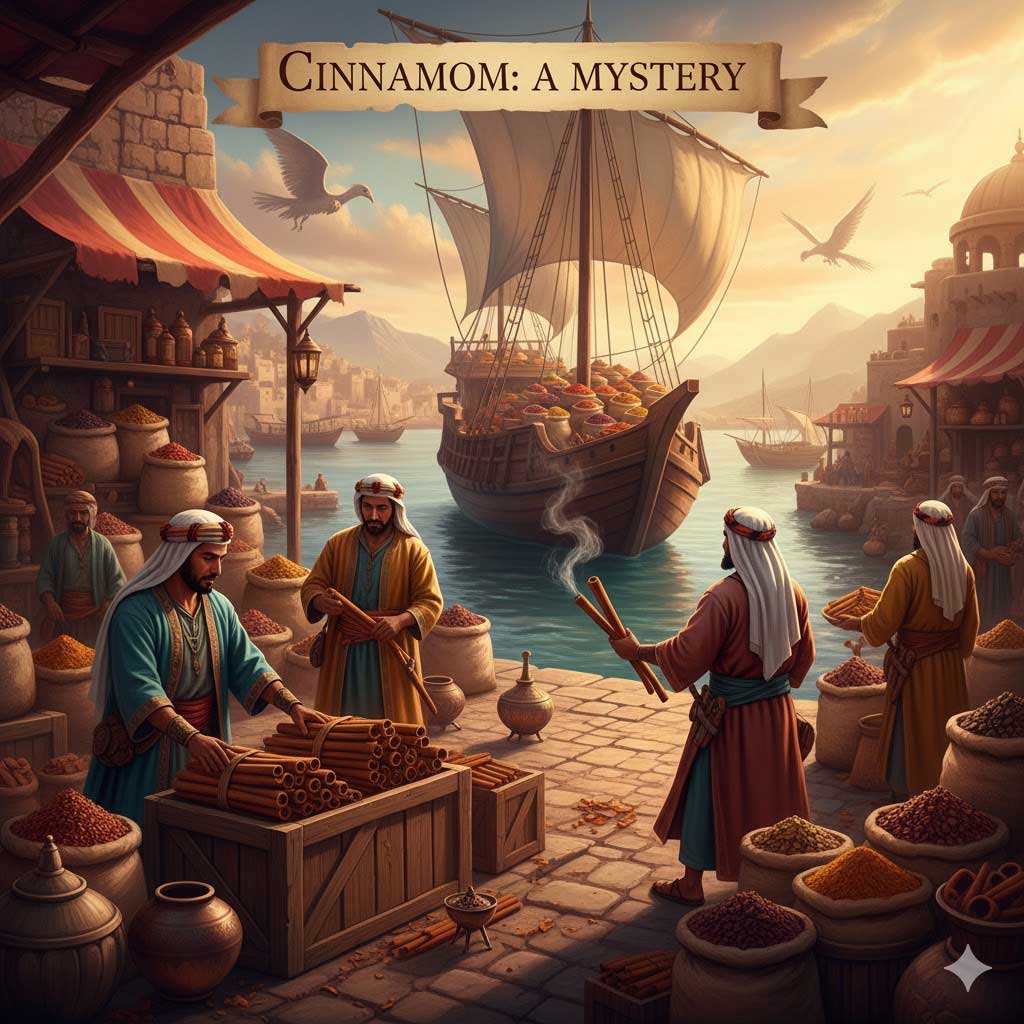
Cinnamon’s story begins not in the kitchen, but in ancient lands shrouded in mystery. For centuries, its true origin was a closely guarded secret, allowing Arab traders to maintain a lucrative monopoly. They spun elaborate tales of giant birds guarding cinnamons nests in unknown lands, or mythical beasts defending precious groves, all to deter competitors and justify its exorbitant price. This air of exoticism only enhanced its value.
Ancient Egyptians used cinnamons not for culinary delight, but as a crucial ingredient in embalming rituals, a testament to its preservative qualities and revered status. In biblical times, it was mentioned as an anointing oil and a fragrant perfume. The Romans, despite its high cost, burned cinnamons at funerals, believing its sweet smoke would ward off evil spirits and offer a fitting tribute to the gods.
Its journey to the Western world was long and perilous, traversing the ancient spice routes from Ceylon (modern-day Sri Lanka) and other parts of Southeast Asia, through India, the Middle East, and eventually to Europe. By the Middle Ages, cinnamons was a highly prized luxury item, alongside pepper and cloves, often reserved for royalty and the very wealthy, who used it to flavor wines, meats, and confections, as well as for its perceived medicinal properties. The quest for direct access to these spice-rich lands, bypassing expensive intermediaries, became another driving force behind European exploration, echoing pepper’s narrative but with a sweeter, more aromatic ambition.
Ceylon vs. Cassia: Cinnamons Showdown
While many of us grab a jar simply labeled “cinnamons,” there are primarily two main types that dominate the market, each with its distinct characteristics and culinary applications: Ceylon cinnamon and Cassia cinnamon.
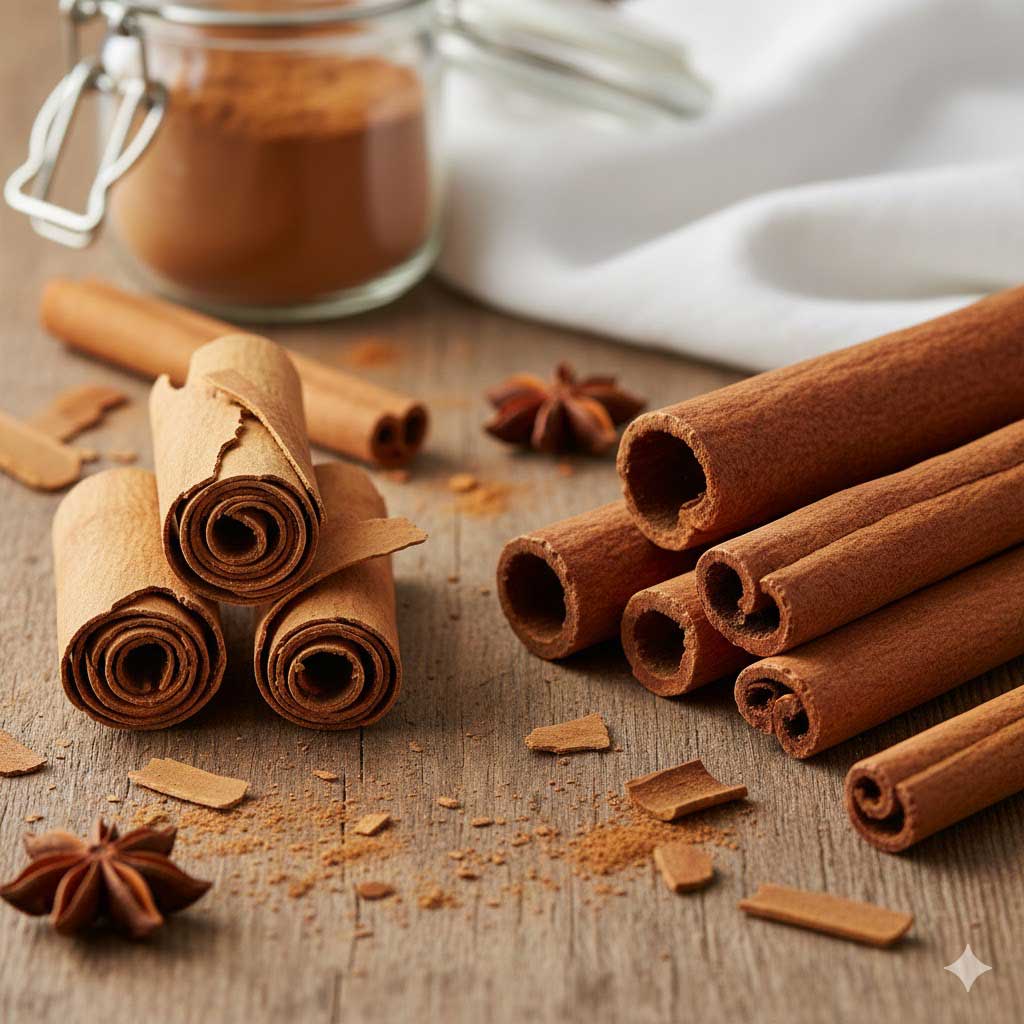
Ceylon Cinnamon (Cinnamomum verum or “true cinnamon”): Often referred to as “true cinnamon,” Ceylon cinnamon originates primarily from Sri Lanka. It is characterized by its delicate, almost papery thin layers that roll into a soft, easily crumbled quill. Its flavor is subtle, sweet, and highly aromatic, with complex notes that are less spicy and more nuanced. It’s the preferred choice for desserts, baked goods, and dishes where a refined cinnamon flavor is desired. Because it’s less commonly available and more labor-intensive to produce, it often commands a higher price.
Cassia Cinnamon (Cinnamomum cassia): This is the more common variety found in most grocery stores, originating from China, Vietnam (Saigon cinnamon), and Indonesia. Cassia bark is thicker, harder, and coarser, forming a single, sturdy scroll rather than delicate layers. Its flavor is much stronger, spicier, and more pungent, with a noticeable bite. It contains higher levels of coumarin, a natural chemical that can be harmful in very large doses, though typical culinary use is generally considered safe. Cassia is the “cinnamon” flavor most people are familiar with, often used in savory dishes, robust baked goods, and in blends like Chinese five-spice powder.
Understanding the difference can truly elevate your cooking, allowing you to choose the right cinnamon for the right dish—the delicate sweetness of Ceylon for a crème brûlée, or the bold warmth of Cassia for a hearty beef stew.
The Warmth of Wellness and Flavor
Beyond its captivating aroma, this condiment has long been revered for its potential health benefits. In ancient herbal medicine, it was used to aid digestion, reduce inflammation, and even as a remedy for colds and flu. Modern science is beginning to catch up, with studies exploring its antioxidant properties and potential role in blood sugar regulation. It’s thought to improve insulin sensitivity and lower blood glucose levels, making it a subject of interest for those managing diabetes.
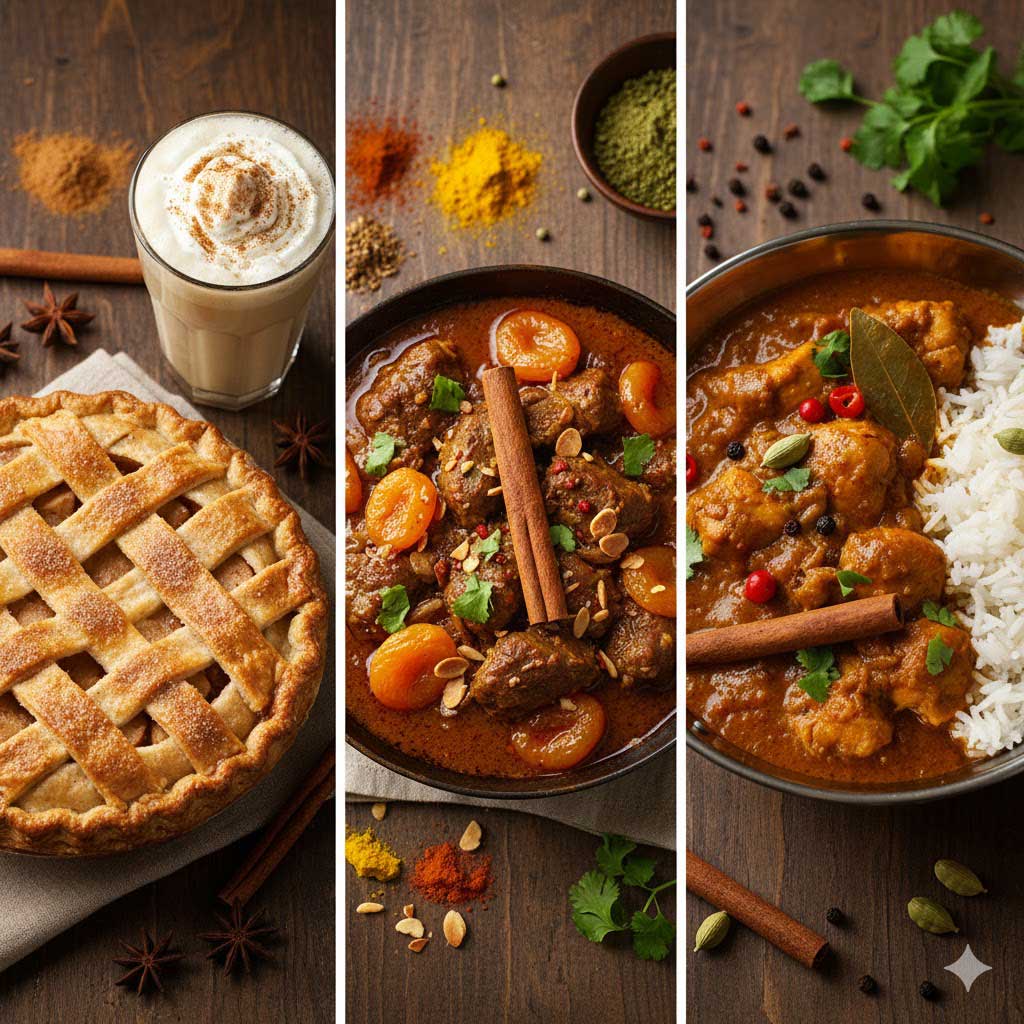
In the culinary realm, the holiday spice is a chameleon. It effortlessly bridges the gap between sweet and savory. In sweet applications, it’s the star of apple pies, cinnamons rolls, rice puddings, and pumpkin spice lattes. Its warmth enhances fruit, balances sweetness, and adds a comforting depth.
On the savory side, cinnamon shines in cuisines across the globe. It’s a foundational spice in many Indian curries and masalas, often toasted to release its deep, earthy notes. In Middle Eastern and North African tagines and stews, it contributes a subtle sweetness and aromatic complexity to lamb, chicken, and vegetable dishes. Even in Mexican mole sauces, cinnamons plays a crucial, balancing role, demonstrating its incredible versatility. It proves that a “sweet” spice can be a powerful secret weapon in the savory kitchen.
More Than Just a Twist
This seasoning’s allure extends beyond the plate. Its essential oil is a popular component in aromatherapy, believed to be stimulating, uplifting, and even an aphrodisiac. It’s widely used in perfumes, potpourris, and candles, filling homes with its inviting fragrance.
Historically, its antimicrobial properties were used to preserve food, even before its active compounds were fully understood. Today, it’s explored as a natural pest deterrent in gardening, with its strong scent believed to repel certain insects and fungi. From its origins as a mysterious bark guarded by mythical beasts to its role as a global flavor enhancer and potential wellness aid, cinnamons continue to weave its enchanting spell. It reminds us that some of the most profound impacts on our lives come from the simplest, most aromatic gifts of nature.
My other articles are listed here.


Leave a Reply