Category: Pepper

  • White Pepper: The Subtle Spice with Surprising Depth

    White pepper may not have the fiery reputation of chili powders or the immediate aroma of black pepper, but it plays a quiet, essential role in global cuisine. Valued for its clean, earthy heat and ability to blend seamlessly into light-colored dishes, white pepper is a favorite among chefs who appreciate subtlety and depth.

    Whether you are discovering this spice for the first time or looking to refine your culinary knowledge, white pepper offers rich history, nuanced flavor, and versatile uses worth exploring.

    Origin and History of White Pepper

    From the Same Plant as Black Pepper

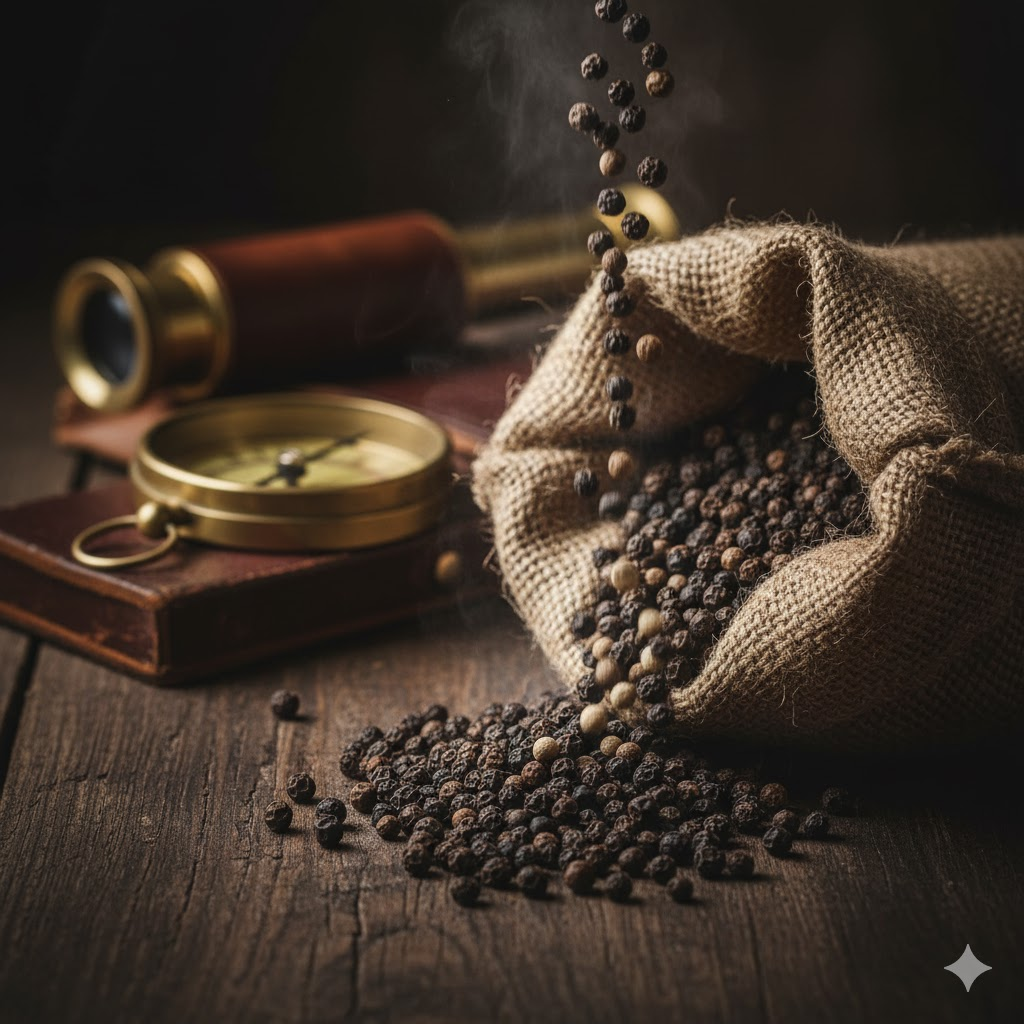
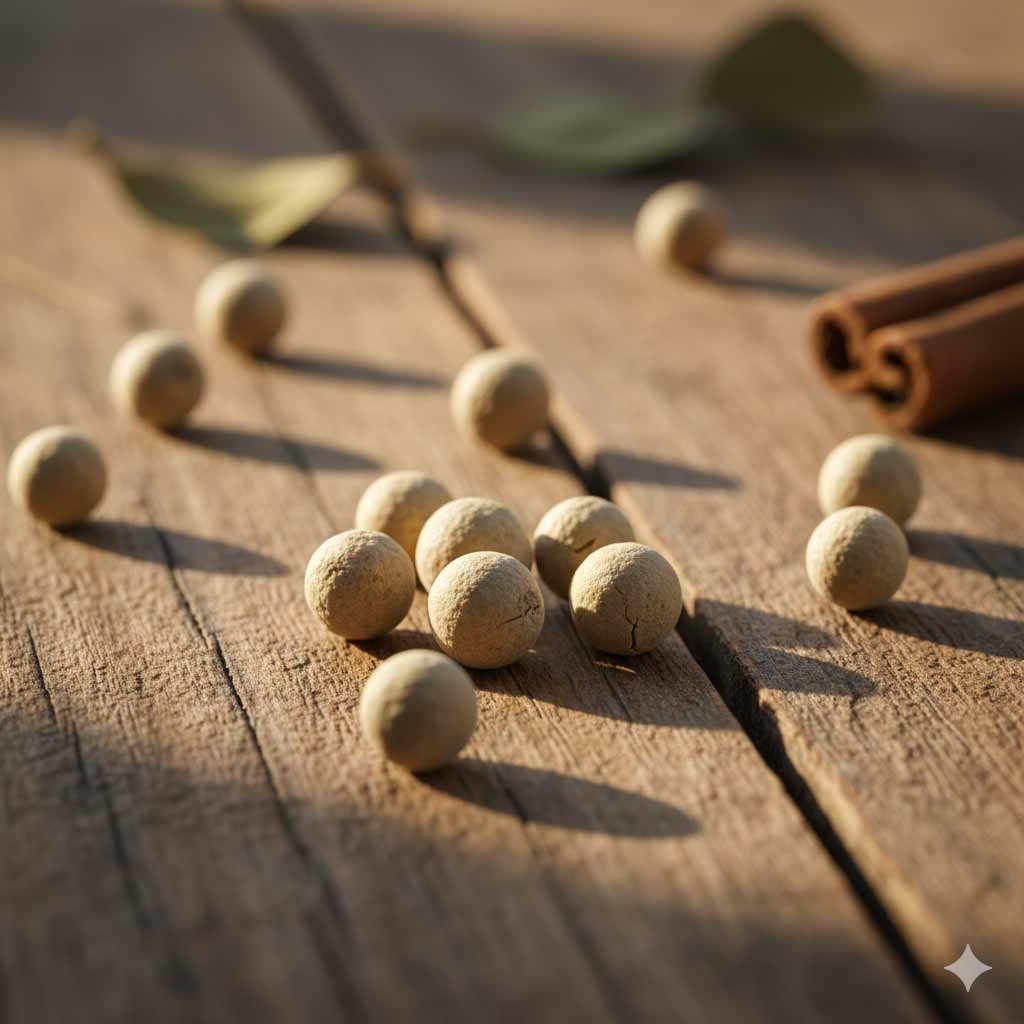
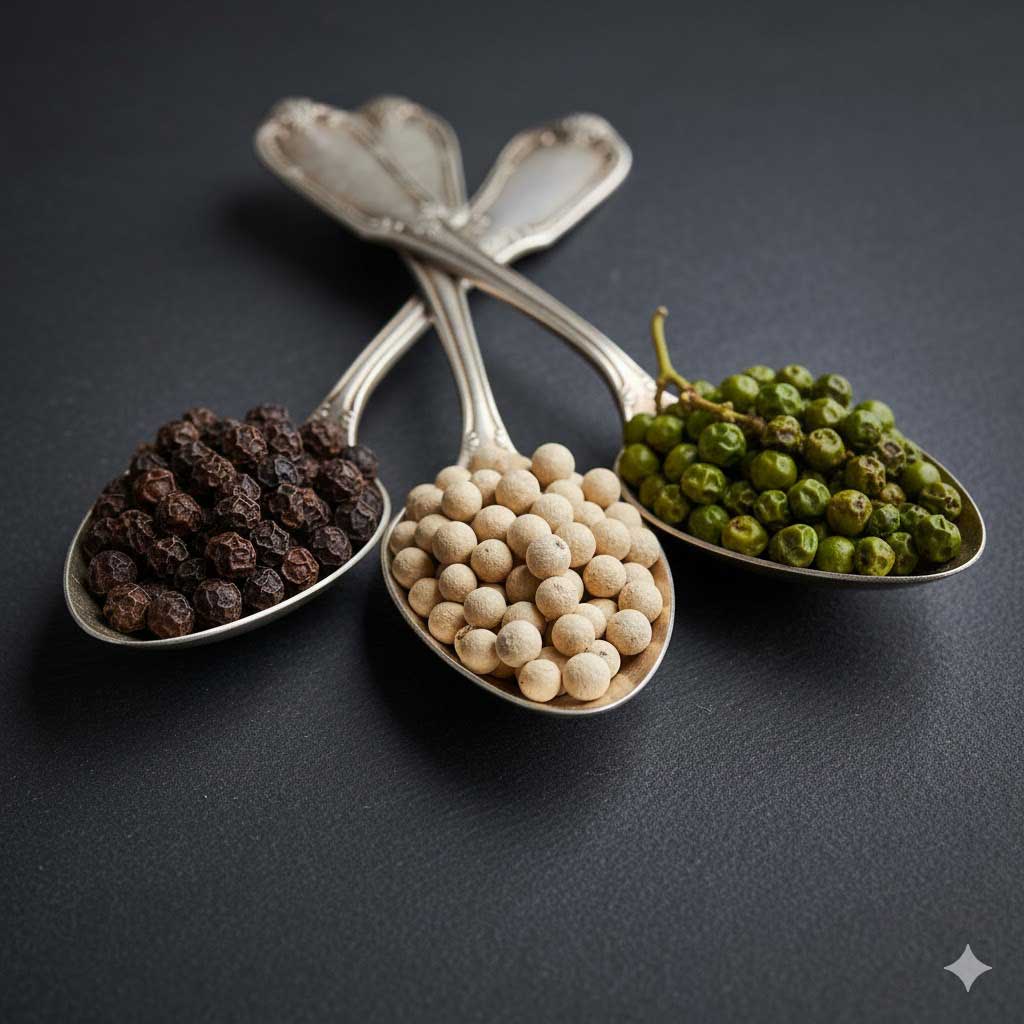
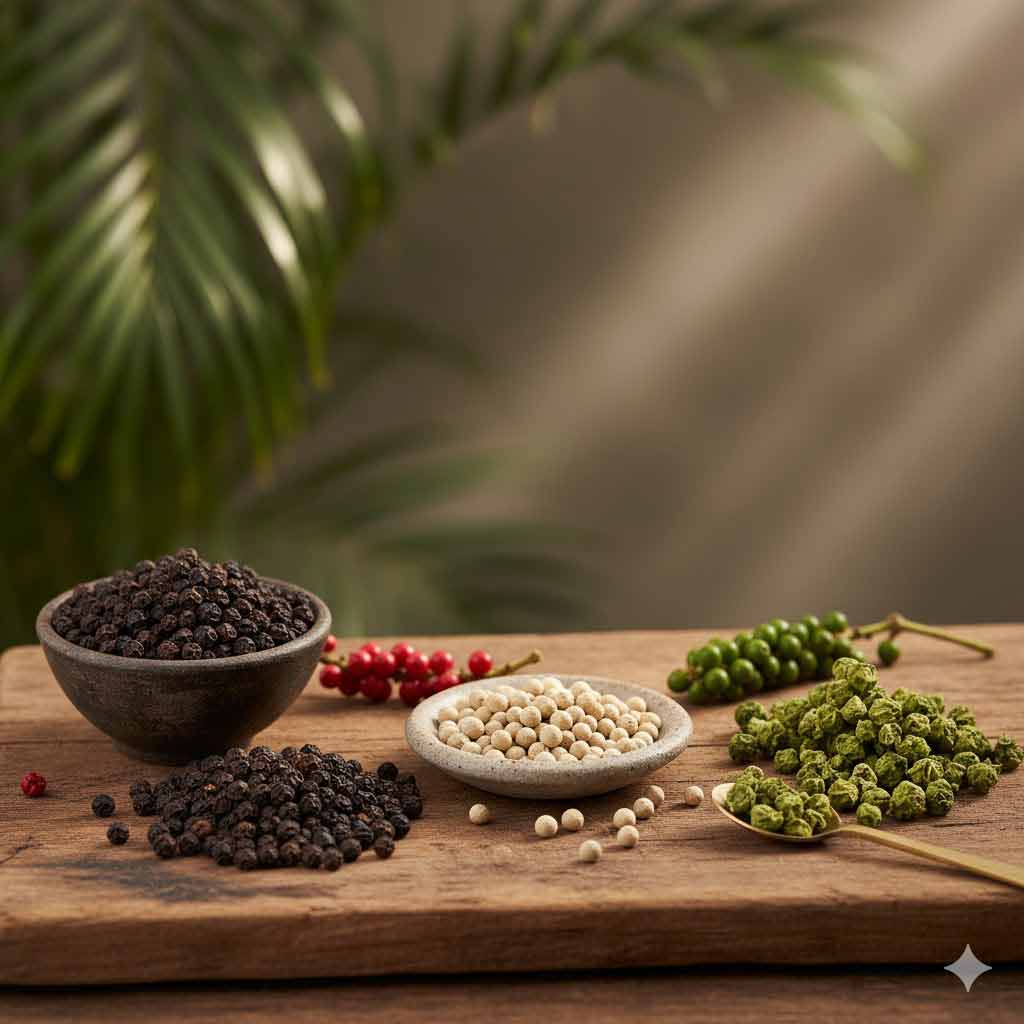
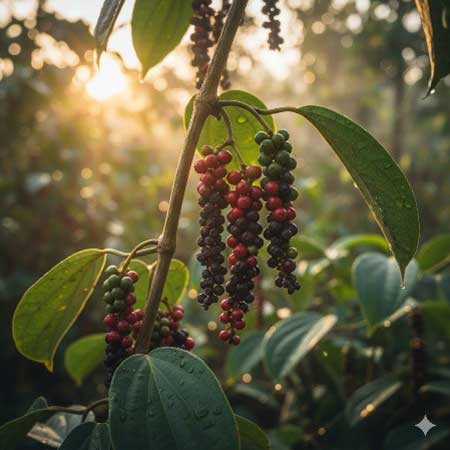
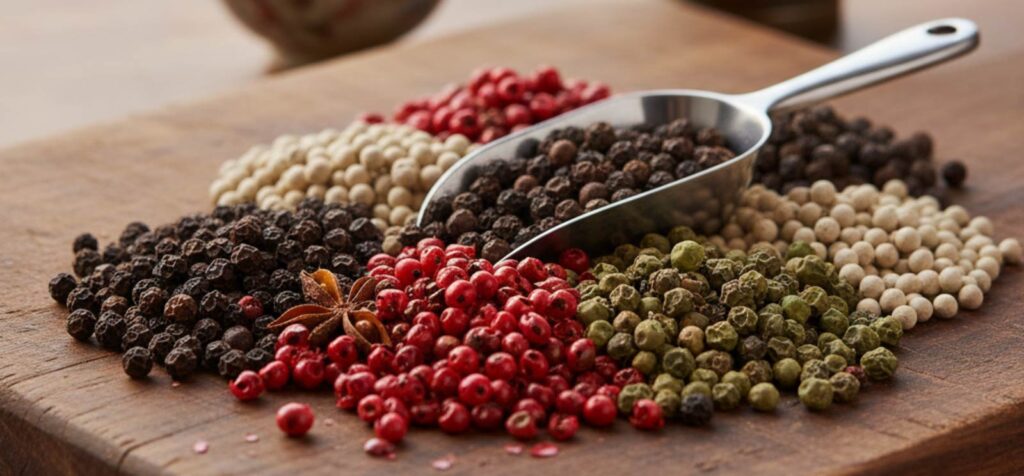
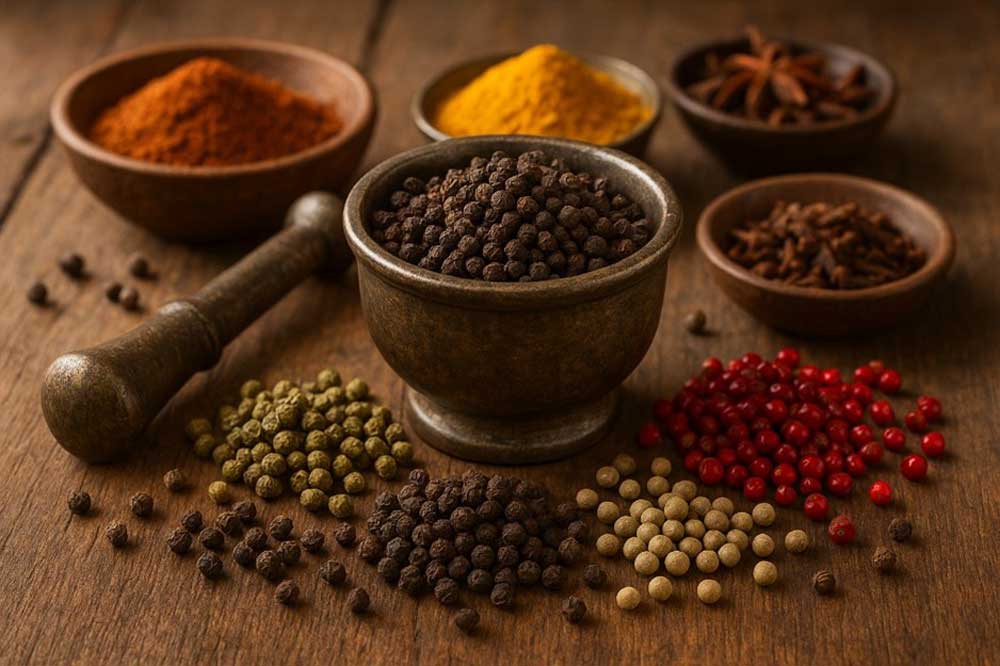
    White pepper and black pepper come from the same plant: Piper nigrum. The difference lies not in the variety, but in the processing method. While black pepper is harvested when the berries are still green and dried whole, white pepper is produced by harvesting fully ripe red berries, soaking them, and removing the outer skin. What remains is the pale inner seed, which becomes the white peppercorn.

    A Spice with Ancient Roots

    Pepper has been traded for thousands of years and was once considered so valuable it served as currency. White pepper became particularly popular in European and Chinese cuisines, where its mild appearance and smooth heat were appreciated in lighter-colored dishes such as sauces, soups, and delicate stir-fries.

    In traditional Chinese cooking, especially in Cantonese cuisine, white pepper is often preferred over black pepper because of its cleaner and more aromatic flavor.

    Flavor Profile of White Pepper

    White pepper is often described as:

    • Earthy and mildly pungent
    • Smoother and less sharp than black pepper
    • Lightly fermented, due to the soaking process
    • Warm, aromatic, and slightly musky

    One of its most distinctive characteristics is the subtle fermented note, which adds complexity without overwhelming a dish. This makes it ideal for recipes where black pepper might stand out visually or taste too bold.

    Culinary Uses: How to Cook with White Pepper

    A Staple in Classic White Sauces

    Because it blends into light-colored foods, white pepper is widely used in:

    • Béchamel sauce
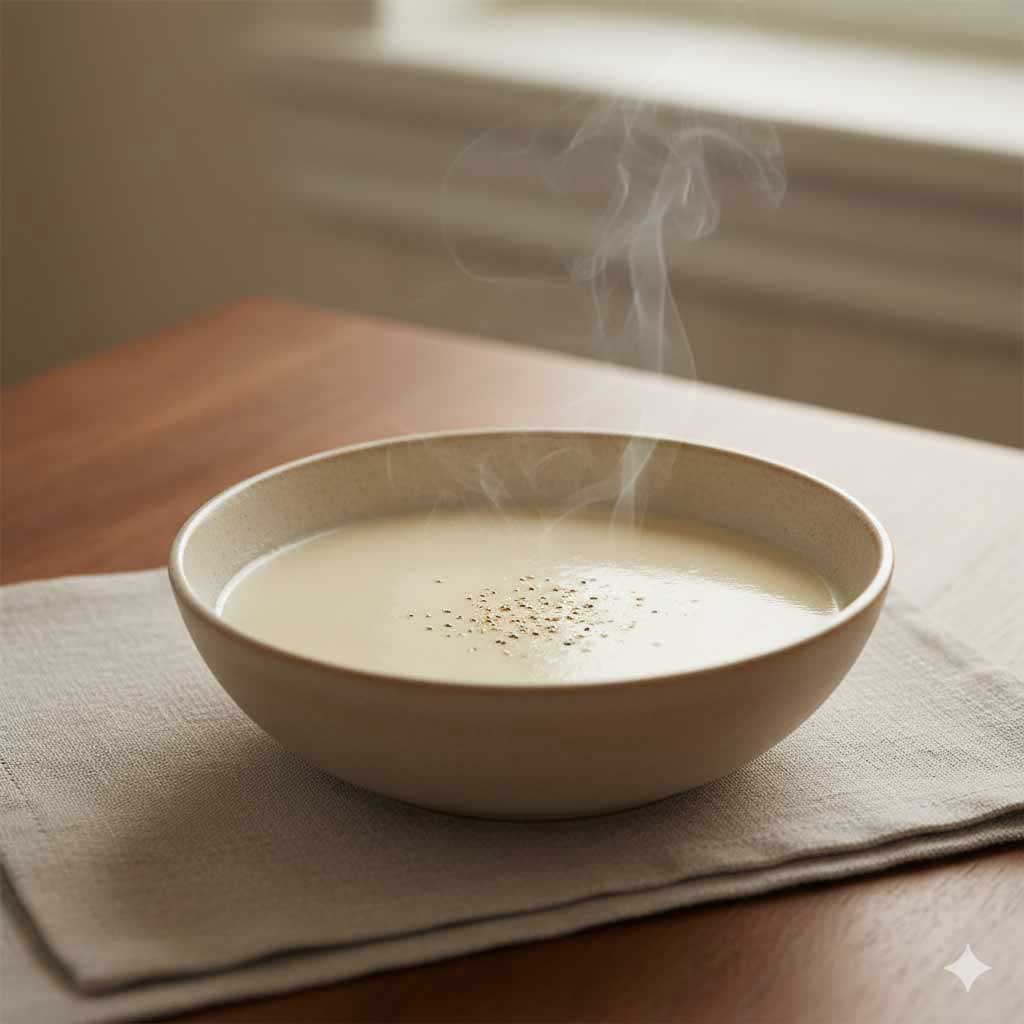
    • Cream-based soups
    • Mashed potatoes
    • Alfredo pasta

    It provides warmth without creating visible specks, keeping dishes aesthetically pleasing and flavor-balanced.

    Highlights in Asian Cuisine

    White pepper plays a central role in several traditional Asian dishes:

    Chinese Hot and Sour Soup

    White pepper gives this soup its signature heat, offering a clean, sharp spice that complements vinegar and mushrooms.

    Congee (Rice Porridge)

    A pinch adds warmth and aroma, transforming a simple porridge into a comforting meal.

    Stir-Fried Vegetables or Seafood

    Its subtle spicy note enhances delicate ingredients like bok choy, tofu, shrimp, or scallops.

    Popular Western Dishes Featuring White Pepper

    White pepper appears in numerous European and Western dishes:

    • Swedish meatballs
    • Vichyssoise (cold leek and potato soup)
    • Creamy mushroom sauces
    • Cauliflower purée
    • Poached fish preparations

    It adds just enough heat and complexity without overshadowing mild flavors.

    Creative Modern Uses

    White pepper adapts well to modern, inventive cooking:

    • Added to salad dressings for a clean, peppery kick
    • Used in spiced butter or compound butter
    • Added to cheese sauces or fondue
    • Mixed into bread dough or savory pastries
    • Sprinkled over eggs or delicate breakfast dishes

    Because its flavor opens slowly on the palate, it can elevate dishes in subtle but meaningful ways.

    Health Benefits (General Knowledge)

    While white pepper is typically consumed in small amounts, it may provide some mild health-related advantages according to general culinary knowledge:

    • Rich in antioxidants, particularly piperine, which may help support cell protection
    • May aid digestion due to compounds that stimulate gastrointestinal enzymes
    • Contains small amounts of minerals such as manganese and iron
    • Naturally low in calories and free of additives

    These qualities make it a pleasant addition to your meals, though it shouldn’t be regarded as a medical treatment.

    Tips for Cooking with White Pepper

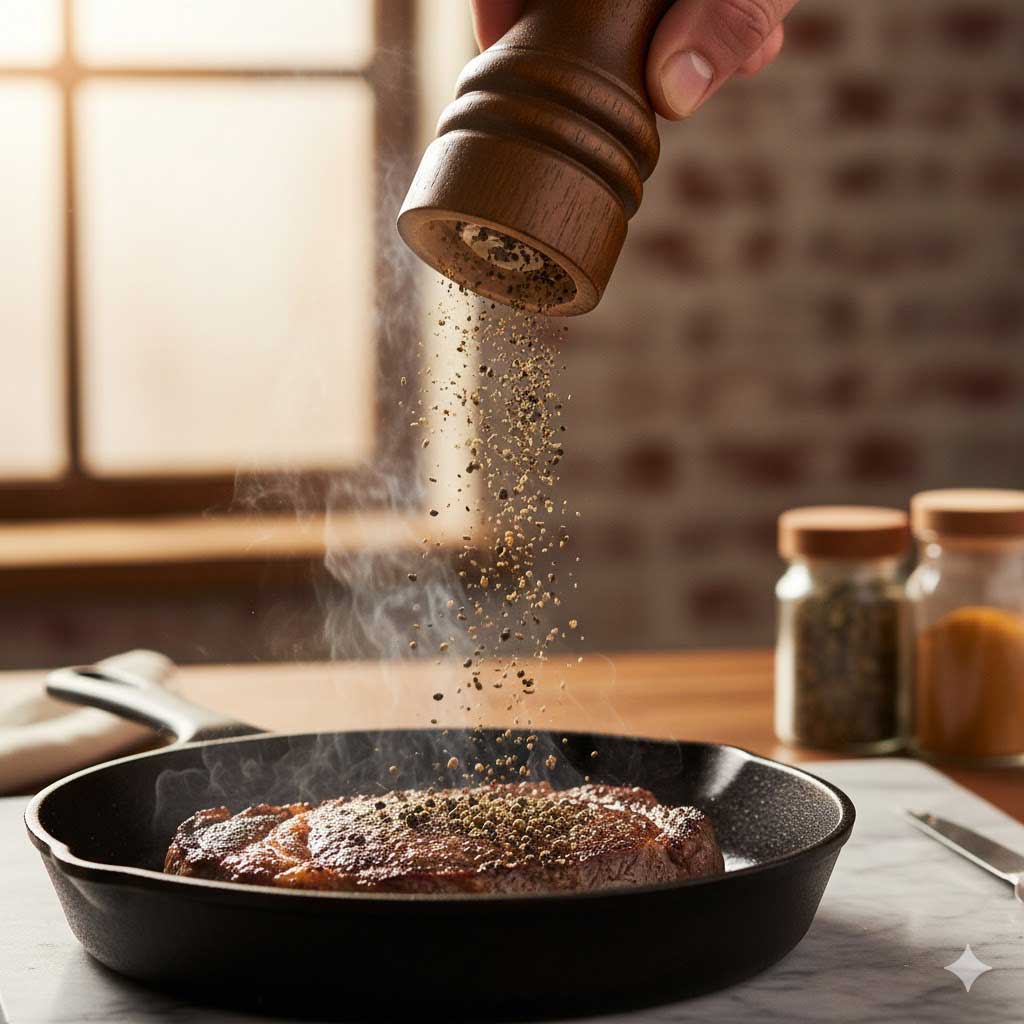
    Use It Freshly Ground When Possible

    Ground white pepper loses its aroma more quickly than black pepper. For the best flavor, grind small amounts from whole peppercorns as needed.

    Add It Toward the End of Cooking

    Because its aroma can fade with prolonged heat, adding it near the end of cooking preserves its delicate character.

    Pair It with Gentle Flavors

    White pepper shines when paired with:

    • Cream
    • Potatoes
    • Eggs
    • Mild vegetables (cauliflower, zucchini)
    • Poultry
    • Seafood

    Its earthy warmth enhances subtle ingredients without overpowering them.

    Be Mindful of Quantity

    White pepper can become slightly musty or overly pungent if used in excess. Start with small amounts and adjust to taste.

    Try White Pepper in Spice Blends

    It works well in:

    • Chinese five-spice mixes
    • Seafood rubs
    • Creamy salad dressings
    • European herb blends

    Its smooth heat complements many herbs such as parsley, chives, thyme, and tarragon.

    Conclusion

    White pepper may not be the boldest spice in your pantry, but its understated complexity and versatility make it indispensable. Its earthy warmth, subtle fermented notes, and ability to blend seamlessly into light dishes have earned it a place in kitchens across the world—from European sauces to Chinese soups.

    Whether you use it to enhance creamy recipes, elevate seafood, or add depth to your everyday cooking, white pepper offers a refined, elegant flavor worth rediscovering. Keep a small jar on hand, use it thoughtfully, and you’ll soon appreciate why this quiet spice has been valued for centuries.

  • Spice Superstars: Dishes That Wouldn’t Be the Same

    We’ve explored the rich histories and subtle nuances of salt, pepper, and cinnamon. We’ve seen how they shaped civilizations, fueled exploration, and carved out their unique identities in the culinary world. But where do these humble heroes truly shine? Where do they stop being mere ingredients and become the very soul of a dish?

    In this article, we’ll embark on a flavorful journey, celebrating the iconic dishes that simply wouldn’t exist, or at least wouldn’t taste the same, without the indispensable contributions of our beloved spices. From comforting classics to exotic delights, these culinary masterpieces are a testament to the transformative power of a pinch, a grind, or a fragrant stick.

    Salt: The Universal Dish Harmonizer

    While salt’s role is often one of subtle enhancement rather than overt flavor, its absence is immediately and painfully felt. Salt doesn’t just make food “salty”; it balances, brightens, and brings out the latent flavors in everything it touches.

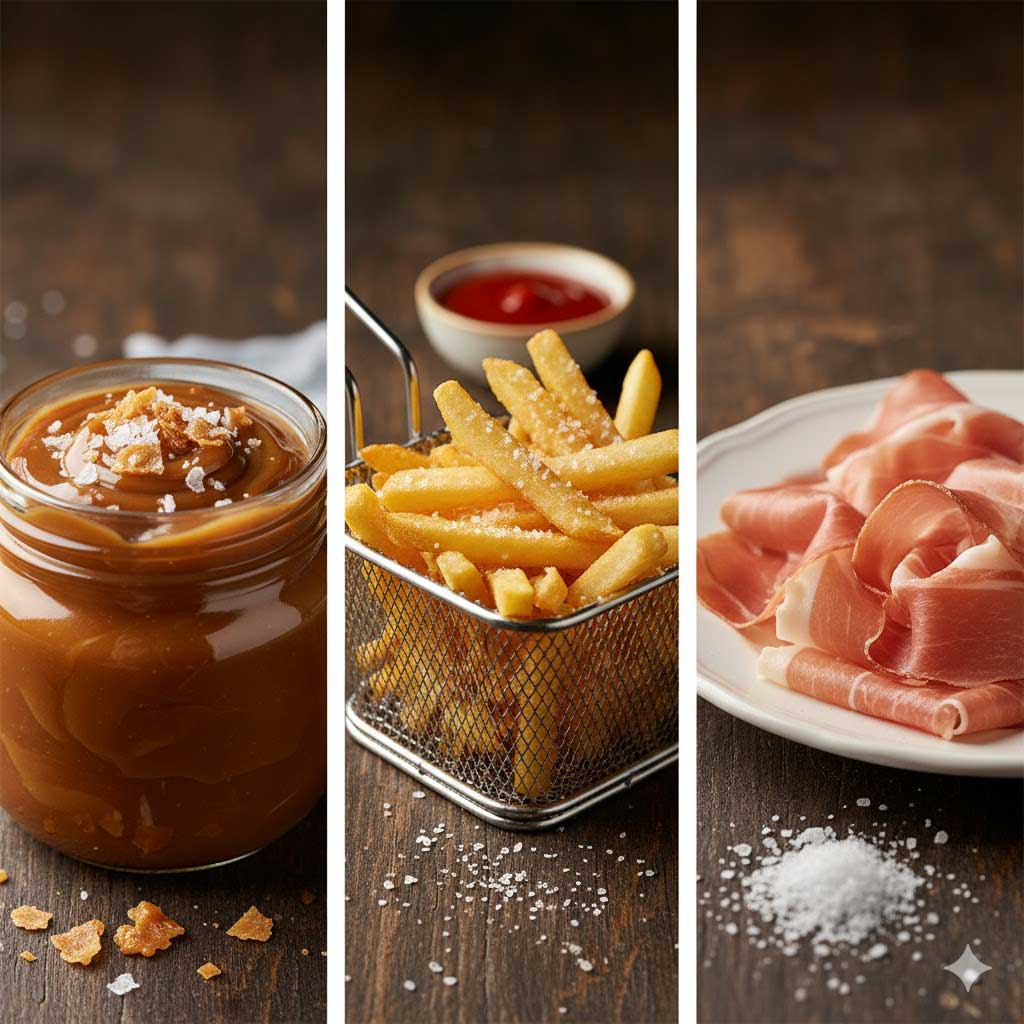
    Salted Caramel: This might seem obvious, but think about it: the magic of salted caramel lies precisely in the salt. Without it, you have mere sweetness, cloying and one-dimensional. A touch of sea salt cuts through the richness, preventing it from being overly saccharine and introducing a tantalizing dance of sweet and savory on the palate. It’s the perfect example of salt elevating and transforming a flavor profile rather than simply adding its own. The crunchy flakes of a finishing salt on a gooey caramel treat are pure textural and taste bud bliss.

    French Fries (and nearly all savory snacks): Imagine a plate of perfectly crispy, golden-brown French fries. Now imagine eating them without a single grain of salt. Bland, right? Salt is crucial for enhancing the potato’s natural flavor, providing that essential savory counterpoint, and, especially with coarse salt, adding a satisfying textural crunch. This principle extends to virtually every savory snack, from popcorn to potato chips, proving that salt is the undisputed king of snack-time satisfaction.

    Cured Meats (e.g., Prosciutto, Bacon): Here, salt isn’t just a flavor enhancer; it’s the very core of the product. Curing meats with salt is one of the oldest preservation techniques known to humankind. The salt draws out moisture, inhibiting bacterial growth, and transforms the texture and flavor of the meat, creating complex, umami-rich delicacies like prosciutto, salami, and bacon. These foods are a direct embodiment of salt’s ancient power and culinary artistry.

    A three-panel vertical collage on a dark wooden background highlights the use of salt in various dishes. The left panel shows a jar of smooth salted caramel topped with flaky sea salt and brittle. The middle panel features crispy golden French fries in a metal basket, heavily seasoned with salt, with a small bowl of ketchup in the background. The right panel displays thinly sliced cured ham (prosciutto) on a white plate, with a pile of coarse salt next to it.

    Black Pepper: The Pungent Dish Perfectionist

    Black pepper brings a different kind of magic to the table: a warm, pungent heat that awakens the senses and adds a vital spark. It’s the perfect partner to richness and a brilliant counterpoint to sweetness.

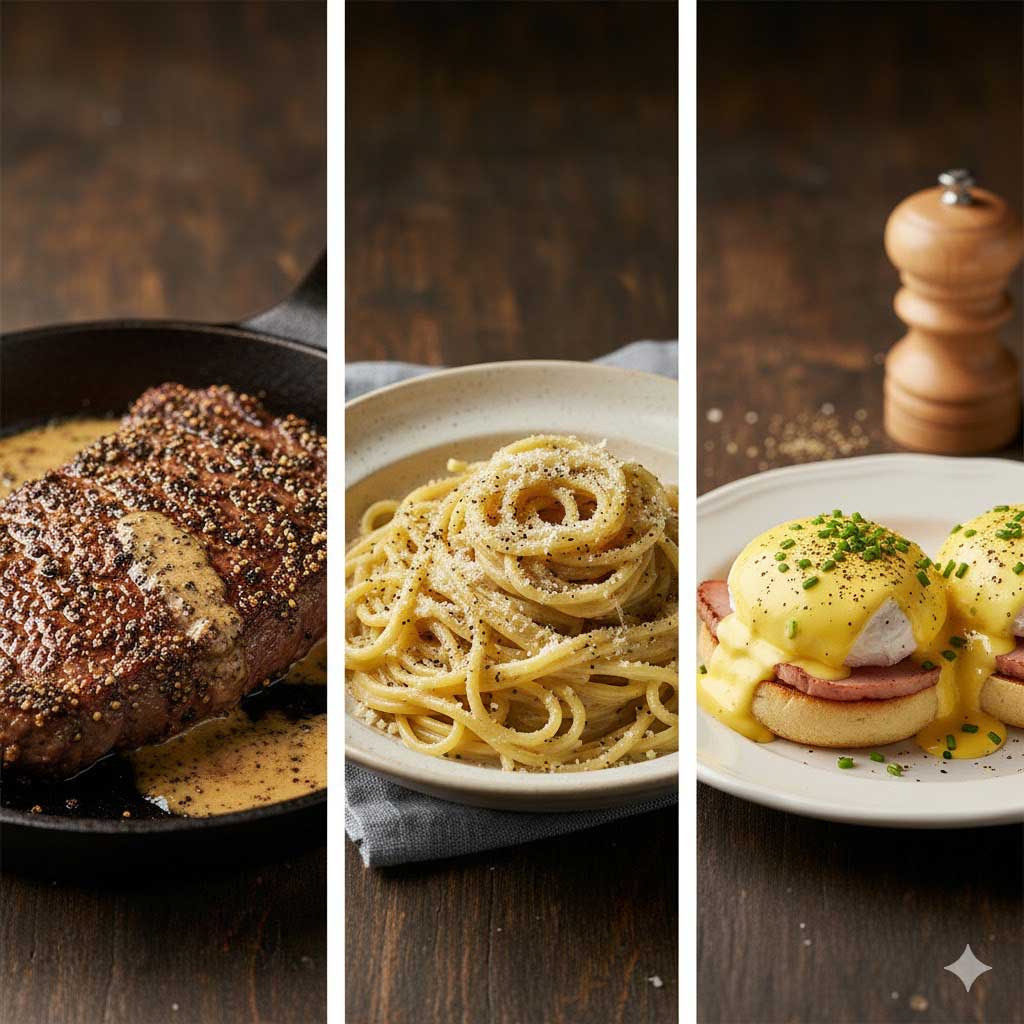
    Steak au Poivre: This classic French dish literally translates to “steak with pepper.” It features a juicy steak, often a tenderloin or sirloin, coated generously in coarsely crushed black peppercorns before being seared. The pepper forms a crust that, when cooked, delivers an intense burst of aromatic heat and a delightful textural crunch with every bite. It’s usually finished with a creamy, cognac-flambéed sauce that beautifully balances the pepper’s assertive kick, making it a quintessential showcase for black pepper’s prowess.

    Cacio e Pepe: Hailing from Rome, this deceptively simple pasta dish is a masterclass in minimalism and flavor. “Cacio e pepe” means “cheese and pepper,” and those are its two main flavor components, alongside pasta water. The magic happens when freshly ground black pepper is toasted in a pan to release its volatile oils, then emulsified with Pecorino Romano cheese and starchy pasta water to create a luscious, creamy sauce. The pepper isn’t just an afterthought; it’s the aromatic, spicy heart of the dish.

    Eggs Benedict (or any egg dish): While not as dramatic as the first two, consider your morning eggs. A generous grind of fresh black pepper over scrambled, fried, or poached eggs, or even a decadent Eggs Benedict, is almost non-negotiable for many. The pepper cuts through the richness of the yolk and hollandaise, adding a crucial layer of flavor and a gentle warmth that elevates a simple breakfast into a satisfying meal.

    Cinnamon: The Aromatic Dish All-Rounder

    Cinnamon’s versatility is truly astounding, effortlessly leaping from sweet to savory and bridging culinary traditions across continents. Its warm, sweet, and spicy notes are irreplaceable in many beloved dishes.

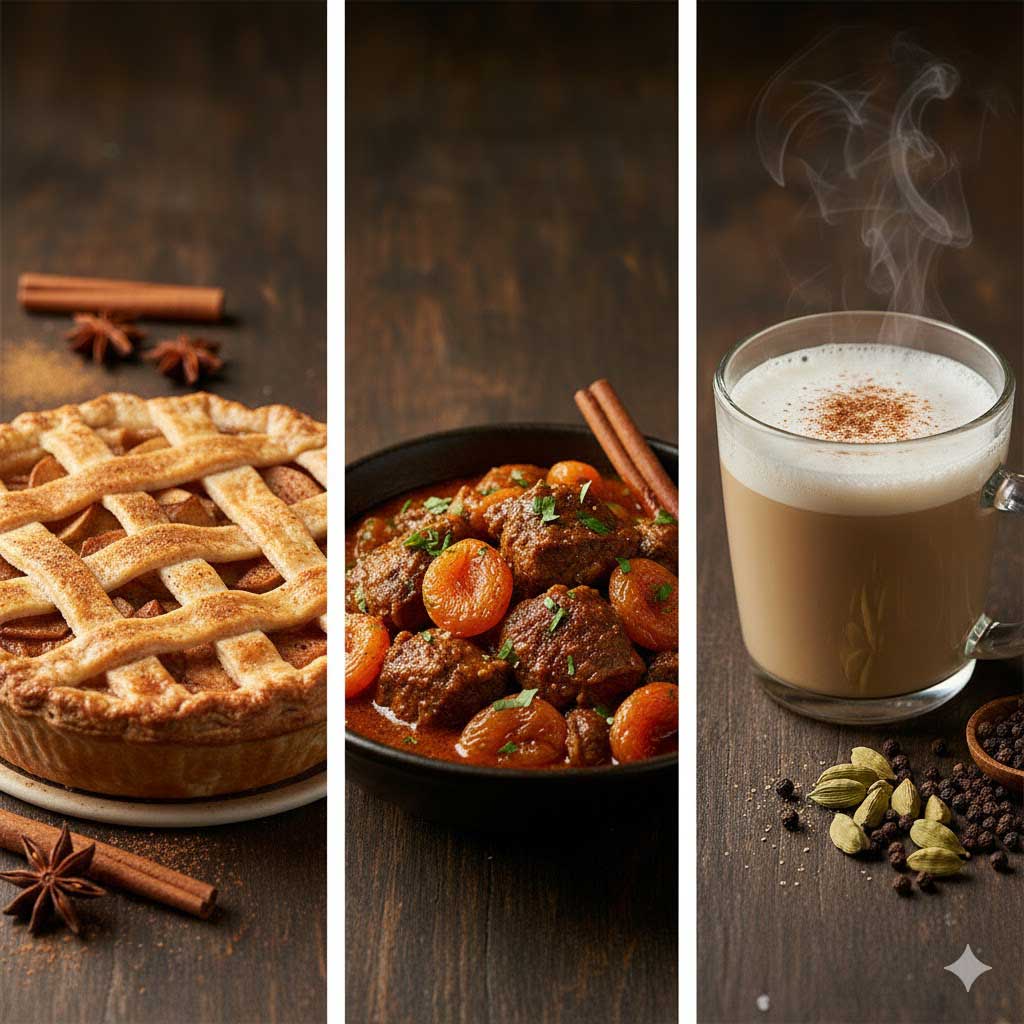
    Apple Pie (and most fruit desserts): This is perhaps cinnamon’s most iconic role in Western dishes. The warm, comforting aroma of cinnamon baked into an apple pie is synonymous with home and happiness. The spice doesn’t just add flavor; it enhances the apples’ natural sweetness, adds depth, and provides that characteristic “spiced” profile that transforms simple fruit into a beloved dessert. From crumbles to tarts, cinnamon is the fruit’s best friend.

    Moroccan Tagines (e.g., Lamb Tagine with Prunes): In Moroccan and North African cuisine, cinnamon takes a starring, often savory, role. In slow-cooked tagines, particularly those featuring lamb or chicken with dried fruits like prunes or apricots, cinnamon provides a foundational warmth and a delicate sweetness that perfectly complements the rich meat and savory spices like cumin and ginger. It’s this beautiful balance between sweet, savory, and aromatic that makes these tagines so uniquely delicious.

    Chai Tea: A quintessential beverage from the Indian subcontinent, “chai” simply means “tea,” but in the West, it refers to masala chai—spiced tea. Cinnamon is a crucial component of the masala (spice blend), usually alongside cardamom, ginger, cloves, and black peppercorns. It infuses the strong black tea with its comforting warmth and sweetness, creating a deeply aromatic and invigorating drink that has become popular worldwide. Without cinnamon, chai would lose much of its characteristic charm.

    From the essential pinch of salt that makes food sing, to the fiery kick of pepper that awakens the palate, and the sweet embrace of cinnamon that transports us to distant lands, these spices are true culinary superstars. Their stories are woven into the fabric of our meals, reminding us that sometimes, the simplest ingredients have the most profound impact.

    My other articles are listed here.

  • The King of Spices: Black Pepper’s Fiery Reign

    You probably use it every day without a second thought. It sits beside its white companion, salt, a steadfast duo on nearly every dining table globally. But this unassuming little berry, crushed and scattered with a flick of the wrist, is no mere sidekick. Black pepper, the “King of Spices,” has a history as rich, complex, and sometimes brutal as any monarch’s reign.

    From ancient trade wars to modern gastronomy, Piper nigrum has shaped economies, fueled exploration, and tantalized taste buds for millennia. Far more than just a seasoning, black pepper is a culinary cornerstone, a historical artifact, and a surprisingly versatile ingredient that continues to command respect.

    A Kernel of Empires

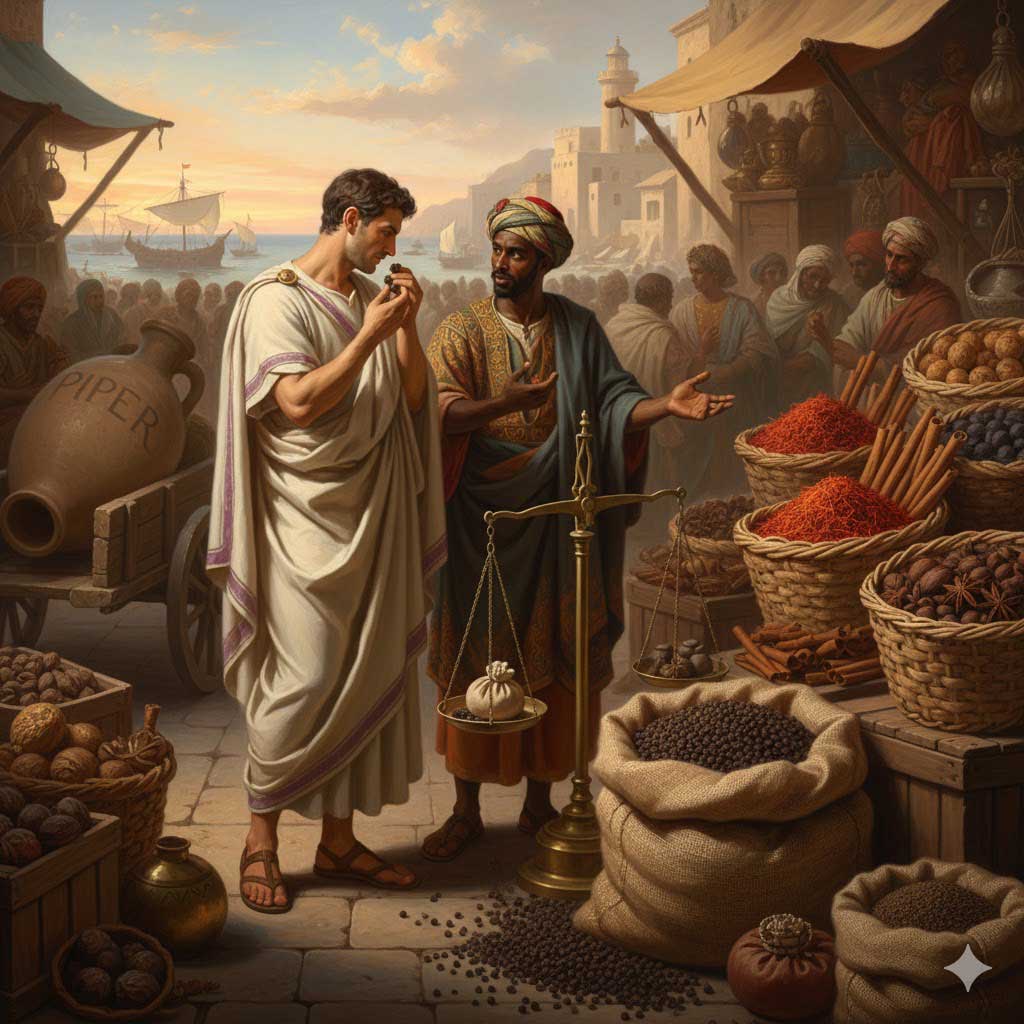
    Long before Marco Polo set sail or Columbus bumped into the Americas, black pepper was already a highly sought-after commodity. Originating from the Malabar Coast of Kerala in southwestern India, this climbing vine’s berries were a crucial component of ancient trade. Roman texts mention this seasoning frequently, and it was so valued that Alaric the Goth demanded 3,000 pounds of it as part of Rome’s ransom in 410 AD.

    During the Middle Ages, pepper’s importance only grew. Along with other exotic spices, it was a luxury item, a status symbol for the wealthy, and a potent preservative. Control over the spice trade routes, particularly those bringing the condiment from the East to Europe, meant immense power and wealth. Venice and Genoa grew rich as intermediaries, while Arab traders maintained a tight grip on the source.

    This quest for direct access to the pepper-producing lands was a primary driver for the Age of Exploration. Vasco da Gama’s historic voyage around Africa to Calicut, India, in 1498 wasn’t just about discovering new lands; it was fundamentally about breaking the Arab and Venetian monopoly on the spice trade. The Portuguese, Dutch, and later the British and French, fought fiercely over control of the pepper-rich regions, their navies clashing over what amounted to tiny dried berries. The history of pepper is truly a history of empires.

    An old, crumpled map in sepia tones depicts Africa, Europe, and Asia, with a large 15th-century sailing ship in the ocean. The ship is overflowing with giant black pepper, some spilling into the water. A snake-like sea monster is visible to the left, and a compass rose is in the bottom left corner. The map is labeled with "Salt Roads" and "Salarium - Pagamentum Sal."

    More Than Just “Black”: The Peppercorn Family

    When we say “pepper,” most people immediately think of the familiar black variety. However, like many noble families, the peppercorn lineage is more diverse than it first appears. All true peppers—black, white, and green—come from the same Piper nigrum plant, but their differences arise from when and how they are harvested and processed.

    Black Peppercorns: These are the unripe, green berries that are cooked briefly in hot water (which bursts their cell walls), then dried in the sun. The sun-drying process causes them to shrivel and blacken, developing their characteristic pungent, earthy, and slightly spicy flavor. The heat comes from piperine, a chemical compound found in the fruit and seed.

    Green Peppercorns: These are also unripe berries, but they are either freeze-dried or preserved in brine or vinegar. This process retains their vibrant green color and a fresh, milder, more aromatic flavor compared to black pepper. They are often found in French cuisine, particularly in steak au poivre. To see more about the green variety, check this website.

    White Peppercorns: These are the mature, ripe berries. After harvesting, they are soaked in water, which allows the outer layer of the fruit to ferment and soften. This outer layer is then rubbed off, revealing the lighter-colored inner seed. White pepper has a sharper, sometimes muskier aroma and a more direct heat, often preferred in lighter-colored dishes where black flecks would be visually unappealing (like mashed potatoes or cream sauces).

    It’s important to distinguish these true peppers from “false peppers” like pink peppercorns (from the Brazilian pepper tree) or Sichuan peppercorns (from the prickly ash tree), which offer different flavor profiles and delightful tingling sensations but are not botanically related to Piper nigrum.

    The Science of Spice

    So, what makes the black pungent berry tick? Its signature heat and aroma come primarily from an alkaloid called piperine. Unlike capsaicin in chilies, which targets pain receptors and gives a fiery burn, piperine stimulates heat and pain receptors in a more subtle, complex way. It creates a warm, aromatic pungency that is distinct and invigorating.

    Beyond its flavor, the aromatic berry also plays a fascinating role in health. It contains antioxidants and has anti-inflammatory properties. Most notably, piperine is known to enhance the bioavailability of certain nutrients and drugs, including curcumin (found in turmeric). This is why you often see this spice paired with turmeric in supplements and traditional medicine—this spice helps your body absorb more of the good stuff.

    In the kitchen,the black condiment is a universal enhancer. It does more than just add “heat”; it brightens flavors, adds depth, and creates complexity. The freshly ground ones is almost always superior to pre-ground pepper, which quickly loses its volatile aromatic compounds. The act of grinding releases those oils, creating a burst of fresh aroma and flavor that can elevate almost any dish, from a simple omelet to a sophisticated sauce.

    Beyond the Shaker

    While it is a staple for seasoning almost anything, this one has some surprising roles outside the dinner table. In traditional medicine, it has been used to treat digestive issues, coughs, and colds. Its stimulating properties were even thought to aid concentration.

    In more unexpected applications, some gardeners use a sprinkle of black pepper as a natural deterrent for pests like ants. Its strong aroma is believed to confuse and repel them, offering an organic alternative to chemical pesticides. And of course, its pungent scent is often a component in various aromatherapy blends, believed to be invigorating and stimulating.

    From being a currency that defined empires to its place as a humble grinder on our tables, black pepper’s journey is a testament to the enduring power of a single, small spice. It reminds us that sometimes, the greatest influence comes in the smallest packages, igniting our taste buds and connecting us to a history far spicier than we often realize.

    My other articles are listed here.

  • Pepper: A journey through the origins and history of the king of spices

    For centuries, a tiny, unassuming berry has reigned supreme in kitchens across the globe, captivating palates with its pungent heat and versatile aroma. This culinary monarch is, of course, pepper.

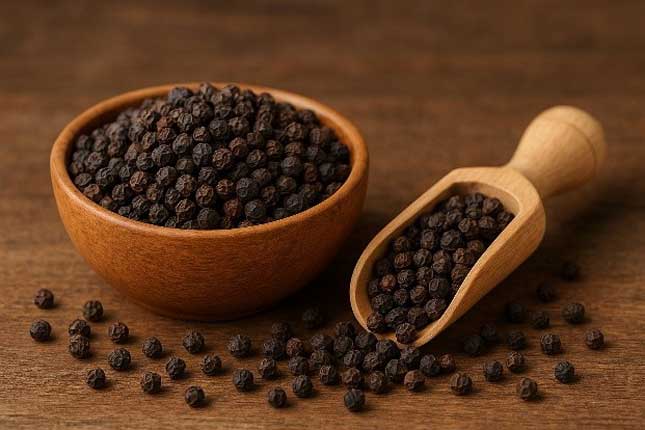
    bowl of pepper

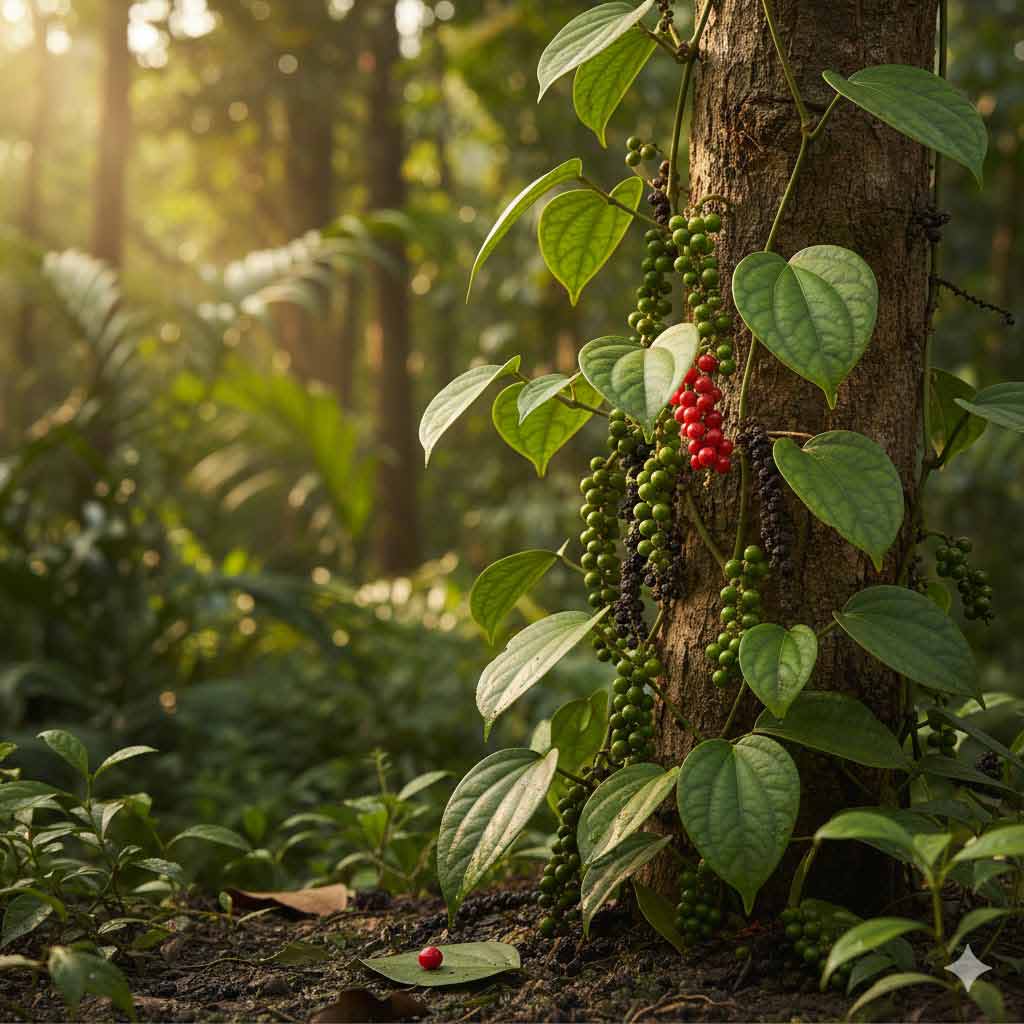
    Its story begins in the steamy, tropical climes of the Malabar Coast in Kerala, a state nestled on the southwestern tip of India. This region, blessed with abundant rainfall and fertile soil, provided the perfect conditions for the Piper nigrum vine to flourish. The plant itself is a woody perennial climber, clinging to trees or poles, producing clusters of small, round fruits that are initially green. These berries, known as peppercorns, are harvested at various stages of ripeness and processed differently to yield the diverse array of the condiment we know today: black, white, green, and sometimes even red.

    Black Pepper: The Original Spice

    The most common and historically significant form is black pepper. To produce it, the unripe green peppercorns are cooked briefly in hot water, which ruptures their cell walls, and then dried in the sun. This process causes the peppercorns to shrivel and darken, developing their characteristic wrinkly black exterior and the robust, sharp flavor that defines them. This is the spice that fueled ancient trade routes and enticed countless explorers.

    The earliest documented use of this spice dates back to ancient India, where it was not only a culinary staple but also valued for its medicinal properties in Ayurvedic traditions. References to the King of spices can be found in ancient Sanskrit texts, highlighting its importance in daily life. From India, its fame began to spread.

    Early Trade and the Roman Empire

    pepper's trade

    The ancient world’s appetite for it was voracious. Merchants from Arabia and Persia were among the first to establish trade links with India, bringing this precious spice to the Middle East. However, it was the Roman Empire that truly put the King of spices on the international map. Roman traders sailed across the Arabian Sea, navigating monsoons to reach the Malabar Coast directly. It quickly became a highly prized commodity in Rome, a luxury item that symbolized wealth and status. It was used extensively in Roman cuisine, but also as a form of currency, a valuable asset for dowries, and even as an offering to the gods.

    The fall of the Western Roman Empire did not diminish pepper’s allure. On the contrary, its scarcity in Europe only heightened its value. For centuries following, the trade of pepper, along with other exotic spices, was largely controlled by Arab merchants who acted as intermediaries, moving goods across land and sea routes to Alexandria, where Venetian and Genoese traders would then distribute them throughout Europe. This control allowed Arab traders to maintain high prices and significant profits, leading to it being referred to as “black gold.”

    The Age of Exploration and the Spice Routes

    The desire to bypass these intermediaries and access the lucrative spice trade directly was a primary motivator for the European Age of Exploration. The Portuguese, under the leadership of figures like Vasco da Gama, were at the forefront of this quest. In 1498, da Gama successfully circumnavigated Africa, reaching Calicut (now Kozhikode) on the Malabar Coast, thereby opening a direct sea route to India. This monumental achievement shattered the Arab-Venetian monopoly and fundamentally reshaped global trade.

    The Portuguese established trading posts and gained control over significant portions of the spice trade, shipping vast quantities of pepper back to Europe. However, their dominance was challenged by other European powers, particularly the Dutch and the English, who also sought to establish their own spice empires. The 17th and 18th centuries saw intense rivalries and conflicts over control of the spice-producing regions, with various European trading companies like the Dutch East India Company (VOC) and the British East India Company vying for supremacy.

    Beyond Black: White and Green Pepper

    While black pepper remained the most dominant, other forms also emerged from the same Piper nigrum plant. White pepper is produced from fully ripened peppercorns. After harvesting, the red berries are soaked in water for several days, a process called retting, which softens the outer layer (pericarp). This outer layer is then rubbed off, revealing the lighter-colored inner seed, which is then dried. White pepper has a milder, less complex flavor than black pepper, often described as earthy or musky, and is preferred in dishes where a lighter color is desired. Green pepper consists of unripe peppercorns that are dried in a way that preserves their green color, typically through freeze-drying or treatment with sulfur dioxide.

    Pepper’s Enduring Legacy

    Today, Vietnam has surpassed India as the world’s largest producer and exporter of pepper, though India remains a significant player. Other notable producers include Brazil, Indonesia, and Sri Lanka. Despite its current ubiquity and affordability, pepper’s historical significance as a catalyst for exploration, trade wars, and the shaping of global economies cannot be overstated. It was a driving force behind the mapping of the world and the establishment of interconnected trade routes that laid the foundation for modern globalization.

    From ancient Indian dishes to Roman banquets, medieval European feasts, and contemporary global cuisine, pepper has maintained its status as a fundamental ingredient. Its journey from a single vine in a specific corner of India to a ubiquitous presence on dining tables worldwide is a testament to its enduring appeal, its distinctive flavor, and the relentless human pursuit of culinary excellence. The “King of Spices” continues to reign, a constant reminder of the incredible power of a humble berry to shape history and tantalize taste buds across millennia.

    https://en.wikipedia.org/wiki/Black_pepper

    https://frogsaga.com/wp-admin/post.php?

  • Stir-Fried Crab with Kampot Pepper: A delicious traditional recipe

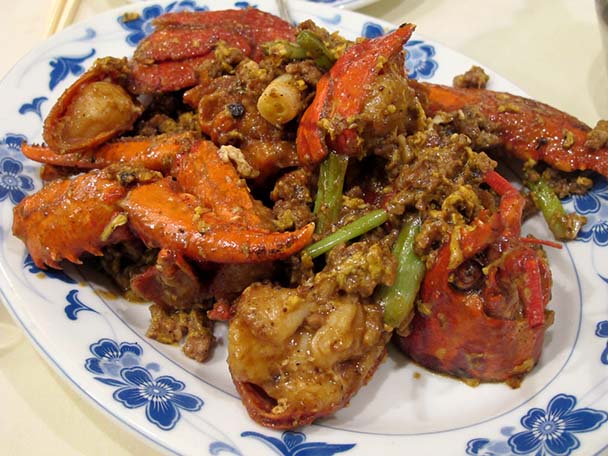
    stir-fried crab kampot style

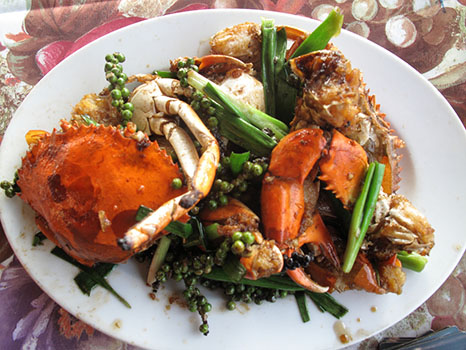
    One of the most beloved traditional Cambodian dishes is Stir-fried crab in Kampot Pepper — a recipe cherished by locals and visitors alike. (You can find a version of it here: Cambodian Mag → Crabe sauté au poivre de Kampot) (kampot-poivre.com)

    In its classic form, this dish uses green Kampot peppercorns (fresh or brined), stir-fried with garlic, palm sugar, spring onions, fish sauce, and the sweet, succulent meat of crab. (Wikipédia) The pepper provides a bright, peppery bite that complements the natural sweetness of the crab beautifully — it’s simple, yet deeply rooted in place and tradition.

    Serves: 2–3

    Preparation time: 25 minutes

    Cooking time: 15 minutes

    Total: 40 minutes


    Ingredients – Stir-fried crab with Kampot pepper

    For the crab

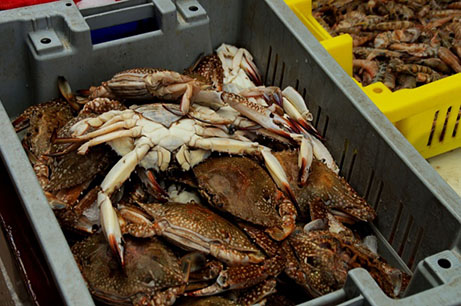
    • 2 medium fresh crabs (blue swimmer crabs preferred), cleaned and cut into quarters
    • 2 tablespoons vegetable oil
    • 1 tablespoon butter (optional but traditional in Kampot restaurants)

    Aromatics and seasoning

    • 4 cloves garlic, finely chopped
    • 1 small onion or 2–3 spring onions, sliced
    • 1 teaspoon palm sugar (or light brown sugar)
    • 1 tablespoon oyster sauce
    • 1 tablespoon fish sauce
    • ½ tablespoon soy sauce
    • ½ teaspoon freshly ground Kampot black pepper
    • 1 small handful of fresh green Kampot peppercorns (or brined green peppercorns, drained)

    Finishing

    • Extra green peppercorns for garnish
    • Fresh herbs (optional): coriander or holy basil
    • Lime wedges, to serve


    Method – Stir-fried crab with Kampot pepper

    1. Prepare the crab

    1. Clean the crabs thoroughly under cold water.
    2. Remove the hard top shell, discard the gills, and rinse the interior gently.
    3. Cut each crab into quarters, keeping the legs attached to the body pieces.
    4. Use the back of a knife to gently crack the claws—this helps the sauce penetrate the meat and makes eating easier.

    Cookbook tip:
    If using very fresh crab, keep the shells on; they protect the meat from overcooking and give deeper flavor while doing the Stir-fried crab.

    2. Heat the aromatics

    1. Heat the vegetable oil in a large wok or deep frying pan over medium-high heat.
    2. Add the chopped garlic and sauté until fragrant but not browned (about 20–30 seconds).
    3. Add the sliced onion or spring onions and stir-fry until just softened.

    Note:
    Cambodian cooking relies on gentle frying of aromatics early on to create a sweet, lightly caramelized base.

    3. Add the crab

    1. Increase the heat to high.
    2. Add the crab pieces to the wok, including any juices from the preparation board.
    3. Stir-fry for 3–4 minutes, turning the pieces so they cook evenly.
    4. When the shells begin to turn bright orange, add the butter (if using) and toss to coat.

    4. Build the sauce

    Add the seasonings directly over the Stir-fried crab:

    1. Sprinkle in the palm sugar and toss until it dissolves.
    2. Pour in the oyster sauce, fish sauce, and soy sauce.
    3. Stir everything together so the crab becomes glossy and coated.
    4. Add fresh green Kampot peppercorns, lightly crushing a few between your fingers to release their aroma.
    5. Add freshly ground Kampot black pepper.

    Stir-fry for 2–3 minutes, allowing the flavors to meld.

    Flavor note:
    Fresh green Kampot peppercorns bring a bright, almost floral bite that defines this dish. They should stay plump and slightly crunchy.

    5. Steam and reduce

    1. Add 2–3 tablespoons of water to the wok.
    2. Cover with a lid and let the crab steam for 4–5 minutes.
    3. Remove the lid and continue cooking until the sauce reduces slightly and clings to the crab.

    The stir-fried crab should be fully cooked and the peppercorns tender but intact.

    6. Taste and adjust

    Cambodian cuisine balances sweet, salty, and peppery notes:

    • Add a little more fish sauce if you want a saltier finish.
    • Add a pinch more palm sugar if the sauce tastes too sharp.
    • Add extra green peppercorns for more intensity.

    7. Plate and garnish

    1. Transfer the Stir-fried crab crab to a serving platter.
    2. Spoon the peppercorn-rich sauce over the top.
    3. Garnish with a few extra clusters of fresh green Kampot pepper.
    4. Add fresh coriander or holy basil if desired.
    5. Serve with lime wedges for diners to squeeze at the table.

    How to Serve It

    • Best enjoyed with steamed jasmine rice or rice noodles.
    • Provide crackers or small hammers for breaking claws.
    • Expect diners to get their hands messy — it’s part of the experience.

    Chef’s Notes & Variations

    If you can’t find fresh green peppercorns:

    Use brined Kampot peppercorns (widely exported), but rinse them lightly to reduce saltiness.

    For extra richness:

    Some Kampot chefs add a splash of coconut cream during the steaming stage.

    To make it spicier:

    Add fresh red chilis during the garlic stage.

    Find more about Kampot pepper’s history in this article

  • Black pepper: the timeless king of spices

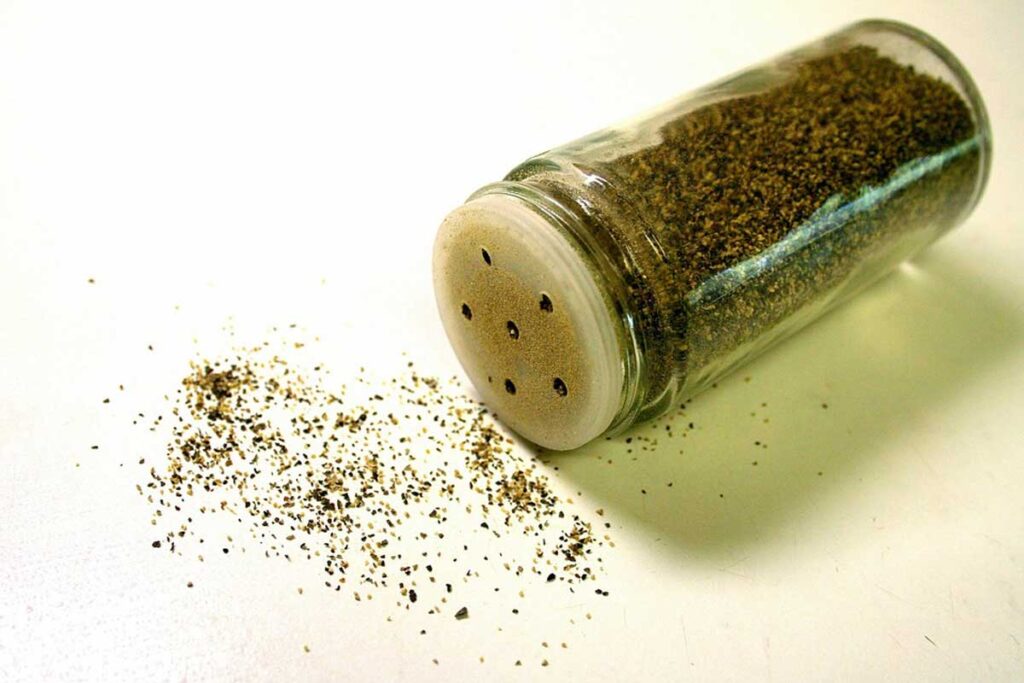
    Ground pepper

    Black pepper (Piper nigrum), often referred to as the “king of spices,” has played an extraordinary role in shaping global cuisine, trade routes, and even entire civilizations. Although today it is a common fixture on tables around the world, its history and cultural significance are far richer than its modest appearance suggests. From ancient medicinal uses to its essential role in modern gastronomy, black pepper remains one of the most influential and versatile spices ever discovered.

    A spice that traveled the world

    Native to the lush, tropical Malabar Coast of India, the king of spices has been cultivated for over 4,000 years. Early records from ancient Egypt show peppercorns being used in mummification rituals, suggesting its high value even in distant lands. Greek and Roman texts describe pepper as a luxury commodity; during the Roman Empire, its worth rivaled that of gold. Pepper was frequently used as currency, dowry, and tribute, and it motivated many of the early global trade routes that connected Asia, the Middle East, and Europe.

    The spice trade flourished along the Silk Road and via maritime routes controlled by Arab merchants. When European explorers like Vasco da Gama sought a sea route to India, it was largely in pursuit of spices, especially black pepper. In that sense, this tiny berry helped shape the course of world exploration and commerce.

    king of spices

    How the king of spices is produced

    Black pepper is the dried fruit of the pepper vine, a climbing plant that thrives in warm, humid climates. The berries, known as drupes, grow in clusters and are harvested at different stages of ripeness depending on the desired type of pepper.

    To make black pepper, the green berries are picked just before ripening. They are briefly fermented and then sun-dried, during which they shrivel and darken, developing their characteristic wrinkled appearance. This process intensifies their aroma and sharp bite.

    Interestingly, the same plant can produce several types of pepper, black, white, green, and even red, depending only on the timing and method of processing. Among these, the king of spices remains the most widely used and most aromatic.

    pepper plant

    Flavor profile and culinary uses

    The distinctive flavor of black pepper comes primarily from piperine, the compound responsible for its pungency. Unlike chili peppers, whose heat comes from capsaicin, black pepper’s spice is warm and earthy with citrusy, woody, and floral undertones. This makes it incredibly versatile.

    The king of spices can enhance both savory and sweet dishes. It complements meats, vegetables, eggs, soups, sauces, and pickles. Chefs value it for its ability to elevate a dish without overwhelming it; a sprinkle of freshly ground pepper can brighten flavors and add complexity. In desserts, it pairs surprisingly well with strawberries, chocolate, and even ice cream, giving a subtle kick that balances sweetness.

    Freshly ground pepper is widely preferred over pre-ground pepper because piperine and essential oils degrade quickly once exposed to air. A high-quality grinder and whole peppercorns allow cooks to unlock the full aromatic potential of this ancient spice.

    Cultural importance across the globe

    Every region that adopted black pepper found unique ways to incorporate it into culinary traditions:

    • Indian cuisine uses pepper in spice blends like garam masala and in Ayurvedic cooking.
    • Southeast Asia includes it in curries, stir-fries, and marinades.
    • European cuisine, especially after the Middle Ages, relied heavily on pepper for seasoning and preservation.
    • North African dishes often use pepper in blends like ras el hanout.
    • American cuisine uses pepper ubiquitously—on steaks, vegetables, and even cocktails.

    Few spices have achieved such universal acceptance.

    Health benefits and traditional uses

    Beyond the kitchen, the king of spices has a long history in traditional medicine, particularly in Ayurveda and traditional Chinese medicine. It has been valued for its warming qualities and believed to improve digestion, circulation, and metabolism.

    Modern research supports several of these traditional uses. Piperine has been found to:

    • Boost nutrient absorption, especially of curcumin from turmeric
    • Act as an antioxidant, helping protect cells from damage
    • Support digestion by stimulating the production of digestive enzymes
    • Possess anti-inflammatory properties
    • Potentially enhance brain function and mood through effects on neurotransmitters

    While black pepper is generally safe, consuming extremely high amounts may irritate the stomach. For most people, though, its benefits far outweigh any concerns when used in typical culinary quantities.

    Varieties and how to choose quality pepper

    Not all peppercorns are the same. The highest-quality pepper often comes from regions like:

    • India (Malabar, Tellicherry) – known for bold aroma and large, robust peppercorns
    • Vietnam, currently the world’s largest producer
    • Indonesia (Lampong) – noted for smoky, slightly fruity pepper
    • Brazil, with mild, versatile varieties

    When buying peppercorns, look for plump, heavy berries with a strong aroma. For the fullest flavor, store them in an airtight container away from light and heat.

    A spice with a lasting legacy

    In a world filled with exotic herbs and modern seasonings, the king of spices remains timeless. It is a spice that influenced global exploration, shaped the world’s cuisines, and continues to enrich our health and meals today. Despite its ubiquity, its history, complexity, and enduring appeal make it anything but ordinary. Every turn of a pepper grinder connects us to centuries of culture, trade, and culinary tradition, proof that even the simplest ingredients can carry remarkable stories.

    Black pepper

    Pepper post

    Pepper boy
  • The Magic of the 5‑Pepper Blend: A Flavorful Journey Through History, Culture & Cooking

    5-pepper blend

    5-pepper blend isn’t just a decorative addition to your pepper grinder — it’s a vibrant mix brimming with history, aroma, and culinary complexity. But what makes this colorful seasoning more than just pepper? By exploring its unique peppercorn varieties, its storied origin, and its versatile uses in the kitchen, you’ll discover why this medley deserves a place in your spice rack. Join me on a journey through trade routes, sensory layers, and modern gastronomy, and learn how to use and appreciate the multicolored symphony in your own cooking.

    What is the 5‑pepper blend?

    At its core, the 5‑pepper blend (also called “five-­peppercorn mix” or “cinq baies” in French) typically combines five distinct “pepper” elements that come from different plants or are processed differently. The most common composition includes black, white, green, and pink peppercorns — all from the same species Piper nigrum — plus allspice (also known as Jamaica pepper).

    The black, green, and white peppercorns originate from the same fruit but undergo distinct processing: black pepper is the sun-dried unripe fruit, white pepper comes from fully ripened berries whose outer skin has been removed, and green peppercorns are harvested early to capture a fresher, milder flavor. Pink peppercorns, however, are not true peppercorns at all; they are the dried berries of the Schinus tree and bring a subtly fruity, floral character. Finally, allspice adds a sweet, slightly warming undertone with hints of cinnamon, clove, and nutmeg. 

    The flavor profile of the 5‑pepper blend

    The 5‑pepper blend sings in multiple registers. Black pepper provides the familiar, robust heat — round, earthy, and warming. White pepper, in contrast, delivers a slightly sharper, more concentrated piquancy with an almost fermented or musky tone. 

    Then there’s the bright, herbaceous note of green peppercorns, which feel fresher and more vegetal, sometimes even citrusy. Pink peppercorns bring a delicate, floral sweetness — light and slightly fruity, standing apart from the Piper nigrum family. Rounding it out, allspice provides a gentle warmth, like a whisper of cinnamon, clove, and nutmeg, giving the whole blend a cozy, aromatic base.

    This layering of spicy, sweet, floral, and warming notes makes the 5‑pepper blend both complex and balanced — a seasoning that evolves on your palate with every grind.

    Culinary uses

    The versatility of this pepper mix is one of its biggest strengths. Here’s how different kitchens around the world put it to work:

    • Meats and roasts: Use a coarse grind of the 5‑pepper mix as part of a rub for beef, lamb, or game. The boldness of black and white pepper is tempered by the floral and fruity tones, while allspice brings a hint of warmth — ideal for seared steaks or slow-roasted joints.
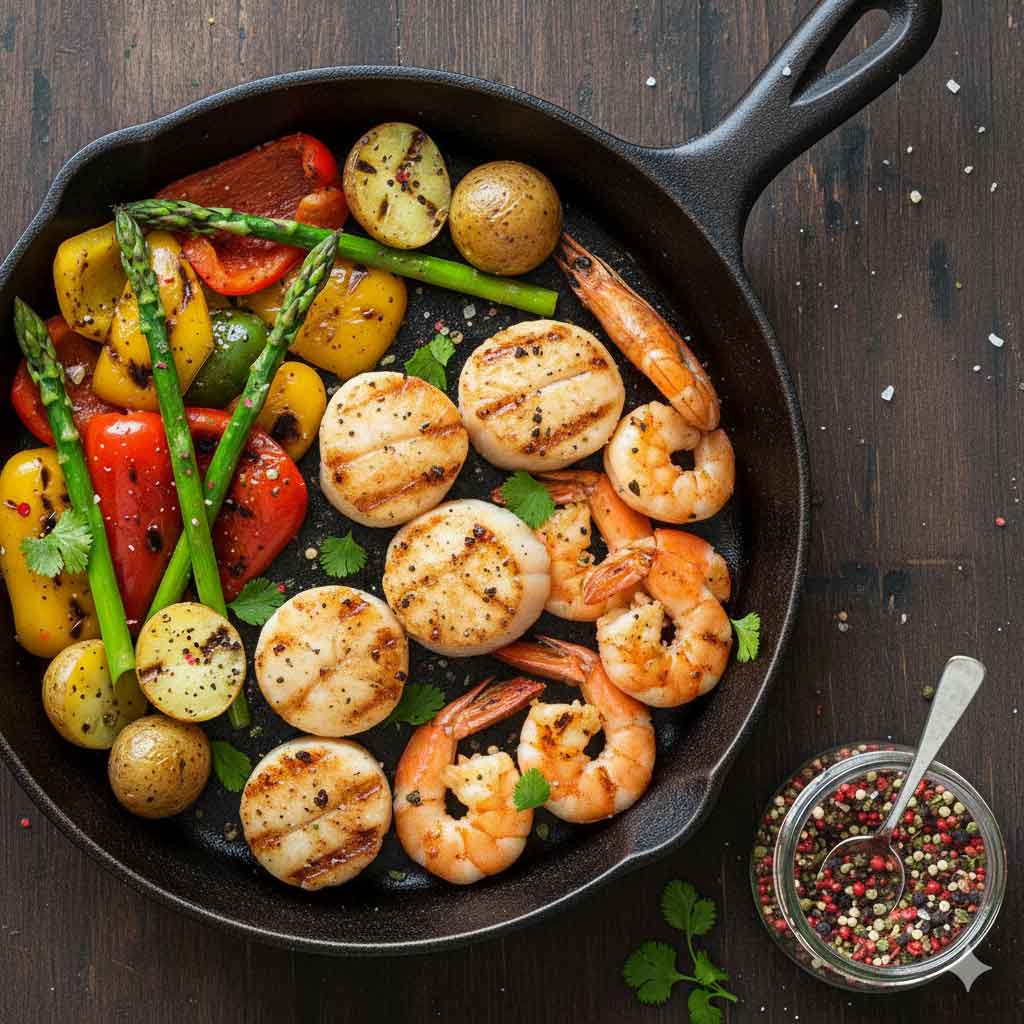
    • Seafood and poultry: The lighter and brighter notes of green and pink peppercorns make this blend a beautiful finishing spice for fish or chicken. Try gently cracking the pepper and sprinkling it on grilled salmon — you’ll taste the freshness and the aromatic depth.
    • Sauces and dressings: When freshly ground, the pepper blend elevates sauces, especially creamy or velvety ones. Allspice adds a subtle sweetness, while the peppercorns layer spiciness in a refined way.
    • Salads and vegetables: Use as a finishing flourish. Just grind a little over roasted veggies or toss into a salad to add a punch of color and a sophisticated peppery note.
    shrimps with 5-pepper blend

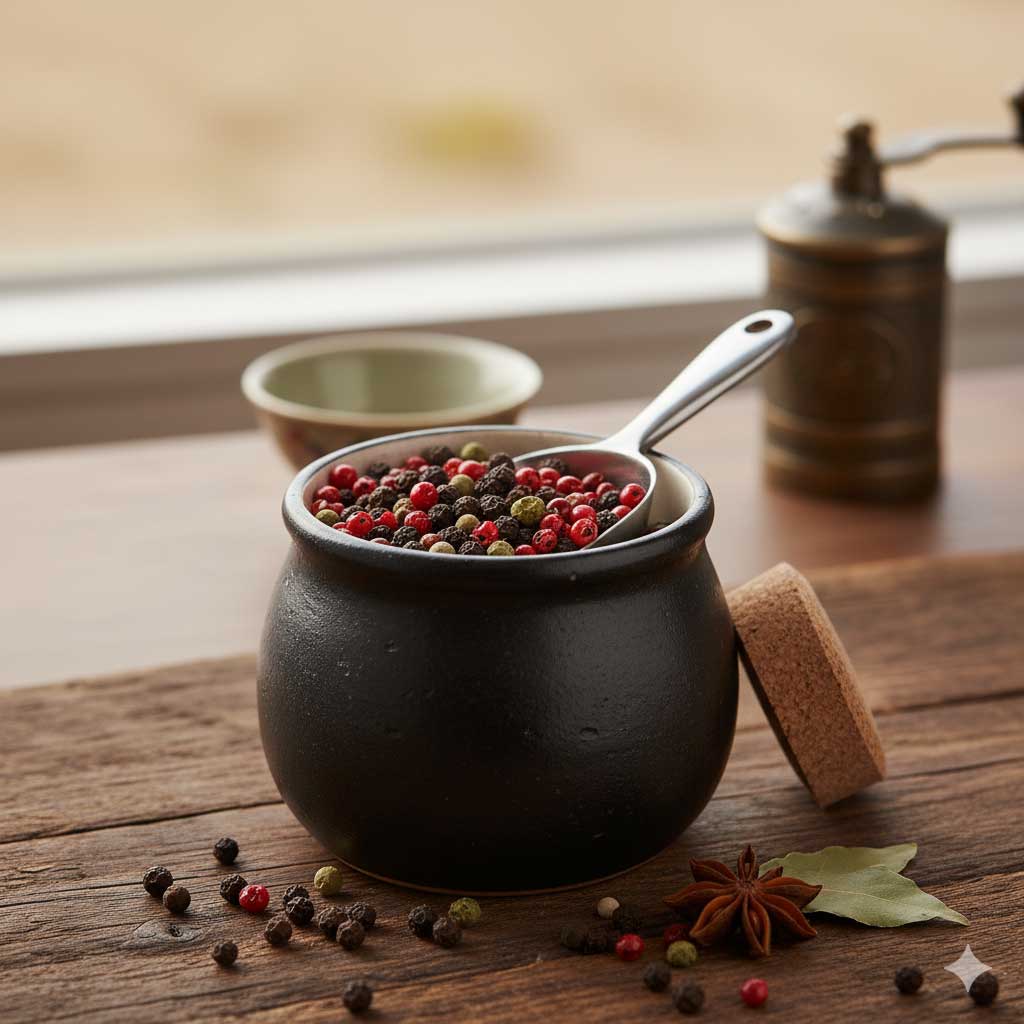
    Cooks often recommend using a transparent pepper mill so you can admire the visual charm of the different peppercorns. And because the flavor of peppercorns is at its peak when freshly ground, it’s best to grind just before serving for maximum aromatic impact. 

    Choosing and storing your 5‑pepper blend

    If you’re shopping for a 5‑pepper blend, look for high-quality, whole peppercorn mixes that contain the five classic components: black, white, green, pink, and allspice. Blends from reputable spice merchants often use premium, ethically sourced peppercorns. 

    Here are a few notable products you might consider:

    • Old India Five Mixed Peppercorns — a classic gourmet blend.
    • Fauchon Mélange 5 Baies — elegant and refined, from a French luxury brand.
    • Fenbrook Five Peppercorn Mix 250 g — generous quantity, great for frequent use.
    5-pepper

    To preserve freshness, store your peppercorn blend in an airtight, opaque container in a cool, dark place. Avoid direct sunlight and moisture — whole peppercorns keep their aromatic compounds best this way. 

    Why the 5‑Pepper Blend Matters: More Than Just a Seasoning

    This blend isn’t just pretty — it’s a symbol of culinary evolution. It reflects centuries of spice trade, the botanical diversity of pepper, and the artistry of layering flavors. When you grind this mix over a dish, you’re not just seasoning your food; you’re connecting with a tradition that spans continents.

    From a health perspective, each type of peppercorn brings its own benefits. Black pepper contains piperine, which can improve nutrient absorption. Allspice, meanwhile, has been used historically for digestive relief. 

    Conclusion

    The 5‑pepper blend is a multi-dimensional treasure: visually stunning, richly aromatic, and deeply rooted in history. Whether you’re finishing a delicate fish, building a robust meat rub, or elevating a salad, this peppercorn medley brings layers of flavor that few single spices can match.

    Don’t stop here — try grinding your own mix, experiment with proportions, and let your culinary imagination run wild. If you give it a spin, I’d love to hear: how do you use your pepper blend? Share your favorite dishes or moments of discovery!

  • The timeless allure of pepper and spices

    https://fr.wikipedia.org/wiki/Pepper

    timeless

    For thousands of years, pepper and spices have shaped the way humans cook, trade, explore, and even wage war. Their timeless aromas have drifted through ancient markets, royal kitchens, and home pantries across the world, transforming simple ingredients into memorable meals. Today, spices remain as essential as ever, anchoring culinary traditions while fueling innovation in modern gastronomy. Among them, pepper stands out as both a universal staple and a symbol of the global spice trade that changed the course of history.

    Pepper: the timeless king of spices

    Black pepper (Piper nigrum) is often called the “king of spices,” and for good reason. Native to the Malabar Coast of India, it was once so valuable that it served as currency and inspired centuries of maritime exploration. The spice is produced from dried peppercorns, which develop their character through fermentation and sun-drying. Their pungency comes from piperine, a compound responsible for the sharp heat that distinguishes pepper from chili.

    While black pepper is the most common variety, it is far from the only one. Green peppercorns are harvested earlier and retain a fresher, milder flavor, while white peppercorns are soaked to remove their outer skin, resulting in a subtler heat that blends well with light-colored sauces. There is also the lesser-known red peppercorn, which is fully ripe and carries a fruity note rarely found in commercial varieties.

    What makes pepper so timeless and indispensable is its versatility. It enhances savory dishes (from steaks to soups) but also appears in unexpected places: fruit salads, chocolate desserts, and even cocktails. A simple twist of freshly cracked pepper can elevate a dish, sharpening flavors and adding complexity. Unlike salt, which primarily heightens what is already there, pepper introduces a new dimension, making it one of the most important tools in any cook’s arsenal.

    The timeless spice routes that shaped the world

    Pepper may be the king, but it ruled alongside an entire kingdom of spices that fueled global trade. Cinnamon from Sri Lanka, nutmeg from the Banda Islands, clove from Indonesia, saffron from Persia, and cardamom from the Western Ghats were once so rare that merchants guarded their origins with secrecy and myth. Medieval Europeans believed cinnamon was fished from the edge of the world and that cloves only grew where phoenixes died.

    The demand for spices linked continents long before modern globalization. The overland Silk Road carried spices from Asia to the Mediterranean, while the Indian Ocean trade network connected East Africa, Arabia, and South Asia. When the Ottoman Empire controlled key routes in the 15th century, European powers sought new maritime paths to Asia, sparking the Age of Exploration. Columbus sailed west in search of India’s spice markets; Vasco da Gama rounded Africa to reach Calicut. These journeys changed maps, economies, and cultures forever.

    Understanding the timeless flavor profiles of spices

    Each spice contributes a unique and timeless combination of aroma, heat, sweetness, bitterness, or floral notes. Cumin, with its earthy warmth, forms the foundation of Middle Eastern and Mexican cooking. Ginger adds citrusy heat and is prized in both sweet and savory applications. Turmeric brings color and an earthy bitterness that defines curries across South Asia. Saffron threads release a honeyed, slightly metallic scent that perfumes rice dishes from Spain to Iran.

    Spices interact with ingredients in complex ways. Some, like cinnamon and cardamom, bloom when gently toasted, releasing volatile oils that deepen their fragrance. Others, like bay leaves or star anise, lend subtle background notes when simmered in stews. Chili peppers bring heat, but each variety tells a different story: smoky ancho, citrusy habanero, grassy green Thai chili.

    The magic of spices lies not only in their individual profiles but in how they blend. Garam masala, za’atar, berbere, ras el hanout, Chinese five-spice: each mixture reflects centuries of experimentation and cultural identity. These blends provide a shortcut to the flavor signature of an entire cuisine.

    Modern uses: from healthy eating to high-end cuisine

    Today, spices are enjoying renewed attention thanks to growing interest in global cooking and natural wellness. Scientific studies highlight their antioxidant and anti-inflammatory properties, while chefs celebrate their capacity to transform ingredients without relying on heavy fats or sugars. Turmeric lattes, spiced cocktails, and chili-infused chocolates are just a few modern creations that bring ancient ingredients into contemporary kitchens.

    Pepper, too, continues to evolve in the hands of modern chefs. Varieties like Tellicherry pepper or Kampot pepper are valued for their nuanced aromas: citrus, smoke, resin, or even floral undertones. Pink peppercorns, technically berries from a South American tree, add a delicate fruity heat to desserts and seafood dishes. This growing appreciation mirrors the movement toward terroir in wine or coffee: pepper is no longer just pepper, but a product of soil, climate, and careful cultivation.

    The cultural significance of spices

    Beyond flavor, spices have deep cultural and symbolic meaning. They appear in religious rituals, traditional medicine, and celebrations. Cinnamon symbolizes abundance and protection; cardamom is offered in hospitality rituals across the Middle East. Many holiday dishes (from gingerbread to mulled wine) derive their warmth and nostalgia from spice blends that carry centuries of tradition.

    In many parts of the world, spice preparation remains a family art. Grandmothers grind masalas by hand, passing down ratios and techniques that define a family’s identity. In these kitchens, spices are not simply ingredients, they are memories, heritage, and connection.

    A world of flavor in every pinch

    Pepper and spices remind us that cooking is both science and poetry. A pinch can transform a dish, brighten a memory, or carry us across continents. Whether you are stirring a pot of curry, baking a spiced cake, or simply grinding pepper over a tomato salad, you participate in a tradition that stretches back to the earliest human civilizations.

    In a world where ingredients travel effortlessly and flavors mix freely, spices remain one of the most vibrant and timeless links between past and present. They invite us to explore, taste, and imagine, one fragrant breath at a time.

    https://frogsaga.com/wp-admin/post.php?post=116&action=edit