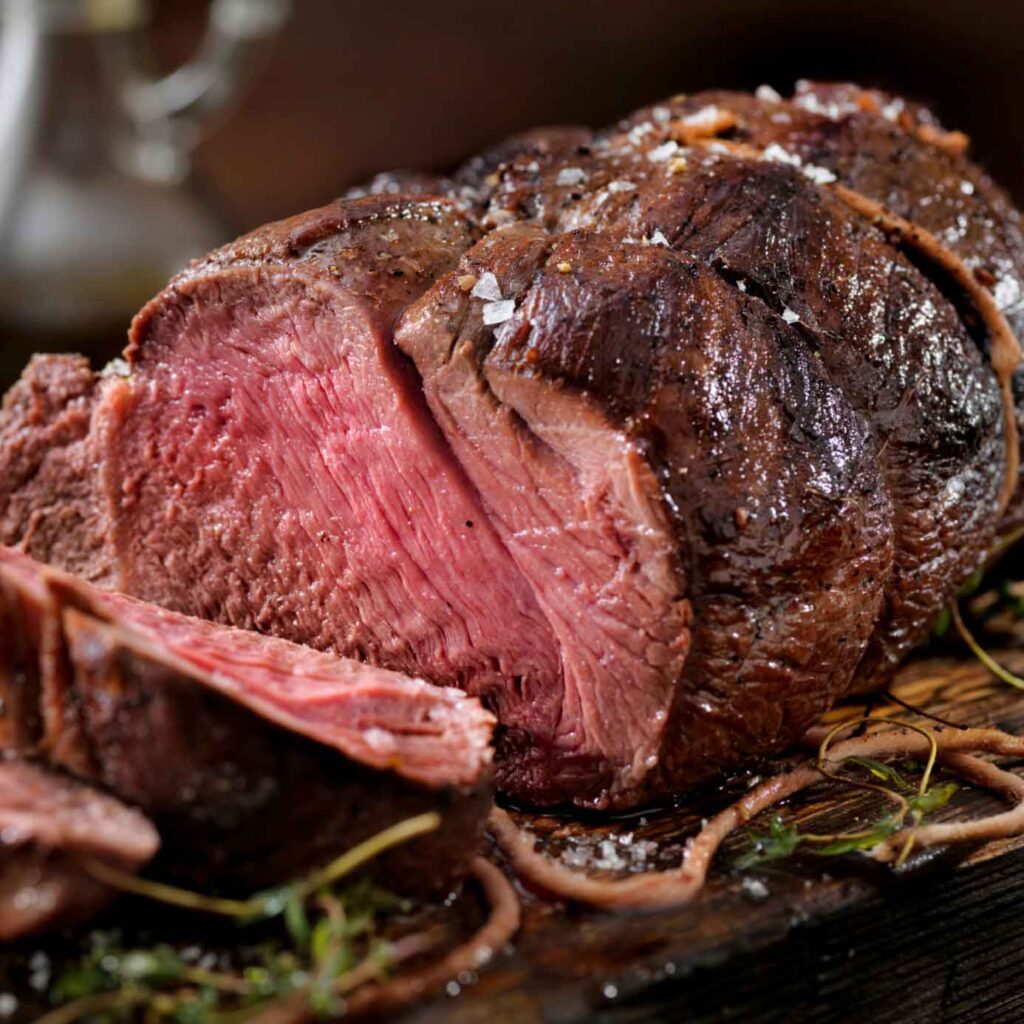
Clove is the scent of depth and memory. It recalls winter markets, old kitchens, and simmering stews that warm both air and conversation. Unlike most spices, it carries a shadow — intense, resinous, slightly bitter — yet, when used with restraint, it adds astonishing complexity. In this recipe, cloves enrich a red‑wine braised beef, slowly cooked with onions, carrots, and parsnips until the meat falls apart and the sauce darkens into velvet.
Ingredients (serves 6)
- 1.5 kg (about 3 lb) beef chuck or brisket, cut into large cubes
- Salt and black pepper
- 3 tablespoons olive oil
- 2 onions, peeled and thickly sliced
- 3 carrots, cut into chunks
- 2 parsnips, cut into chunks
- 3 garlic cloves, smashed
- 3 or 4 whole cloves (no more)
- 2 bay leaves
- 1 teaspoon dried thyme or a sprig of fresh
- 2 tablespoons tomato paste
- 500 ml (2 cups) good red wine
- 300 ml (1¼ cup) beef or vegetable stock
- 1 tablespoon flour (optional, for thickening)
- Fresh parsley to finish
Preparing the Base
Pat the beef dry with paper towels and season generously with salt and pepper. In a heavy pot or Dutch oven, heat olive oil over medium‑high heat. Brown the beef in batches so the pieces sear properly instead of steaming. Every browned surface adds flavor. Remove the meat and set it aside.
In the same pot, add onions, carrots, and parsnips. Sauté for five minutes until they pick up a little color. The onion should soften and release its sweetness. Then add garlic, tomato paste, and the flour if using. Stir for one minute to coat everything. This base — vegetables, oil, and tomato paste — is what anchors the sauce later.
The Depth of Clove
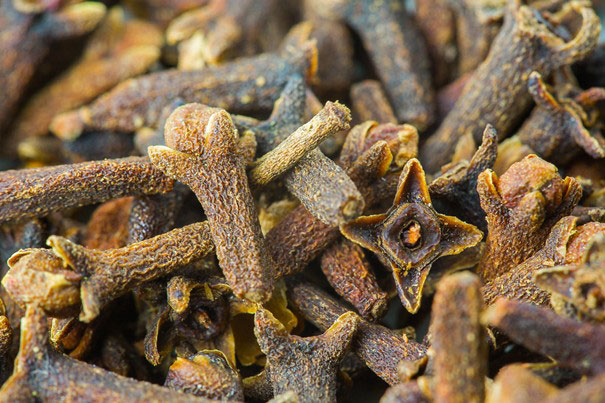
Now add the whole cloves, bay leaves, and thyme. Give them a quick stir in the heat of the pot. Their scent rises immediately — sharp, bright, and woody. This is the moment to breathe it in. Clove can easily dominate a dish, so three or four whole pieces are more than enough for an entire pot. As they simmer, they will infuse the liquid deeply without overwhelming the palate.
Pour in the red wine. As it bubbles, scrape the browned bits from the bottom with a wooden spoon — those dark fragments are pure flavor. Let the wine reduce by about half, which takes five to seven minutes. Then return the beef to the pot and pour in the stock until the meat is just covered.
Bring to a gentle simmer, reduce the heat to low, cover, and let it cook slowly for two and a half to three hours. The goal is a quiet burble — just visible movement at the surface of the liquid. From time to time, stir gently and check the level, adding a splash of water if it thickens too much.
The Transformation
Time does the rest. Over the hours, fibers loosen, marrow melts, and the sauce develops body. The cloves quietly yield their oil into the broth, forming an undercurrent of spice that deepens but never burns. The entire kitchen fills with a perfume that seems to slow everything down.
An hour before the end, taste the sauce. If the clove flavor feels too assertive, remove a piece or two carefully with a spoon. If it’s perfectly balanced — a subtle background hum — leave them. Near the end, check seasoning and add a touch more salt or a splash of wine for brightness.
Serving
When the beef yields to the touch of a spoon, it’s done. The sauce will be thick, glossy, and slightly sweet from the vegetables. Remove the bay leaves and cloves (if you can find them). Skim any excess fat from the surface or leave it for richness.
Serve the stew ladled into deep bowls or over mashed potatoes, buttery polenta, or fresh egg noodles. The best garnish is a scattering of parsley and perhaps a squeeze of lemon to cut through the depth. The result is a balance between darkness and light — the savory meat, the sweetness of roots, the whisper of spice that lingers on the tongue.
Texture and Flavor
Clove defines this dish not by dominance but by restraint. Without it, the stew would be pleasant but plain; with too much, it would taste medicinal. With just enough, it feels alive — like warmth traveling through the chest. The spice reshapes the edges of the meat and wine, rounding bitterness into complexity. Each forkful carries layers: the silkiness of slow‑cooked meat, the earthy sweetness of carrot, the fragrance of thyme drifting behind the clove’s fleeting spark.
Variations
This braise adapts easily. You can replace beef with lamb for richer sweetness, or pork shoulder for softer texture. Red wine can yield to dark beer or cider for a lighter, autumn‑apple twist. Add mushrooms during the last hour for darker umami depth or a handful of prunes for gentle sweetness.
If you want a slightly thicker sauce, uncover the pot for the last 20 minutes so it can reduce naturally. The liquid should cling to a spoon, glossy but not heavy. Leftovers, rested overnight, taste even better — the flavors blend and mellow, the clove’s voice becoming rounder, almost hidden but essential.
The Spirit of the Dish

This recipe isn’t fast food; it’s slow comfort. It suits a Sunday afternoon when the light fades early and there’s time to let something deepen on the stove. Clove gives the meal a sense of ceremony without formality — a reminder of how a small spice can change everything.
There’s pleasure too in the fragrance that stays long after dinner, gentle and familiar. The aroma of cloves doesn’t vanish quickly; it anchors itself in the air, in the memory of warmth. Long after the last plates are dried, that scent lingers like gratitude.
Braised beef with wine and cloves is not just food. It’s a quiet ritual of patience — a dish that asks you to slow down, wait, and let complexity build unnoticed. When the first bite melts on the tongue, it carries all those hours of stillness within it. Clove’s magic is exactly that: silent transformation.

Leave a Reply