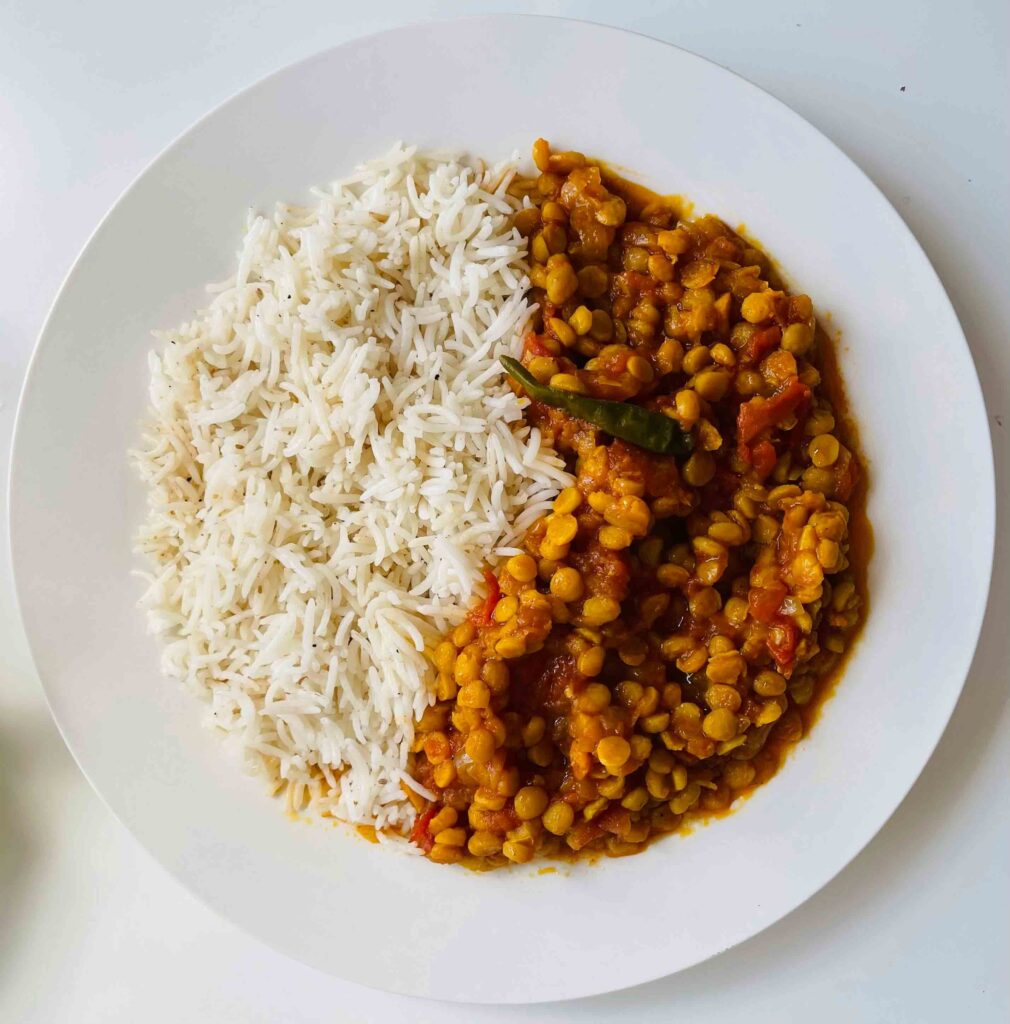
As the days grow shorter and mist begins to settle on the windows, the body naturally craves warmth and comfort. Autumn is the perfect season for slow-cooked dishes, generous in flavor and texture. This chickpea curry is a perfect example — nourishing, easy to prepare, filled with orange and golden tones, and capable of waking the house with the scent of spices and tender vegetables. It celebrates the produce of fall — pumpkin, carrots, sweet onions — and the convivial spirit of vegetarian cooking.
Ingredients
For four to six portions:
- 400 g cooked chickpeas (canned or homemade)
- 400 ml coconut milk
- 2 tablespoons olive or coconut oil
- 1 medium yellow onion
- 2 garlic cloves
- A small piece of fresh ginger (about 2 cm)
- 2 carrots
- 250 g pumpkin or butternut squash
- 1 ripe tomato or 2 tablespoons tomato paste
- 1 tablespoon curry paste (red or yellow, to taste)
- 1 teaspoon ground turmeric
- 1 teaspoon ground cumin
- 1 teaspoon ground coriander
- ½ teaspoon cinnamon
- A pinch of chili or hot paprika (optional)
- Juice of half a lime
- A small bunch of fresh coriander (cilantro)
- Salt and pepper
- Basmati rice or quinoa for serving
Preparing the Chickpeas and Vegetables
If using dried chickpeas, soak them overnight in plenty of cold water, then boil them for about an hour in unsalted water until tender. Otherwise, a good can of chickpeas, rinsed and drained, will do perfectly.
Peel and chop the vegetables: slice the onion finely, cut the carrots into half-rounds, and dice the pumpkin into roughly two-centimeter cubes. The secret to a good curry lies in even cutting — uniform pieces cook evenly. Grate the ginger and mince or crush the garlic.
The Aromatic Base
In a large pot or deep pan, heat the oil over medium heat. Add the onion and let it gently cook for five minutes until it turns golden and slightly sweet. Then add the garlic and ginger. Stir for about thirty seconds — this is when the kitchen begins to fill with fragrance.
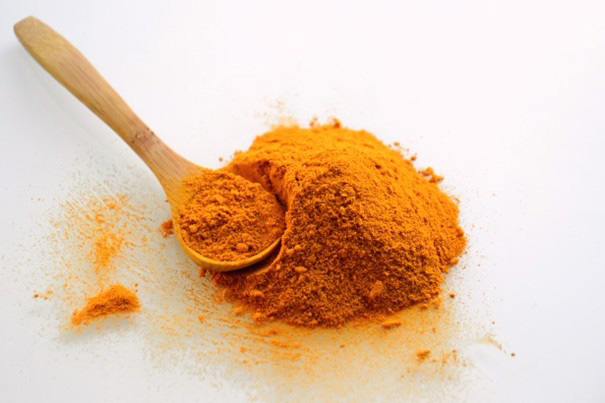
Next, add the dry spices — turmeric, cumin, coriander, cinnamon, and a pinch of chili if you prefer more heat. Allow them to toast briefly to release their natural oils and deepen their aroma. Add the curry paste and stir well to coat the onions.
The Vegetables and the Sauce
Add the carrots and pumpkin pieces. Stir them into the spice mixture for two or three minutes. This slight pre-cooking builds flavor and gives the vegetables a nice color. Pour in the chopped tomato or diluted tomato paste and stir until you have a thick, richly colored base.
Next, pour in the coconut milk and stir until smooth. Season lightly with salt. Bring to a gentle boil, then reduce the heat, cover, and simmer for about twenty minutes on low. The vegetables will soften, and the sauce will thicken naturally. The coconut milk lends a velvety creaminess that contrasts with the chickpeas’ firmer texture.
Adding the Chickpeas
When the vegetables are almost tender, add the drained chickpeas. Stir gently so that they absorb the sauce. Simmer uncovered for about ten more minutes. This allows the flavors to blend and reach the perfect consistency — neither too runny nor too thick.
Taste and adjust seasoning — a little salt, freshly ground pepper, and perhaps a squeeze of lime for brightness. If the curry seems too strong, add a touch more coconut milk to mellow it.
Finishing and Serving
Before serving, scatter the curry with chopped fresh coriander. This simple touch transforms the dish: the fresh herbs bring a burst of green and a hint of citrus that balances the spices. For texture, sprinkle a few toasted pumpkin seeds or add a spoonful of plain yogurt for creaminess.
Serve the curry hot with fragrant basmati rice or nutty quinoa. Flatbreads like naan or chapati make excellent companions. For an extra autumn note, pair it with a lightly spiced apple chutney or a crunchy red cabbage salad.
Variations and Tips
This curry adapts easily to the seasons. Replace pumpkin with sweet potatoes, fresh spinach, or zucchini depending on what’s available. For added protein, toss in cubes of grilled tofu. If you prefer a smoother texture, blend a portion of the curry before mixing in the chickpeas.
You can experiment endlessly with spices. A touch of cardamom gives a wintry note, while a hint of orange zest brightens the dish. Some cooks swap coconut milk for Greek yogurt, which makes a lighter version — just remember to stir it in off the heat to prevent curdling.
The curry keeps well for two or three days in the refrigerator and even improves with time. Reheated gently, it deepens in flavor. It also freezes beautifully, making it ideal for meal prep.
The Spirit of the Dish
Autumn chickpea curry is more than a recipe — it’s an invitation to slow down, cook gently, observe, and savor. In its simplicity, it embodies the generosity of plant-based cooking: colorful, nourishing, comforting. Each spoonful warms body and soul alike, tasting of light, spice, and quiet abundance.


Leave a Reply