Author: Nelle Deseure

  • Cinnamon: A Global Spice and Home Comfort Recipe

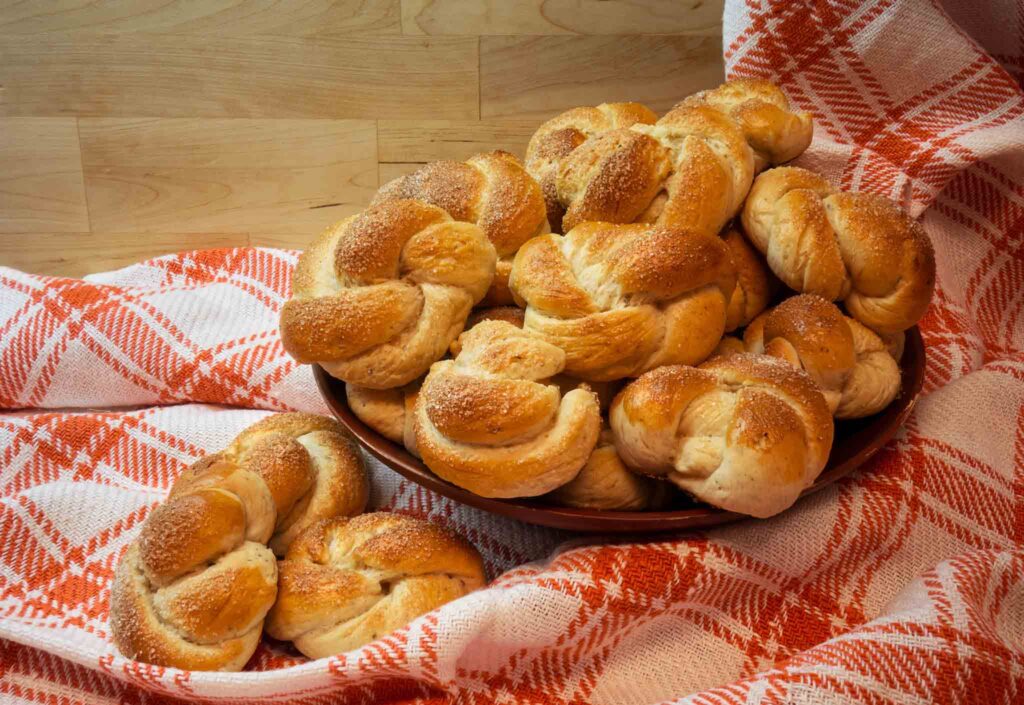
    Close-up of cinnamon rolls on a baking tray.

    Cinnamon is among the world’s oldest and best-loved spices. Its sweet, warming aroma crosses continents and centuries, appearing in desserts, savory stews, medicines, and rituals. This article explores its rich history, its spread across cultures, and presents a beloved spiced treat: cinnamon rolls.

    Origins of Cinnamon

    Its story begins in Sri Lanka, where Cinnamomum verum (Ceylon cinnamon) grows naturally among the island’s lush hillsides. Used in Egypt as early as 2000 BCE for both food and embalming, the spice was soon prized throughout the ancient world. Greeks and Romans associated it with luxury, and Arab traders shrouded its true origins in mystery to protect their lucrative monopoly.

    By the Middle Ages, the spice was a coveted commodity, travelling along the Silk Road and traded through Venetian ports, appearing in aristocratic recipes and prescribed by physicians for its supposed healing powers. Empires and fortunes rose and fell in pursuit of this fragrant bark.

    Botanical Properties and Varieties

    True cinnamon (Cinnamomum verum) is harvested from the inner bark of the Ceylon cinnamon tree, resulting in thin, soft quills with a mild and complex flavor. Cassia cinnamon (Cinnamomum cassia), native to Southeast Asia, is stronger and bolder, often found in supermarkets due to lower cost. Both types are rich in cinnamaldehyde, the compound responsible for the spice’s aroma and medicinal properties.

    Cinnamon in Cultures and Cuisine

    The spice has been adopted worldwide. Indian cooks use cinnamon sticks to flavor rice and curries, while Moroccan and Middle Eastern chefs add it to tagines, pilafs, and stews. In Mexico, it sweetens mole sauces and caldillo, a warming beef stew. American baking is filled with cinnamon classics—pies, cookies, breads—while in Northern Europe it flavors breakfast rolls and festive treats.

    The spice’s symbolic appeal is profound—associated with warmth, hospitality, and abundance. It is also used in beverages such as masala chai in India, gløgg in Scandinavia, and mulled wine across Europe.

    Global Trade and Economic Significance

    For centuries, the spice fueled global trade. Arab traders maintained high prices by keeping sources secret, while European powers battled for control over Sri Lankan cinnamon groves during the Age of Exploration. Today, Indonesia is the largest producer, followed by China, Vietnam, and Sri Lanka. It remains key to local economies and a staple in imports and exports worldwide.

    Cinnamon’s Health and Tradition

    This spice has long been respected for its medicinal properties. Ancient Ayurveda saw it as warming and digestive; medieval doctors prescribed it to ward off plague. Modern research supports its antioxidant and anti-inflammatory potentials, as well as its ability to help regulate blood sugar, cholesterol, and heart health when consumed in moderation.

    Recipe: Classic Cinnamon Rolls

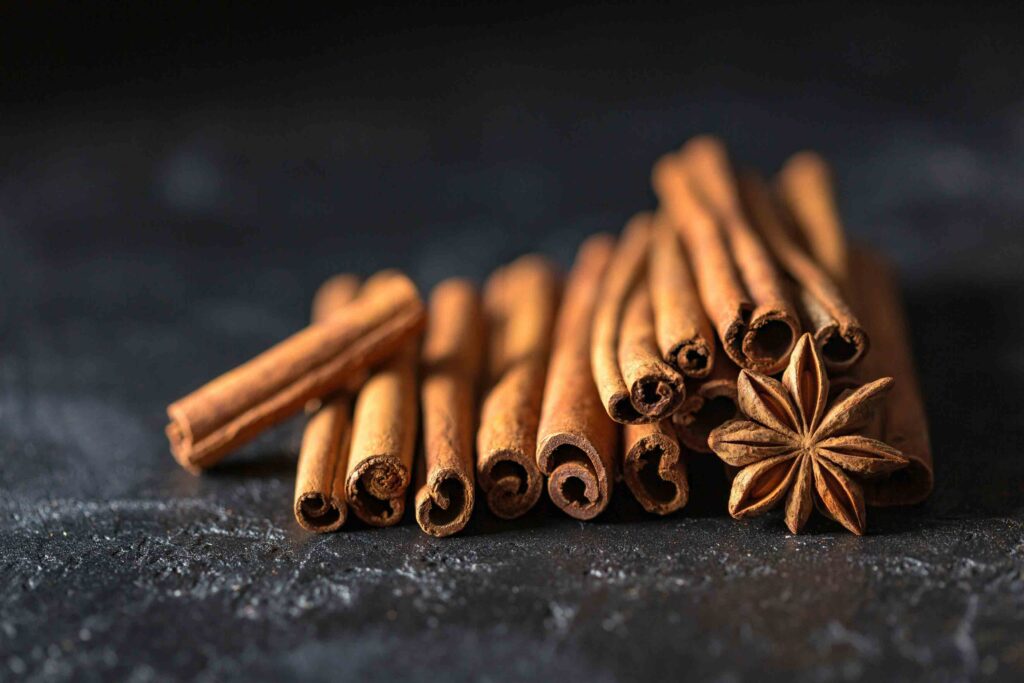
    Aromatic cinnamon sticks used for baking and cooking

    Ingredients

    • 500g all-purpose flour
    • 60g sugar
    • 1 packet instant dry yeast (about 7g)
    • 2 large eggs
    • 240ml warm milk
    • 80g butter (softened)
    • Pinch of salt

    Filling:

    • 80g melted butter
    • 150g brown sugar
    • 2 tablespoons ground cinnamon

    Icing:

    • 100g powdered sugar
    • 2 tablespoons cream cheese or soft butter
    • 2–3 tablespoons milk
    • Splash of vanilla extract

    Instructions

    1. Prepare Dough:
      In a large bowl, combine warm milk, yeast, and sugar. Let stand until foamy—about 5 minutes. Add eggs, soft butter, flour, and salt. Knead by hand or mixer for 10 minutes, until dough is smooth. Cover and let rise in a warm place for 1–2 hours until doubled in size.
    2. Make Filling:
      Mix brown sugar and the spice in a bowl. Set aside melted butter separately.
    3. Assemble Rolls:
      Roll out dough on a lightly floured surface into a rectangle (about 40x25cm). Brush generously with melted butter. Sprinkle cinnamon sugar evenly over top. Starting from the long edge, roll dough tightly, then cut into 10–12 even pieces.
    4. Second Rise:
      Arrange rolls in a greased baking dish. Cover and let rise for another 30–45 minutes.
    5. Bake:
      Bake at 180°C (350°F) for 20–25 minutes, until golden brown.
    6. Prepare Icing:
      Beat icing ingredients until smooth. Spread over warm rolls so it melts and glazes each one.

    Variations and Enhancements

    They can be personalized by adding chopped nuts, raisins, or orange zest to the filling, creating extra sweetness or tang. For a Scandinavian twist, blend cardamom with the spice, or for a healthier version, use wholewheat flour. Cinnamon is also used to make babka, rugelach, and churros, extending its influence across global pastries.

    Serving Suggestions

    Serve cinnamon rolls warm for breakfast, brunch, or dessert. Pair them with coffee, tea, or a glass of spiced milk for extra comfort. For festive occasions, garnish with extra cinnamon or icing sugar for a decorative finish.

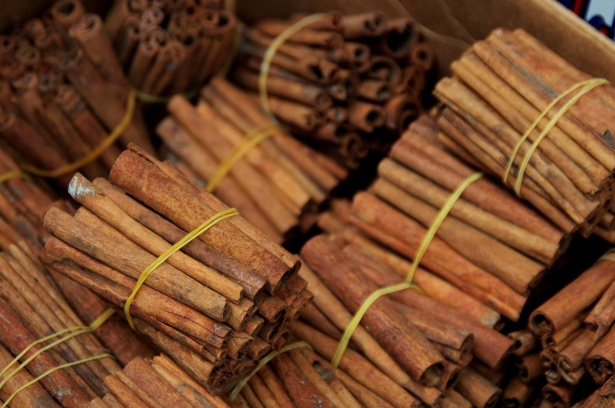
    Blocks of cinnamon sticks.


    Cinnamon’s Enduring Appeal

    From ancient Sri Lankan forests to today’s home kitchens, cinnamon’s journey is a testament to its adaptability and appeal. It continues to shape food memories, providing warmth, sweetness, and spice to recipes old and new. The spice’s role in rituals, trade, and everyday cuisine connects cultures and brings comfort. Whether baked into rolls or simmered in rich stews, cinnamon’s story offers history and home comfort in every fragrant bite.

    Its popularity endures for practical and emotional reasons. As food cultures evolve, people rediscover age-old spices, reinforcing their value in contemporary gastronomy and preserving stories from the past.

  • Curry: A Journey Through History, Flavor, and Culture

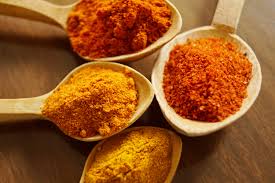
    Curry powder in wooden spoons.

    Few culinary phenomena are as globally recognized yet as misunderstood as curry powder. Behind this single word lies a complex mosaic of spice blends, regional recipes, and centuries of cross-cultural encounters. From ancient kitchens in South Asia to tables in Europe, Japan, the Caribbean, and beyond, the spice’s evolution mirrors the story of human migration, trade, and adaptation.


    Origins and Etymology

    The word “curry” derives from the Tamil word “kari,” meaning sauce or spiced dish, emerging in South India long before European colonization. The earliest archaeological traces of the spice come from the Indus Valley Civilization, dating back to around 2500 BCE, where residues of turmeric and ginger were found in ancient pottery. These findings reveal that South Asian communities were blending spices to make flavorful stews more than four thousand years ago.

    In India, the concept of curry powder is not bound to a single recipe. Instead, it refers broadly to a category of dishes featuring a richly spiced sauce or gravy, traditionally called “masala.” Each region, and sometimes even each household, developed its own distinct blend of spices, reflecting local tastes, religious traditions, and available ingredients.

    Global Expansion and the Spice Trade

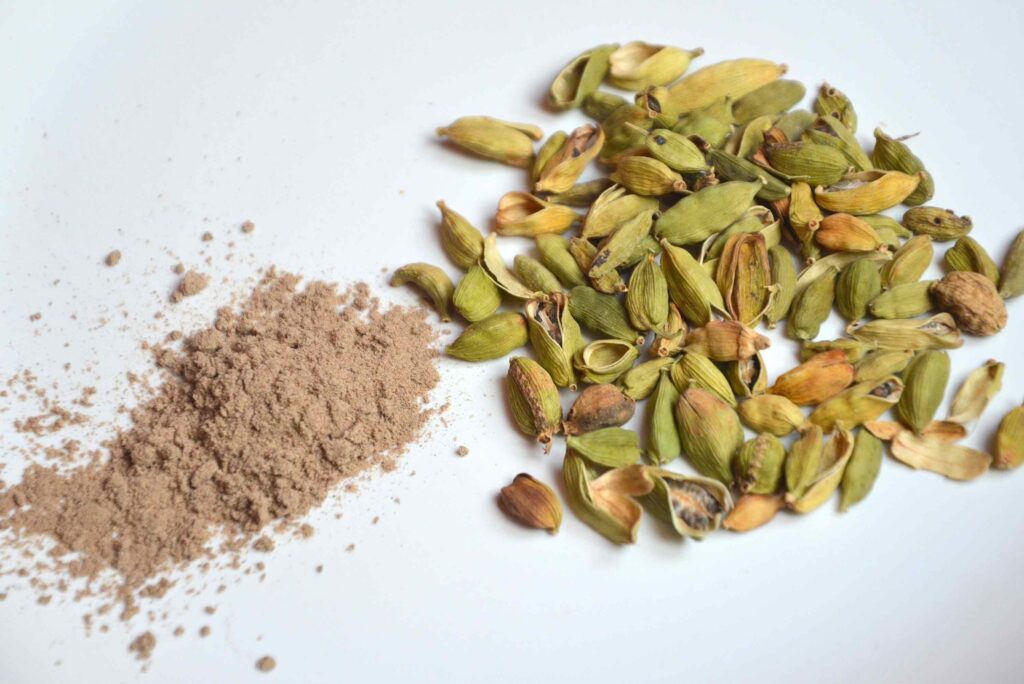
    Curry powder’s journey from South Asia to the rest of the world began with the movement of goods and people along ancient spice trade routes. By 500 BCE, Arab and Persian merchants were spreading the knowledge of spices across Asia and Africa. These trade networks not only carried black pepper, turmeric, cardamom, and cinnamon to foreign markets, but also the techniques for using them.

    A turning point came with the arrival of European colonizers—particularly the Portuguese in the late 15th century—who brought new ingredients such as chili peppers, which rapidly transformed Indian cuisine and, by extension, the flavor profile of curries. The Dutch, French, and British continued this legacy in subsequent centuries, fostering the fusion of local and imported flavors and accelerating curry’s migration.

    The British and the Invention of Curry Powder

    Although curry’s roots are ancient and unmistakably Indian, its global fame owes much to colonial history. British colonization of India in the 18th and 19th centuries radically changed the West’s relationship to spices and curry. The British adapted existing Indian stews and masalas to create versions that fit their palate, leading to the invention of “curry powder”—a standardized blend designed for export and convenience. The first commercial curry powder appeared in London in the 1780s, and recipes for “currey” entered English cookbooks shortly thereafter.

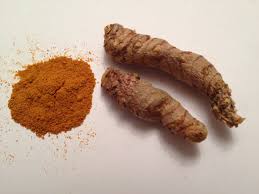
    Whole turmeric root, with curry powder.

    Contrary to the popular myth, the British did not invent curry; rather, they acted as agents of adaptation, introducing it to Europe, the Caribbean, and Africa through migration, trade, and imperial cuisine.

    Regional Variations and Evolution

    Today, the world is home to an astonishing diversity of curries, each defined by local ingredients and preferences:

    • India: Home to hundreds of curries, from the rich, tomato-based chicken tikka masala of the north to the fiery vindaloo of Goa or the coconut-laced curries of Kerala. No two regions, or even families, produce exactly the same blend.
    • Thailand: Thai curries, such as red, green, and yellow curry, often use fresh herbs, galangal, lemongrass, and coconut milk. They evolved independently but were influenced by South Asian spice traditions.
    • Japan: Curry (kare) arrived in the 19th century, introduced by the British navy. Japanese curry is thicker, milder, and often sweet, served over rice with pickled vegetables.
    • Caribbean: Brought by Indian indentured laborers after slavery’s abolition, Caribbean curries fuse Indian spice blends with local ingredients such as Scotch bonnet peppers and allspice.
    • Britain: “Curry houses” became a staple of British urban life after World War II, run by Bengali immigrants who adapted dishes to local tastes. Chicken tikka masala, sometimes considered the UK’s “national dish,” is a product of these cultural exchanges.


    Key Ingredients and Cultural Significance

    At the heart of nearly every curry is a blend of spices, both ground and whole. Turmeric—responsible for the classic yellow hue—has been used in curry for over 4,500 years, while cumin, coriander, fenugreek, ginger, garlic, and chili peppers each bring unique notes and origins.

    The culture of curry is as varied as its recipes. In India and beyond, curries are associated with community meals, religious observances, festive celebrations, and everyday comfort. The migration and adaptation of curry tell the story of colonialism, diaspora, resilience, and creativity.

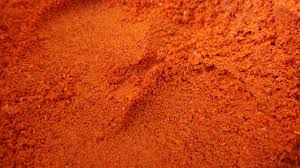
    Close-up of curry powder.


    Debunking Myths: “Curry” Isn’t Just One Thing

    Western perceptions sometimes flatten curry into a single, uniform powder or sauce. In reality, “curry” is less a recipe and more a concept—rooted in regionally-specific spice usage, cooking methods, and cultural rituals. There is no singular “original” curry; the dish is fluid, adaptable, and constantly reinvented by those who cook and enjoy it.

    Curry’s Place in the Modern World

    Today, curry is a global culinary icon. It symbolizes the interconnected histories of trade, migration, and innovation. Whether cooked at home from scratch, purchased as a supermarket powder, or enjoyed in a restaurant thousands of miles from its origins, curry connects people to history and each other—in every bite.

  • Garlic: From Ancient Origins to Global Culture

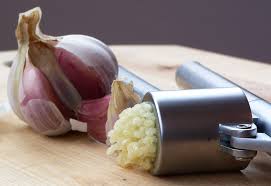
    Clove of garlic with minced garlic.

    Garlic, scientifically known as Allium sativum, is one of the world’s oldest cultivated plants, imbuing cuisines and health practices across civilizations with its distinctive flavor and therapeutic benefits. Though modest in appearance, the humble garlic bulb hides a rich history, stretching back millennia and touching almost every continent.

    Origins and Ancient History

    The earliest known origin of the spice traces back to Central Asia, particularly the steppes of Kazakhstan and Uzbekistan. From there, it gradually spread across Asia to China and later, the Mediterranean basin. Archaeological findings have unearthed clay bulbs resembling the spice dated from around 3,750 BCE in Mesopotamia, while more concrete evidence comes from Egypt, where whole garlic bulbs were discovered in the tomb of Tutankhamun, signifying its esteem among ancient people.

    It was more than just food for the Egyptians; it was an integral part of their daily life and beliefs. Pharaohs valued garlic for its medicinal properties, and laborers constructing the pyramids consumed it to boost strength and resist disease. The historian Herodotus recorded complaints from workers when garlic rations were withheld, leading to one of history’s earliest recorded worker strikes.

    In Asia, garlic’s presence was documented in China as early as 2,000 BCE, where it became central to both cuisine and medicine. The spread of garlic into India parallels its dissemination across the ancient world, reflecting an intertwined legacy of food and healing practices.

    Arrival in Europe and the Mediterranean

    Garlic’s rise in the Mediterranean narrative is just as compelling. Ancient Greeks and Romans revered garlic for its fortifying properties. Olympic athletes in Greece ate garlic before competitions, believing it enhanced endurance and strength. Roman soldiers carried garlic on campaigns, and farmers consumed it for its supposed ability to boost physical labor. Virgil’s writings even emphasize garlic as essential for rural workers in the Mediterranean.

    With cultural exchanges and expansion of the Roman Empire, garlic arrived in Italy, France, Spain, and England. It became entrenched in European culinary and gardening practices, with medieval monasteries cultivating garlic for both food and medicine. The Renaissance further advanced garlic’s status, as scholars in botanical gardens explored and catalogued its diverse utilities.

    The Vikings also favored garlic, taking it on sea voyages for sustenance and protection against disease. During the Crusades, returning knights introduced new uses of garlic from the Middle East, enriching European gastronomic traditions.

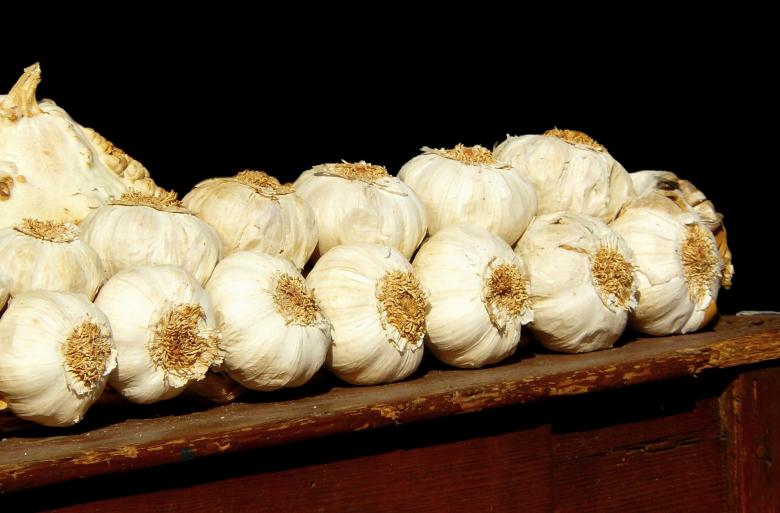
    Braided garlic on wood.


    Garlic’s Expansion to the Americas

    Despite its fame in Eurasia and Africa, garlic’s journey to the Americas was relatively recent. Historical records suggest that Christopher Columbus brought garlic to the Caribbean, from where it slowly spread throughout the continent. In North America, its use remained marginal for centuries, primarily because of cultural prejudices and puritanical influences, except in regions like Louisiana where French culinary traditions prevailed.

    Botanical Traits and Varieties

    Garlic belongs to the Liliaceae family, making it a relative of onions, leeks, and shallots. The garlic bulb consists of multiple cloves, noted for their pungent aroma and flavor. There are hundreds of garlic varieties worldwide, distinguished by color, size, and taste—from the richly flavored purple garlic of Provence to the milder white garlic of China.

    The plant’s adaptability facilitated its spread—garlic grows in both temperate and warm climates, thriving in diverse soils and conditions. Such resilience has contributed greatly to its global accessibility.


    Culinary Uses and Evolution

    Globally, garlic is cherished as a culinary powerhouse, its flavor central to cuisines ranging from Italian and French to Chinese and Indian. In Mediterranean countries, garlic is the backbone of dishes like aioli, pesto, and tzatziki, as well as countless stews, soups, and sauces. Asia harnesses garlic in stir-fries, curries, and pickles, while Middle Eastern and North African cuisines feature it in mezze, marinades, and tagines.

    Modern chefs have elevated garlic from a staple to an ingredient of sophistication, exploring roasting, confit, and fermentation. Beyond its savory applications, garlic has even found its way into breads and sweet-savory confections, illustrating its versatility.


    Medicinal Properties and Traditional Medicine

    From ancient days through modern science, garlic has been celebrated for its health benefits. Ancient physicians from Hippocrates in Greece to Ayurveda practitioners in India prescribed garlic for a spectrum of ailments: digestive disorders, infections, respiratory problems, and heart disease. It was believed to possess anti-bacterial, anti-viral, and anti-fungal properties, and was used both raw and cooked for various cures.

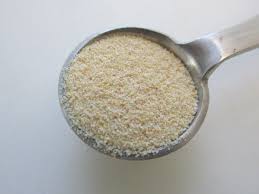
    Garlic powder in metal spoon.

    Scientific studies have validated many traditional claims. Garlic contains compounds such as allicin, which exhibits antioxidant and antimicrobial effects. Regular consumption has been linked to lowered cholesterol, improved blood pressure, and immune support. Ayurvedic medicine still prizes garlic as an “elixir of immortality,” using it both for culinary and medicinal preparations.

    Garlic in Culture and Symbolism

    Garlic is woven not only into meals but into cultural beliefs and legends. In antiquity, Greeks and Romans considered it a ward against evil spirits. Medieval Europeans hung garlic at doors and windows as protection against witches and vampires—a belief immortalized in countless folktales and literature. In Asia, garlic’s aromatic strength was considered a shield against bad luck and illness, cementing its role in festivals and rituals.

    Modern Production and Global Impact

    Today, garlic is cultivated across the globe, with China, India, Egypt, and South Korea ranking as the largest producers. Garlic farming sustains regional economies and supports both subsistence and industrial agriculture. The plant’s ease of cultivation and resistance to pests render it a reliable crop for growers worldwide.

    Global demand continues to rise, fueled by shifting culinary trends, health awareness, and the enduring allure of garlic’s history. Farmers, chefs, and home cooks alike celebrate garlic’s irreplaceable spot in the kitchen and beyond.


    Conclusion

    Garlic’s story is one of enduring adaptation, transcending borders, epochs, and cultures. From the windswept Central Asian steppes to bustling urban markets, garlic connects generations through recipes, remedies, and rituals. Its journey from an ancient healing bulb to a pillar of modern cuisine embodies humanity’s fascination with flavor, resilience, and wellbeing. As new research reveals even more benefits and applications, garlic remains, as ever, the quiet star of kitchens and cultures around the world

  • Salt: A Universal Mineral Shaping History and Culture

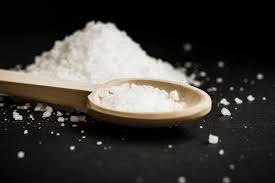
    Pile of salt next to wooden spoon full of salt.

    Salt, chemically known as sodium chloride (NaCl), is far more than a common kitchen seasoning. Its presence spans the story of human civilization, functioning as a vital preservative, a marker of wealth, a political tool, and a catalyst for technological and industrial revolutions. From prehistoric harvests to modern industry, its journey is an epic tale that continues to season our lives.

    Geological Origins and Early Extraction

    Its origins reach deep into geological time. Millions of years ago, vast, shallow seas and subsurface watercourses evaporated, leaving behind thick deposits of crystallized sodium chloride, called evaporites. Today, these mineral beds are mined for rock salt, also known as halite.

    The earliest humans gathered the spice from natural outcrops, saline springs, and evaporated ponds. Archaeological evidence indicates that it was being collected and refined as far back as 6,000 BCE in places like the Yuncheng Salt Lake in Shanxi, China, and the salt workshops of Solnitsata in ancient Bulgaria, which may represent Europe’s first known urban center, due in part to its lucrative salt industry.

    Ancient Methods and Cultural Significance

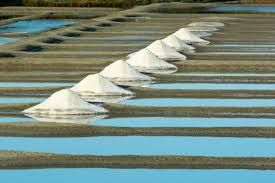
    Throughout antiquity, methods for obtaining the spice adapted to local resources. In regions lacking access to saline water, prehistoric societies harvested it by burning halophilic plants and dissolving the ashes, yielding a crude but precious source of sodium. Coastal and lake-dwelling civilizations perfected the use of evaporation ponds—marshes where seawater or brine was concentrated by sun and wind, forming the crystals that still grace many artisanal tables today. These techniques, developed in the Neolithic and improved by the Romans, are preserved in places like Guérande, France.

    Its value extended far beyond the kitchen. The Egyptians harnessed it not only to preserve food but also in the mummification process, believing its purity and preservative power aided the passage into eternity. The spice played a critical role in rituals, medicine, and food conservation for the Greeks and Romans as well. The Latin word “salarium,” the root of the English “salary,” evokes a time when Roman soldiers were partly paid in salt—a testament to its immense worth.

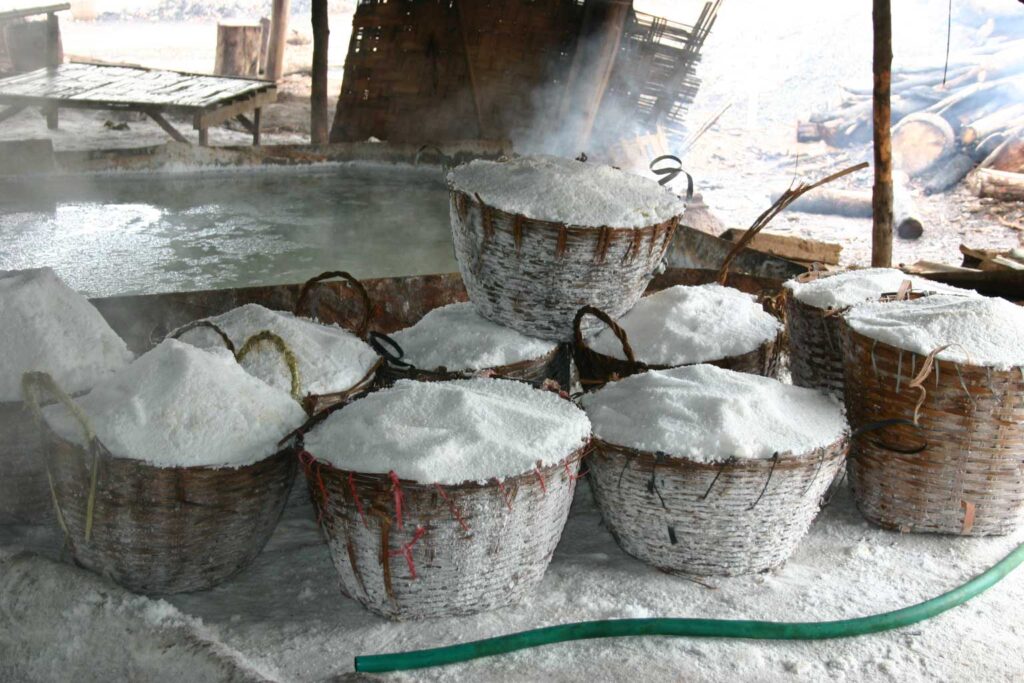
    White salt piles drying on sand after traditional salt harvesting.

    Trade, Wealth, and Control

    The spice quickly became a foundation for complex trade networks, serving as both a currency and a strategic commodity. “Salt roads” crisscrossed Europe, Africa, and Asia, channeling precious loads from production centers to far-off markets. Cities such as Rome owe their early growth to control of salt ponds and trade routes. Disputes over salt access shaped politics and warfare, while tolls and taxes—chief among them the French “gabelle”—filled royal coffers and spurred smuggling and rebellion in early modern Europe.

    This preciousness was not limited to Europe. In West Africa, it was exchanged for gold on equal terms, and in China, imperial monopolies on its distribution helped maintain dynastic power for centuries. In the Americas, native peoples and later industrial societies continued to draw natural brine for its production, underscoring its universal necessity.

    Technical Evolution: From Antiquity to Industry

    Over the centuries, new extraction techniques transformed the spice from rare luxury to accessible staple. In ancient times, it was extracted from underground mines—such as those at Duzdagi, Azerbaijan, and in Central Europe—by carving and crushing solid halite. By the Iron Age, as brine heating and baking in ceramic or metal vessels advanced, so too did the capacity to support larger populations and more sophisticated economies.

    Technological progress in the 19th century, such as the Solvay process for synthesizing sodium carbonate from salt and chalk, shifted salt from an artisanal to an industrial commodity, foundational to glassmaking, chemical manufacturing, and other sectors far beyond the kitchen.

    Social and Economic Roles

    Its social impact has been staggering. It formed the economic basis of many pre-modern societies, while its scarcity determined the location of settlements and the fates of empires. The phrase “worth one’s salt” speaks to an ancient reality, and disputes over salt taxes—such as France’s infamous gabelle—ignited rebellion and illicit trade. In West Africa, camel caravans traversed the Sahara in search of the spice, their trails shaping continental migration and commerce.

    Salt in Food and Ritual

    Well before refrigeration, the spice offered humanity the key to food preservation, supporting the development of settled societies. Salting fish, meat, and vegetables allowed for survival through lean seasons and long journeys. These traditions persist in countless cuisines, from prosciutto and sauerkraut to pickles and salted fish.

    Traditional woven salt bags filled with white salt.

    It has held symbolic significance as well—as a sign of hospitality, purity, and loyalty in both Eastern and Western rituals. It has been scattered to protect crops, ensure safe journeys, and seal covenants.

    Modern Uses and Production

    Today, salt is both ubiquitous and inexpensive, but remains critical. Approximately 300 million tonnes are produced annually, feeding not only human and animal diets but also supplying raw material to the chemical, pharmaceutical, de-icing, water treatment, and agricultural industries.

    Contemporary production involves three primary methods:

    • Solar evaporation from sea or lake water (favored in warm climates).
    • Mining of solid rock salt from ancient deposits.
    • Solution mining, where water dissolves underground salt beds, producing brine that is then evaporated.

    The salt marshes of Guérande, the mines of Wieliczka in Poland, and the vast salt flats of Bolivia remain enduring symbols of an ancient craft.

    Conclusion

    Across continents and centuries, salt’s history is laced with human endeavor, ingenuity, struggle, and ceremony. Its ability to preserve, flavor, and symbolize has made it indispensable—not only at the table but at the foundation of culture and commerce. Today, while its abundance may obscure its past, the legacy of salt remains etched in language, law, cuisine, and memory—a mineral that shaped the world and, in many ways, continues to do so.