Author: Jeanne Lambert

  • Cumin: the millennia-long and ancient journey of a timeless spice

    https://simple.wikipedia.org/wiki/Cumin

    cumin

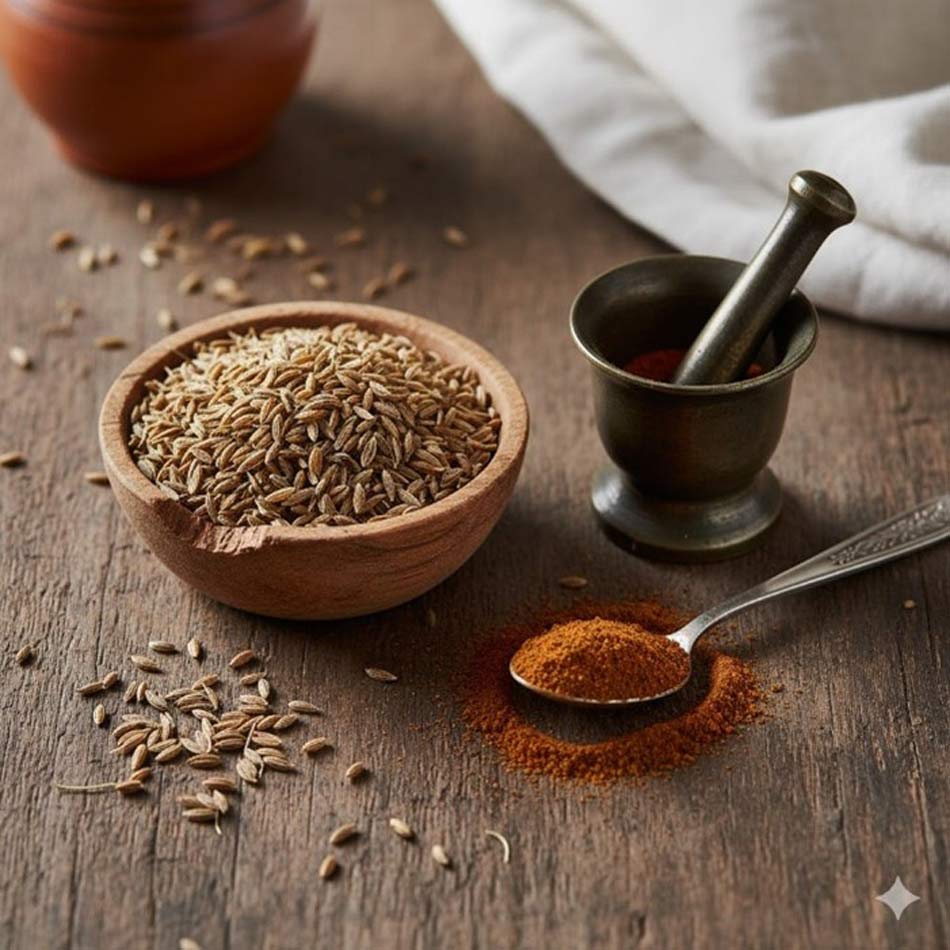
    Among the spices that have shaped human history, cumin stands out as one of the most ancient and culturally significant. Small in size yet powerful in aroma, it has seasoned the dishes of emperors, preserved the dead, traveled across continents, and inspired beliefs and rituals. Its warm, earthy fragrance has accompanied humanity for over four thousand years.
    To explore the origins of this spice is to retrace the evolution of civilizations, from the earliest agricultural societies of the Near East to the vibrant culinary traditions of India, North Africa, and beyond.

    Origins: born in the fertile crescent

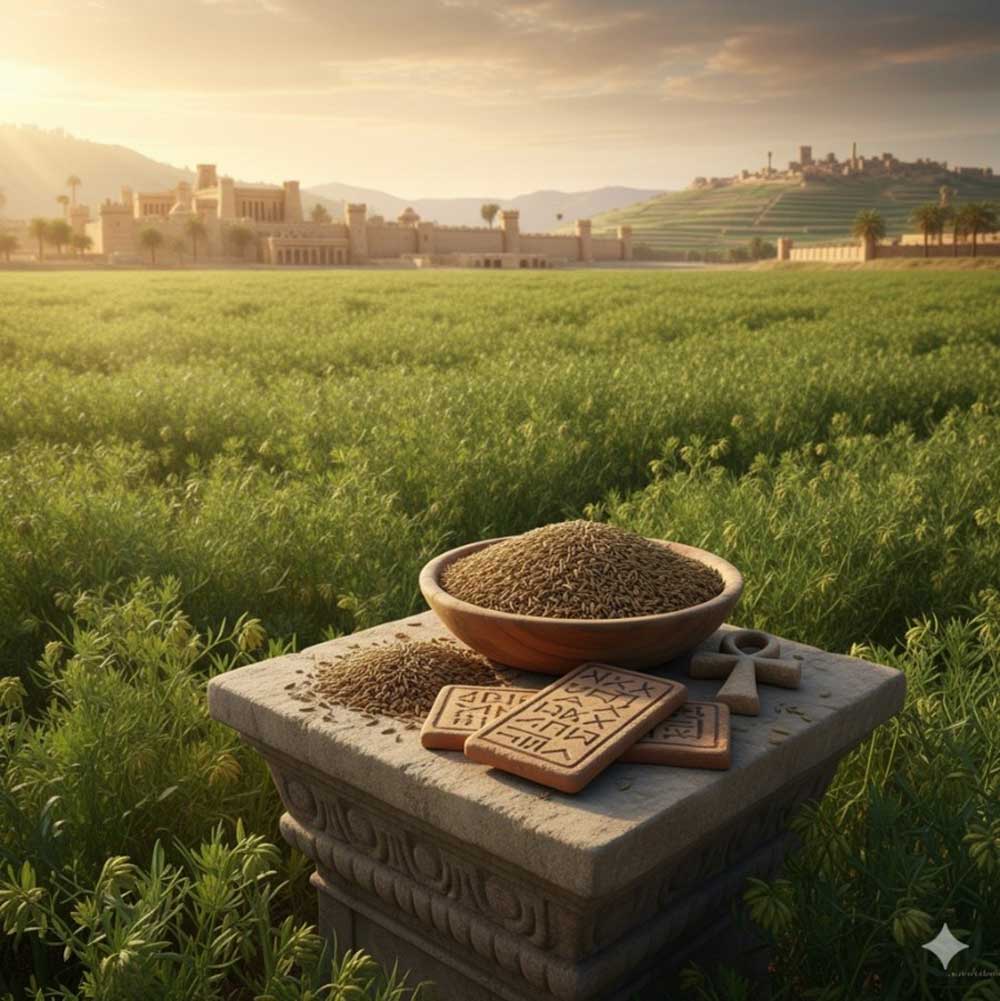
    Cuminum cyminum, the plant from which cumin seeds are harvested, traces its roots back to the Fertile Crescent, the cradle of agriculture and early human settlement. Archaeological findings indicate that cumin was cultivated as early as 4000–3500 BCE, particularly in regions corresponding to modern-day Syria, Turkey, and Iran. This makes cumin one of the oldest known aromatic plants domesticated by humans.

    Thriving in hot, dry climates and capable of growing in poor soils, it became a reliable and valued crop in early farming societies. Its distinctive warm, slightly bitter aroma quickly made it useful not only in cooking but also in medicine and spiritual practices.

    Cumin in ancient civilizations

    Egypt: a spice for the living and the dead

    In ancient Egypt, cumin enjoyed remarkable prestige. Seeds have been found in the tombs of pharaohs, attesting to its value and symbolic importance. The spice also played a practical role in mummification, thanks to its preservative and antiseptic properties.

    In daily life, Egyptians used cumin to season vegetables, fish, and bread. It was also incorporated into herbal remedies, especially for digestive issues.

    Mesopotamia: a versatile ingredient

    In Mesopotamia, this spice appears in some of the world’s earliest written recipes. Clay tablets from Sumer and Babylon list it among the ingredients used to flavor broths, stews, and complex dishes. Beyond cooking, it was used in medicinal ointments, perfumes, and rituals, reflecting its strong cultural and symbolic significance.

    Greece and Rome: between medicine and gastronomy

    The Greeks embraced cumin both as a seasoning and as a medicinal plant. Hippocrates, often called the father of medicine, mentioned it in his treatments for respiratory congestion and digestive discomfort.

    The Romans, enthusiastic adopters of bold flavors, soon incorporated it into their cuisine. Bowls of cumin were placed directly on dining tables, much like salt or pepper today. It helped flavor meats, sauces, and baked dishes.

    A traveling spice: spread through trade routes

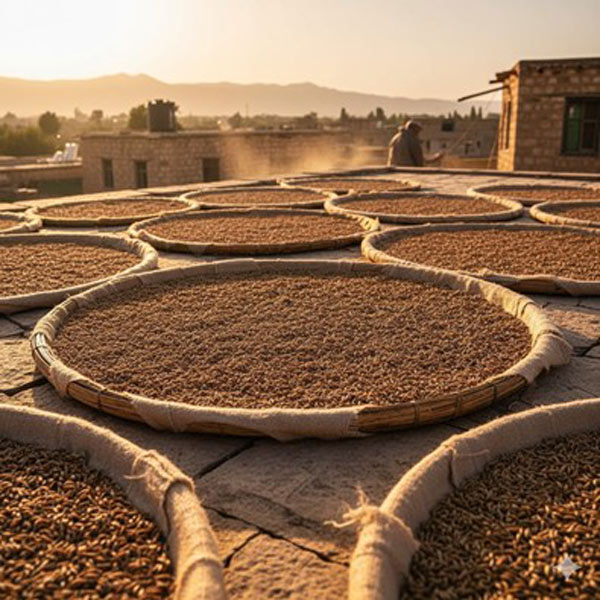
    As empires expanded and global trade networks developed, cumin travelled far beyond its birthplace. Caravans moving across the Middle East, merchants navigating the Mediterranean, and Arab traders connecting Africa, Europe, and Asia all contributed to the spice’s diffusion.

    This spice also journeyed along the legendary Silk Road, reaching Central Asia and the Indian subcontinent. By the Middle Ages, it had become one of Europe’s most commonly traded spices, valued for both flavor and medicinal virtues.

    Cumin’s deep roots in india and the middle east

    India: a cornerstone of culinary identity

    In India, this spice (known as jeera) quickly became an essential component of daily cooking. Today, it is one of the foundational spices in masalas, curries, lentil dishes, and tadka, the infused oil used to season countless preparations.

    Often dry-roasted to intensify its aroma, cumin is used whole, ground, or tempered in hot oil.
    In Ayurvedic medicine, it is praised for aiding digestion, purifying the body, and balancing internal energies. India is now both the world’s leading producer and consumer of cumin.

    Middle east and north africa: a signature aroma

    In the Middle East, this spice plays a central role in iconic spice blends such as baharat, za’atar, and hawaij. Its warmth and earthy depth enhance grilled meats, hearty stews, legumes, and flatbreads.

    Across North Africa, particularly in Morocco and Tunisia, this spice is indispensable in tagines, couscous, and harissa. Its aroma has become inseparable from the region’s culinary identity.

    Symbolism, beliefs, and folk traditions

    Throughout history, this spice has been more than just a kitchen staple. It has inspired myths, rituals, and symbolic uses across cultures.

    • In ancient Greece, cumin was believed to protect against the evil eye.
    • In medieval Europe, it symbolized loyalty and fidelity; some people carried cumin seeds to ensure a lover’s devotion.
    • It was also sprinkled around homes and stables to ward off thieves or wandering spirits.

    These traditions show how deeply cumin became woven into daily and spiritual life.

    ancient

    Cumin today: a global essential

    Today, this spice is a global spice found in kitchens from Mexico to Morocco, from India to the Middle East. It flavors tacos, curries, soups, marinades, spice blends, and even certain breads and pastries.

    Modern scientific research has validated several of its traditional uses. Cumin contains compounds with antioxidant, anti-inflammatory, and digestive benefits, and is used in natural remedies and herbal infusions.

    Major producers today include India, Syria, Turkey, Iran, and Egypt, continuing a cultivation tradition that dates back thousands of years.

    Conclusion: an ancient spice with a living legacy

    The story of cumin mirrors the story of human civilization itself. Born in the sun-scorched lands of the Near East, cherished by Egyptians, Greeks, and Romans, embedded in the culinary foundations of India and the Middle East, and celebrated worldwide today—cumin is a testament to cultural exchange and human ingenuity.

    Its aroma carries history.
    Its flavor spans continents.
    And its legacy continues to thrive across tables and traditions around the world.

    https://frogsaga.com/wp-admin/post.php?post=757&action=edit

  • The timeless allure of pepper and spices

    https://fr.wikipedia.org/wiki/Pepper

    timeless

    For thousands of years, pepper and spices have shaped the way humans cook, trade, explore, and even wage war. Their timeless aromas have drifted through ancient markets, royal kitchens, and home pantries across the world, transforming simple ingredients into memorable meals. Today, spices remain as essential as ever, anchoring culinary traditions while fueling innovation in modern gastronomy. Among them, pepper stands out as both a universal staple and a symbol of the global spice trade that changed the course of history.

    Pepper: the timeless king of spices

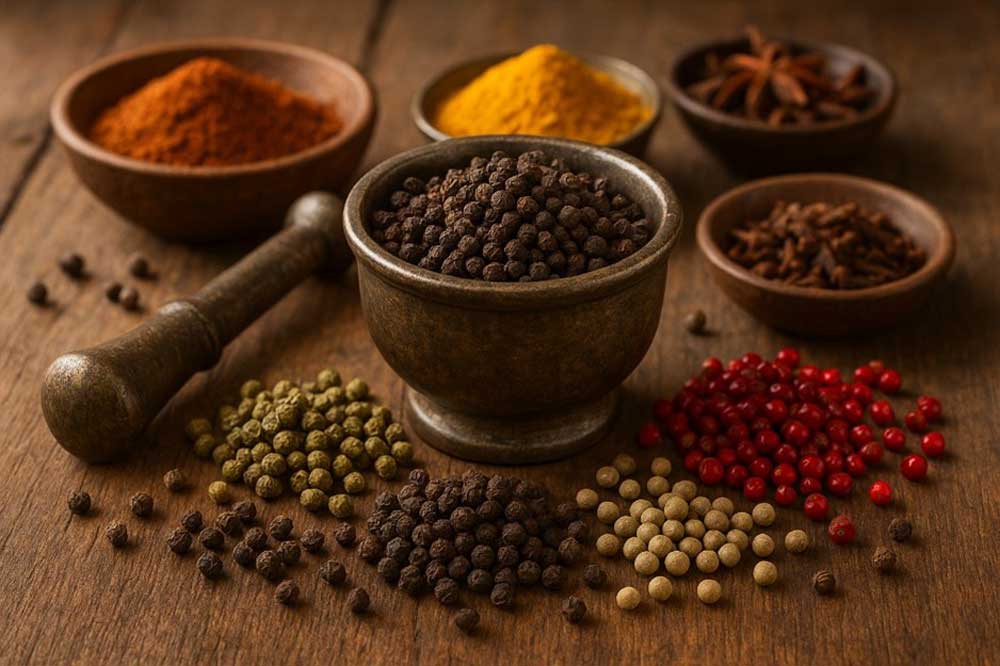
    Black pepper (Piper nigrum) is often called the “king of spices,” and for good reason. Native to the Malabar Coast of India, it was once so valuable that it served as currency and inspired centuries of maritime exploration. The spice is produced from dried peppercorns, which develop their character through fermentation and sun-drying. Their pungency comes from piperine, a compound responsible for the sharp heat that distinguishes pepper from chili.

    While black pepper is the most common variety, it is far from the only one. Green peppercorns are harvested earlier and retain a fresher, milder flavor, while white peppercorns are soaked to remove their outer skin, resulting in a subtler heat that blends well with light-colored sauces. There is also the lesser-known red peppercorn, which is fully ripe and carries a fruity note rarely found in commercial varieties.

    What makes pepper so timeless and indispensable is its versatility. It enhances savory dishes (from steaks to soups) but also appears in unexpected places: fruit salads, chocolate desserts, and even cocktails. A simple twist of freshly cracked pepper can elevate a dish, sharpening flavors and adding complexity. Unlike salt, which primarily heightens what is already there, pepper introduces a new dimension, making it one of the most important tools in any cook’s arsenal.

    The timeless spice routes that shaped the world

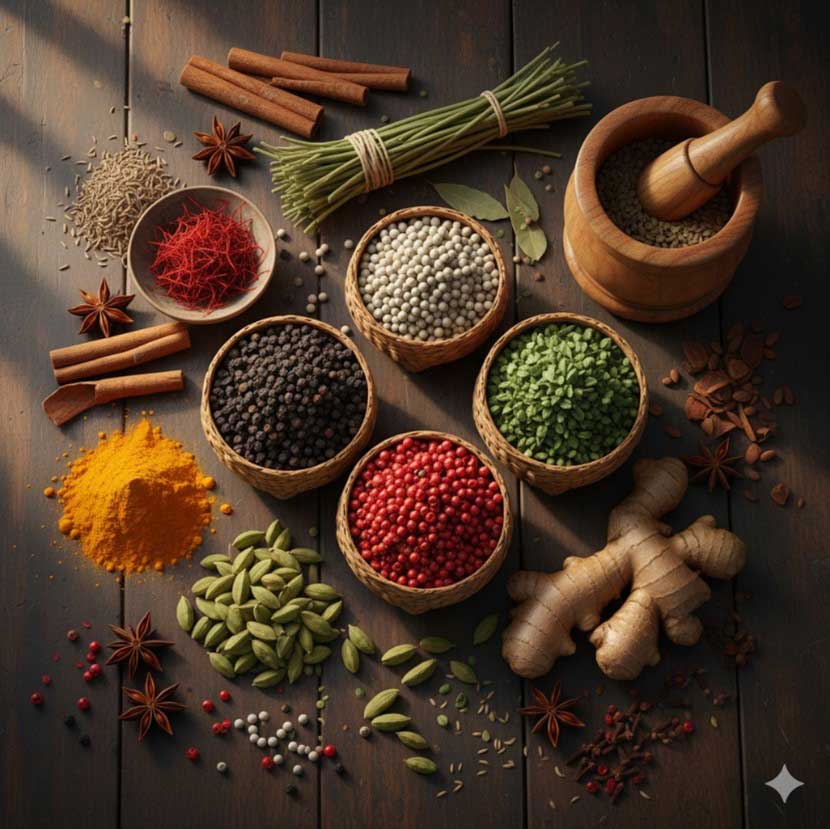
    Pepper may be the king, but it ruled alongside an entire kingdom of spices that fueled global trade. Cinnamon from Sri Lanka, nutmeg from the Banda Islands, clove from Indonesia, saffron from Persia, and cardamom from the Western Ghats were once so rare that merchants guarded their origins with secrecy and myth. Medieval Europeans believed cinnamon was fished from the edge of the world and that cloves only grew where phoenixes died.

    The demand for spices linked continents long before modern globalization. The overland Silk Road carried spices from Asia to the Mediterranean, while the Indian Ocean trade network connected East Africa, Arabia, and South Asia. When the Ottoman Empire controlled key routes in the 15th century, European powers sought new maritime paths to Asia, sparking the Age of Exploration. Columbus sailed west in search of India’s spice markets; Vasco da Gama rounded Africa to reach Calicut. These journeys changed maps, economies, and cultures forever.

    Understanding the timeless flavor profiles of spices

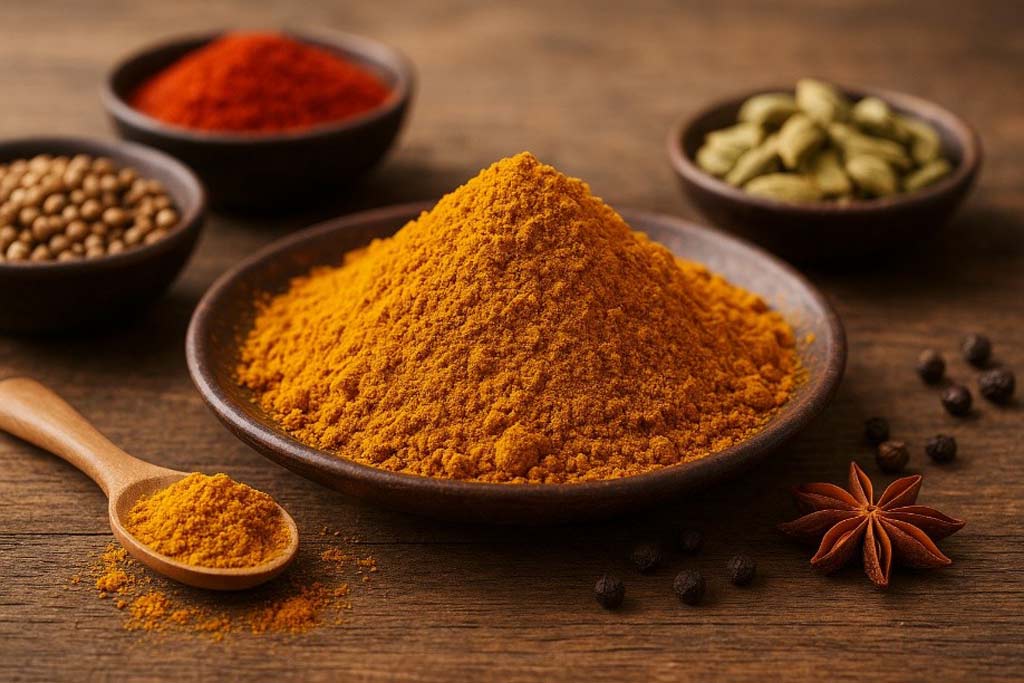
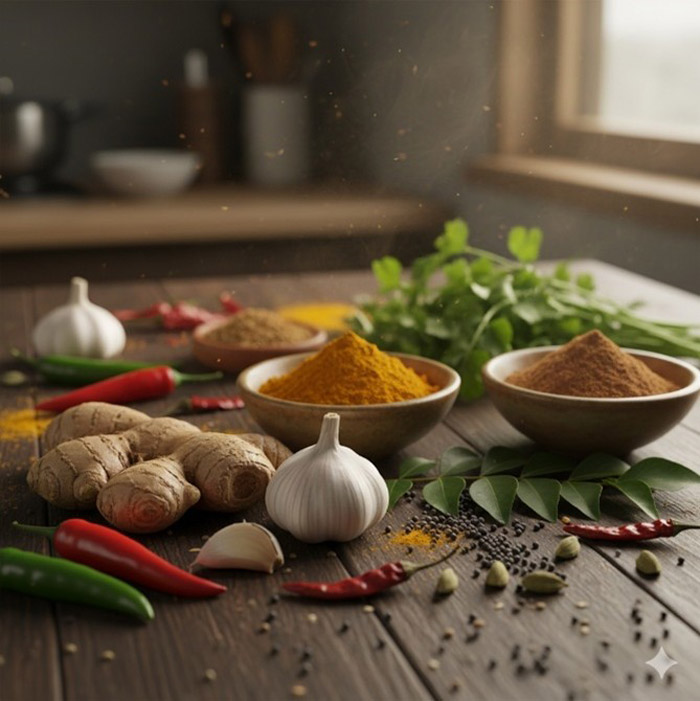
    Each spice contributes a unique and timeless combination of aroma, heat, sweetness, bitterness, or floral notes. Cumin, with its earthy warmth, forms the foundation of Middle Eastern and Mexican cooking. Ginger adds citrusy heat and is prized in both sweet and savory applications. Turmeric brings color and an earthy bitterness that defines curries across South Asia. Saffron threads release a honeyed, slightly metallic scent that perfumes rice dishes from Spain to Iran.

    Spices interact with ingredients in complex ways. Some, like cinnamon and cardamom, bloom when gently toasted, releasing volatile oils that deepen their fragrance. Others, like bay leaves or star anise, lend subtle background notes when simmered in stews. Chili peppers bring heat, but each variety tells a different story: smoky ancho, citrusy habanero, grassy green Thai chili.

    The magic of spices lies not only in their individual profiles but in how they blend. Garam masala, za’atar, berbere, ras el hanout, Chinese five-spice: each mixture reflects centuries of experimentation and cultural identity. These blends provide a shortcut to the flavor signature of an entire cuisine.

    Modern uses: from healthy eating to high-end cuisine

    Today, spices are enjoying renewed attention thanks to growing interest in global cooking and natural wellness. Scientific studies highlight their antioxidant and anti-inflammatory properties, while chefs celebrate their capacity to transform ingredients without relying on heavy fats or sugars. Turmeric lattes, spiced cocktails, and chili-infused chocolates are just a few modern creations that bring ancient ingredients into contemporary kitchens.

    Pepper, too, continues to evolve in the hands of modern chefs. Varieties like Tellicherry pepper or Kampot pepper are valued for their nuanced aromas: citrus, smoke, resin, or even floral undertones. Pink peppercorns, technically berries from a South American tree, add a delicate fruity heat to desserts and seafood dishes. This growing appreciation mirrors the movement toward terroir in wine or coffee: pepper is no longer just pepper, but a product of soil, climate, and careful cultivation.

    The cultural significance of spices

    Beyond flavor, spices have deep cultural and symbolic meaning. They appear in religious rituals, traditional medicine, and celebrations. Cinnamon symbolizes abundance and protection; cardamom is offered in hospitality rituals across the Middle East. Many holiday dishes (from gingerbread to mulled wine) derive their warmth and nostalgia from spice blends that carry centuries of tradition.

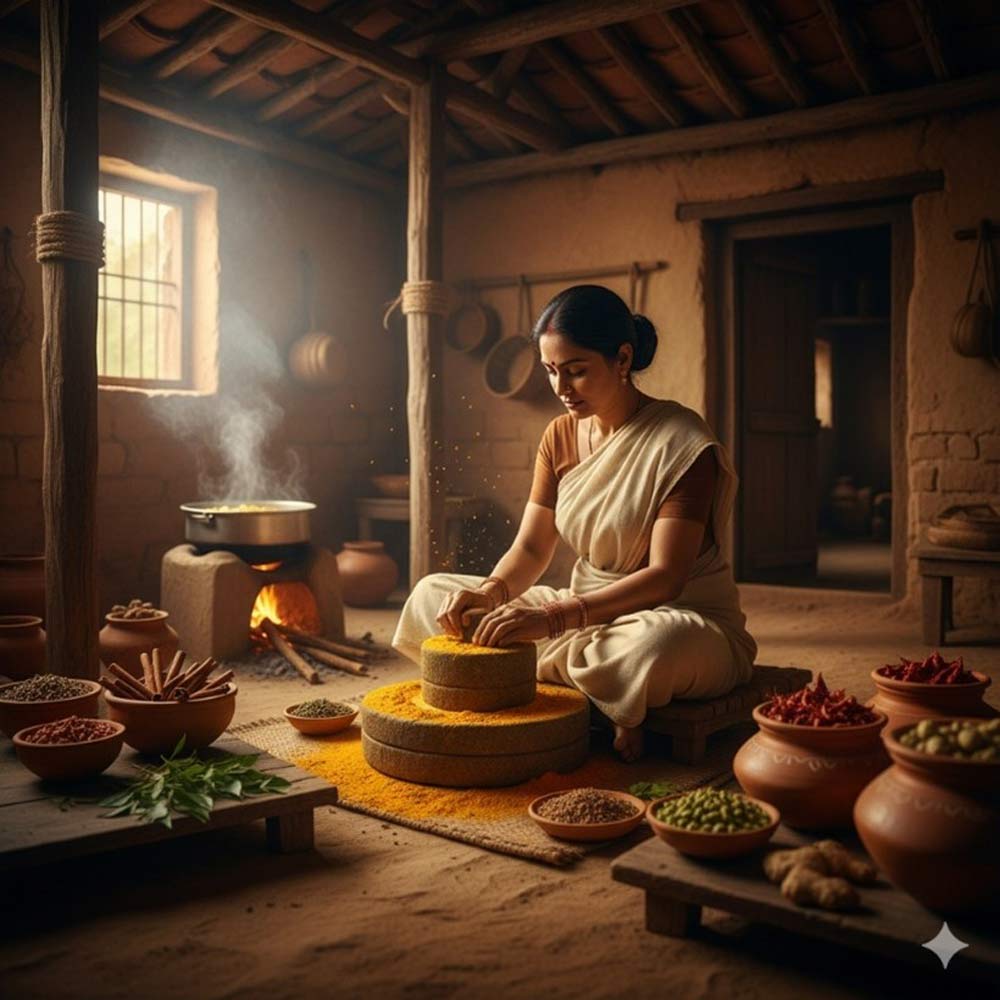
    In many parts of the world, spice preparation remains a family art. Grandmothers grind masalas by hand, passing down ratios and techniques that define a family’s identity. In these kitchens, spices are not simply ingredients, they are memories, heritage, and connection.

    A world of flavor in every pinch

    Pepper and spices remind us that cooking is both science and poetry. A pinch can transform a dish, brighten a memory, or carry us across continents. Whether you are stirring a pot of curry, baking a spiced cake, or simply grinding pepper over a tomato salad, you participate in a tradition that stretches back to the earliest human civilizations.

    In a world where ingredients travel effortlessly and flavors mix freely, spices remain one of the most vibrant and timeless links between past and present. They invite us to explore, taste, and imagine, one fragrant breath at a time.

    https://frogsaga.com/wp-admin/post.php?post=116&action=edit