Author: emeline prevot

  • The Culinary Magic of Smoked and Roasted Spices

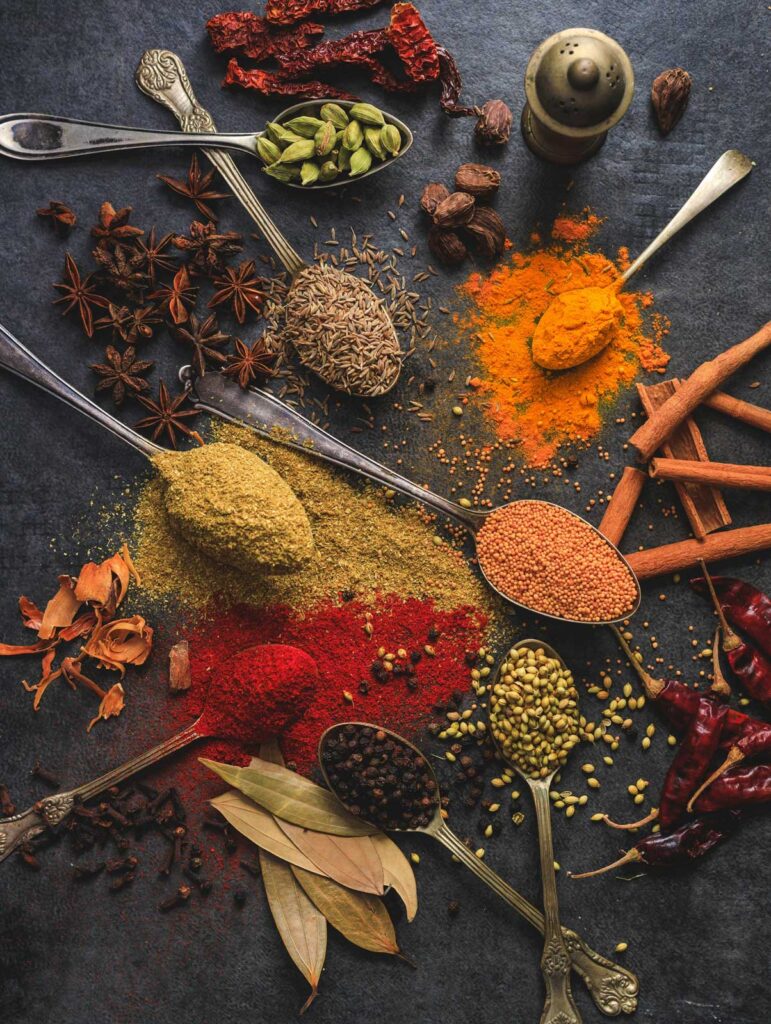
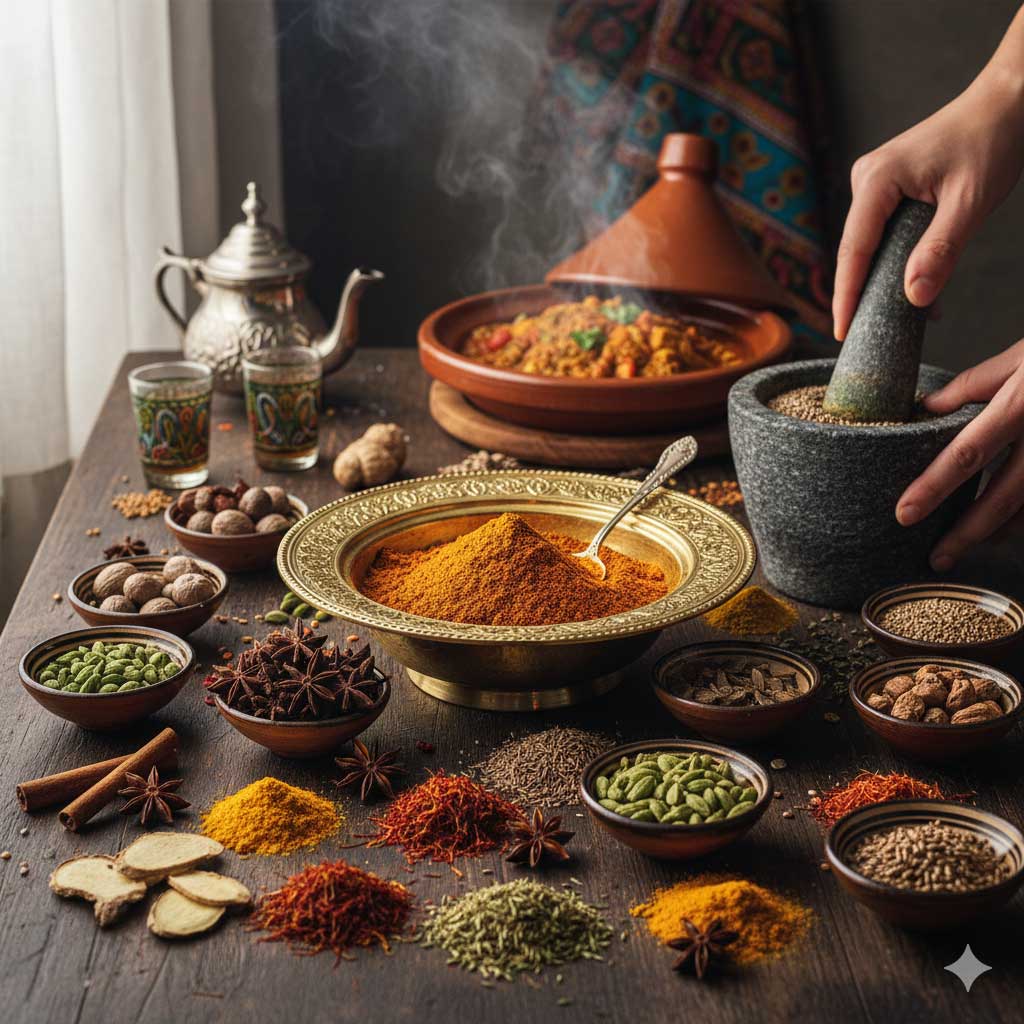
    Smoking and roasting spices

    In the vast and intricate world of cooking, few techniques transform ingredients with as much depth and character as smoking and roasting spices. These processes, ancient yet ever-evolving, unlock layers of aroma, flavor, and complexity that elevate dishes from ordinary to extraordinary. Whether used in traditional cuisines or modern gastronomy, smoked and roasted spices captivate the senses, offering warmth, intensity, and a subtle narrative of the fire and earth from which they emerge.

    The Science Behind the Flavor

    The magic of smoked and roasted spices lies in chemistry. Dry heat induces Maillard reactions, caramelizing natural sugars and developing nuanced flavors, while slow smoking infuses compounds from burning wood, herbs, or charcoal. Roasting transforms raw, sometimes harsh-tasting spices into rich, aromatic gems.

    For example, raw cumin seeds possess a sharp, earthy taste. When dry-roasted in a pan, their oils are released, producing a warm, nutty, and aromatic essence that deepens dishes like curries, stews, and sauces. Similarly, paprika or chili powders benefit from light toasting, softening bitterness and enhancing sweetness while amplifying their inherent smokiness. Smoking spices—either directly over wood smoke or via smoked paprika, chipotle, or lapsang souchong tea leaves—introduces a subtle smokiness that adds dimensionality without overpowering the dish.

    This transformation is not merely culinary but also sensory, engaging smell, taste, and even memory. The scent of roasted spices evokes warmth and comfort, bridging the gap between ancient traditions and contemporary kitchens.

    Historical and Cultural Context

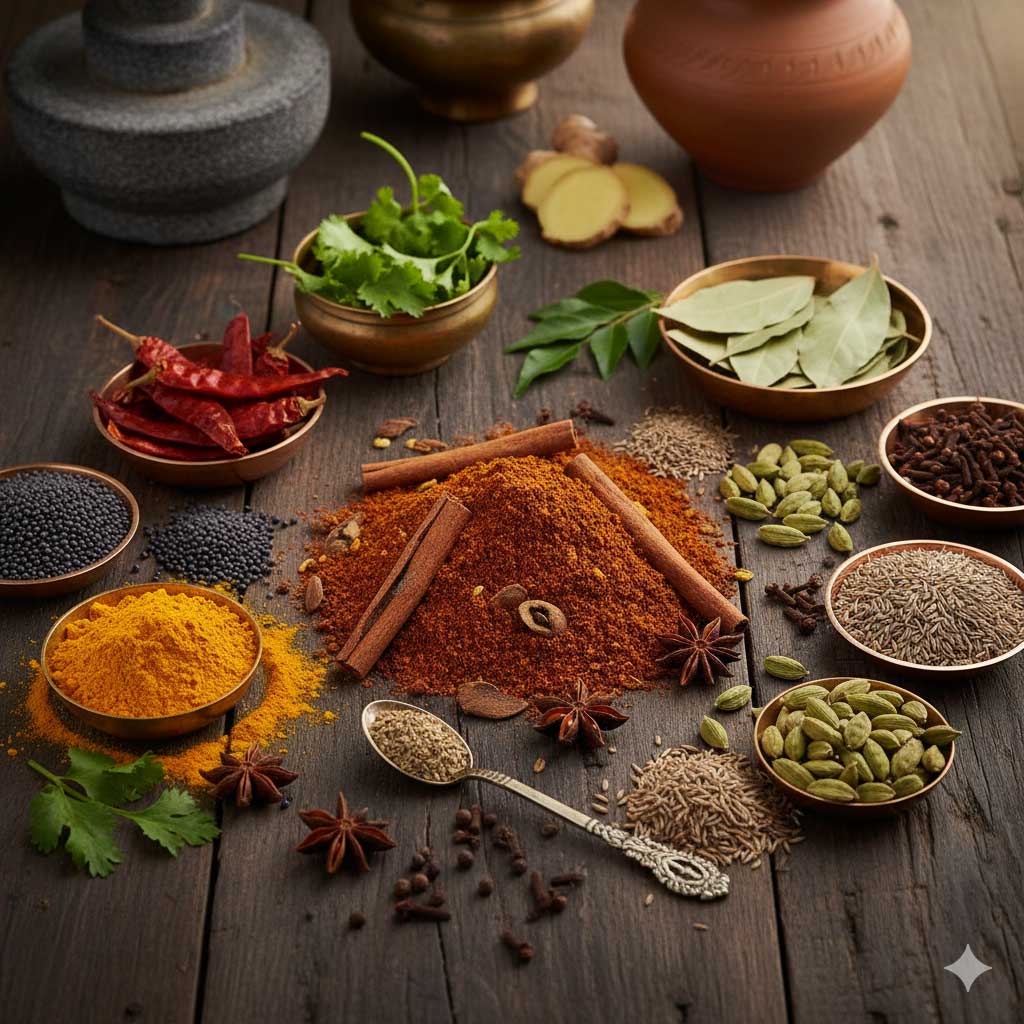
    smoking and roasting spices

    Roasting and smoking spices is an age-old practice found across global cuisines. In Indian cooking, whole spices like cumin, coriander, and fennel are roasted to form the basis of masalas. This practice dates back centuries, combining culinary artistry with principles of Ayurveda: roasting enhances digestibility and releases essential oils beneficial for health.

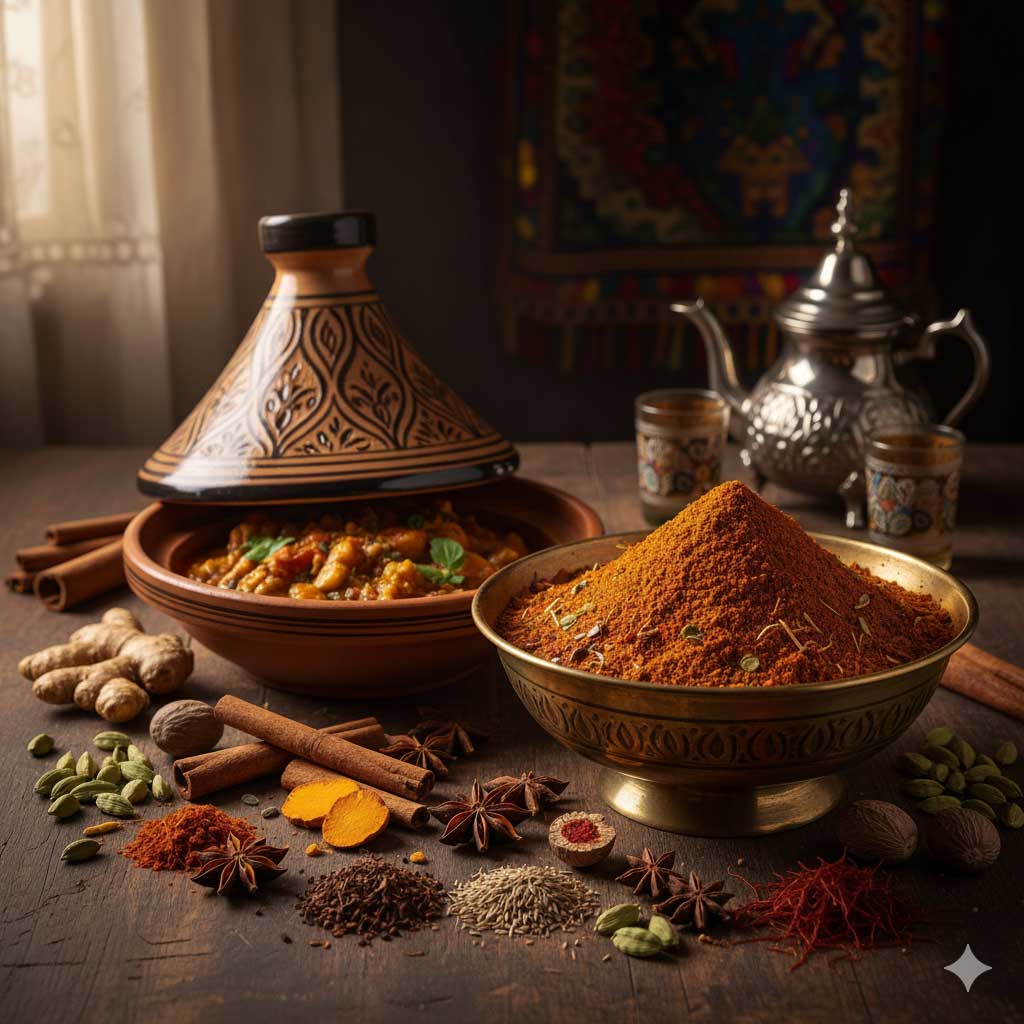
    In Moroccan and North African cuisine, spices such as cumin, paprika, and dried peppers are often roasted or lightly smoked to develop the deep, earthy flavors characteristic of tagines, couscous dishes, and braised meats. In Europe, smoked paprika from Spain, such as Pimentón de la Vera, showcases how local traditions and terroir influence flavor development. Similarly, the use of smoked salt in Scandinavian cuisine highlights how simple techniques enhance subtle natural flavors.

    Across cultures, these techniques serve multiple purposes: flavor development, preservation, and sometimes even ritual. The process of smocking and roasting is often slow and intentional, reflecting a philosophy of care, patience, and respect for ingredients.

    Popular Smoked and Roasted Spices

    A wide variety of spices benefit from smoking and roasting spices, each gaining unique characteristics:

    • Cumin: Dry-roasting transforms its raw, bitter notes into nutty, aromatic warmth, forming the backbone of countless spice blends.
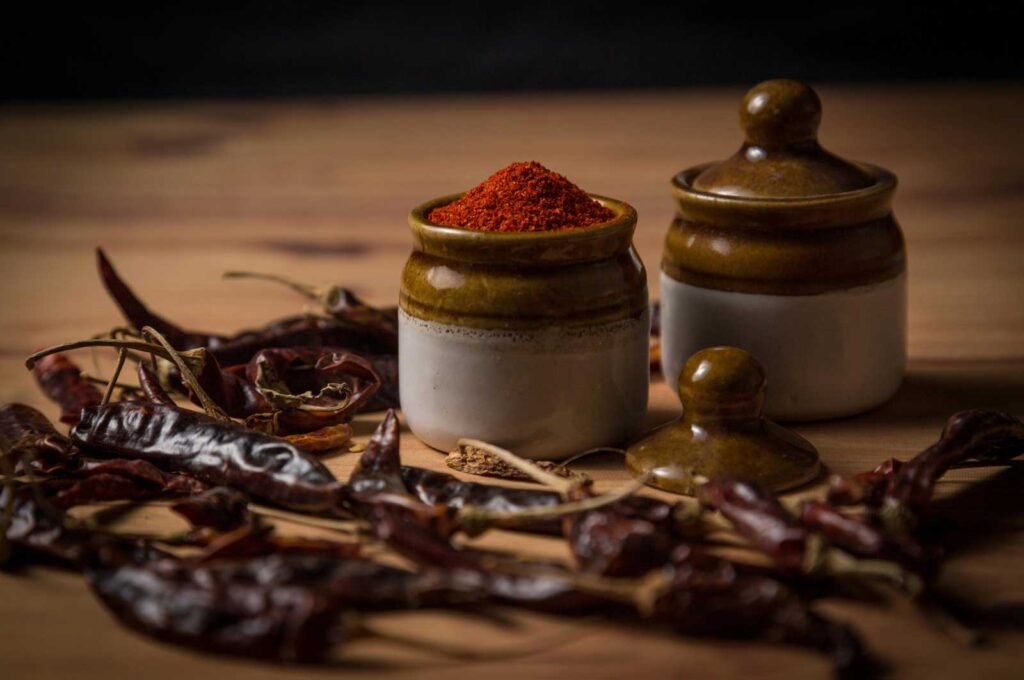
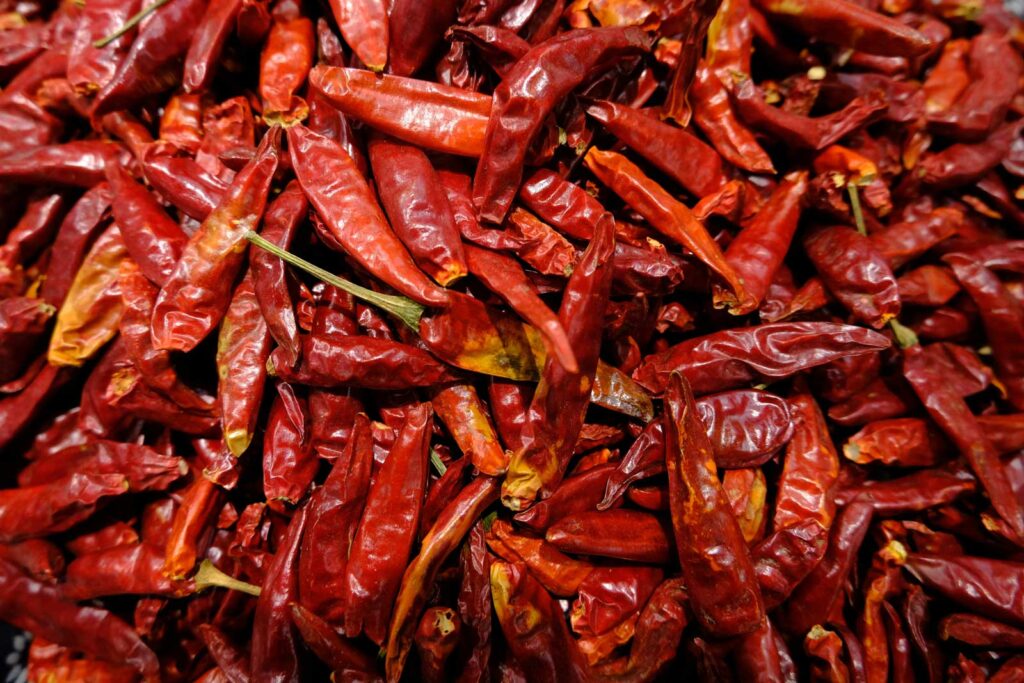
    • Paprika & Chili: Roasting or smoking intensifies sweetness and imparts a subtle, lingering heat. Chipotle peppers, smoked over wood, are a prime example of flavor complexity achieved through fire.
    • Coriander: Toasting enhances its citrusy undertones while adding earthy depth, perfect for both savory and sweet applications.
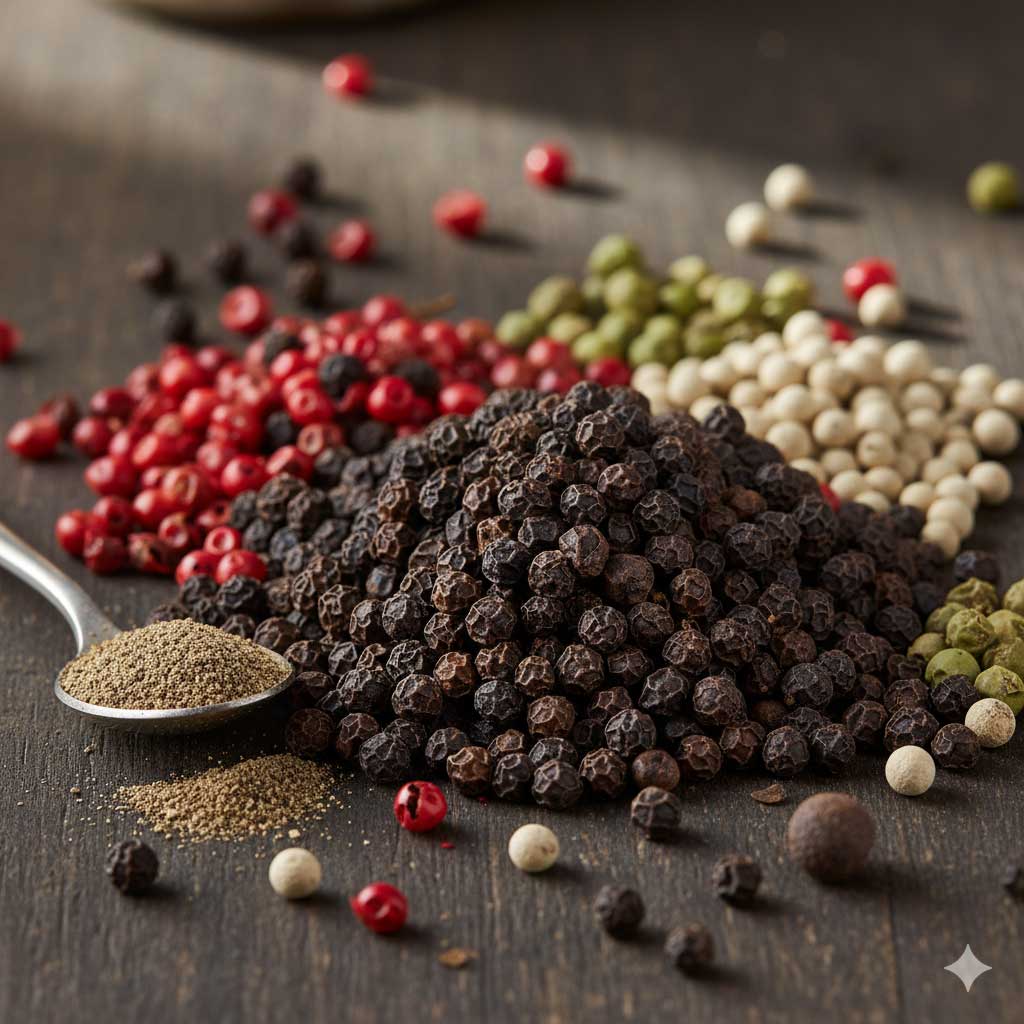
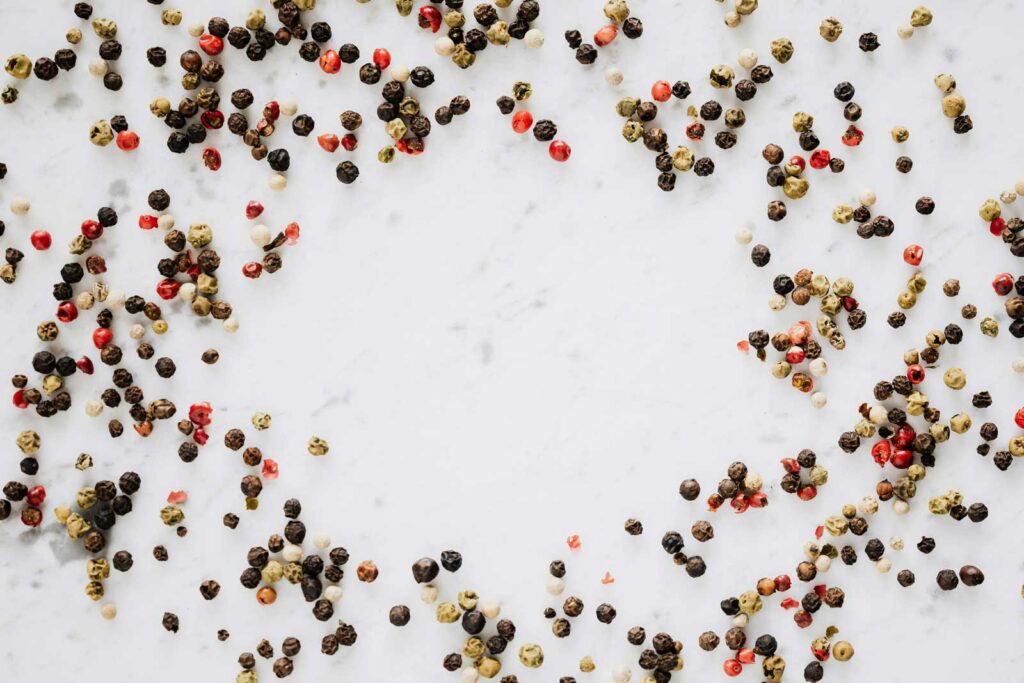
    • Black Pepper: Light roasting elevates aroma and brings a toasty richness to sauces, meats, and vegetables.
    • Fenugreek & Mustard Seeds: Roasting softens their bitterness while introducing nutty, slightly caramelized notes ideal for curries and pickles.

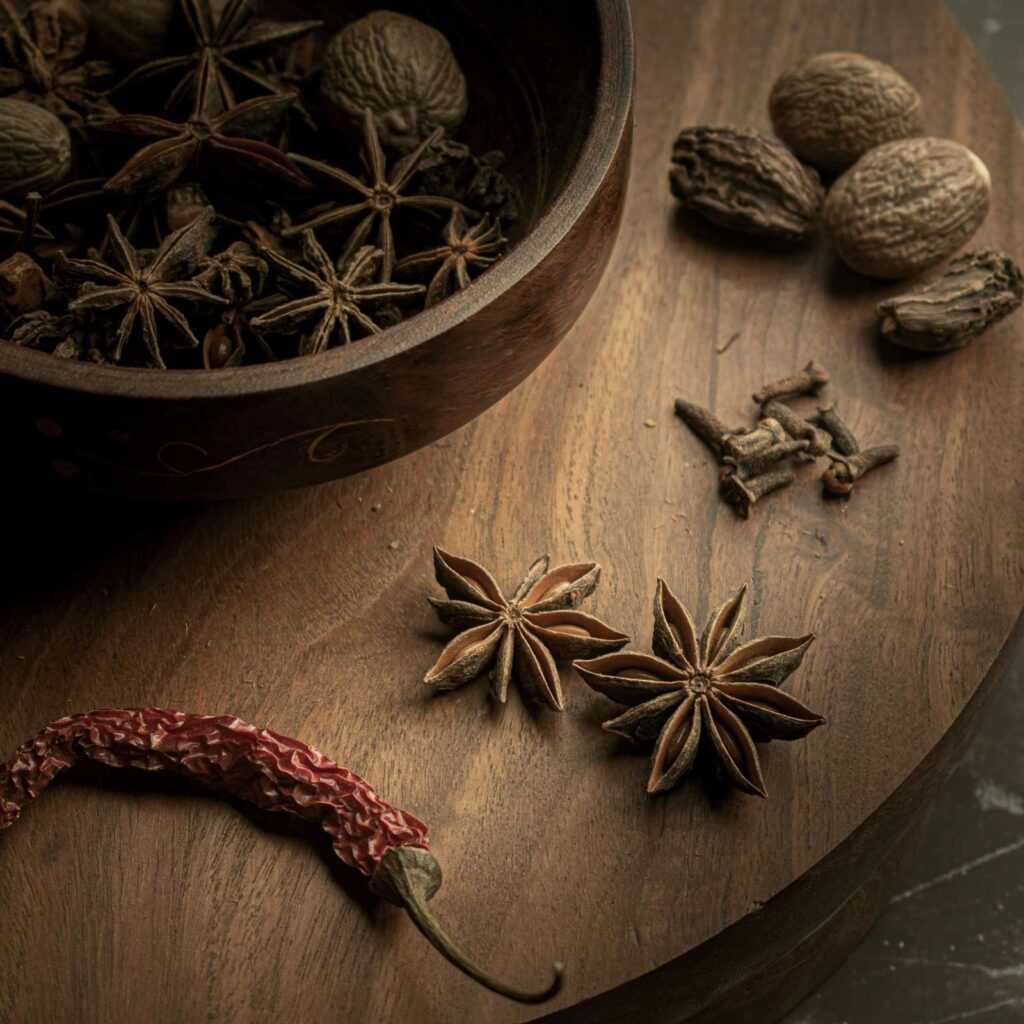
    Some spices, like cinnamon, cloves, and nutmeg, are occasionally smoked lightly to produce a subtle, almost mystical warmth that enhances desserts, beverages, and even fine dining sauces.

    Culinary Applications

    The application of smoking and roasting spices is as versatile as the spices themselves. Their deep, layered flavors can transform dishes in numerous ways:

    • Curries and Stews: Toasted spices form the base of complex sauces, releasing oils that bind ingredients together.
    • Roasted and Grilled Meats: Smoked spice rubs create a crust that imparts both flavor and aroma, elevating barbecues and tandoori preparations.
    • Vegetables and Legumes: Roasting spices and tossing them with roasted vegetables or lentils introduces subtle smokiness and depth.
    • Breads and Pastries: Even sweet applications, such as spiced cookies, cakes, or flatbreads, benefit from roasted aromatic spices that enhance both flavor and aroma.
    • Beverages: Chai tea, spiced ciders, and mulled wines gain richness from lightly roasted spices like cardamom, cinnamon, and cloves.

    The difference between raw and roasted or smoked spices is striking: the aroma is intensified, the flavor more rounded, and the mouthfeel more complex, demonstrating why these techniques are revered in kitchens worldwide.

    Techniques and Tips for Home Cooks

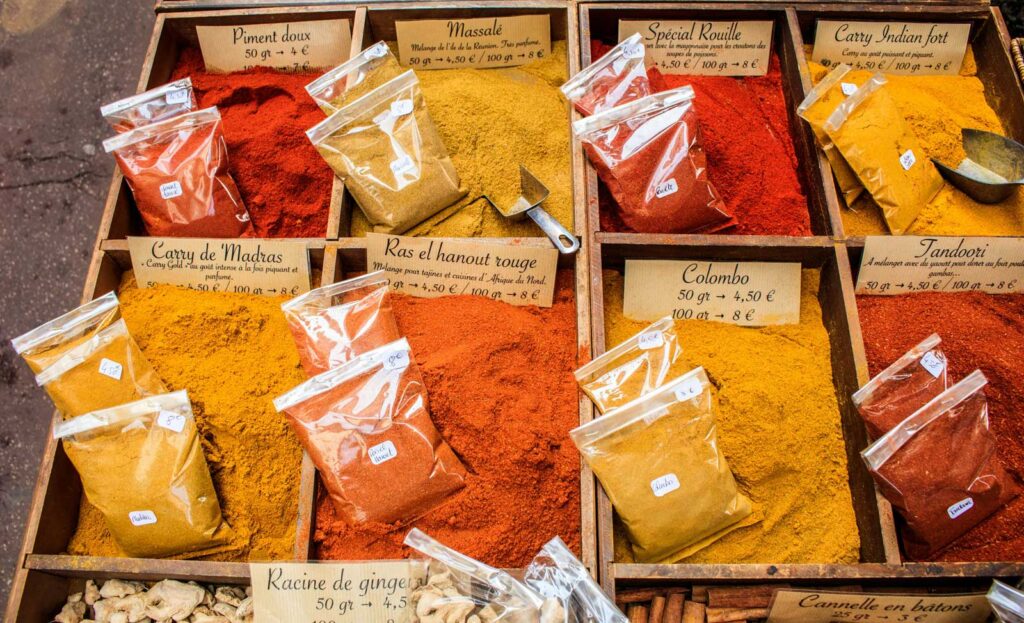
    powder spices

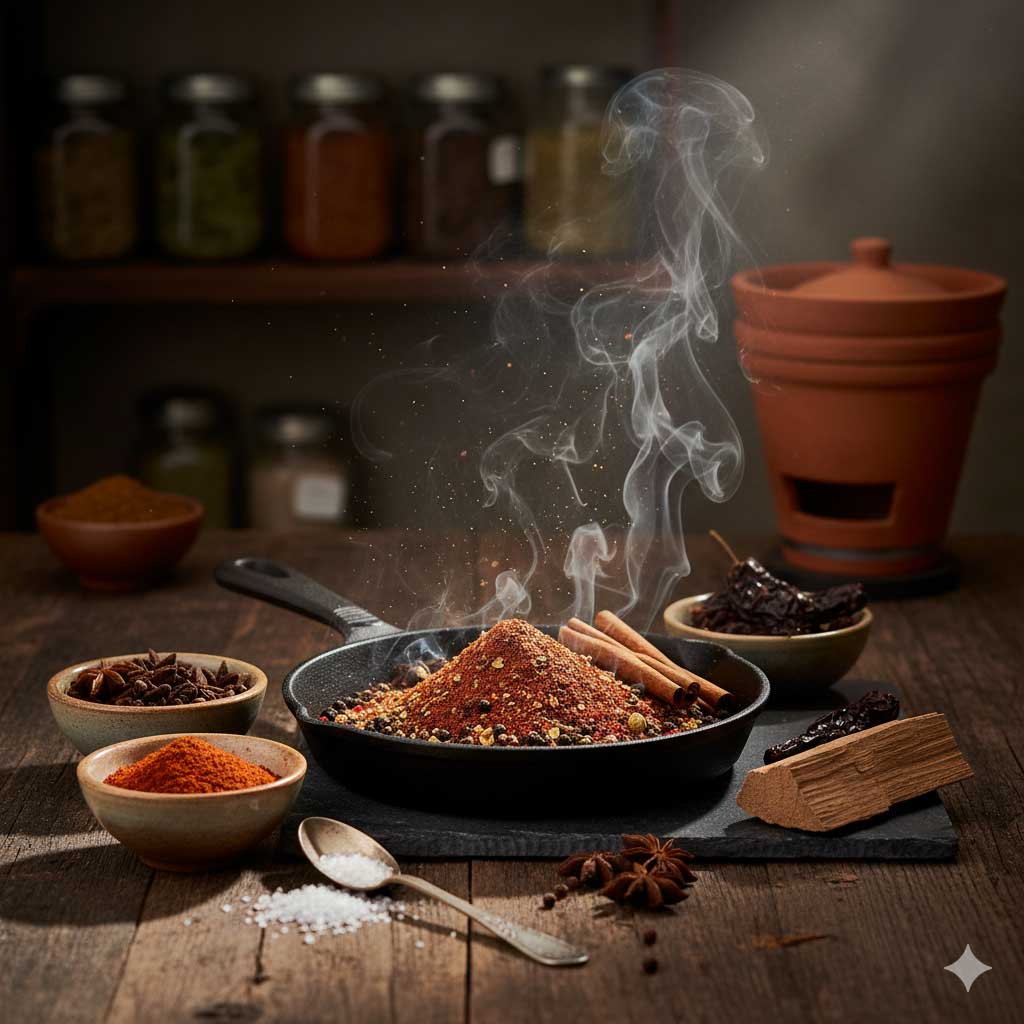
    Mastering smoking and roasting spices at home requires attention to detail and timing. Dry-roasting is usually done over low to medium heat in a heavy pan. Spices should be stirred frequently to avoid burning, as charred notes can quickly overwhelm delicate flavors. A few seconds of roasting can dramatically change aroma and flavor, so sensory cues—smell, color, and texture—are essential guides.

    Smoking and roasting spices can be achieved in several ways: using smoked varieties like chipotle or smoked paprika, briefly exposing spices to wood smoke, or infusing oils with smoked spices. Control is key—too much smoke can dominate, while a gentle infusion adds depth and intrigue.

    Once roasted or smoked, spices can be ground immediately to preserve freshness or stored in airtight containers away from light and moisture. Combining roasted spices with fresh herbs, citrus, or other aromatics creates multi-dimensional layers in dishes.

    Experimentation is encouraged. Even subtle adjustments, such as toasting cumin for 20 seconds longer or using a different type of wood smoke, can produce unique flavor profiles, allowing cooks to adapt traditional techniques to modern palettes.

    Modern Culinary Interpretations

    Today, smoking and roasting spices are celebrated in both traditional and avant-garde kitchens. Chefs use these techniques to craft bold flavor experiences, from smoky chocolate desserts to spice-crusted seafood, infused oils, and roasted vegetable medleys. The resurgence of open-fire cooking and artisanal spice blending has brought these age-old techniques into contemporary gastronomy, highlighting their versatility and sensory appeal.

    The magic lies in their adaptability. Smoking and roasting spices can enhance rustic comfort foods, elevate fine dining plates, or inspire fusion cuisines, all while honoring centuries of culinary tradition.

    Smoking and roasting spices are more than flavoring agents—they are a bridge between history, science, and art. They reflect centuries of culinary innovation, cultural exchange, and a deep understanding of how heat and fire transform ingredients. Whether in a humble kitchen or a modern gourmet restaurant, their magic lies in their ability to enhance aroma, deepen flavor, and create unforgettable sensory experiences.

    From the warm, nutty richness of toasted cumin to the subtle smokiness of paprika or chipotle, these techniques elevate dishes by engaging not only taste but smell and memory. Cooking with smoked and roasted spices is a celebration of flavor, patience, and craftsmanship, offering an accessible way to explore the profound artistry behind everyday ingredients.

    In every carefully roasted seed or smoked powder, there is history, culture, and culinary brilliance waiting to be unlocked. Mastering their use is not just a technique—it is an invitation to explore the full spectrum of taste, aroma, and the transformative power of fire in the kitchen

  • The Art of Chinese Five Spices: A Harmony of Flavors Rooted in Tradition

    Chinese Five Spices

    Few culinary traditions can boast the delicate balance of flavors and centuries of history that Chinese cuisine embodies. Among its many treasures, Chinese five spices stands out as a remarkable testament to the art of harmonizing taste. More than a mere seasoning, Chinese five spices represents an intricate philosophy of balance, bridging flavors, health, and cultural identity in every pinch. Its allure lies not just in its taste but in its story—a story that reflects the richness of Chinese culinary heritage.

    Origins and Philosophy

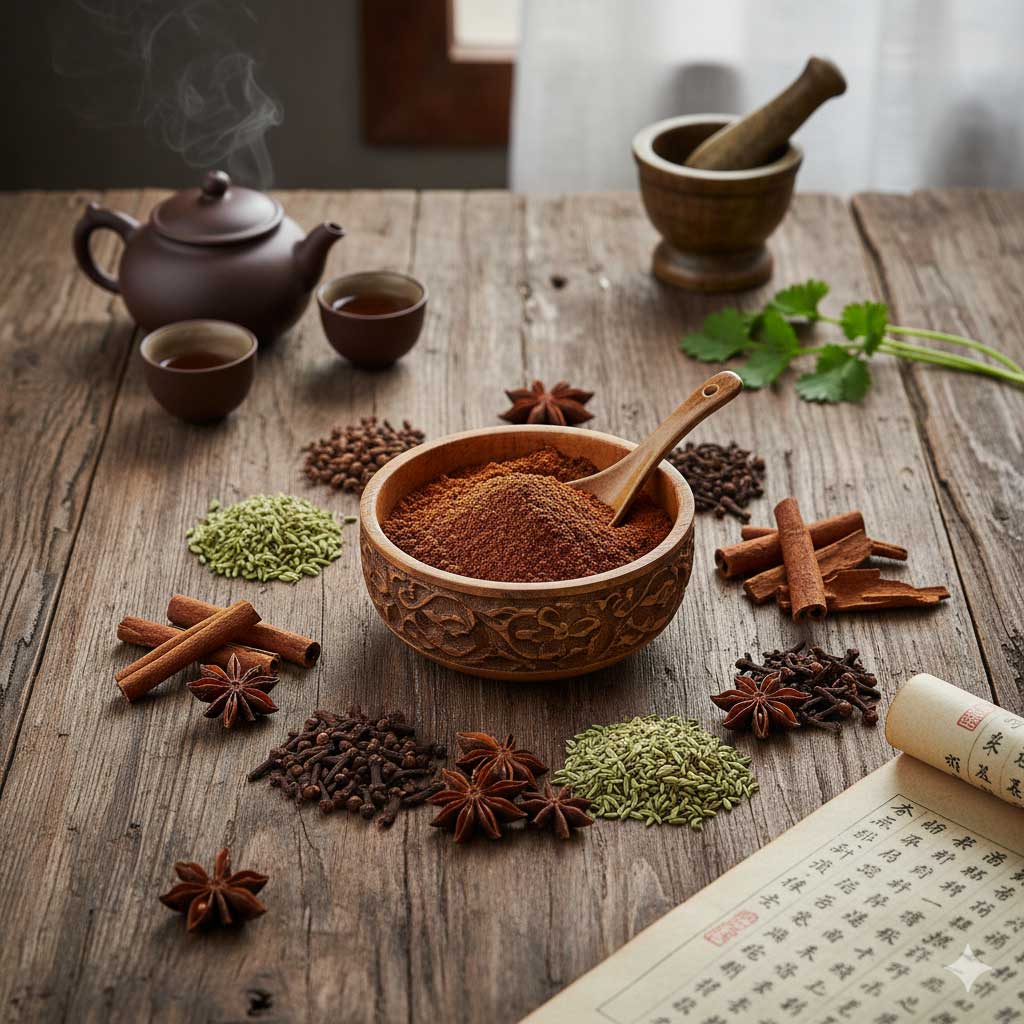
    Chinese five spices powder, or wǔ xiāng fěn (五香粉), translates directly to “five fragrance powder.” Its creation is deeply rooted in the principle of balancing the five fundamental flavors in Chinese cooking: sweet, sour, bitter, salty, and umami (often interpreted as pungent in traditional Chinese medicine). This balance is not arbitrary; it mirrors the Daoist concept of harmony and the yin-yang philosophy, where contrasting elements coexist to achieve equilibrium.

    Historically, the use of Chinese five spices powder dates back over a thousand years to the Tang Dynasty, though it likely became more widespread during the Ming Dynasty. In its earliest forms, the blend was used not only to enhance flavor but also to preserve food and support health. Traditional Chinese medicine emphasizes that each spice carries specific properties: cinnamon warms the body, cloves stimulate circulation, fennel aids digestion, star anise soothes the stomach, and Sichuan peppercorn balances the senses with a subtle numbing effect. In this way, five-spice powder is both culinary and medicinal—a reflection of the holistic approach of Chinese cuisine.

    The Core Ingredients

    star anise

    While variations exist, the canonical five ingredients of Chinese five spices powder are usually star anise, cloves, Chinese cinnamon (or cassia), Sichuan peppercorns, and fennel seeds. Each contributes its unique note to the blend:

    • Star Anise: With its distinct licorice-like aroma, star anise adds a sweet and aromatic depth. It is also revered in Chinese medicine for improving digestion and relieving cold symptoms.
    • Cloves: Warm and slightly bitter, cloves provide a penetrating aroma that balances sweetness and pungency. They are thought to strengthen the kidneys and aid respiratory health.
    • Chinese Cinnamon (Cassia): Unlike Western cinnamon, cassia offers a sharper, spicier warmth. It enhances the body’s energy, or qi, according to traditional beliefs.
    • Sichuan Peppercorns: Known for their unique tingling and numbing sensation, Sichuan peppercorns contribute an electric, citrusy bite that enlivens the palate and harmonizes the other spices.
    • Fennel Seeds: Sweet and anise-like, fennel softens the intensity of the other spices and promotes digestion, completing the circle of balance.

    Some modern recipes also include ginger, nutmeg, or cardamom, reflecting regional variations and personal taste preferences. However, the five core spices remain central, forming a foundation upon which cooks can build.

    Culinary Applications

    The beauty of five-spice powder lies in its versatility. It is an essential component in classic Chinese dishes like char siu (barbecue pork), roasted duck, braised meats, and even tofu. Its influence extends beyond meat dishes; five-spice can elevate stir-fried vegetables, soups, and stews, or even sweet applications such as cookies and cakes in contemporary adaptations.

    Marination is a common method of using five-spice powder, allowing the flavors to infuse into the protein while softening stronger odors, such as those from pork or duck. When roasting or braising, the spices caramelize slightly, releasing a complex bouquet that enhances the natural flavors of the dish. Even in sauces and dips, a pinch of five-spice can introduce subtle warmth and aromatic sophistication.

    In Western cuisine, chefs have increasingly adopted five-spice powder to create fusion dishes, from spiced chocolate desserts to roasted vegetables and even cocktails. Its adaptability underscores its universal appeal: a spice blend that transcends borders while remaining deeply rooted in Chinese tradition.

    Cultural Significance

    Five-spice powder is more than a culinary tool; it is a symbol of Chinese cultural identity. In traditional households, the spice was often made fresh and shared among family members, reinforcing communal bonds. Each family might have its own preferred ratio of spices, handed down through generations, making it a deeply personal and cherished aspect of culinary heritage.

    The blend also appears in cultural rituals. For example, during Chinese New Year, five-spice powder is sometimes used in festive dishes to invite prosperity and harmony for the coming year. Its role in ceremonial cuisine reflects the belief that food nourishes not only the body but also the spirit.

    Tips for Home Cooks

    To appreciate five-spice powder fully, freshness is key. Ground spices lose potency over time, so it is often preferable to buy whole spices and grind them at home just before use. Toasting the spices lightly in a dry pan can release essential oils and amplify their aromas.

    Balancing flavors is another art. Since five-spice powder is potent, it should be used sparingly at first. A small amount can transform a dish, but too much can overwhelm. Experimentation and personal preference are crucial—much like in traditional Chinese cooking, where intuition and experience guide seasoning decisions.

    Pairing five-spice powder with complementary ingredients such as soy sauce, ginger, garlic, and rice wine can further enhance its complexity. Its versatility allows both subtle infusions in delicate dishes and bold statements in robust preparations.

    Modern Interpretations

    Today, five-spice powder has found a global audience. Gourmet chefs and home cooks alike experiment with new applications, blending it into sauces, marinades, and even beverages. Its adaptability speaks to its timeless quality: a centuries-old seasoning that continues to inspire innovation while honoring its roots.

    In contemporary gastronomy, Chinese five spices powder exemplifies the balance between tradition and creativity. It reminds us that the heart of Chinese cooking lies not in rigid recipes but in the harmony of flavors, the celebration of aroma, and the thoughtful consideration of how ingredients interact.

    Chinese five-spice powder is a culinary marvel, a blend that embodies the principles of harmony, balance, and cultural continuity. Its enduring popularity is a testament to its versatility, depth, and philosophical significance. From ancient kitchens to modern fusion restaurants, Chinese five spices powder continues to captivate the senses, offering both a taste of history and a canvas for innovation.

    In every pinch lies a story: of ancient traditions, of holistic wisdom, and of a culture that views food not merely as sustenance but as a harmonious expression of life itself. Understanding five-spice powder is thus not just about flavor—it is about appreciating the intricate tapestry of Chinese culinary art, where every aroma, taste, and texture resonates with history and meaning.

    Chinese five spices powder, in its subtle complexity, reminds us that the art of cooking is ultimately the art of balance, and in that balance, we find not only taste but tradition, health, and harmony.