Author: Alvaro De Quesada Fernandez

  • Ñora Pepper: The Sweet Mediterranean Jewel of Spanish Cuisine

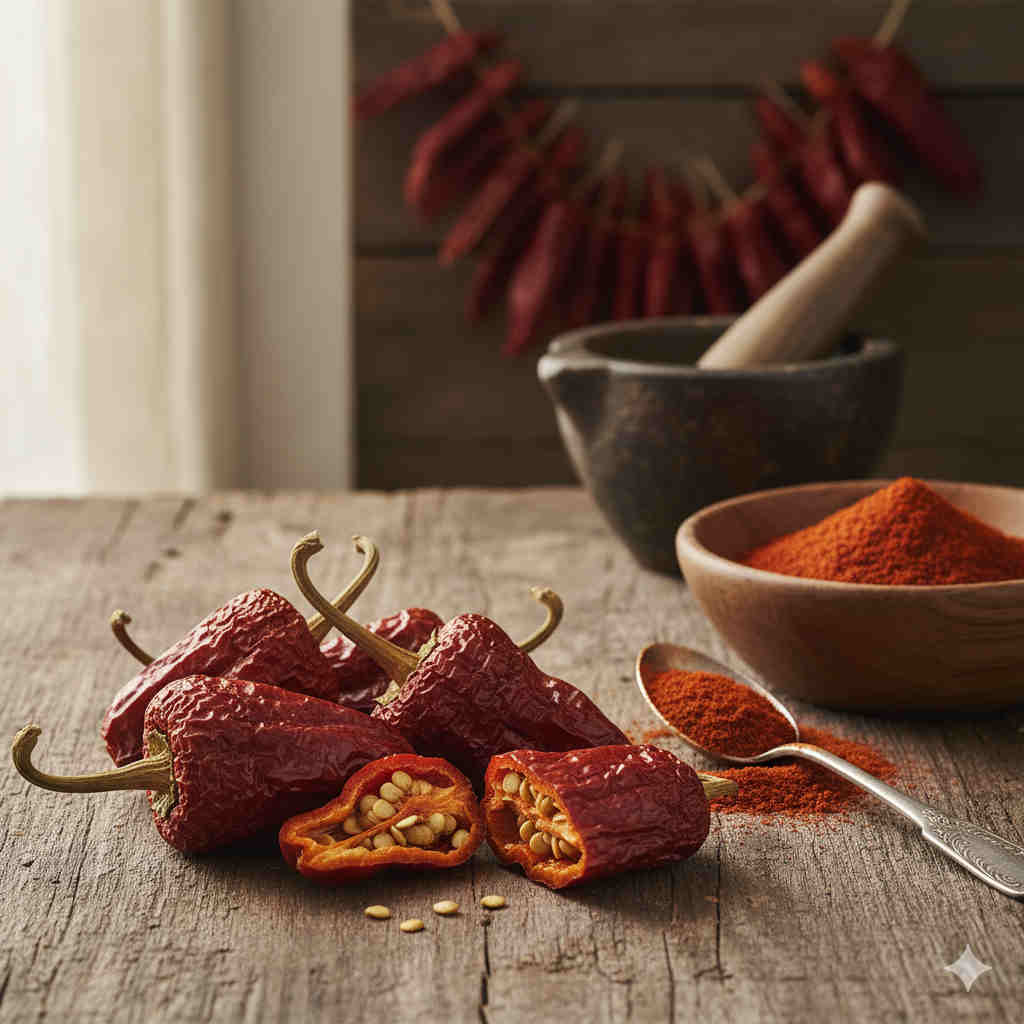
    Ñora Pepper Spice

    A Small Pepper With a Big Culinary Legacy

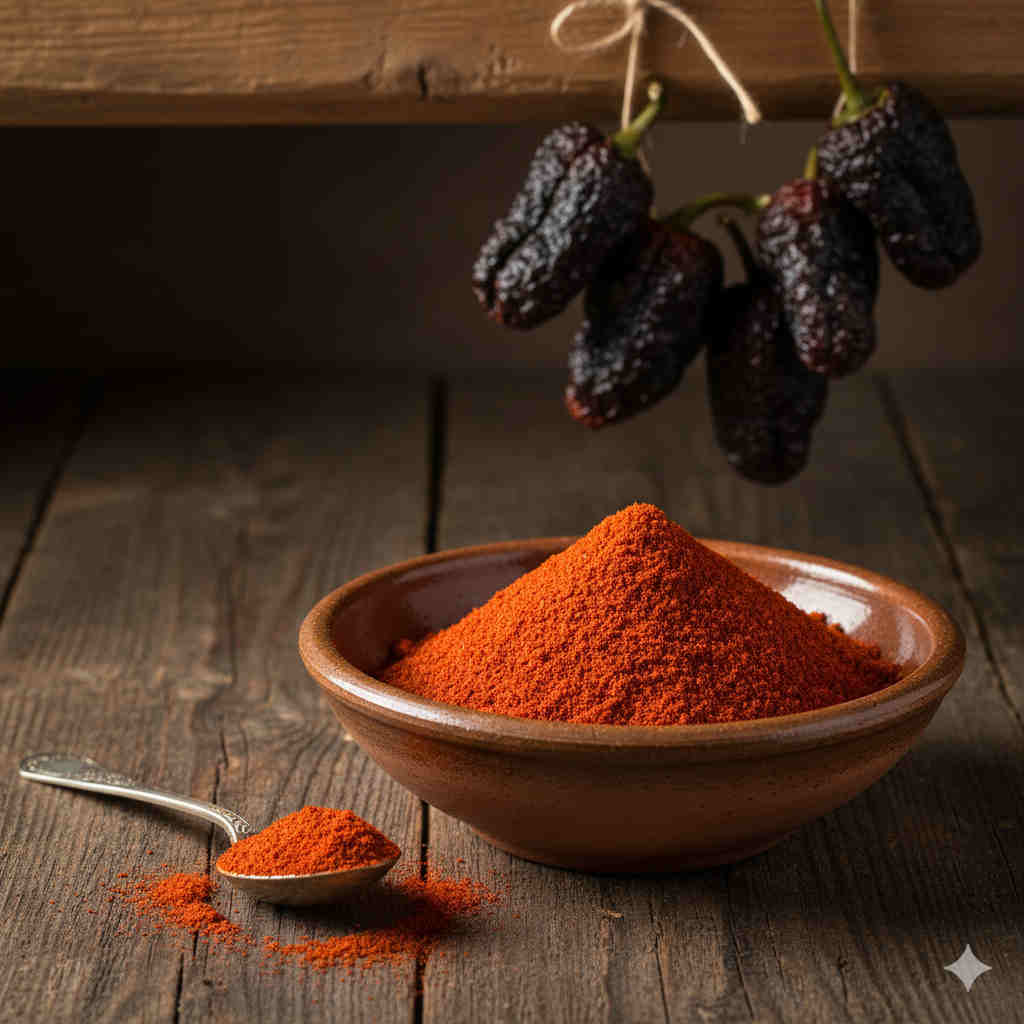
    In the world of Spanish spices, some ingredients are quiet heroes—less globally famous than saffron or smoked paprika, yet essential to regional culinary identity. The ñora pepper is one such gem. Small, round, and deep red, ñoras are sun-dried peppers traditionally grown in the Mediterranean regions of Murcia, Alicante, and parts of Valencia. Despite their modest appearance, they carry a rich, fruity sweetness and an aroma that instantly evokes the warmth of Spain’s southeastern coast.

    In Spanish cooking, particularly in Levantine cuisine, ñora peppers are the foundation of many iconic dishes—rice preparations, stews, and especially sauces such as the famous romesco. They are beloved not for spiciness (since ñoras contain almost no heat), but for their sweetness, depth, and umami quality. This article explores the unique taste of ñora peppers, their culinary uses, their rich cultural history, and why they remain a key staple in Mediterranean kitchens.


    Flavor Profile: Sweet, Fruity, Aromatic, and Completely Mild

    The flavor of ñora peppers is distinct and unmistakable. Unlike fiery Spanish peppers such as pimentón picante, the ñora is all charm and sweetness.

    Key Characteristics of Ñora Peppers

    • Naturally sweet, with a fruity intensity reminiscent of sun-dried tomatoes
    • Completely mild, containing virtually no capsaicin
    • Soft, smoky undertones, not from smoking but from sun-drying
    • Umami-rich, adding depth without overpowering other ingredients
    • Aroma of dried fruit, with a slightly caramelized fragrance

    Because of their complexity and lack of heat, ñoras are favored by cooks who want gentle sweetness and richness without spiciness. This makes them incredibly versatile in stews and sauces, acting as a harmonious flavor base that ties ingredients together.


    How to Use Ñora Peppers: A Mediterranean Essential
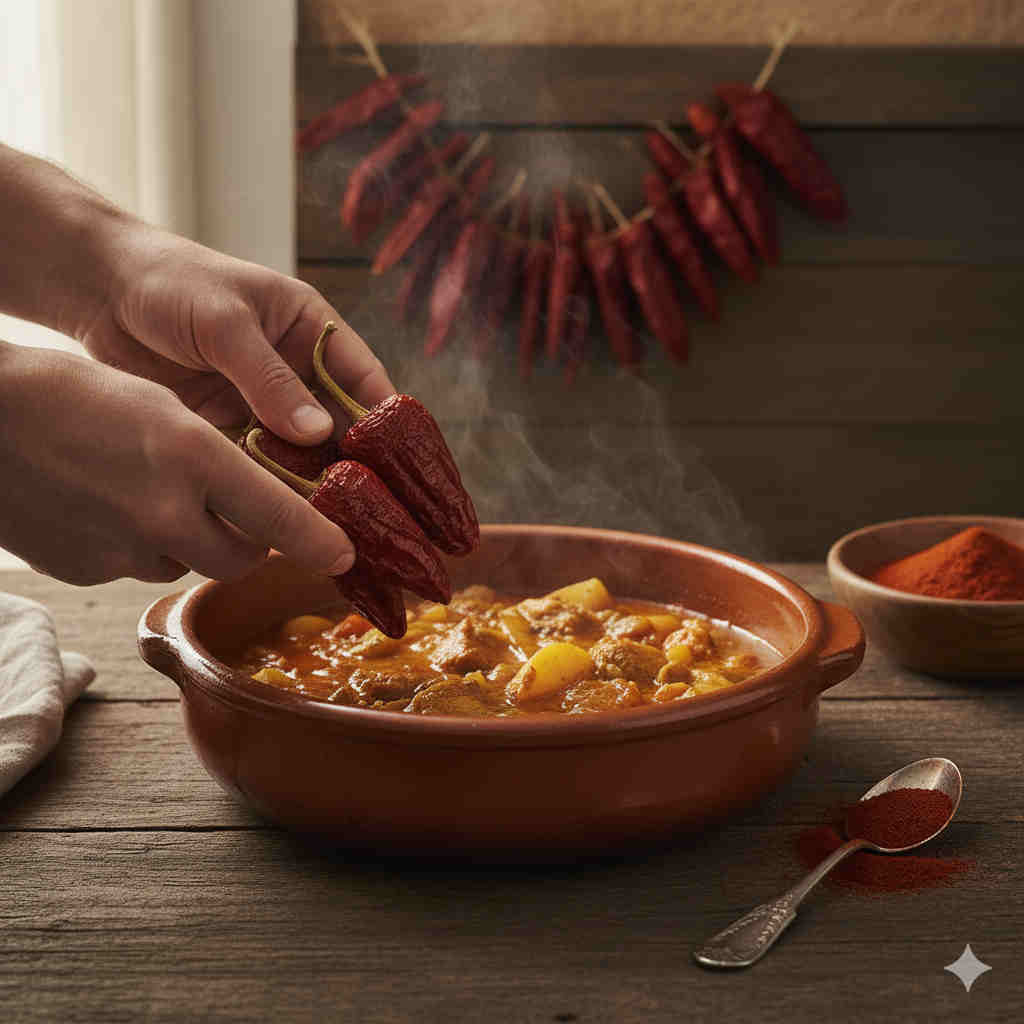
    Ñora Pepper Recipes

    Unlike powdered spices, ñora peppers are usually sold whole and dried. Because their skin is tough, they are rarely used directly in dishes without preparation. Instead, they are rehydrated and the pulp is extracted.

    1. Rehydrating Ñora Peppers: Step-by-Step

    To prepare ñoras properly:

    1. Remove the stem and shake out the seeds.
    2. Soak the peppers in warm water for 15–20 minutes.
    3. Once soft, split them open.
    4. Scrape out the soft, aromatic flesh with a spoon.

    This pulp—deep red and highly fragrant—is the true treasure of the ñora.

    2. Ñoras in Rice Dishes (Arroces)

    In southeastern Spain, ñora pepper pulp is a foundational element in many rice dishes, particularly:

    • Arroz a banda
    • Arroz con costra
    • Fideuà
    • Traditional Alicante-style paellas

    The pepper contributes sweetness, color, and a savory backbone that enhances seafood, meats, and vegetables.

    3. Romesco Sauce: A Spanish Icon Powered by Ñoras

    Perhaps the most famous use of ñoras is in romesco sauce, a Catalan classic. Traditionally eaten with:

    • Grilled calçots (sweet onions)
    • Roasted vegetables
    • Fish and seafood
    • Grilled meats

    Romesco blends ñora pulp with almonds, garlic, olive oil, tomatoes, and vinegar. The result is a thick, smoky-sweet sauce that is one of the most beloved condiments in Spanish cuisine. Without ñora peppers, authentic romesco loses its characteristic depth and Mediterranean sweetness.

    4. Stews, Soups, and Fish Preparations

    Ñoras are widely used in slow-cooked dishes, such as:

    • Fish stews
    • Vegetable guisos
    • Meat-based casseroles
    • Brothy seafood soups

    They add richness, roundness, and subtle fruitiness that elevates even simple recipes.

    5. Homemade Sofritos and Seasoning Bases

    Ñora pulp is often added to Spanish sofrito—Spain’s version of a flavor base similar to French mirepoix or Italian soffritto. A classic sofrito of onions, garlic, tomatoes, and ñora pulp forms the backbone of countless Mediterranean dishes.


    The History and Cultural Significance of Ñora Peppers
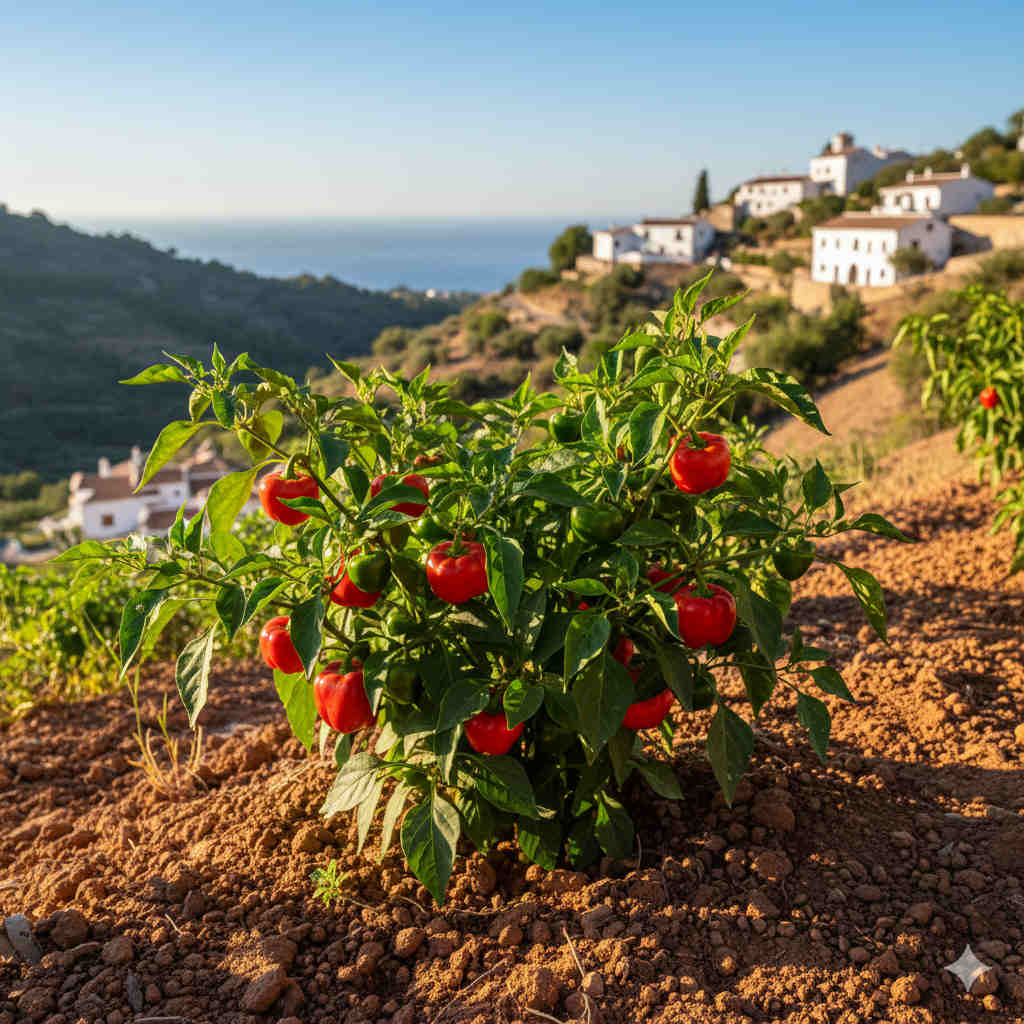
    Ñora Pepper Plant

    The ñora pepper has deep roots in Spanish agriculture and cuisine. Originally introduced from the Americas in the 16th century—like most peppers—it adapted exceptionally well to the warm, sunny climate of southeastern Spain.

    1. The Origin of the Name “Ñora”

    The name ñora is believed to come from the small Murcian coastal village of La Ñora, where the pepper was widely cultivated and used in traditional cooking. Over time, the pepper took on the name of the region that made it famous.

    2. A Tradition of Sun-Drying

    Unlike smoked paprika, which is dried over wood fires, ñoras are dried naturally under the Mediterranean sun. This slow dehydration method concentrates their sugars and enhances their fruity aroma. Sun-drying has been a traditional preservation method in the region for centuries.

    3. A Cultural Symbol of Murcia and Valencia

    Today, the ñora pepper is not just an ingredient—it is a point of cultural pride. Many regional dishes simply cannot be recreated without it. In Murcia, for example, ñoras are used to make pimentón murciano, a paprika that is sweeter and more tomato-like than smoked paprika.

    The pepper also plays a role in local festivals, markets, and artisanal traditions, where dried ñoras are often sold in decorative strings.


    Why Ñora Peppers Matter in Modern Cooking

    In contemporary cuisine, chefs increasingly value ingredients with distinct terroir and cultural identity. Ñora peppers offer:

    • Authenticity in Mediterranean and Spanish dishes
    • Natural sweetness without sugar
    • Rich umami, ideal for vegetarian and vegan cooking
    • Visual appeal, thanks to their deep red color
    • Versatility, blending beautifully with seafood, meats, vegetables, and grains

    As global interest in Spanish cuisine grows, ñoras are becoming more widely available in gourmet stores and online spice shops.


    Conclusion: A Sweet, Fruity Treasure Worth Knowing

    The ñora pepper may be small, but its impact on Spanish cuisine is enormous. From the bold romesco sauces of Catalonia to the fragrant rice dishes of Alicante and Murcia, ñoras bring sweetness, depth, and Mediterranean identity to every recipe they touch. Their mild, fruity flavor makes them accessible to all palates, while their rich history adds cultural significance to every bite.

    For cooks looking to explore the authentic tastes of Spain—or for anyone searching for a versatile, naturally sweet pepper to elevate their dishes—the ñora is a spice cabinet essential.

    Other Spanish Typical Spices:


    – Smoked Paprika

    Saffron

    Spanish Oregano

    Spanish Cumin

  • Saffron: The Golden Essence of Spanish Cuisine

    Saffron Spice

    A Spice Worth Its Weight in Gold

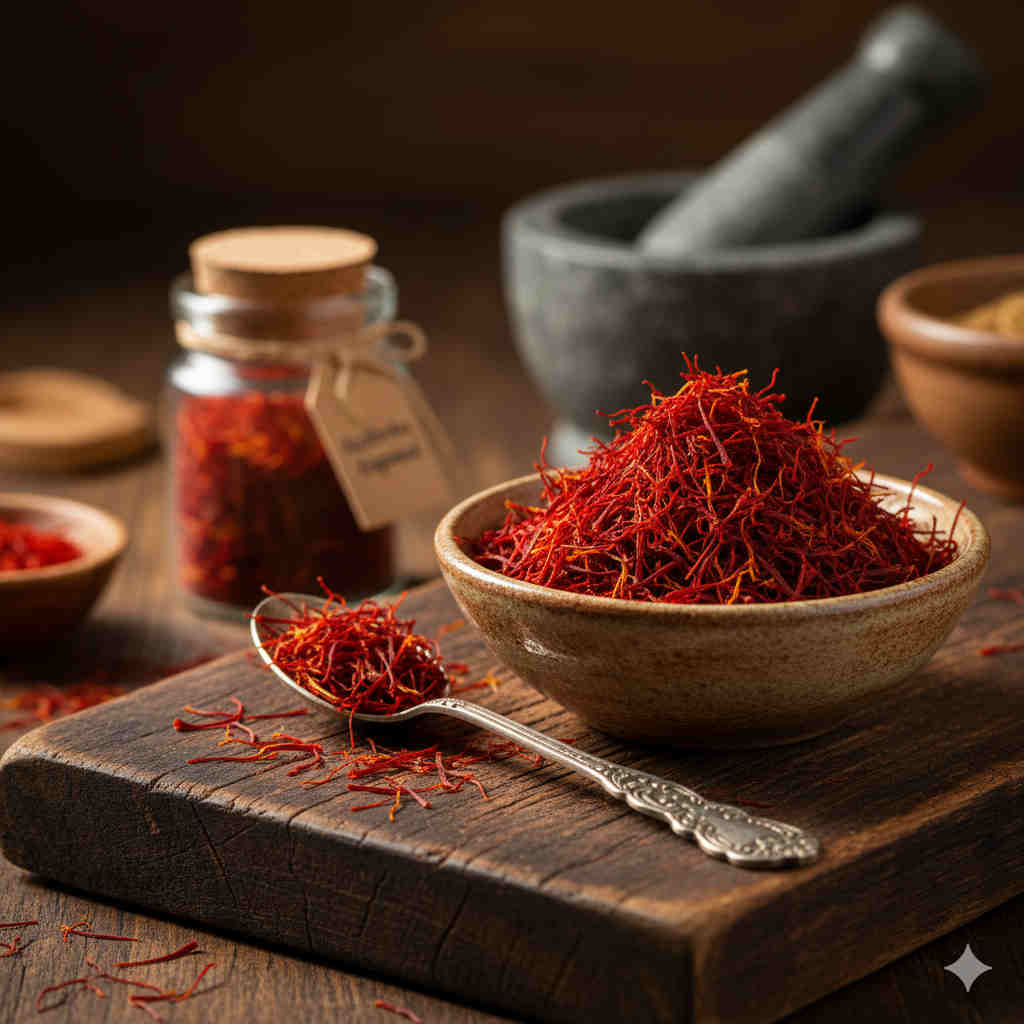
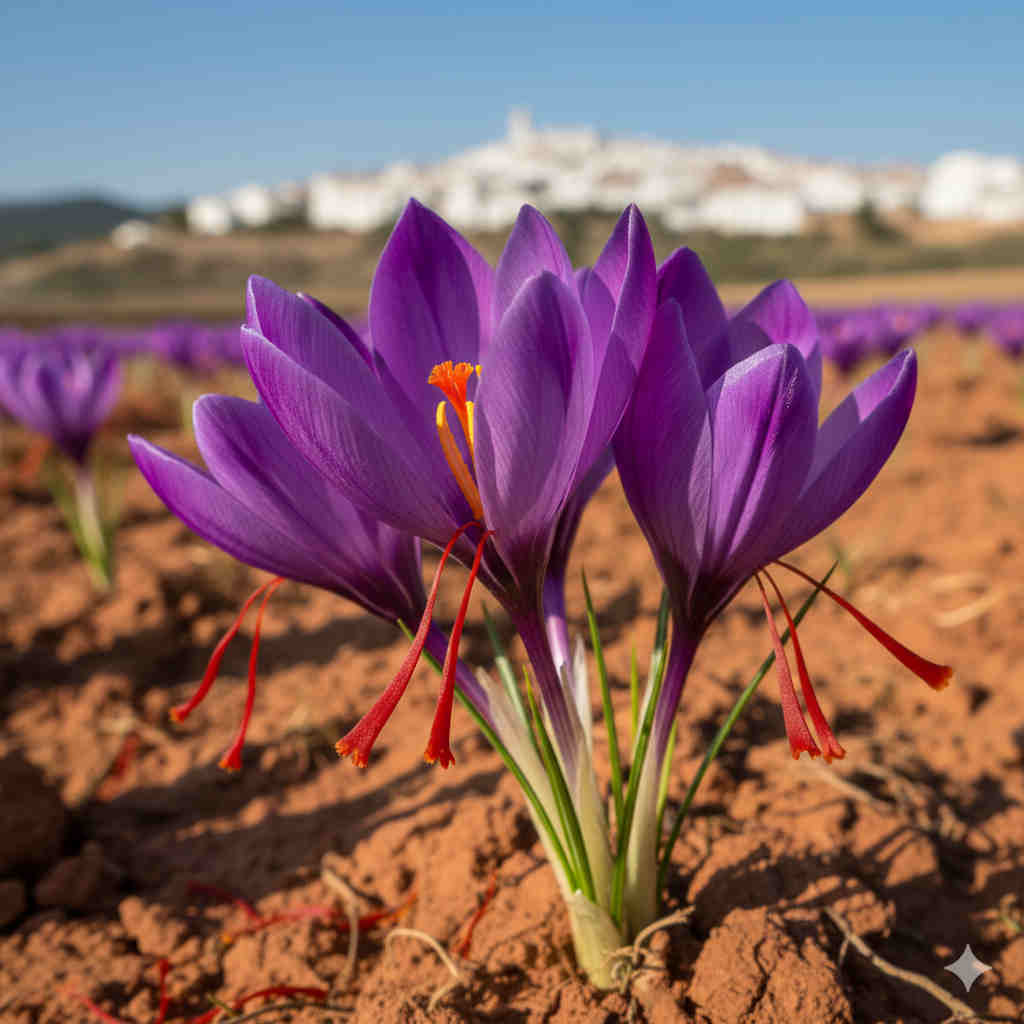
    There are few spices in the world that evoke as much curiosity, mystique, and admiration as saffron, known in Spanish as azafrán. Often called “red gold,” it is more than just the world’s most expensive spice—it is a cultural emblem, a symbol of craftsmanship, and an integral part of Spain’s culinary heritage. The delicate crimson threads, harvested by hand from the Crocus sativus flower, have been used for centuries to bring aroma, color, and depth to countless dishes. In Spain, it is inseparable from some of the country’s most iconic recipes, including the famed paella, arroz con pollo, and rich fish stews.

    But beyond its culinary appeal, it carries with it a rich history shaped by ancient civilizations, trade routes, and agricultural traditions that still exist today.


    Understanding the Flavor Profile of Saffron

    To appreciate it’s culinary power, one must understand its unique taste. Unlike many spices that deliver bold or aggressive flavors, it’s prized for its subtlety. A small quantity—sometimes only a few threads—is enough to transform an entire dish.

    Saffron’s Aroma and Taste

    High-quality Spanish saffron, particularly from La Mancha, is known for:

    • Aromatic floral notes, reminiscent of honey and wild herbs
    • Warm, earthy undertones, similar to hay
    • A hint of bitterness, adding balance and complexity
    • A golden color, which infuses liquids with a deep yellow-orange hue

    The spice doesn’t overwhelm; instead, it enhances. Its fragrance blooms when steeped in warm liquid, releasing compounds that carry both flavor and color throughout the dish. This makes this spice a favorite in recipes where subtle aromatic depth is desired.


    How to Use Saffron in Cooking: Techniques and Applications

    Saffron Recipes

    Because of its cost and intensity, it must be used thoughtfully. When used properly, its effect is unforgettable.

    1. The Infusion Method: Unlocking Maximum Flavor

    Steps to use saffron correctly:

    1. Lightly crush a pinch of threads (between 8 and 12 threads is typical for a family-sized dish).
    2. Add them to a small bowl of hot water, broth, or milk.
    3. Let them steep for at least 10 minutes.
    4. Pour the entire infusion—including the threads—into your dish.

    This method ensures the spice releases its aroma and color evenly.

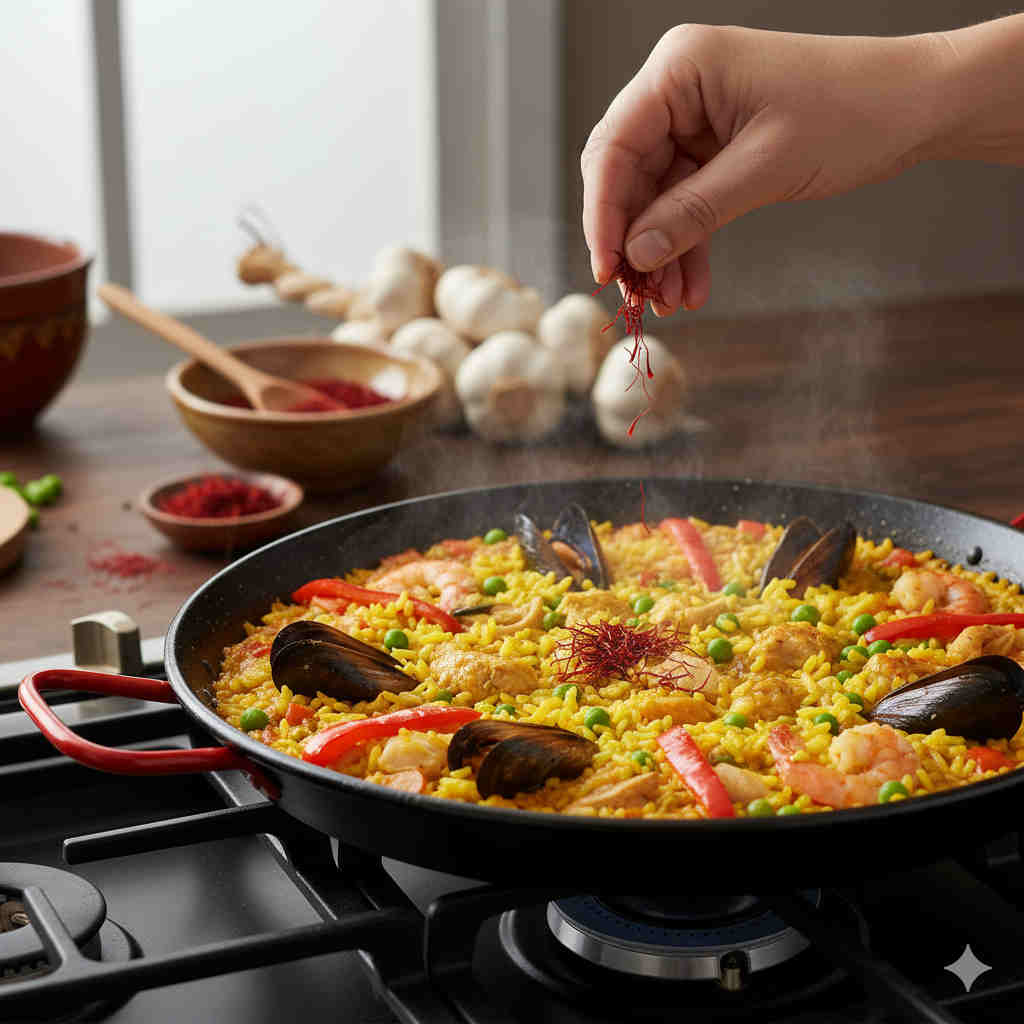
    2. Paella: Most Famous Stage

    No ingredient is more synonymous with paella than saffron. It gives:

    • Signature golden color
    • Delicate floral aroma
    • Balanced earthiness

    Whether the dish includes seafood, chicken, vegetables, or rabbit, itties the flavors together into the unmistakable taste of authentic Spanish paella.

    3. Rice and Grain Dishes Beyond Paella

    It enhances a wide variety of Spanish rice dishes:

    • Arroz caldoso (brothy rice)
    • Arroz al horno (oven-baked rice)
    • Arroz con pollo
    • Arroz negro (in some regional variations)

    The spice adds elegance even to simple white rice, instantly elevating it into something festive.

    4. Fish and Seafood Preparations

    Because its aroma pairs beautifully with seafood, it appears in:

    • Fish stews
    • Seafood soups
    • Mediterranean broths
    • Infused butter for grilled fish

    In these dishes, saffron brings complexity without overpowering delicate proteins.

    5. Sauces, Aiolis, and Modern Uses

    Contemporary Spanish cuisine embraces it in:

    • Cream sauces
    • Aioli
    • Flavored oils
    • Infused desserts such as custards, cakes, or milk puddings

    Its versatility shows why chefs worldwide consider it indispensable.


    The History of Saffron: A Journey Through Civilizations

    Saffron Flower

    Saffron’s story spans thousands of years, crossing empires and continents.
    It originated in the eastern Mediterranean and quickly gained reputation as a luxury commodity for:

    • medicine
    • cooking
    • textile dye
    • ritual and religious ceremonies

    1. The Arrival of Saffron in Spain

    Saffron entered Spanish culture primarily during the Moorish occupation, starting in the 8th century. The Moors brought advanced agricultural techniques and a deep appreciation for spices, transforming saffron cultivation into a thriving Iberian tradition.

    2. La Mancha: Spain’s Saffron Heartland

    The La Mancha region has the ideal climate:

    • dry summers
    • cold winters
    • rich, well-drained soils

    Harvesting is still done entirely by hand. Each flower blooms for only a few hours, and workers must carefully pluck the three delicate stigmas before the petals wilt. It takes between 150,000 and 200,000 flowers to produce 1 kilogram of saffron.

    This meticulous process explains why it has historically been worth more than gold by weight.

    3. A Legacy of Excellence

    Spanish saffron remains highly sought after for its:

    • Color strength
    • Aroma intensity
    • Purity standards
    • Protected D.O. certification

    La Mancha saffron is regarded by many chefs as the world’s finest, maintaining centuries-old harvesting and drying techniques.


    Why Saffron Is So Valuable

    People often wonder why saffron is the most expensive spice. The reasons are clear:

    • Labor-intensive harvesting (always by hand)
    • Extremely low yield per flower
    • Short harvest season
    • Manual separation, drying, and selection
    • High demand and limited supply

    Its value is a reflection of rarity and craftsmanship, not artificial inflation.


    Conclusion: A Spice of Tradition, Luxury, and Timeless Flavor

    Saffron is far more than an ingredient—it’s a cultural symbol, a culinary tool, and a historical artifact all at once. Its floral aroma, golden color, and subtle complexity have shaped Spanish cuisine for more than a millennium. Whether you stir it into paella, infuse it into a broth, or add it to modern interpretations of classic dishes, saffron brings a sense of occasion and authenticity that no other spice can match.

    From the sun-drenched fields of La Mancha to kitchens around the world, saffron remains a spice of prestige and passion—Spain’s true golden essence.

    Other Spanish Typical Spices:


    – Smoked Paprika

    Ñora Pepper

    Spanish Oregano

    Spanish Cumin

  • Smoked Paprika: Spain’s Iconic Red Gold

    Spanish Smoked Paprika

    The Soul of Spanish Culinary Identity

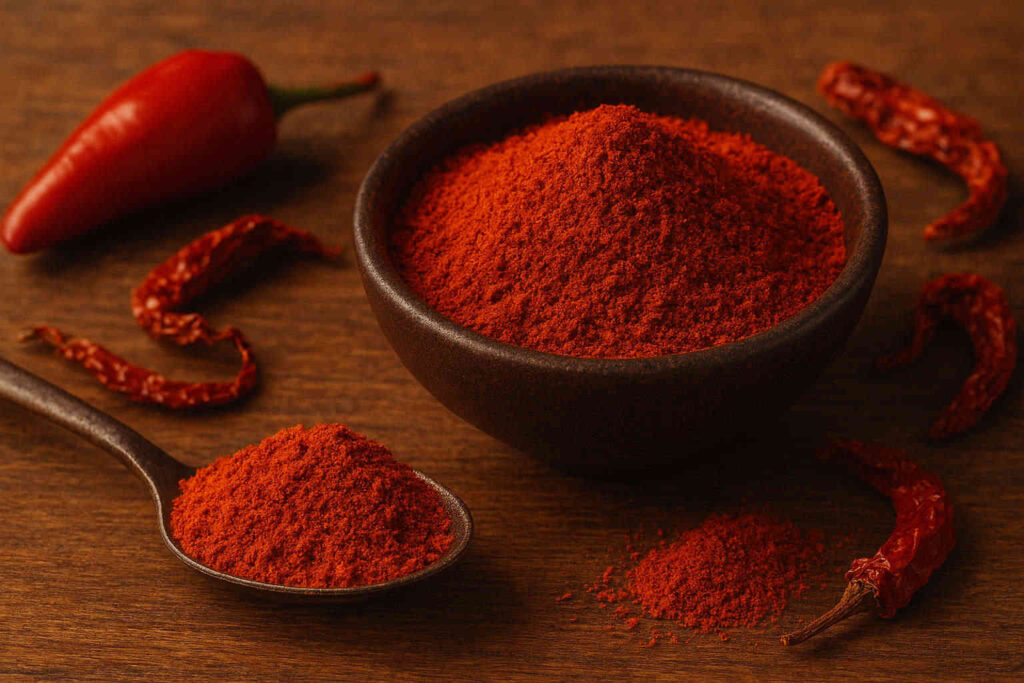
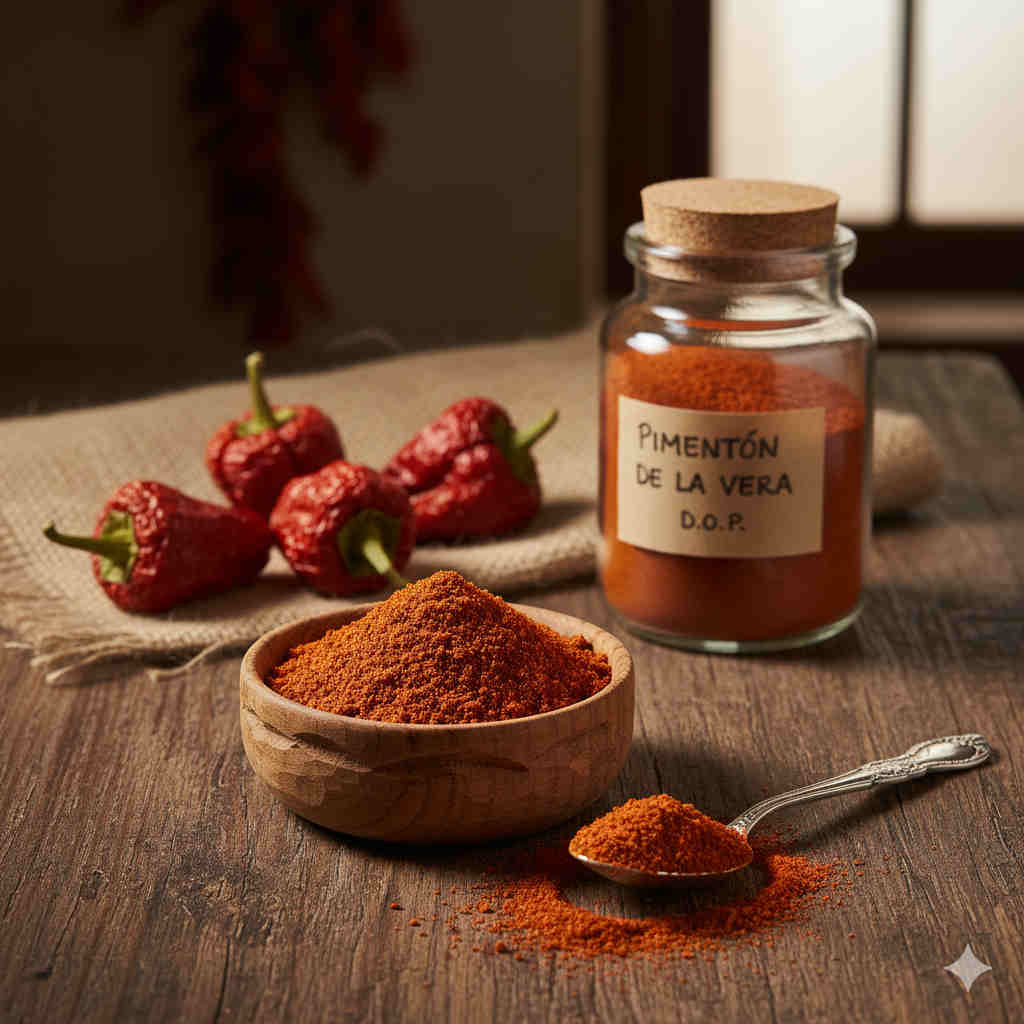
    If there is one spice capable of capturing the very essence of Spanish cuisine, it is undoubtedly smoked paprika, known locally as Pimentón de la Vera. Recognizable by its deep red hue, warm smokiness, and complex aroma, this spice is woven into the cultural and gastronomic DNA of Spain. It appears in humble family dishes and celebrated regional specialties alike, from simple sautéed potatoes to artisanal chorizo. More than an ingredient, smoked paprika is a symbol of tradition, craftsmanship, and regional pride.

    Protected under several Denomination of Origin (D.O.) labels, particularly in the La Vera region of Extremadura, this spice represents centuries of perfected techniques. Its unique flavor is owed to an ancient smoking process, passed down through generations and still executed with remarkable dedication. In today’s culinary world, where authentic flavors are increasingly in demand, smoked paprika stands out as a spice with genuine heritage and universal appeal.


    The Flavor of Pimentón de la Vera: Deep, Smoky, Unmistakable

    What makes smoked paprika so extraordinary is not only its vibrant color but its intricate bouquet of flavors. While Hungarian paprika may be known for its sweet or hot notes, Spanish smoked paprika introduces something entirely different: oak-wood smokiness that permeates every grain of the powder.

    A Closer Look at Its Flavor Profile

    • Smokiness: The most defining characteristic. The peppers are smoked for 10–14 days over smoldering oak wood, a process that gives the spice its bold aroma.
    • Sweetness: The peppers used are naturally sweet, creating a balanced contrast with the smoke.
    • Earthiness: A deep, comforting undertone that enriches stews, soups, and rice dishes.
    • Varieties of Heat:
      • Dulce (sweet)
      • Agridulce (bittersweet)
      • Picante (hot)

    Each type delivers a different culinary experience, making the spice versatile enough to use in a wide range of recipes.

    The complexity of Pimentón de la Vera has made it a favorite not only across Spain but among international chefs seeking authentic smoky depth without the need for actual smoking equipment.


    How to Cook With Smoked Paprika: A Chef’s Essential Guide

    When people search for “how to use smoked paprika” or “best recipes with smoked paprika,” the answer is almost always: everywhere. Its versatility is one reason it has become a global pantry staple.

    Smoked Paprika D.O.P

    1. The Heart of Spanish Chorizo

    Almost every traditional Spanish chorizo relies heavily on smoked paprika. It provides:

    • the iconic red color,
    • the warm smoky backbone,
    • the rich depth that balances the fat and garlic.

    Without smoked paprika, Spanish chorizo simply wouldn’t exist in its recognizable form.

    2. Tapas and Traditional Sauces

    Dishes like patatas bravas, pulpo a la gallega, or huevos rotos often include smoked paprika either directly or in the accompanying sauces. A pinch on top of fried potatoes or roasted vegetables gives them instant Spanish character.

    3. Paella and Other Rice Dishes

    While saffron is often highlighted as the star of paella, smoked paprika plays a crucial supporting role. It deepens the flavor, enhances the color, and ties together ingredients like seafood, chicken, rabbit, or vegetables.

    4. Rubs, Marinades, and Barbecue Blends

    Smoked paprika works exceptionally well in:

    • chicken marinades
    • beef rubs
    • roasted potato seasonings
    • vegetable grills
    • homemade barbecue sauces

    Vegan cooks use it to add smoky notes to tofu, beans, or faux bacon, proving its power to enhance plant-based dishes.

    5. Stews, Soups & Slow-Cooked Dishes

    Few spices enrich slow-simmered dishes like smoked paprika. In lentil stew, chickpea soup, or hearty vegetable preparations, even half a teaspoon can transform the dish.


    A Spice With Centuries of History

    The story of smoked paprika begins in the early 1500s, when Christopher Columbus returned to Spain with the first chili peppers from the Caribbean. Monks in the monasteries of Extremadura saw immense potential in the vibrant fruits and began cultivating them. Needing a preservation method, they smoked the peppers over oak logs—unintentionally creating the unique spice we know today.

    Spicy Smoked Paprika

    Over the centuries, this smoked pepper powder became indispensable in local cooking. Its popularity spread from rural communities to noble households, and eventually throughout Spain. By the 20th century, smoked paprika had reached global kitchens and artisanal food industries, especially the makers of sausage and cured meats.

    Today, the traditions remain largely unchanged. Many pepper farms in La Vera still rely on methods identical to those used hundreds of years ago. This commitment to authenticity is why the spice continues to hold D.O. protected status.


    Why Smoked Paprika Is a Must-Have Spice

    From an SEO perspective, searches like “best spices for grilling,” “vegan smoky flavor substitute,” and “authentic Spanish cooking ingredients” consistently lead back to smoked paprika. The spice fits into dozens of culinary niches and dietary lifestyles.

    Key Benefits:

    • All-natural smokiness without artificial flavorings
    • Rich antioxidants, especially carotenoids
    • Vibrant natural coloring
    • Works across Mediterranean, fusion, vegan, and BBQ cuisines
    • Long shelf life and easy storage

    Its ability to elevate dishes with minimal effort makes it invaluable to both home cooks and professional chefs.


    Conclusion: Spain’s Red Gold Lives On

    Smoked paprika is far more than a seasoning—it is a story of tradition, craftsmanship, and culinary passion. Its deep smokiness and vibrant color bring life to countless dishes, while its historical significance adds depth to its flavor. Whether you sprinkle it on roasted vegetables, stir it into a stew, or use it as the backbone of a marinade, Pimentón de la Vera delivers unmistakable Spanish soul.

    Other Spanish Typical Spices:

    Saffron

    Ñora Pepper

    Spanish Oregano

    Spanish Cumin

  • Spanish Cumin: The Earthy, Ancient Spice at the Heart of Iberian Cooking

    Spanish Cumin Spice

    A Spice That Bridged Continents and Cultures

    Among all the spices that shape Spanish cuisine, few have a story as ancient and far-reaching as Spanish cumin. Known locally as comino, cumin is one of Spain’s most essential and distinctive flavors—especially in the southern region of Andalusia, where Moorish influence left an enduring culinary legacy. While many associate cumin with Middle Eastern, Indian, or North African cooking, it is deeply rooted in Spanish tradition as well, playing a fundamental role in stews, sausages, marinades, and rustic comfort foods.

    Spanish cumin stands out for its warm, earthy aroma, smoky undertones, and slightly bitter yet citrus-like finish. More intense than many commercially available varieties, it has a depth that speaks to centuries of tradition, cultural exchange, and regional craftsmanship. This article explores the flavor profile, culinary uses, and rich historical significance of Spanish cumin—and why it remains a cornerstone of Iberian cuisine today.


    Flavor Profile: Warm, Earthy, and Intensely Aromatic

    Spanish Cumin Plant

    Spanish cumin is known for its bold and unmistakable smell—the kind of fragrance that instantly evokes home-cooked stews and rustic kitchens.

    Key Flavor Notes of Spanish Cumin

    • Earthy and warm, with deep aromatic richness
    • Nutty and slightly smoky, especially when toasted
    • Subtle citrus brightness
    • A touch of bitterness, which adds complexity
    • Lingering, savory finish

    Spanish cumin contains high levels of cuminaldehyde, the compound responsible for cumin’s signature aroma. But due to Spain’s climate and soil, local cumin often tastes slightly sharper, richer, and more intense than typical varieties.

    Whole vs. Ground Cumin

    Spanish kitchens traditionally use both:

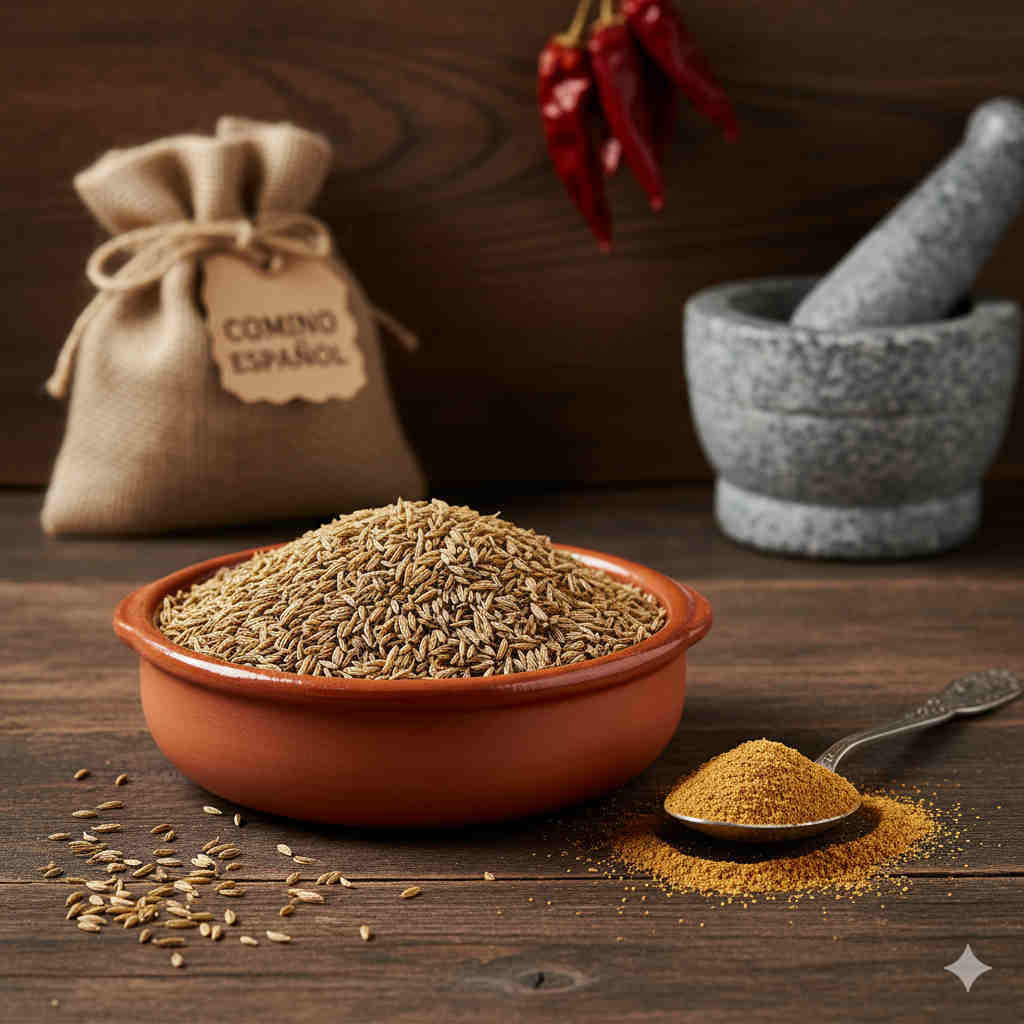
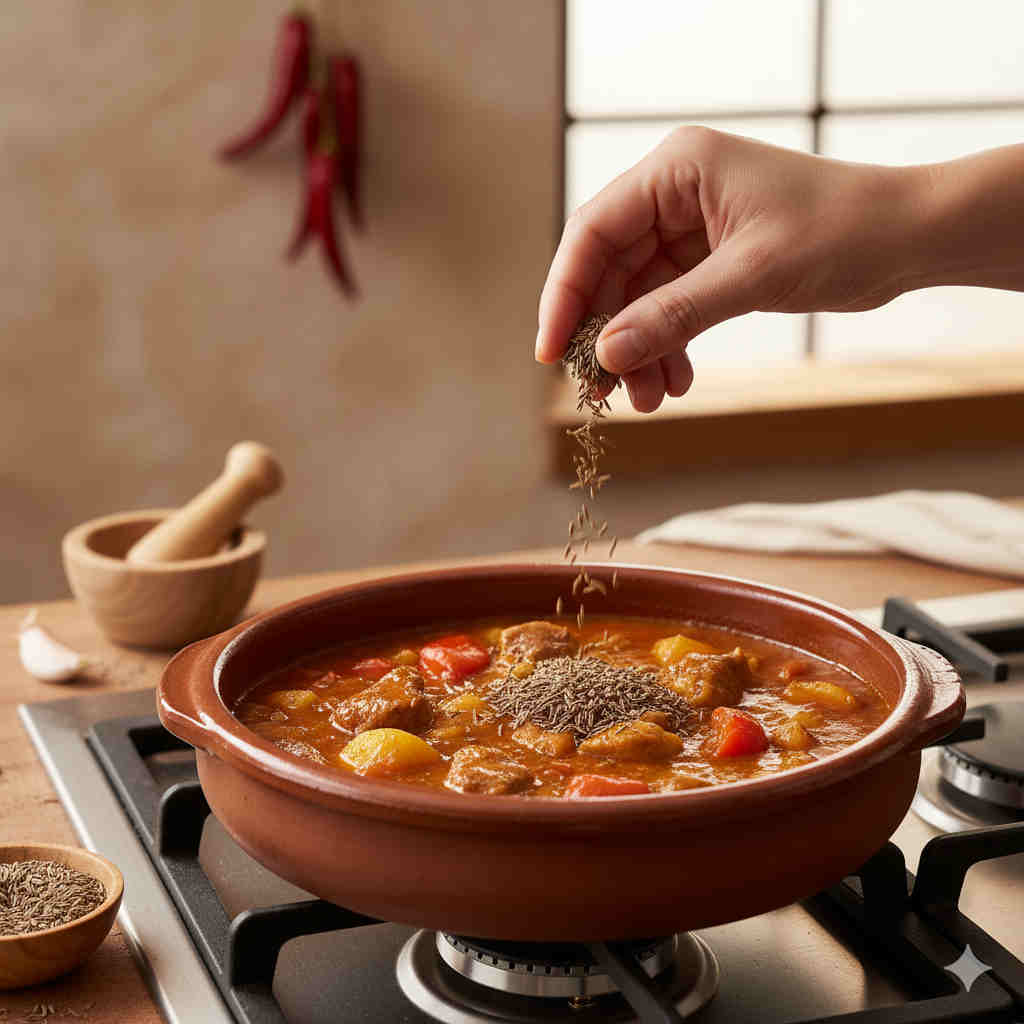
    • Whole seeds, often toasted for stews and sauces
    • Ground cumin, essential for seasoning meat, sausages, and beans

    Toasting cumin seeds in a dry pan before use dramatically enhances their nutty and smoky qualities—one of the secrets behind the flavor of many Spanish dishes.


    How Cumin Is Used in Spanish Cooking

    Spanish Cumin Recipes

    Cumin is a foundational spice in multiple regions of Spain, but especially in Andalusia, Extremadura, and the Canary Islands. Its influence is most visible in rustic, slow-cooked recipes.

    1. Stews and Legume Dishes

    Cumin is essential in classic Spanish guisos (stews), beloved for their comforting depth. It is often found in:

    • lentil stew (lentejas guisadas)
    • chickpea stew (potaje de garbanzos)
    • white bean dishes
    • tomato-based stews

    Just a small amount enhances the earthiness of legumes and balances the sweetness of vegetables.

    2. Sausages and Meat Seasonings

    Cumin is a defining flavor in many Spanish sausages, especially:

    • morcilla (blood sausage)
    • chorizo (particularly some Andalusian styles)
    • longaniza

    It also appears in marinades for:

    • pork
    • chicken
    • lamb
    • beef

    A typical Spanish marinade with cumin includes:

    • garlic
    • sweet smoked paprika
    • black pepper
    • olive oil
    • vinegar or wine
    • oregano

    Cumin provides the earthy backbone that gives Spanish meats their rustic identity.

    3. Andalusian and Moorish-Influenced Cuisine

    Cumin is central to many dishes that reflect Spain’s historical connection with North Africa. Some examples include:

    • Andalusian albóndigas (meatballs in cumin-tomato sauce)
    • Pinchitos morunos (Moorish-style skewers)
    • Andalusian-style roasted vegetables
    • Soups with saffron and cumin

    In these recipes, cumin blends seamlessly with paprika, garlic, saffron, and coriander—a flavor palette deeply inspired by centuries of cultural exchange.

    4. Canary Islands Mojo Sauces

    The Canary Islands feature two iconic sauces:

    • mojo rojo (red garlic-paprika sauce)
    • mojo verde (green cilantro-parsley sauce)

    Both rely heavily on cumin for flavor balance. In mojo rojo, cumin adds depth and earthiness; in mojo verde, it provides grounding contrast to fresh herbs and lime.

    5. Bread, Savory Pastries, and Pickling

    Although lesser known, cumin also appears in:

    • traditional breads
    • savory pastries
    • brines and pickles
    • artisanal cheeses

    Its pungency works beautifully in fermentation and slow baking.


    The History of Cumin in Spain: A Journey Across Civilizations

    Cumin’s story in Spain spans over 3,000 years, intertwined with the migrations, conquests, and trade networks that shaped the Iberian Peninsula.

    1. Arrival Through Ancient Trade Routes

    Long before the Moors, cumin was used in Phoenician and Roman cooking. The Romans introduced it widely across their empire, and cumin quickly became a valued spice in Iberian households.

    2. The Moorish Golden Age

    The most significant influence came with the Moors, who ruled large parts of Spain from the 8th to the 15th century. They brought refined spice techniques, agricultural knowledge, and culinary traditions that transformed Spanish cooking.

    During this period:

    • cumin became a household staple
    • it was used in stews, breads, and spice blends
    • it gained prominence in Andalusia’s evolving food culture

    Many traditional Andalusian dishes today still contain the same cumin-based seasoning combinations developed centuries ago.

    3. Medieval Spanish Medicine and Tradition

    In medieval Spain, cumin wasn’t just food—it was medicine. Herbalists used it for:

    • digestion
    • sore throats
    • congestion
    • disinfecting wounds

    Even today, cumin tea and infusions remain popular folk remedies in rural communities.

    4. Cumin in Modern Spain

    While many global cuisines adopted cumin, Spain maintained a uniquely rustic interpretation. Spanish cumin remains a symbol of tradition—especially in home kitchens where recipes are passed down through generations.


    Why Spanish Cumin Is Uniquely Valuable Today

    Modern chefs and home cooks prize Spanish cumin for several reasons:

    1. Powerful, Distinct Flavor

    Spanish cumin is typically more intense and aromatic than generic cumin varieties, making it a preferred choice for authentic recipes.

    2. Versatility Across Culinary Styles

    It works well in:

    • rustic stews
    • barbecue rubs
    • vegetarian dishes
    • sauces and dips
    • global fusion recipes

    Its complexity allows it to shine whether used sparingly or boldly.

    3. Health Benefits

    Cumin is rich in:

    • antioxidants
    • iron
    • antimicrobial compounds
    • digestion-supporting oils

    These qualities align perfectly with modern wellness-focused cooking.

    4. A Link to Cultural Heritage

    Using Spanish cumin brings historical authenticity to dishes with Moorish, Andalusian, or Canary Island roots. For food lovers seeking culinary identity, cumin is a gateway to Spain’s multi-layered past.


    Conclusion: Spanish Cumin, the Soul of Iberian Comfort Food

    Spanish cumin is more than a spice—it is a storyteller. Its bold, earthy aroma evokes ancient trade routes, Moorish palaces, Roman kitchens, and generations of Spanish home cooking. Its flavor is warm, rustic, and unmistakably Iberian, shaping everything from lentil stews to sausages and signature sauces like mojo.

    For cooks seeking an authentic taste of Spain, or simply wanting a spice with depth and character, Spanish cumin is an essential ingredient. It captures the heart of Spanish comfort food: humble, aromatic, and rooted in centuries of tradition.

    Other Spanish Typical Spices:


    – Smoked Paprika

    Saffron

    Ñora Pepper

    Spanish Oregano

  • Spanish Oregano: The Wild Aromatic Treasure of the Iberian Peninsula

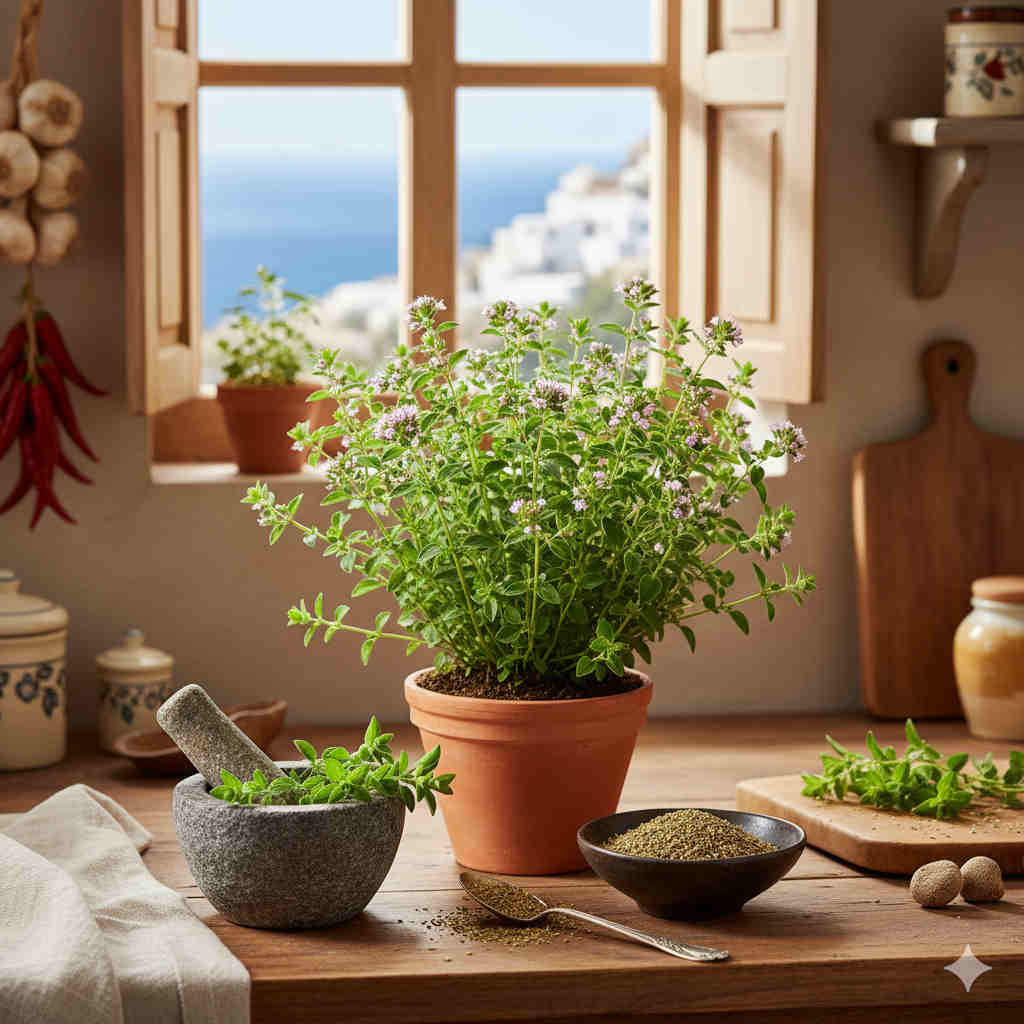
    Oregano Spice

    A Bold Herb Rooted in Spanish Landscape

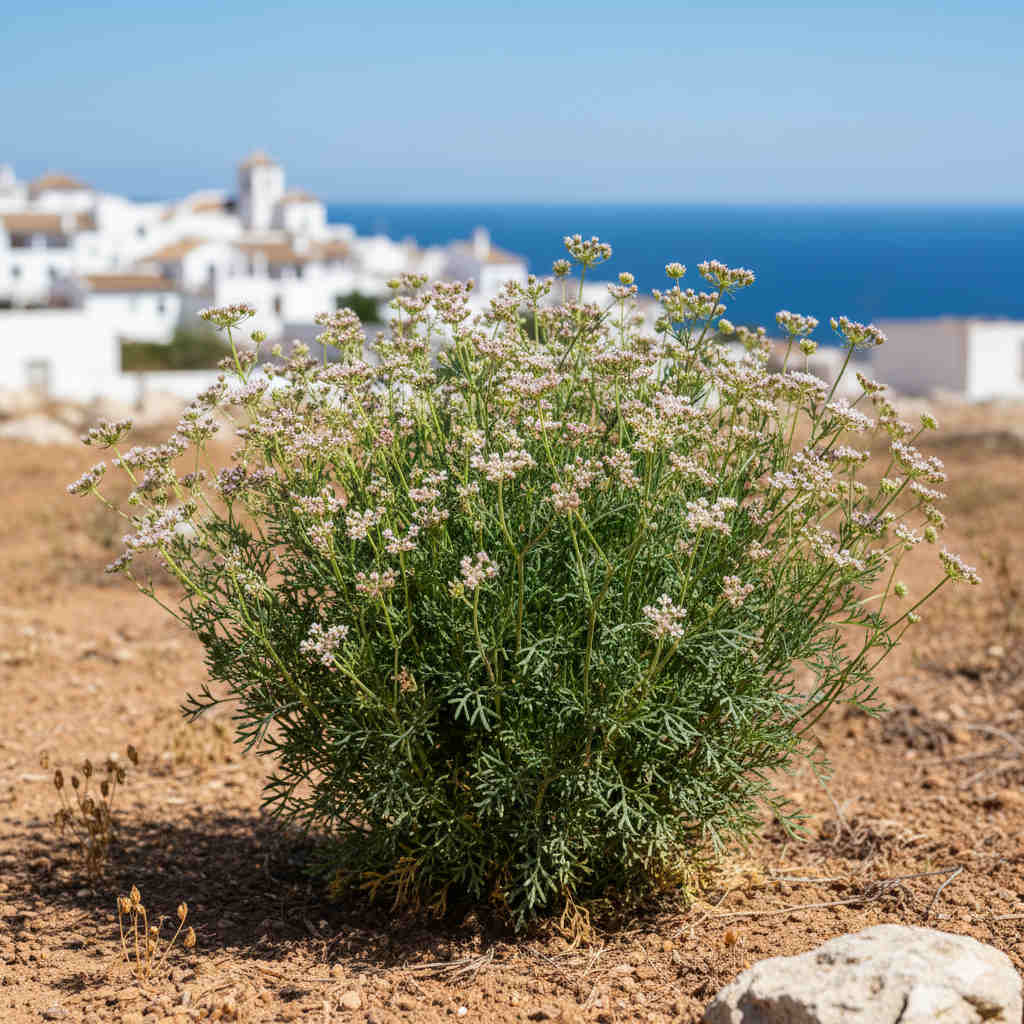
    When people think of oregano, they often imagine the mild herb used in Italian pizza sauces or Mediterranean salads. But Spanish oregano—a distinct variety often derived from Origanum vulgare or Origanum virens—is something entirely different. Bolder, sharper, more aromatic, and deeply infused with the rugged identity of Spain’s wild terrain, Spanish oregano is a herb with an unmistakable personality.

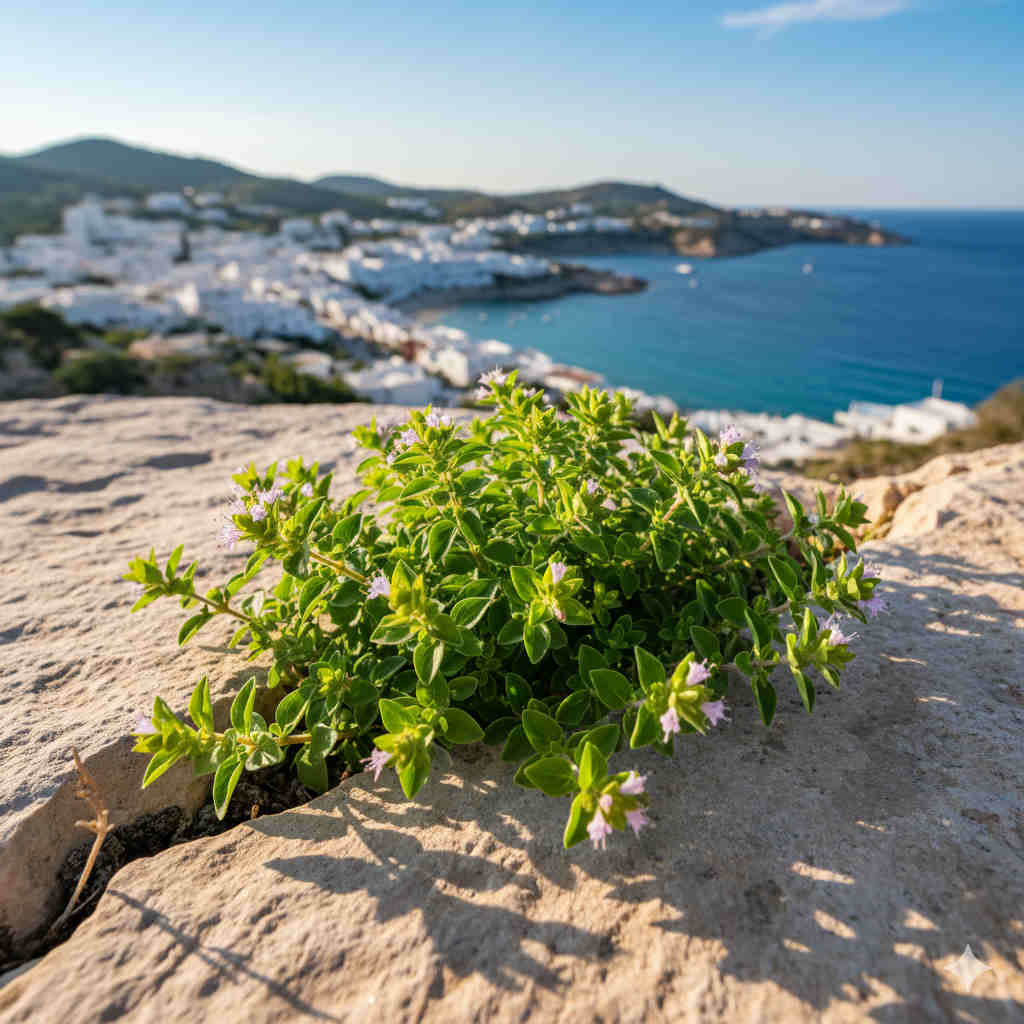
    It grows naturally across the hillsides of central and southern Spain, thriving in dry, rocky soils under intense sunlight. This harsh environment shapes its essential oils, giving the herb a potent fragrance and flavor that stand out dramatically from its Greek and Italian cousins. In Spanish cuisine, it’s essential in stews, marinades, grilled meats, vegetable dishes, and even pickling recipes. It is one of those ingredients that might seem simple—yet once you experience its intensity, you realize why it holds a special place in Iberian kitchens.


    Flavor Profile: Strong, Wild, and Unapologetically Aromatic

    It is known for its bold flavor. It contains a higher concentration of thymol and carvacrol—two powerful aromatic compounds—giving it a sharper and more resinous bite than typical oregano varieties.

    Key Characteristics of Spanish Oregano

    • Strongly aromatic, with pungent herbal notes
    • Slightly spicy, almost peppery
    • Hints of citrus and wildflowers
    • Warm and earthy finish, with a touch of bitterness
    • More intense flavor than Greek, Turkish, or Italian varieties.

    Its potency means that cooks typically use smaller quantities, especially when substituting it in recipes that call for milder taste. Just a pinch can transform a dish, adding depth and Spanish rustic charm.


    How to Use Spanish Oregano in Cooking

    It is a kitchen workhorse—simple to use yet capable of enhancing dishes with remarkable complexity. Its boldness pairs beautifully with meat, garlic, tomato, olive oil, and robust spices such as cumin or paprika.

    1. Marinades and Grilled Meats

    One of the most traditional uses of Spanish oregano is in marinades for:

    • grilled chicken
    • pork chops
    • lamb skewers
    • rabbit dishes
    • beef steaks

    A classic Spanish marinade often includes:

    • garlic
    • olive oil
    • vinegar or lemon juice
    • smoked paprika
    • salt
    • a generous pinch of oregano

    The herb’s pungent aroma penetrates the meat during marination, creating a fragrant, savory crust when grilled.

    2. Stews and Hearty Soups

    Spanish stews, known as guisos or cocidos, often rely on oregano to bring depth and warmth. You’ll find it in:

    • cocido madrileño (Madrid-style stew)
    • lentil stews
    • chickpea and chorizo soups
    • tomato-based bean dishes

    Its peppery, herbal aroma enhances slow-cooked flavors, making the broth richer and more aromatic.

    3. Vegetable Dishes and Roasts

    It shines in vegetable preparations such as:

    • roasted peppers
    • eggplant
    • zucchini
    • potatoes
    • sautéed greens

    A drizzle of olive oil and a sprinkle of oregano can transform any vegetable into a deeply flavorful side dish.

    4. Tomato-Based Sauces and Sofritos

    In Spanish sofrito—an aromatic base made from tomato, garlic, and onion—oregano plays a subtle but essential role. Unlike Italian variety, which tends to blend smoothly into sauces, Spanish variety creates a slightly sharper edge, adding rustic complexity.

    5. Pickling and Seasoned Oils

    Spanish variety is often used in:

    • homemade vinegars
    • infused olive oils
    • pickled vegetables
    • preserved cheeses
    • seasoning blends for olives

    The herb’s high essential-oil content makes it perfect for preserving and flavor infusing.


    A Herb With Ancient Roots: Spain’s Timeless Oregano Tradition

    The history of oregano in Spain stretches back thousands of years. The herb was widely used by the Greeks and Romans, who valued it not only for cooking but also for its medicinal and spiritual properties. They believed it symbolized joy and protection, often planting it near homes to promote prosperity.

    Oregano Plant

    1. Arrival and Adaptation in Iberia

    It arrived in the Iberian Peninsula through ancient trade routes. Spain’s rugged terrain, especially in regions like Extremadura, Castilla-La Mancha, and Andalucía, offered ideal growing conditions. Over centuries, wild oregano evolved into distinct regional varieties, many of which are still harvested by hand today.

    2. A Staple in Rural Spanish Culture

    For generations, it has been a pantry essential in rural Spanish households. Villagers collected wild herbs during the summer and dried them for year-round use. The herb was prized for:

    • its strong flavor
    • its preservative properties
    • its versatility in cooking
    • its use in traditional remedies

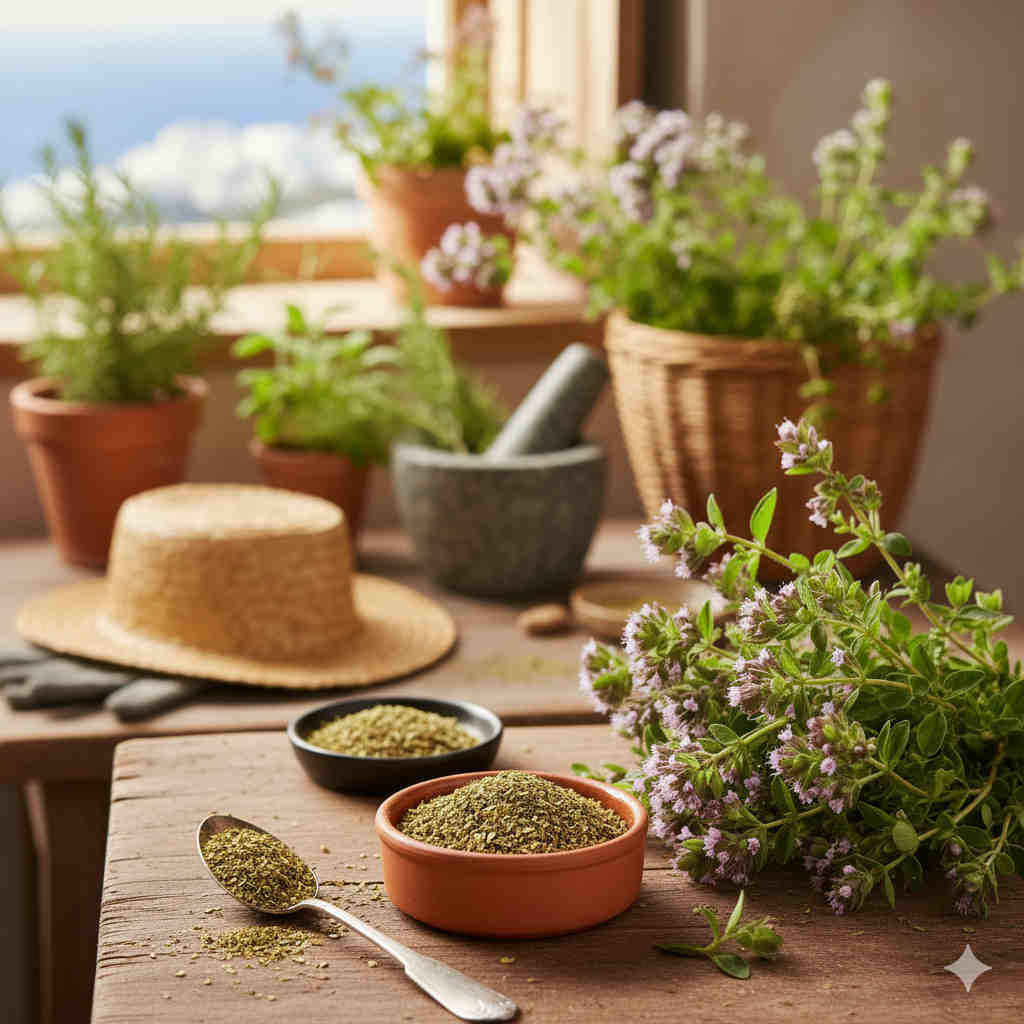
    Even today, small producers and family farms continue this tradition, hand-drying oregano in bunches under the summer sun.

    3. Oregano in Spanish Folk Medicine

    Historically, oregano was used for:

    • digestive issues
    • colds and respiratory ailments
    • disinfecting wounds
    • general wellness teas

    Though modern medicine no longer relies on herbs in the same way, oregano tea and infusions remain popular in many Spanish households.


    Why Spanish Oregano Stands Out in Modern Cooking

    Recipes with Oregano

    In contemporary cuisine, authenticity and bold flavors are prized. Chefs often seek ingredients with strong identity and terroir—qualities that Spanish oregano offers in abundance.

    Benefits of Using Spanish Oregano

    • Intense flavor: A small pinch is enough for an entire dish.
    • Versatility: Suitable for meat, vegetables, stews, and sauces.
    • Natural preservative: High essential-oil content inhibits spoilage.
    • Health benefits: Rich in antioxidants, antimicrobial compounds, and vitamins.
    • Cultural authenticity: Essential for Spanish and Mediterranean dishes.

    Because of its strength, Spanish oregano can also act as a substitute for thyme or marjoram in some recipes.


    Conclusion: A Powerful Herb With Unmistakable Spanish Character

    Spanish oregano may share a name with its milder Mediterranean relatives, but its personality is unmistakably bold and wild—just like the landscapes from which it comes. Its peppery, aromatic flavor infuses dishes with rustic Iberian soul, making it indispensable in marinades, grilled meats, stews, and hearty vegetable recipes.

    Whether you are exploring Spanish cuisine or simply looking for a more intense herb to elevate your everyday cooking, Spanish oregano is a powerful and aromatic treasure well worth adding to your pantry.

    Other Spanish Typical Spices:


    – Smoked Paprika

    Saffron

    Ñora Pepper

    Spanish Cumin