Anise, that small seed with a gentle, recognizable, licorice-like taste, is much more than a simple baking ingredient or a component of an anise-flavored drink. It is a spice whose history intertwines with that of civilizations, used since antiquity for its medicinal properties, aromatic qualities, and even its symbolic role. Its journey through global cultures and cuisines attests to its universal importance.
The Ancient Roots of a Vesperated Spice
Green anise (Pimpinella anisum) originates from the Mediterranean basin and the Middle East, particularly Egypt and Western Asia. Its use dates back over 4,000 years, making it one of the oldest spices cultivated by humanity.
Ancient Egyptians used anise in their culinary preparations, but primarily as a remedy. Ancient papyri attest to its digestive and carminative (gas-reducing) properties.
The Greeks and Romans also widely adopted anise. The Roman naturalist Pliny the Elder recommended chewing anise seeds after meals to aid digestion and freshen breath. It was even customary to bake a spiced cake called mustaceum, often flavored with anise, which was consumed at the end of feasts for its digestive virtues after a rich meal. The Romans are credited with its spread throughout Europe.
In the Middle Ages, anise remained a highly valued spice. It was cultivated in monastic gardens, where monks perpetuated its use for medicine and flavoring eaux-de-vie (brandies). Its high price at certain times reflected its status as a precious commodity, often subject to taxes. In England, for example, King Edward I imposed a tax on anise to help fund the repair of London Bridge.
From Pharmacopoeia to Culinary Art
Historically, anise’s uses were primarily medicinal before they became culinary. Its properties are mainly attributed to anethole, the aromatic compound that gives it its characteristic flavor.
Medicinal Virtues
Anise is traditionally recognized for:
- Its digestive properties: It is an excellent antispasmodic and helps relieve bloating, flatulence, and indigestion. It is often consumed as a herbal tea.
- Its expectorant effects: Used in infusion, it helps clear the respiratory tracts and soothe coughs and colds.
- Its galactagogue properties: It is traditionally recommended to nursing mothers to stimulate milk production.
Anise in Cooking
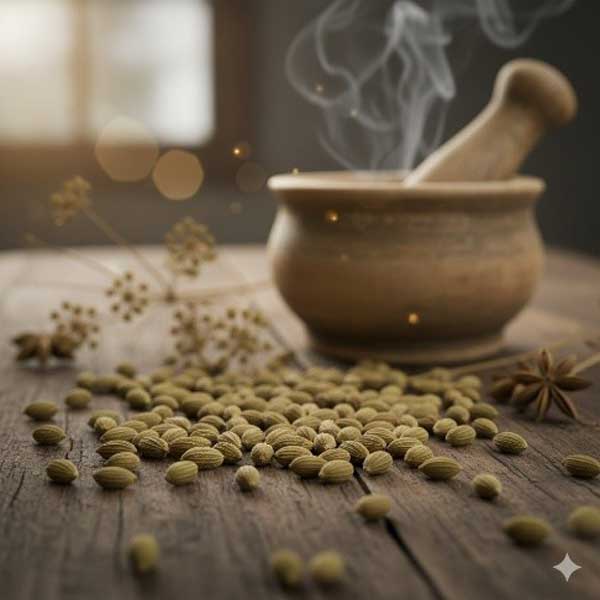
In the kitchen, anise is incredibly versatile.
- Baking and Confectionery: It is essential in many traditional pastries around the world, such as German Christmas cookies (Anisplätzchen), Mediterranean dry biscuits, and breads.
- Beverages: The seeds can be used to infuse teas or tisanes.
- Savory Dishes: In certain cuisines, notably Indian and Middle Eastern, anise seeds are used to season stews, rice dishes, and fish sauces, adding a fresh note.
The Saga of Anise-Flavored Drinks
Anise found its most spectacular glory in the world of spirits. Its anethole dissolves in alcohol but precipitates when water is added, creating the milky clouding effect, called the louche, typical of anise aperitifs.
The most famous of the anise-based beverages is undoubtedly Absinthe, which originated in Switzerland and was popularized in France in the 19th century. Although absinthe contains wormwood (a toxic plant in high doses), green anise played an essential role in the aroma. After absinthe’s ban at the beginning of the 20th century, many alternatives emerged, notably:
- Pastis and Ricard in France.
- Ouzo in Greece.
- Raki in Turkey.
- Arak in the Levant and Mesopotamia.
Each of these beverages uses the essence of green anise or other anise-flavored plants to create its distinctive flavor, thus perpetuating a thousand-year-old tradition.
Confusion and Distinctions: Green Anise, Star Anise, and Fennel
A frequent source of confusion lies in the similarity of flavors between several plants, all due to the presence of anethole. It is crucial to distinguish:
- Green Anise (Pimpinella anisum): This is the seed we are mainly discussing. It is small, brownish-green, and carries the mildest flavor.
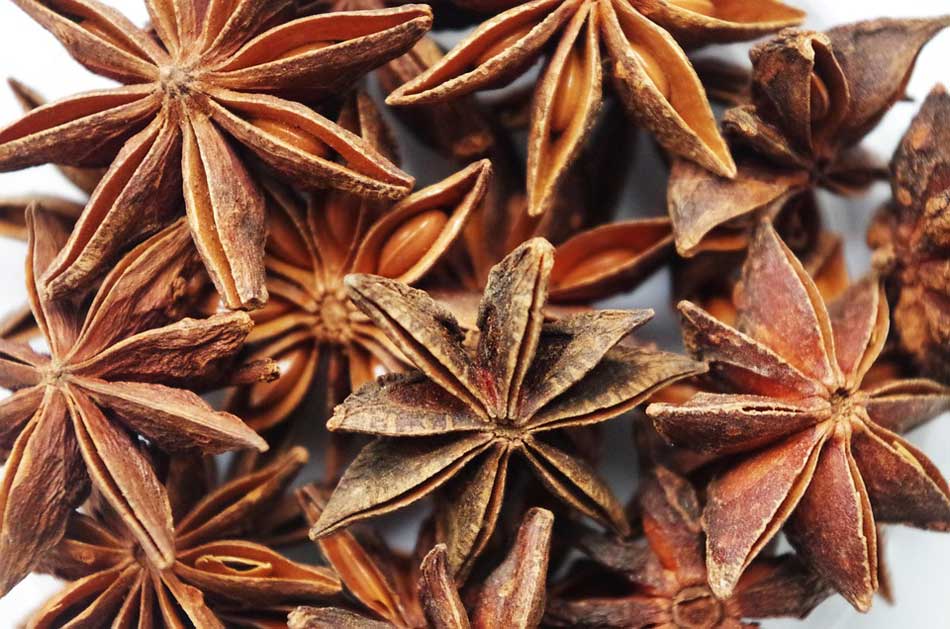
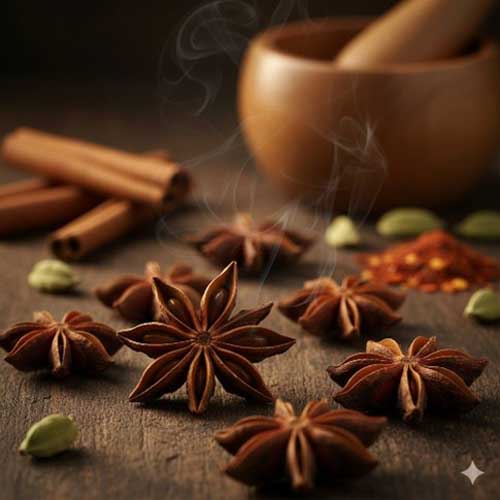
- Star Anise (Illicium verum): Native to China and Vietnam, this is the dried fruit of an evergreen tree, shaped like an eight-pointed star. It has a much more intense and pungent anethole flavor. It is fundamental in Asian cuisine, notably in the Five-Spice powder blend. Chemically and botanically, it is unrelated to green anise.
- Fennel (Foeniculum vulgare): Fennel seeds, also used as a spice, have a slightly anise-like flavor. Again, the presence of anethole is responsible for the similar aromatic profile, although it is botanically distinct.
Cultivation and Harvest
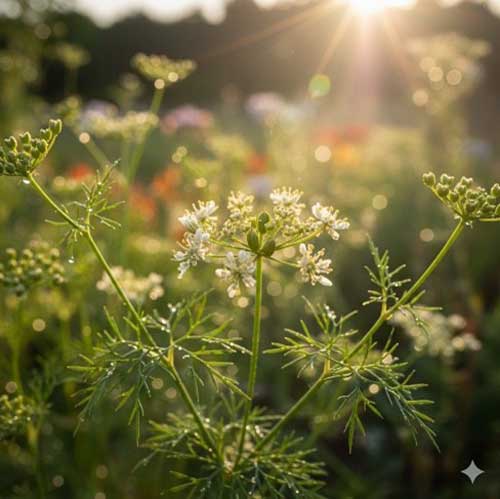
Anise is an herbaceous annual plant, reaching about 50 cm in height. It prefers a warm, sunny climate and light, well-drained soils.
The small white or yellowish flowers bloom in summer, forming umbels. After flowering, they produce the small brownish-green seeds. The harvest is delicate: it must be done just before the seeds are completely ripe and drop, usually in late summer or early autumn. The stalks are cut, dried, and threshed to release the precious seeds.
Today, anise is cultivated in many regions around the world, including Spain, Mexico, Turkey, and China, ensuring a constant supply for a spice whose demand remains high, whether for flavoring a dish, soothing indigestion, or composing a refreshing summer cocktail.
Anise is therefore not just a flavor, but a true marker of the world’s culinary and medicinal history.



Leave a Reply