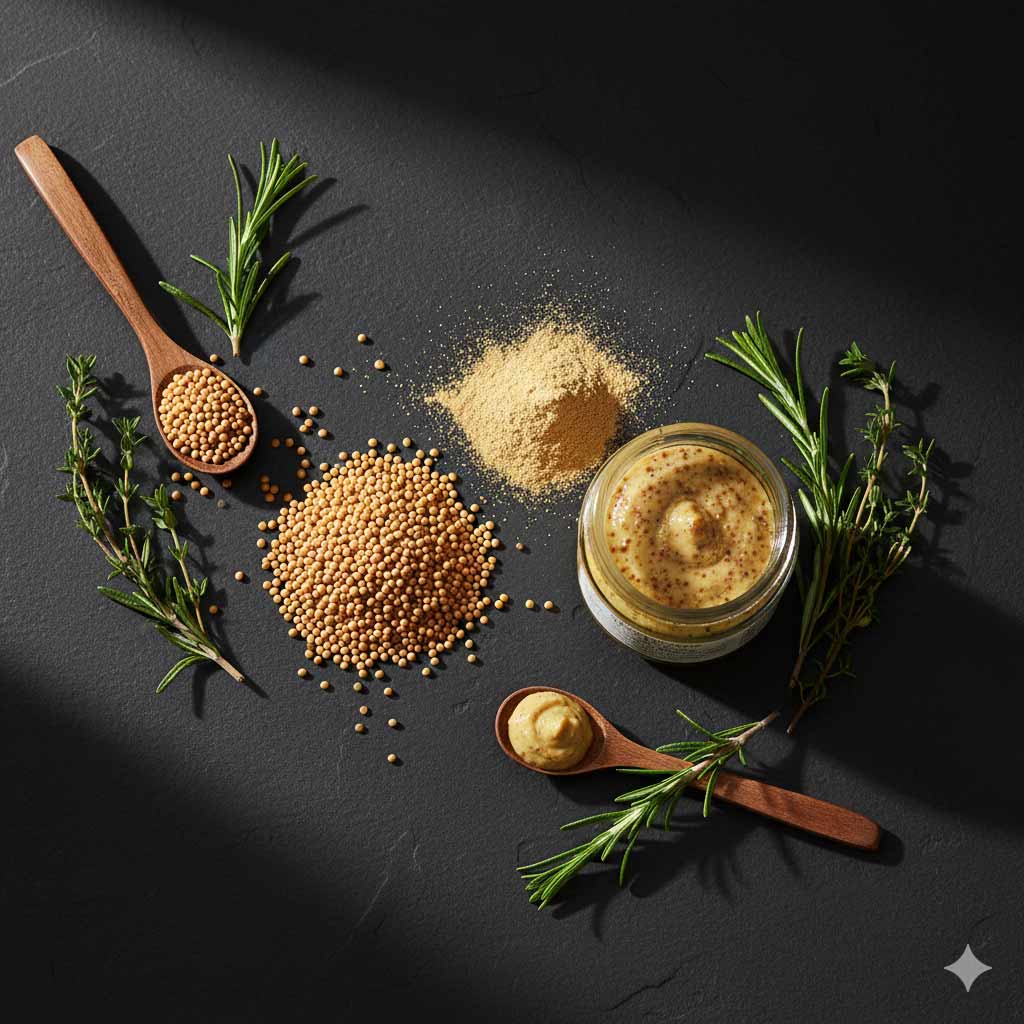
Most people think they know this spice, often in the form of the familiar yellow condiment, but the world of mustard is far richer and more complex. Whether used as whole seeds, ground powder or a prepared paste, it adds heat, tang, texture and depth to everyday dishes and refined cuisine alike.
From ancient civilisations to modern kitchens, it has remained one of the most widely used and appreciated spices. Understanding its origins, flavour profile and culinary versatility can help you unlock its full potential in your cooking.
Origin and History
A Spice With Ancient Roots
Mustard comes from the seeds of plants in the Brassica and Sinapis families. The most common varieties include:
- Sinapis alba (white)
- Brassica juncea (brown)
- Brassica nigra (Black)
These plants have been cultivated for thousands of years. Ancient Romans were among the first to mix ground mustard seeds with wine, creating a precursor to the condiments we know today.
From Europe to Asia: A Global Staple
This spice seeds and their preparations spread throughout Europe, the Middle East, and Asia, developing unique culinary identities:
- France perfected Dijon mustard.
- India embraced its seeds and oil as essential cooking ingredients.
- Germany and Eastern Europe created sweet and tangy varieties for sausages and meats.
- North America popularized the classic yellow mustard used in sandwiches, marinades, and barbecue.
Today, this spice remains one of the world’s most widely consumed spices, used in kitchens and food industries across the globe.
Flavor Profile of Mustard
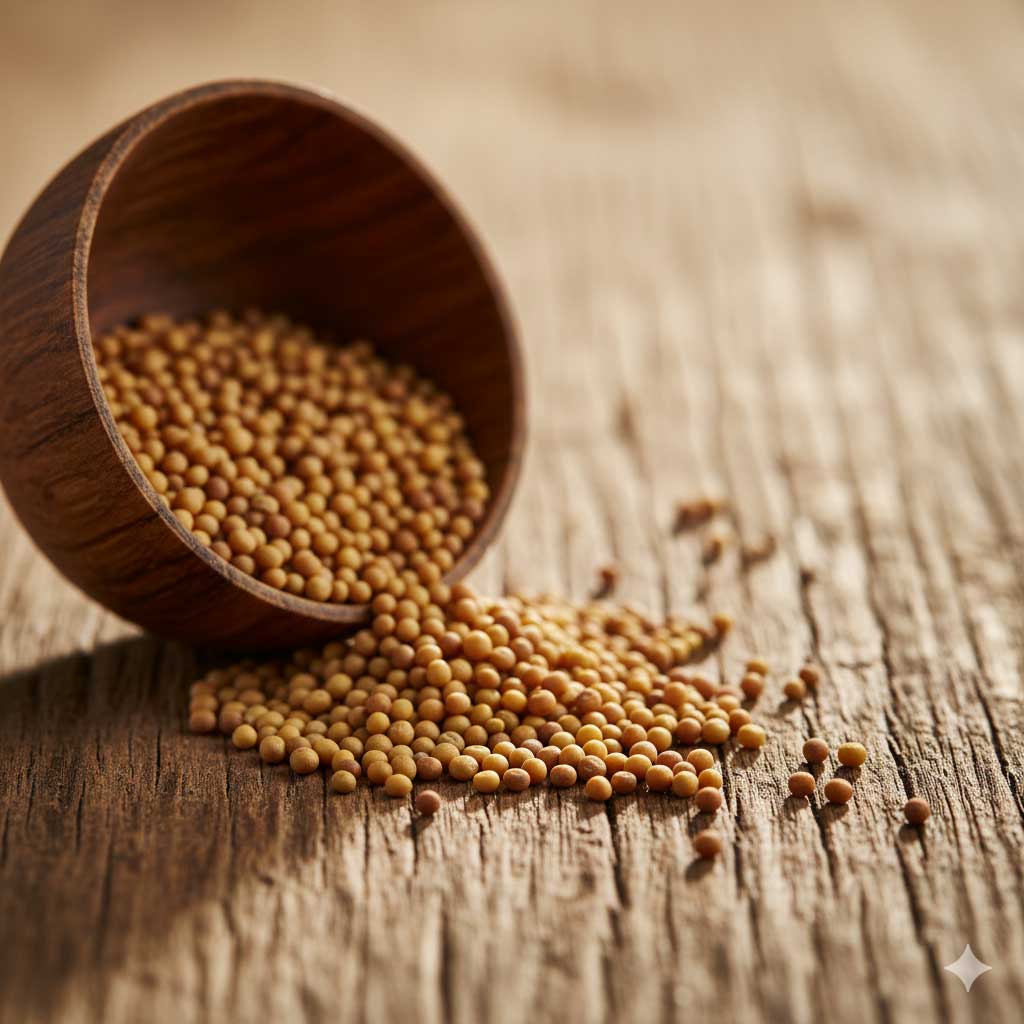
This spice’s flavor depends on the type of seed and how it is prepared. Generally, it is described as:
- Pungent and peppery
- Sharp, with varying degrees of heat
- Earthy and slightly bitter
- Warm and aromatic
White, Brown, and Black Mustard: What’s the Difference?
- White : milder and often used for yellow mustard.
- Brown : brings more heat and is frequently used in Dijon and Asian cuisines.
- Black : has the strongest flavor but is less common due to challenging harvesting.
When crushed or mixed with liquid, its seeds release ally lisothiocyanate, the compound responsible for their trademark spicy kick—similar to horseradish and wasabi.
Culinary Uses: How to Cook With Mustard
This spice’s versatility makes it a powerful ally in the kitchen. You can use it as seeds, powder, or prepared paste, each bringing unique characteristics to dishes.
Mustard Seeds in Cooking
1. Tempering in Indian Cuisine
Whole mustard seeds are often tempered in hot oil until they pop, releasing a nutty aroma. They are used in:
- Lentils (dal)
- Vegetable stir-fries
- Pickles
- Chutneys
2. Pickling and Fermenting
Its seeds add flavor and texture to pickles:
- Pickled cucumbers
- Giardiniera
- Pickled onions
- Fermented vegetables
Their heat builds slowly, complementing vinegars and brines.
Powder (Ground Mustard)
1. Dry Rubs and Spice Blends
Its powder helps bind spice blends and adds a warming, subtle heat to:
- Barbecue rubs
- Roasted meats
- Marinade bases
2. Sauces and Dressings
It’s excellent for emulsifying vinaigrettes or adding depth to:
- Homemade mayonnaise
- Cheese sauces
- Creamy salad dressings
Prepared Mustard
1. Dijon Mustard
Dijon is a classic ingredient in:
- Salad dressings (vinaigrettes)
- Marinades for chicken or fish
- Pan sauces (especially with white wine)
- Potato salads and sandwiches
2. Whole-Grain Mustard
Its texture makes it ideal for:
- Charcuterie boards
- Glazes for pork or salmon
- Grain salads with lentils or farro
3. Yellow Mustard
A staple in American cuisine, used in:
- Burgers and hot dogs
- Barbecue sauces
- Potato or egg salads
- Sandwich spreads
Creative Modern Uses
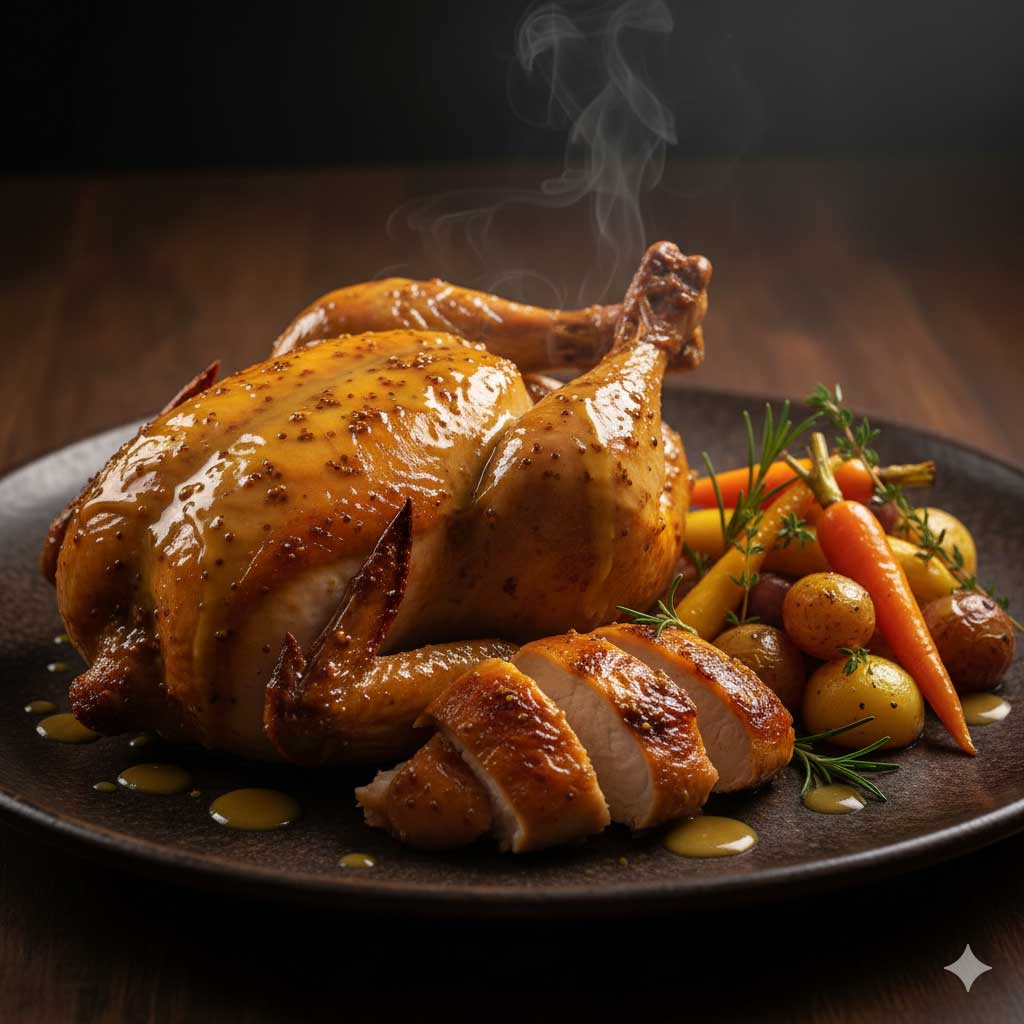
This spice adapts beautifully to contemporary cooking:
- Add a spoonful to roasted vegetable marinades for depth.
- Whisk it into honey mustard glaze for chicken or tofu.
- Mix with yogurt for a light, tangy sauce.
- Stir into creamy soups like potato, leek, or cauliflower for brightness.
Health Benefits (General Knowledge)
Mustard seeds and prepared mustard may offer modest, general benefits based on common culinary knowledge:
- Rich in antioxidants, especially selenium and magnesium
- Naturally low in calories, adding flavor without heaviness
- Used traditionally to support digestion, thanks to aromatic compounds
- Contains healthy fats (especially in mustard oil, used in some cuisines)
These benefits are general and mild, and this spice should be consumed in typical culinary quantities.
Tips for Cooking with it
Understand the Heat Reaction
Cold water activates its heat, while hot water or cooking mellows it.
Use cold liquids for sharpness, and warm cooking for softness.
Add Seeds Early, its Paste Later
- Temper seeds at the beginning of cooking.
- Add prepared mustard or powder toward the end to preserve aroma and brightness.
Pair the spice Wisely
It pairs well with:
- Chicken, pork, and fish
- Potatoes, cauliflower, cabbage
- Honey and maple syrup
- White wine, vinegar, and citrus
- Herbs like tarragon, dill, thyme, and parsley
Store Properly
Keep the seeds in airtight containers away from light.
Refrigerate opened jars to maintain flavor.
Conclusion
This spice is far more than a sandwich condiment—it’s a dynamic, storied spice that brings heat, complexity, and character to a vast range of dishes. From whole seeds used in Indian cooking to delicate Dijon sauces in French cuisine, it offers versatility that few spices can match.
Whether you’re enhancing a simple vinaigrette, adding depth to stews, or experimenting with marinades, it brings flavor that is bold, balanced, and timeless. Keep a few varieties in your pantry and let this ancient spice elevate your everyday cooking.

Leave a Reply