Tag: saffron

  • Golden Saffron: The Spice with a Story as Rich as Its Flavor

    golden saffron spice

    Did you know that the golden saffron is the world’s most expensive spice and is harvested by hand, from delicate purple flowers that bloom for just a few weeks each year? Meet saffron, the golden thread that has dazzled chefs, healers, and emperors for over 3,000 years. Revered for its vivid color, heady aroma, and subtly sweet taste, saffron is more than a culinary ingredient—it’s a cultural icon, a historical treasure, and a source of endless fascinating stories. Golden saffron gets its stunning color from crocin, the pigment that gives it its signature golden threads. Join us on a journey through the world of saffron, where flavor meets legend, and every tiny stigma carries centuries of tradition.

    The Flavor Profile of the golden Saffron: A Symphony of Subtlety

    Saffron’s flavor is unlike any other. Often described as earthy, honeyed, and slightly floral, it has a unique umami-like depth that can transform both savory and sweet dishes. A pinch can elevate a simple rice dish to regal status, while a hint in desserts like custards or pastries adds a luxurious warmth.

    Saffron’s aroma is equally mesmerizing—intense yet delicate, reminiscent of hay and honey, with a subtle metallic note that hints at its extraordinary origin. It is a spice that demands attention but rewards restraint; too much can overpower a dish, while just the right amount turns ordinary meals into unforgettable experiences.

    Interestingly, the golden saffron’s flavor and aroma are due to three key chemical compounds: crocin (color), picrocrocin (taste), and safranal (smell). This chemical trio is what gives saffron its signature golden hue, complex flavor, and intoxicating fragrance.

    Culinary Uses: From Royal Kitchens to Everyday Magic

    Saffron has long been a staple in cuisines across the globe. In Persian and Middle Eastern cooking, it flavors rice, stews, and desserts, creating dishes that are as visually stunning as they are delicious. In Spain, it is indispensable in the classic paella, providing both color and a subtle depth that makes the dish iconic. Italy, too, has embraced this golden saffron, most famously in Risotto alla Milanese, where a few strands turn creamy Arborio rice into a golden, aromatic masterpiece. India boasts its own saffron-infused treasures, from luxurious biryanis to fragrant desserts like kesar peda and kulfi.
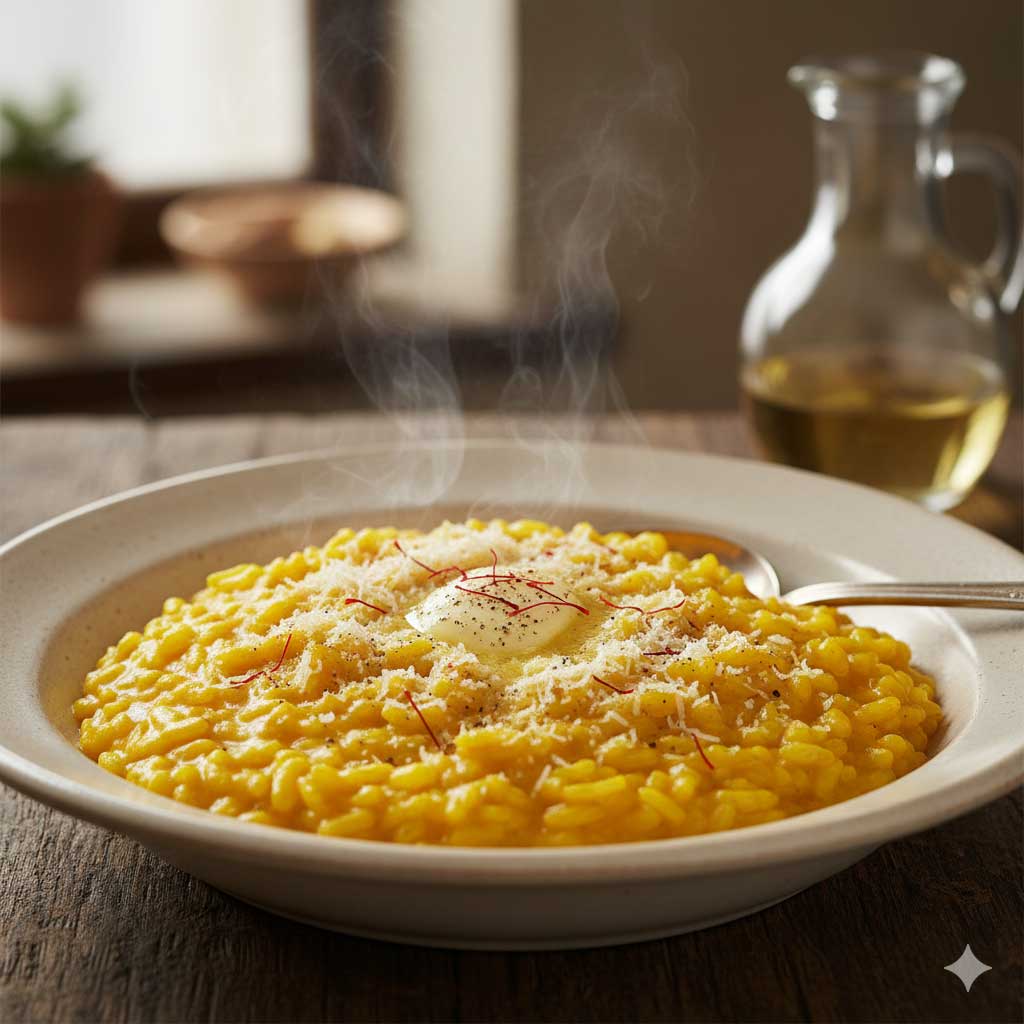
    Beyond these traditional dishes, golden saffron has found its way into modern gastronomy. Innovative chefs use it in ice creams, cocktails, and even savory pastries. Its versatility—paired with both sweet and savory, meat and vegetable, hot and cold—makes saffron a rare and prized ingredient in kitchens worldwide.

    A Rich History: Emperors, Trade, and Myth

    Saffron’s history reads like a page from a novel. Its cultivation dates back over 3,000 years in ancient Persia, where it was as valuable as gold. It traveled along trade routes to Greece, Egypt, and beyond, coveted by kings and emperors for its medicinal and culinary properties. Cleopatra famously used saffron in her baths, and the spice was said to add a radiant glow to her complexion.

    In medieval Europe, saffron was worth more than its weight in silver, often stolen and fought over during conflicts. Venice even had a “Saffron War” in the 14th century, sparked by the lucrative trade of these golden threads. In literature, saffron is referenced in works from Homer to Shakespeare, symbolizing luxury, beauty, and passion.

    Cultural Significance: Symbolism and Tradition

    Saffron is more than a spice; it carries profound cultural meaning. In India, saffron represents purity, prosperity, and courage. It is one of the three colors in the Indian national flag, symbolizing sacrifice and valor. In Iranian and Middle Eastern cultures, saffron is a sign of hospitality and celebration, often used in weddings and religious ceremonies.

    Even in Europe, saffron threads have ceremonial uses. In parts of Ireland and the UK, saffron buns and breads are baked for festive occasions, keeping the golden tradition alive. Across continents, saffron is intertwined with storytelling, rituals, and symbolic meaning—a true spice of life.

    Fun Facts and Surprising Applications

    Here’s where golden saffron’s story gets delightfully quirky:

    • Tiny but mighty: It takes around 75,000 saffron flowers to produce just one pound of dried spice. No wonder it’s called “red gold”!
    • Medicinal marvel: Historically, saffron was used as an antidepressant, digestive aid, and even an aphrodisiac. Modern research suggests it may help mood regulation and support eye health.
    • Color magician: A few threads can turn dishes bright yellow-orange, making it a natural food dye long before artificial colors existed.
    • Culinary creativity: Beyond food, saffron has been used in teas, wines, perfumes, and even traditional dyeing of fabrics.

    Saffron’s combination of rarity, sensory magic, and historical weight makes it a truly remarkable spice that continues to fascinate chefs and culture enthusiasts alike.

    Conclusion: The Timeless Allure of Saffron

    Saffron is not just a spice; it is a story woven from centuries of culinary innovation, cultural tradition, and pure human fascination. From royal banquets to everyday kitchens, from ancient myths to modern gastronomy, saffron continues to enchant with its golden hue, complex flavor, and rich history. Next time you sprinkle a few strands into a dish, remember: you’re tasting more than flavor—you’re tasting history, culture, and a little bit of magic.

    So why not let saffron inspire your next culinary adventure? Share your saffron stories, experiment with its golden threads, and let this legendary spice bring a touch of luxury to your kitchen.
  • Saffron: The Golden Spice of Gastronomy

    Few spices can match the prestige and allure of this golden spice. Known for its vibrant color, delicate aroma, and subtle flavor, it has been prized for centuries in cooking, medicine, and even dye-making. Today, this aromatic treasure remains a symbol of luxury and culinary refinement, transforming ordinary dishes into extraordinary creations.

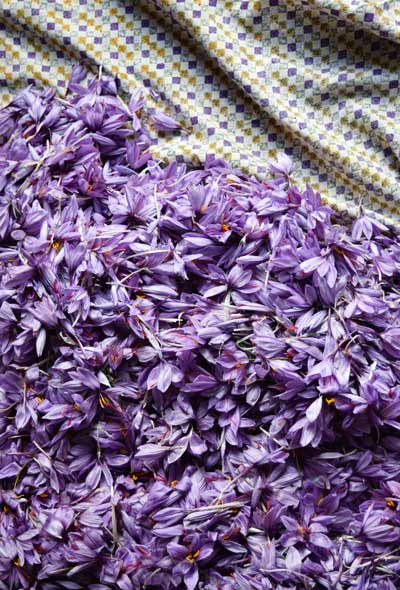
    Delicate Crocus sativus flowers, the source of saffron, also known as the golden spice.

    Origin and history

    Where This Spice Comes From

    This exceptional ingredient is obtained from the stigmas of the Crocus sativus flower, a small purple bloom cultivated mainly in Iran, Spain, and the Kashmir region of India. Each flower produces only three red stigmas, which must be harvested by hand. Tens of thousands of flowers are needed to produce just one pound of the golden spice, making it one of the most labor-intensive and expensive seasonings in the world.

    A Golden Spice With a Rich Legacy

    The legacy of this precious product stretches back over 3,000 years. Ancient Persians valued it for fragrance, dyeing, and medicinal purposes, while Egyptians used it in cosmetics and religious rituals. It later spread to Europe, where the golden spice became a symbol of wealth and refinement. Today, it is appreciated globally in both everyday and haute cuisine, admired not only for its taste but also for the luminous golden hue it imparts to dishes.

    Culinary Comparison

    Although unique, this spice is sometimes confused with turmeric or safflower. Turmeric offers a strong earthy flavor and bright yellow color but lacks the subtle aromatic complexity of this golden spice. Safflower can imitate the color but contributes very little flavor. What truly sets this spice apart is its delicate floral aroma, gentle sweetness, and remarkable ability to elevate both color and taste.

    How to use this spice in cooking

    Storage Tips

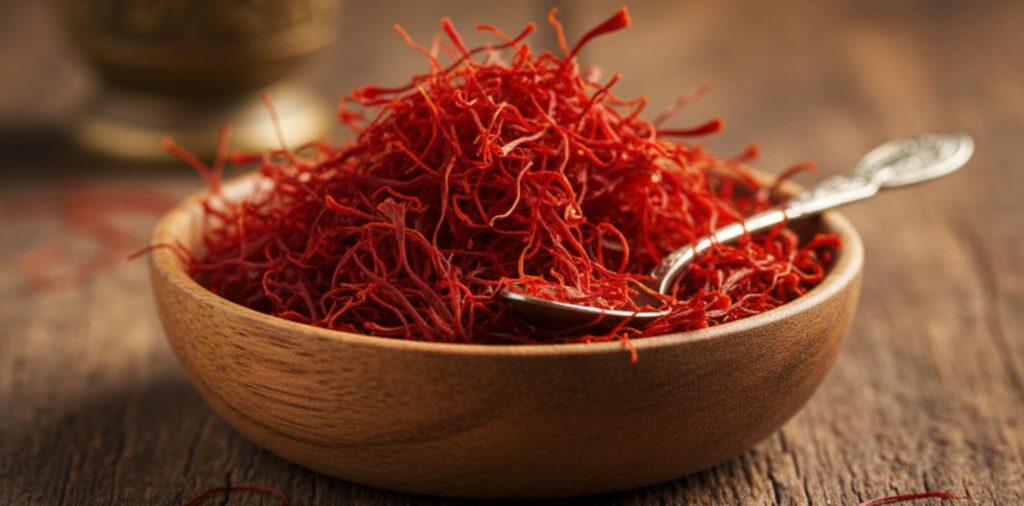
    This ingredient is sensitive to light, heat, and moisture. To preserve its color and aroma, store it in an airtight container in a cool, dark place. Whole threads last longer than powdered versions and provide a more vibrant flavor when used correctly.

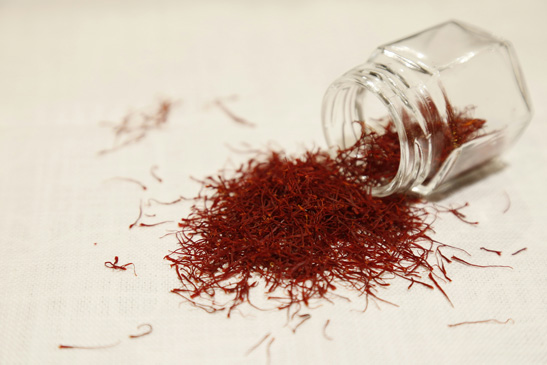
    Fresh saffron threads stored in a jar, showcasing the vibrant color and aroma of the precious golden spice.

    Preparing the Spice

    For optimal results, the threads should be soaked in warm water, milk, or broth before being added to dishes. This step releases both flavor and color more evenly. Using the threads directly in cooking may result in uneven distribution and a less pronounced aroma

    Substitutions and Considerations

    Because of its high cost, some recipes recommend turmeric or safflower as substitutes. While these alternatives can mimic the color, none can reproduce the unique aroma and delicacy of this exquisite ingredient. In dishes where the golden spice plays a central role, like paella or risotto, there is no true replacement.

    Health Benefits

    Nutritional and Medicinal Properties

    Beyond its culinary impact, this aromatic treasure offers several health benefits. The golden spice contains antioxidants such as crocin and safranal, which may help protect cells from oxidative stress. Research suggests it may support mood, digestion, and anti-inflammatory functions. While used sparingly, this spice can still contribute meaningfully to a balanced diet.

    Myths and Reality

    This luxurious ingredient is sometimes marketed as a miracle solution for weight loss or as a powerful aphrodisiac. While some traditional claims have scientific support, its true value lies in its aroma, flavor, and subtle wellness benefits rather than dramatic physiological effects.

    Culinary Applications

    Savory Dishes

    This golden seasoning enhances risottos, paellas, stews, and broths. It pairs beautifully with rice, seafood, poultry, and vegetables. Even a few threads can transform a dish’s appearance and flavor, creating a luxurious culinary experience.

    Sweet Recipes

    The spice also appears in desserts and pastries. It complements custards, cakes, ice creams, and sweet breads, offering a gentle floral aroma and warm golden color. Its subtle profile balances sweetness without overwhelming it.

    Beverages

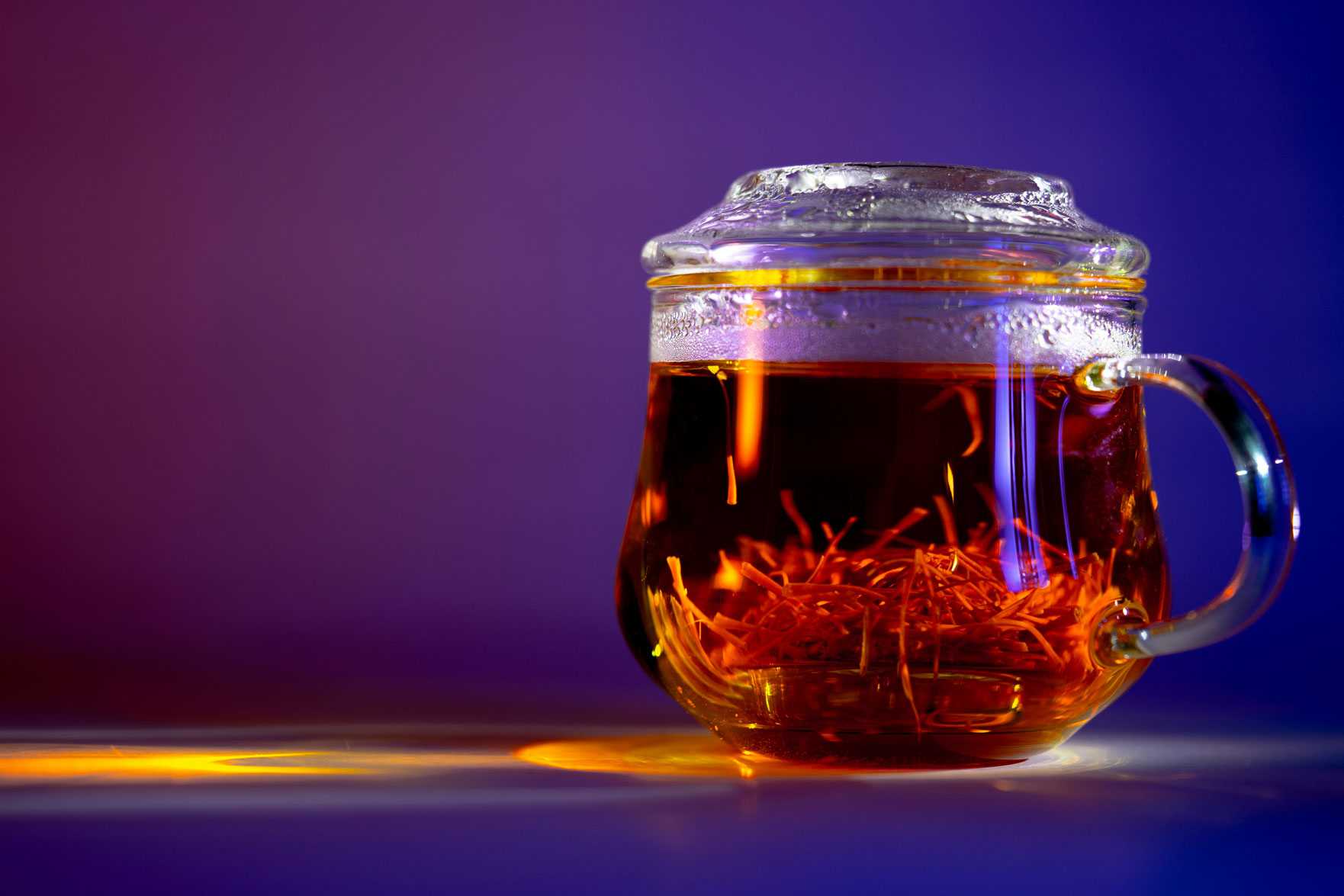
    This ingredient is popular in teas, milk-based drinks, and cocktails. Infused syrups or warm milk highlight its fragrance, while a few threads can add elegance and warmth to both traditional and modern beverages.

    A cup of saffron-infused tea in a clear glass, highlighting the golden spice threads and their vibrant color and aroma.

    DIY Spice Blends

    Home cooks can craft personalized spice blends featuring this precious ingredient. Combined with cardamom, cinnamon, or nutmeg, it creates aromatic mixtures perfect for desserts and savory dishes alike. Even a pinch in homemade spice mixes elevates everyday recipes effortlessly.

    More than just a seasoning, this golden treasure represents history, craftsmanship, and culinary artistry. From ancient Persia to modern kitchens around the world, it has maintained its reputation as one of the most prized ingredients. Whether used in savory dishes, desserts, drinks, or blends, it adds elegance, aroma, and color that few other spices can match. For chefs and home cooks alike, this exceptional spice has the power to transform ordinary recipes into memorable culinary experiences.

    Beyond its extraordinary culinary and visual appeal, the saffron tells a story of centuries-old tradition, meticulous craftsmanship, and patient labor. Each delicate thread reflects the dedication of skilled hands, from careful harvesting to precise drying, embodying the essence of luxury and refinement. Incorporating it into dishes not only enhances flavor and color but also connects modern kitchens to a rich cultural heritage, making every meal infused with it a truly memorable experience.

    To learn even more about saffron, check out this article on our website: “I Am Saffron”: The Autobiography of the World’s Most Precious Spice