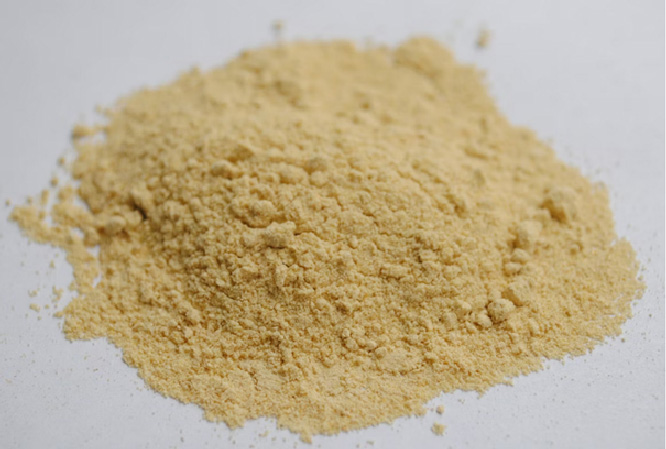
In the humid dawn of a tropical garden, the rhizome of ginger lies secreted beneath broad green leaves, its knobby skin hiding a vivid yellow flesh. As the first slice is cut, a sharp, almost electric fragrance bursts forth, warm and sweet, tinged with citrusy brightness and a surprising whisper of pine. On the tongue, heat blooms gently, not like fire but rather like a slow, rising warmth, comforting yet invigorating. In that moment, you realize you are touching something much more than a spice, you are touching a story that stretches back thousands of years, across seas and civilizations.
Ginger, botanically known as Zingiber officinale, is a perennial plant of the family Zingiberaceae, likely native to Maritime Southeast Asia. Its origin lies in the mossy, tropical landscapes of islands like Indonesia and Malaysia, where ancient agricultural societies first cultivated its rhizomes. Linguists and archaeobotanists trace its domestication to Austronesian peoples some five millennia ago, noting that proto‑words for it to appear across Polynesian and Malay languages. Over centuries, it travelled by sea, carried in the canoes of seafaring traders and settlers, planting its legacy in far-flung isles and ports.
Its name itself carries echoes of this journey. The word ‘ginger’ traces back through Latin, Greek, and Sanskrit, rooted in the ancient Sanskrit word singabera. These linguistic trails mirror the botanical journeys of the spice. From Southeast Asia, it made its way into Indian Ayurvedic traditions and Chinese herbal medicine, earning a reputation as a universal remedy. In China, it became a staple in healing rituals: heat, digestion, motion sickness, all touched on by the pungent root. Meanwhile in India, Ayurvedic healers prized it for its warming energy, its ability to kindle digestion and soothe bodily imbalance.
The spice eventually entered the great spice trade routes. By the first century CE, the root had reached the Mediterranean, carried by Arab merchants and then adopted by Roman traders. In Medieval Europe, it became a luxury, used in confections and preserved in syrup. In England, it found a special place in baked goods and sweet treats: folklore credits Queen Elizabeth I with popularizing gingerbread, perhaps even inventing the gingerbread man. Through these trade routes, the root traveled not only as a spice, but also as medicine, offering a bridge between culinary and healing traditions.
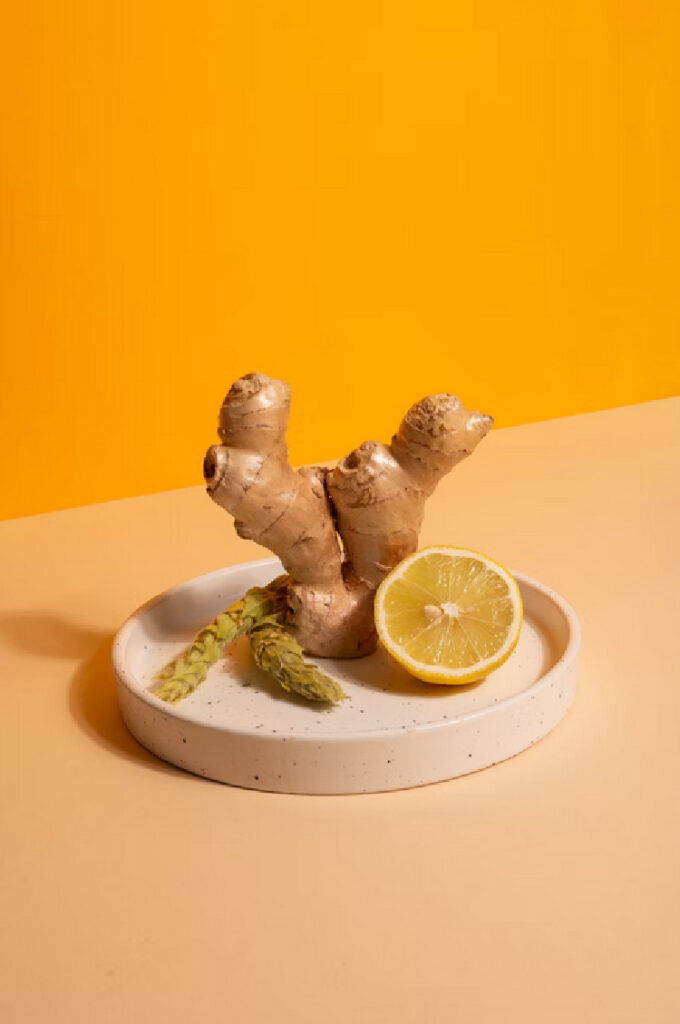
Across cultures, the root’s significance has been manifold. In Chinese medicine, it is revered as a warming herb that helps to harmonize the stomach and lift cold from the body. In Ayurveda, it is sometimes called the ‘universal medicine,’ used to treat everything from digestive issues to joint pain. In ancient Rome, ginger was so prized that it was taxed and traded heavily; the great naturalist Pliny the Elder wrote of its value in his Natural History. Even in religious and ritual practice, it made its mark: some Austronesian traditions held it in ceremonies for protection and healing, invoking both physical and spiritual potency.
Ginger’s culinary life
The root’s culinary life is just as rich. In Asian kitchens, fresh slices of ginger shimmer in stir‑fries, imparting bright, peppery warmth to vegetables and meats alike. In Indian cuisine, it often enters the heart of curries and chai, giving a gentle burn to richly spiced blends. In the West, crystallized it graces cookies and cakes, powdered the root flavors gingerbread, and pickled it sits on sushi bars, cleansing the palate between bite-sized courses. In the Caribbean, ginger brightens beverages; in Jamaica and other islands, it flavors teas, beers, and marinades, its roots steeped or grated into sauces.
In modern times, ginger continues to reinvent itself. Scientists delve into its chemical heart, identifying more than 400 compounds in the rhizome, including terpenes like zingiberene and phenolic compounds like gingerol, shogaol, and paradols. These molecules are not just aromatics, they have been studied for their anti‑inflammatory, antioxidant, and digestive-supporting properties, confirming centuries of traditional wisdom. Cooking transforms some of these molecules: when fresh ginger is cooked or dried, gingerol converts into zingerone, a sweeter compound that offers a gentler pungency.
The science of ginger
A nutritionist or herbalist might reflect on ginger’s journey with reverence. ‘Ginger is both art and science,’ a modern herbalist might say. ‘Its taste is electric yet comforting, and its chemistry matches its traditions. What began in ancient gardens has become a pillar of wellness and flavor across the world.’ Such an expert might note that ginger’s rise today, in supplements, teas, and functional foods, is not a new chapter but a continuation of a legacy that spans millennia.
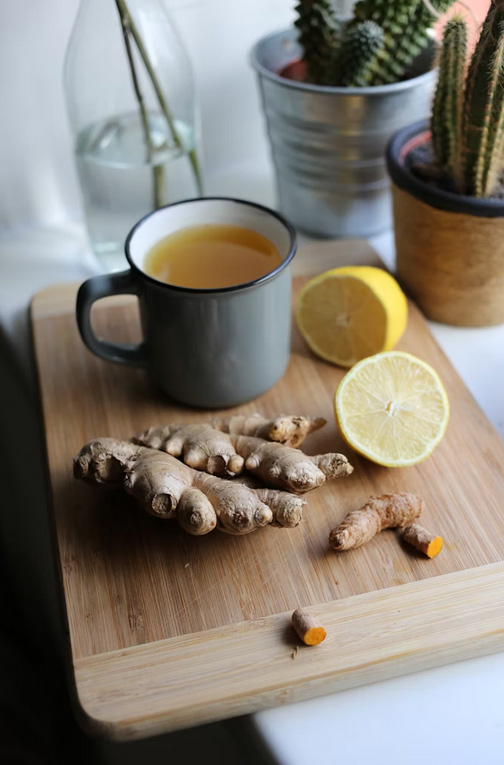
In the global kitchen, new trends emerge: chefs pair ginger with citrus in cocktails, ferment it into hot sauces, and even infuse it into desserts. Wellness brands offer ginger shots, gummies, and capsules, capturing its digestive and anti‑nausea power in portable form. At home, gardeners plant rhizomes in pots, drying and slicing them, preserving the warm, golden flesh to sustain both flavor and tradition.
Yet beyond its modern reinventions, ginger’s real magic lies in its continuity, in how a humble root connects us to ancient gardens, to traders on monsoon winds, to healers in distant lands. In the simple act of grating fresh ginger into a dish or steeping a slice in tea, we participate in a journey that is both sensual and historical.
As dusk settles on a garden where ginger leaves gently rustle in tropical air, the scent lingers, warm, peppery, alive. It whispers of ancient sailors, of herbalists offering solace, of kitchens in every corner of the world. That aroma is not just spice. It is memory, migration, healing, and joy, all rolled into a knobbly root that has traveled further than many empires.
When you next hold a piece of ginger in your hand, close your eyes and breathe deeply. Taste a slice, feel its warmth unfold. Know that beneath that skin is not just flavor, but centuries of stories, a root that has helped heal, comfort, and connect humanity in its sweet, spicy embrace.