Tag: health benefits

  • Tonka Bean: The Ultimate Chef’s Ingredient for Flavor Innovation

    In the world of fine dining, few ingredients evoke as much curiosity and admiration as the tonka bean. With its intoxicating aroma and complex flavor profile, this exotic seed has become a favorite among pastry chefs, mixologists, and adventurous home cooks. Still considered a rare and luxurious ingredient, it continues to grow in popularity thanks to its ability to transform both sweet and savory dishes with only a small amount.
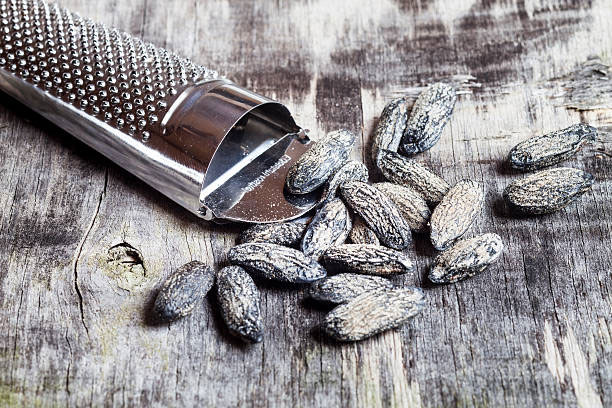
    Tonka beans on a wooden table

    Origin and Story of the Tonka Bean

    From the Heart of the Amazon

    Tonka beans are the seeds of the Dipteryx odorata tree, native to the tropical rainforests of South America, particularly Venezuela, Brazil, and Guyana. The trees produce elongated black seeds that must be dried and cured before use. This process develops the signature fragrance of this aromatic bean, often described as a blend of vanilla, almond, caramel, cocoa, and warm spice.

    A Tradition Passed Through Generations

    The harvesting of the tonka bean has deep cultural significance in South American communities. After being collected, the seeds dry for several months and undergo natural crystallization. During this time, white crystals of coumarin form on the surface, giving the seed its unmistakable scent. Traditionally, this fragrant ingredient was used in rituals, perfumes, and herbal remedies long before becoming a culinary treasure.

    A Rising Star in Gastronomy

    Although this ingredient was once used mainly in perfumery, it is now celebrated in fine dining around the world. Michelin-starred chefs and renowned chocolatiers helped introduce it to modern cuisine, praising its complexity and its ability to elevate desserts and sauces. Today, this refined spice is valued as a powerful tool for flavor innovation.

    How to Use Tonka Beans

    Storage and Handling

    Tonka beans are extremely aromatic, so a little goes a long way. To preserve them, store them in an airtight container away from light and humidity. When properly stored, they can remain fragrant for years.

    How to Prepare the Bean

    The seed is typically used by grating it very finely, much like nutmeg. A microplane works best to release its oils and fragrance. Because this aromatic treasure is highly potent, even a quarter teaspoon can flavor an entire dessert. Using more than needed may overwhelm a recipe.

    Substitutions

    This South American seed is sometimes compared to vanilla thanks to its sweet aroma, but its flavor is much more complex. Vanilla extract or vanilla bean can replace it, though the final result will lack the almond caramel depth that makes Tonka so unique.

    Health and Safety Considerations

    Natural Compounds and Tradition

    Tonka beans contain coumarin, a natural compound also found in cinnamon, lavender, and certain grasses. In the tiny amounts used in cooking, this fragrant seed is safe and widely appreciated in many countries. Its traditional use spans centuries, particularly in South America and Europe.

    Myths and Reality

    The tonka bean has acquired a sense of mystery because of coumarin, yet the culinary reality is simple. Cooking requires extremely small quantities, far below any concerning level. Chefs grate only a pinch into a dish, which is perfectly acceptable and comparable to strong spices such as nutmeg.

    Culinary Applications

    Sweet Creations

    This fragrant seed is especially beloved in pastry. Its warm and sweet aroma pairs beautifully with cream, chocolate, berries, nuts, and tropical fruits. It is commonly added to custards, crème brûlée, ganache, chocolate truffles, ice creams and gelato, cakes and pound cakes, fruit compotes, and poached pears. Its aromatic depth can turn a simple cream or chocolate dessert into an unforgettable creation.

    Delicious cake flavored with tonka bean

    Savory Dishes

    Although better known for its use in sweets, this aromatic South American seed can enhance certain savory preparations. Even a small amount enriches creamy sauces for poultry or pork, pumpkin or sweet potato soups, foie gras or pâté, and earthy risottos. In savory dishes, it adds gentle warmth that complements rich or creamy ingredients.

    Drinks and Mixology

    In mixology, the complex aroma of this exotic seed shines brightly. Bartenders grate it over espresso martinis, rum-based cocktails, bourbon drinks, warm winter beverages, and homemade syrups or bitters. Infused into milk, cream, or simple syrup, it enhances lattes, hot chocolate, and chai.

    DIY Tonka Blends

    This refined spice pairs wonderfully with cinnamon, cardamom, nutmeg, and cocoa. It can be added to chai spice mixes, hot chocolate powders, dessert rubs, and aromatic sugar blends used to dust pastries. Even a small amount of this ingredient transforms everyday recipes into gourmet experiences.
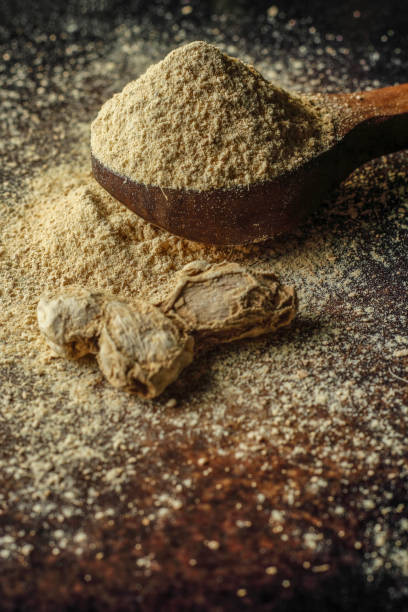
    Ground tonka bean powder in a bowl

    The tonka bean is one of the most captivating spices in modern gastronomy. Its blend of vanilla sweetness, nutty richness, and warm spice makes it an extraordinary ingredient capable of elevating both traditional and contemporary dishes. From desserts to cocktails, this multifaceted seed brings elegance and creativity to the kitchen. For chefs and home cooks wishing to expand their flavor horizons, it remains a true treasure that can turn simple recipes into unforgettable culinary experiences.
  • Saffron: The Golden Spice of Gastronomy

    Few spices can match the prestige and allure of this golden spice. Known for its vibrant color, delicate aroma, and subtle flavor, it has been prized for centuries in cooking, medicine, and even dye-making. Today, this aromatic treasure remains a symbol of luxury and culinary refinement, transforming ordinary dishes into extraordinary creations.

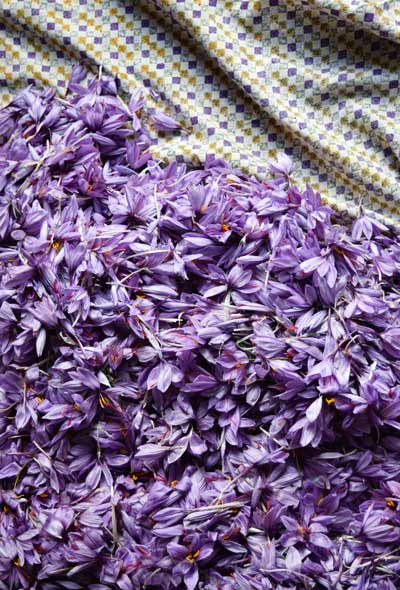
    Delicate Crocus sativus flowers, the source of saffron, also known as the golden spice.

    Origin and history

    Where This Spice Comes From

    This exceptional ingredient is obtained from the stigmas of the Crocus sativus flower, a small purple bloom cultivated mainly in Iran, Spain, and the Kashmir region of India. Each flower produces only three red stigmas, which must be harvested by hand. Tens of thousands of flowers are needed to produce just one pound of the golden spice, making it one of the most labor-intensive and expensive seasonings in the world.

    A Golden Spice With a Rich Legacy

    The legacy of this precious product stretches back over 3,000 years. Ancient Persians valued it for fragrance, dyeing, and medicinal purposes, while Egyptians used it in cosmetics and religious rituals. It later spread to Europe, where the golden spice became a symbol of wealth and refinement. Today, it is appreciated globally in both everyday and haute cuisine, admired not only for its taste but also for the luminous golden hue it imparts to dishes.

    Culinary Comparison

    Although unique, this spice is sometimes confused with turmeric or safflower. Turmeric offers a strong earthy flavor and bright yellow color but lacks the subtle aromatic complexity of this golden spice. Safflower can imitate the color but contributes very little flavor. What truly sets this spice apart is its delicate floral aroma, gentle sweetness, and remarkable ability to elevate both color and taste.

    How to use this spice in cooking

    Storage Tips

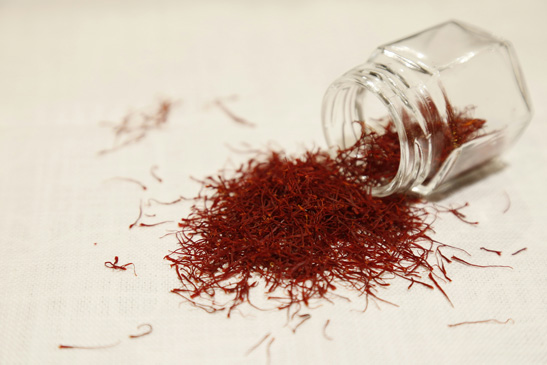
    This ingredient is sensitive to light, heat, and moisture. To preserve its color and aroma, store it in an airtight container in a cool, dark place. Whole threads last longer than powdered versions and provide a more vibrant flavor when used correctly.

    Fresh saffron threads stored in a jar, showcasing the vibrant color and aroma of the precious golden spice.

    Preparing the Spice

    For optimal results, the threads should be soaked in warm water, milk, or broth before being added to dishes. This step releases both flavor and color more evenly. Using the threads directly in cooking may result in uneven distribution and a less pronounced aroma

    Substitutions and Considerations

    Because of its high cost, some recipes recommend turmeric or safflower as substitutes. While these alternatives can mimic the color, none can reproduce the unique aroma and delicacy of this exquisite ingredient. In dishes where the golden spice plays a central role, like paella or risotto, there is no true replacement.

    Health Benefits

    Nutritional and Medicinal Properties

    Beyond its culinary impact, this aromatic treasure offers several health benefits. The golden spice contains antioxidants such as crocin and safranal, which may help protect cells from oxidative stress. Research suggests it may support mood, digestion, and anti-inflammatory functions. While used sparingly, this spice can still contribute meaningfully to a balanced diet.

    Myths and Reality

    This luxurious ingredient is sometimes marketed as a miracle solution for weight loss or as a powerful aphrodisiac. While some traditional claims have scientific support, its true value lies in its aroma, flavor, and subtle wellness benefits rather than dramatic physiological effects.

    Culinary Applications

    Savory Dishes

    This golden seasoning enhances risottos, paellas, stews, and broths. It pairs beautifully with rice, seafood, poultry, and vegetables. Even a few threads can transform a dish’s appearance and flavor, creating a luxurious culinary experience.

    Sweet Recipes

    The spice also appears in desserts and pastries. It complements custards, cakes, ice creams, and sweet breads, offering a gentle floral aroma and warm golden color. Its subtle profile balances sweetness without overwhelming it.

    Beverages

    This ingredient is popular in teas, milk-based drinks, and cocktails. Infused syrups or warm milk highlight its fragrance, while a few threads can add elegance and warmth to both traditional and modern beverages.

    A cup of saffron-infused tea in a clear glass, highlighting the golden spice threads and their vibrant color and aroma.

    DIY Spice Blends

    Home cooks can craft personalized spice blends featuring this precious ingredient. Combined with cardamom, cinnamon, or nutmeg, it creates aromatic mixtures perfect for desserts and savory dishes alike. Even a pinch in homemade spice mixes elevates everyday recipes effortlessly.

    More than just a seasoning, this golden treasure represents history, craftsmanship, and culinary artistry. From ancient Persia to modern kitchens around the world, it has maintained its reputation as one of the most prized ingredients. Whether used in savory dishes, desserts, drinks, or blends, it adds elegance, aroma, and color that few other spices can match. For chefs and home cooks alike, this exceptional spice has the power to transform ordinary recipes into memorable culinary experiences.

    Beyond its extraordinary culinary and visual appeal, the saffron tells a story of centuries-old tradition, meticulous craftsmanship, and patient labor. Each delicate thread reflects the dedication of skilled hands, from careful harvesting to precise drying, embodying the essence of luxury and refinement. Incorporating it into dishes not only enhances flavor and color but also connects modern kitchens to a rich cultural heritage, making every meal infused with it a truly memorable experience.

    To learn even more about saffron, check out this article on our website: “I Am Saffron”: The Autobiography of the World’s Most Precious Spice