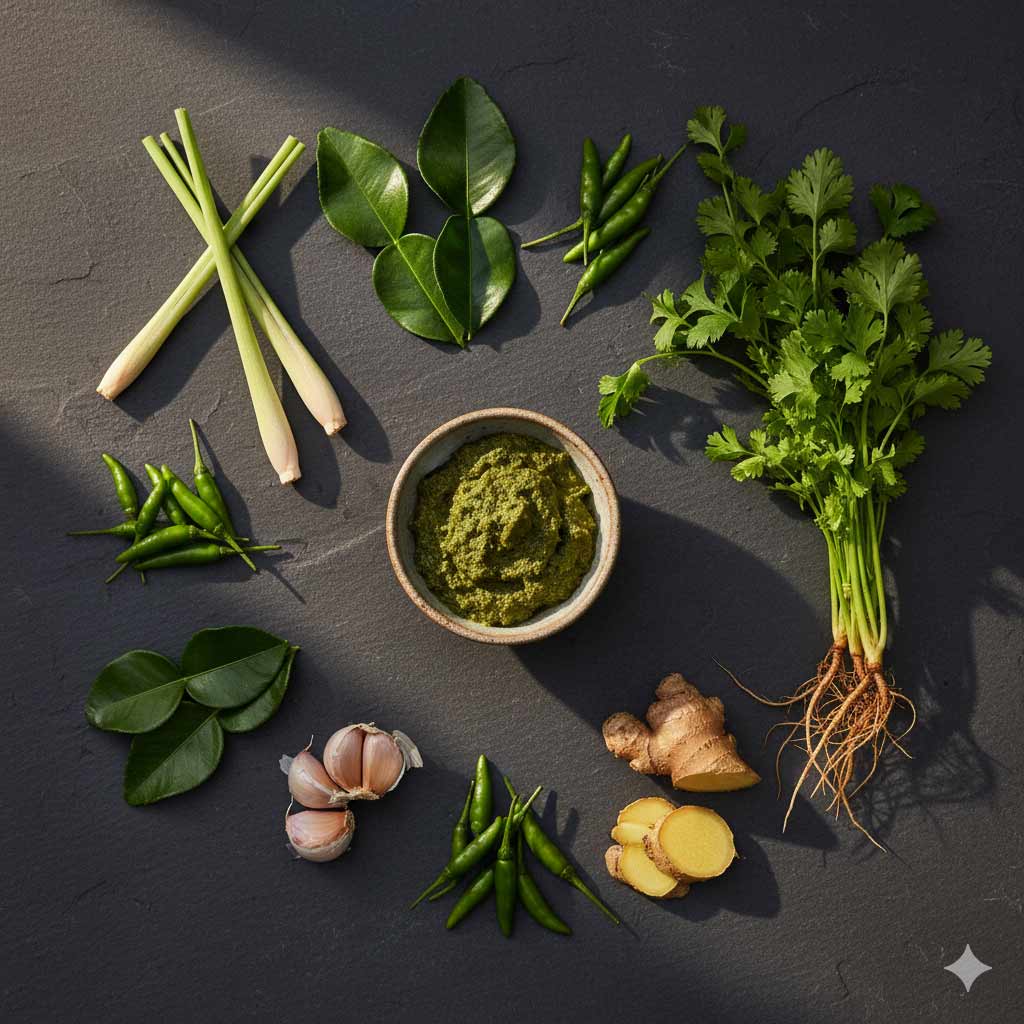
Green curry, is one of the most aromatic and colorful staples in Southeast Asian cuisine. Often recognized by its bright green hue and creamy texture, green curry is more than just a sauce—it is a symphony of spices, herbs, and fresh ingredients that bring both heat and freshness to any dish.
From traditional Thai kitchens to modern fusion restaurants worldwide, green curry has earned a reputation for its complex flavor profile and versatility. Let’s explore its origins, taste, culinary applications, and how to master it in your own cooking.
Origin and History of Green Curry
A Thai Classic
Green curry originates from Thailand, where it is called “Kaeng Khiao Wan”, which translates to “sweet green curry.” The name comes from the vibrant green color of the curry paste, which is made from fresh green chilies, herbs, and spices.
Historical Context
Green curry is believed to have been developed during the reign of the Rattanakosin Kingdom (18th century). It evolved as a milder alternative to other traditional curries, incorporating fresh herbs and coconut milk for a balance of heat and creaminess. Over the centuries, green curry spread to neighboring countries, influencing Malaysian, Cambodian, and Vietnamese cuisines.
Today, green curry is a global favorite, celebrated for its aromatic complexity and adaptable flavor.
Flavor Profile of Green Curry
This spice is known for its layered, vibrant flavor, combining several taste dimensions:
- Spicy and tangy – from fresh green chilies and lime leaves
- Herbaceous and aromatic – thanks to lemongrass, cilantro, and Thai basil
- Slightly sweet – often from coconut milk
- Umami depth – from fish sauce, shrimp paste, or soy sauce in some variations
Its bright, fragrant character makes it both bold and balanced, appealing to a wide range of palates.
Culinary Uses: How to Cook with Green Curry
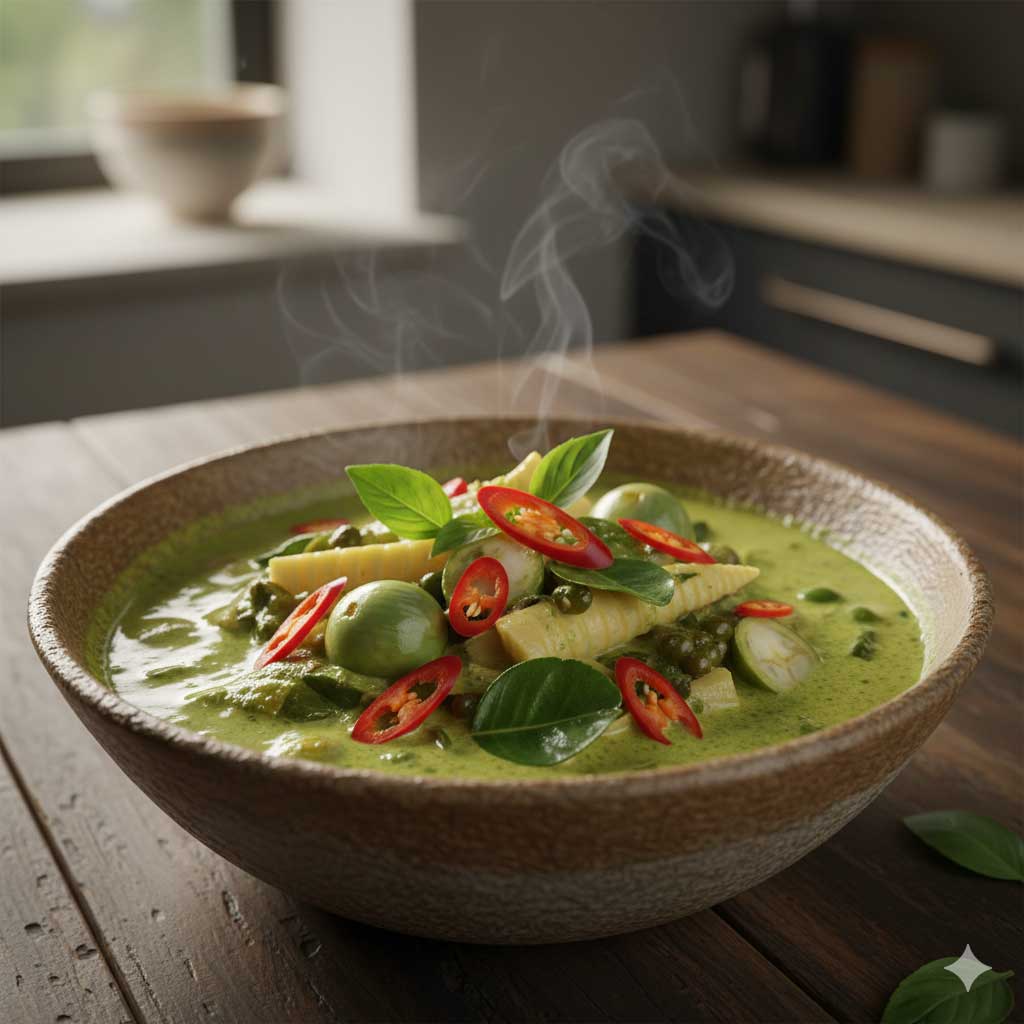
The Thai curry is extremely versatile and can be used with a variety of proteins, vegetables, and even tofu. Here are some practical applications:
1. Classic Thai Green Curry Dishes
- Chicken : Tender chicken simmered in green curry sauce with coconut milk, bamboo shoots, bell peppers, and Thai basil.
- Beef or Pork : Slow-cooked with vegetables like eggplant, peas, and zucchini.
- Seafood : Shrimp, fish, or squid in a light, spicy, and aromatic coconut curry.
2. Vegetarian and Vegan Curry Dishes
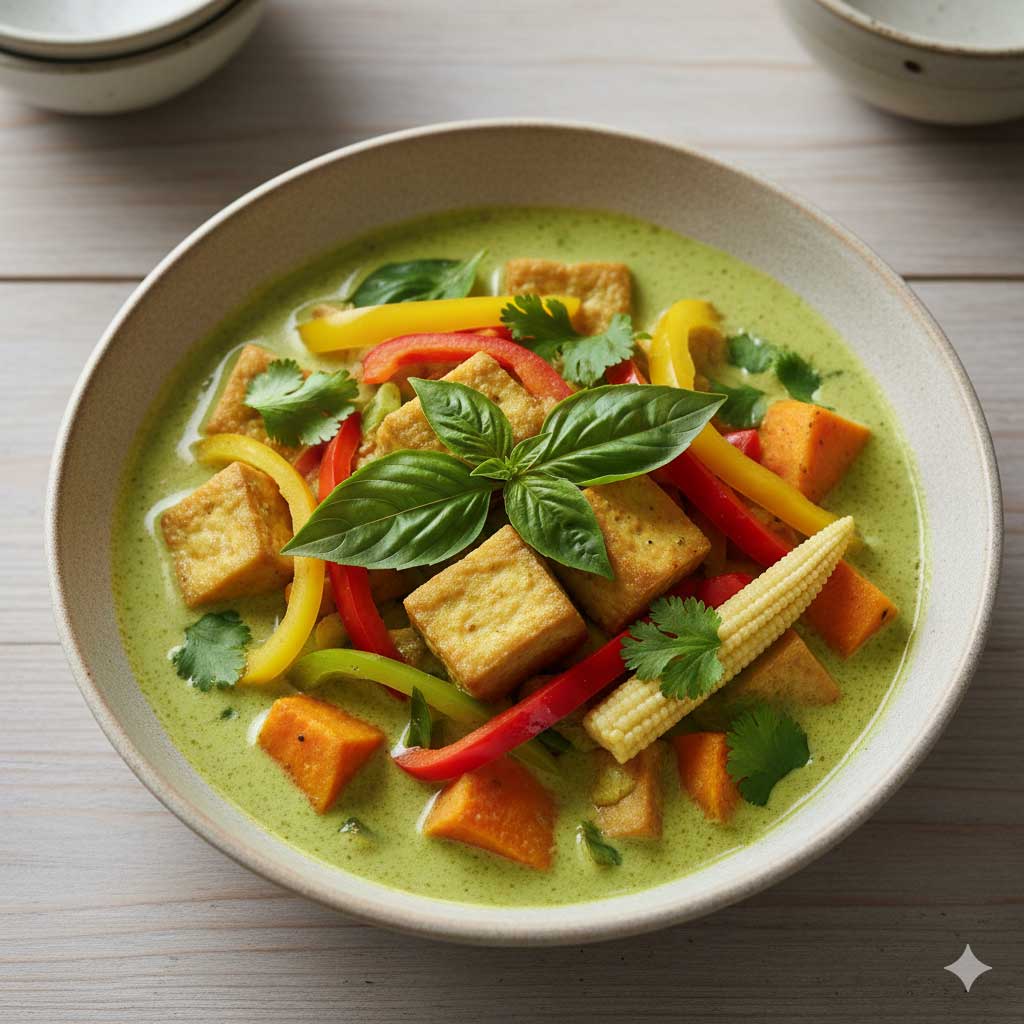
- Tofu and Vegetable Curry: Firm tofu with green beans, bell peppers, carrots, baby corn, and snow peas.
- Mushroom Medley Curry: Shiitake, oyster, and button mushrooms simmered with coconut milk and green curry paste.
- Chickpea and Sweet Potato Curry: Chickpeas and cubed sweet potatoes cooked with green curry and coconut milk for a hearty, protein-rich meal.
- Eggplant and Bamboo Shoot Curry: Soft-cooked eggplant and bamboo shoots in a creamy green curry sauce.
- Mixed Vegetable Curry: Zucchini, bell peppers, carrots, broccoli, and snap peas for a colorful and nutrient-packed dish.
- Pumpkin or Butternut Squash Curry: Sweet, roasted squash cubes added to green curry for natural sweetness and creamy texture.
- Vegan “Seafood” Curry: Use king oyster mushrooms or hearts of palm to mimic seafood textures while keeping the dish plant-based.
3. Creative Modern Uses
- Stir into noodle soups for a fresh twist.
- Use as a marinade for grilled vegetables or proteins.
- Mix into rice or quinoa bowls for a flavorful, spicy kick.
Health Benefits (General Knowledge)
Green curry ingredients contribute to some general health benefits:
- Chilies – contain capsaicin, which may support metabolism and provide antioxidant benefits.
- Herbs like lemongrass and Thai basil – have anti-inflammatory and digestive properties.
- Coconut milk – provides healthy fats that help absorb fat-soluble vitamins.
- Vegetables and lean proteins – add fiber, vitamins, and minerals to the dish.
While this spice is flavorful and nourishing, portion control is recommended due to coconut milk’s calorie density.
Tips for Cooking with Green Curry
1. Making Your Own Curry Paste
- Use fresh green chilies, garlic, shallots, lemongrass, galangal, lime zest, and cilantro stems.
- Blend with a mortar and pestle or food processor until smooth.
- Homemade paste ensures vibrant flavor and freshness.
2. Balance Heat and Creaminess
- Start with a small amount of curry paste and gradually add to taste.
- Coconut milk softens the heat and adds richness.
- Lime juice or kaffir lime leaves add brightness and balance.
3. Pair Wisely
- Serve with jasmine rice or steamed rice noodles.
- Garnish with fresh Thai basil, cilantro, or sliced red chili for visual appeal.
- Avoid overcooking delicate vegetables; add them toward the end for texture.
4. Storage Tips
- Homemade green curry paste can be refrigerated for up to two weeks or frozen for up to three months.
- Prepared curry dishes can be stored in airtight containers in the fridge for 2–3 days.
Conclusion
This spice is much more than a vibrant sauce; it’s a versatile, aromatic, and culturally rich spice blend that can elevate countless dishes. From traditional Thai chicken curry to modern vegetarian bowls, its bold, balanced flavors make it a beloved ingredient worldwide.
Experiment with proteins, vegetables, and fresh herbs to create your own masterpieces. With a little practice and attention to balance, this spice can bring a delicious, fragrant, and slightly spicy touch to your everyday cooking.
